Imagine standing in the middle of a dense Cretaceous forest, 75 million years ago. The air is thick, humid, almost alive. You can’t see far in any direction. Yet somehow, the enormous creatures around you are finding each other, warning each other, attracting mates, and driving away rivals. How? That question has haunted paleontologists for decades, and honestly, the answers being uncovered are wilder than most people expect.
We tend to think of dinosaurs through the lens of Hollywood. Giant reptiles roaring with their mouths open wide. It’s dramatic, sure, but increasingly, science says it’s wrong. Dinosaurs may be long extinct, but they are anything but settled science, and new tools have continued to upend what we thought we knew about how these animals lived. The way they communicated is one of the most fascinating frontiers of all. Let’s dive in.
The Closed-Mouth Vocalization Theory
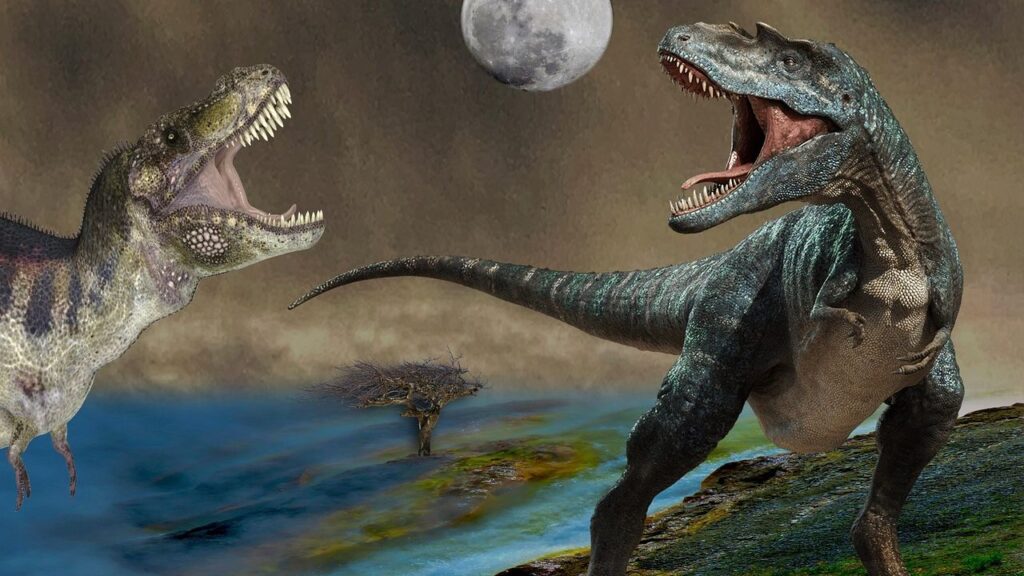
Here’s something that might completely rewire the movie version of dinosaurs in your head. Evidence suggests that dinosaur vocalizations were not likely to have sounded like roars at all. Instead, scientists now believe something far more subtle and deeply strange was going on.
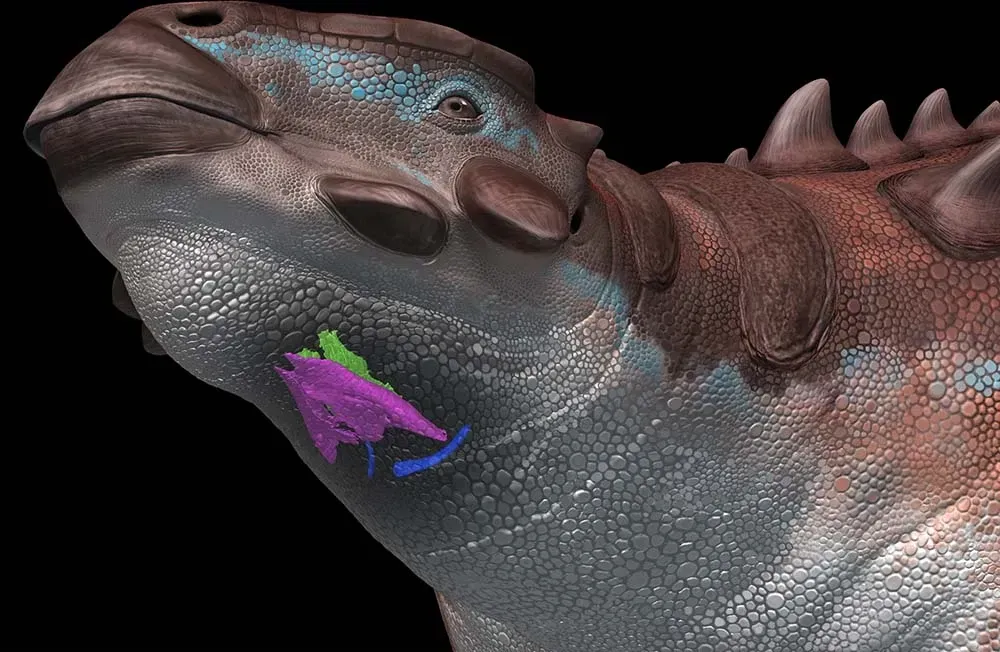
Scientists theorize that many dinosaurs may have produced closed-mouth vocalizations, achieved by inflating their esophagus or tracheal pouches while keeping their mouth closed, producing something comparable to a low-pitched swooshing, growling, or cooing sound. Think of it like a deep, resonant hum you feel in your chest rather than hear with your ears. Scientists found that these hoots evolved at least 16 times in Archosaurs, a group that includes birds, dinosaurs and crocodiles.
The Hadrosaur Crest as a Living Wind Instrument
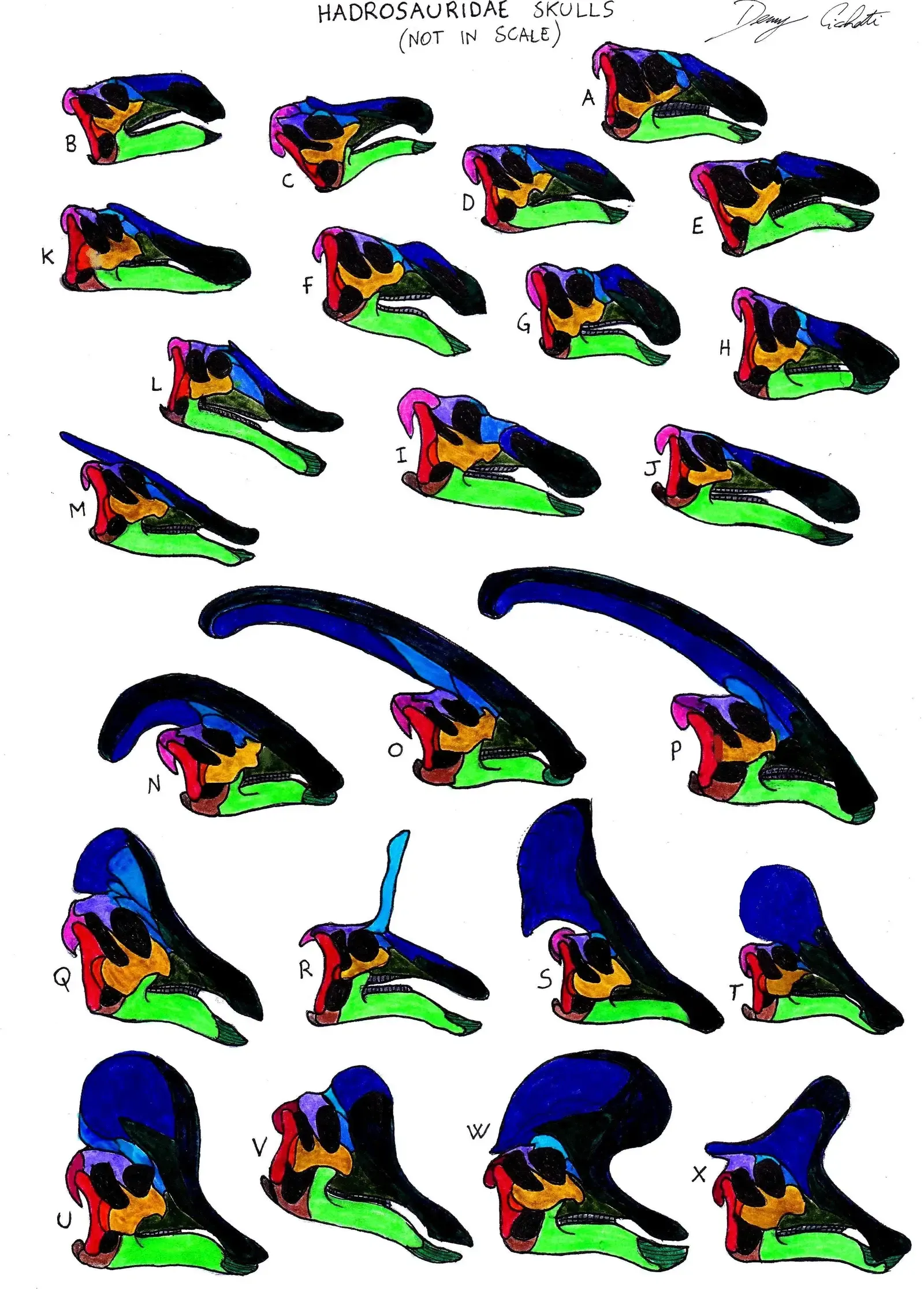
If you have ever seen a picture of Parasaurolophus, with that dramatic hollow tube arching backward from its skull, you have already seen one of the most compelling communication devices in prehistoric history. Some duck-billed dinosaurs, called hadrosaurs, had elaborate crests that contained long and resonant extensions of the breathing tracts, and these crests are naturally resonant and could easily produce low-frequency sounds.
Studies using 3D models and acoustic simulations estimate that Parasaurolophus produced low-frequency sounds, likely in the range of 30 to 80 Hz, falling within the infrasonic to low audible range similar to the deep rumbling of large mammals like elephants. Such low pitches would have traveled long distances, making them ideal for communication across vast Cretaceous landscapes. Honestly, it’s like nature built an entire species around a trombone. A very large, very ancient trombone.
Infrasound Communication: The Silent Language of Giants
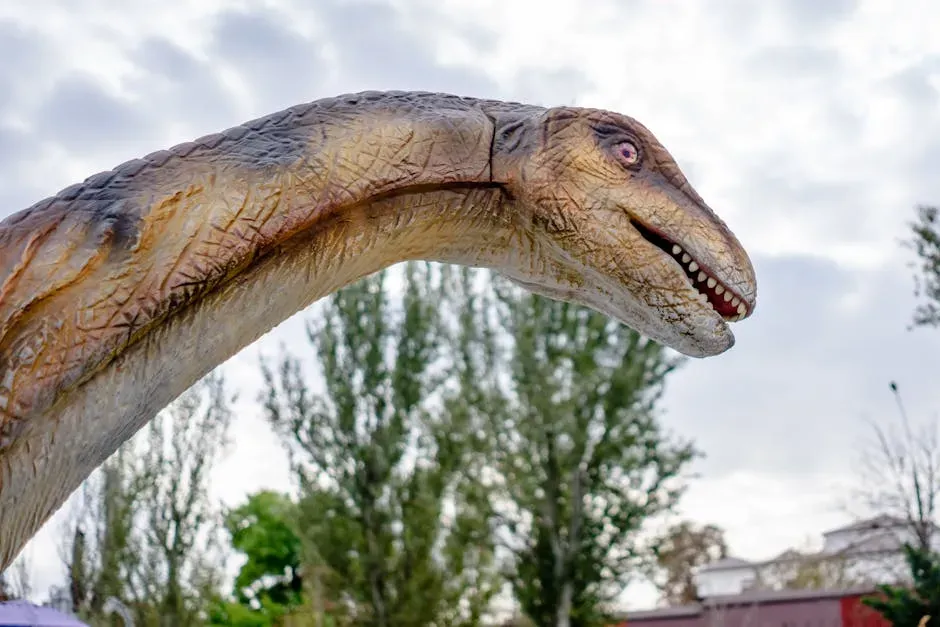
Here’s a theory that sounds almost science fiction until you realize elephants are doing a version of it right now. One particularly intriguing theory suggests that some dinosaurs, especially the larger species, may have used low-frequency sound waves, known as infrasound, to communicate across vast distances, a form of communication observed in modern elephants and whales that could have been an evolutionary advantage for dinosaurs roaming prehistoric landscapes.
Computer models of sauropod skulls suggest they could produce sounds as low as 5 Hz, well below human hearing thresholds but potentially perfect for long-distance communication, and these infrasonic calls would have propagated efficiently through the air and ground. The advantage of infrasound lies not only in its transmission distance but also in its ability to circumvent obstacles in the environment, allowing communication even in visually obstructed habitats. You would never have heard a word of it. You might have felt it, though.
Seismic Stomping: Talking Through the Ground
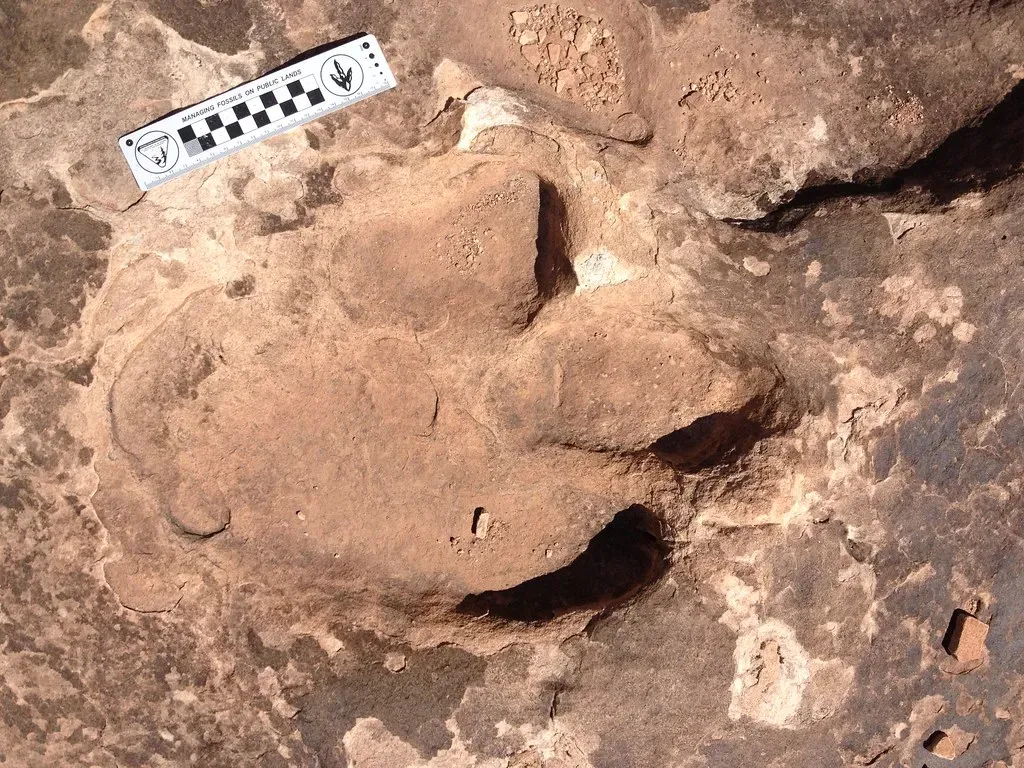
This one genuinely blew my mind when I first came across it. The enormous size of many dinosaurs suggests they may have utilized seismic communication, transmitting signals through ground vibrations. The massive sauropods, weighing up to 70 tons, would have generated significant ground vibrations simply by walking, and some paleontologists speculate these dinosaurs might have deliberately stomped to create seismic signals detectable by others through specialized sensory organs in their feet or legs.
Such seismic sensing exists in modern elephants, which can detect ground vibrations through specialized receptors in their feet from distances of several kilometers, and for dinosaurs inhabiting environments with limited visibility, such as dense forests, this form of communication would have been particularly advantageous. The fossilized trackways of certain hadrosaur herds even show synchronized movement patterns that might indicate coordinated responses to seismic leadership signals.
Colorful Feathers as a Visual Vocabulary
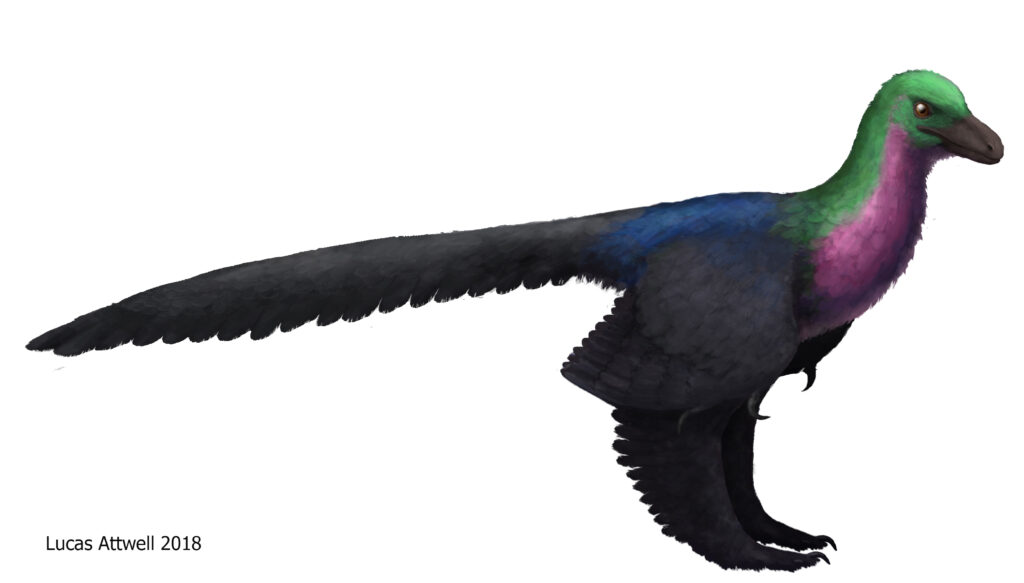
Not all communication is sound. Sometimes it’s a flash of color, a spread of wings, or an iridescent shimmer that says everything words cannot. Many dinosaur species likely utilized elaborate visual displays for communication across moderate distances, and the discovery of pigment-containing structures in fossilized feathers has confirmed that many dinosaurs sported vivid colors and patterns.
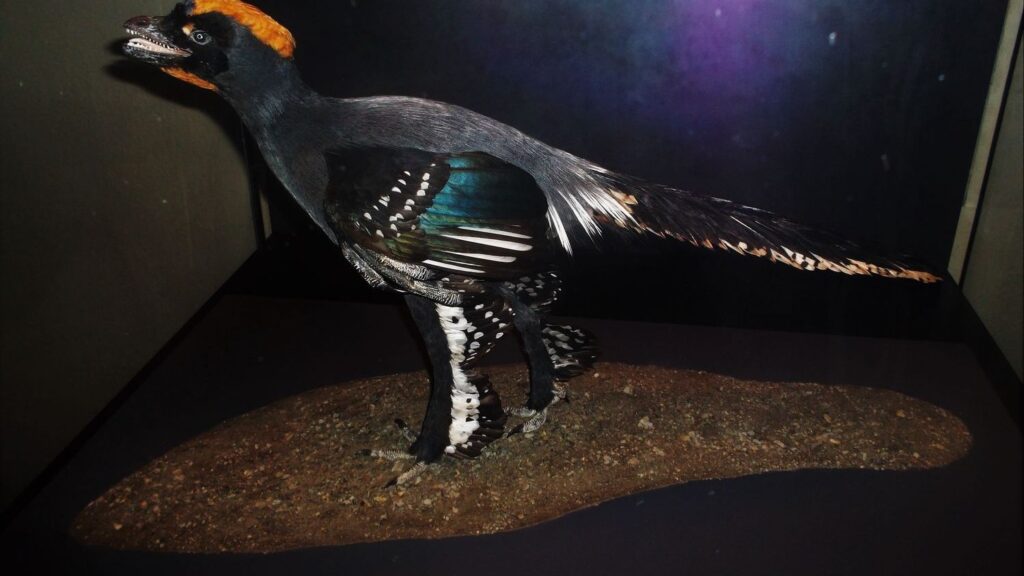
The small birdlike Anchiornis is known to have had a vivid red crown of feathers, with rufous speckles around the face and contrasting black and white patterns on the wings, while its close relative Caihong was found to have had shiny, iridescent feathers similar to the trumpeter birds of South America, perhaps also serving as a display feature. Many feathered dinosaurs, such as the maniraptoran theropods, had long feathers on their forearms that essentially formed wings. Unable to use them for flight, perhaps these simple wings were used as display features, much like today’s birds which flare conspicuous wing feathers as a sign of readiness to breed or as intimidation to rivals.
Crests, Frills, and Horns as Social Signals
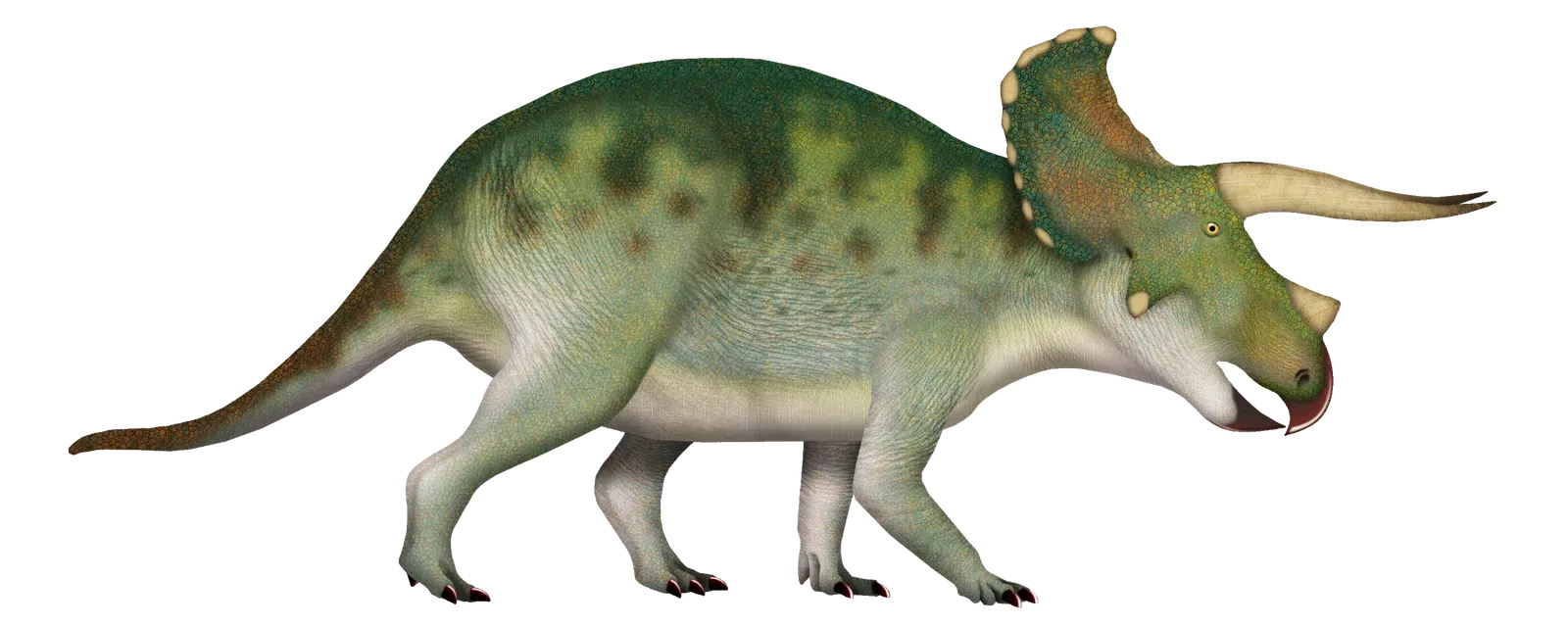
Let’s be real for a moment: if you grew an enormous bony structure on top of your head and it served no purpose, evolution would have gotten rid of it pretty quickly. Visual displays played a significant role in dinosaur communication, with elaborate crests, frills, and horns serving as their language, and these striking features were employed during intricate mating rituals and to assert dominance within their communities.
Resonating chambers such as the peculiar crests and projections on the heads of hadrosaurs may have played a role in creating distinctive honking noises, and these structures potentially acted as amplifiers or modifiers of sound, allowing dinosaurs to communicate over long distances or produce species-specific vocalizations. It’s hard to say for sure whether a particular crest was more about sound or spectacle, but the strongest theories suggest it was probably both at once.
Tail Cracking: The Sonic Boom Signal
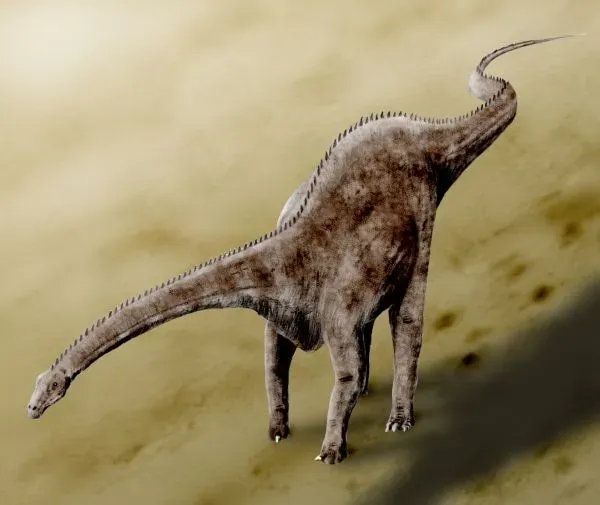
This one sounds almost absurd until you think about it carefully. The extremely long tails of Diplodocus and other sauropod dinosaurs could also have made some noise, with researchers suggesting that the tips of these tails could have been flicked at supersonic speeds, making bullwhip-like cracking sounds that may have traveled long distances.
It has been suggested that the long, whip-like tails of diplodocid sauropods were able to be cracked in the air by their owners in the same manner as a bullwhip, and this sound might have carried for considerable distances, allowing these dinosaurs to send signals of some kind to each other. Imagine standing miles away and hearing a prehistoric sonic boom echo across the landscape. That would get your attention, no question about it.
The Brain-Capacity Connection: Complex Cognitive Communication
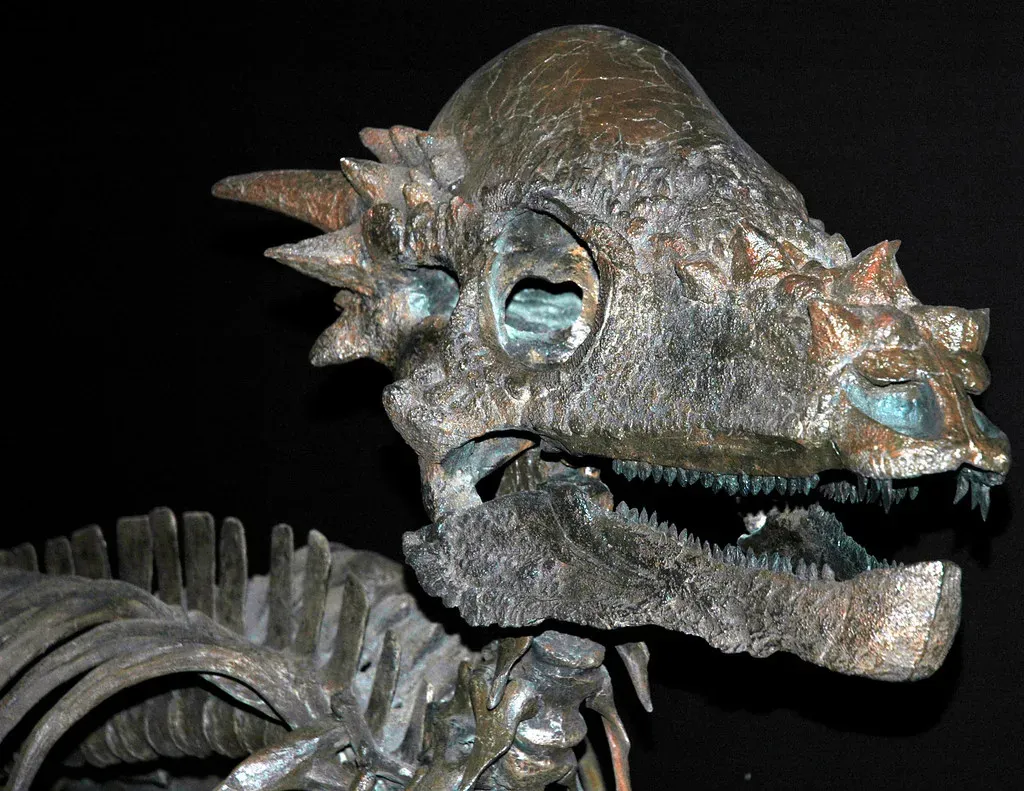
Communication doesn’t just need a mouth or a tail. It needs a brain capable of processing signals, forming intent, and responding. Dinosaur brains may have possessed the capacity for complex vocal communication, though because brains are soft and break down quickly, dinosaurs left behind few clues about their brainpower.
Julia Clarke has conducted extensive research suggesting that some dinosaurs likely had complex social structures requiring varied forms of communication, much like today’s avian species do. Another key aspect of understanding prehistoric communication is the integration of behavioral and environmental data, since dinosaurs likely used vocalizations for communication, mating, and territorial defense, much like modern animals. The more we study their neurological capacity, the more it seems these creatures had far richer inner worlds than we ever imagined.
Body Language, Dance, and Posture
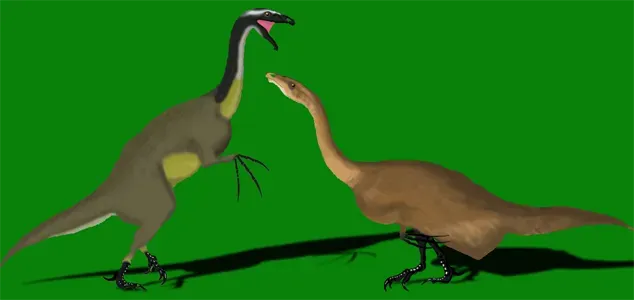
This one is perhaps the most poetic of all the theories. Dinosaurs utilized visual displays and body language as a means of communication and social interaction, and similar to their modern bird counterparts, dinosaurs likely engaged in elaborate dances, posturing, and posing to convey messages. Their physical features such as crests, frills, and horns played a significant role in signaling dominance, age, or attracting potential mates.
Crocodilians, as another archosaur lineage related to dinosaurs, showcase how subtle head movements, body posturing, and vocalizations work together in reptilian communication systems. The elaborate visual displays of modern birds of paradise hint at how feathered dinosaurs might have utilized their plumage for dramatic signaling. It’s almost beautiful to picture. A world of enormous creatures, moving with deliberate, meaningful grace, each gesture carrying a message only their own kind could read.
Paleoacoustics and Computer Modeling: Reconstructing Lost Voices
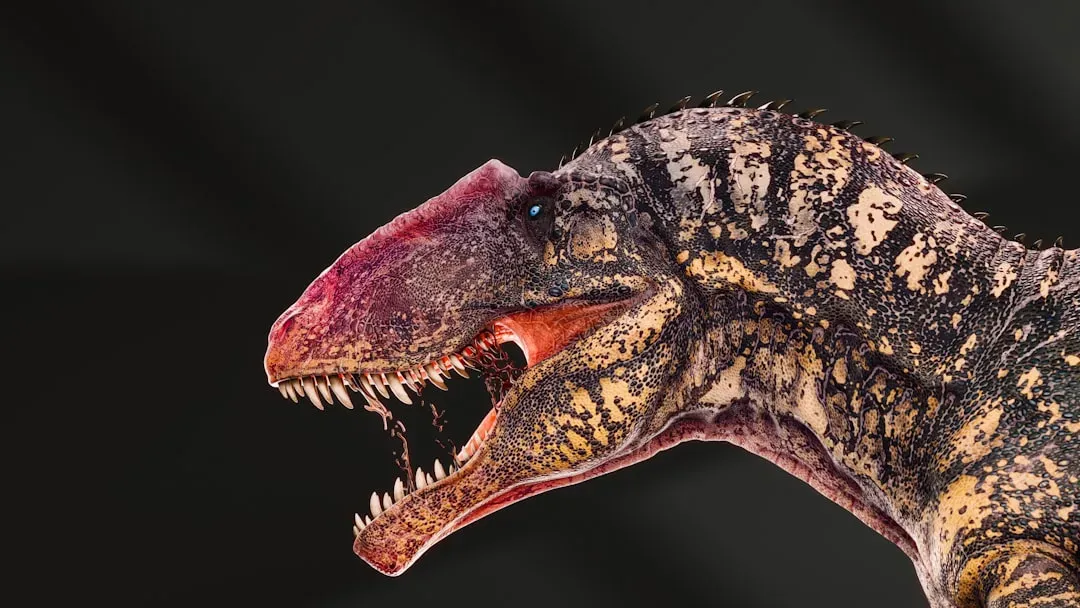
Modern science is doing something truly remarkable. It is reaching back across tens of millions of years and trying to reconstruct sounds that no living human ear has ever heard. Computational models are employed to replicate the airflow and vibrations that would have occurred in a dinosaur’s vocal tract, taking into account factors such as the length and diameter of the trachea, the presence of air sacs, and the flexibility of soft tissues.
Paleontologist Tom Williamson and computer scientist Carl Diegert had to use common sense and imagination to reconstruct not only missing parts such as the beak and nostrils of the dinosaur, but also the soft tissues of the head and throat that were not fossilized. Since it is uncertain whether Parasaurolophus had vocal cords, a variation of sounds with and without vocal cords was simulated. Researchers use a combination of fossil evidence, comparisons with modern animals, and advanced modeling techniques to piece together possible sounds. We may never hear the exact voice of a living dinosaur. Yet the fact that we can get close enough to feel the shape of it is, honestly, nothing short of extraordinary.
Conclusion: A World That Never Stopped Talking

What becomes clear when you look at all of these theories together is that dinosaurs were not silent, solitary, or simple. They were communicators. Sophisticated ones, by all accounts, using sound, color, vibration, posture, and perhaps even the ground beneath their feet to stay connected across ancient, wild landscapes.
Paleontologists have developed compelling theories about dinosaur communication systems through comparative studies with modern animals, analysis of dinosaur anatomy, and examination of their environmental context. While we cannot be certain of the exact frequencies or melodies, by combining anatomical evidence, behavioral observations of living relatives, and our understanding of animal communication, we can begin to paint a picture of the vibrant and noisy world of the dinosaurs, and each new discovery brings us closer to understanding the sounds that once echoed through ancient landscapes.
The next time you see a bird perched on a fence, singing its heart out, remember: you might be hearing the very last echo of a communication system 165 million years in the making. What would you have guessed dinosaurs sounded like before reading this? Tell us in the comments.