The ocean’s depths have hidden incredible secrets for millions of years. While the infamous Megalodon captured our collective imagination as the ultimate ocean predator, the truth is that this massive shark wasn’t even close to being the largest creature that ever ruled the seas. Ancient marine reptiles and other oceanic giants dwarfed the mighty Megalodon, some stretching to lengths that would make even today’s blue whales look modest.
Most current, scientifically accepted estimates for the Megalodon’s maximum size fall into the 60-70 foot range, with a weight of 50-70 tons. But what lurked in prehistoric oceans was far more spectacular and terrifying than we ever imagined. These weren’t just slightly bigger predators – they were absolute monsters that redefined what it meant to rule the ancient seas.
Ichthyotitan severnensis – The Undisputed Ocean Giant
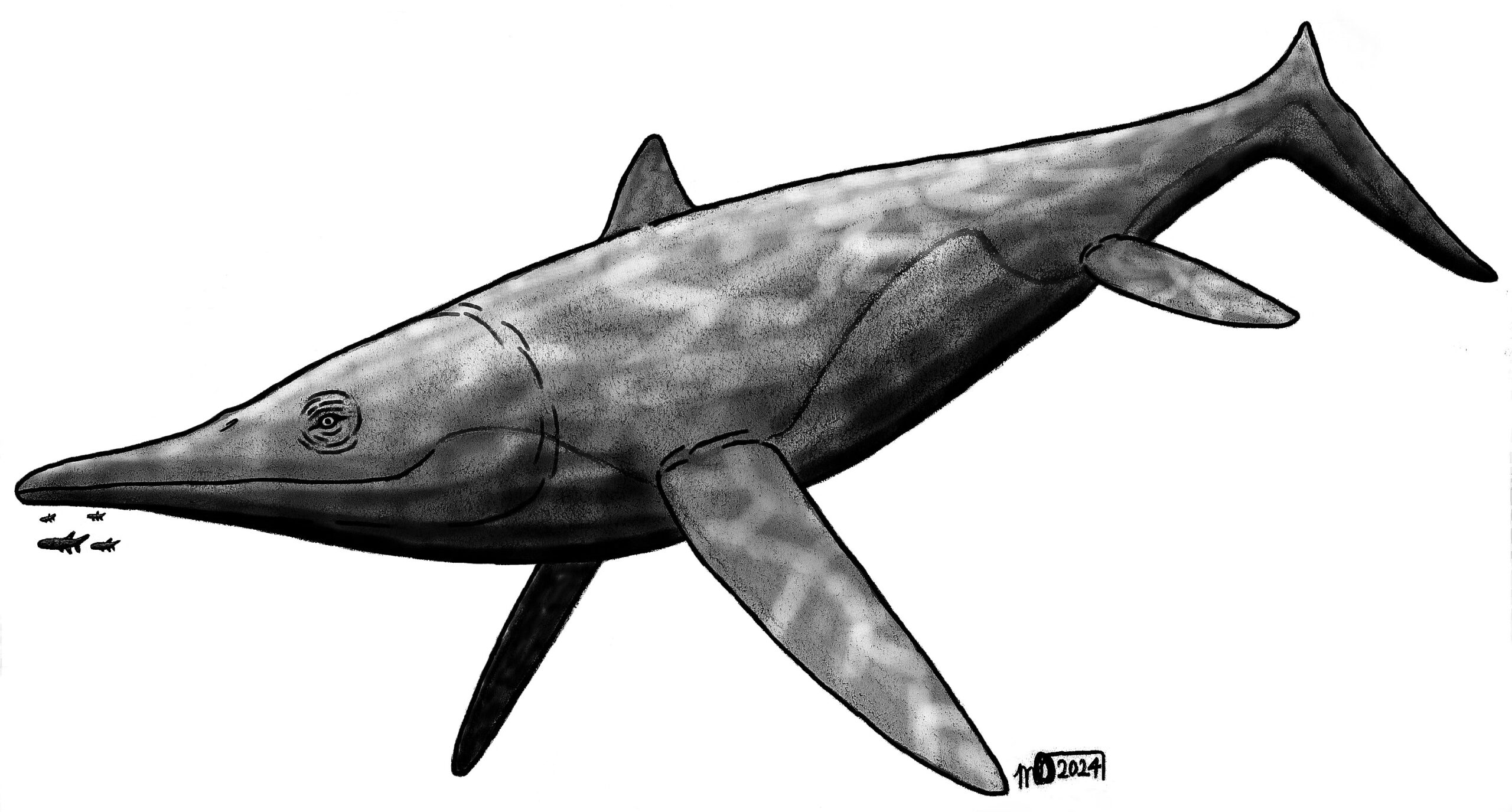
Picture an ocean creature so massive that its jaw alone could swallow a great white shark whole. That’s the reality of Ichthyotitan severnensis, discovered by an 11-year-old girl on a British beach. The fossil – a lower jaw more than 6½ feet long – promised a creature leagues beyond anything alive today. The find dated to around 202 million years ago, slotting it into the turbulent final chapter of the Triassic Period.
Scientists estimate this marine reptile reached staggering proportions. Ichthyotitan, found in Somerset, has been estimated to be as much as 26 m long – if correct, the largest marine reptile known to date. That’s roughly 85 feet of pure prehistoric power gliding through ancient seas. No marine reptile ever reached such gigantic sizes ever again.
Shastasaurus sikanniensis – The 69-Foot Mystery
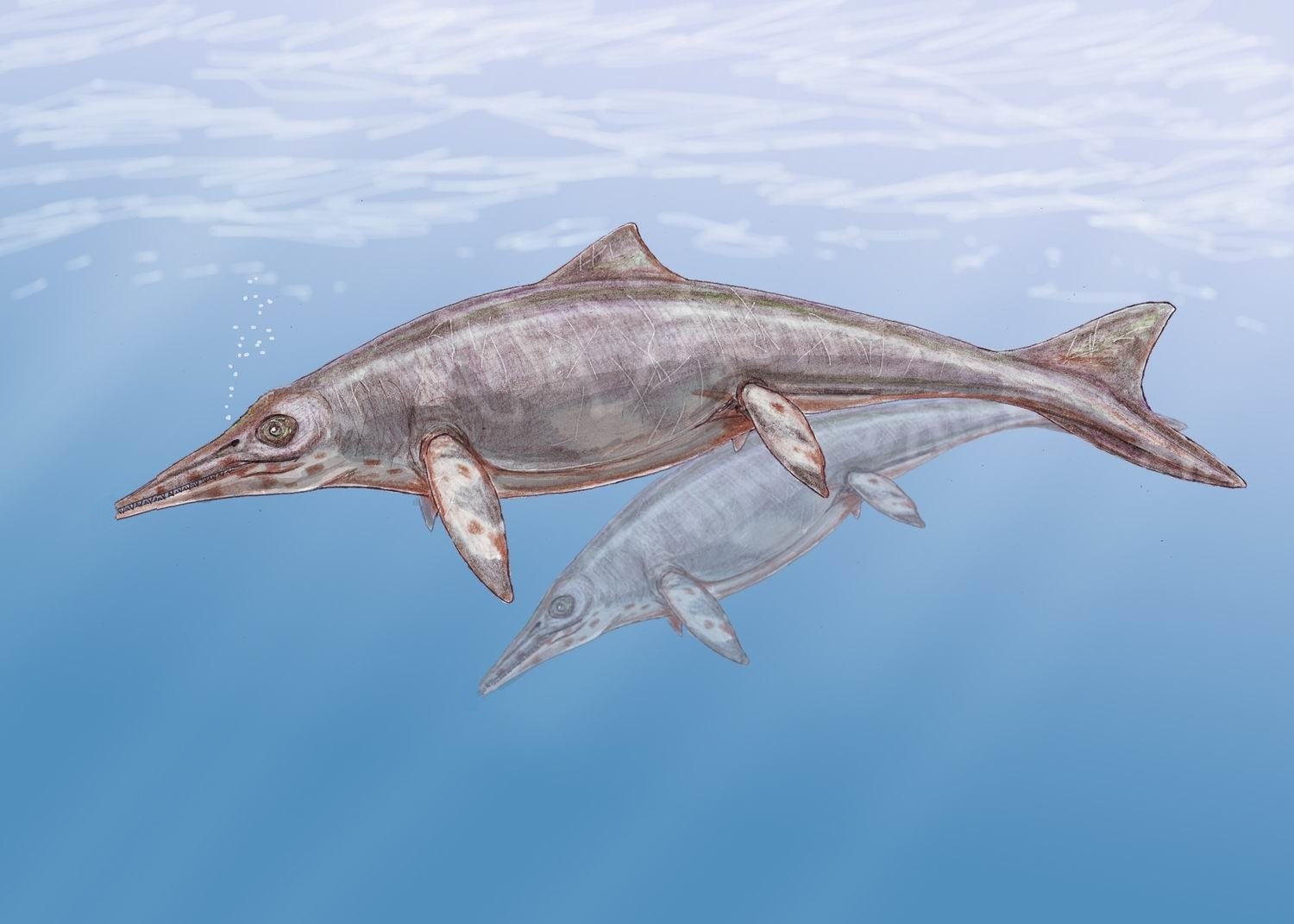
Deep in the fossil beds of British Columbia lies evidence of another ocean titan that puts Megalodon to shame. S. sikanniensis was one of the largest known ichthyosaurs, similar in size to modern-day cetaceans, measuring up to 21 metres (69 ft) in length and weighing 81.5 metric tons (89.8 short tons). This massive marine reptile lived around 210 million years ago during the Triassic period.
What makes Shastasaurus particularly fascinating is its unique body structure. It was very slender in profile. S. sikanniensis had a ribcage slightly less than 2 metres (6.6 ft) deep despite a distance of over 7 metres (23 ft) between its flippers. Imagine a creature nearly 70 feet long but surprisingly sleek – like a prehistoric torpedo designed by nature’s most ambitious engineer.
Shonisaurus popularis – Nevada’s Ancient Leviathan
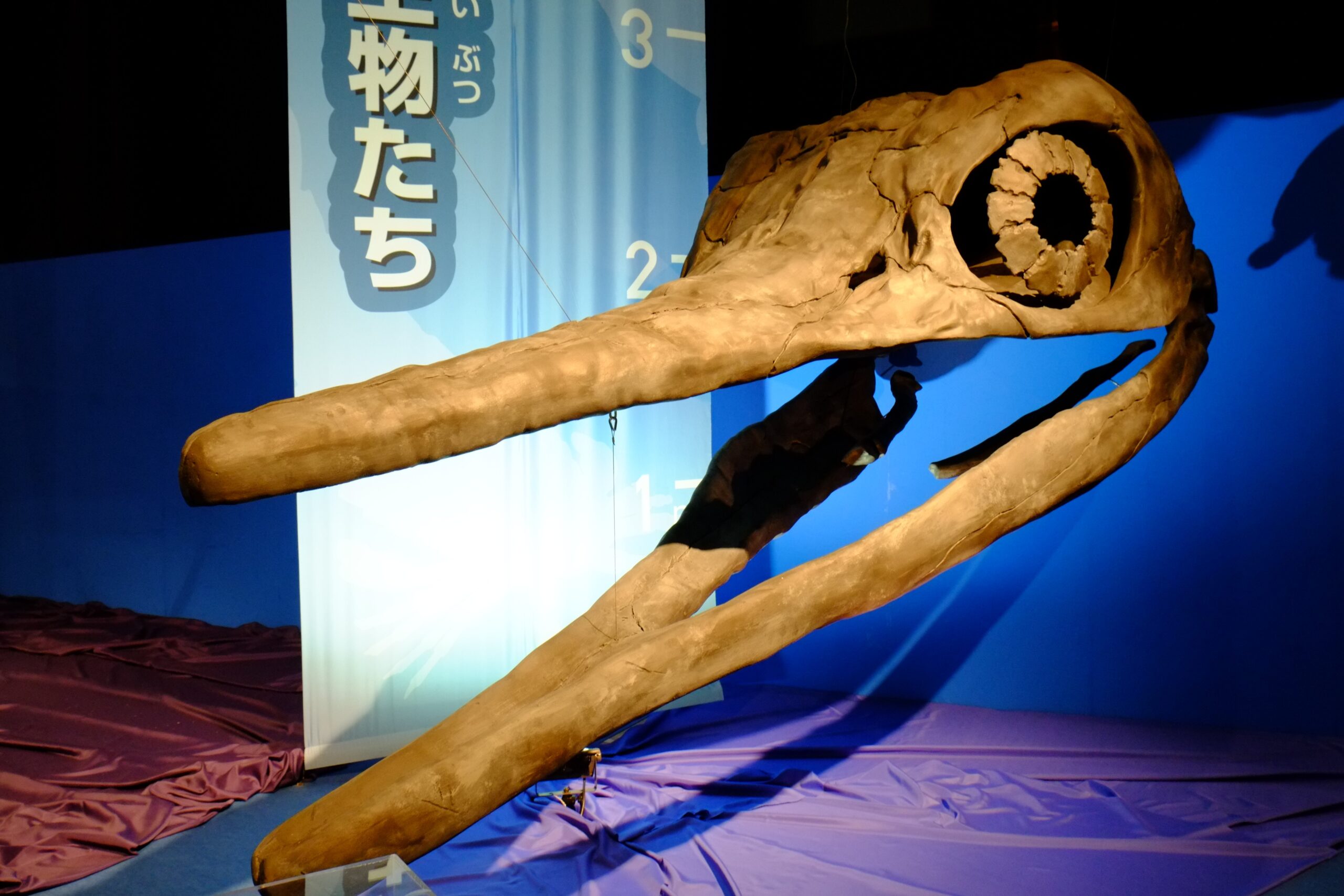
Nevada might be known for deserts today, but 227 million years ago it was home to oceanic giants. With a large skull about 2.75 m (9.0 ft) long, S. popularis measured around 13.5–15 metres (44–49 ft) in length and 21.6–29.7 metric tons (23.8–32.7 short tons) in body mass. While smaller than its cousin S. sikanniensis, this creature still dwarfed the Megalodon in length.
The discovery site in Nevada revealed something extraordinary about these ancient giants. Fossils of Shonisaurus were first found in a large deposit in Nevada in 1920. Thirty years later, they were excavated, uncovering the remains of 37 very large ichthyosaurs. Scientists now believe this wasn’t a mass death event but rather an ancient birthing ground where these massive marine reptiles gathered annually, much like modern whales.
Livyatan melvillei – The Whale That Hunted Whales
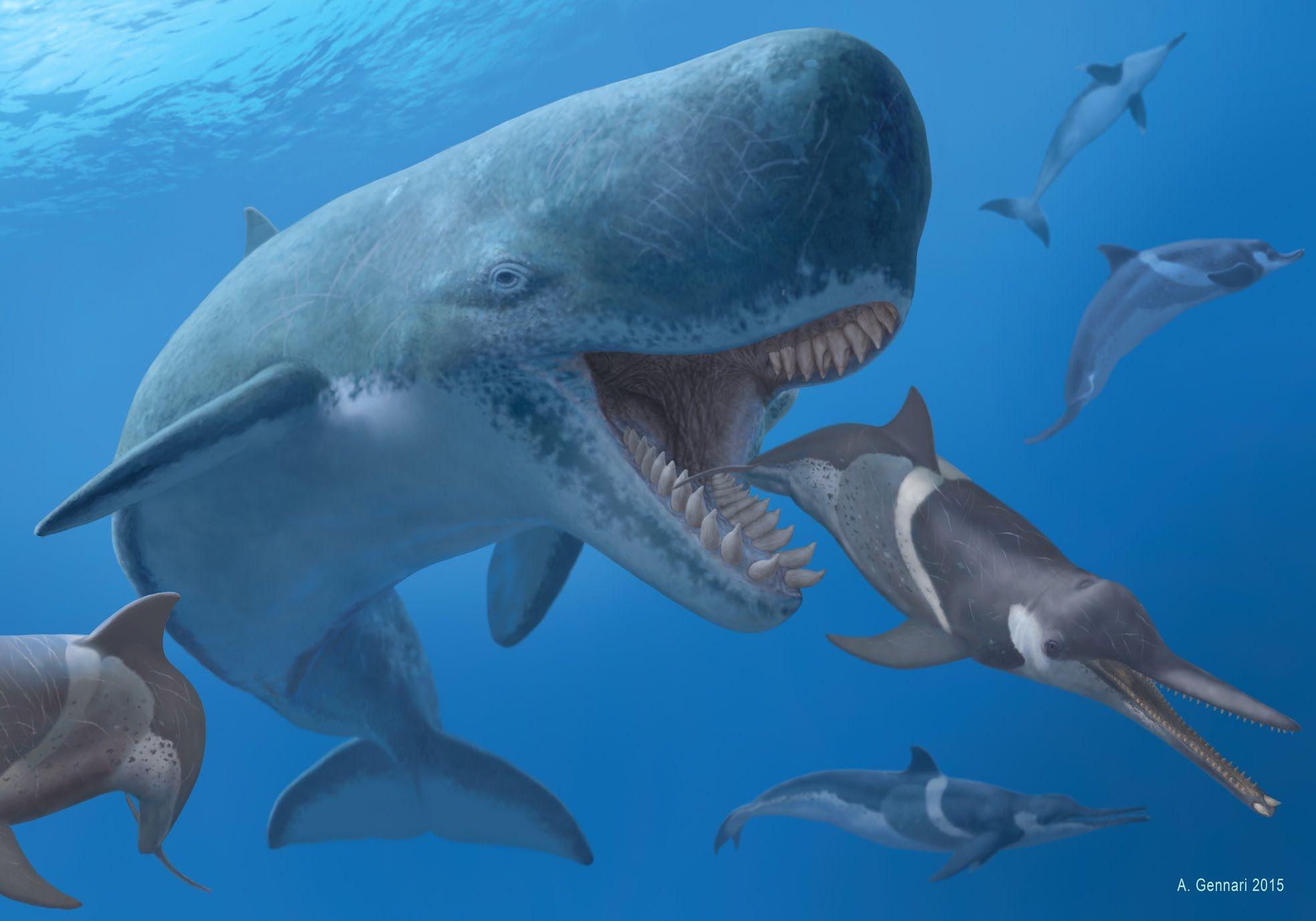
Not all ocean giants were reptiles. Meet Livyatan melvillei, a predatory whale so fearsome it could have given Megalodon nightmares. This predatory toothed whale lived 12-13 million years ago during the Miocene epoch and grew to 13.5 to 17.5 meters (45–57 feet) in length. What truly set this creature apart wasn’t just its size but its incredible weaponry.
It had the largest teeth of any animal ever recorded (excluding elephants tusks) reaching about 0.4 meters (1.2 feet). These weren’t just big teeth – they were precision instruments of death. Paleontologists describe the mighty creature as having “the biggest tetrapod bite ever found,” which is no trivial matter, since the tetrapods include all mammals, reptiles (like dinosaurs), amphibians, and birds.
Leedsichthys problematicus – The Gentle Giant Filter Feeder
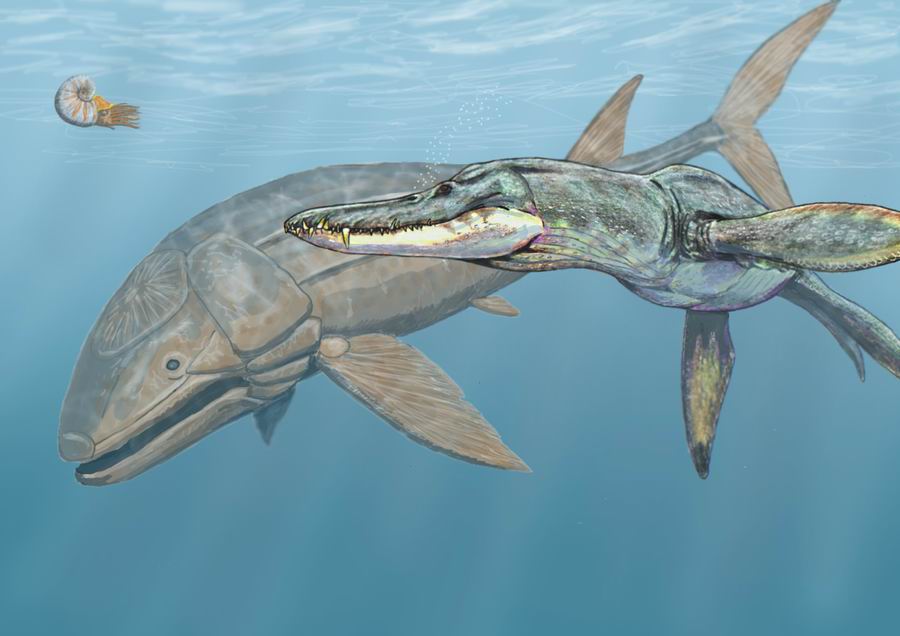
Sometimes the most impressive ocean giants weren’t the fiercest predators. Leedsichthys problematicus, meaning “Alfred Leed’s problem-causing fish”, was another prehistoric ocean giant. Estimates put Leedsichthys at approximately 16.5m long, substantially larger than the average Megalodon. This massive bony fish lived during the Jurassic period, roughly 165 million years ago.
It is estimated to have reached lengths of approximately 54 feet (16.5 meters), putting it roughly in the same size ballpark as the Megalodon. It was a filter feeder, consuming plankton and other small organisms rather than being a predatory behemoth. Picture a creature the size of Megalodon but with the feeding habits of a whale shark – a true marvel of prehistoric evolution.
Cymbospondylus youngorum – The 56-Foot Triassic Terror
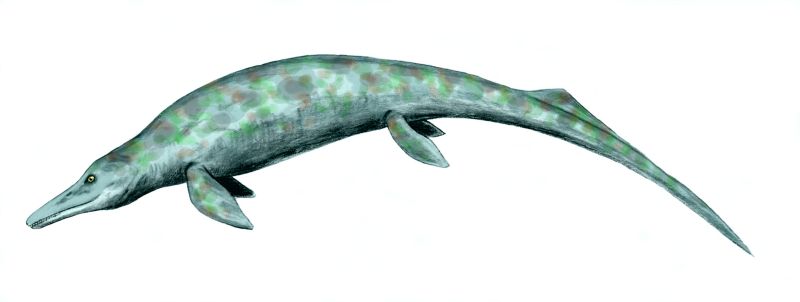
The Triassic oceans were dominated by massive marine reptiles that make modern sea life look miniature. Cymbospondylus youngorum represents one of these incredible predators. It was one of the largest known marine reptiles, exceeded only by fellow early ichthyosaurs Cymbospondylus youngorum (17 m/56 ft), Shonisaurus sikanniensis (21 m/69 ft), and a recently named shastasaurid called Ichthyotitan from England (22 m/82 ft).
At 56 feet long, this marine reptile was built for hunting in the ancient Triassic seas. Unlike some of the filter-feeding giants, Cymbospondylus was likely an active predator, using its massive size and powerful swimming ability to hunt other marine creatures. The sheer scale of these ancient predators suggests ocean ecosystems that were dramatically different from anything we see today.
Pliosaurus funkei – “Predator X” Unleashed
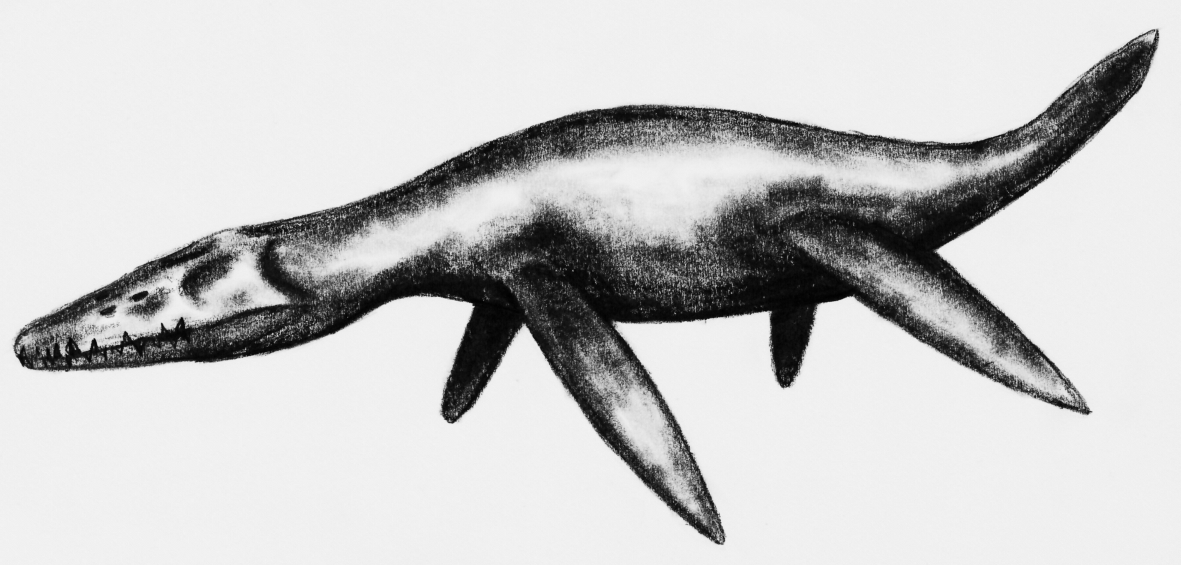
Sometimes paleontologists discover fossils so impressive they capture headlines before they even have official names. “Predator X” quickly caught the attention of the news and popular science media, and was even a focus animal in an episode of the well-made dinosaur documentary series Planet Dinosaur, all before this individual had even been granted an official binomial name. Today, “Predator X” is known within scientific circles as Pliosaurus funkei which is the official descriptive name for this pliosaur that was granted in 2012.
Related to the long-necked plesiosaurs the pliosaurs adapted to fill a range of different predatory niches with some like Pliosaurus itself being hunters of other marine reptiles. Such prey preference is indicated by the large teeth as much as thirty centimeters long of the jaws which would have been okay on small prey like fish, but devastating against large prey like plesiosaurs, ichthyosaurs, smaller pliosaurs and quite possibly giant fish such as Leedsichthys. With teeth nearly a foot long, this creature was the ultimate apex predator of its time.
Basilosaurus cetoides – The 85-Foot “King Lizard”
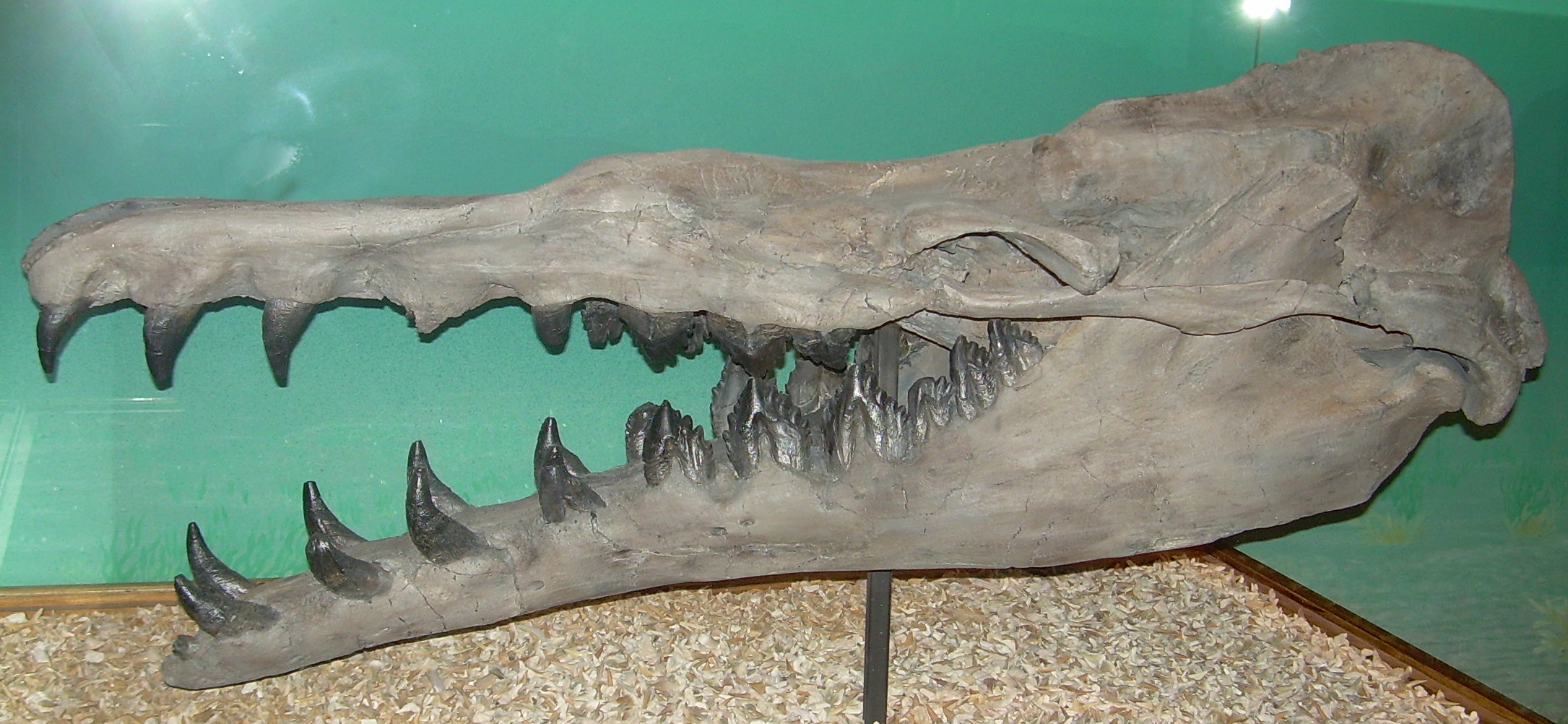
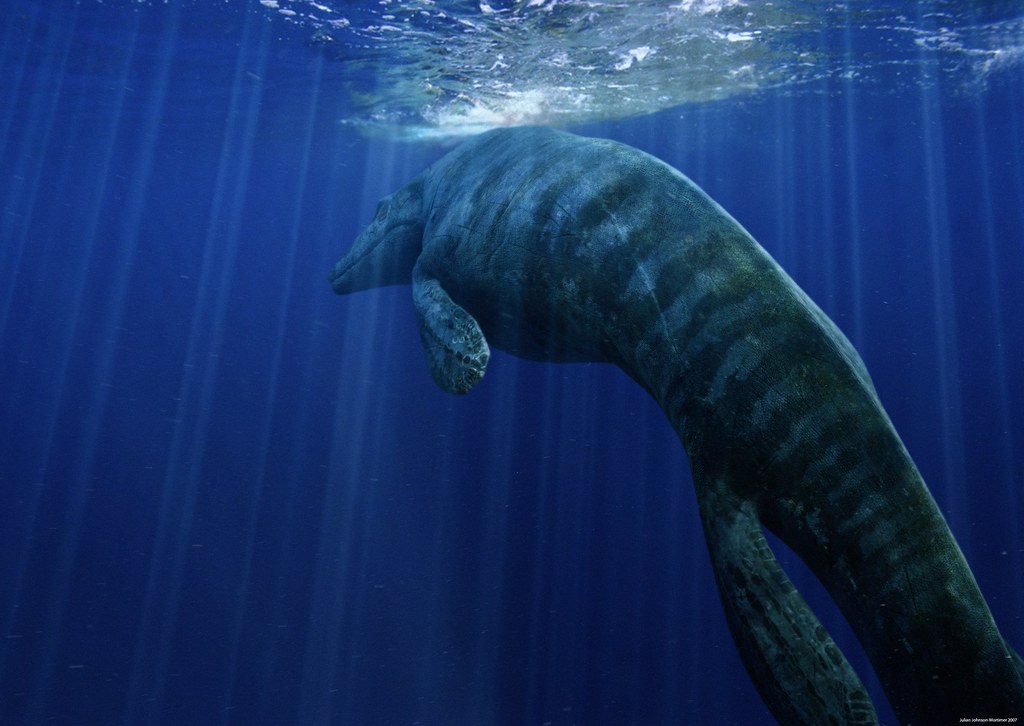
One of the most bizarrely named creatures in paleontology, Basilosaurus means “king lizard” – but it wasn’t a lizard at all. This prehistoric sea creature was initially thought to be a giant marine reptile and was given the misleading name Basilosaurus, which means “king lizard”. We can see why the confusion given its long, snake-like body that was up to 26 meters (85 feet) long. However, it turned out that the Basilosaurus in fact was a predatory whale that roamed the oceans 40 million years ago.
Scientists believe that the Basilosaurus was a top predator with a powerful bite that would tear its prey apart before eating it in pieces. This 85-foot whale was like nothing that exists today – part snake, part whale, and entirely terrifying. Its serpentine body and powerful jaws made it one of the most successful marine predators of the Eocene epoch.
Conclusion: When Giants Ruled the Seas
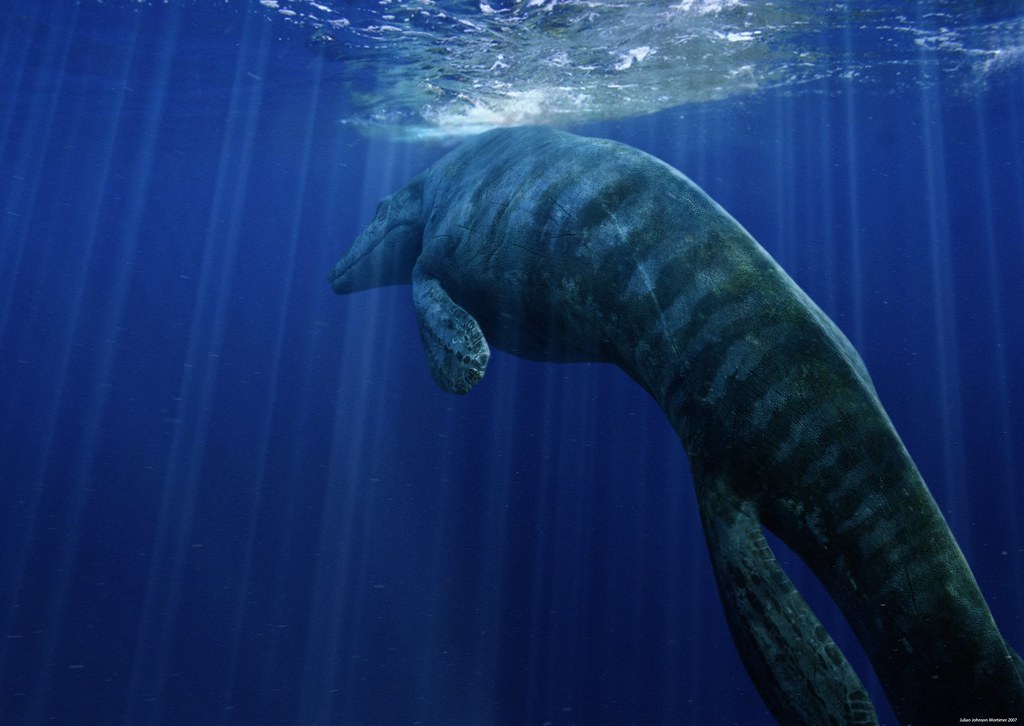
The ancient oceans were a very different world from today’s seas. These marine giants lived in times when the rules of oceanic life were written by creatures that dwarfed even our modern blue whales. Megalodon has also been found to be far larger than the gigantic theropod dinosaurs such as Spinosaurus, T-Rex, as well as the large ocean going marine reptiles such as Basilosaurus, and Tylosaurus. Yet even the mighty Megalodon was a minnow compared to these prehistoric titans.
From the 85-foot Ichthyotitan that discovered by a schoolgirl to the whale-hunting Livyatan with its foot-long teeth, these creatures represent the peak of marine evolution in terms of sheer size and predatory power. They remind us that Earth’s oceans have hosted life forms so extraordinary they seem almost mythical. The next time you look out at the ocean, remember – it once belonged to giants that make today’s largest whales look modest.
Did you expect that the prehistoric seas were home to such incredible monsters?