Africa – Conservationists pursue vulture safe zones to counter the scavengers’ alarming declines amid sprawling territories and mounting human pressures.
Vultures Vanish at Alarming Rates
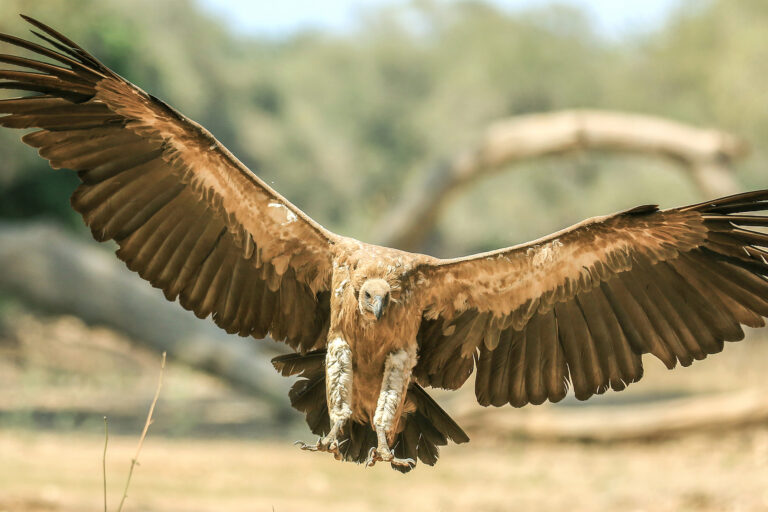
Vultures Vanish at Alarming Rates (Image Credits: Imgs.mongabay.com)
Populations of African vultures plummeted by more than 90 percent over three generations, largely due to poisoning incidents. These birds, essential for devouring carrion and curbing disease spread, reproduce slowly, amplifying the impact of each loss. Immature vultures roam farthest, heightening their exposure to dangers outside protected areas.
A telemetry study tracked 163 GPS-tagged individuals across eight countries from 2004 to 2019, exposing the scale of their movements. Researchers found that immature Rüppell’s vultures covered the largest areas recorded, expanding ranges during wet seasons when food grew scarce. Such patterns underscore why standard protected areas fall short, with overlaps rarely exceeding 40 percent.
Primary Threats Demand Urgent Action
Poison baits, intended for carnivores preying on livestock, prove lethal as vultures scavenge tainted carcasses. Power lines claim countless victims through electrocutions and collisions, while drownings in reservoirs and lead ammunition add to the toll. These hazards persist across vast farmlands and communal lands, far beyond park boundaries.
- Poisoning from pesticides retaliating against predator attacks
- Electrocution and power line collisions
- Ingestion of lead from ammunition
- Drowning in unguarded water sources
- Disturbance at nesting and roosting sites
Energy infrastructure expansions exacerbate risks, though mitigation efforts like retrofitting poles offer hope. Complete threat elimination remains elusive, necessitating layered defenses.
Defining Vulture Safe Zones
Vulture safe zones designate large areas free of poisons, with secured power lines and protected breeding sites. Certification demands rigorous assessments, threat mitigations, and annual monitoring by groups like the Endangered Wildlife Trust. Landowners commit in writing, phasing out dangers over months or years.
Mokala National Park in South Africa’s Northern Cape earned certification in late 2025 as the first such park managed by SANParks. Spanning 27,500 hectares, it safeguards White-backed vultures through chick ringing – over 1,100 since 2008 – and netted dams. Partners including Eskom ensured power line safety.
Matching the Scale of Vulture Wanderings
Home ranges dwarf many reserves, with adult African White-backed vultures needing at least 24,000 square kilometers and Rüppell’s exceeding 75,000. Cape vultures show minimal protected area use, at 34 percent for adults and 16 percent for immatures. Networks now cover roughly 2 million hectares in southern Africa, blending farms and reserves.
| Species | Minimum VSZ Area (km²) | Key Challenge |
|---|---|---|
| African White-backed | 24,000 | Moderate PA overlap |
| Cape Vulture | Large | Low PA use (34% adults) |
| Rüppell’s Vulture | 75,000+ | Immense immature ranges |
Such expanses require cross-boundary collaboration, community buy-in, and persistent oversight. Telemetry guides priorities, targeting high-risk zones for feeding stations and awareness campaigns.
Key Takeaways
- Vulture safe zones must span tens of thousands of square kilometers to encompass full home ranges.
- Poisoning and power lines dominate threats, demanding multi-stakeholder mitigations.
- Success hinges on sustained monitoring and landowner commitments over decades.
Vulture safe zones represent a pragmatic shield for Africa’s skies, blending science and cooperation to halt declines. Yet their success tests resolve against nature’s grand scale. What steps should expand these efforts? Share your thoughts in the comments.