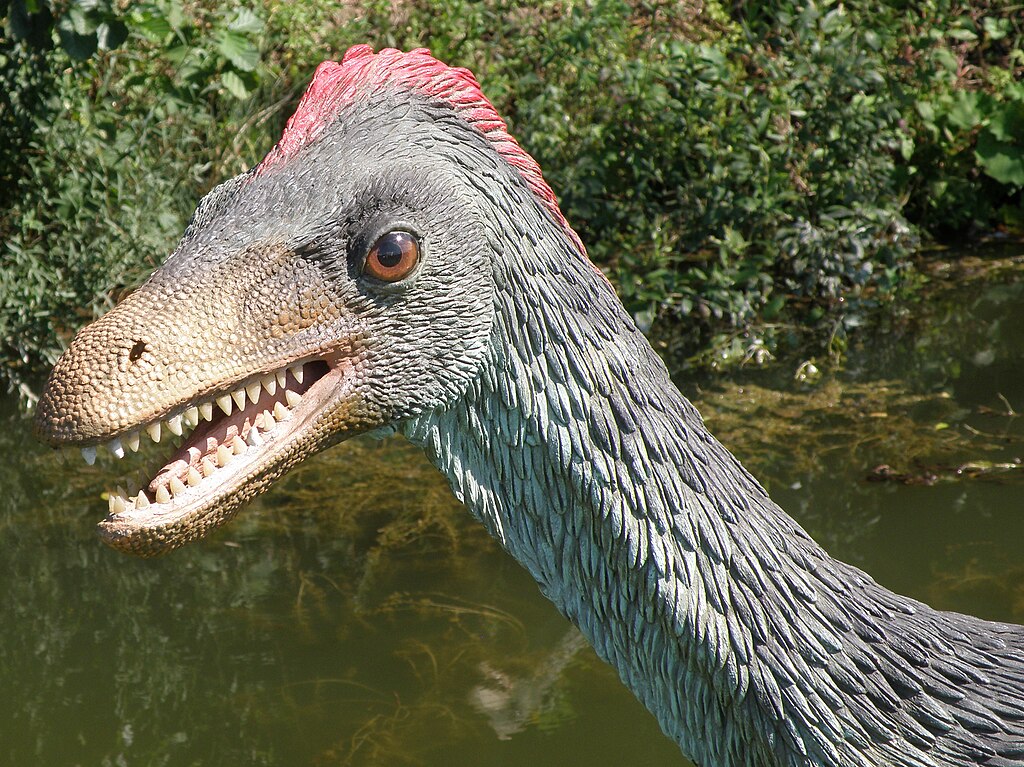
The question of dinosaur intelligence has fascinated paleontologists and the public alike for generations. These magnificent creatures ruled Earth for over 165 million years, evolving into countless species that dominated nearly every ecological niche. While Hollywood often portrays dinosaurs as either mindless brutes or cunning predators approaching human-like reasoning, the scientific reality is far more nuanced. Recent fossil discoveries, comparative studies with modern animals, and advanced imaging techniques have revolutionized our understanding of dinosaur brains and potential cognitive abilities. This article explores the compelling evidence for primitive intelligence in various dinosaur lineages and what it reveals about the cognitive evolution of these extraordinary animals.
Defining Intelligence in Extinct Species

Studying intelligence in animals that vanished millions of years ago presents unique challenges for scientists. Unlike behavioral studies of living creatures, paleontologists must rely on indirect evidence such as brain case endocasts, comparative anatomy with living relatives, and ecological contexts. Intelligence itself exists on a spectrum rather than as a binary trait, encompassing problem-solving abilities, social dynamics, tool use, and adaptability to changing environments. For dinosaurs, researchers focus on the encephalization quotient (EQ)—the ratio of brain size to body size—as one measure of potential cognitive capacity. Other indicators include brain structure proportions, especially regions associated with higher functions in modern animals. These metrics, while imperfect, offer windows into the cognitive world of these ancient beings.
The Evolution of the Dinosaur Brain

Dinosaur brains underwent significant evolutionary changes during their lengthy reign. Early dinosaurs possessed relatively simple brain structures compared to their later descendants. Through natural selection, certain lineages developed progressively larger and more complex brains relative to their body size. This neural evolution didn’t follow a single trajectory—different dinosaur groups evolved distinct brain specializations based on their ecological needs. The theropod lineage (which includes modern birds) showed particularly notable encephalization, especially in regions associated with sensory processing and motor coordination. Recent studies of braincases from various dinosaur species reveal that this neural evolution occurred in pulses rather than gradually, often corresponding with major adaptive radiations or environmental changes. This pattern suggests cognitive adaptations played important roles in dinosaur survival and diversification throughout the Mesozoic era.
Theropods: The Brightest Among Dinosaurs

Among dinosaurs, the theropod group—carnivorous bipedal dinosaurs including Tyrannosaurus rex and Velociraptor—demonstrated the most compelling evidence for advanced cognitive abilities. Endocasts of theropod braincases reveal enlarged cerebral hemispheres and expanded visual and olfactory bulbs, suggesting enhanced sensory processing. Many theropods possessed brain-to-body size ratios comparable to some modern birds and reptiles. Particularly noteworthy were the maniraptoran theropods, close relatives of birds, whose brain structures show remarkable similarities to their avian descendants. Some species, like Troodon, had an encephalization quotient approaching that of modern flightless birds. These neurological adaptations likely supported complex behaviors such as coordinated hunting strategies, spatial memory for territory navigation, and potentially rudimentary problem-solving abilities that would have provided significant advantages in their predatory lifestyles.
Troodon: A Case Study in Dinosaur Intelligence
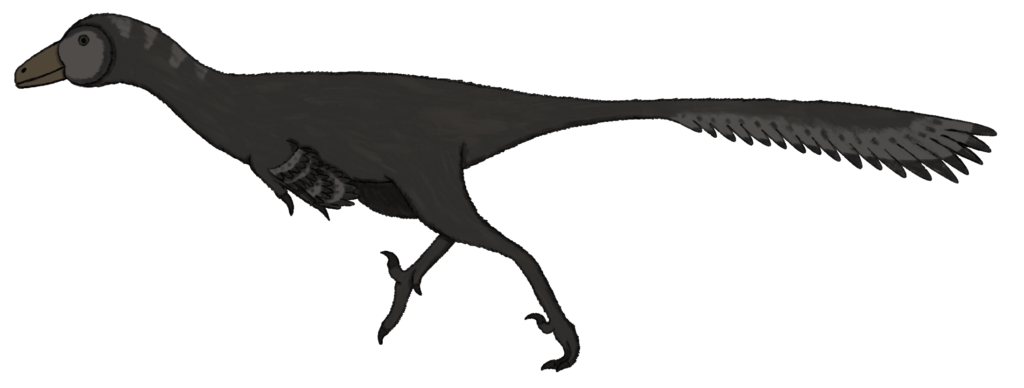
Troodon formosus represents one of the most intriguing cases for sophisticated dinosaur cognition. This small theropod, weighing approximately 50 kg, possessed one of the highest brain-to-body mass ratios among non-avian dinosaurs. Endocasts reveal an expanded cerebrum and enlarged optical lobes, suggesting enhanced visual capabilities and potentially higher cognitive functions. Troodon’s brain size relative to its body was comparable to that of modern ostriches, animals known for their relatively complex behaviors. Furthermore, Troodon had forward-facing eyes providing stereoscopic vision, a trait often associated with predators requiring precise depth perception. The combination of these features—large brain, sophisticated senses, and grasping hands with opposable digits—suggests Troodon may have exhibited complex behaviors requiring significant cognitive processing, perhaps including coordinated hunting strategies or advanced problem-solving abilities when compared to other dinosaurs of its era.
The Social Intelligence Hypothesis
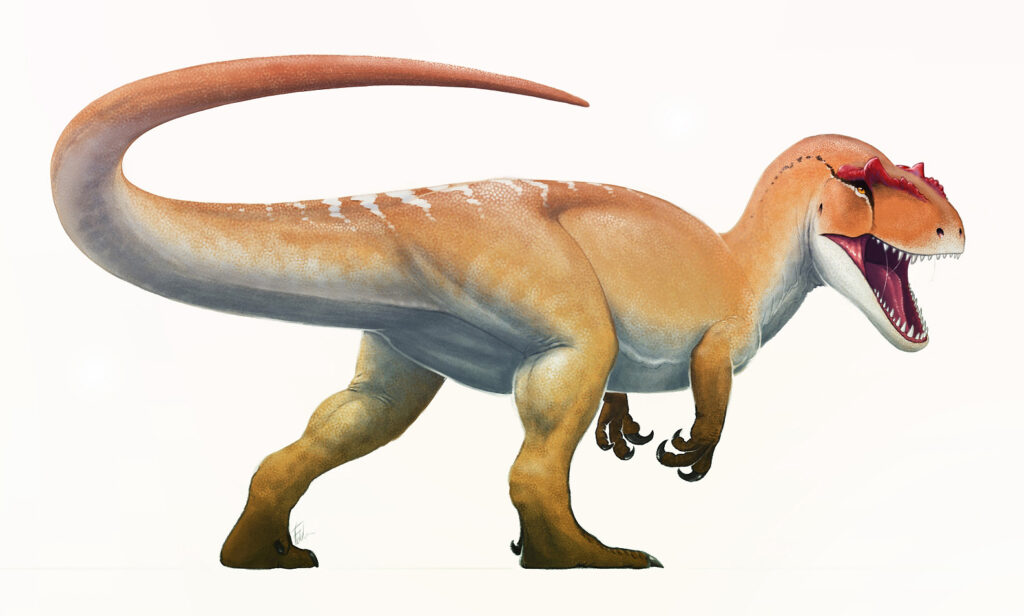
Several dinosaur species show evidence of social living, which often correlates with increased cognitive capabilities in modern animals. Extensive bone beds containing multiple individuals of the same species, such as those found for Maiasaura, Allosaurus, and Coelophysis, suggest these animals may have lived and traveled in groups. Such social structures typically require neural capacity for recognizing individuals, maintaining hierarchies, and coordinating group activities. Some herbivorous dinosaurs likely evolved herd behaviors as protection against predators, requiring coordination and communication systems. Even more compelling are trackway discoveries showing multiple individuals traveling in the same direction at consistent spacing, particularly among hadrosaurs and ceratopsians. These social dynamics would have exerted selection pressure for increased cognitive abilities related to social intelligence, much as we see in modern social species like elephants, primates, and many birds.
Parental Care and Learning Behaviors

Sophisticated parental care, observed in fossil evidence across multiple dinosaur lineages, suggests cognitive abilities beyond basic instinct. Discoveries of adult Maiasaura (“good mother lizard”) specimens alongside nests with juveniles at different growth stages indicate extended parental investment and potential teaching behaviors. Oviraptor fossils have been found brooding directly atop nests in postures identical to modern birds, suggesting complex instinctual or learned nesting behaviors. Even more compelling is evidence from some theropod species showing adults and juveniles together at kill sites, potentially indicating parental food provisioning or hunting instruction. The development and transmission of such behaviors typically require neural architectures supporting learning, memory, and behavioral flexibility beyond simple instinctual responses. These parenting behaviors represent significant cognitive investments that would have required moderate to advanced neural processing capabilities, providing strong evidence for at least primitive intelligence in these species.
Dinosaur Sensory Capabilities and Intelligence

Enhanced sensory processing often correlates with higher cognitive functions, and many dinosaurs showed remarkable sensory adaptations. Tyrannosaurus rex possessed olfactory bulbs proportionally larger than those of modern vultures, suggesting an extraordinary sense of smell that required significant neural processing. Many theropods had large optical lobes, indicating vision was a primary sense requiring substantial brain power. Some dinosaurs, particularly within the hadrosaur family, had elaborate cranial crests with extensive internal chambers that may have served as resonating chambers for complex vocalizations and communication. The semicircular canals in the inner ear of many species indicate acute balance and spatial awareness, particularly important for the bipedal locomotion common among theropods. These sophisticated sensory systems would have generated complex streams of environmental information requiring significant neural architecture to process, a prerequisite for developing higher cognitive functions.
Comparing Dinosaur Brains to Modern Reptiles and Birds
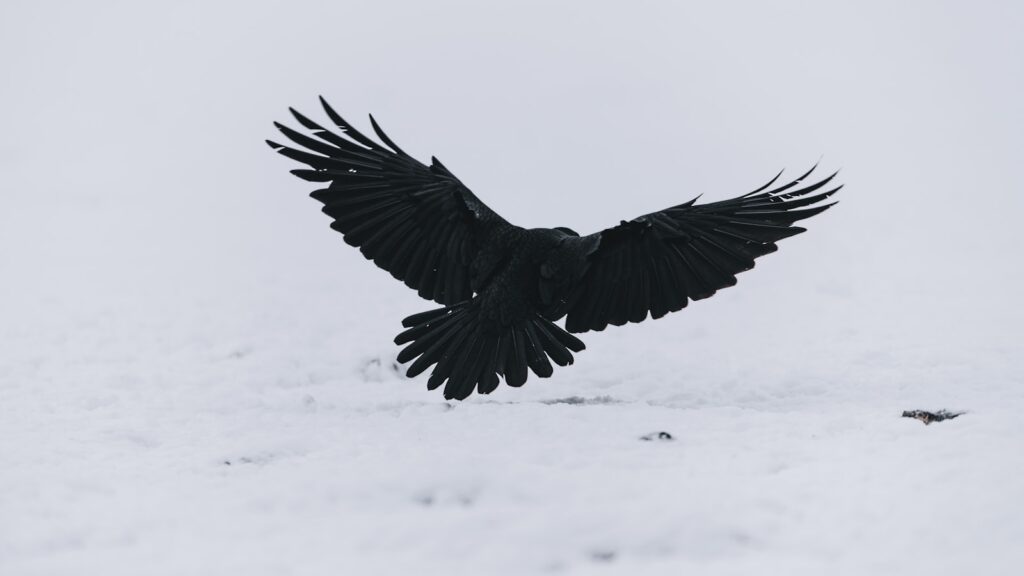
Evolutionary relationships provide crucial context for understanding dinosaur intelligence, particularly through their closest living descendants: birds. Modern birds, especially corvids (crows, ravens) and psittacines (parrots), demonstrate remarkable problem-solving abilities, tool use, and social intelligence despite their relatively small body size. The theropod-to-bird evolutionary transition shows progressive enhancement of brain regions associated with these complex behaviors. When comparing endocasts of later theropods with modern reptiles and birds, researchers find that dinosaurs often possessed neural anatomy intermediate between the two groups. While most dinosaurs had larger brains than modern reptiles of comparable size, they generally didn’t reach the encephalization levels of modern birds. However, some smaller theropods approached avian-level encephalization quotients, suggesting cognitive abilities potentially exceeding those of modern reptiles. This comparative evidence indicates many dinosaur species likely possessed intelligence somewhere on the spectrum between modern reptiles and birds, perhaps comparable to modern crocodilians or some less advanced bird species.
The Evolution of Avian Intelligence from Dinosaur Ancestors
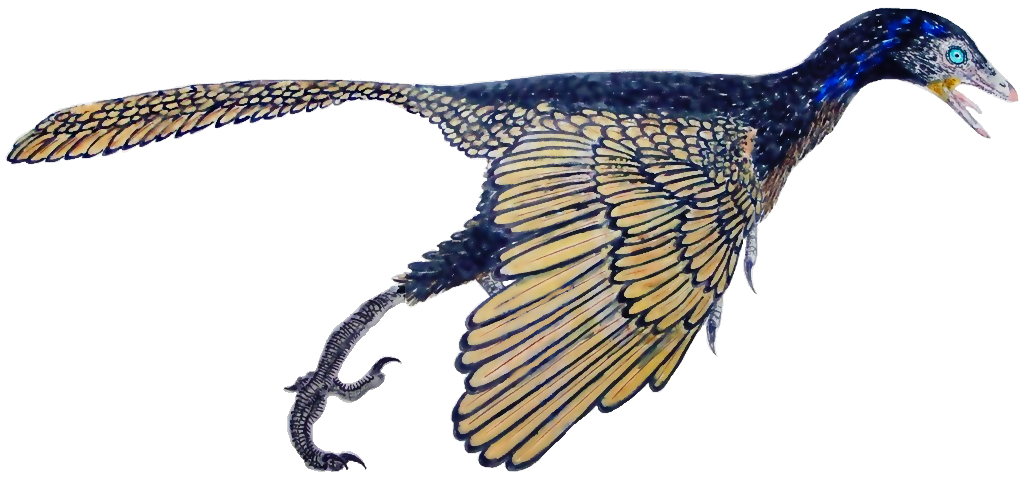
Birds, as living dinosaurs, provide our clearest window into dinosaur cognitive potential. The transition from non-avian dinosaurs to birds involved progressive neurological changes now well-documented in the fossil record. Later theropods such as Archaeopteryx and other early avian relatives show neural anatomy increasingly similar to modern birds, particularly enlargement of the cerebrum and cerebellum relative to other brain regions. This neural reorganization occurred alongside other avian adaptations like feathers, hollow bones, and eventually flight. Remarkably, recent studies suggest the neurological foundations for avian intelligence were already developing in non-flying theropod dinosaurs before the evolution of flight. The enlarged forebrains, enhanced sensory processing, and improved motor coordination that make complex avian behaviors possible were evolutionary innovations that began in their dinosaurian ancestors. This evolutionary continuity strongly supports the hypothesis that many non-avian dinosaurs possessed cognitive capabilities exceeding those of most modern reptiles, representing an intermediate stage in the evolution of the impressive intelligence seen in modern birds.
Potential Tool Use Among Dinosaurs

While direct evidence of dinosaur tool use remains elusive, several species possessed physical capabilities that would have made simple tool manipulation possible. Certain theropods, particularly oviraptorosaurs and dromaeosaurs, had flexible wrists and three-fingered hands with opposable digits capable of grasping objects with precision. These anatomical features, combined with relatively large brains, create the physical and neurological prerequisites for potential tool use. Some paleontologists hypothesize that certain dinosaurs might have used objects in their environment functionally, such as rocks for cracking eggs or shells, or sticks for probing. While speculative, such behaviors would align with observations in modern birds like crows and ravens, who regularly employ tools despite lacking hands. However, the absence of preserved evidence for such behaviors—understandable given the rarity of fossilized behavioral evidence—means tool use remains a fascinating but unproven possibility in the cognitive repertoire of certain dinosaur species.
Limitations in Studying Dinosaur Intelligence

Despite exciting advances in our understanding of dinosaur neurology, significant limitations constrain what we can definitively conclude about their intelligence. Brain tissue doesn’t fossilize, forcing researchers to rely on endocasts—impressions left by brains inside skulls—which capture only gross external morphology rather than internal neural connections and structures. Additionally, intelligence manifests through behaviors rarely preserved in the fossil record, creating an evidence gap between brain capacity and actual cognitive abilities. Modern analogies present another challenge, as direct comparisons between dinosaur brains and those of living animals must account for 66+ million years of separate evolution. The fossil record itself is inherently incomplete, with potential sampling biases toward larger species and certain environments that may skew our understanding of typical dinosaur cognition. These limitations necessitate appropriate scientific caution when discussing dinosaur intelligence, even as new methodologies and discoveries continue to expand the boundaries of what we can reasonably infer.
Latest Research and Future Directions

The field of dinosaur neurology continues to advance through innovative research approaches. CT scanning technology now allows non-destructive imaging of even fragile and rare fossils, revealing previously inaccessible details of brain anatomy. Comparative genomics between birds and crocodilians helps identify genetic factors influencing neurological development that might have been present in their dinosaur ancestors. Developmental biology studies examine how modern bird brains form during embryonic development, providing clues about evolutionary pathways from dinosaur to avian neurology. Artificial intelligence and machine learning are being employed to analyze complex datasets from multiple species, identifying patterns in brain-behavior relationships across evolutionary time. Promising future research directions include more comprehensive sampling across diverse dinosaur lineages, refined methods for estimating cognitive capacities from endocasts, and interdisciplinary approaches combining paleontology with comparative neuroscience and behavioral ecology. These advancing frontiers suggest our understanding of dinosaur intelligence will continue becoming more nuanced and complete in the coming decades.
Conclusion: The Emerging Picture of Dinosaur Cognition

The cumulative evidence strongly suggests many dinosaur species possessed cognitive abilities exceeding the “mindless reptile” stereotype perpetuated in earlier decades. While dinosaur intelligence certainly varied enormously across different lineages and periods, the neurological hardware for primitive intelligence existed, particularly among theropods and certain social herbivores. The cognitive capabilities of these ancient animals likely included spatial memory, social recognition, parental behaviors, and potentially simple problem-solving abilities now recognized in many modern reptiles but developed to higher degrees in dinosaurs with larger relative brain sizes. The evolutionary trajectory from early dinosaur cognition to the impressive intelligence of modern birds represents not a sudden leap but a continuum of neural development spanning over 200 million years. Rather than asking whether dinosaurs were “intelligent” in human terms, a more nuanced understanding recognizes the diverse and sophisticated cognitive adaptations these remarkable animals evolved to thrive in their ancient world—adaptations that laid the groundwork for the impressive intelligence we now recognize in their avian descendants.