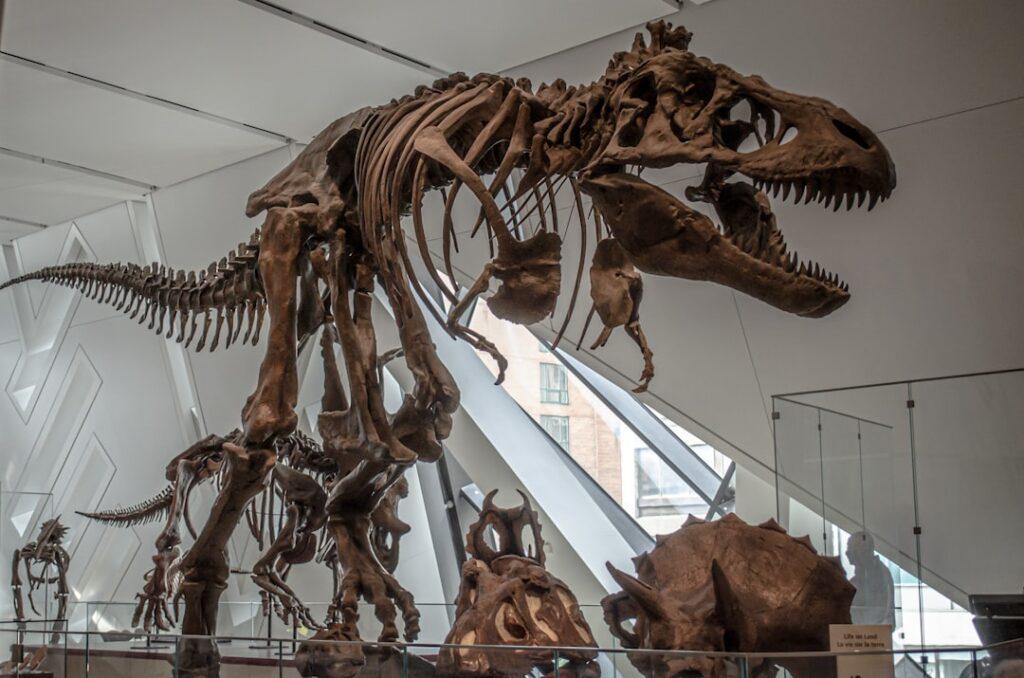
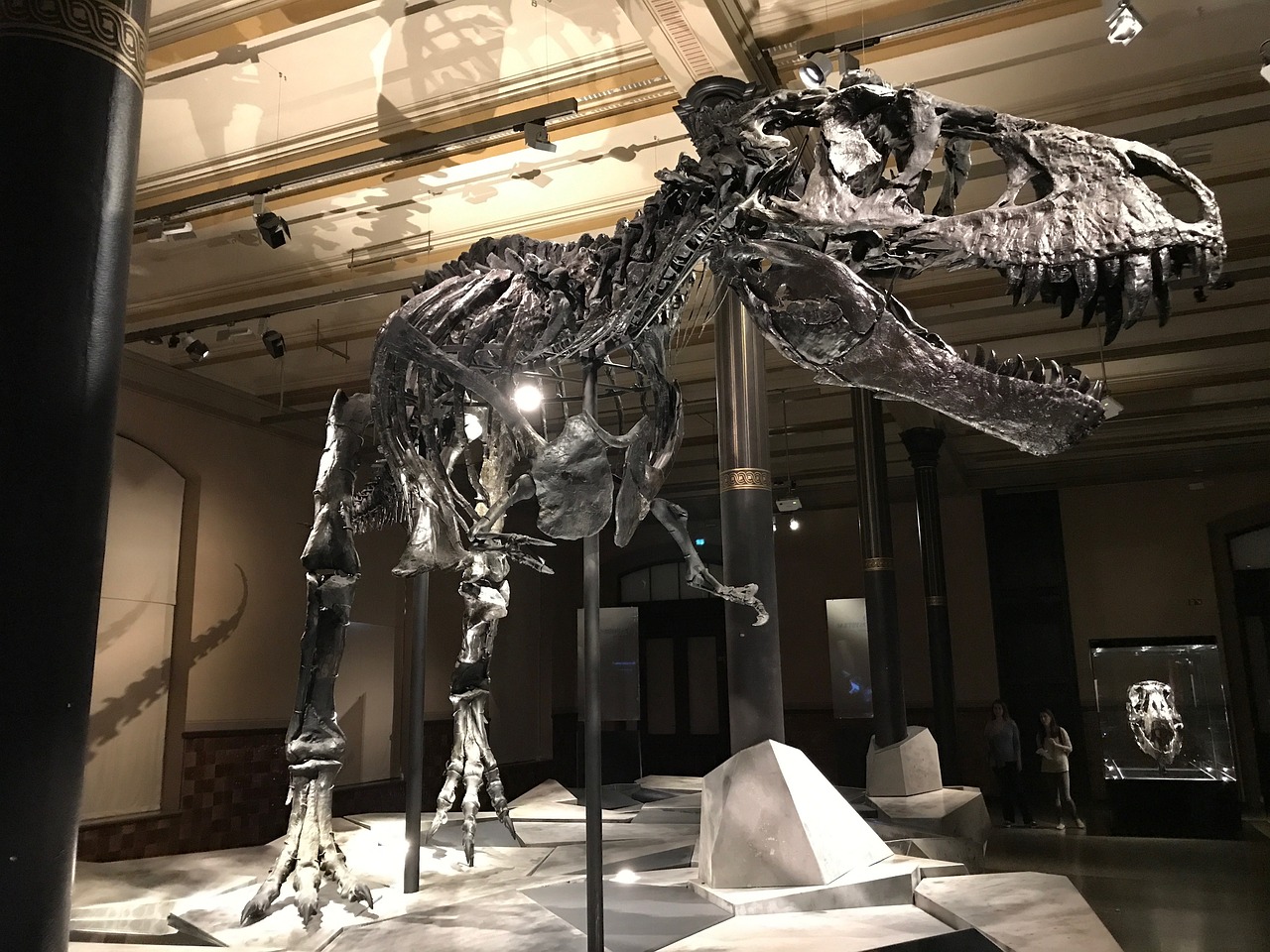
Imagine standing in a museum, staring at the massive skeleton of a Tyrannosaurus rex, its fearsome jaws gaping wide with razor-sharp teeth. You might wonder what this apex predator hunted millions of years ago. But here’s a chilling thought that might make your skin crawl: what if some of these ancient giants didn’t just hunt other species, but turned on their kind?
The idea of dinosaurs eating each other sounds like something out of a horror movie, but paleontologists have been uncovering disturbing evidence that suggests cannibalism was more common in the prehistoric world than we ever imagined. From bite marks that perfectly match the teeth of the same species to fossilized bones found inside dinosaur stomachs, the fossil record is revealing a darker side of these ancient creatures that challenge our understanding of their behavior.
The Shocking Discovery That Changed Everything
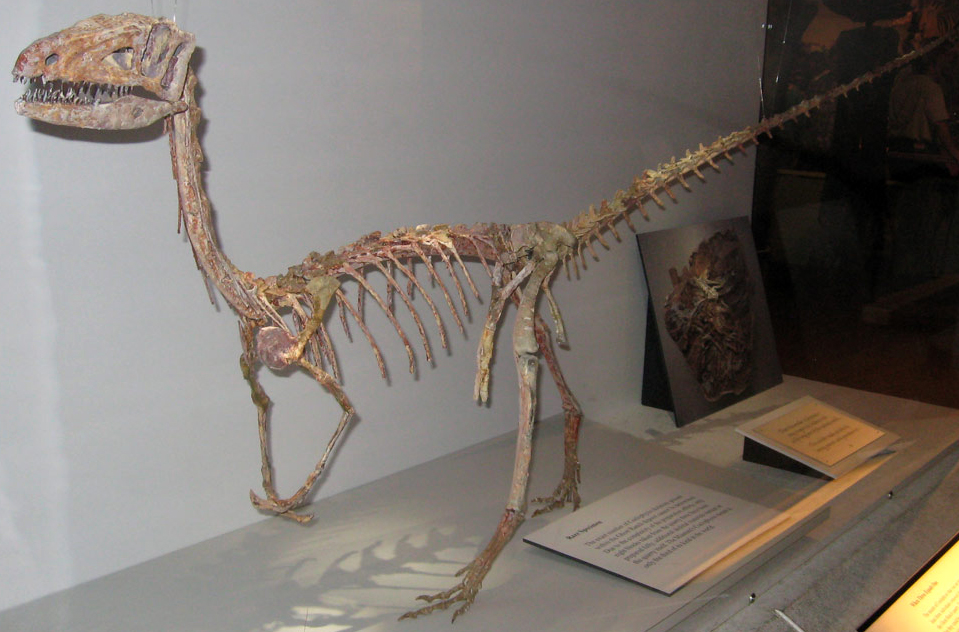
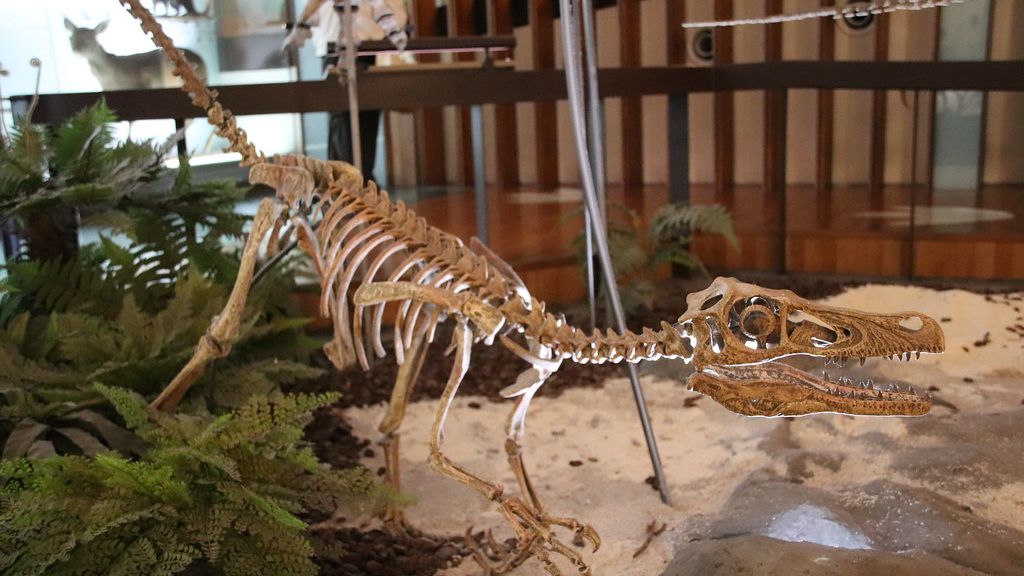
In 2009, paleontologists made a discovery that sent shockwaves through the scientific community. In the badlands of New Mexico, researchers uncovered a bone bed containing the remains of Coelophysis, small theropod dinosaurs from the Late Triassic period. What made this find extraordinary wasn’t just the number of skeletons, but what they found inside some of them.
The stomach contents of several adult Coelophysis contained the bones of juvenile members of their species. This wasn’t just speculation or guesswork – the evidence was right there, preserved in stone for 220 million years. The discovery marked the first conclusive proof that dinosaurs engaged in cannibalistic behavior, turning our romanticized view of these ancient creatures upside down.
When Bite Marks Tell a Gruesome Story
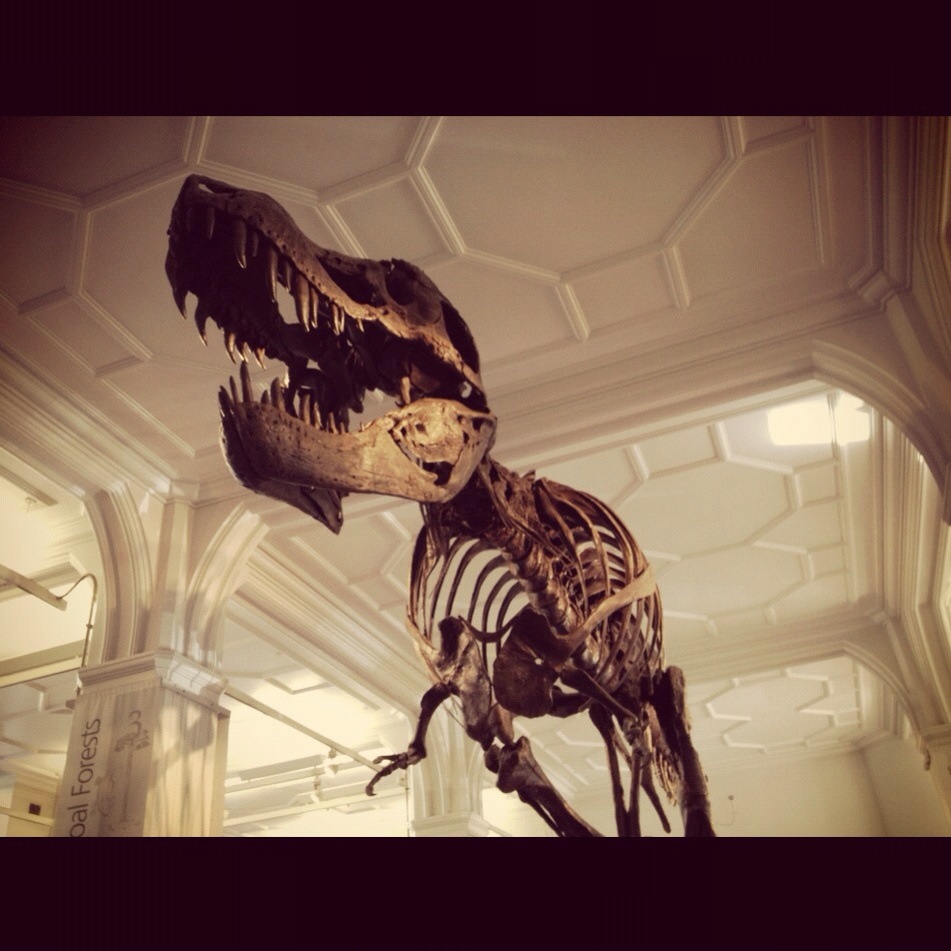
Sometimes the most revealing evidence comes from the wounds themselves. Paleontologists have discovered numerous dinosaur fossils bearing bite marks that match the dental patterns of their species. These aren’t random scratches or damage from scavengers – they’re precise impressions left by teeth that could only belong to the same type of dinosaur.
One particularly striking example comes from Allosaurus fossils found in the Morrison Formation. Several specimens show deep bite marks on their vertebrae and ribs that perfectly match the spacing and shape of Allosaurus teeth. The positioning of these marks suggests they weren’t inflicted after death but during violent encounters between living animals.
What makes these findings even more disturbing is that many of the bite marks show signs of healing, indicating that some dinosaurs survived these cannibalistic attacks. They lived to tell the tale, so to speak, carrying the scars of their brutal encounters with their own.
The Majungasaurus Massacre: A Case Study in Prehistoric Cannibalism
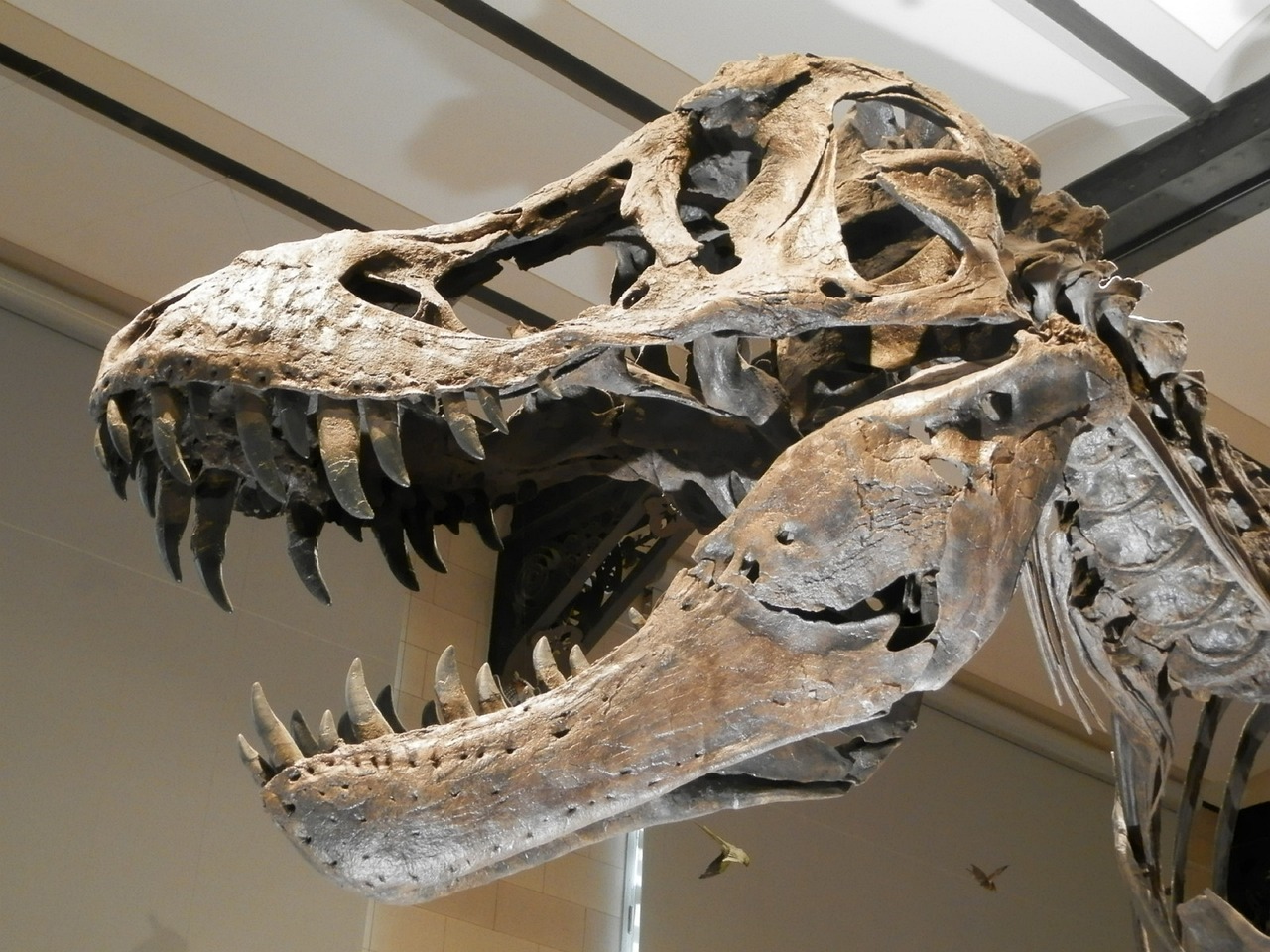
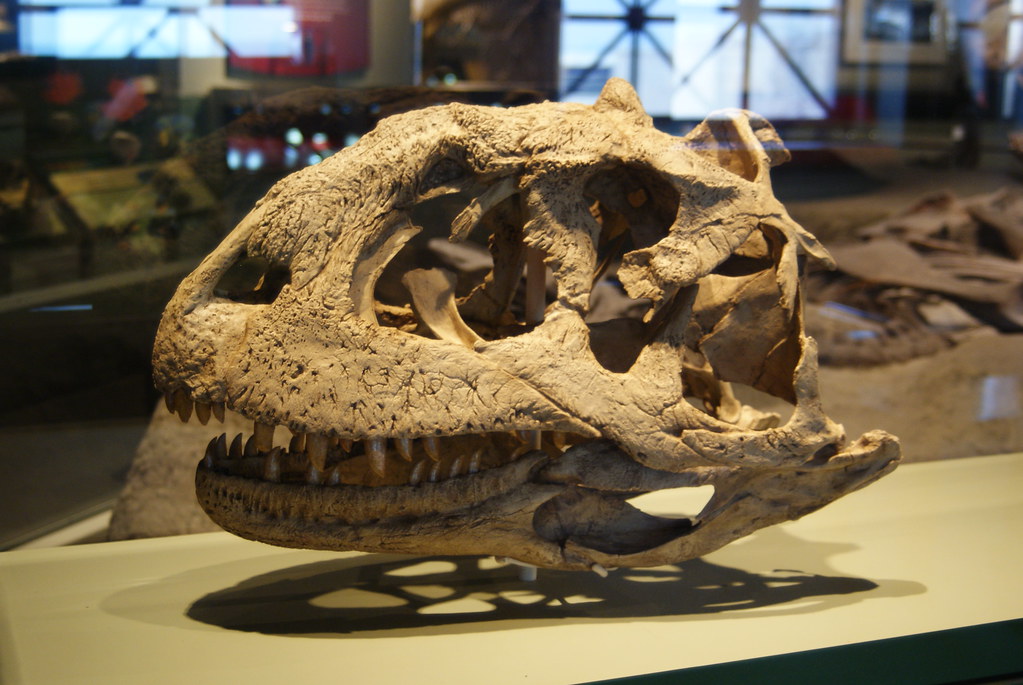
Madagascar’s Majungasaurus crenatissimus holds the dubious honor of being one of the most well-documented cannibalistic dinosaurs in the fossil record. This massive predator roamed the island during the Late Cretaceous period, and the evidence of its cannibalistic behavior is overwhelming.
Researchers have found numerous Majungasaurus bones with bite marks that could only have been made by other members of the same species. The tooth marks are so distinctive that they’re like prehistoric fingerprints, uniquely identifying the perpetrator. What’s particularly chilling is that these bite marks appear on bones throughout the skeleton, suggesting systematic feeding rather than desperate scavenging.
The isolated nature of Madagascar during the Cretaceous may have contributed to this behavior. With limited prey options on the island, Majungasaurus may have turned to cannibalism as a regular feeding strategy rather than a last resort.
Baby Dinosaurs: The Unfortunate Victims
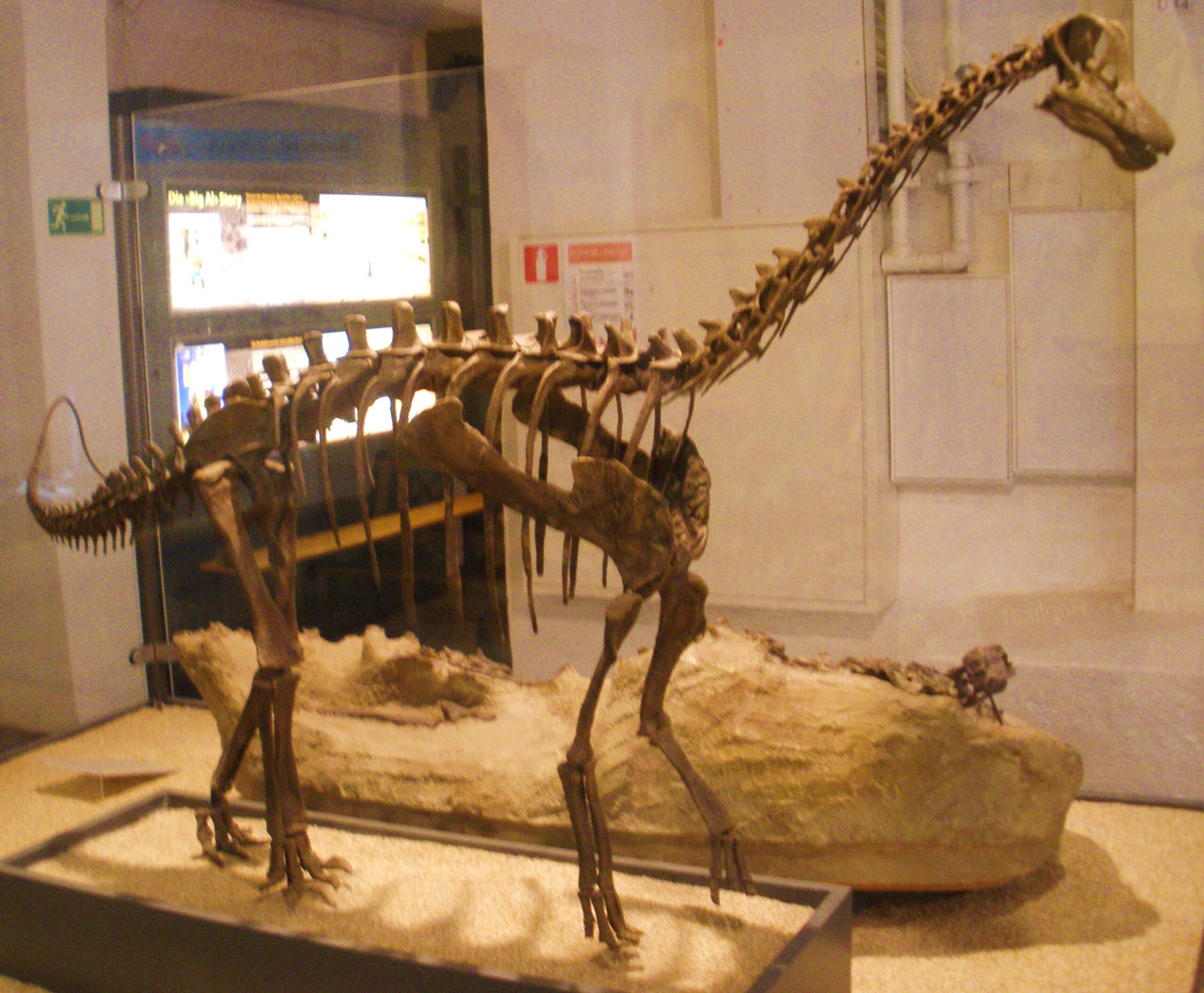
Perhaps the most heartbreaking aspect of dinosaur cannibalism is the evidence that juveniles were often the victims. Young dinosaurs, with their smaller size and weaker defenses, made easy targets for hungry adults of their species. The fossil record reveals numerous instances where baby dinosaur remains have been found in the stomachs or feeding areas of adult dinosaurs.
This behavior wasn’t necessarily limited to times of starvation. Some paleontologists suggest that eating young members of their species might have been a regular part of certain dinosaurs’ diets. It’s a survival strategy that, while brutal by our standards, makes perfect sense from an evolutionary perspective.
The Tyrannosaurus Rex Controversy: King of Cannibals?

When it comes to dinosaur cannibalism, no species generates more debate than Tyrannosaurus rex. Several T. rex fossils have been discovered with bite marks that appear to match the teeth of other T. rex individuals, but the scientific community remains divided on whether these giants regularly ate their kind.
The evidence is compelling but not conclusive. Some researchers argue that the bite marks could have resulted from aggressive encounters or territorial disputes rather than feeding behavior. Others point to the strategic placement of many bite marks on meat-bearing bones as evidence of deliberate cannibalistic feeding.
One particularly famous specimen, nicknamed “Sue,” shows evidence of bite marks on several bones that some paleontologists believe were made by another T. rex. Whether these marks represent cannibalism or simply the rough-and-tumble lifestyle of apex predators remains a subject of intense scientific debate.
Survival of the Hungriest: Environmental Pressures
Cannibalism in dinosaurs wasn’t necessarily a sign of bloodthirsty nature – it was often a response to environmental pressures. During periods of drought, climate change, or ecological collapse, food sources would have become scarce, forcing desperate animals to turn to whatever protein sources were available, including their species.
The fossil record shows that many instances of dinosaur cannibalism coincide with periods of environmental stress. When plant life died off due to volcanic activity or climate shifts, herbivorous dinosaurs would have starved, leaving carnivorous species with fewer prey options.
In these situations, cannibalism might have been the difference between survival and extinction. The strongest and most adaptable individuals would have been willing to cross the ultimate taboo to stay alive, ensuring their genes survived to the next generation.
Pack Hunters and Family Feuds

Some of the most disturbing evidence of dinosaur cannibalism comes from species that are believed to have lived in social groups. Imagine the complex social dynamics that must have existed when pack-hunting dinosaurs turned on members of their group.
Deinonychus, the famous “terrible claw” dinosaur, has been found in group settings that suggest cooperative hunting behavior. However, some specimens show evidence of bite marks from other Deinonychus individuals, indicating that these social bonds could break down under stress.
The implications are staggering. These weren’t random acts of violence but calculated decisions by intelligent predators who chose to sacrifice group members for survival. It paints a picture of a dinosaur society that’s far more complex and brutal than we might have imagined.
The Bone Beds: Mass Graves or Feeding Frenzies?
Paleontologists have discovered numerous bone beds containing the remains of multiple dinosaurs from the same species. While these sites were initially interpreted as evidence of mass deaths from natural disasters, closer examination has revealed a more sinister possibility.
Many of these bone beds show signs of extensive scavenging and feeding activity. Bones are scattered in patterns consistent with feeding behavior, and numerous specimens show bite marks from the same species. This suggests that some dinosaurs may have engaged in communal feeding on their kind.
The Coelophysis bone bed in New Mexico is perhaps the most famous example. What was once thought to be a peaceful gathering ended in violence, with evidence suggesting that these dinosaurs turned on each other in a feeding frenzy that left hundreds dead.
Scavenging vs. Active Hunting: The Moral Distinction
Not all dinosaur cannibalism involves active hunting of live prey. Much of the evidence suggests that many dinosaurs were opportunistic scavengers who wouldn’t pass up a meal, even if it came from their species. The distinction between scavenging and hunting might seem trivial, but it reveals important insights into dinosaur behavior.
Scavenging behavior suggests a more pragmatic approach to survival – taking advantage of available resources without the energy expenditure of active hunting. This type of cannibalism would have been less socially disruptive and more sustainable for species survival.
However, the evidence of healed bite marks on some specimens indicates that active predation did occur. Some dinosaurs were willing to attack and potentially kill members of their species for food, representing a more aggressive form of cannibalistic behavior.
The Coprolite Connection: Fossilized Evidence
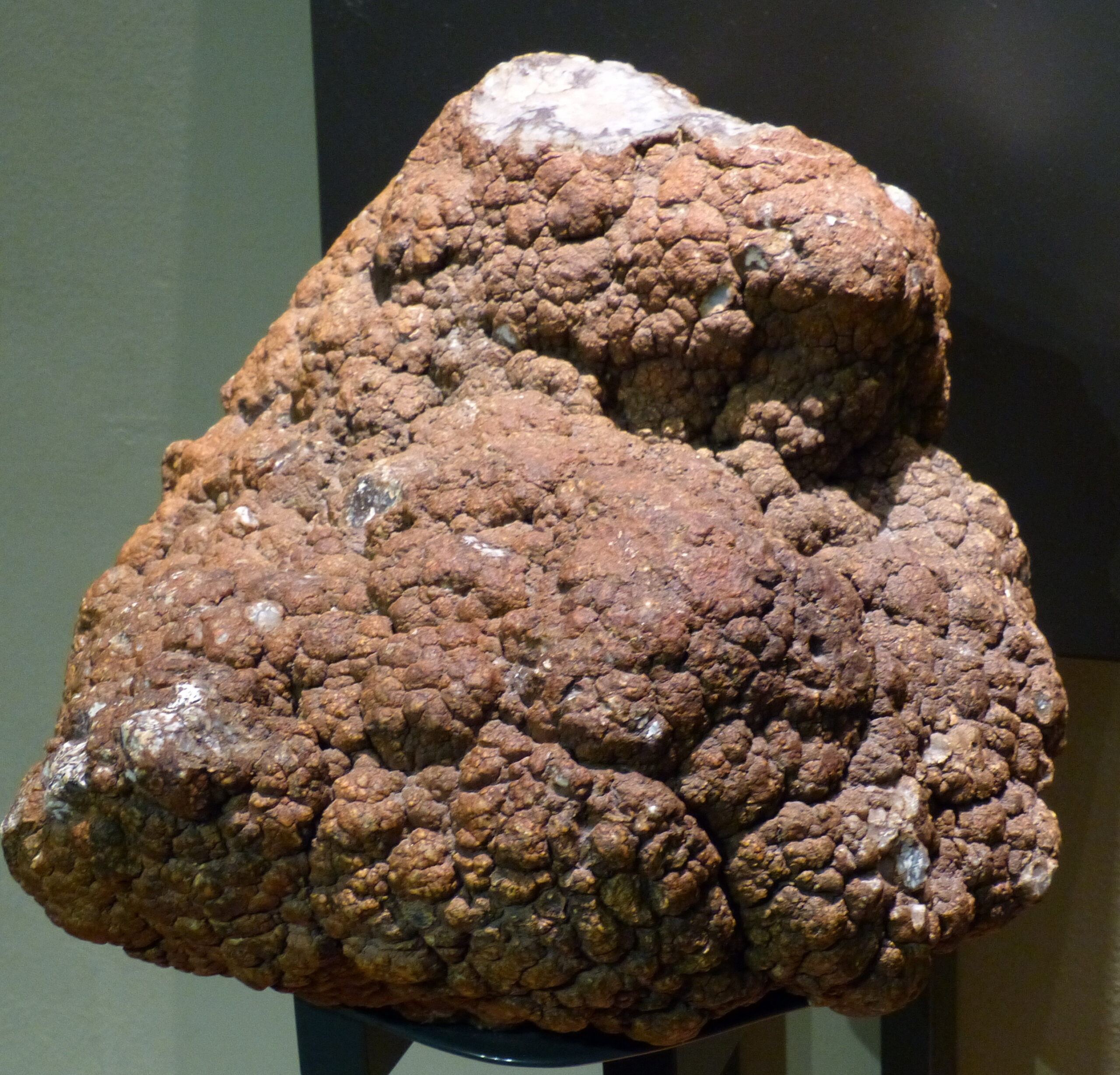
Sometimes the most revealing evidence comes from the most unexpected sources. Coprolites – fossilized dinosaur droppings – have provided paleontologists with direct evidence of what dinosaurs ate, including members of their species.
Several coprolites have been discovered containing bone fragments from the same species that produced them. These findings provide irrefutable evidence that some dinosaurs digested and processed the bones of their kind, settling debates about whether bite marks represented feeding behavior or simple aggression.
The preservation of these coprolites is remarkable, offering a snapshot of prehistoric dietary habits that would otherwise be lost to time. They serve as a permanent record of the darker aspects of dinosaur behavior, written in stone for millions of years.
Modern Parallels: Cannibalism in Today’s Animal Kingdom

To understand dinosaur cannibalism, we need only look at the natural world around us. Cannibalistic behavior is surprisingly common among modern animals, from lions and tigers to sharks and crocodiles. Even seemingly gentle creatures like hamsters and praying mantises regularly consume members of their species.
This behavior serves various evolutionary purposes: eliminating competition, providing nutrition during scarce times, and even improving genetic diversity by removing weaker individuals from the gene pool. When viewed through this lens, dinosaur cannibalism becomes less shocking and more understandable.
The difference is that dinosaurs were operating on a much larger scale. When a 40-foot-long Tyrannosaurus rex decided to make a meal of a smaller member of its species, the consequences were far more dramatic than a hamster eating its young.
Changing Our Perspective: From Monsters to Survivors

The evidence of dinosaur cannibalism has fundamentally changed how we view these ancient creatures. No longer can we romanticize them as noble beasts living in prehistoric harmony. Instead, we must acknowledge that they were complex animals capable of both cooperation and brutality.
This revelation doesn’t make dinosaurs less fascinating – it makes them more real. They faced the same survival pressures as modern animals, making difficult decisions in harsh environments. Their willingness to engage in cannibalistic behavior when necessary may have been one of the factors that allowed them to dominate the planet for over 160 million years.
Understanding this aspect of dinosaur behavior helps us appreciate the full complexity of prehistoric ecosystems and the remarkable adaptability of these ancient creatures.
The Ongoing Investigation: New Technologies, New Discoveries

As technology advances, paleontologists are discovering new ways to investigate dinosaur cannibalism. High-resolution scanning techniques can reveal bite marks that were previously invisible, while chemical analysis of fossils can provide insights into diet and feeding behavior.
Recent developments in paleontology have opened new avenues for research. Scientists can now examine the microscopic structure of bite marks, compare them to databases of known dental patterns, and even determine the age and health of both predator and prey at the time of the encounter.
These technological advances mean that the evidence for dinosaur cannibalism is likely to grow stronger in the coming years. Each discovery adds another piece to the puzzle, painting an increasingly detailed picture of life in the age of dinosaurs.
Conclusion: The Dark Reality of Prehistoric Life
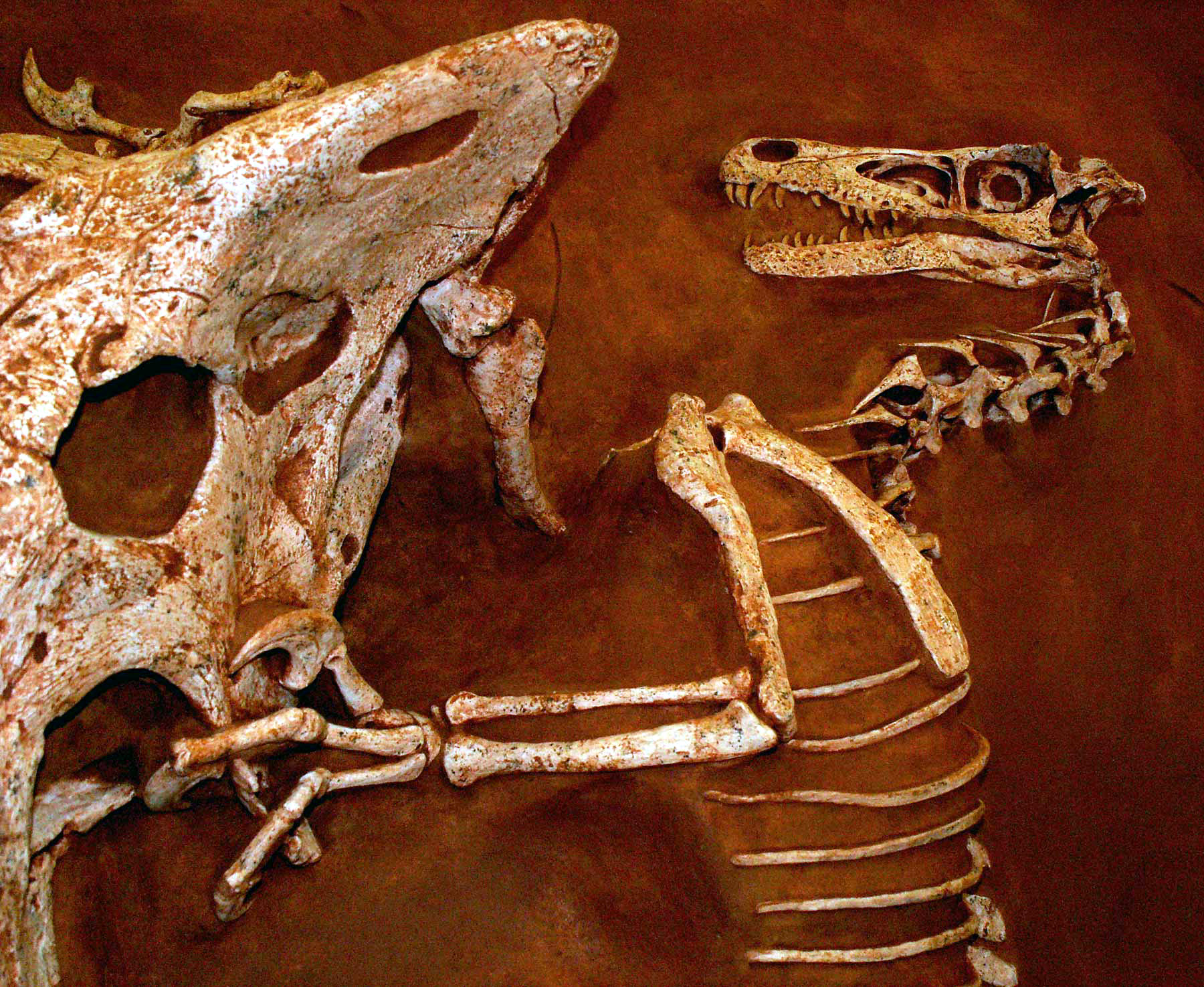
The evidence is clear and undeniable: dinosaurs ate each other. From the stomach contents of Coelophysis to the bite marks on Majungasaurus bones, the fossil record tells a story of survival at any cost. These ancient giants weren’t the gentle creatures of children’s movies – they were complex animals capable of both remarkable cooperation and shocking brutality.
This darker side of dinosaur behavior doesn’t diminish their majesty; it makes them more real and relatable. They faced the same harsh realities of survival that animals face today, making difficult choices in challenging environments. Their success in dominating the planet for millions of years may have been partly due to their willingness to exploit every available resource, including their kind.
The next time you see a dinosaur skeleton in a museum, remember that you’re not just looking at an ancient animal – you’re looking at a survivor who did whatever it took to make it through another day in one of the most competitive environments in Earth’s history. What other secrets might these ancient bones still be hiding?