Picture this: a massive Tyrannosaurus Rex collapses in what is now Montana, its final breath escaping 68 million years ago. Fast forward to today, and paleontologists are carefully excavating its fossilized remains with tiny brushes and dental picks. But here’s the mind-bending question that keeps scientists awake at night – if organic material typically decomposes within decades, how on Earth are we still finding dinosaur bones after millions of years?
The Race Against Time: What Happens When Dinosaurs Die
When a dinosaur breathed its last breath millions of years ago, nature immediately began its relentless work of decomposition. Bacteria, insects, and scavengers descended upon the carcass like a biological demolition crew, breaking down soft tissues within days or weeks. The bones, however, faced a different fate entirely.
Most dinosaur remains never survived this initial onslaught. Scientists estimate that less than 0.1% of all dinosaurs that ever lived became fossils. Those that did survive required an extraordinary combination of rapid burial and specific environmental conditions that would make a lottery winner seem commonplace.
The Chemistry of Bone Destruction
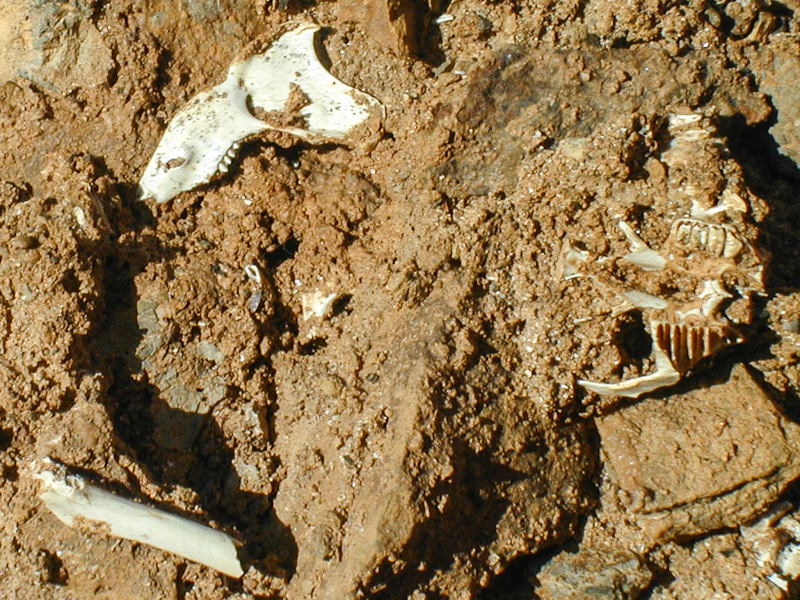
Dinosaur bones, like modern bones, consisted primarily of calcium phosphate minerals and collagen proteins. In normal circumstances, these organic components would have vanished within centuries through bacterial decay and chemical weathering. The minerals would dissolve in acidic groundwater, leaving absolutely nothing behind.
However, fossilization creates a completely different scenario. When bones become buried quickly under sediment, they enter an oxygen-poor environment where decomposition slows dramatically. This anaerobic condition acts like nature’s preservation chamber, buying precious time for the fossilization process to begin.
The Miracle of Mineralization
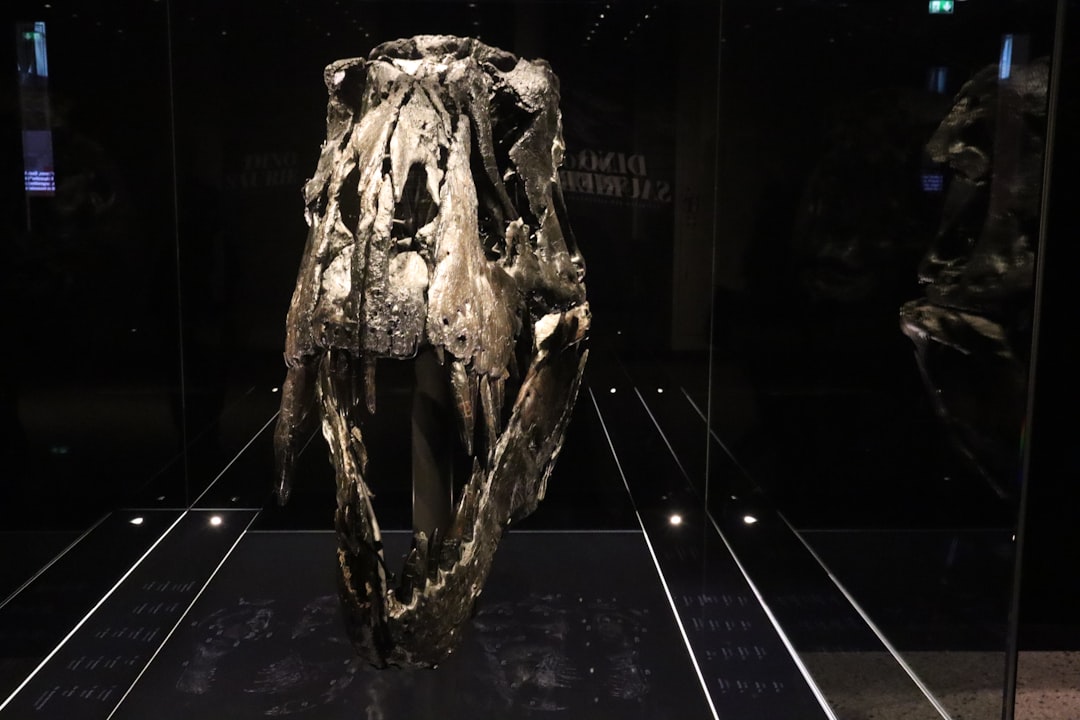
True fossilization involves a stunning transformation that would make any alchemist jealous. Groundwater, rich in dissolved minerals like silica, calcium carbonate, and iron, slowly seeps into the microscopic pores and spaces within buried bones. These minerals crystallize within the bone structure, essentially turning organic material into stone.
This process, called permineralization, can take thousands to millions of years. The original bone structure remains intact, but the material becomes completely mineralized. What we call “dinosaur bones” in museums are stone replicas of the original bones, preserved down to the cellular level.
Why Some Bones Survive While Others Vanish
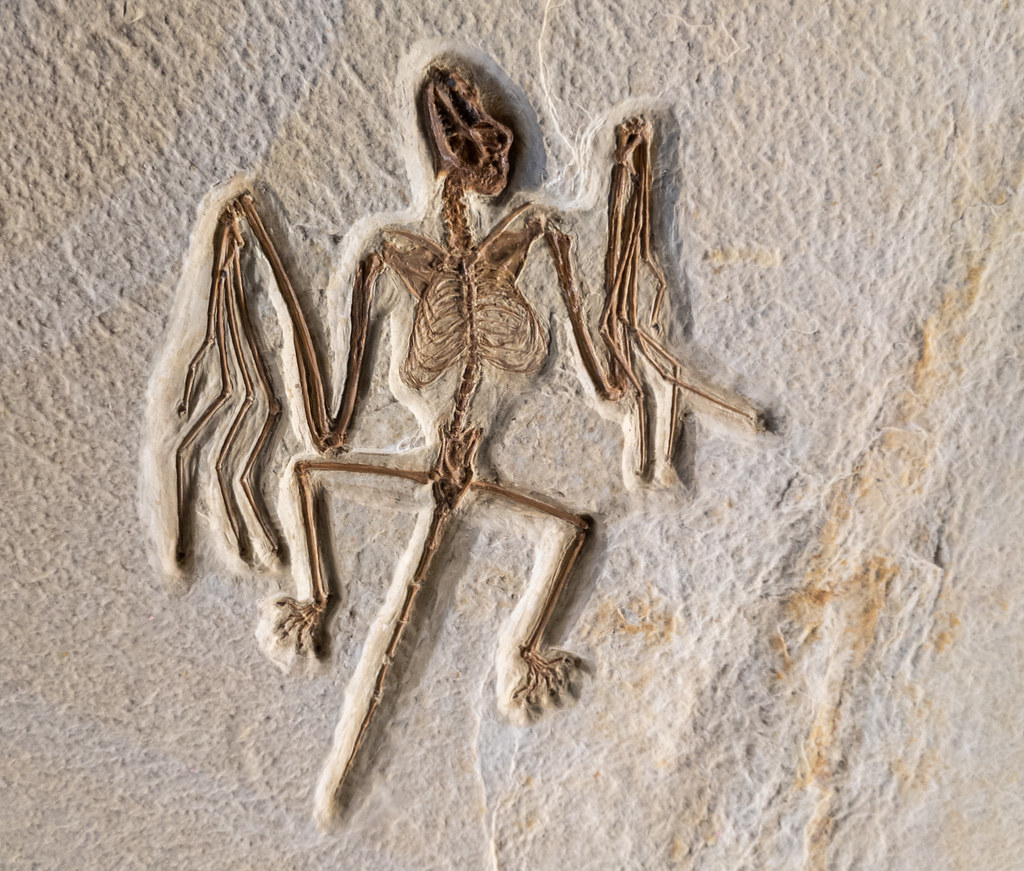
The survival of dinosaur bones depends on a perfect storm of environmental factors. Rapid burial in fine sediment creates the ideal conditions, protecting bones from oxygen and scavengers. Desert environments, river deltas, and volcanic ash deposits provided these conditions millions of years ago.
pH levels in the surrounding soil play a crucial role too. Acidic conditions dissolve bones rapidly, while neutral to slightly alkaline environments preserve them better. Temperature, water flow, and the presence of specific minerals all influence whether bones fossilize or disappear forever into the geological record.
The Great Bone Dissolving Act
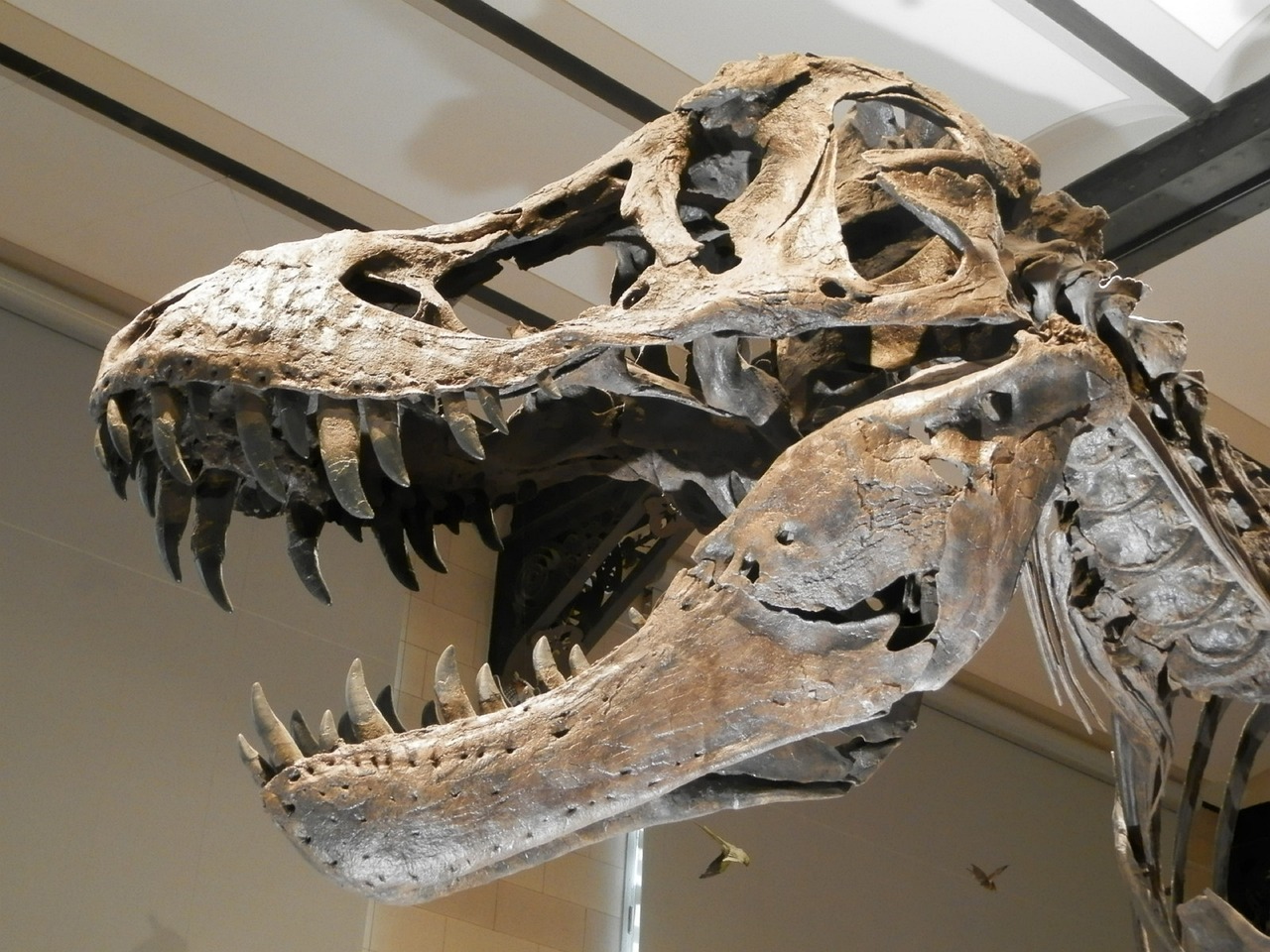
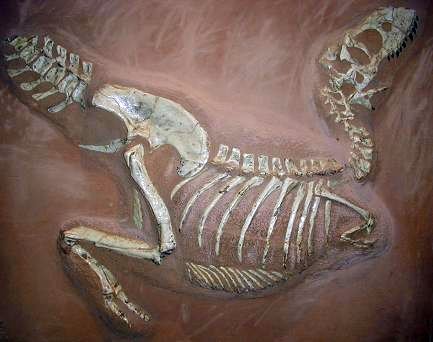
In many cases, dinosaur bones do indeed dissolve completely, leaving behind only ghostly impressions in rock. These “external molds” preserve the exact shape of bones but contain no original material whatsoever. Sometimes, minerals fill these voids later, creating “casts” that perfectly replicate the original bone structure.
Acidic groundwater acts like a slow-motion acid bath, gradually dissolving calcium phosphate over geological time. This process explains why we find more dinosaur fossils in certain rock formations than others – the chemistry simply wasn’t right for preservation in many ancient environments.
The Exceptional Cases: When Original Material Survives
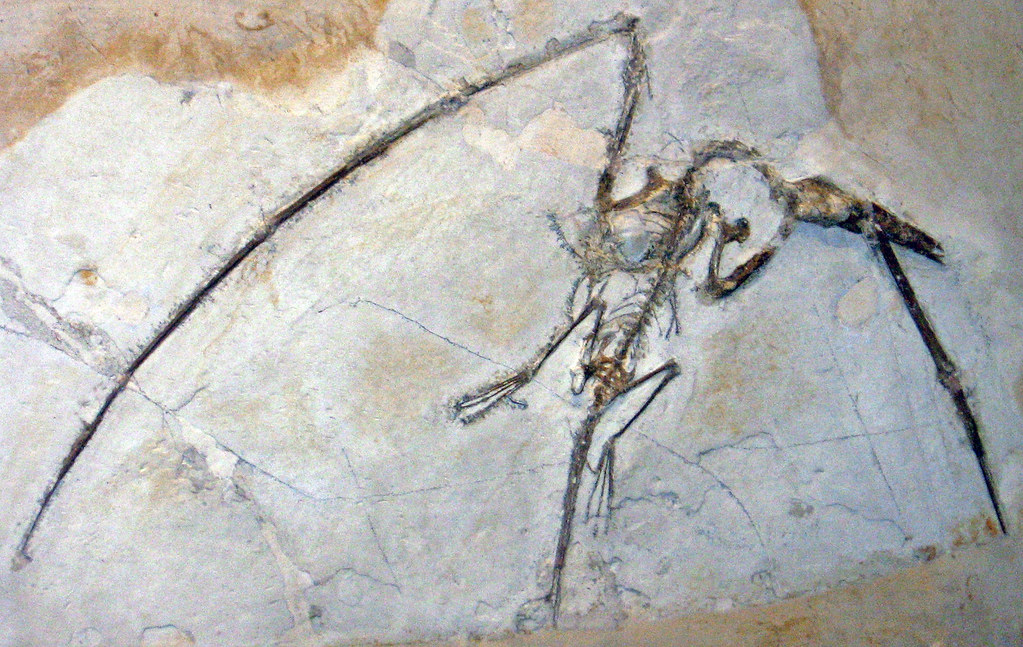
Remarkably, some dinosaur fossils retain traces of original organic material. In 2005, paleontologist Mary Schweitzer shocked the scientific world by discovering soft tissue remnants in a 68-million-year-old T. rex bone. These findings challenged everything scientists thought they knew about fossilization.
Subsequent research has revealed proteins, blood vessels, and even possible DNA fragments in exceptionally preserved specimens. These discoveries suggest that under perfect conditions, original biological material can survive far longer than previously imagined, though such preservation remains extraordinarily rare.
The Role of Time in Bone Preservation
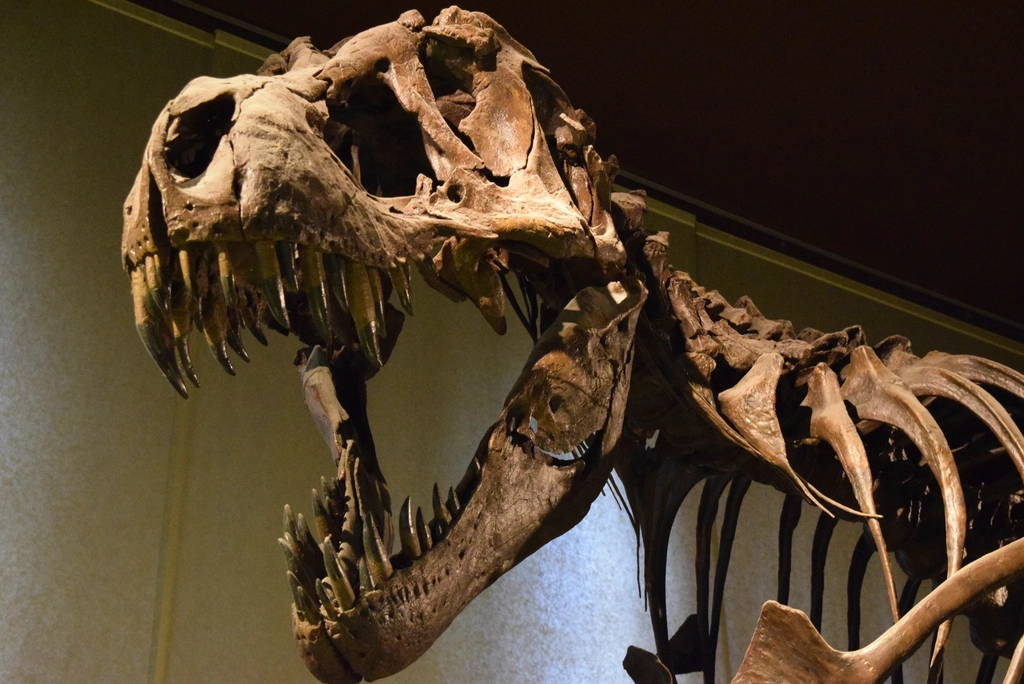
Time acts as both a destroyer and a preserver in the fossil record. While most organic material succumbs to decay within decades, bones buried under the right conditions can begin fossilizing within thousands of years. The deeper the burial and the more stable the environment, the better the chances of preservation.
Different dinosaur species lived across a span of over 165 million years, meaning their bones faced vastly different preservation challenges. Triassic dinosaurs from 250 million years ago required different conditions than Cretaceous species from 66 million years ago, explaining variations in fossil quality across different periods.
Modern Decay vs. Ancient Preservation
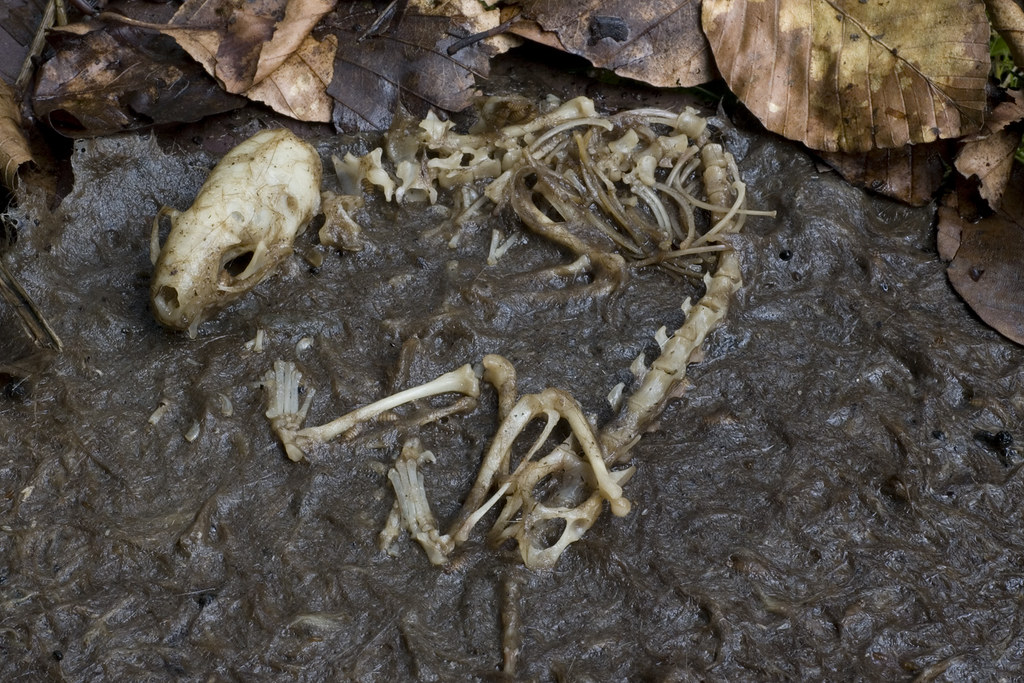
Today’s environments rarely provide the conditions necessary for fossilization. Modern bones typically decompose completely within 100-1000 years, depending on climate and burial conditions. The difference lies in the rapid burial and specific chemical conditions that existed in ancient environments.
Contemporary forensic studies show that even in favorable conditions, unprotected bones rarely survive more than a few thousand years. This stark contrast highlights just how exceptional the preservation conditions must have been for dinosaur fossils to survive millions of years.
The Truth About Dinosaur Bone Composition
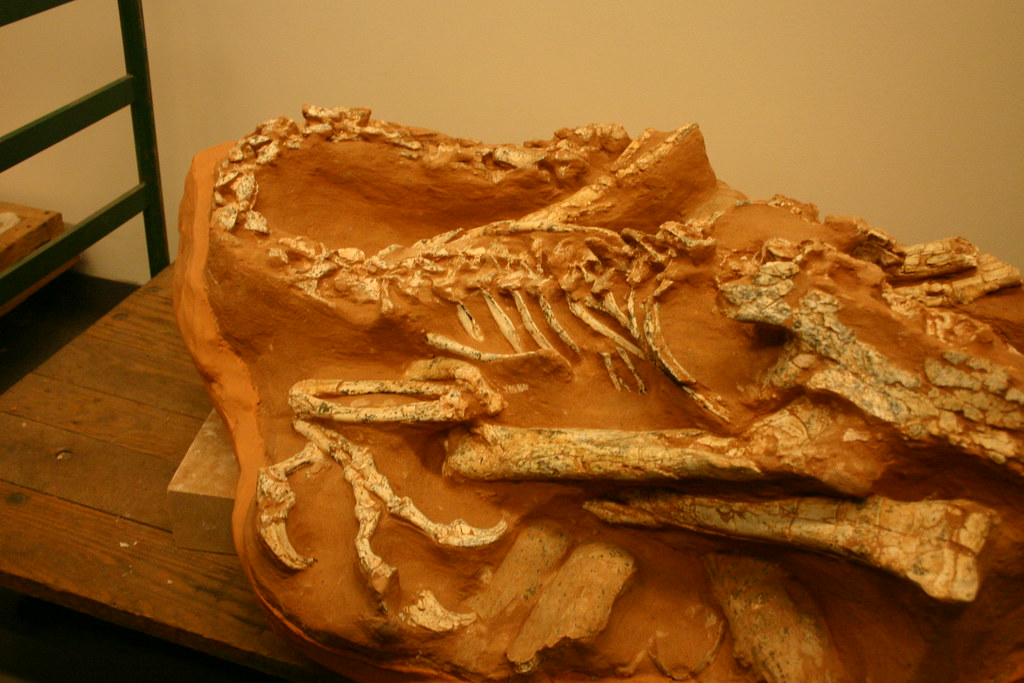
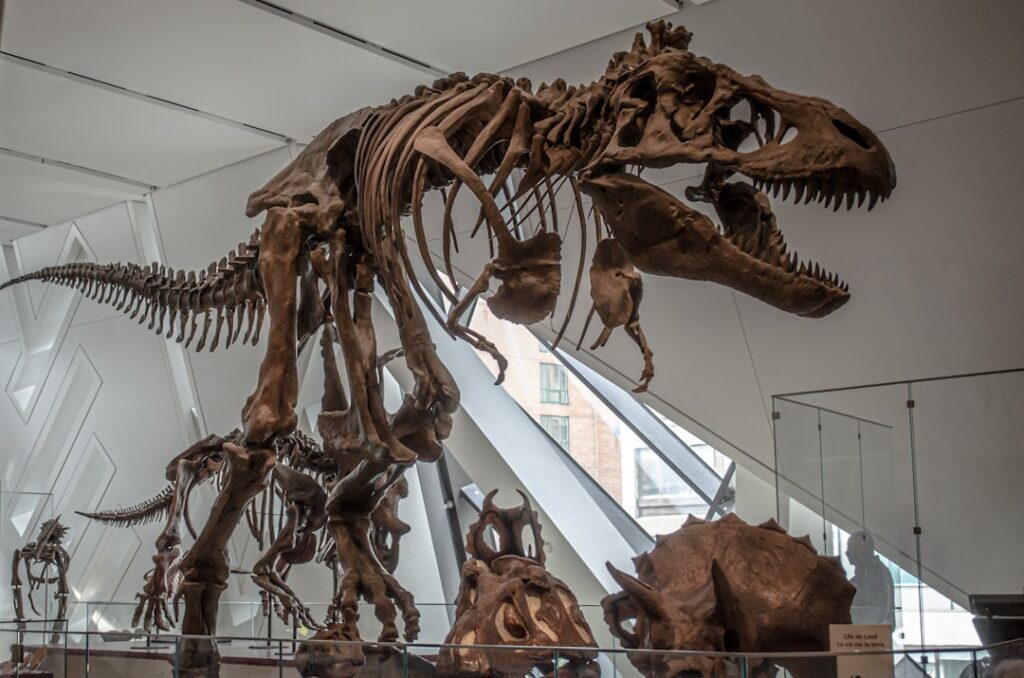
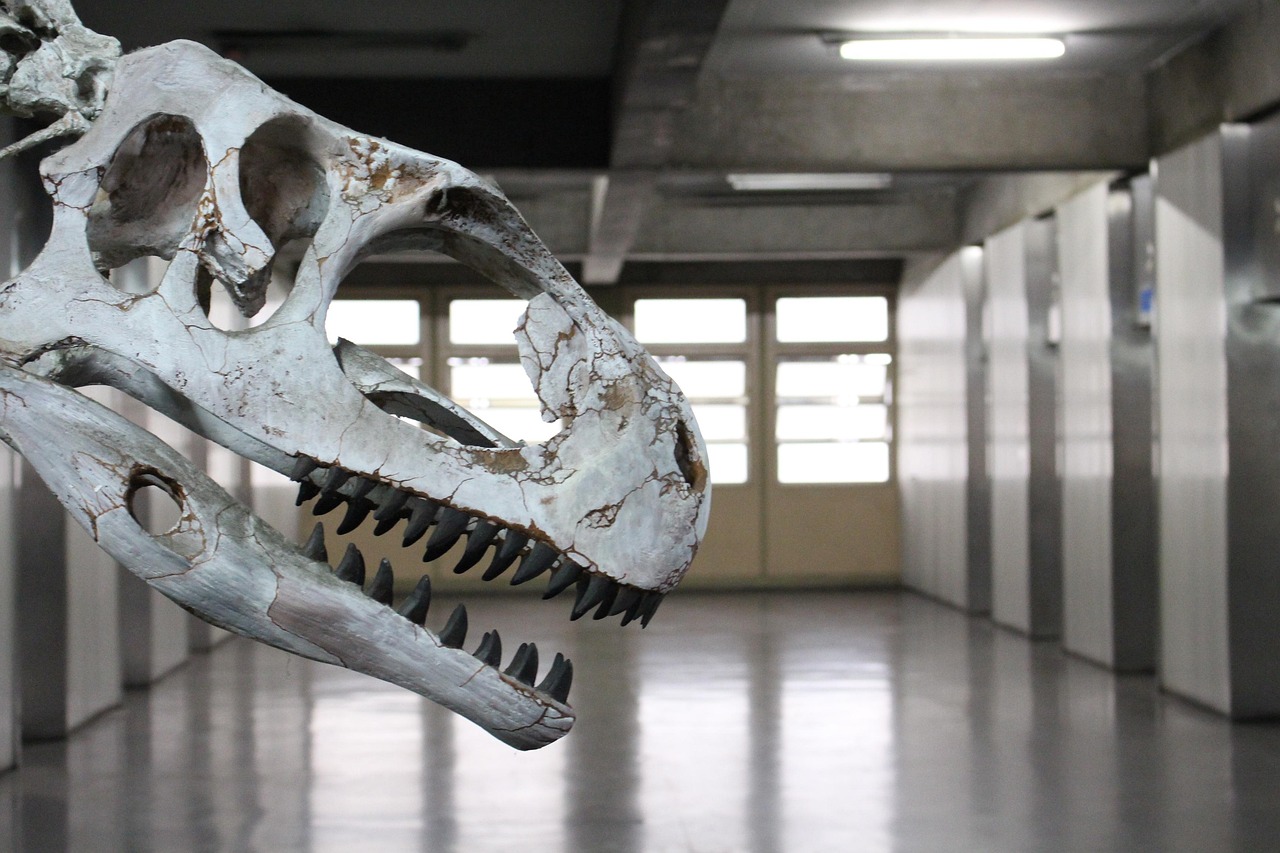
What visitors see in museums as “dinosaur bones” are mineralized replicas of the original bones. The calcium phosphate has been replaced by harder minerals like silica or calcite, creating structures that can survive for hundreds of millions of years. These fossil bones are often heavier and more durable than original bone material.
Some specimens undergo such complete replacement that no trace of the original bone chemistry remains. Others retain enough original structure to reveal details about dinosaur growth patterns, diseases, and even injuries that healed during their lifetimes.
Geographic Hotspots: Where Dinosaur Bones Best Survive
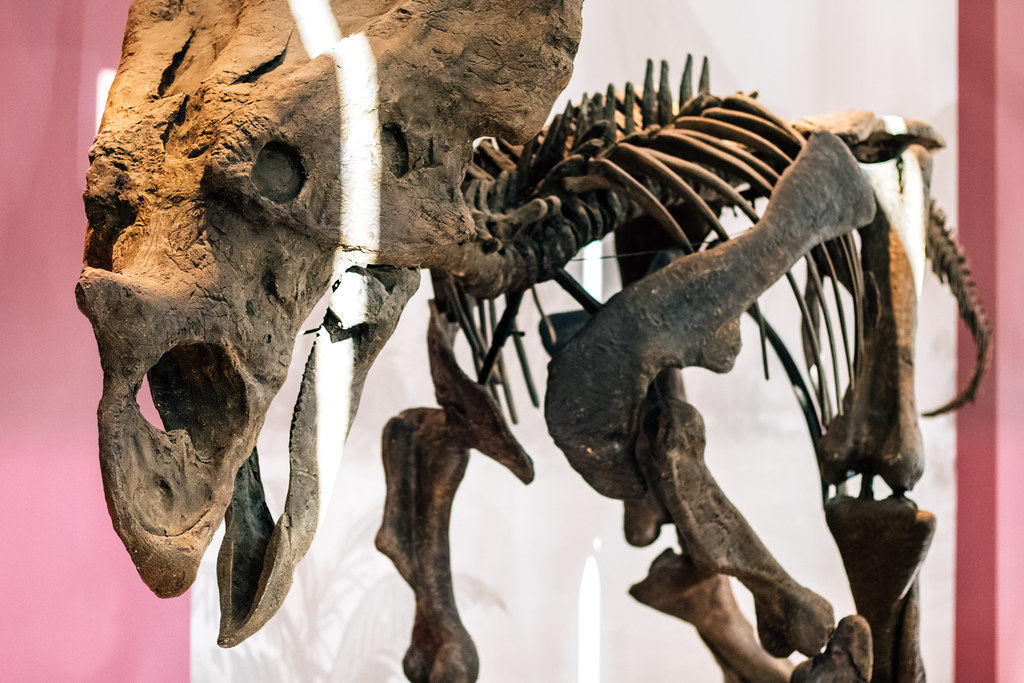
Certain regions of the world have become legendary for dinosaur fossil preservation. The American West, particularly Montana, Wyoming, and South Dakota provides ideal conditions with their ancient river systems and volcanic ash deposits. Argentina’s Patagonia region offers similar preservation in different geological settings.
These locations share common characteristics: rapid burial, low oxygen environments, and mineral-rich groundwater. The famous Dinosaur National Monument in Utah preserves bones in ancient river channels where flash floods quickly buried carcasses in fine sediment.
The Fate of Different Bone Types
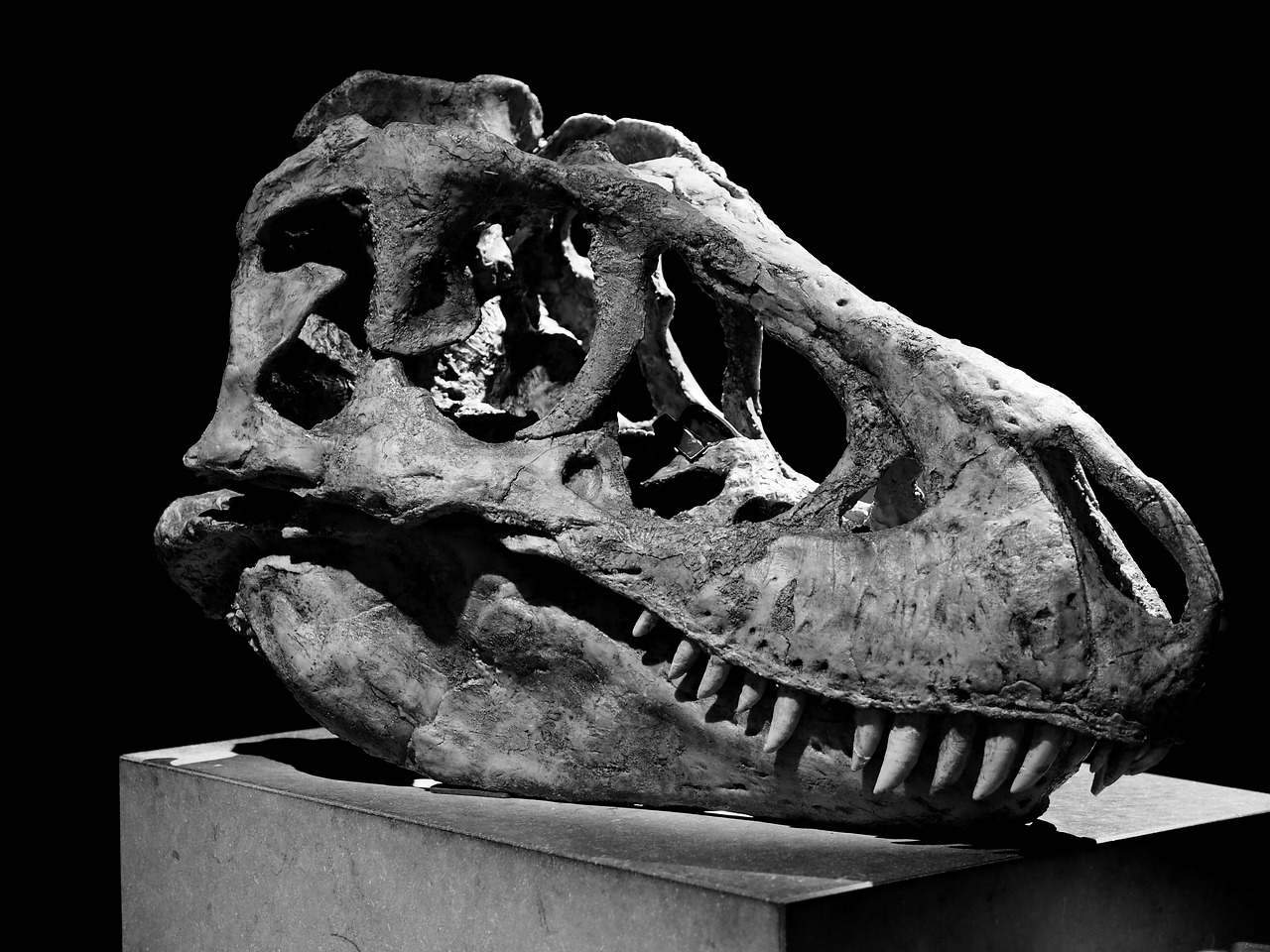
Not all dinosaur bones have equal chances of survival. Dense bones like leg bones and skulls fossilize more readily than delicate structures like ribs or vertebrae. The hollow bones of flying dinosaurs rarely preserve well, explaining why pterosaur fossils remain relatively scarce compared to their ground-dwelling relatives.
Teeth, composed of extremely hard enamel, represent the most commonly preserved dinosaur fossils. These structures can survive conditions that would destroy other bone material, providing valuable insights into dinosaur diets and evolution, even when other remains have vanished.
Environmental Factors That Destroy Dinosaur Bones
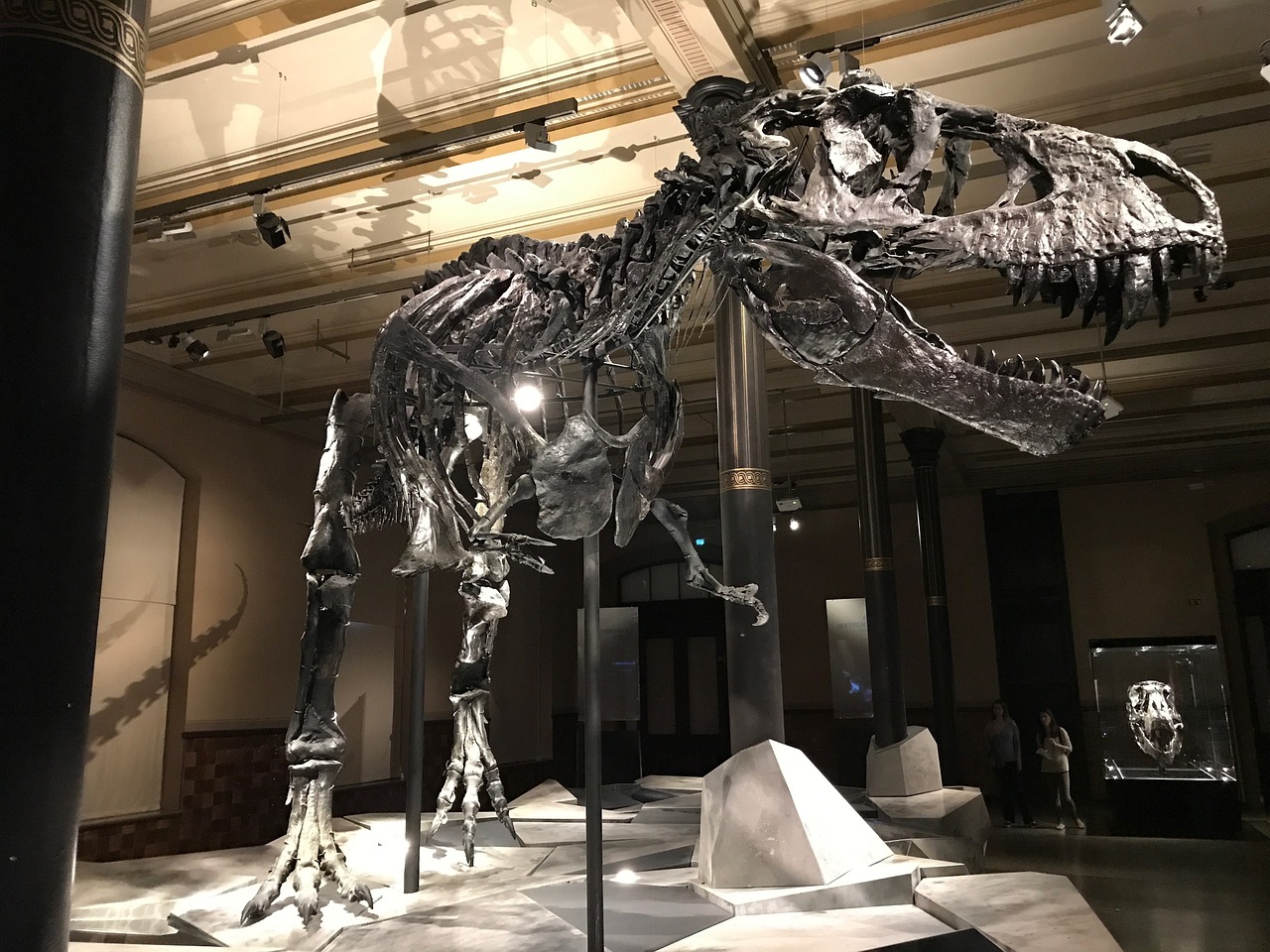
Several environmental conditions actively destroy dinosaur bones before fossilization can occur. Acidic soil conditions, common in tropical environments, dissolve calcium phosphate rapidly. Repeated freeze-thaw cycles crack bones, allowing water and bacteria to penetrate and accelerate decomposition.
Tectonic activity can crush or shatter fossilized bones, while erosion exposes them to weathering that undoes millions of years of preservation. Many dinosaur fossils probably exist briefly at the surface before wind, rain, and temperature changes reduce them to dust.
Why We Don’t Find Dinosaur Bones Everywhere
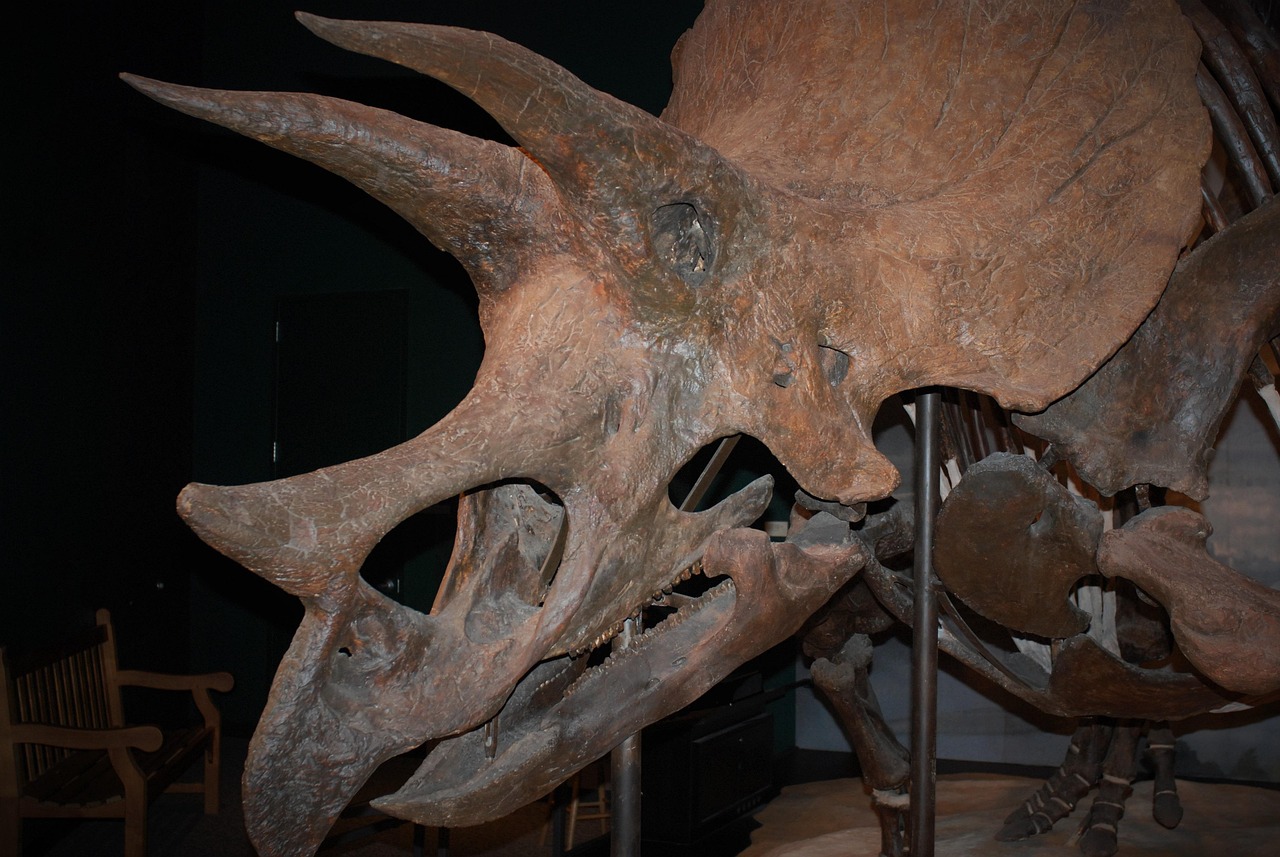
The rarity of dinosaur fossils reflects the exceptional conditions required for preservation. Most dinosaurs died in upland environments where rapid burial was unlikely, or in tropical regions where acidic soils dissolved bones quickly. The fossil record represents only a tiny fraction of all dinosaurs that ever lived.
Additionally, geological processes have destroyed many fossil-bearing rock layers over millions of years. Subduction zones, volcanic activity, and erosion have erased countless potential fossil sites, leaving us with an incomplete picture of dinosaur diversity and distribution.
The Future of Dinosaur Bone Preservation
Climate change and human activity now threaten existing dinosaur fossil sites. Increased rainfall and temperature fluctuations accelerate the weathering of exposed fossils, while development destroys potential fossil-bearing formations. Some specimens that survived 100 million years may not survive the next century without protection.
Scientists race against time to document and collect fossils before they disappear forever. New technologies like 3D scanning and CT imaging allow researchers to preserve digital copies of fossils, ensuring that scientific information survives even if the physical specimens don’t.
Conclusion
The next time you stand before a massive dinosaur skeleton in a museum, remember that you’re witnessing one of nature’s most improbable preservation stories. Those “bones” survived countless natural disasters, chemical attacks, and geological upheavals to reach your eyes across an almost incomprehensible period. Each fossil represents not just a window into the past, but a testament to the extraordinary conditions required to cheat death itself. What other secrets might be waiting in the rocks beneath our feet, racing against time and chemistry for their chance at immortality?