Picture this: you’re hiking through an ancient forest when you stumble upon a weathered skull half-buried in the soil. Meanwhile, scuba divers regularly discover pristine skeletal remains in shipwrecks that have been underwater for centuries. What’s going on here? The answer lies in one of nature’s most fascinating processes – how our bones decompose differently depending on their environment. This isn’t just morbid curiosity; understanding bone decomposition helps forensic scientists solve crimes, archaeologists date historical sites, and even helps us appreciate the incredible resilience of human remains throughout history.
The Science Behind Bone Decomposition
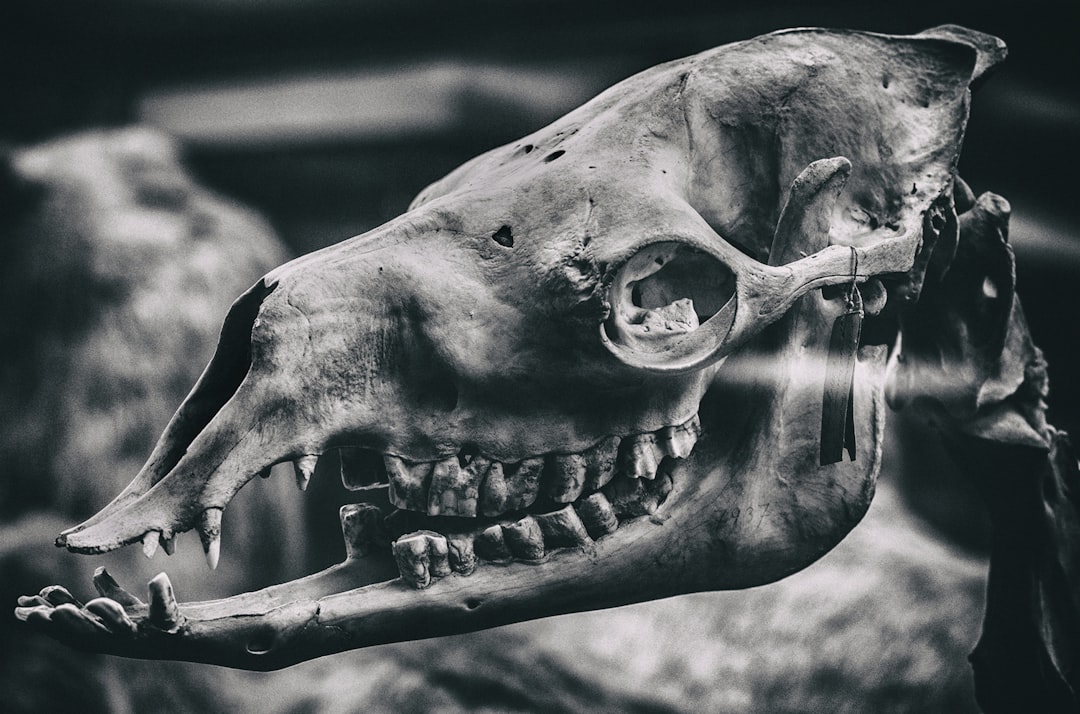
Bones aren’t just static calcium structures sitting in our bodies – they’re living tissue that constantly rebuilds itself throughout our lives. When we die, this dynamic process stops, but what happens next depends entirely on the environment surrounding those bones.
The decomposition process involves both chemical and biological factors working together. Bacteria, fungi, and other microorganisms feast on the organic components of bone, particularly collagen, which makes up about 30% of bone mass. The remaining 70% consists of minerals like calcium phosphate, which resist breakdown much longer.
Temperature, pH levels, oxygen availability, and moisture all play crucial roles in determining how quickly bones deteriorate. Think of it like a recipe – change any one ingredient, and you get a completely different result.
What Makes Air Decomposition Unique
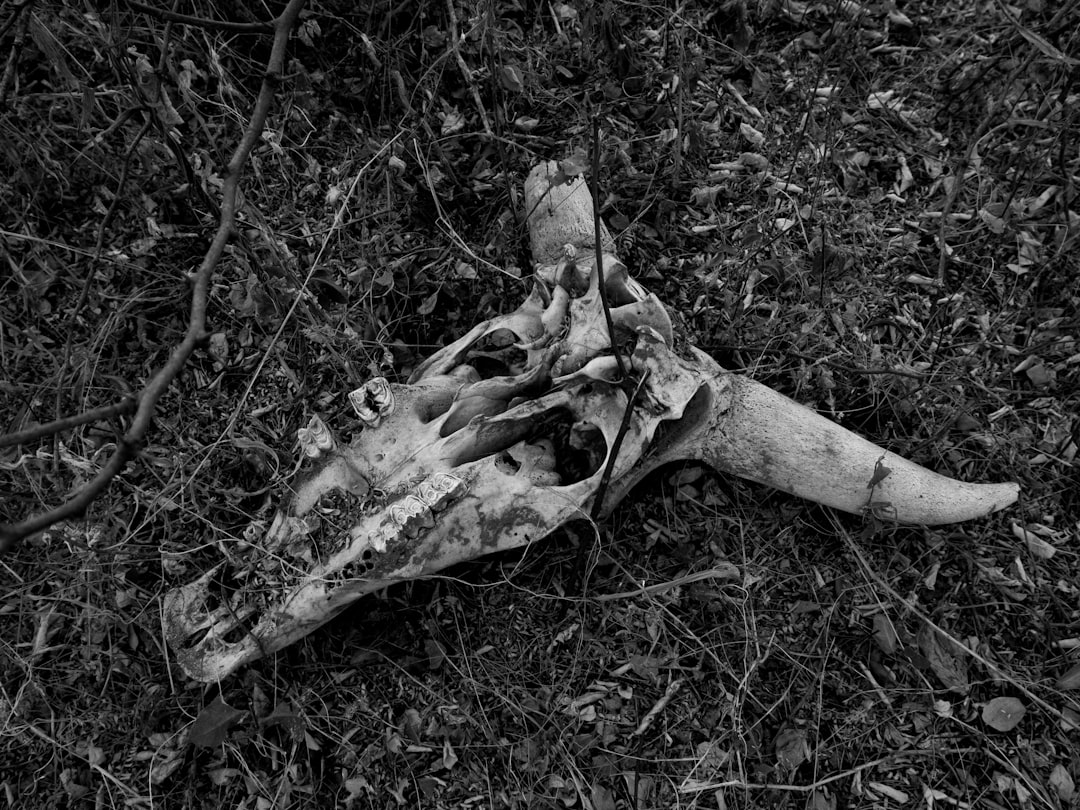
When bones are exposed to air, they face a perfect storm of decomposition factors. Oxygen acts like fuel for bacterial growth, accelerating the breakdown of organic materials within the bone structure. The constant temperature fluctuations between day and night create expansion and contraction cycles that gradually weaken the bone matrix.
UV radiation from sunlight also plays a destructive role, breaking down collagen fibers and causing bones to become brittle and chalky. Rain and humidity introduce moisture that promotes bacterial growth, while dry periods can cause bones to crack and fragment.
Perhaps most importantly, exposed bones become accessible to scavengers and insects. Beetles flies, and other decomposers make quick work of any remaining soft tissue, while larger animals may scatter or gnaw on bones for their mineral content.
The Underwater Preservation Mystery
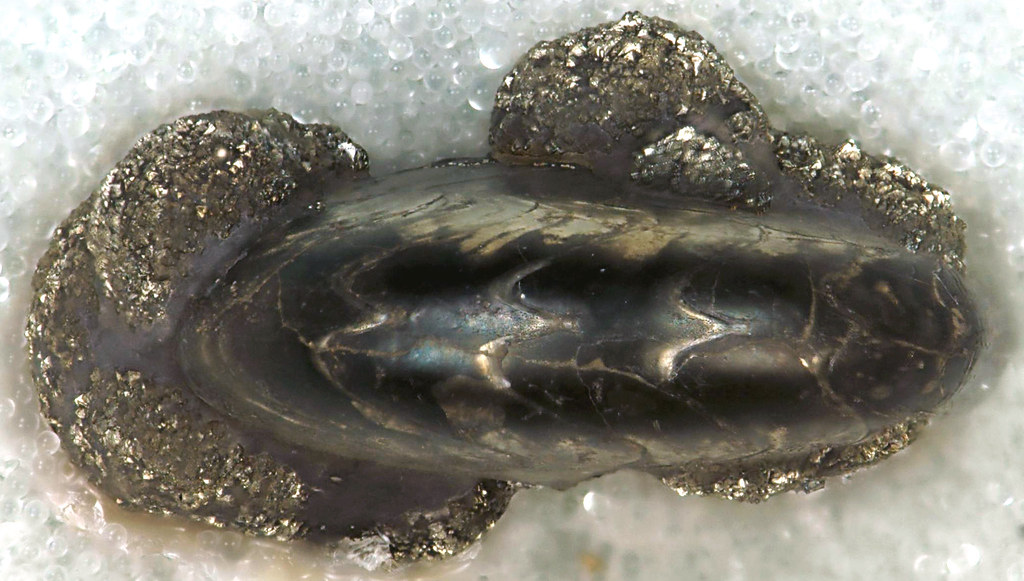
Water creates an entirely different decomposition environment that often surprises people with its preservation capabilities. The key lies in oxygen levels – while surface water contains dissolved oxygen, deeper waters often become hypoxic or completely anoxic, severely limiting bacterial activity.
Cold water temperatures slow down all biological processes, including decomposition. The famous Titanic passengers’ remains, for instance, were preserved in the frigid North Atlantic waters for decades longer than they would have been on land.
Water also provides a buffer against temperature extremes and UV radiation, creating a more stable environment for bone preservation. However, water chemistry matters enormously – acidic water can dissolve calcium phosphate, while alkaline conditions tend to preserve bones better.
Timeline: First 24 Hours
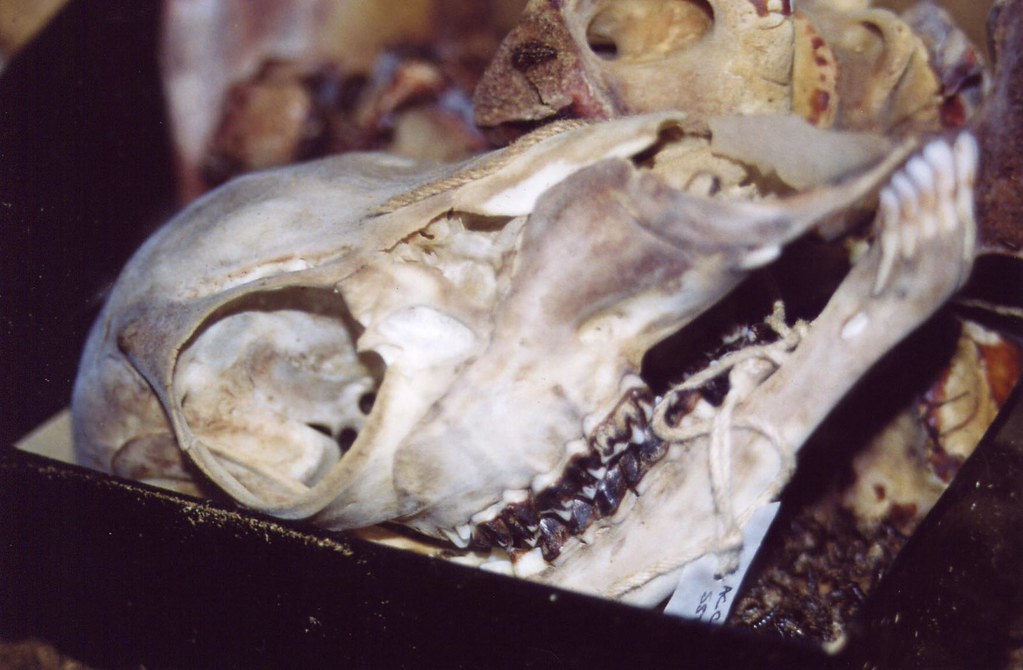
The decomposition race begins immediately after death, but the starting conditions vary dramatically between air and water environments. In air, bacteria already present in the body begin multiplying rapidly, especially in warm, humid conditions. These microorganisms start breaking down soft tissues and begin their assault on bone collagen.
Underwater, the story unfolds differently. Cold water temperatures slow bacterial growth significantly, while the absence of oxygen in deeper waters can halt aerobic decomposition almost entirely. Marine scavengers might begin investigating the remains, but the process moves at a glacial pace compared to surface conditions.
Interestingly, bones themselves remain largely unchanged during this initial period, regardless of the environment. The real action happens in the surrounding soft tissues, setting the stage for what’s to come.
Week One: The Critical Window
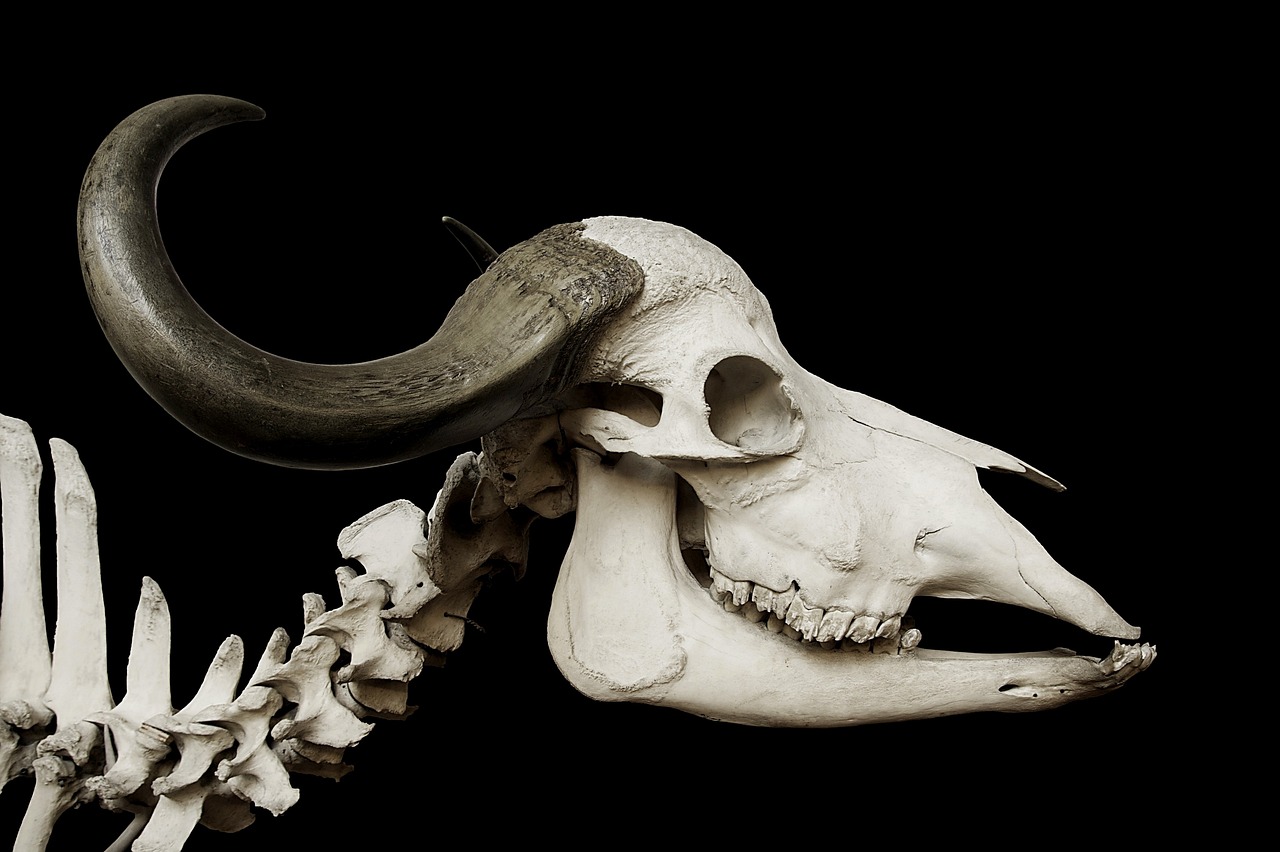
By the end of the first week, dramatic differences emerge between air and water decomposition. Above ground, insects have likely discovered the remains and fly larvae begin their destructive work. The combination of bacterial action and insect activity creates a highly efficient decomposition system.
Temperature becomes a major factor during this period. Hot, humid air accelerates bacterial growth exponentially, while cold, dry conditions slow the process considerably. UV exposure begins weakening surface collagen in exposed bones, though this effect won’t be visible for weeks.
Underwater remains tell a different story. In cold, oxygen-poor water, bacterial activity remains minimal. The bones retain their organic components much longer, and the stable temperature prevents the rapid breakdown seen in air environments.
Month One: Visible Changes Begin
After 30 days, the environmental differences become starkly apparent. Air-exposed bones begin showing signs of weathering, with surface discoloration and the first microscopic cracks appearing. The constant wetting and drying cycles create stress fractures that will eventually lead to more significant damage.
Bacterial colonies have established themselves throughout the bone matrix in air environments, steadily consuming collagen and other organic compounds. This process creates tiny pores and weakens the overall structure, though the bones still maintain their basic shape and strength.
Submerged bones remain remarkably stable at this point, especially in cold or deep water. The lack of oxygen prevents aerobic bacteria from thriving, while the stable temperature keeps chemical reactions slow and predictable.
Three Months: The Divergence Accelerates
The three-month mark represents a critical divergence point in bone decomposition. Air-exposed bones have lost significant amounts of their organic content, becoming noticeably lighter and more fragile. Surface weathering creates a characteristic bleached appearance as UV radiation continues its relentless assault.
Seasonal changes become important factors for surface bones. Winter freezing and thawing cycles create additional stress, while summer heat accelerates chemical breakdown. Rainfall introduces acid that can begin dissolving the mineral components, particularly in acidic soils.
Underwater bones continue their slow, steady preservation. Marine environments may introduce different challenges, such as saltwater corrosion or the activities of marine borers, but the overall decomposition rate remains dramatically slower than surface conditions.
Six Months: Structural Integrity Under Threat
At the six-month milestone, air-exposed bones face serious structural challenges. The ongoing loss of collagen makes them increasingly brittle, and mechanical stress from wind, rain, or animal activity can cause significant damage or complete fragmentation.
Soil chemistry plays an increasingly important role as bones begin direct contact with the ground. Acidic soils accelerate mineral dissolution, while alkaline soils provide better preservation conditions. The pH level can determine whether bones survive or disappear entirely.
Waterlogged bones maintain their structural integrity remarkably well, though subtle changes are occurring at the molecular level. The slow leaching of minerals continues, but the protective water environment prevents the dramatic deterioration seen in air-exposed specimens.
One Year: The Great Divide
After twelve months, the environmental differences create dramatically different outcomes. Air-exposed bones have typically lost 50-70% of their original collagen content, depending on climate conditions. They’ve become significantly lighter, more porous, and prone to cracking or breaking under stress.
Surface bones exposed to harsh weather conditions may begin fragmenting into smaller pieces. Desert conditions can mummify bones, preserving them in a brittle state, while tropical environments may accelerate decomposition to the point where only the densest bone portions remain.
Submerged bones tell a completely different story. Many underwater skeletal remains from this period still retain much of their original structure and composition, looking remarkably similar to fresh bones despite a full year of submersion.
Five Years: Long-term Patterns Emerge
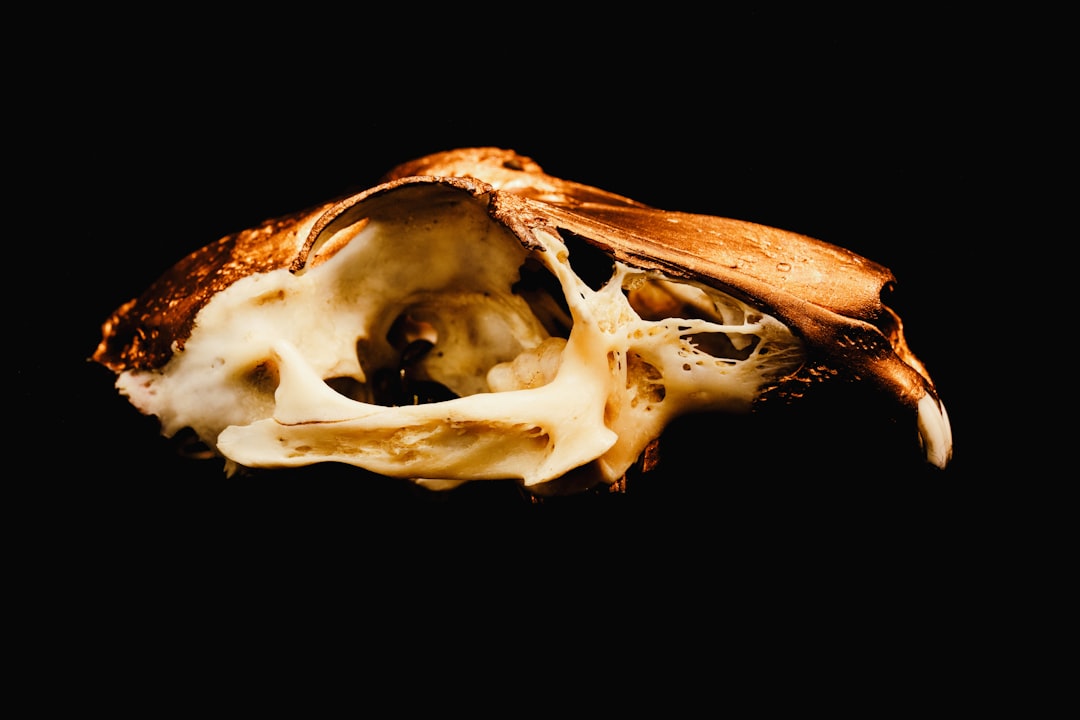
The five-year mark reveals the true power of environmental conditions on bone preservation. Air-exposed bones in temperate climates have typically lost most of their organic content and become extremely fragile. They may crumble at the slightest touch or weather away to nothing in harsh conditions.
However, some surface environments provide surprising preservation. Dry caves, for instance, can mummify bones and preserve them for decades or even centuries. Similarly, permafrost conditions can halt decomposition almost entirely, creating natural time capsules.
Underwater bones continue their slow transformation, but five years underwater often produces better preservation than five months on the surface. The stable environment allows for gradual mineral replacement processes that can strengthen the bone structure over time.
Decade Mark: The Survivors
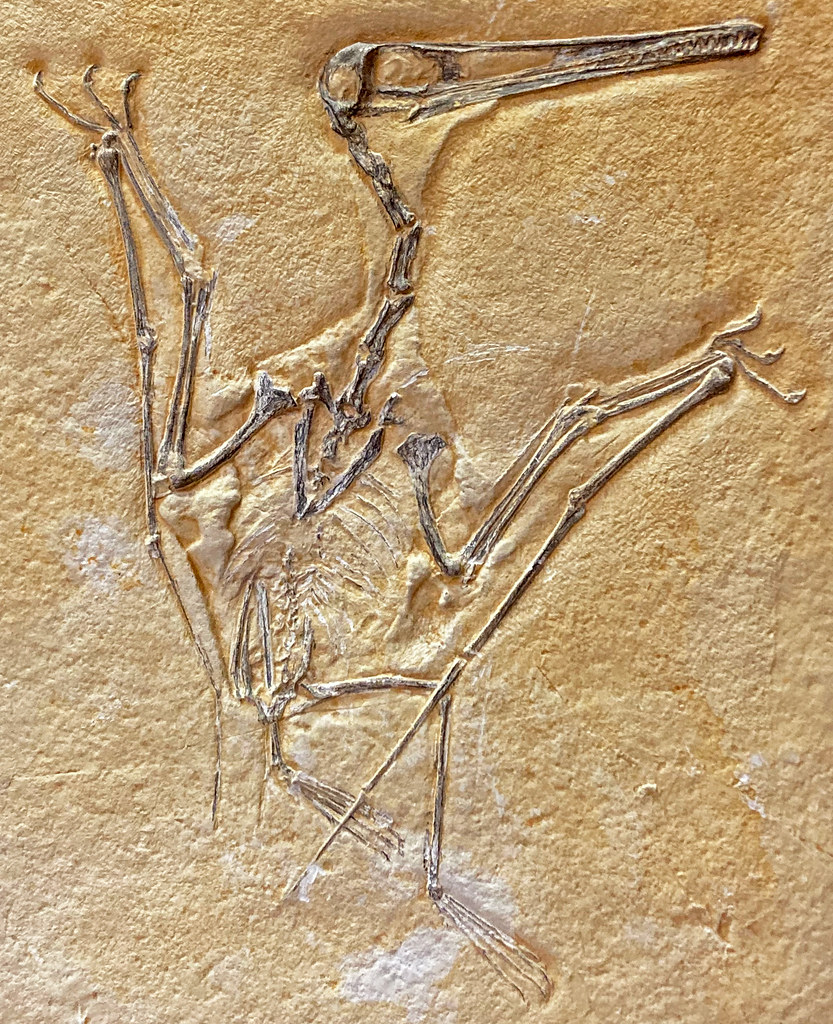
Ten years represents a crucial survival threshold for bone preservation. Most air-exposed bones have either completely decomposed or become so fragile that they’re archaeological curiosities rather than recognizable skeletal elements. Only the densest portions, like teeth and the petrous part of the temporal bone, consistently survive this long in surface conditions.
Climate becomes the ultimate deciding factor for surface preservation. Extremely dry conditions can preserve bones for decades, while wet, warm environments may eliminate all traces within a few years. The mineral content of the surrounding soil also plays a crucial role in determining what survives.
Underwater preservation at the decade mark often produces specimens that still retain their basic structural integrity. Cold, deep water environments can preserve bones in nearly pristine condition, while warmer, more active waters may show more deterioration but still maintain recognizable skeletal elements.
The Century Challenge
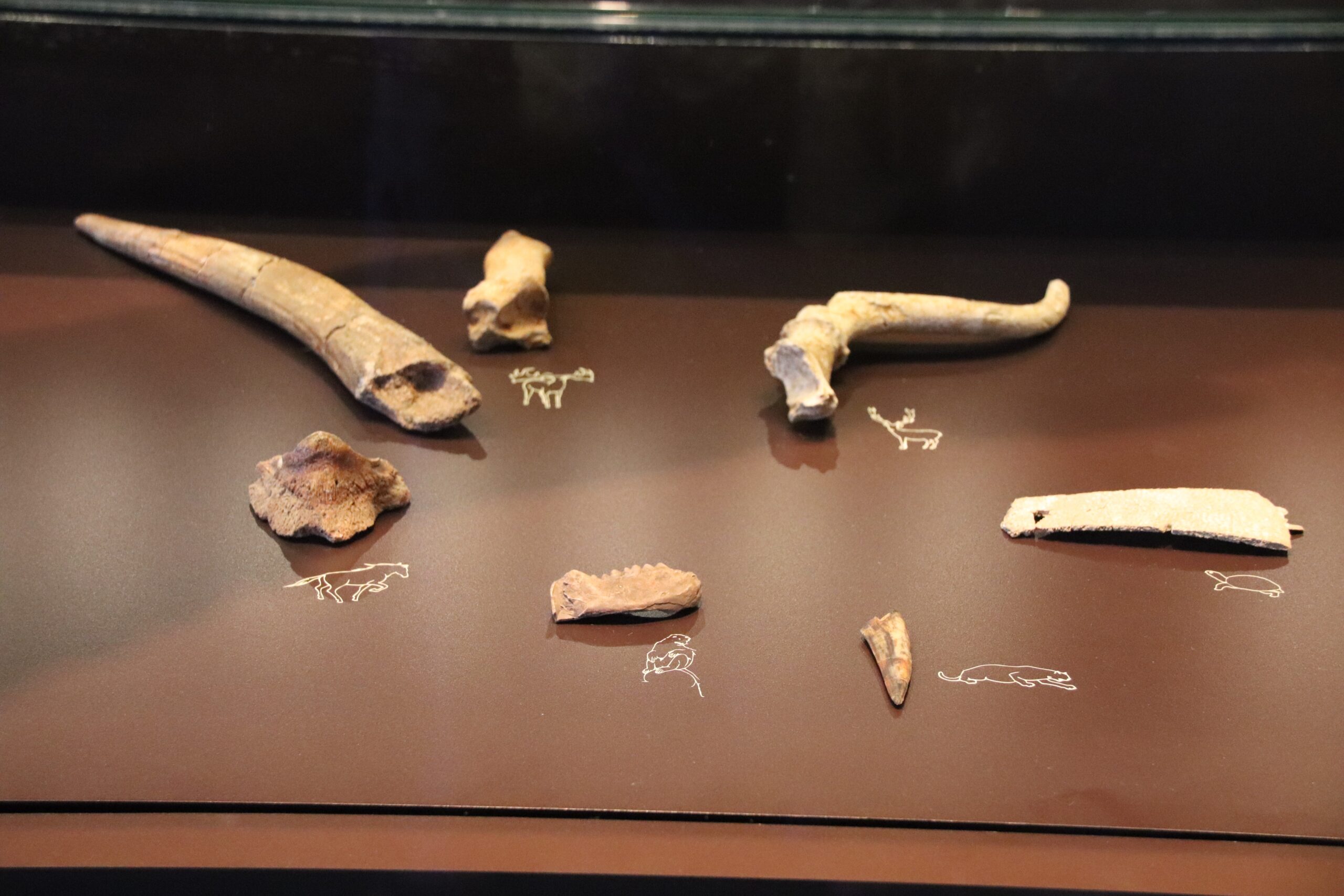
After 100 years, only the most favorable conditions preserve recognizable bone remains on the surface. Archaeological sites often reveal that only teeth, dense skull fragments, and occasionally long bone shafts survive a century of surface exposure in temperate climates.
Exceptional preservation occurs in specific environments like dry caves, permafrost, or extremely alkaline soils. These conditions can preserve bones for millennia, creating the archaeological treasures that help us understand human history. The famous bog bodies of Northern Europe demonstrate how specific conditions can preserve organic materials for thousands of years.
Underwater preservation at the century mark often produces remarkable results. Shipwreck sites regularly yield skeletal remains that are hundreds of years old but still retain their basic structure and even some organic content. The HMS Titanic site, for example, still contained recognizable remains nearly a century after the disaster.
Factors That Change Everything
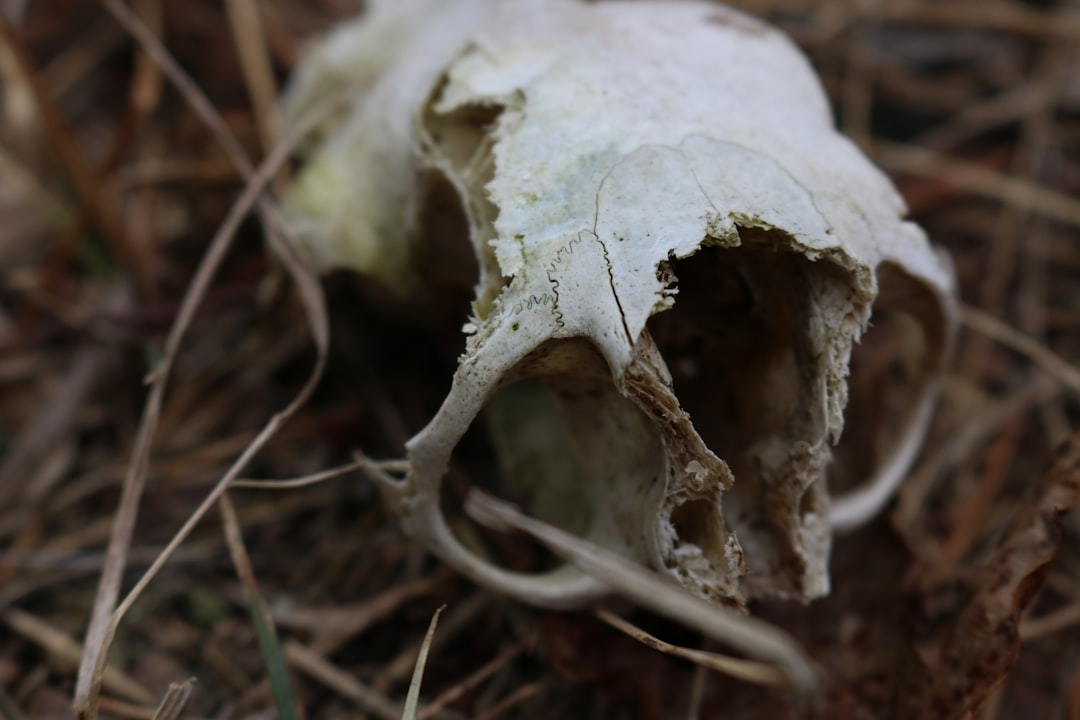
Several environmental factors can dramatically alter the standard decomposition timeline, sometimes preserving bones for millennia or destroying them in mere months. Temperature stands as perhaps the most critical factor – extreme cold can halt decomposition almost entirely, while extreme heat accelerates every chemical process.
Soil pH creates dramatic differences in preservation outcomes. Acidic soils can dissolve bone minerals within years, while alkaline conditions may preserve bones for centuries. The presence of metals in the environment can also affect decomposition rates, with some metals acting as preservatives and others accelerating breakdown.
Human intervention increasingly affects bone preservation through pollution, construction, and climate change. Acid rain can accelerate bone dissolution, while rising ocean temperatures may alter underwater preservation conditions that have remained stable for millennia.
What This Means for Forensic Science
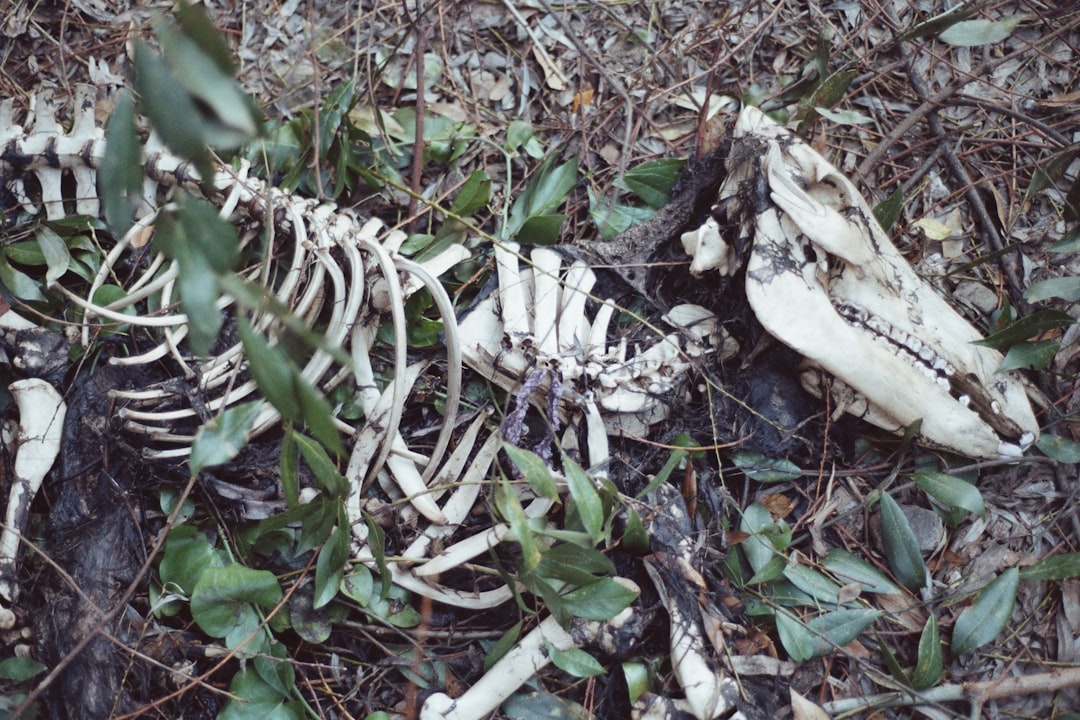
Understanding bone decomposition timelines provides crucial information for forensic investigators trying to determine the time since death. The condition of recovered bones can help establish whether remains are days, years, or decades old, which dramatically affects investigation strategies.
Forensic anthropologists use bone weathering patterns to estimate exposure time and environmental conditions. The presence or absence of certain bone elements can indicate whether remains were moved, scattered by animals, or affected by specific environmental factors.
Water recovery cases present unique challenges because underwater preservation can make bones appear much more recent than they are. Investigators must consider water temperature, depth, and chemistry when estimating decomposition timelines for submerged remains.
Conclusion
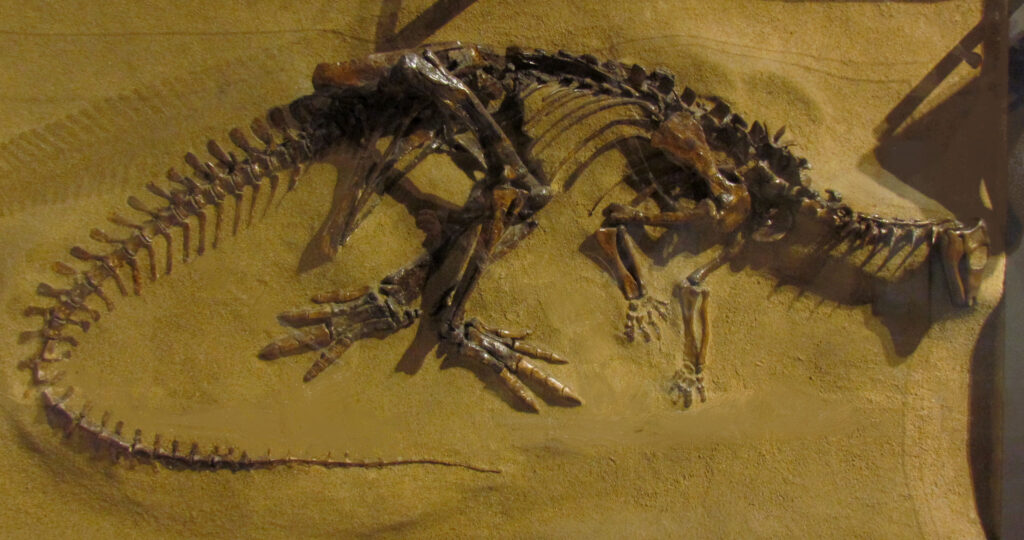
The remarkable journey of bone decomposition reveals nature’s incredible complexity and the profound impact of environmental conditions on preservation. While air-exposed bones face a gauntlet of destructive forces that typically reduce them to fragments within years, underwater environments often provide a sanctuary that can preserve skeletal remains for centuries. This knowledge helps forensic scientists solve crimes, allows archaeologists to uncover our past, and reminds us that even in death, our bones tell stories about the world around them. Whether racing toward dissolution in harsh surface conditions or slowly transforming in underwater sanctuaries, bones remain one of our most enduring connections to both the living and the dead. What would you have guessed about the incredible preservation power of water versus the destructive force of air?