Picture a world with no breathable air, no plants, no animals, no blue sky. The oceans are warm and iron-rich, the land is barren rock, and the skies are wrapped in a thick methane haze. It sounds like a science fiction nightmare, yet this was your home planet not so long ago, in geological terms. What lived here, how it survived, and what traces it left behind are questions that keep some of the world’s brightest scientists up at night.
The oldest fossils on Earth tell a story far more mind-bending than any dinosaur bone could. They are invisible to the naked eye, often smaller than a strand of hair, and yet they hold the secrets of how life first gripped this rocky planet. Let’s dive in.
Stromatolites: The World’s First Living Architecture
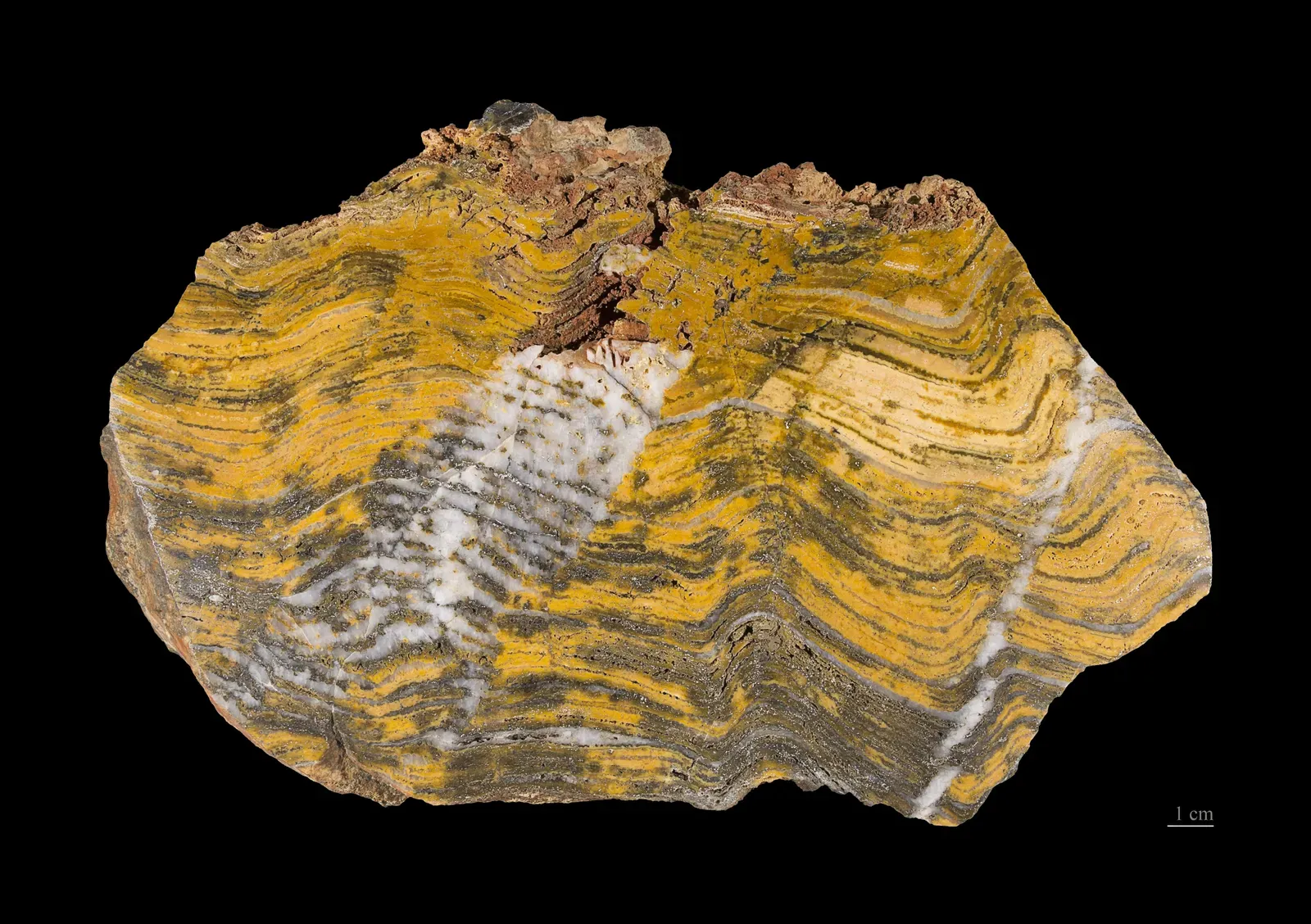
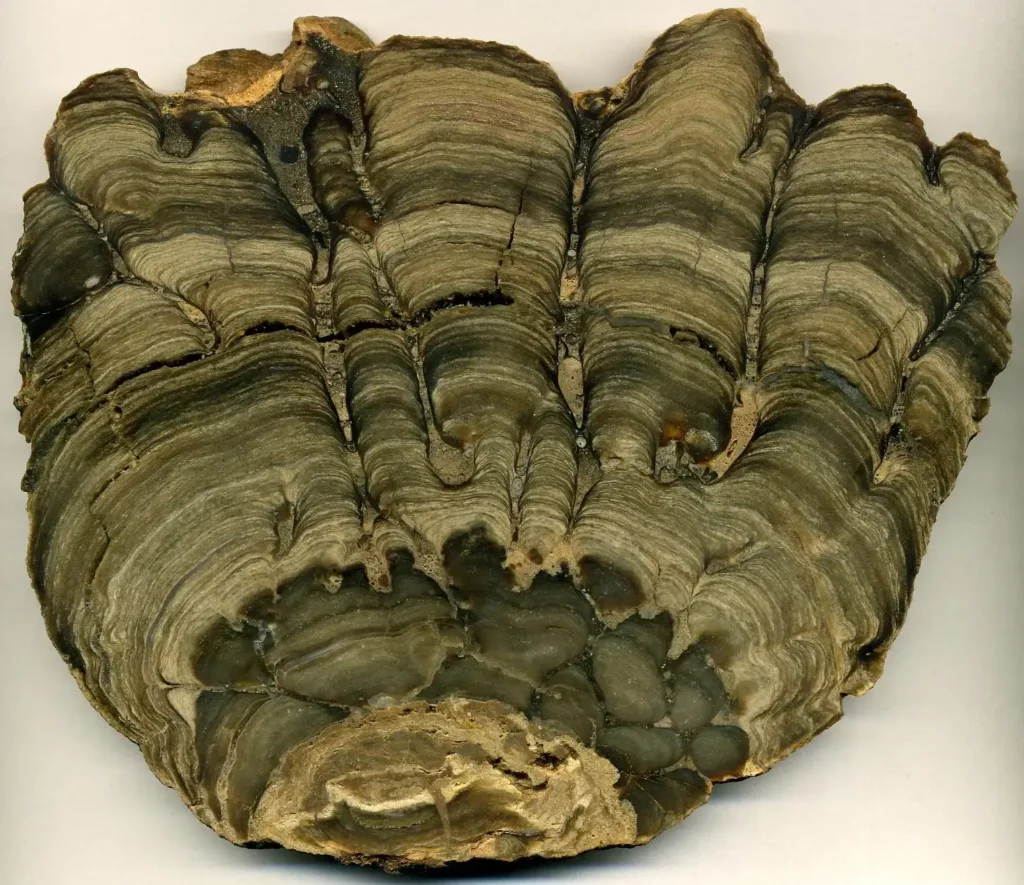
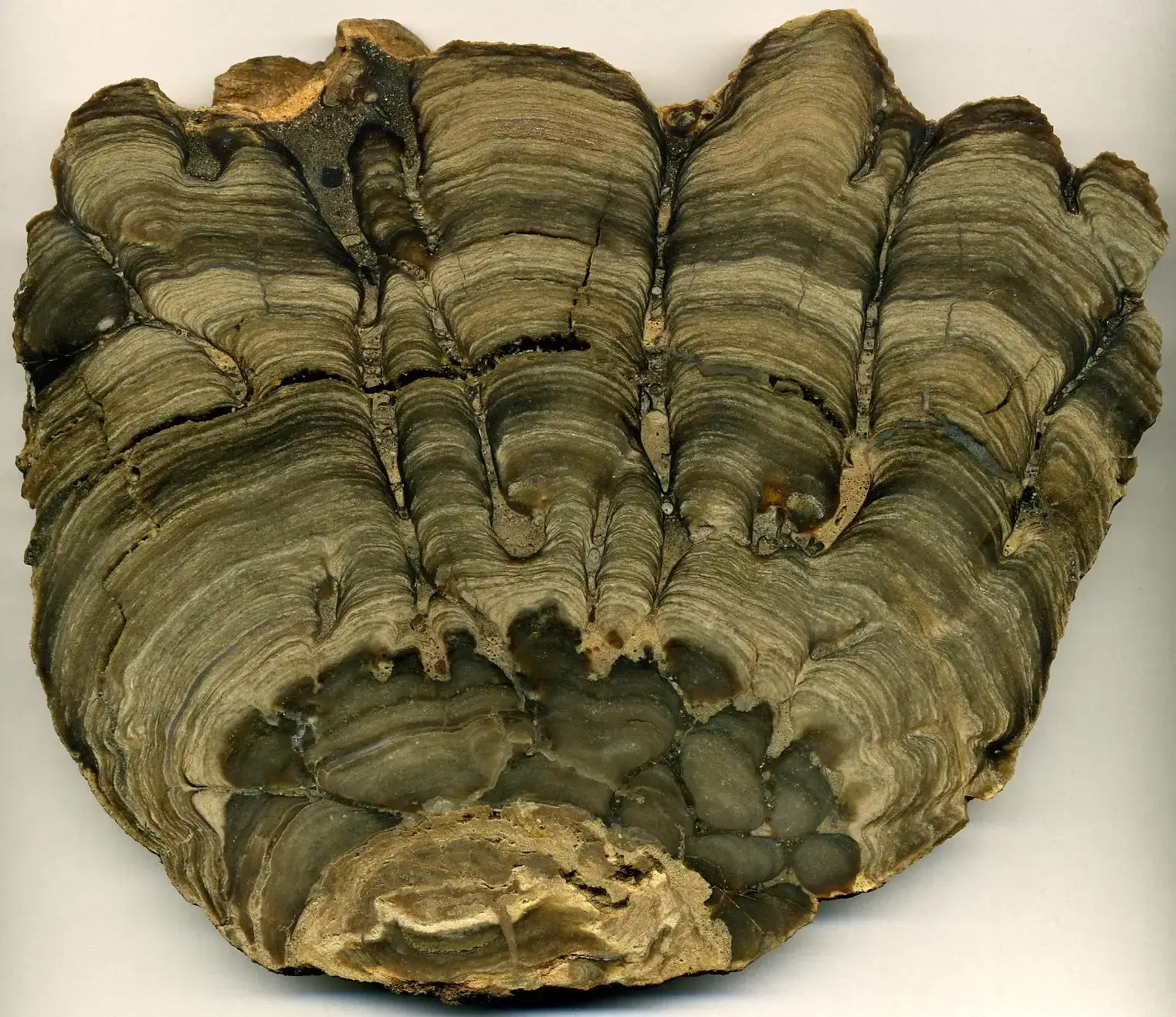
You might walk right past a stromatolite without giving it a second glance. They look like lumpy, layered rocks, sometimes shaped like mushrooms, arranged in shallow coastal waters. Yet these strange formations represent what scientists widely accept as the oldest confirmed evidence of life on Earth, with some specimens dating back an almost incomprehensible three and a half billion years.
The earliest direct known life on Earth are stromatolite fossils found in roughly 3.48-billion-year-old geyserite uncovered in the Dresser Formation of the Pilbara Craton of Western Australia. Honestly, the Pilbara is one of the most important patches of ground on the entire planet, even if it looks like a sun-baked emptiness to most visitors. Those distinctive stripes and layered patterns were formed by layer upon layer of cyanobacteria building mounds over time. Think of it like a living skyscraper, constructed one thin microbial blanket at a time, across millions of years.
The Microscopic Fossils of the Apex Chert
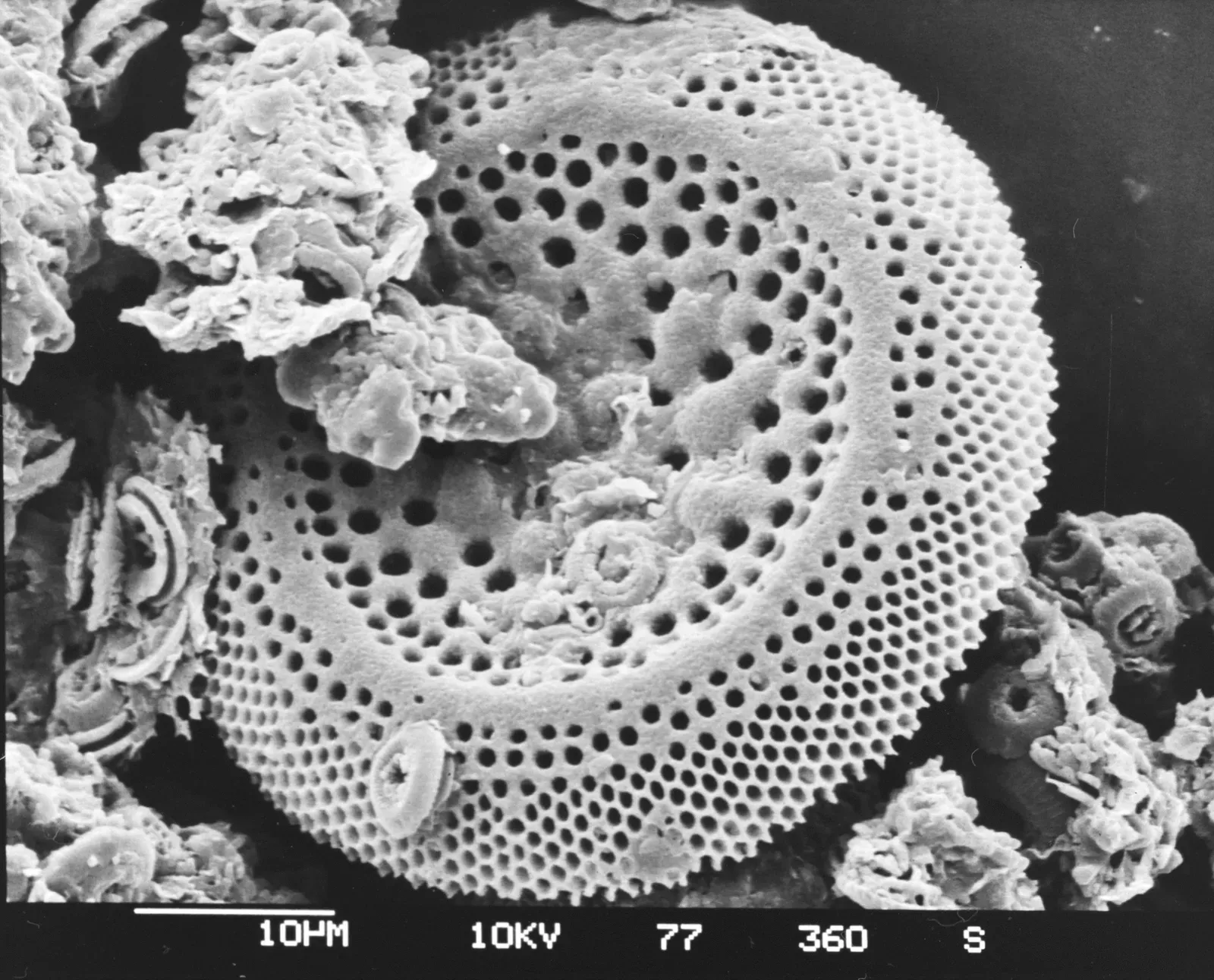
If you thought stromatolites were subtle, wait until you hear about the Apex Chert. Researchers at UCLA and the University of Wisconsin-Madison confirmed that microscopic fossils discovered in a nearly 3.5-billion-year-old piece of rock in Western Australia are the oldest fossils ever found and the earliest direct evidence of life on Earth. These are not the dramatic fossils you see in museums. You cannot see them without sophisticated instruments.
The microfossils, so called because they are not evident to the naked eye, were first described in 1993 based largely on their unique, cylindrical and filamentous shapes. Their identification sparked decades of fierce scientific debate. A later study described eleven microbial specimens from five separate taxa, linking their shapes to chemical signatures characteristic of life, with some representing now-extinct bacteria and microbes, while others are similar to microbial species still found today. The sheer diversity of these organisms, already present at such an early stage, suggests life had been quietly evolving for an even longer period before that.
The Astonishing Claims From Quebec’s Ancient Rocks
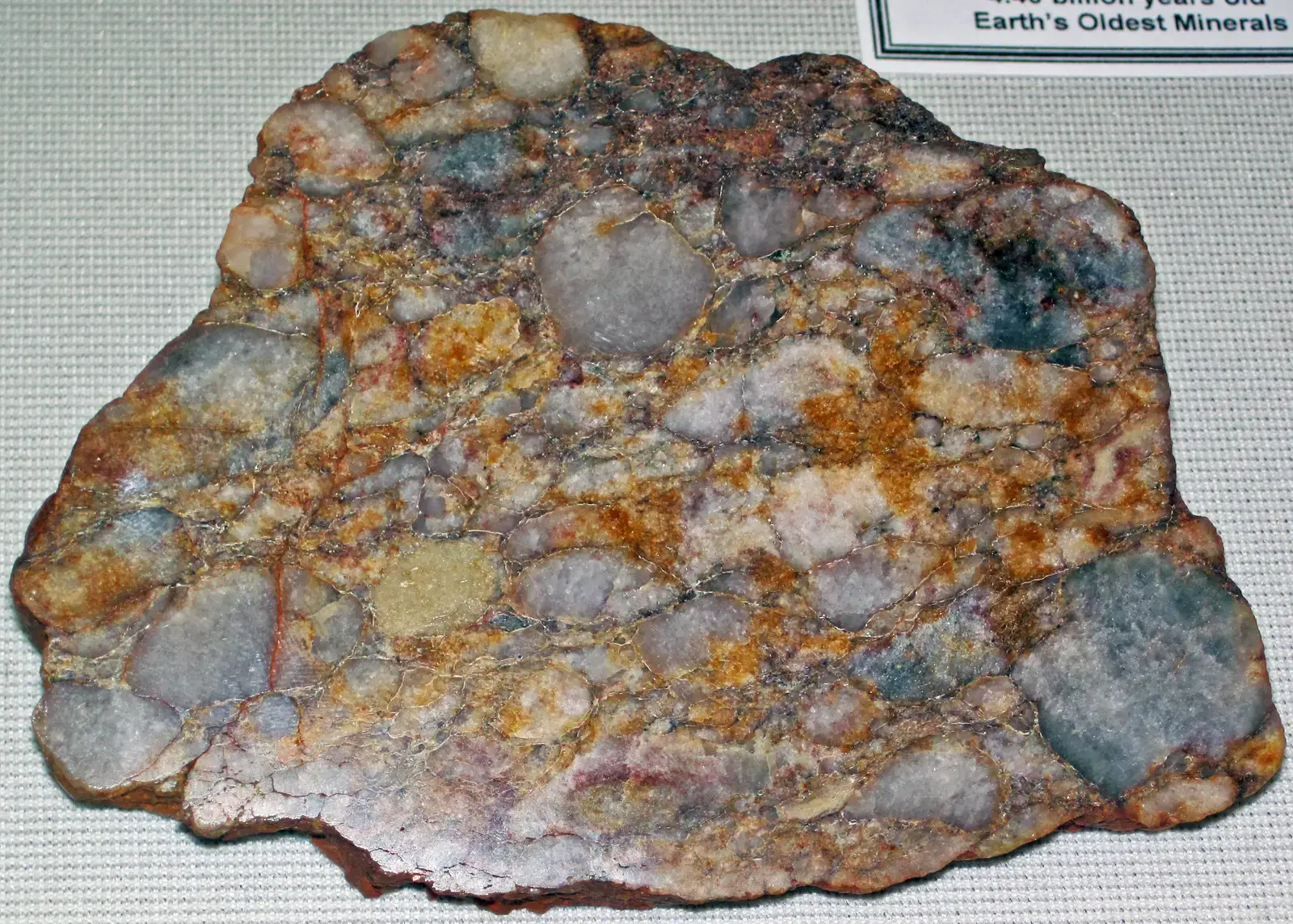
Here is where things get genuinely jaw-dropping. Far from Australia, in the remote wilderness of northern Quebec, Canada, sits a rocky belt called the Nuvvuagittuq Supracrustal Belt. Tiny filaments and tubes formed by bacteria that lived on iron were found encased in quartz layers there, in rocks that contain some of the oldest sedimentary formations known on Earth, likely formed as part of an iron-rich deep-sea hydrothermal vent system between 3,770 and 4,300 million years ago. That upper figure, if confirmed, would push the clock of life back to a point almost as old as the Earth itself.
Claims for the earliest life using fossilized microorganisms come from hydrothermal vent precipitates from that ancient sea-bed in the Nuvvuagittuq Belt, with some estimating these structures may be as old as 4.28 billion years, suggesting an almost instantaneous emergence of life after ocean formation. It’s hard to say for sure whether that upper age holds up to scrutiny, and the debate is still fierce. Some argue these findings may be better explained by abiotic processes, such as silica-rich waters, chemical gardens, and circulating hydrothermal fluids. Still, even at their minimum confirmed age, these are extraordinary finds.
A World Without Oxygen: The Strange Conditions Life Thrived In
Let’s be real: when you breathe in right now, you are benefiting from something that did not exist for a vast chunk of Earth’s history. The early Earth’s atmosphere was vastly different in composition from today’s, being a reducing atmosphere rich in methane and entirely lacking free oxygen. These early organisms had no choice but to find energy in other ways. They were, in the truest sense, aliens on their own planet.
The Archean is a geological eon that lasted from four billion to 2.5 billion years ago, and it saw the emergence of the first life on Earth, but these microbes were anaerobic, meaning they did not breathe oxygen. Instead, the atmosphere was rich with carbon and, particularly, sulfur. Imagine living on a diet of sulfur and iron instead of oxygen and sunlight. Microorganisms older than three billion years may have used a simplified form of photosynthesis that produced methane rather than oxygen. In other words, the very “pollution” these creatures exhaled was a powerful greenhouse gas warming their already steaming world.
Cyanobacteria: The Tiny Organisms That Changed Everything
You have probably never thought much about cyanobacteria. Yet without them, you would not exist. Not even close. Cyanobacteria have been tremendously important in shaping the course of evolution and ecological change throughout Earth’s history, as the oxygen atmosphere we depend on was generated by their photosynthesis during the Archean and Proterozoic Eras, before which the atmosphere had a very different chemistry entirely unsuitable for life as we know it today.
Stromatolites still exist today on the coasts of places like Australia, and cyanobacteria, even though they formed these ancient mounds, are tiny, single-celled creatures that are still alive and kicking after billions of years. Think about that for a moment. The same basic type of organism that built the world’s first reefs billions of years ago is still quietly going about its business today. It is one of the most humbling continuities in all of natural history. The oldest stromatolites date to the Early Archean and became abundant by the end of the Archean, and in the Proterozoic they were widespread on Earth, ecologically important as the first reefs.
Why Finding These Fossils Is So Incredibly Difficult
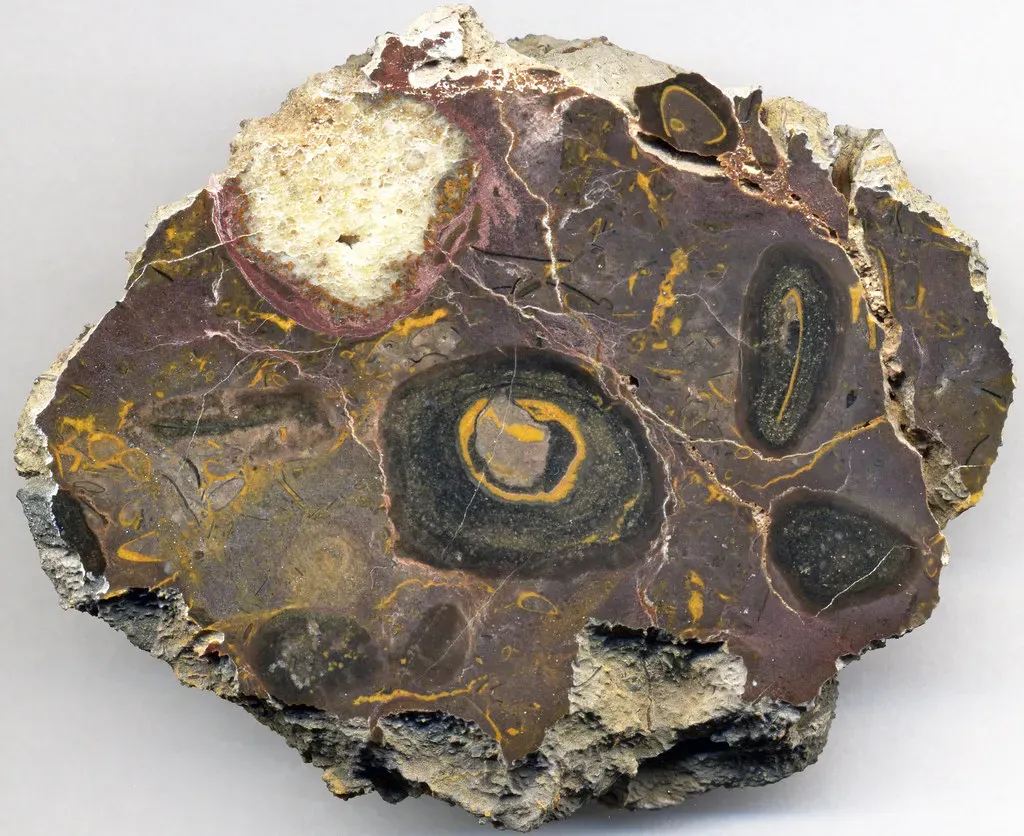
You might wonder: if life has been around for nearly four billion years, why don’t we find fossils of it everywhere? The answer is both frustrating and fascinating. Over time, tectonic movement pushes ancient rocks back up to the surface, where tides, winds, and other processes erode them away, meaning most fossils that were once preserved from the earliest life would have disappeared due to erosion, and the older the rock, the greater the chance the fossil no longer exists.
There are only a few places on Earth where rocks older than 3.5 billion years can be found that still carry fossil evidence, with parts of western Australia, Greenland, and South Africa being among them. Even in those rare locations, the search is punishing work. Picking out the evidence of Earth’s earliest life is more than a needle-in-a-haystack problem: the entire planet is the metaphorical haystack, while the needles are no more than microscopic cells or faint chemical traces, and even when scientists find possible candidates, it can be hard to know for sure if something is ancient life rather than a plain-old geological phenomenon. The search is, in a word, heroic.
What These Ancient Fossils Mean for the Search for Life Beyond Earth
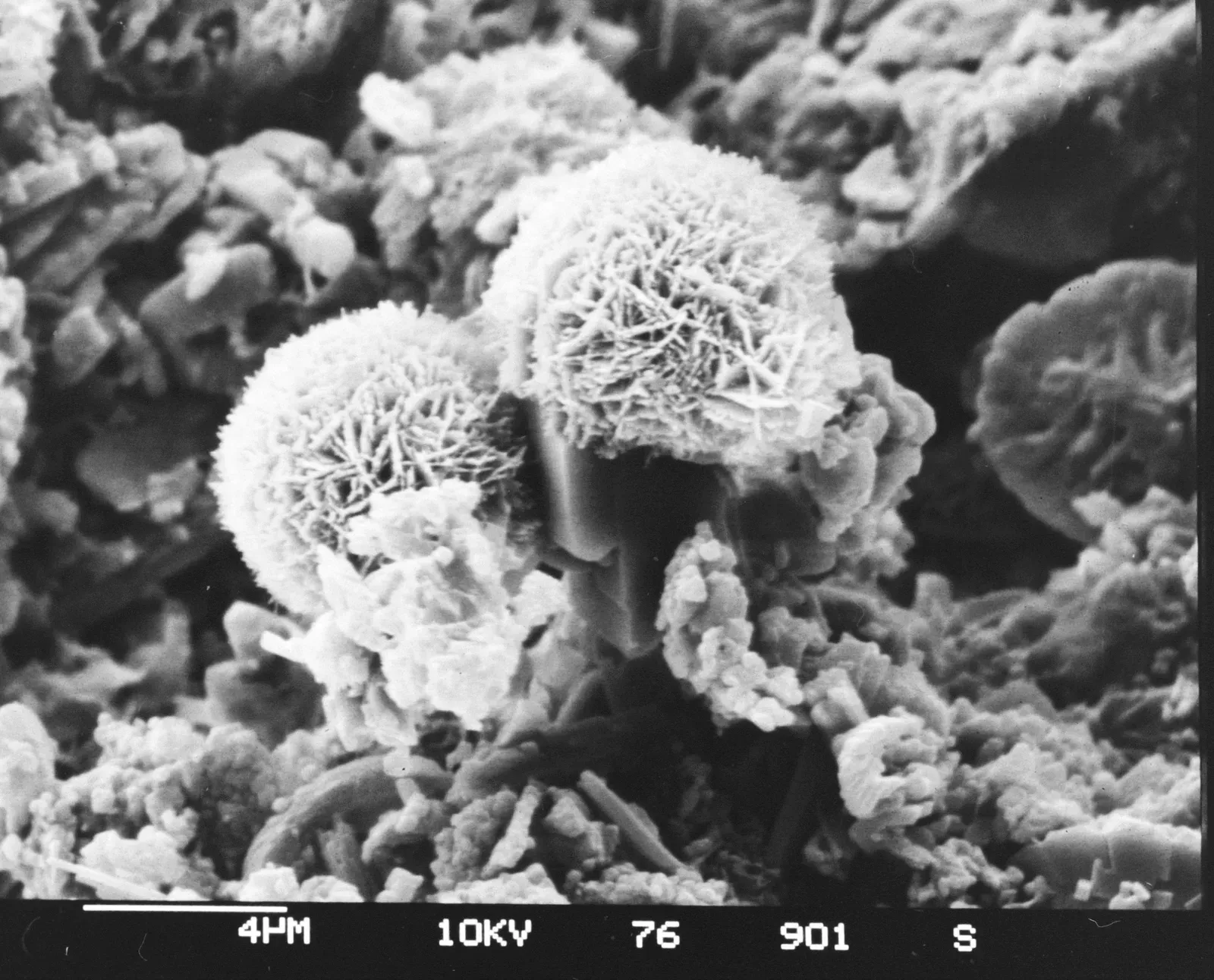
Here is the part that should genuinely give you chills. The discovery of life thriving in extreme, oxygen-free, sulfur-rich ancient environments does not just tell us about our past. It reshapes what you should think is possible on other worlds. In the modern ocean, life thrives in and around vents that form near seafloor spreading ridges, spewing seawater superheated by magma and laden with metal minerals, and the mysterious ecosystem in this sunless environment includes bacteria that do not derive energy from photosynthesis. Such hardy communities, scientists have suggested, may have not only thrived on early Earth but could also be an analog for life on other planets.
The work on ancient microfossils also has implications for looking for life on other planets, giving an indication of what evidence for such life might look like. Should there be life on Mars or on the moons of Titan or Europa, it is likely to be similar sorts of bacteria and cells living in similar environments, and any fossils in rocks from those worlds ought to look like these Australian microfossils and pass the same evidence tests. In other words, every time scientists crack open an ancient Australian rock and squint at its microscopic contents, they are essentially practicing for the day humanity searches for life across the solar system. Because several different types of microbes were shown to be already present by 3.5 billion years ago, it tells us that life had to have begun substantially earlier and confirms it is not difficult for primitive life to form and evolve into more advanced microorganisms.
Conclusion: The Deep Past Still Has Secrets to Reveal
What the oldest fossils on Earth reveal, ultimately, is a world you would not recognize and probably could not survive in for a single breath. A hot, violent, methane-drenched world where tiny, tenacious microbes clung on against extraordinary odds and, in doing so, set the stage for everything that followed, including you. Every tree, every animal, every human thought traces its chemical lineage back to those ancient microbial pioneers.
The science of finding and interpreting these fossils is still far from settled. Debates rage over ages, origins, and what exactly counts as biological evidence. That uncertainty is not a weakness in the science. It is science working exactly as it should. The hunt is not just for the fossils themselves but for humanity’s origins, as determining the timing and nature of early life tells us where we came from, the details of life for most of Earth’s history, and what to look for as we search other planets. The deeper we dig into the ancient record, the more we realize just how much stranger and more resilient life truly is.
So next time you see an unremarkable lump of rock, think twice. What would you do if you discovered it was three billion years old, and still whispering the first story life ever told?