During the Jurassic period, approximately 201 to 145 million years ago, Earth experienced climatic conditions drastically different from today’s world. This era featured one of the most pronounced greenhouse climates in our planet’s geological history, with no permanent ice at either pole. The Jurassic world was characterized by higher temperatures, different atmospheric composition, and unique ecosystems that thrived under these warm conditions. This remarkable period offers scientists valuable insights into Earth’s climate dynamics and how life adapts to warmer planetary conditions—knowledge increasingly relevant as we face anthropogenic climate change today.
The Jurassic Climate Overview
The Jurassic period existed within what scientists refer to as a “greenhouse Earth” state, characterized by significantly warmer global temperatures than today. Average global temperatures were approximately 3-5°C higher than present, with even greater warmth at the poles. Carbon dioxide concentrations in the atmosphere likely ranged between 1000-1500 parts per million—about three to four times higher than pre-industrial levels. These conditions created a world with minimal temperature gradients between the equator and the poles, resulting in weaker global wind patterns and different ocean circulation systems. Unlike today’s world with its stark climatic zones, the Jurassic featured more uniform warmth across latitudes, though seasonal variations and regional differences still existed.
Geological Evidence for a No-Ice World
The absence of ice during the Jurassic is supported by multiple lines of geological evidence gathered over decades of research. Sedimentary records from polar regions show no signs of glacial deposits or ice-rafted debris that would indicate ice sheets. Instead, researchers find evidence of temperate forests extending to high latitudes, with fossil records of cold-intolerant species thriving in areas now covered by ice. Marine sediments from this period also lack the oxygen isotope signatures typically associated with large ice masses on the planet. Additionally, geological evidence indicates higher sea levels during the Jurassic, consistent with a lack of water locked up in polar ice caps. These multiple independent lines of evidence provide robust support for the ice-free polar regions during this fascinating period of Earth’s history.
Polar Forests Instead of Ice Sheets
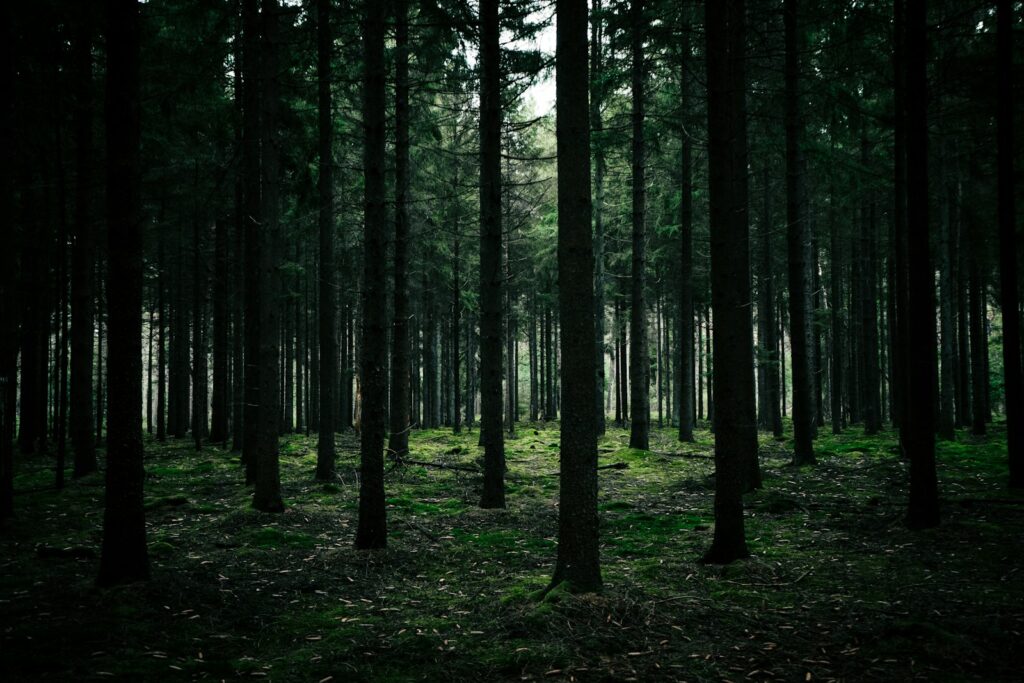
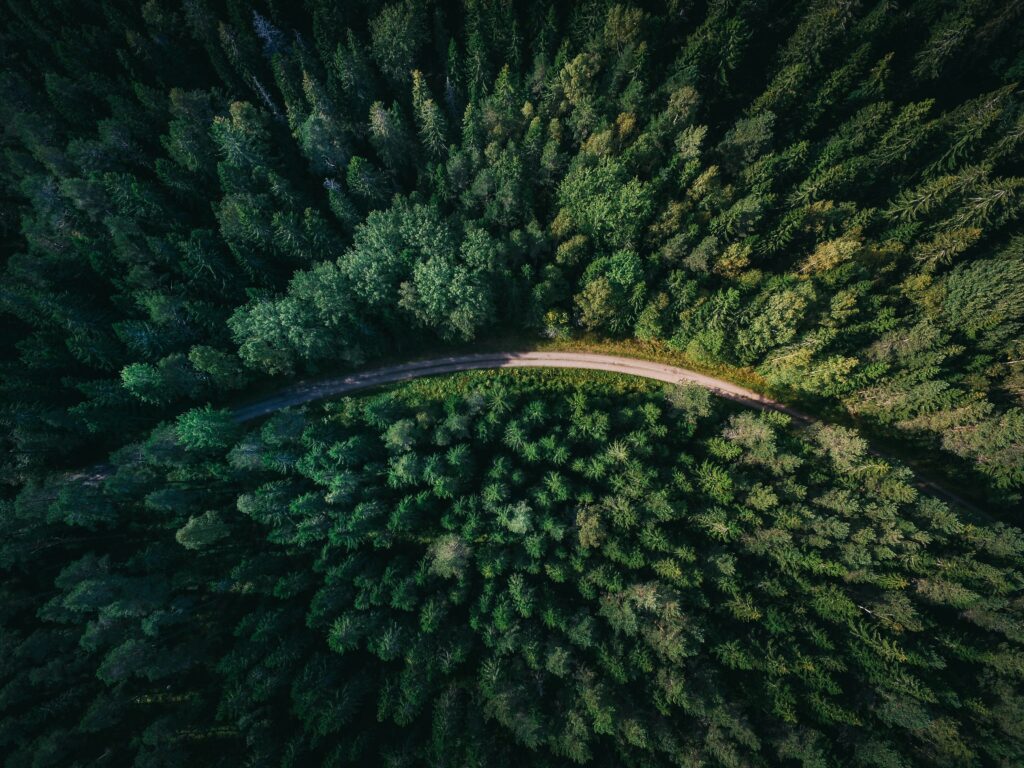
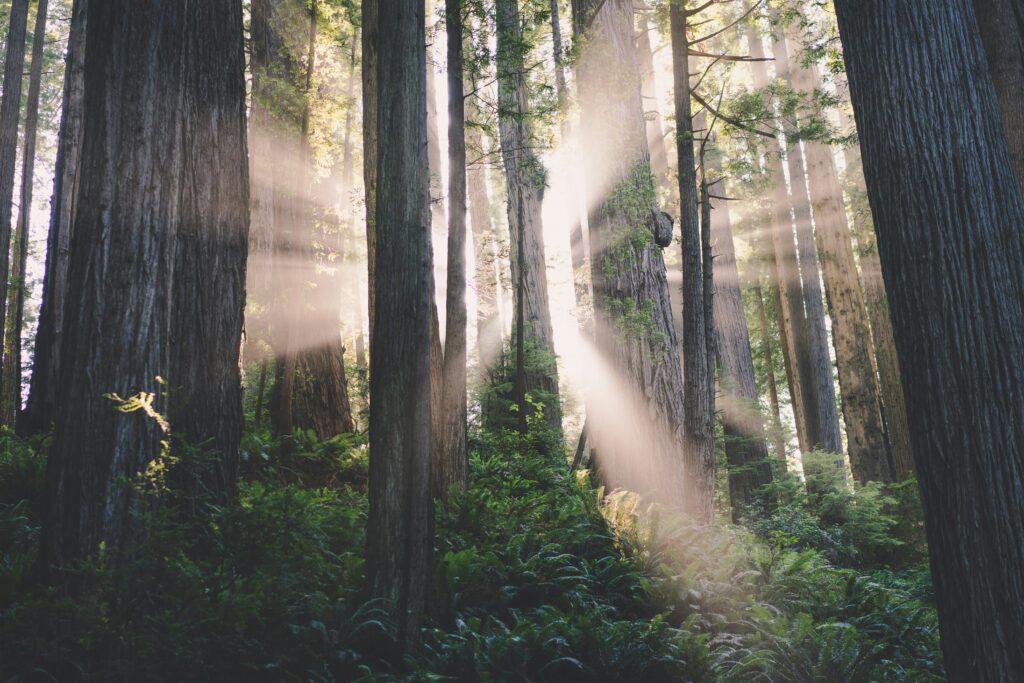
Perhaps one of the most striking features of the Jurassic world was the existence of lush forests where today we find only ice and tundra. Fossil evidence from Antarctica and high Arctic regions reveals diverse forest ecosystems with conifers, ginkgos, ferns, and cycads growing in polar regions. These forests weren’t marginal ecosystems but thriving biological communities with considerable biodiversity. Growth rings in fossil wood from these regions show adaptations to the unique light regime at high latitudes, where plants experienced continuous summer daylight and winter darkness. Despite these challenging light conditions, these forests supported diverse dinosaur communities and other fauna, creating vibrant ecosystems in areas now characterized by extreme cold. The polar forests of the Jurassic represent one of the most dramatic differences between our modern world and this ancient greenhouse Earth.
Mechanisms Behind the Jurassic Greenhouse
Several interrelated factors contributed to the Jurassic greenhouse climate and the absence of polar ice. Most significantly, atmospheric CO₂ levels were markedly elevated due to increased volcanic activity associated with the breakup of the supercontinent Pangaea. This tectonic activity released vast amounts of carbon dioxide through extensive volcanic provinces like the Karoo-Ferrar large igneous province. Ocean circulation patterns differed substantially from today’s, with different continental configurations preventing the isolation of Antarctica that currently enables its glaciation. Higher methane levels likely contributed additional greenhouse warming during this period. The Earth’s orbital parameters and solar output also played roles, though these factors were less significant than the greenhouse gas concentrations. These mechanisms created positive feedback that maintained the warm conditions throughout the period, preventing ice formation even during polar winters.
Sea Level Dynamics in an Ice-Free World
Without continental ice sheets locking up water, Jurassic sea levels stood significantly higher than present-day levels. Geological evidence suggests sea levels were approximately 100-200 meters above current measurements, flooding vast areas of continental shelves and creating extensive shallow seas across many continental interiors. These higher sea levels drastically altered coastlines and created numerous shallow marine environments that supported rich biodiversity. The absence of the glacial-interglacial cycles that characterize our current geological epoch meant sea levels remained relatively stable over long periods, allowing marine ecosystems to develop without the disruptions caused by rapid sea level changes. This stability, combined with warmer waters, contributed to the evolution and diversification of many marine groups during the Jurassic, including ammonites, belemnites, and marine reptiles like ichthyosaurs and plesiosaurs.
Ocean Temperatures and Circulation Patterns

Jurassic oceans operated under fundamentally different conditions from modern seas. Average ocean temperatures were significantly warmer, with even deep ocean waters maintaining temperatures of 10-15°C compared to today’s near-freezing deep waters. The reduced temperature gradient between equatorial and polar regions altered ocean circulation patterns dramatically, weakening the thermal-driven currents that dominate today’s oceans. Without cold polar waters driving deep circulation, oceans likely experienced more sluggish vertical mixing, potentially creating stratified waters with lower oxygen levels at depth. Evidence from oceanic sediments suggests that periods of widespread ocean anoxia occurred during parts of the Jurassic, creating conditions favorable for the preservation of organic matter that would eventually form important hydrocarbon deposits. These altered circulation patterns influenced everything from nutrient distribution to weather patterns across the Jurassic world.
Life at the Jurassic Poles
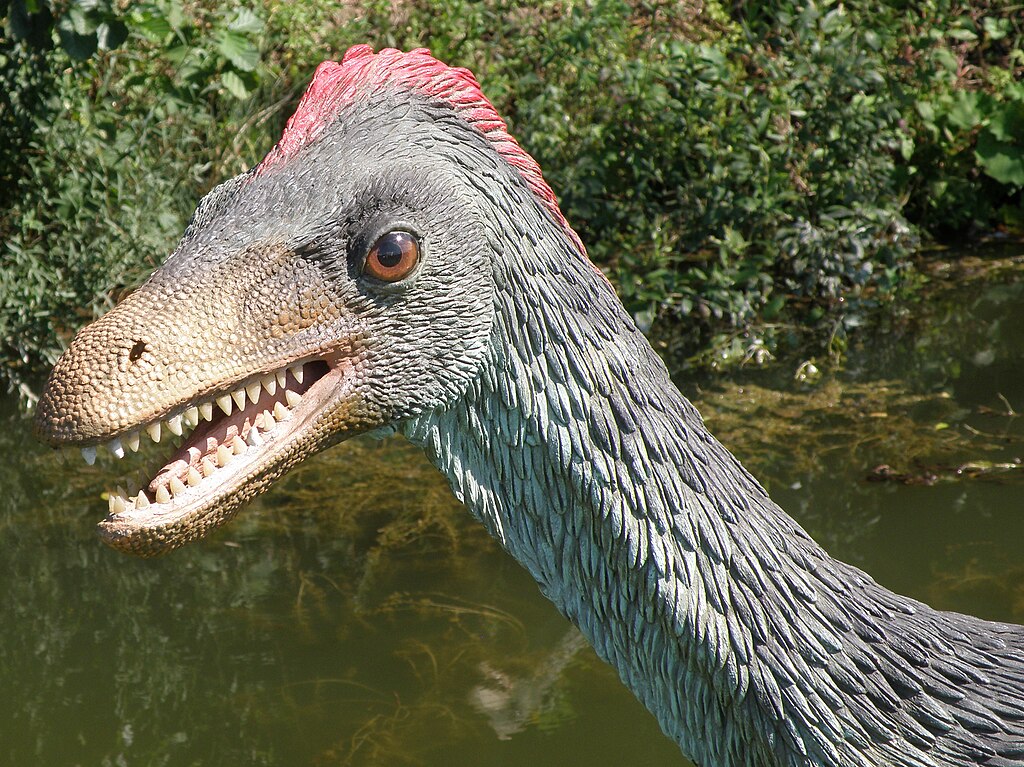
The warm polar regions of the Jurassic supported remarkably diverse ecosystems that have no modern analogs. In Antarctica, paleontologists have discovered fossils of dinosaurs, including Cryolophosaurus, a large carnivorous theropod that managed the seasonal darkness through adaptations we’re still working to understand. The polar regions weren’t just habitable but served as cradles of biodiversity and evolutionary innovation. Plants in these regions evolved specific adaptations to handle the extreme seasonal light cycles, including deciduous habits in conifers and rapid growth during the continuous summer daylight. Small mammals and early bird relatives also inhabited these forests, finding ecological niches within these productive ecosystems. Perhaps most surprisingly, evidence suggests some dinosaur species may have been year-round polar residents rather than seasonal migrants, raising fascinating questions about adaptations to extended darkness periods.
Continental Positioning and Its Climate Effects

The arrangement of continents during the Jurassic played a crucial role in maintaining the greenhouse conditions. The ongoing breakup of Pangaea created configurations that prevented the isolation of Antarctica within a circumpolar current, which today enables its glaciation. The fragmentation of the supercontinent also created extensive coastlines and shallow seas, reducing continental effects on climate and promoting more maritime conditions across much of the planet. Landmasses at high latitudes remained connected to lower-latitude regions, allowing for biological migration and preventing the formation of isolated cold zones. The continental positioning altered atmospheric circulation patterns as well, with different mountain ranges and land-sea distributions creating unique regional climate patterns. These tectonic arrangements essentially prevented the conditions necessary for forming stable ice sheets, maintaining the greenhouse state even at high latitudes.
Jurassic Climate Variability and “Hothouse” Episodes
While the entire Jurassic period maintained greenhouse conditions, it wasn’t climatically uniform throughout its 56-million-year duration. The period experienced multiple “hothouse” episodes with particularly intense warming, often associated with major carbon cycle disruptions. The Toarcian Oceanic Anoxic Event (approximately 183 million years ago) represents one such episode, characterized by a significant increase in global temperatures, ocean deoxygenation, and marine extinction events. Evidence from fossil soils, plant remains, and marine sediments indicates climate fluctuations occurred throughout the period, with some intervals being considerably warmer than others. Despite these variations, the climate never cooled sufficiently to allow for permanent polar ice formation. These climate oscillations within the greenhouse baseline provide valuable insights into how Earth’s systems respond to different forcing mechanisms and feedback loops within already warm conditions.
Challenges for Life in a Greenhouse World

Despite the abundance of habitable environments, the Jurassic greenhouse world presented significant challenges for living organisms. Heat stress posed serious problems for large animals, particularly in equatorial regions where temperatures could reach extremes difficult for complex organisms to tolerate. Many species likely developed behavioral adaptations such as nocturnal activity patterns or seasonal migrations to cope with temperature extremes. Marine organisms faced challenges from ocean acidification and periodic oxygen depletion in certain ocean basins. The different precipitation patterns, with generally wetter conditions but potentially intense seasonal droughts in some regions, required specific adaptations in plants and animals. Despite these challenges, life thrived and diversified impressively during this period, demonstrating the remarkable adaptability of Earth’s biology to dramatically different climate regimes.
Climate Seasonality Without Ice
Even without ice caps, the Jurassic world still experienced distinct seasonality, particularly at higher latitudes. The Earth’s axial tilt ensured that polar regions experienced months of continuous daylight followed by months of darkness, creating strong seasonal light patterns. Temperature variations between seasons became more pronounced away from the equator, though these fluctuations occurred within an overall warmer baseline. Fossil tree rings from high latitudes show growth patterns consistent with strong seasonal variation in growing conditions. Sedimentary records indicate seasonal differences in rainfall and river discharge, creating annual cycles of environmental conditions. These seasonal patterns influenced migration behaviors, breeding cycles, and resource availability for Jurassic organisms, shaping ecosystems and evolutionary pressures despite the absence of winter ice and snow at the poles.
Lessons for Understanding Modern Climate Change
The Jurassic greenhouse world provides valuable insights for understanding Earth’s future under continued anthropogenic warming. By studying how Earth’s systems functioned in past greenhouse states, scientists can better predict potential changes to atmospheric and oceanic circulation, ecosystem distributions, and climate stability in a warmer world. The Jurassic demonstrates that Earth can maintain stable warm conditions without polar ice for millions of years, fundamentally altering global environments. However, it also illustrates the dramatic differences between an ice-free and ice-capped planet, emphasizing the magnitude of changes possible with continued warming. An important distinction is the rate of change—Jurassic warming developed over millions of years, allowing gradual biological adaptation, whereas current climate change is occurring at an unprecedented pace. This ancient greenhouse world serves as both a warning about the potential magnitude of climate change and a laboratory for understanding Earth’s behavior under warmer conditions.
Research Challenges and Future Directions

Despite decades of research, significant knowledge gaps remain in our understanding of the Jurassic greenhouse world. Limited geographical distribution of well-preserved Jurassic deposits creates biases in our knowledge, with some regions much better understood than others. Precise quantification of atmospheric composition, including greenhouse gas concentrations, remains challenging and relies on indirect proxies with associated uncertainties. Modeling Jurassic climate presents computational challenges, as Earth’s systems operated under conditions with no modern analogs. Future research directions include developing better proxies for ancient CO₂ concentrations, improving climate model representations of greenhouse conditions, and expanding paleontological exploration in undersampled regions. Interdisciplinary approaches combining sedimentology, geochemistry, paleontology, and climate modeling offer the most promising path forward for enhancing our understanding of this fascinating period when Earth operated as a fundamentally different planet than the one we inhabit today.
Lessons from an Ice-Free Jurassic Earth
The Jurassic greenhouse world with its ice-free poles represents a fascinating chapter in Earth’s history—a planet operating under dramatically different climatic rules than our current world. The absence of polar ice created cascade effects throughout global systems, from ocean circulation to ecosystem distribution. As we face the prospect of significant warming in our future, this ancient greenhouse Earth provides both cautionary lessons and valuable insights into how planetary systems respond to different thermal regimes. While humans have never experienced an ice-free planet, the rock record preserves evidence of this alternative Earth state, reminding us of our planet’s remarkable climate variability and the delicate balance of conditions that support our current ecosystems and civilization.