Imagine walking through a steamy jungle 60 million years ago, where the air is thick with humidity and the ground trembles beneath your feet. Suddenly, a shadow passes overhead – not from a bird, but from a snake so massive it could swallow a crocodile whole. Welcome to the world of Titanoboa, the undisputed heavyweight champion of the serpent kingdom, and its equally impressive ancestors who ruled the prehistoric world with silent, deadly grace.
The Giant That Rewrote History
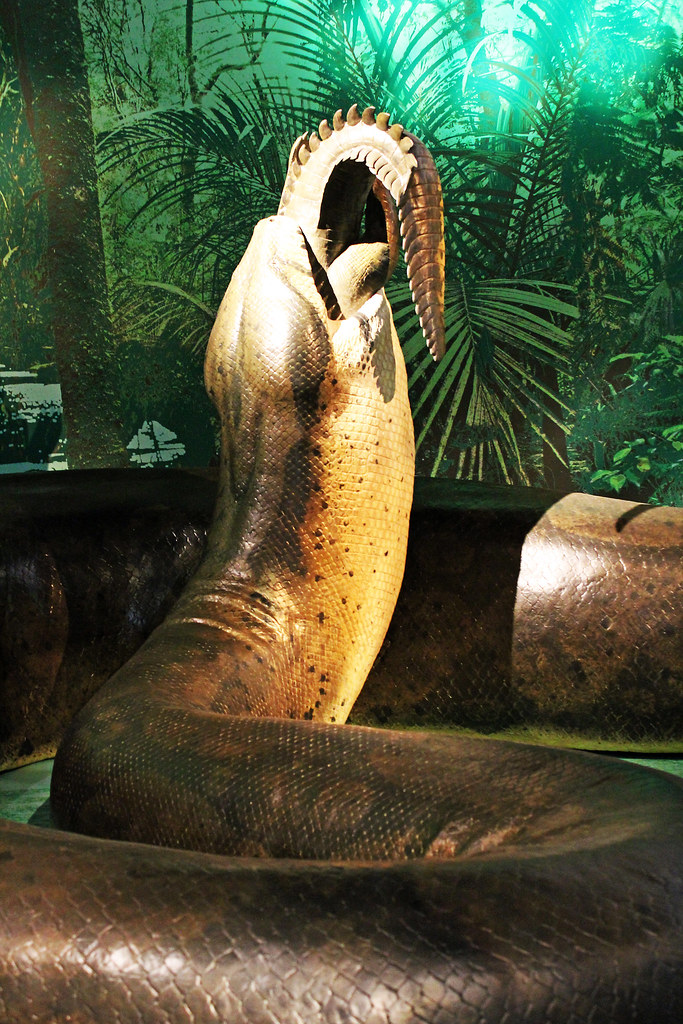
When paleontologists first discovered Titanoboa fossils in Colombia’s Cerrejón coal mine in 2009, they couldn’t believe their eyes. This prehistoric monster stretched an incredible 42 feet long and weighed over 2,500 pounds – imagine a school bus with the stealth of a ninja. The discovery shattered everything scientists thought they knew about snake evolution and prehistoric climates.
What made this find even more remarkable was its age. Living approximately 58 million years ago, Titanoboa emerged just after the dinosaurs went extinct, filling the ecological void left by these ancient giants. The snake’s massive size told a story that went far beyond just another big reptile – it revealed secrets about Earth’s climate that scientists are still unraveling today.
Ancient Serpents: The Evolutionary Journey
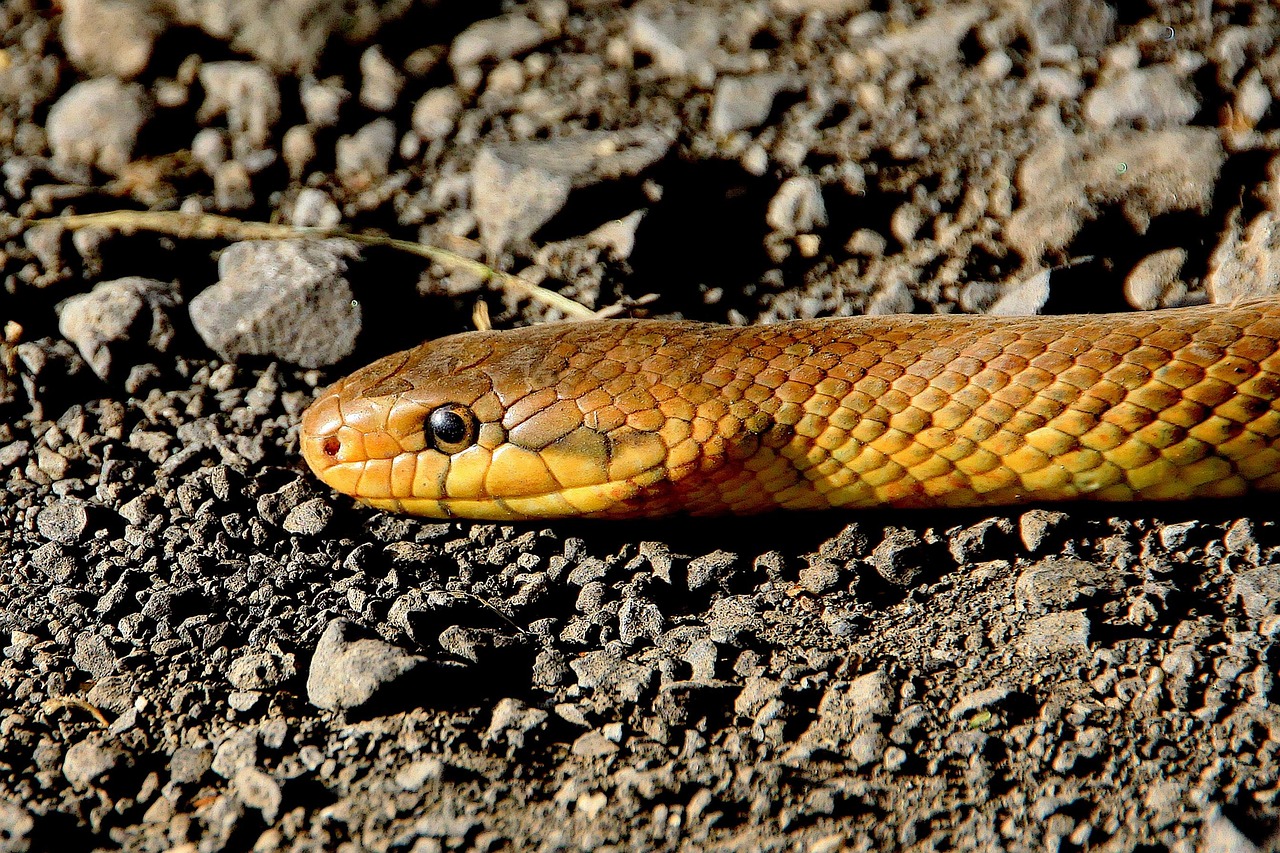
Long before Titanoboa slithered onto the scene, ancient serpents were already making their mark on prehistoric Earth. The earliest known snake, Najash rionegrina, lived around 95 million years ago in what is now Argentina. Unlike modern snakes, this ancient creature still had functional hind legs, providing crucial evidence about how snakes evolved from their lizard ancestors.
These early serpents weren’t the massive constrictors we know today. Instead, they were relatively small, burrowing creatures that gradually adapted to different environments. The transition from legged lizards to limbless serpents took millions of years, with each generation becoming more specialized for their slithering lifestyle.
The Climate Connection: When Earth Was a Greenhouse
Titanoboa’s enormous size wasn’t just a fluke of evolution – it was a direct result of Earth’s climate during the Paleocene epoch. The planet was dramatically warmer than today, with tropical temperatures reaching as high as 90°F even in what we now consider temperate regions. This greenhouse effect created perfect conditions for cold-blooded reptiles to grow to unprecedented sizes.
The relationship between temperature and reptile size is fascinating. Unlike mammals, which generate their body heat, reptiles rely on external temperatures to regulate their metabolism. Warmer climates meant faster metabolisms, more efficient digestion, and ultimately, larger body sizes. Titanoboa’s massive proportions serve as a living thermometer, telling us just how scorching Earth’s climate was millions of years ago.
Anatomy of a Prehistoric Predator
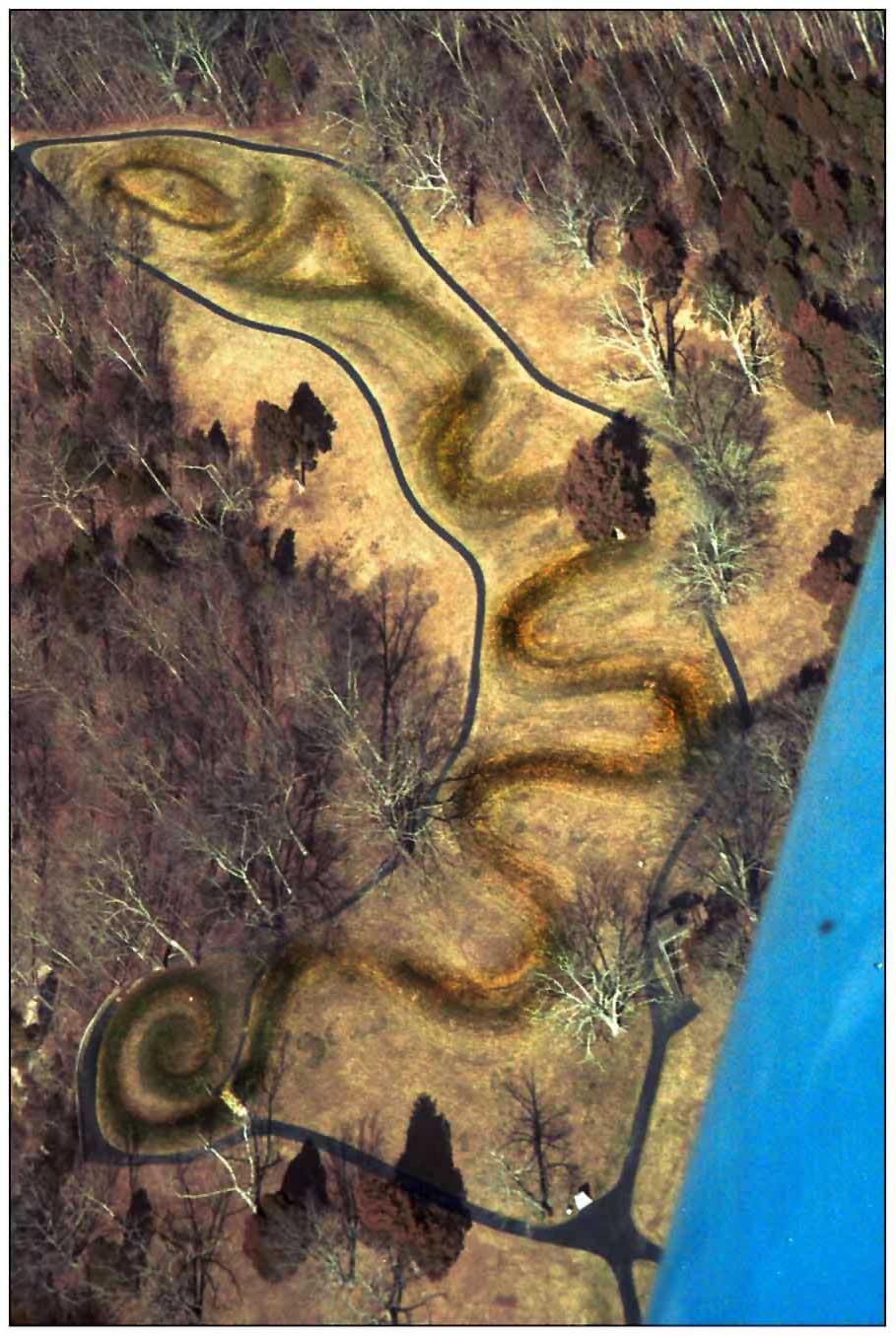
Every inch of Titanoboa was designed for one purpose: dominating its environment. The snake’s vertebrae were massive, each one roughly the size of a dinner plate, providing the structural support needed for its incredible length. Its skull, though incomplete in fossil records, likely measured over two feet long – large enough to engulf prey we can barely imagine.
The snake’s constricting muscles would have been terrifying. Modern large constrictors like anacondas can exert pressures of up to 90 pounds per square inch, but Titanoboa’s crushing power would have been exponentially greater. Its prey wouldn’t have stood a chance once caught in those colossal coils.
Hunting Strategies of the Ultimate Ambush Predator
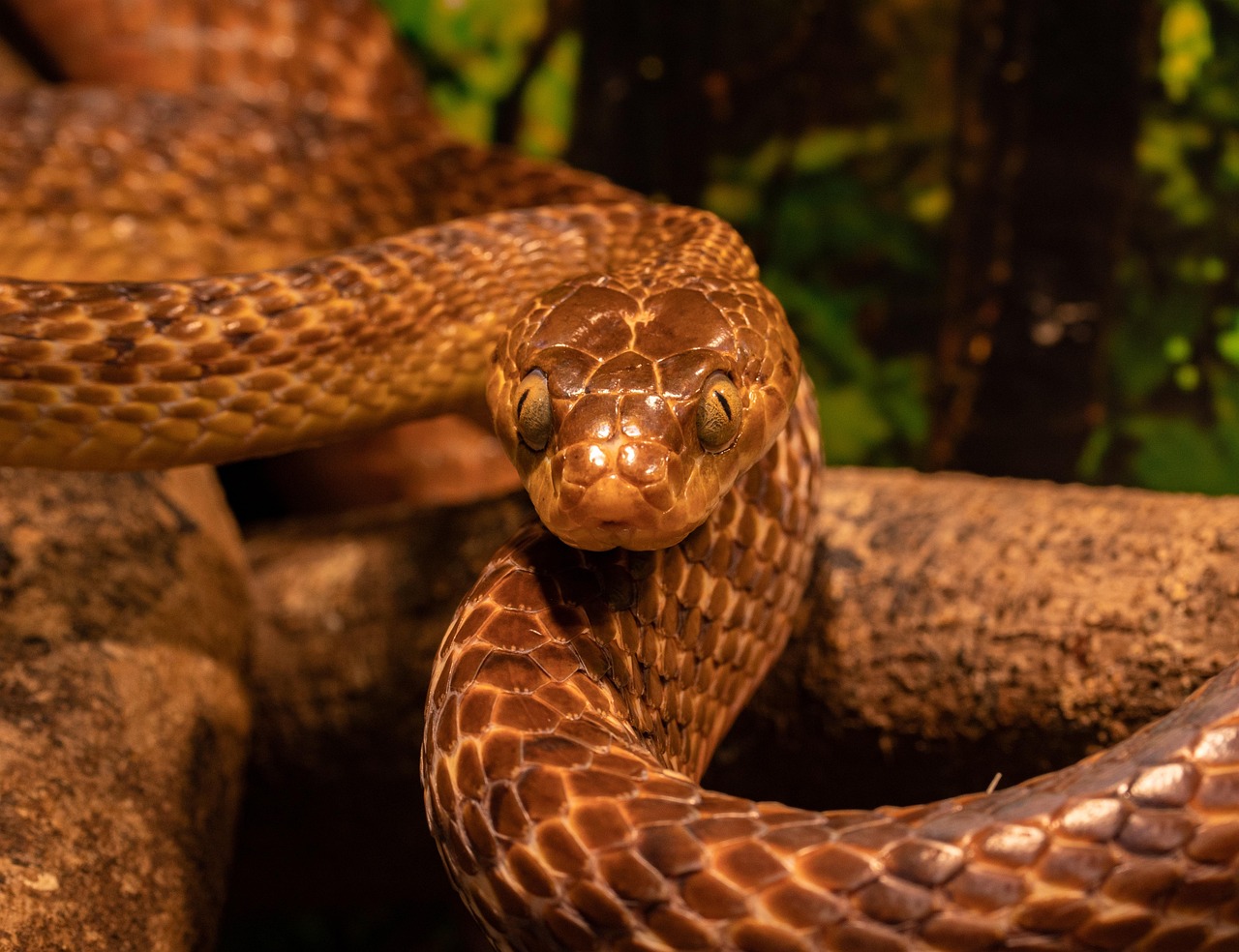
Titanoboa wasn’t built for speed – it was built for patience and overwhelming power. Like modern anacondas, it likely spent much of its time in or near water, using rivers and swamps as hunting grounds. The snake would have positioned itself along game trails or near water sources, waiting for unsuspecting prey to come within striking distance.
Once Titanoboa struck, there was no escape. Its massive body would wrap around prey in lightning-fast coils, squeezing with bone-crushing force. Unlike venomous snakes that rely on toxins, constrictors like Titanoboa kill through suffocation and circulatory collapse. The snake’s incredible girth meant it could tackle prey that would be impossible for smaller serpents to handle.
The Food Chain Kings: What Did These Giants Eat?
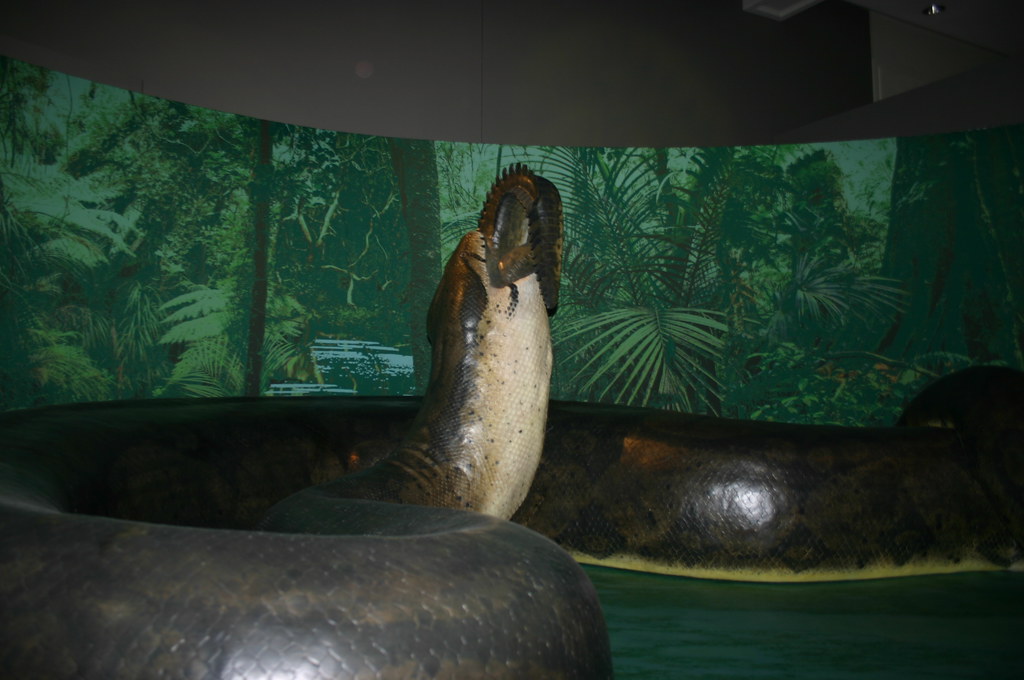
The prehistoric world was Titanoboa’s all-you-can-eat buffet. Giant turtles, massive crocodiles, and early mammals all found themselves on the menu. Fossil evidence suggests that some of these ancient turtles had shells over six feet in diameter – a perfect size for a snake that could unhinge its jaw to swallow prey larger than its head.
Titanoboa’s diet likely included Carbonemys, a turtle so large that it weighed over 3,000 pounds. The snake also competed with massive crocodiles like Acherontisuchus, creating an ecosystem where giants battled giants. This prehistoric arms race pushed evolution to create some of the most impressive predators Earth has ever seen.
Fossil Discoveries: Piecing Together the Past
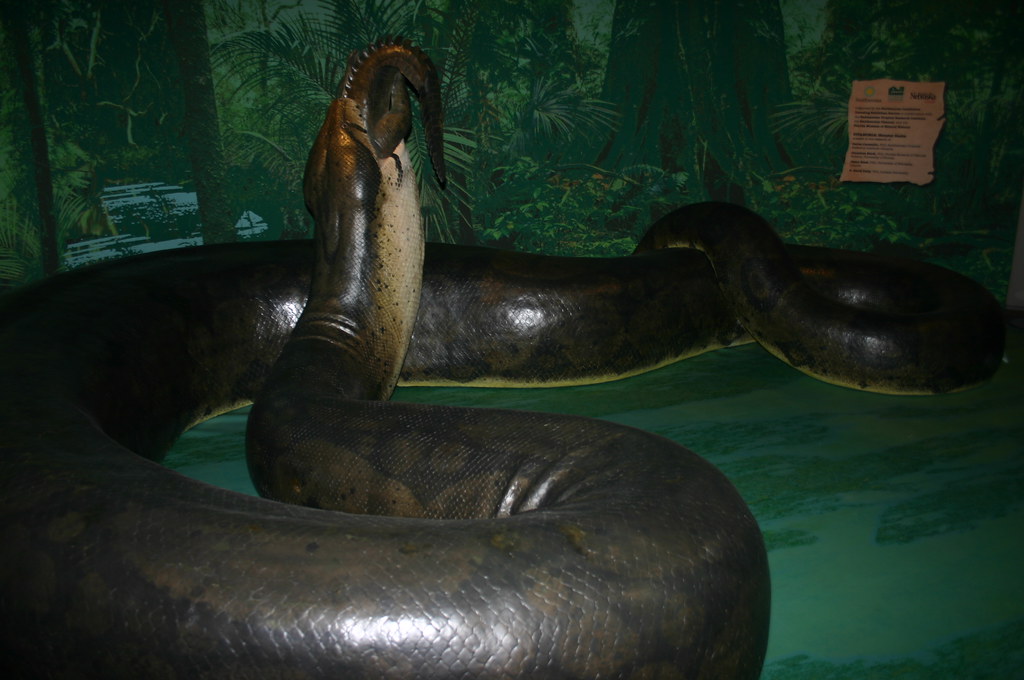
The Cerrejón Formation in Colombia has proven to be a paleontological goldmine, preserving an entire ecosystem from the Paleocene epoch. The coal deposits that once frustrated miners became windows into a lost world, revealing not just Titanoboa but an entire cast of prehistoric characters. The exceptional preservation conditions allowed scientists to study these ancient creatures in unprecedented detail.
Each fossil discovery adds another piece to the puzzle of prehistoric life. Titanoboa’s vertebrae, found scattered throughout the formation, had to be carefully analyzed and compared to modern snakes to determine the creature’s massive size. The process required years of meticulous work, but the results revolutionized our understanding of post-dinosaur evolution.
Living Relatives: Modern Giants Among Us
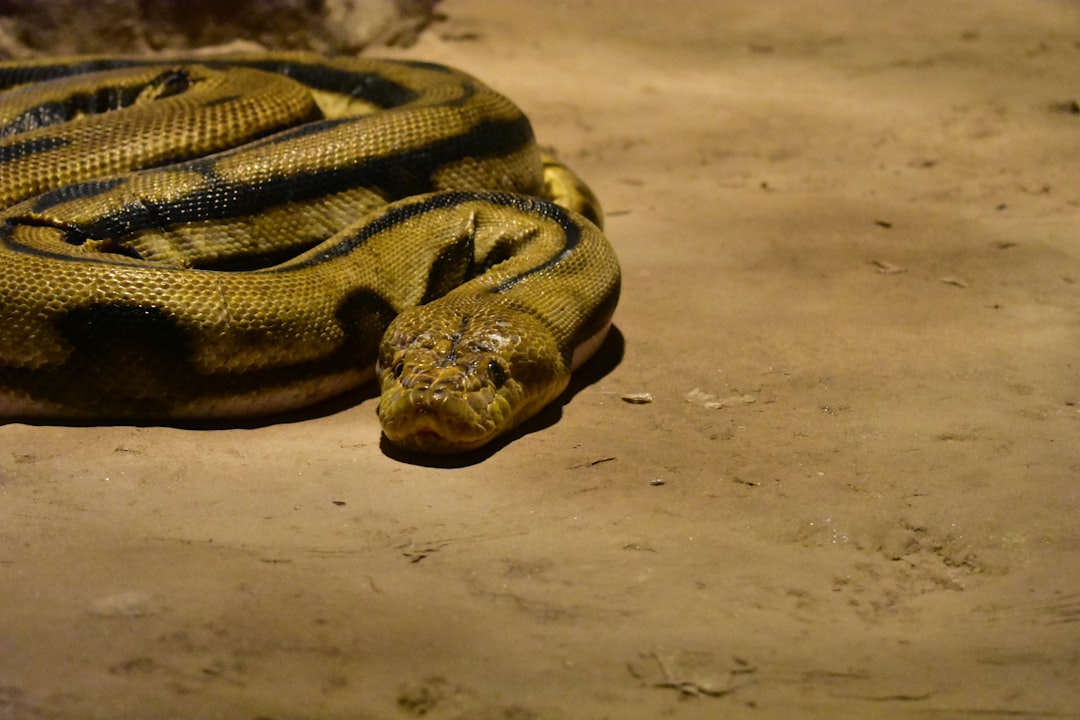
Today’s largest snakes are impressive, but they pale in comparison to their prehistoric ancestors. The green anaconda, currently the world’s heaviest snake, reaches lengths of up to 30 feet and weights of 550 pounds, still dwarfed by Titanoboa’s massive proportions. These modern giants give us insights into how their ancient relatives might have lived and hunted.
The reticulated python, Earth’s longest snake, can reach lengths of over 32 feet but remains much lighter than anacondas. Both species demonstrate the incredible diversity of large snake adaptations, from the anaconda’s aquatic lifestyle to the python’s terrestrial hunting strategies. These living examples help scientists understand how Titanoboa might have behaved in its prehistoric environment.
The Extinction Mystery: Why Did the Giants Disappear?
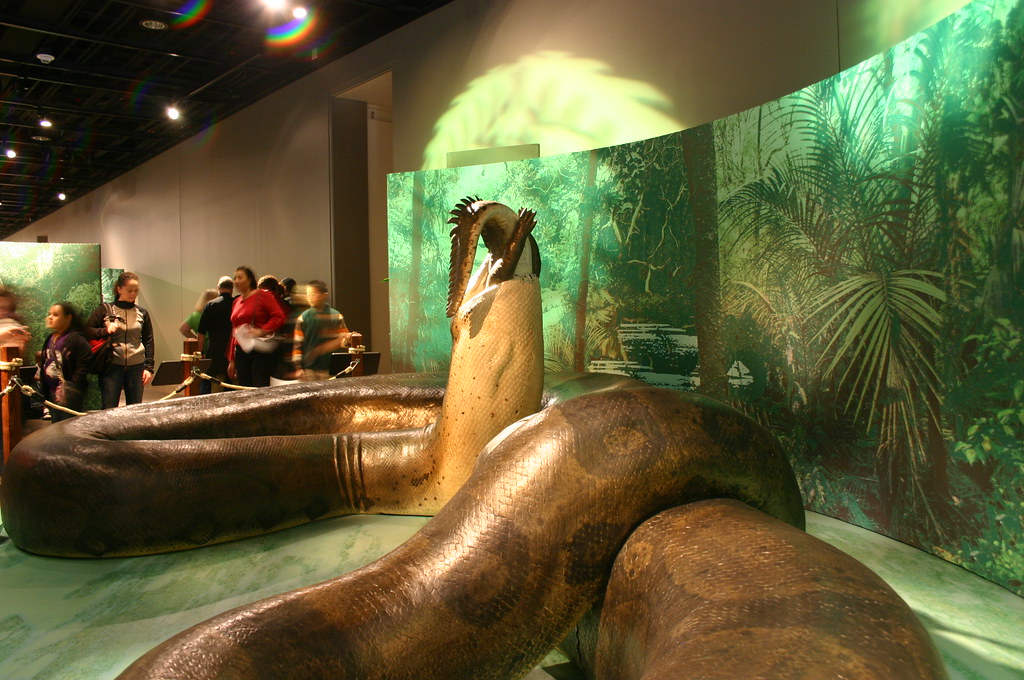
The demise of Titanoboa and its giant contemporaries remains one of paleontology’s most intriguing mysteries. As Earth’s climate cooled during the Eocene epoch, the greenhouse conditions that supported these massive reptiles began to disappear. Cooler temperatures meant slower metabolisms and reduced prey availability, making it increasingly difficult for such large predators to survive.
Competition from emerging mammalian predators also played a role. As mammals diversified and grew larger, they began to outcompete reptiles for resources and territory. The age of giant reptiles was ending, replaced by the age of mammals that continues today. This transition marked one of the most significant ecological shifts in Earth’s history.
Evolutionary Adaptations: From Legs to Coils
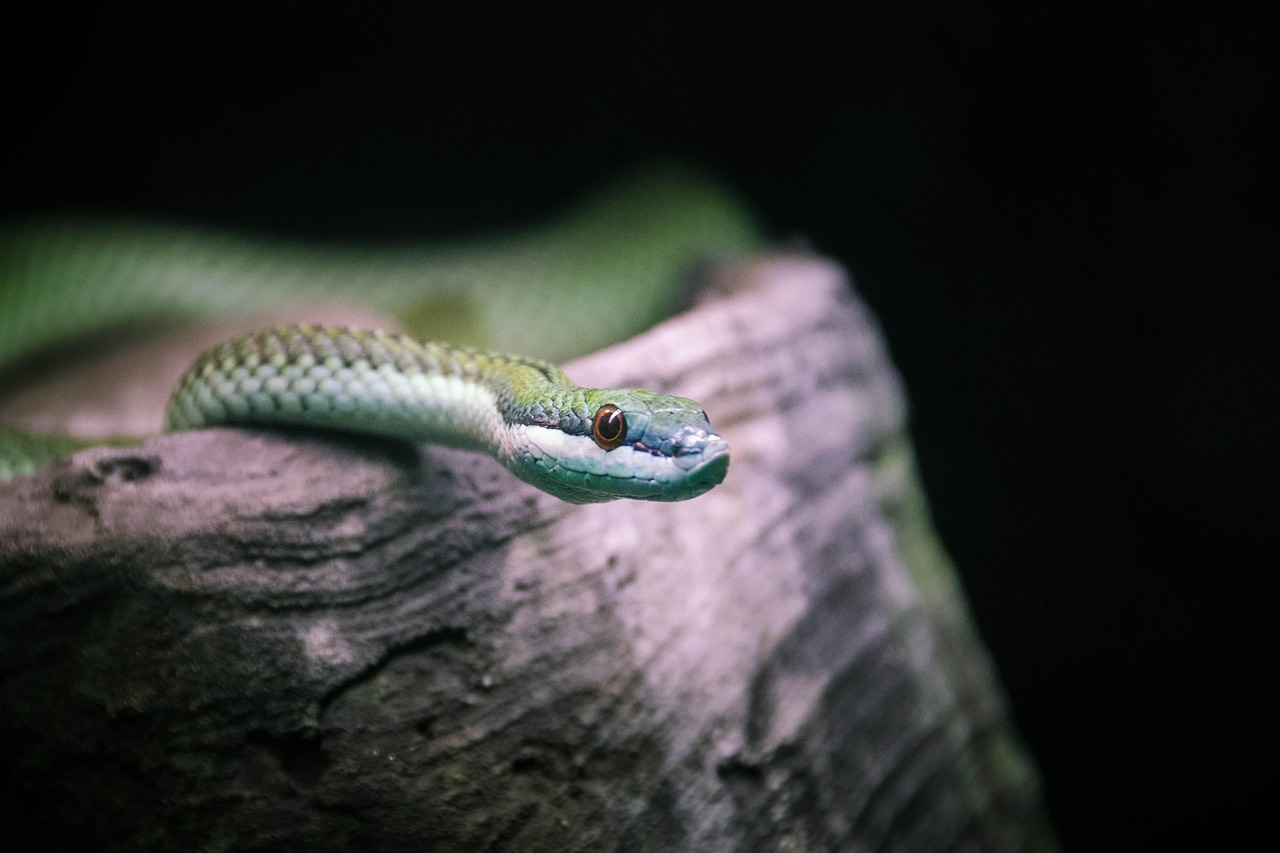
The evolution from legged lizards to limbless serpents represents one of nature’s most remarkable transformations. Early snake ancestors gradually lost their limbs as they adapted to burrowing and specialized hunting strategies. This process took millions of years, with each generation becoming more refined for their serpentine lifestyle.
The development of flexible skulls and expandable jaws allowed snakes to swallow prey much larger than their heads. Their elongated bodies provided incredible strength for constriction, while their lack of limbs reduced energy requirements for movement. These adaptations proved so successful that snakes have remained virtually unchanged for millions of years.
Climate Indicators: Reading Earth’s Ancient Thermometer
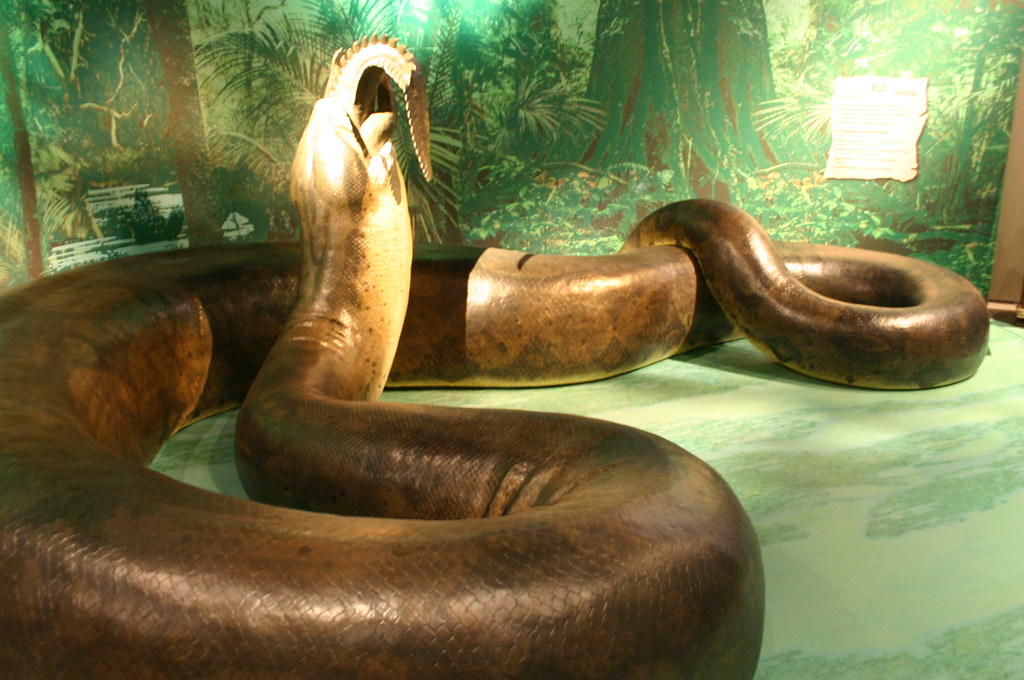
Titanoboa serves as more than just a fascinating prehistoric predator – it’s a crucial climate indicator that helps scientists understand ancient Earth conditions. The snake’s massive size provides direct evidence of the extreme greenhouse conditions that existed during the Paleocene epoch. This information is invaluable for understanding how climate change affects ecosystems over geological time scales.
By studying the relationship between ancient temperatures and reptile sizes, researchers can better predict how modern climate change might affect current ecosystems. The lessons learned from Titanoboa’s world provide important insights into the delicate balance between climate and biodiversity that continues to shape our planet today.
Modern Research: Technology Meets Paleontology

Today’s paleontologists use cutting-edge technology to study prehistoric giants like Titanoboa. Advanced CT scanning allows researchers to examine fossil specimens without damaging them, revealing internal structures that provide clues about ancient lifestyles. Computer modeling helps scientists understand how these massive creatures moved and hunted in their prehistoric environments.
Isotope analysis of fossil bones and teeth provides information about ancient diets and environmental conditions. These chemical signatures act like prehistoric fingerprints, revealing details about what these ancient giants ate and how they lived. The combination of traditional paleontological methods with modern technology continues to unlock new secrets about Earth’s prehistoric past.
Conservation Lessons: Protecting Today’s Giants
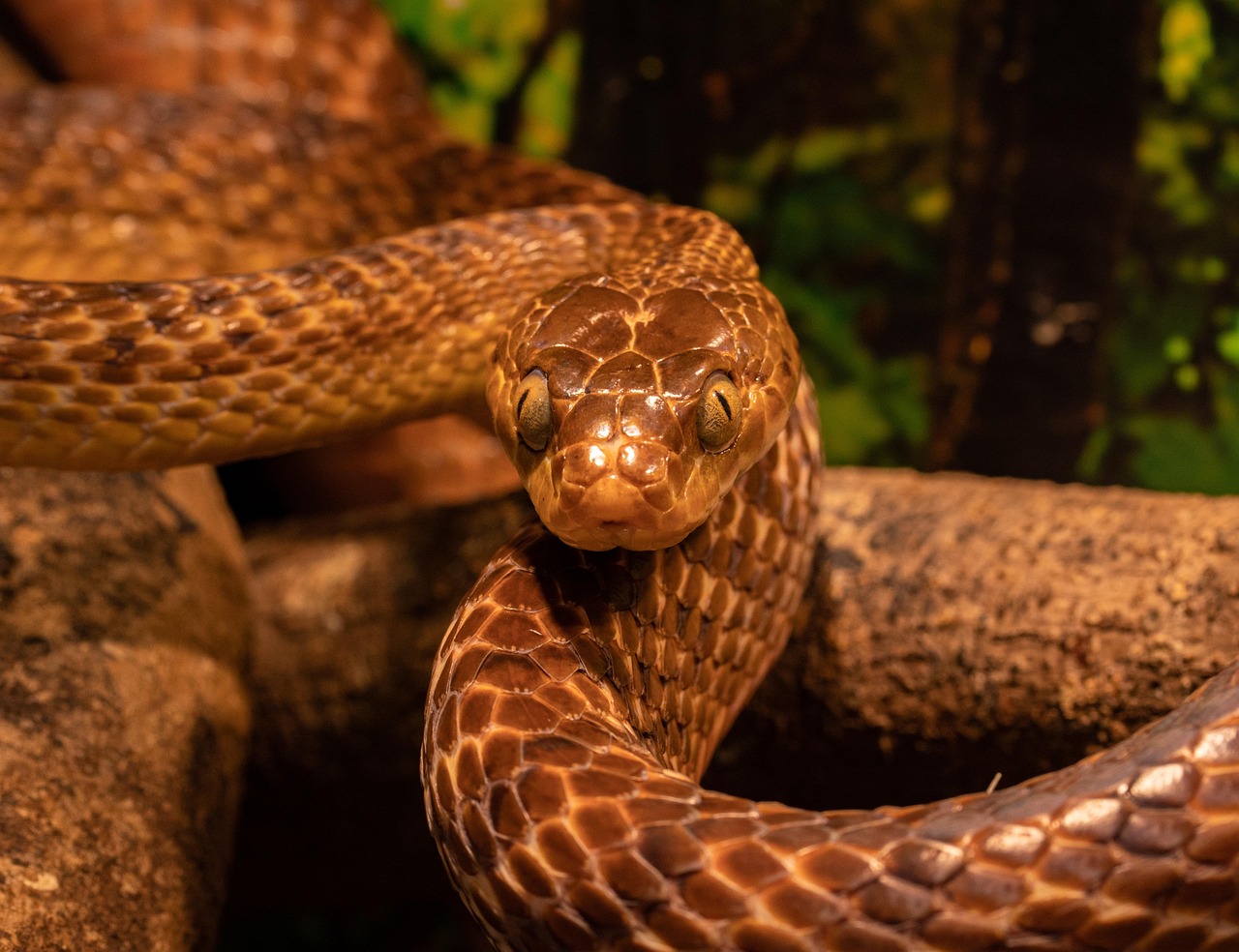
While we can’t bring back Titanoboa, we can learn from its story to better protect today’s large snakes. Many modern giant snakes face threats from habitat destruction, climate change, and human persecution. The lessons learned from studying prehistoric extinctions help conservationists understand how environmental changes affect large predators.
Understanding the climate conditions that supported ancient giants also helps us predict how current climate change might affect today’s ecosystems. The story of Titanoboa serves as both a warning about the consequences of environmental change and an inspiration to protect the remarkable reptiles that still share our world today.
The Legacy of Prehistoric Serpents
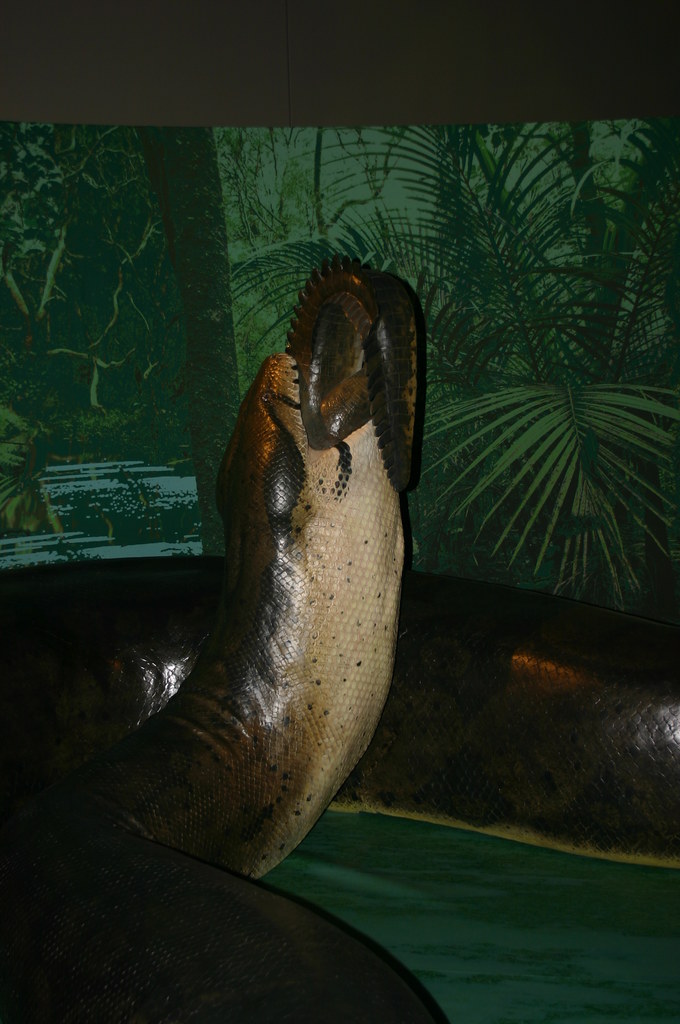
The reign of Titanoboa and its ancestors represents one of the most remarkable chapters in evolutionary history. These prehistoric giants dominated their ecosystems for millions of years, adapting to changing conditions and evolving into forms that seem almost mythical today. Their fossils continue to reveal new secrets about ancient Earth, from climate conditions to evolutionary processes.
The story of these ancient serpents reminds us that Earth’s history is filled with incredible creatures that once ruled ecosystems we can barely imagine. While climate change ultimately led to their extinction, their legacy lives on in the form of today’s snakes, which continue to play crucial roles in ecosystems around the world. The prehistoric kings of slither may be gone, but their influence on our understanding of life on Earth remains as powerful as ever.
What secrets do you think these ancient giants still hold, waiting to be discovered in the fossil record?