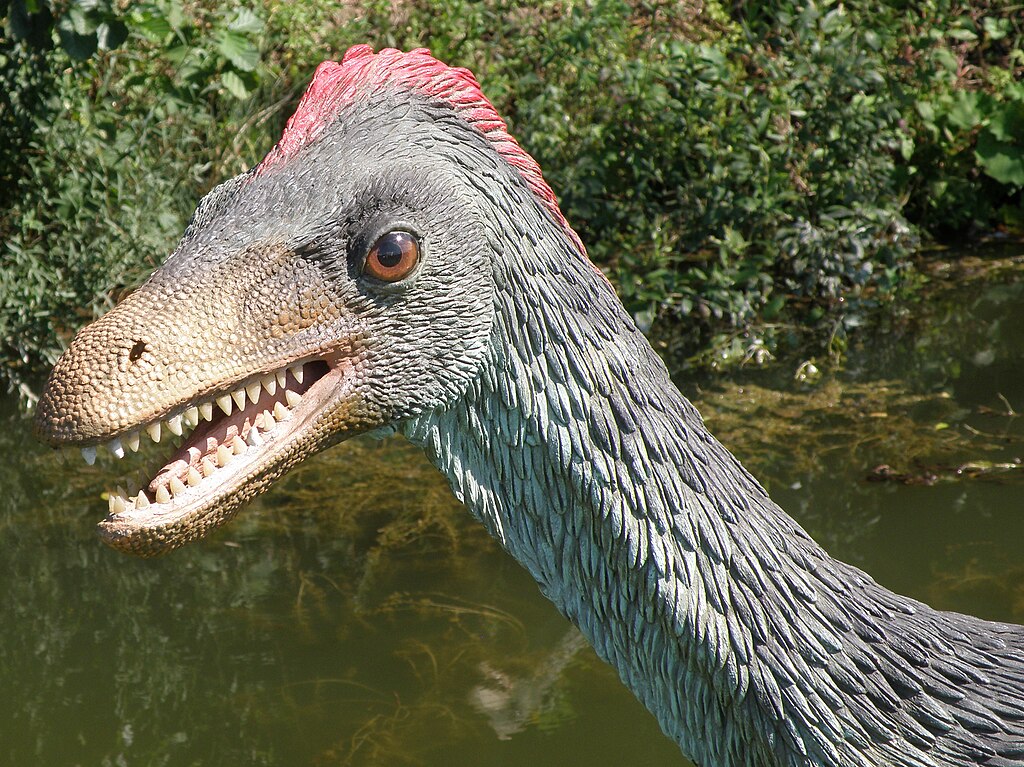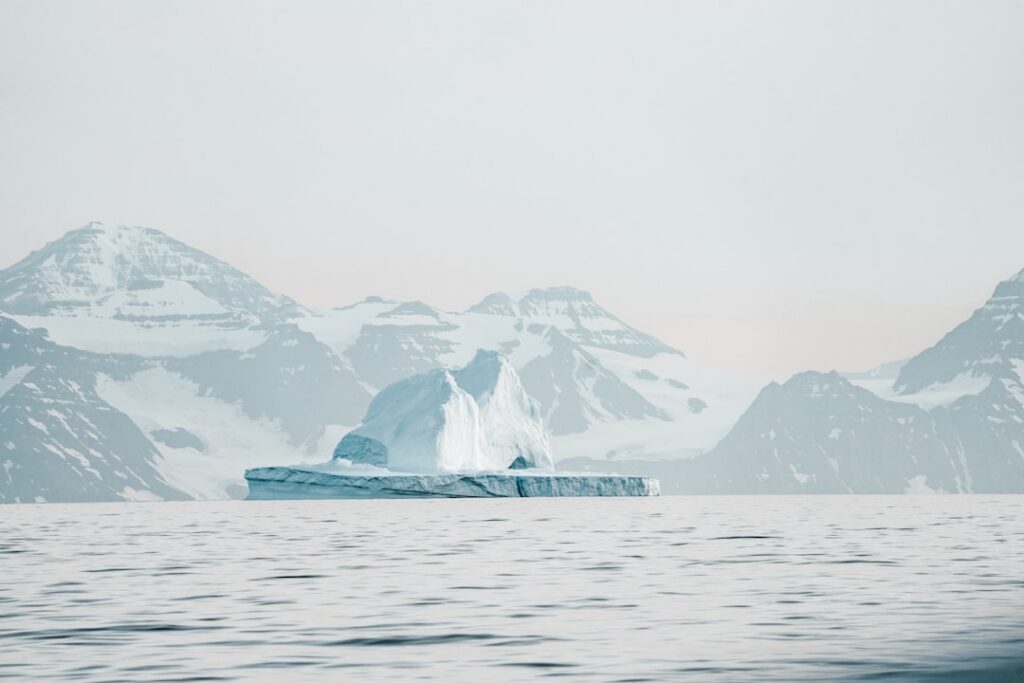
Picture this: where polar bears now trudge across endless ice sheets, massive dinosaurs once roamed through lush, tropical forests. The Arctic Circle, today one of Earth’s most unforgiving environments, harbored some of the planet’s most incredible prehistoric creatures millions of years ago. This isn’t science fiction—it’s a remarkable chapter in our planet’s history that continues to astound paleontologists and reshape our understanding of ancient life.
The Shocking Truth About Arctic Temperatures 100 Million Years Ago

During the Cretaceous period, roughly 100 million years ago, the Arctic experienced temperatures that would make today’s climate change seem mild by comparison. Scientists have discovered that Arctic temperatures soared to a staggering 95°F (35°C) during summer months. This tropical paradise existed because Earth’s atmospheric carbon dioxide levels were nearly ten times higher than today’s concentrations.
The planet’s geography looked completely different back then, with no ice caps at either pole. Ocean currents flowed in patterns that distributed heat more evenly across the globe, creating what researchers call a “greenhouse Earth.” Even during winter months, Arctic temperatures rarely drop below 60°F (15°C), making it warmer than many temperate regions today.
Ancient Forests Where Glaciers Now Stand
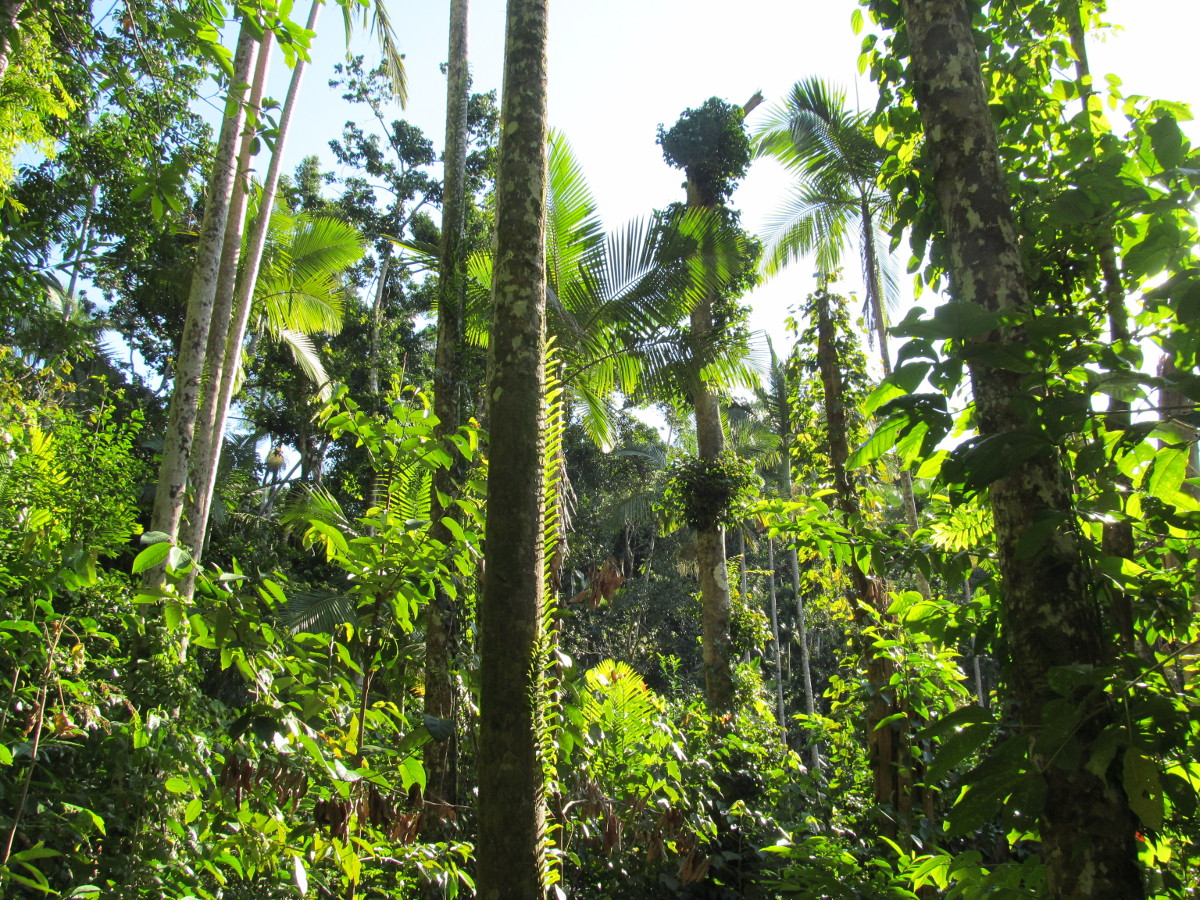
The Arctic landscape of the Cretaceous period bore a resemblance to modern-day Louisiana swamplands more than to the tundra we know today. Towering cypress trees, massive ferns, and flowering plants created dense canopies that stretched for thousands of miles. These prehistoric forests were so thick that sunlight barely penetrated to the forest floor, creating a mysterious, cathedral-like environment.
Fossil evidence reveals that these ancient woodlands supported an incredible diversity of plant life. Magnolia trees bloomed alongside primitive palm species, while giant sequoia relatives reached heights of over 200 feet. The sheer biomass of these forests was staggering—imagine Central Park’s vegetation multiplied by a million, and you’re getting close to the Arctic’s prehistoric abundance.
The First Arctic Dinosaur Discoveries That Changed Everything
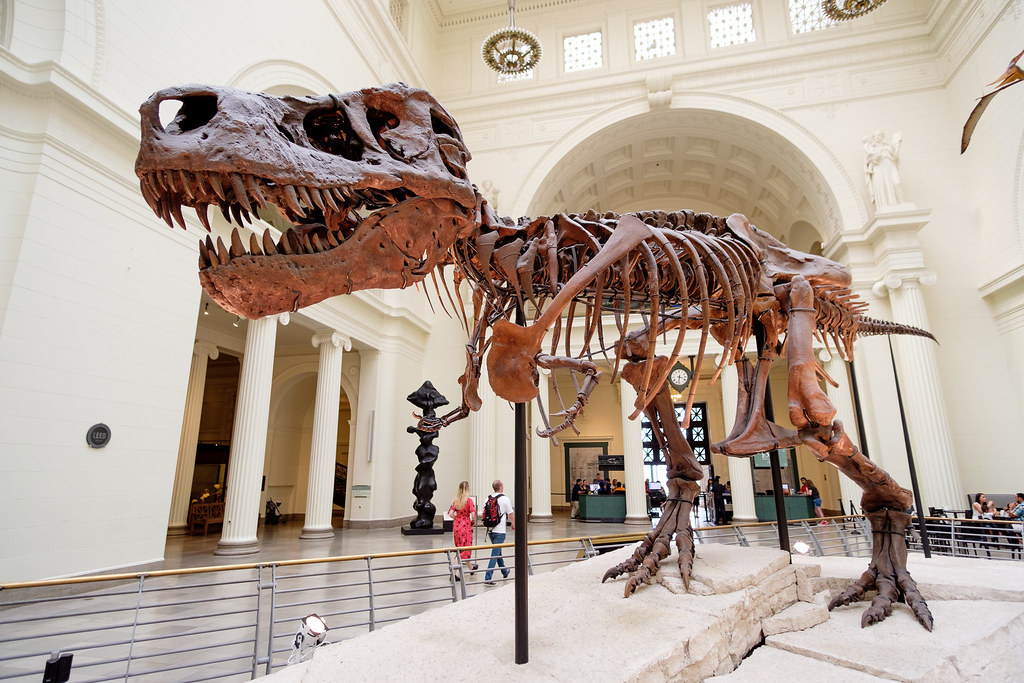
The first hint that dinosaurs lived in the Arctic came in 1961, when geologist Robert Liscomb stumbled upon strange bone fragments along Alaska’s Colville River. Initially dismissed as belonging to modern animals, these fossils would later revolutionize our understanding of dinosaur distribution. It took decades for paleontologists to recognize these bones as belonging to duck-billed dinosaurs, specifically hadrosaurs.
This discovery shattered the long-held belief that dinosaurs were cold-blooded reptiles confined to warm climates. The Arctic findings suggested that these ancient creatures were far more adaptable than anyone imagined. What started as a curious geological observation became one of paleontology’s most significant breakthroughs, opening an entirely new frontier for dinosaur research.
Triceratops Cousins Roaming the Frozen North
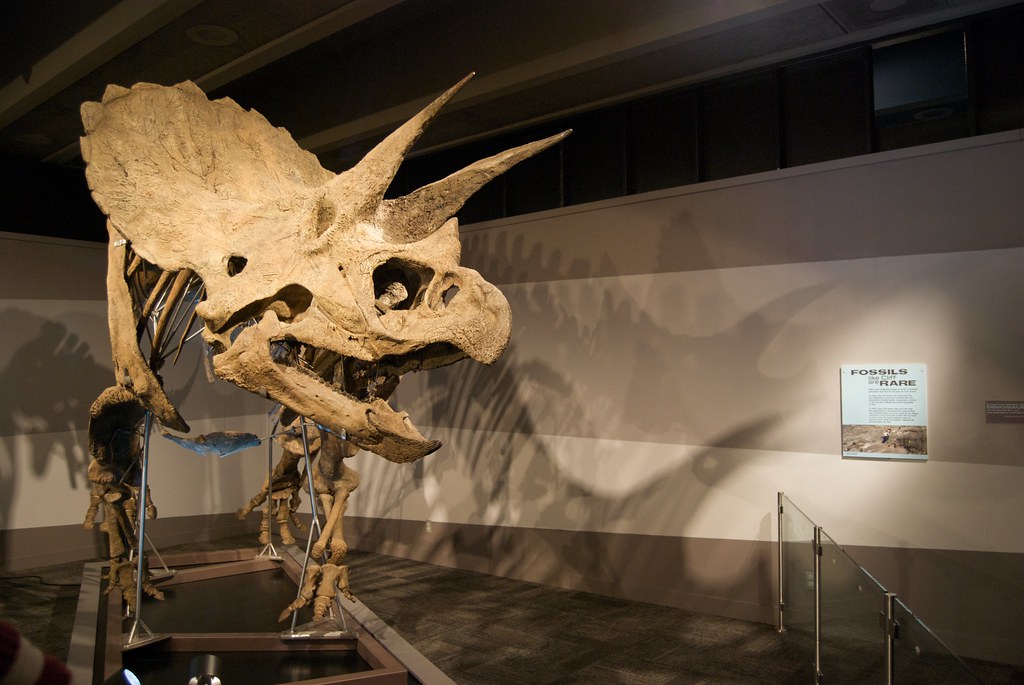
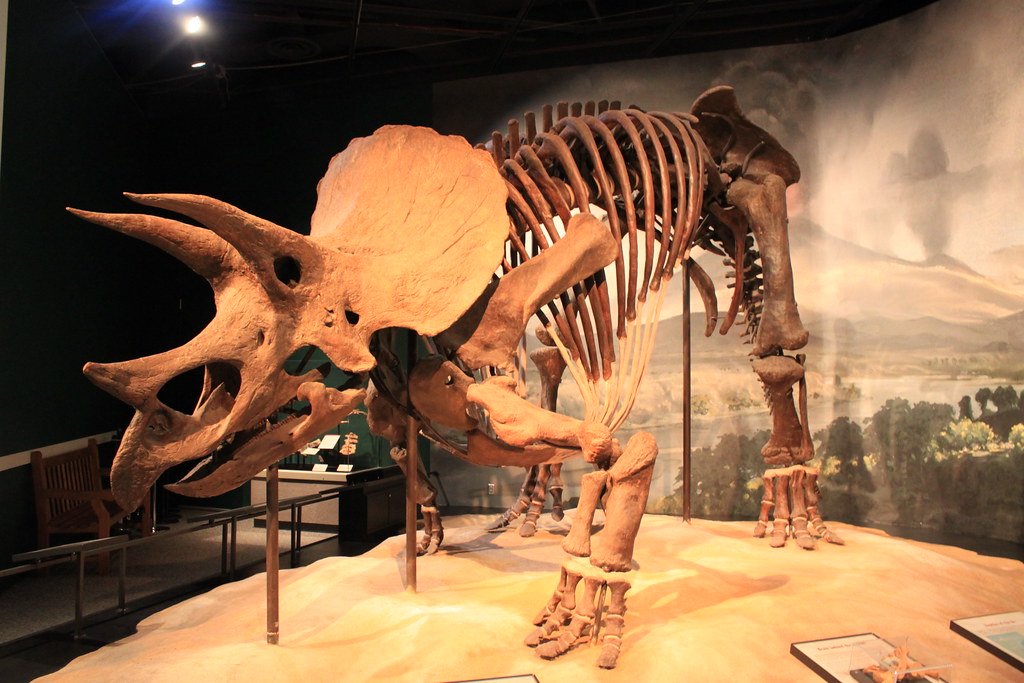
Among the most spectacular Arctic dinosaur discoveries are the remains of ceratopsians—the horned dinosaurs related to the famous Triceratops. These massive herbivores, some weighing over 10,000 pounds, grazed on Arctic vegetation like prehistoric buffalo. Their distinctive frilled skulls and sharp horns made them formidable creatures, even in this ancient paradise.
The Arctic species, including Pachyrhinosaurus and Ugrunaaluk, developed unique adaptations for their northern habitat. Their nasal passages were enlarged, possibly to warm incoming air, while their body proportions differed slightly from their southern relatives. These dinosaurs lived in herds, migrating across the ancient Arctic landscape in search of the best feeding grounds.
Duck-Billed Giants of the Ancient Tundra
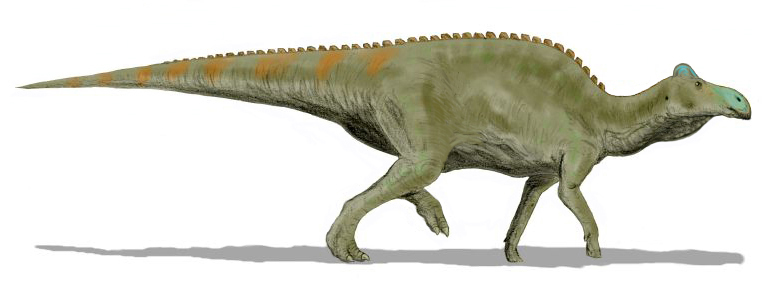
Hadrosaurs, or duck-billed dinosaurs, were perhaps the most successful Arctic residents during the Cretaceous period. These remarkable creatures, measuring up to 40 feet in length, possessed sophisticated dental batteries with hundreds of teeth perfectly designed for processing tough Arctic vegetation. Their hollow skull crests functioned as resonating chambers, allowing them to communicate across vast distances through booming calls.
The Arctic hadrosaur species, Ugrunaaluk kuukpikensis, shows fascinating adaptations to seasonal changes. These dinosaurs likely migrated hundreds of miles following food sources, much like modern caribou. Their social behavior was highly developed, with evidence suggesting they cared for their young in communal nesting sites protected from predators.
Feathered Predators in a Land of Endless Summer

The Arctic wasn’t just home to gentle giants—it also harbored some of the most fearsome predators in dinosaur history. Troodon, a human-sized theropod with enlarged eyes and a relatively large brain, stalked the Arctic forests with deadly efficiency. These intelligent hunters possessed keen night vision, perfect for the extended twilight periods of Arctic summers.
Evidence suggests that Arctic theropods like Troodon and smaller dromaeosaurids were fully feathered, giving them better insulation than their southern cousins. Their hunting strategies likely involved pack behavior, working together to bring down much larger prey. The Arctic’s unique light cycles may have influenced their hunting patterns, with these predators adapting to hunt during the brief winter daylight hours.
The Mystery of Arctic Dinosaur Eggs
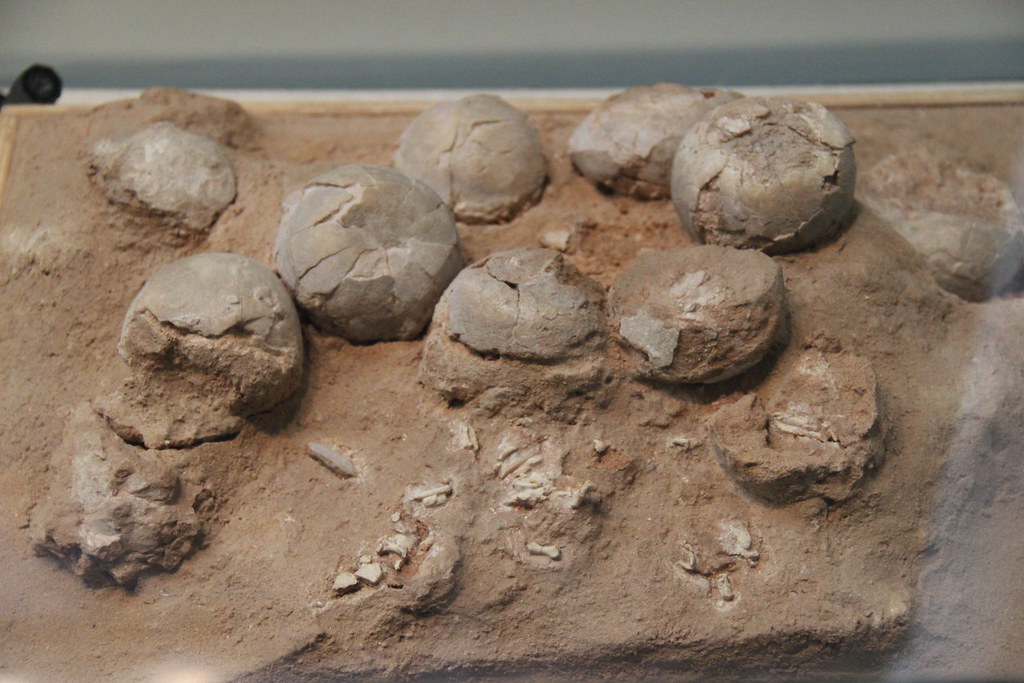
One of the most puzzling aspects of Arctic dinosaur life involves reproduction and nesting. Recent discoveries have uncovered fossilized dinosaur eggs and nests in Alaska, raising fascinating questions about how these creatures managed breeding cycles in extreme seasonal conditions. The eggs show evidence of extended incubation periods, suggesting that Arctic dinosaurs had developed unique reproductive strategies.
Some researchers propose that Arctic dinosaurs practiced seasonal migration, traveling south to warmer regions for breeding before returning north. Others suggest they had evolved antifreeze proteins similar to those found in modern Arctic fish, allowing their embryos to survive temporary temperature drops. The debate continues to intrigue paleontologists worldwide.
Swimming Dinosaurs in Ancient Arctic Seas
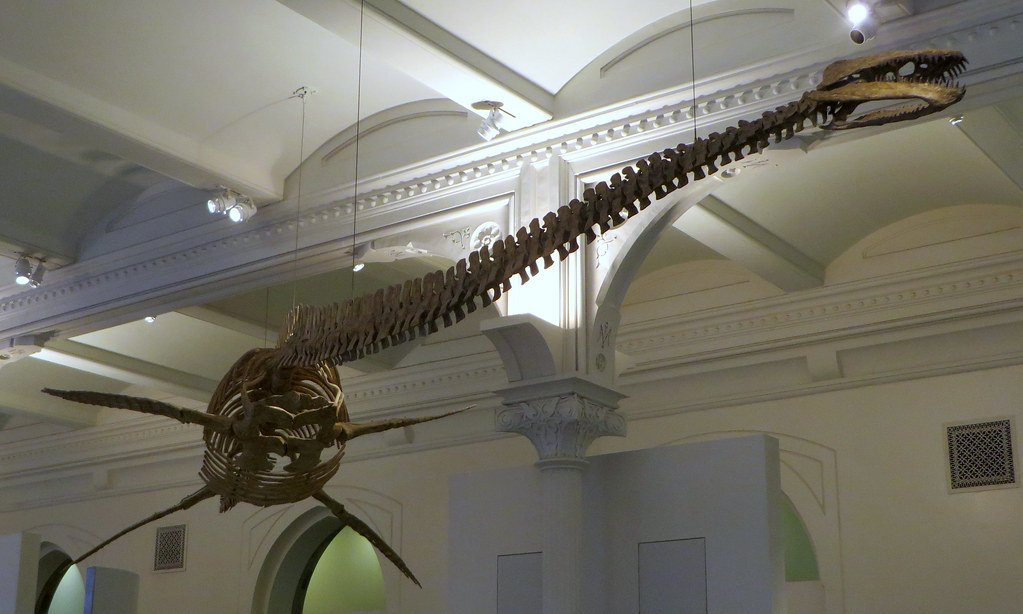
The Arctic Ocean of the Cretaceous period teemed with marine reptiles that blur the line between dinosaurs and their aquatic cousins. Plesiosaurs with necks longer than giraffes glided through warm Arctic waters, while massive mosasaurs—ocean-dwelling lizards the size of modern whales—dominated the prehistoric seas. These creatures were perfectly adapted to the Arctic’s unique marine environment.
The Arctic’s ancient coastlines provided ideal nursery grounds for these marine reptiles. Shallow, warm lagoons offered protection for young plesiosaurs and mosasaurs, while abundant fish populations supported large predatory populations. Fossil evidence suggests that some of these marine reptiles gave birth to live young in Arctic waters, making the region a crucial breeding ground for ocean-dwelling giants.
How Climate Change Drove Arctic Dinosaur Evolution
The Arctic’s extreme seasonal variations created unique evolutionary pressures that shaped dinosaur development in remarkable ways. During summer months, dinosaurs enjoyed nearly 24 hours of daylight and abundant food, but winter brought extended darkness and reduced plant growth. This led to fascinating adaptations, including enhanced night vision, seasonal weight fluctuations, and sophisticated migration patterns.
Some Arctic dinosaurs developed larger eyes relative to their body size, allowing them to see better during the dark winter months. Others evolved more efficient digestive systems to extract maximum nutrition from limited winter food sources. These adaptations demonstrate the incredible plasticity of dinosaur evolution when faced with environmental challenges.
The Great Arctic Dinosaur Migration Routes
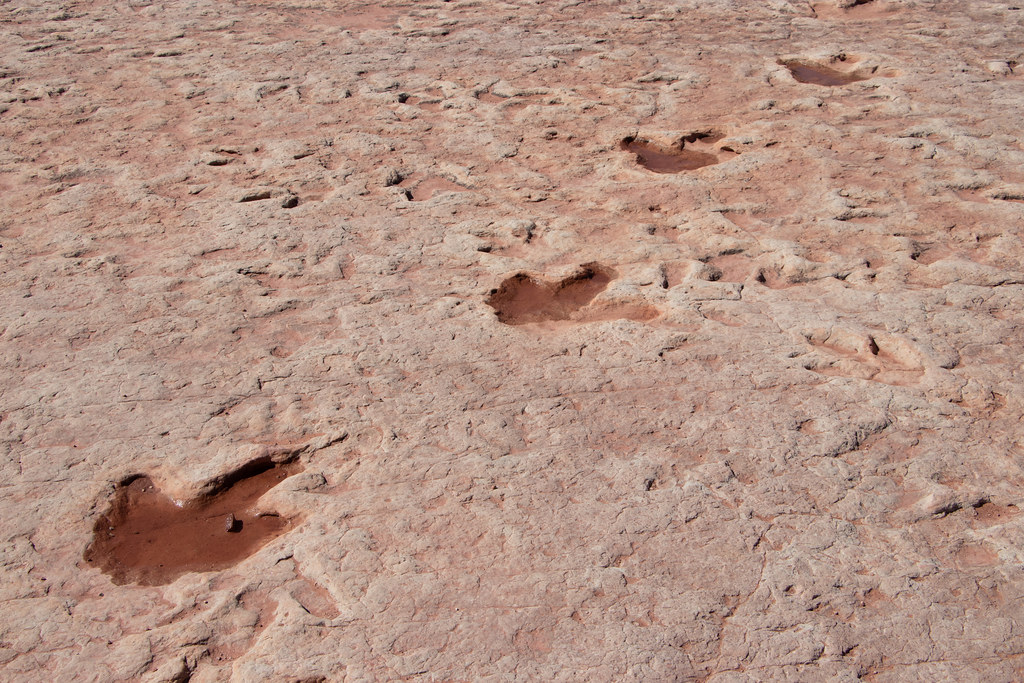
Evidence suggests that Arctic dinosaurs undertook epic migrations that dwarf anything seen in the modern animal kingdom. Trackways discovered across Alaska and northern Canada indicate that massive herds of hadrosaurs and ceratopsians traveled thousands of miles seasonally. These migration routes connected Arctic breeding grounds with more temperate feeding areas further south.
The logistics of these migrations were staggering—imagine millions of multi-ton dinosaurs moving in coordinated groups across prehistoric landscapes. These journeys likely followed river valleys and coastal plains, with experienced adults leading younger animals along established routes. The social organization required for such migrations suggests that Arctic dinosaurs possessed sophisticated communication and navigation abilities.
Fossil Evidence Hidden in Permafrost

The Arctic’s permafrost has preserved dinosaur fossils in extraordinary detail, offering paleontologists unprecedented insights into prehistoric life. Unlike fossils from warmer climates, Arctic specimens often retain soft tissue, skin impressions, and even stomach contents. This preservation quality has revolutionized our understanding of dinosaur biology, behavior, and diet.
Recent discoveries include dinosaur fossils with intact feather impressions, revealing the true colors and patterns of these ancient creatures. Some specimens have preserved muscle tissue and blood vessels, providing clues about dinosaur metabolism and physiology. The permafrost acts like a natural freezer, maintaining fossils in conditions that would be impossible in other environments.
When the Arctic Paradise Ended
The Arctic’s dinosaur sanctuary began to disappear around 66 million years ago, not just from the asteroid impact that ended the Cretaceous period, but from gradual climate cooling that had been occurring for millions of years. As global temperatures dropped and ice caps began forming, the lush Arctic forests gave way to cooler, less diverse ecosystems.
The transition wasn’t immediate—it took millions of years for the Arctic to transform from a tropical paradise to a frozen wasteland. Some dinosaur species adapted to the cooling climate by developing thicker insulation and more efficient metabolism, but ultimately, the changing environment proved too challenging for most prehistoric giants. The last Arctic dinosaurs likely disappeared just before the final asteroid impact that sealed their fate worldwide.
Modern Arctic Animals: Echoes of the Dinosaur Age

Today’s Arctic wildlife carries surprising echoes of the dinosaur age, with many modern species showing adaptations that mirror those of their prehistoric predecessors. Caribou migration patterns follow routes remarkably similar to those used by hadrosaurs millions of years ago. Arctic birds like ptarmigan have developed seasonal plumage changes that echo the adaptive strategies of feathered dinosaurs.
The Arctic’s modern ecosystems, while vastly different from the dinosaur era, still demonstrate the region’s capacity to support diverse life forms. Polar bears, walruses, and Arctic foxes have evolved remarkable adaptations to survive in one of Earth’s most challenging environments. These modern success stories remind us that life finds a way to thrive even in the most extreme conditions.
What Arctic Dinosaurs Teach Us About Climate Change
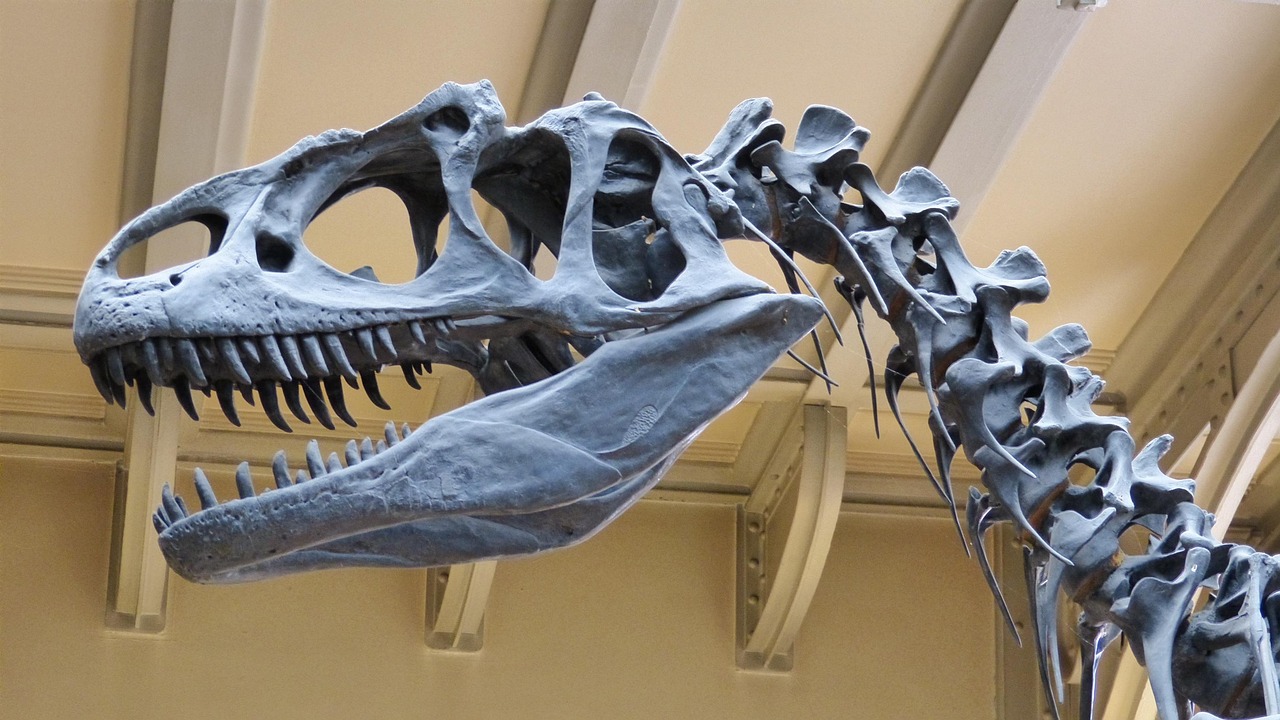
The Arctic’s transformation from dinosaur sanctuary to frozen wasteland offers sobering lessons about Earth’s climate sensitivity. The dramatic changes that occurred over millions of years demonstrate how greenhouse gas concentrations can fundamentally alter global ecosystems. Today’s rapid climate change, while occurring much faster than prehistoric shifts, could potentially return the Arctic to conditions not seen since the age of dinosaurs.
Scientists study Arctic dinosaur fossils to understand how ecosystems respond to extreme climate change. The adaptations and extinctions recorded in the fossil record provide valuable insights into how modern species might respond to current environmental challenges. The Arctic’s prehistoric past serves as both a warning and a guide for understanding our planet’s climate future.
The Future of Arctic Dinosaur Research

As climate change melts Arctic permafrost, new dinosaur fossils emerge from the ice each year, providing fresh insights into prehistoric life. Advanced imaging technologies and DNA analysis techniques are revealing secrets locked in Arctic fossils for millions of years. Scientists expect the coming decades to yield discoveries that will further revolutionize our understanding of dinosaur biology and behavior.
The race is on to study these fossils before they’re lost to erosion or decay. International research teams are working frantically to document Arctic dinosaur sites before they disappear forever. Each discovery adds another piece to the puzzle of how these magnificent creatures thrived in Earth’s most extreme environments. The Arctic continues to surprise us with its prehistoric secrets, reminding us that our planet’s history is far more complex and fascinating than we ever imagined.
Conclusion
The Arctic’s transformation from a dinosaur paradise to today’s frozen wilderness represents one of Earth’s most dramatic environmental changes. These ancient creatures didn’t just survive in the prehistoric Arctic—they thrived, adapted, and evolved in ways that continue to amaze scientists today. Their story challenges our assumptions about prehistoric life and offers crucial insights into how life responds to extreme climate change. As we face our environmental challenges, the Arctic dinosaurs remind us that life’s resilience and adaptability know no bounds. What other secrets might be waiting beneath the ice, ready to rewrite the story of life on Earth?