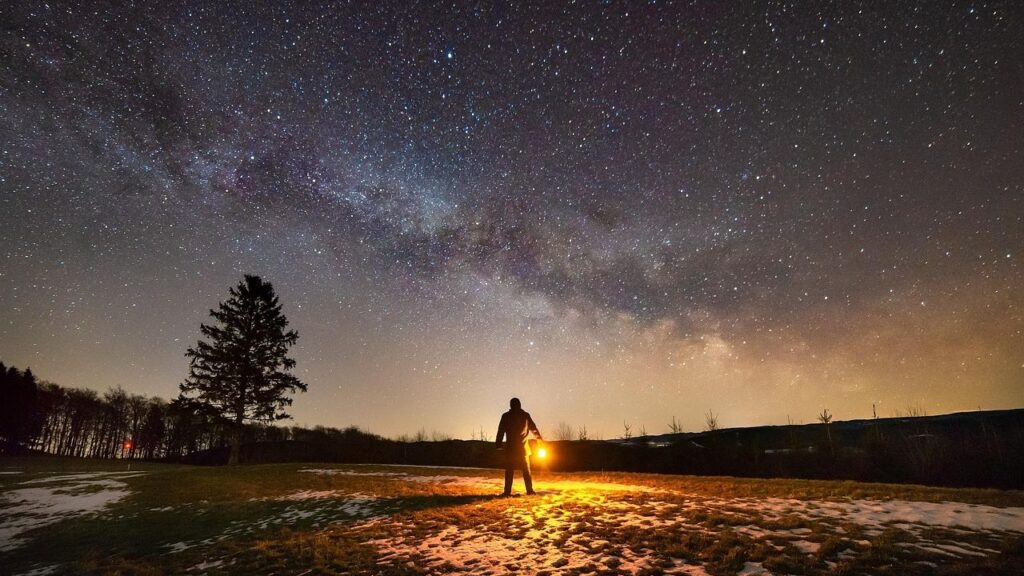
Picture yourself standing in a lush, steamy forest 100 million years ago, looking up at the night sky through towering ferns and cycads. The stars above might seem strangely unfamiliar, but there’s something even more striking about what hangs overhead. The moon shines down with a different presence entirely, casting its glow across a world ruled by massive reptiles. What would our celestial companion have that roamed beneath it?
This ancient night sky holds secrets that modern science is only beginning to unravel. From subtle changes in the moon’s apparent size to dramatic differences in the rhythm of days and nights, the lunar companion that T. rex and Triceratops knew was both familiar and remarkably different from the one we see today.
A Moon That Loomed Slightly Larger
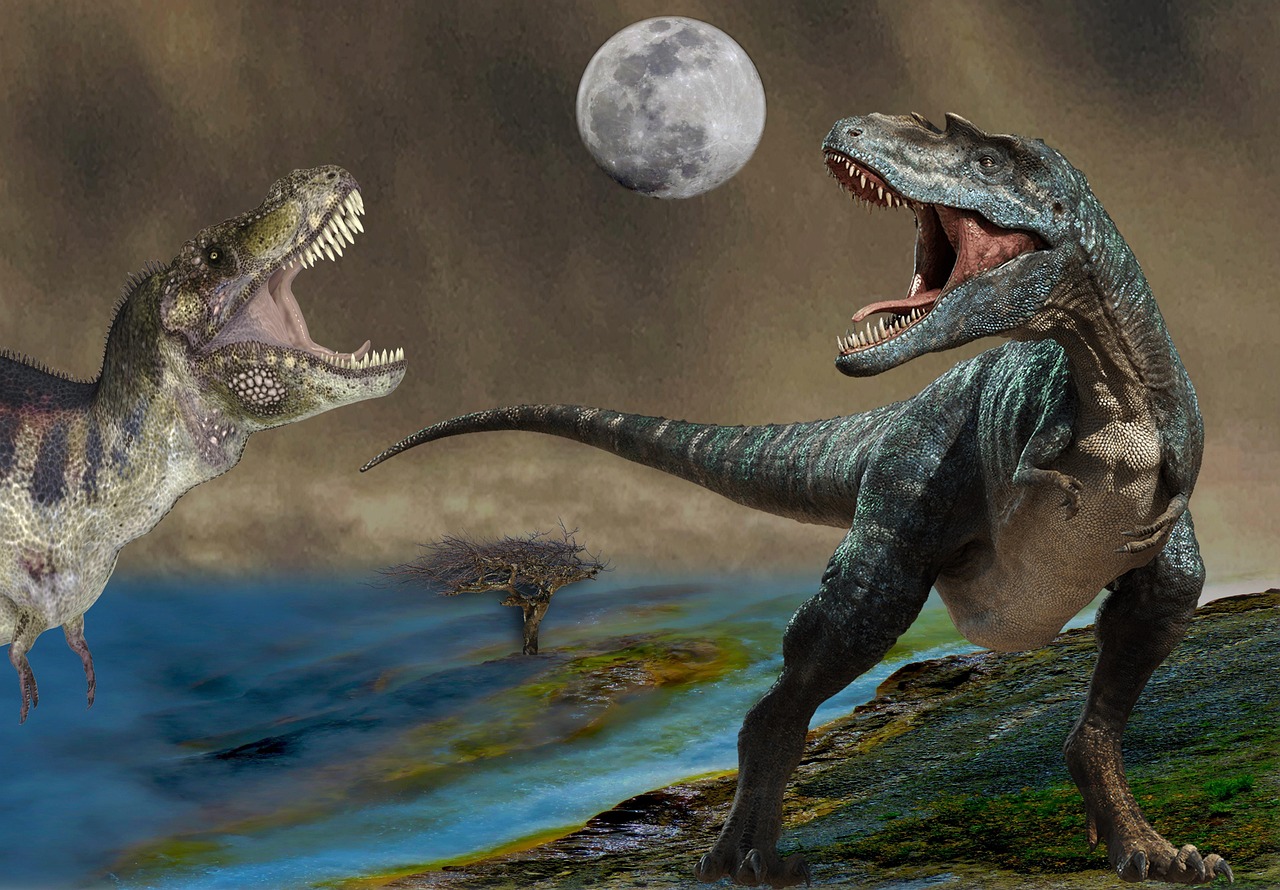
During the Mesozoic era, the moon would have appeared modestly larger in the sky than it does today, as the moon is receding from Earth at a rate of about 3.8 centimeters per year. Though this difference might sound dramatic, the reality is more nuanced than you might expect.
Since the Moon is presently about 239,000 miles from Earth, being roughly 2,000 miles closer during the dinosaur era would not have made it perceptibly larger, representing only about 0.8% of the current distance. Think of it like standing 100 feet from a basketball versus standing 99 feet away – you’d be hard pressed to notice the difference with your naked eye.
Days That Raced By in Just 23 Hours
Research suggests that during the Mesozoic era, Earth completed a full rotation in approximately 23 hours, meaning each day was about one hour shorter than what we experience today. This wasn’t just a minor adjustment – it fundamentally changed the rhythm of life on our planet.
Scientists have precisely determined that about 70 million years ago, a day was only 23.5 hours long, and because each day was half an hour shorter, there were 372 days in a year back then. The moon has been slowing down Earth’s rotation through its gravitational pull, creating an incredibly slight change of about two milliseconds per century, but over many millennia, this has increased the length of a day by a full hour.
Lunar Cycles That Pulsed with Different Rhythms
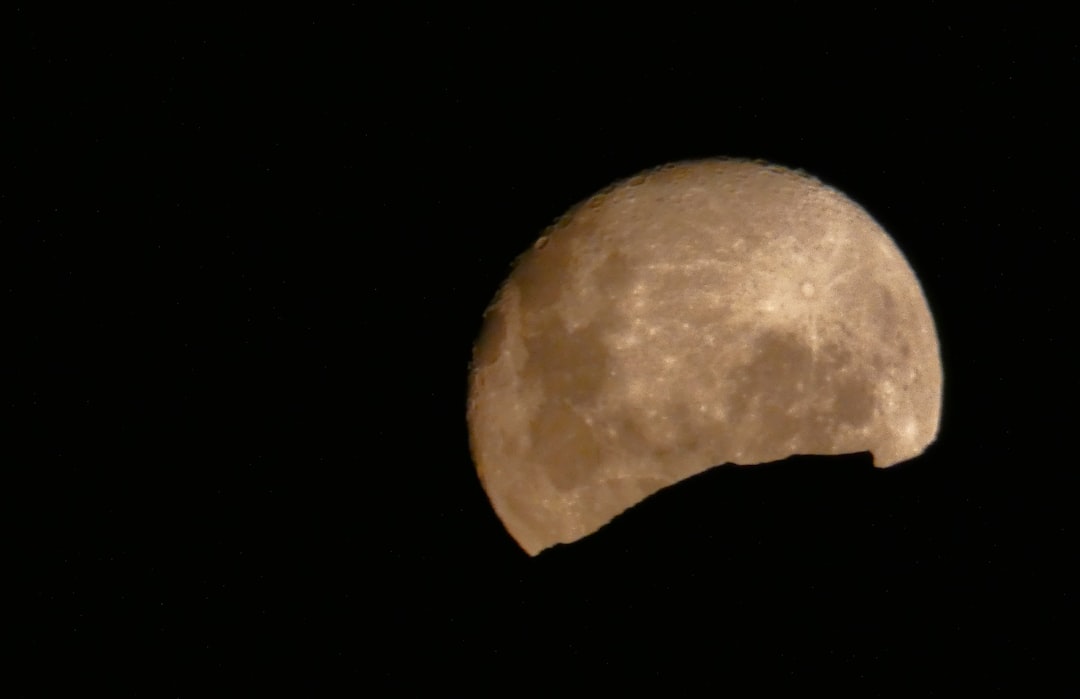
The lunar month would have been shorter during dinosaur times, as the moon would sweep across the sky and go through its phases more rapidly. This created a world where the familiar pattern of new moons, crescents, and full moons cycled through at a noticeably different pace.
The phases themselves – new moon, first quarter, full moon, and last quarter – would have looked identical to what we see today. However, the time between each phase would have been compressed, creating a lunar calendar that moved with more urgency than our modern month. Dinosaurs living near ancient coastlines would have experienced this accelerated lunar rhythm most directly through the tides.
Tidal Forces That Shaped Ancient Shores

The tides of the oceans would have been larger because of the gravitational effects of the closer moon, and storms driven by Earth’s rotation and the moon’s gravity would have been significantly more intense. These weren’t subtle differences – they were powerful enough to reshape entire coastlines and influence evolutionary patterns.
The familiar spring tides and neap tides that we know today would have followed the same basic pattern, occurring when the sun, moon, and Earth aligned or worked at cross purposes. However, the closer proximity of the moon meant that even the gentle neap tides would have been more dramatic than today’s versions, creating a world where the boundary between land and sea was in constant, vigorous flux.
A Night Sky of Alien Constellations
If you traveled back to dinosaur time and looked up, nothing familiar would be recognizable, as the north star (Polaris) would not be over Earth’s rotational pole, and constellations like Orion would be totally unrecognizable. Because it takes our solar system between 225 million and 250 million years to orbit the center of our galaxy, Earth was at a different position in our galaxy’s orbit during the age of dinosaurs, meaning they saw different stars than we do.
The moon itself, however, would have been a constant companion, just as it is for us today. While the stars wheeled overhead in unfamiliar patterns and ancient Polaris held no significance for navigation, the moon’s phases would have provided the same reliable rhythm that has guided life on Earth throughout the eons.
A World Shaped by Subtle Cosmic Forces
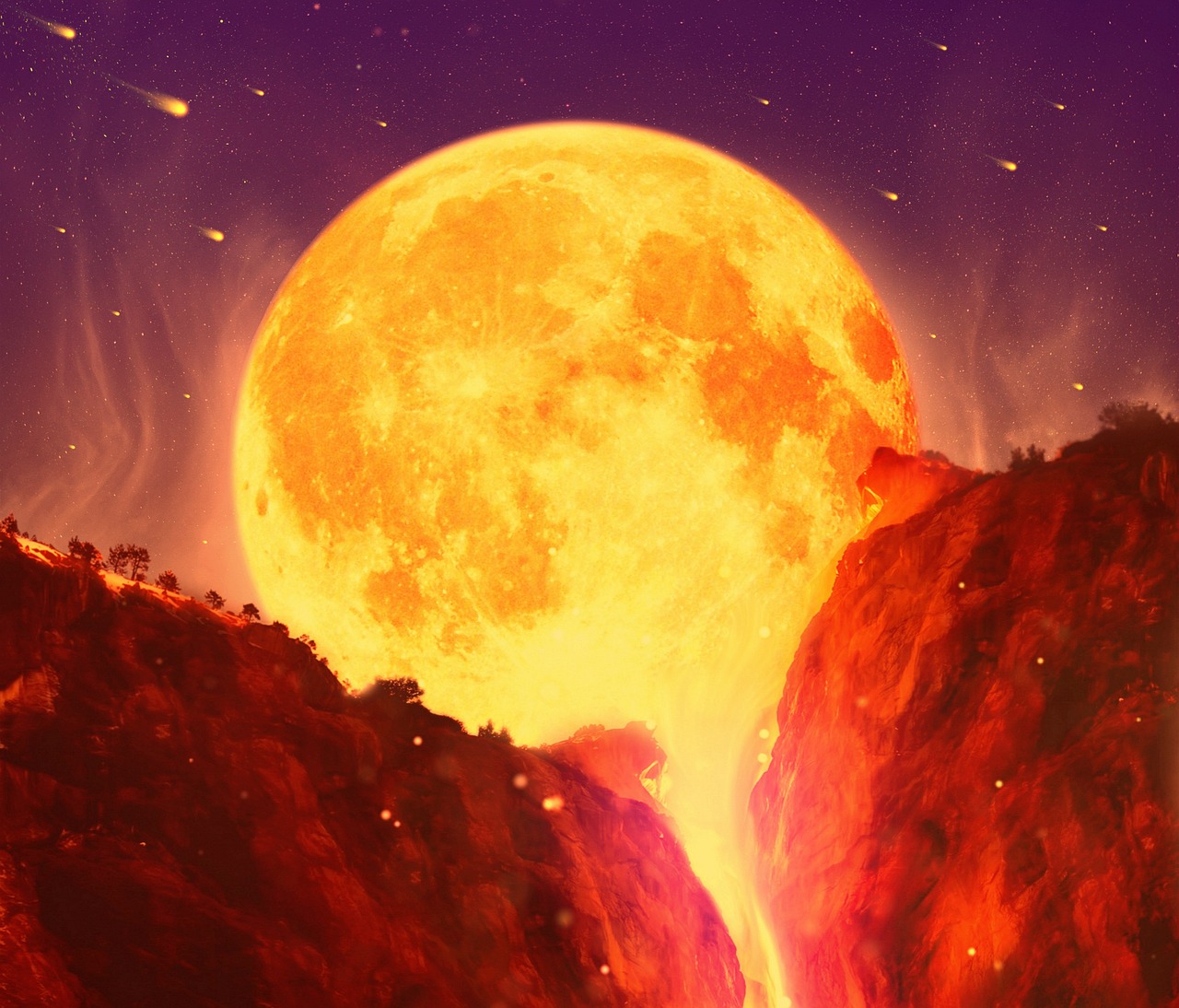
Some research suggests the Moon might have had volcanic activity more recently than previously thought, though the timing and extent of such activity during the dinosaur era remains uncertain, meaning this was during the middle of the Cretaceous Period. Imagine looking up at a moon that wasn’t just a passive, cratered companion, but one that occasionally flickered with the glow of fresh volcanic activity.
These changes in things that we are used to are not obvious to us because of our limited tenancy on the planet, but science lets us observe the world the way it actually worked and not be limited to thinking about only what we can physically see in the present. The dinosaurs lived under a moon that was simultaneously more powerful and more active than the one that lights our modern nights.
Conclusion
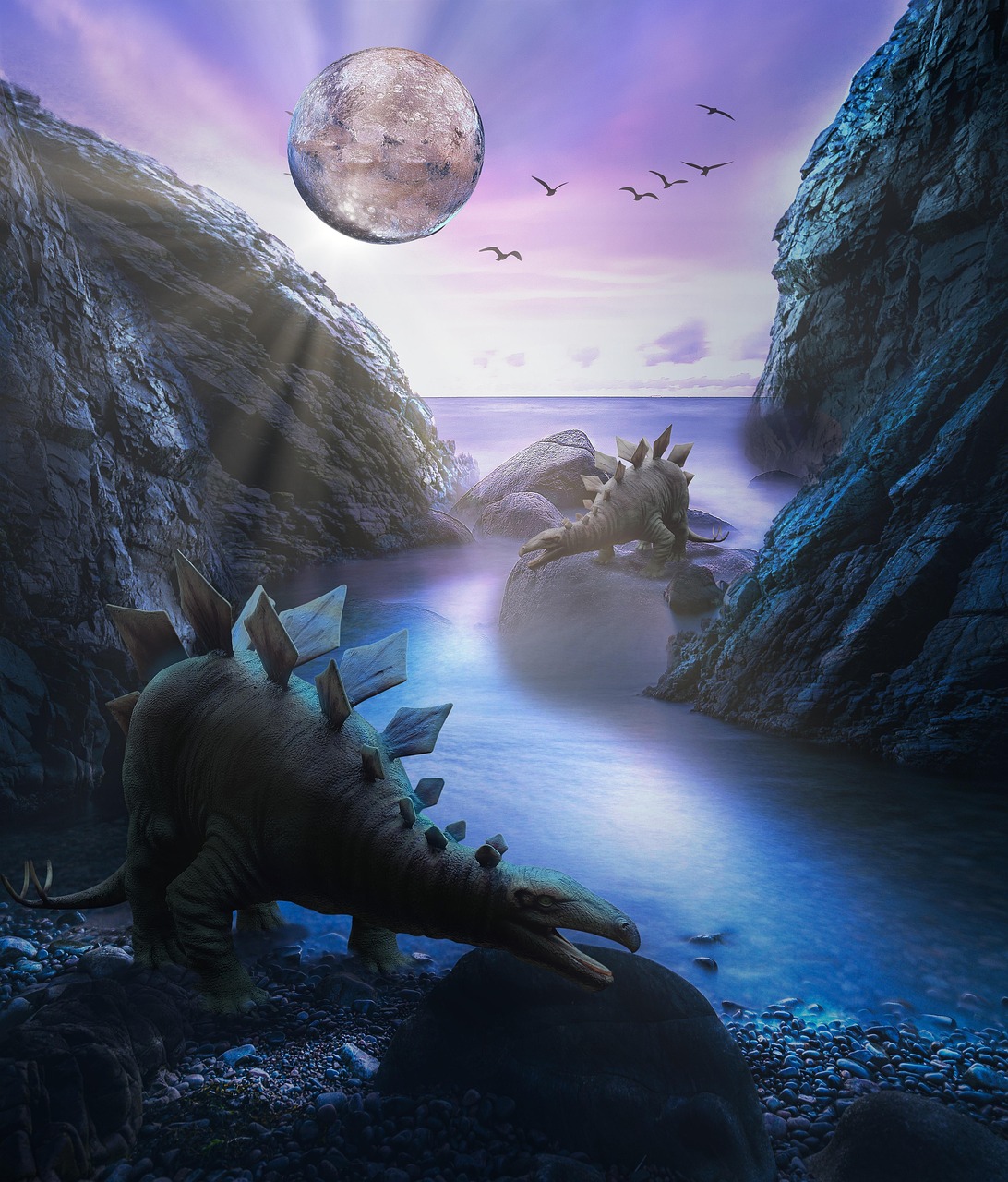
The moon that shone down on the dinosaurs was both remarkably similar to and subtly different from the one we know today. While it appeared only marginally larger in the sky, its influence was magnified through stronger tides, faster lunar cycles, and the possibility of volcanic activity on its surface. The ancient Earth spun faster beneath this celestial companion, creating shorter days and longer years in a world where time itself moved to a different beat.
These cosmic rhythms shaped not just the physical landscape of the Mesozoic world, but potentially influenced the evolution and behavior of the creatures living beneath that alien sky. What do you think it would have been like to experience those faster days and stronger tides? Tell us in the comments.