Picture this: massive, thundering footsteps echoing across continents as colossal creatures migrate thousands of miles, leaving behind fossilized highways that tell stories spanning millions of years. While we often think of dinosaurs as isolated creatures roaming their local territories, groundbreaking discoveries reveal something far more extraordinary. These ancient giants were actually globe-trotting nomads, crossing vast distances that would make modern wildlife migrations look like casual strolls around the block.
The Great Dinosaur Highway Discovery

In 2019, paleontologists made a discovery that literally changed everything we thought we knew about dinosaur behavior. Deep in the badlands of Alaska, researchers uncovered what can only be described as an ancient superhighway – thousands of dinosaur tracks stretching across what was once a massive migration route.
These weren’t just random footprints scattered here and there. The tracks showed clear directional patterns, with multiple species traveling together in what appears to be coordinated seasonal movements. The preservation was so remarkable that scientists could actually measure the stride length and walking speed of creatures that lived 70 million years ago.
What makes this discovery even more mind-blowing is the sheer scale involved. Some trackways extended for over 100 miles, suggesting these dinosaurs were covering distances that would challenge even the most ambitious modern explorers.
Following Ancient Footsteps Through Time

The fossilized evidence tells a story that reads like an epic adventure novel. Hadrosaurs, those duck-billed herbivores we often picture as gentle lake-dwellers, were actually hardcore long-distance travelers. Their tracks have been found across multiple continents, suggesting they followed seasonal patterns much like today’s caribou or wildebeest.
Scientists have traced these ancient pathways using a combination of geological dating and track analysis. The footprints reveal not just where these animals went, but how they moved – some traveled in massive herds, while others seemed to follow more solitary routes. The spacing between prints suggests they could maintain steady speeds for extended periods, indicating remarkable endurance.
Continental Drift: The Ultimate Game Changer

Here’s where things get really wild – during the Mesozoic era, the world looked completely different from today. The supercontinent Pangaea was breaking apart, creating land bridges and connections that allowed dinosaurs to literally walk from what we now call North America to Europe or Asia.
This continental configuration meant that a T-Rex ancestor could theoretically have walked from modern-day Montana to Mongolia without ever getting its feet wet. The continents were like puzzle pieces that fit together differently, creating highways across the globe that existed for millions of years.
As these landmasses slowly drifted apart, they carried dinosaur populations with them, leading to the incredible diversity we see in the fossil record. Some species evolved in isolation, while others maintained connections across vast distances through these ancient corridors.
Seasonal Patterns That Spanned Millennia

The evidence suggests that many dinosaur species followed predictable seasonal migration patterns, much like modern animals do today. However, these weren’t just local movements – we’re talking about journeys that crossed multiple climate zones and geographical features.
Fossil evidence from sites in Canada shows clear seasonal occupation patterns, with certain species appearing only during specific times of the year. This suggests they were following food sources, favorable breeding conditions, or escaping harsh weather conditions by moving to more hospitable regions.
The timing of these migrations appears to have been incredibly precise, with some species returning to the same areas year after year for millions of years. This level of consistency suggests sophisticated navigation abilities that we’re only beginning to understand.
The Incredible Journey of Maiasaura
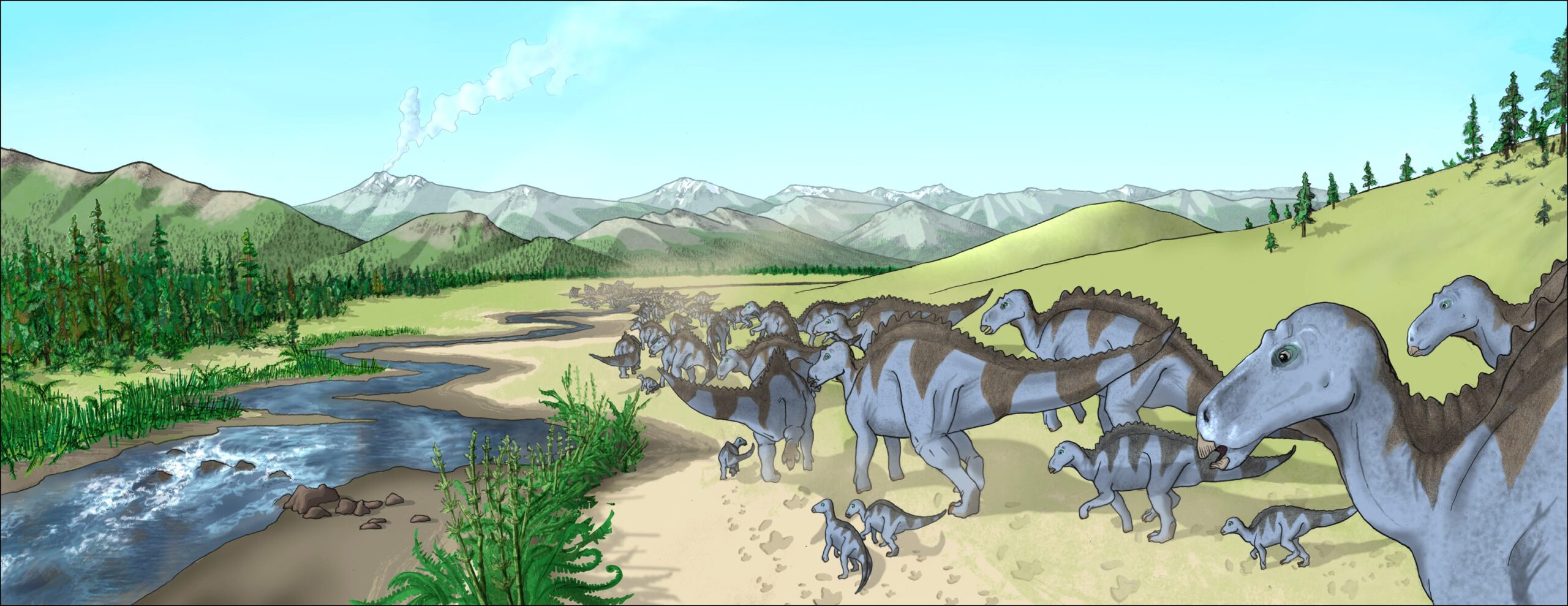
One of the most documented examples of dinosaur migration comes from Maiasaura, the “good mother lizard.” These duck-billed dinosaurs left behind extensive trackways in Montana that tell an amazing story of family travel across prehistoric landscapes.
What makes Maiasaura particularly fascinating is that their tracks show evidence of multi-generational migration routes. Young dinosaurs traveled alongside adults, suggesting these weren’t random wanderings but established cultural behaviors passed down through generations.
The trackways reveal that these dinosaurs traveled in massive herds, sometimes numbering in the thousands. Imagine the sight – a river of dinosaurs flowing across the landscape, kicking up dust clouds visible from miles away as they followed ancient pathways etched into the earth by countless generations before them.
Navigation Mysteries of the Mesozoic
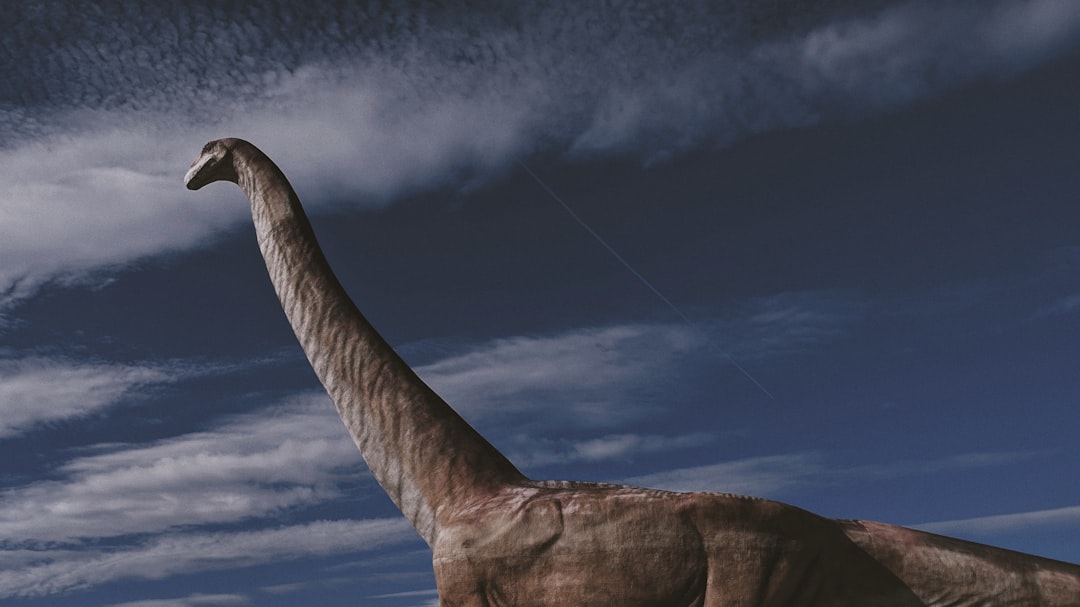
How did these ancient creatures navigate across such vast distances without GPS or modern technology? Scientists believe dinosaurs used a combination of methods that would make modern explorers envious.
Evidence suggests they relied on celestial navigation, following the sun and stars much like migratory birds do today. Some species may have also used magnetic fields, as many modern animals do, to maintain their sense of direction across featureless landscapes.
Geographical landmarks probably played a crucial role too. Mountain ranges, river systems, and coastal features would have served as natural guideposts, helping these massive travelers stay on course during their epic journeys.
The Tyrannosaur Trek
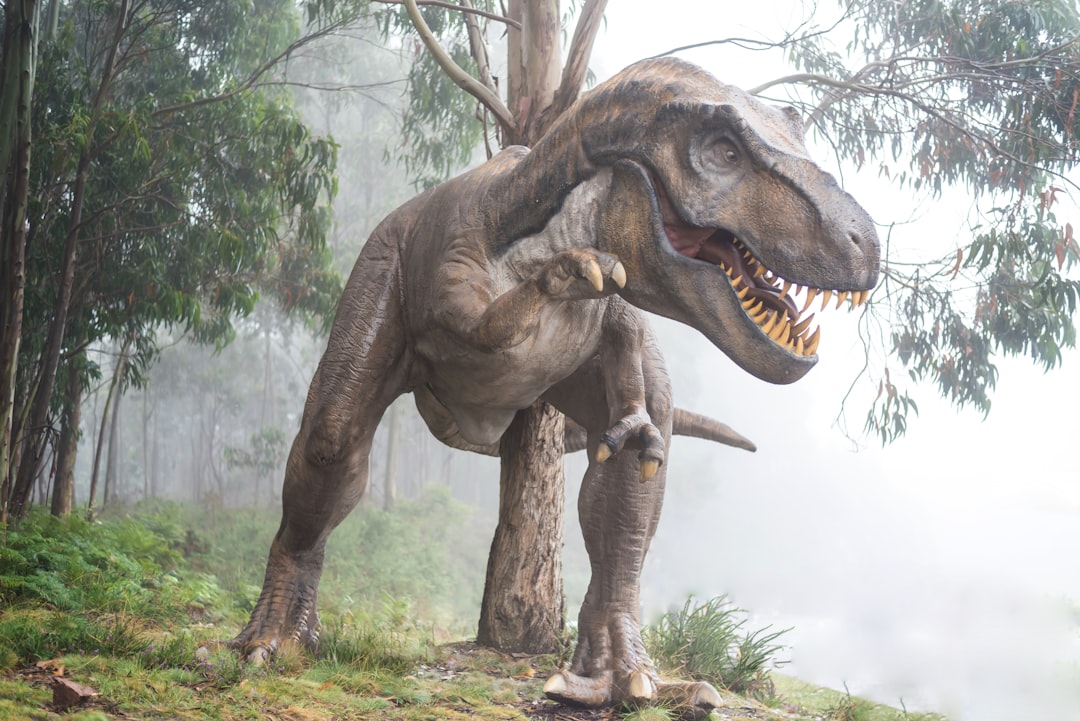
Even the mighty T-Rex wasn’t immune to wanderlust. Recent discoveries suggest that tyrannosaurs were far more mobile than previously thought, with some individuals covering territories that spanned hundreds of miles.
Fossil evidence from different sites shows that T-Rex populations weren’t isolated to small areas but maintained genetic connections across vast distances. This suggests regular movement and interaction between different groups, possibly following migrating prey species.
The discovery of T-Rex fossils in locations separated by thousands of miles indicates that these apex predators were capable of incredible journeys. Some researchers speculate that young tyrannosaurs may have dispersed over long distances to establish new territories, much like modern big cats do today.
Sauropod Superhighways
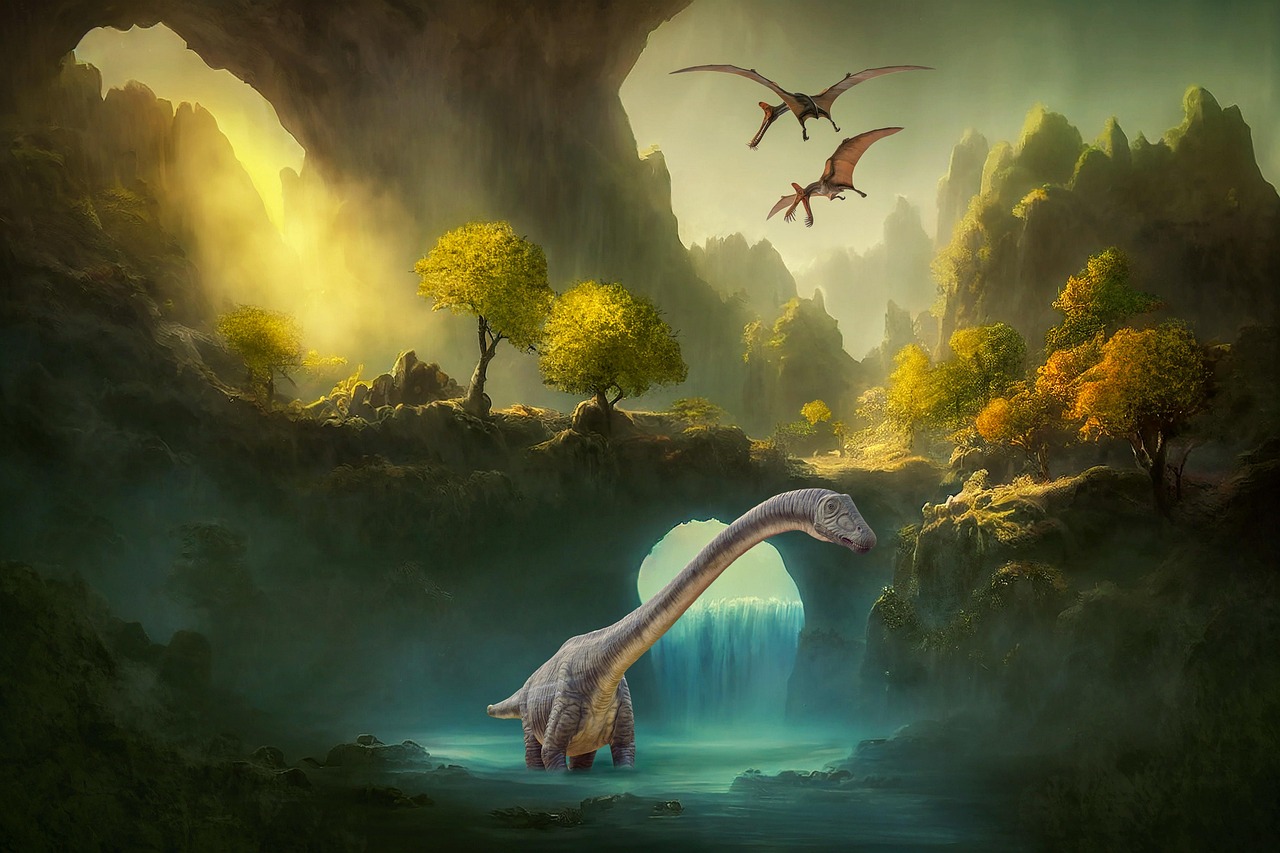
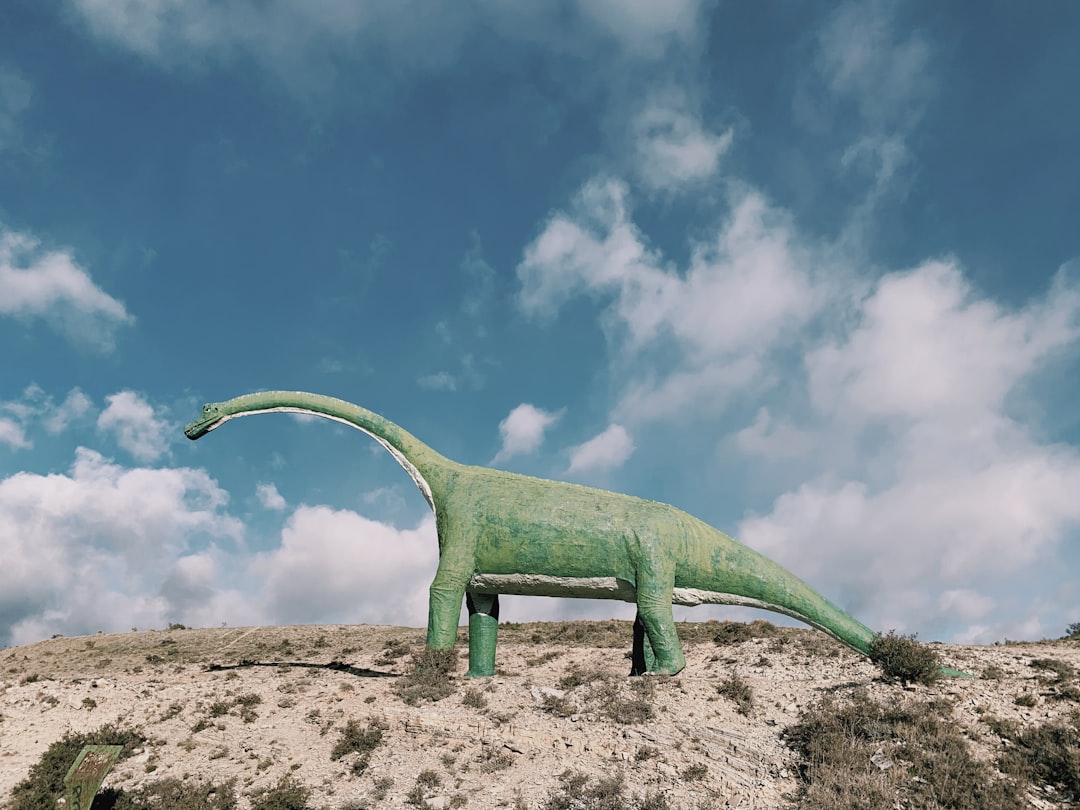
The long-necked sauropods created some of the most impressive ancient highways ever discovered. These giants, including species like Brontosaurus and Diplodocus, left behind trackways that stretch for incredible distances across multiple states.
What’s particularly remarkable about sauropod migrations is the logistics involved. These animals weighed as much as modern elephants but traveled in herds that could number in the hundreds. The amount of vegetation they consumed would have stripped entire regions bare, necessitating constant movement to find fresh food sources.
Their massive size also meant they could cross geographical barriers that would have stopped smaller dinosaurs. Rivers, marshlands, and rough terrain were no match for creatures that stood 40 feet tall and weighed 80 tons.
Climate Drivers of Ancient Migrations
The Mesozoic era experienced significant climate fluctuations that drove dinosaur populations to seek more favorable conditions. Ice ages, volcanic activity, and changing sea levels all played roles in shaping migration patterns.
During cooler periods, dinosaurs moved toward equatorial regions where temperatures remained more stable. Conversely, during warmer epochs, they could expand their ranges into previously uninhabitable polar regions.
Seasonal changes were particularly dramatic during certain periods, with some regions becoming completely uninhabitable for months at a time. This forced dinosaurs to develop sophisticated migration strategies that ensured their survival through changing conditions.
The Social Network of Prehistoric Travel

Dinosaur migrations weren’t solitary affairs – they were complex social events that involved multiple species traveling together. Fossil evidence shows that herbivorous species often traveled in mixed groups, providing mutual protection and shared navigation knowledge.
These traveling communities developed sophisticated communication systems to coordinate their movements. Recent research suggests that some dinosaurs used low-frequency vocalizations that could travel for miles, allowing scattered groups to stay in contact during long journeys.
The social aspects of these migrations may have been just as important as the physical journey itself. Young dinosaurs learned migration routes from their elders, ensuring that knowledge accumulated over millions of years was passed down through generations.
Predator-Prey Dynamics on the Move
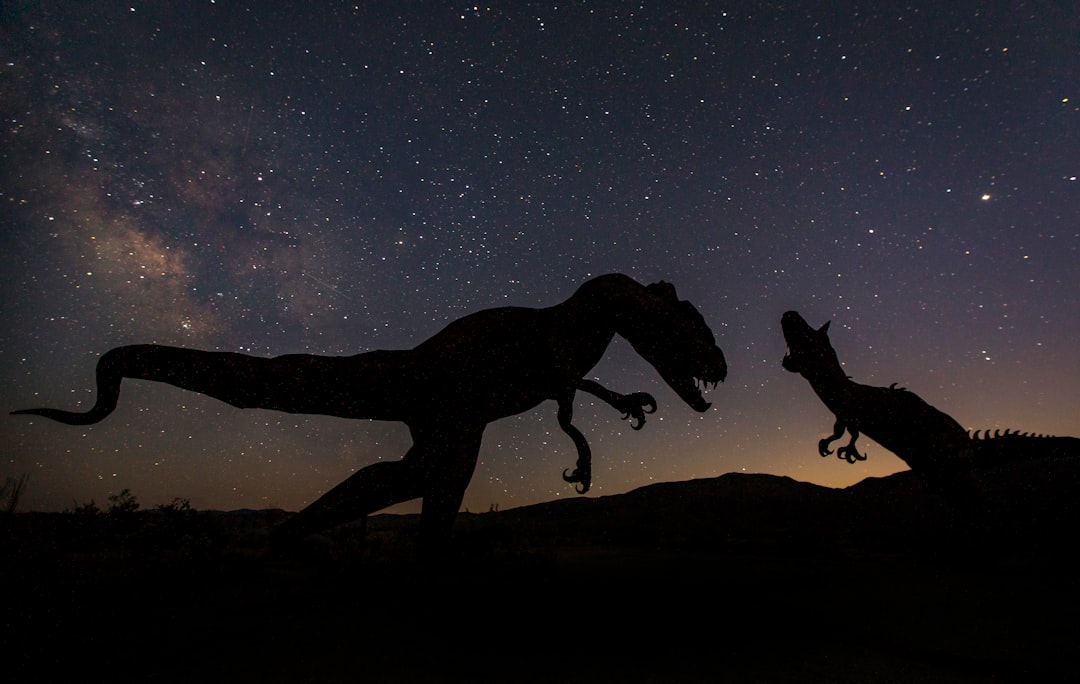
Where massive herds of herbivorous dinosaurs traveled, carnivorous species were never far behind. The migration routes became hunting grounds for predators who followed the herds like modern wolves following caribou.
This created a complex ecosystem in motion, with different species playing various roles in the traveling community. Some carnivores specialized in picking off weak or injured animals, while others may have formed temporary alliances to take down larger prey.
The constant movement also meant that no single area was overhunted, allowing ecosystems to recover between migrations. This natural balance helped maintain the incredible diversity of dinosaur species we see in the fossil record.
Modern Technology Reveals Ancient Secrets
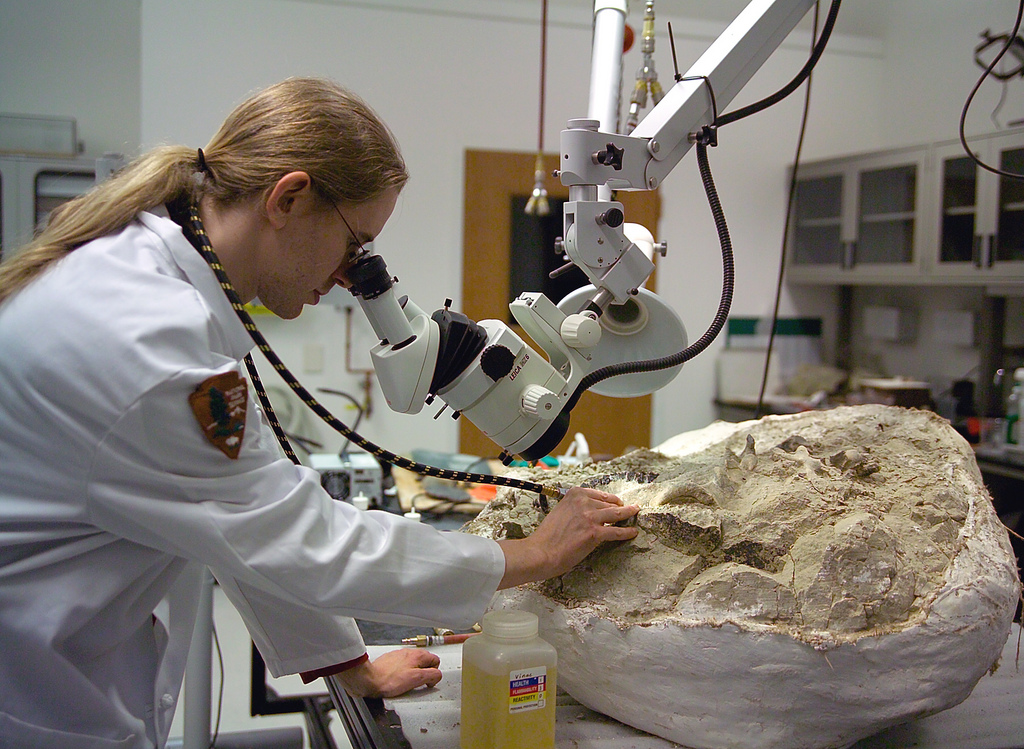
Today’s paleontologists use cutting-edge technology to uncover the secrets of dinosaur migrations. Ground-penetrating radar can detect buried trackways, while satellite imagery helps identify potential fossil sites across vast areas.
Computer modeling allows scientists to reconstruct ancient climates and predict where dinosaurs might have traveled based on environmental conditions. This technology has led to discoveries in previously unexplored regions, revealing migration routes that spanned entire continents.
3D scanning of fossilized tracks provides incredibly detailed information about how dinosaurs moved, including their walking speed, stride length, and even whether they were carrying injuries that might have affected their travel.
The Legacy of Ancient Wanderers
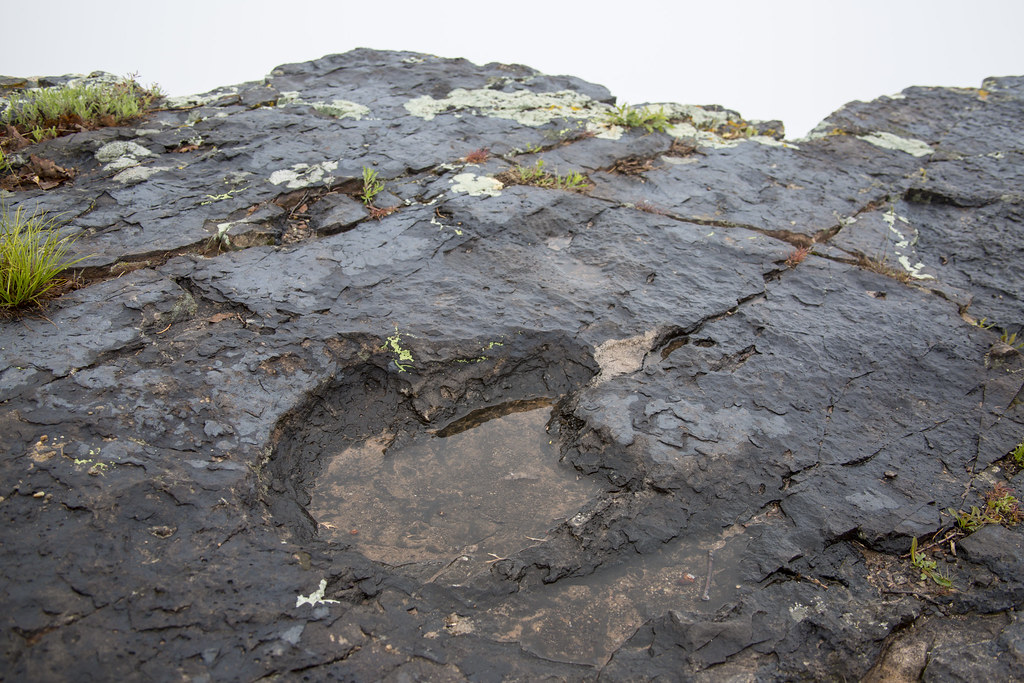
The discovery of dinosaur migration routes has fundamentally changed our understanding of these ancient creatures. They weren’t just local residents of prehistoric neighborhoods – they were sophisticated travelers who possessed complex behavioral adaptations for long-distance movement.
Modern conservation efforts can learn valuable lessons from these ancient migration patterns. Understanding how species moved across landscapes in the past can help us design better wildlife corridors and protect critical habitats for today’s migrating animals.
The tracks left behind by these ancient wanderers serve as a reminder of the incredible adaptability and resilience of life on Earth. They show us that movement and migration have been essential survival strategies for millions of years.
Conclusion: The Endless Journey Continues
The story of dinosaur migrations is far from over. Each new discovery adds another piece to the puzzle of how these incredible creatures lived, moved, and survived for over 160 million years. From the Arctic to the equator, from coastal plains to mountain valleys, dinosaurs truly walked across the world in ways that continue to amaze and inspire us today.
These ancient highways remind us that our planet has always been a place of movement and change, where life finds ways to adapt and thrive across incredible distances and through dramatic environmental shifts. The next time you see a flock of birds migrating overhead or a herd of animals crossing a landscape, remember that you’re witnessing a behavior that has roots stretching back hundreds of millions of years.
What secrets do you think these ancient pathways still hold waiting to be discovered?