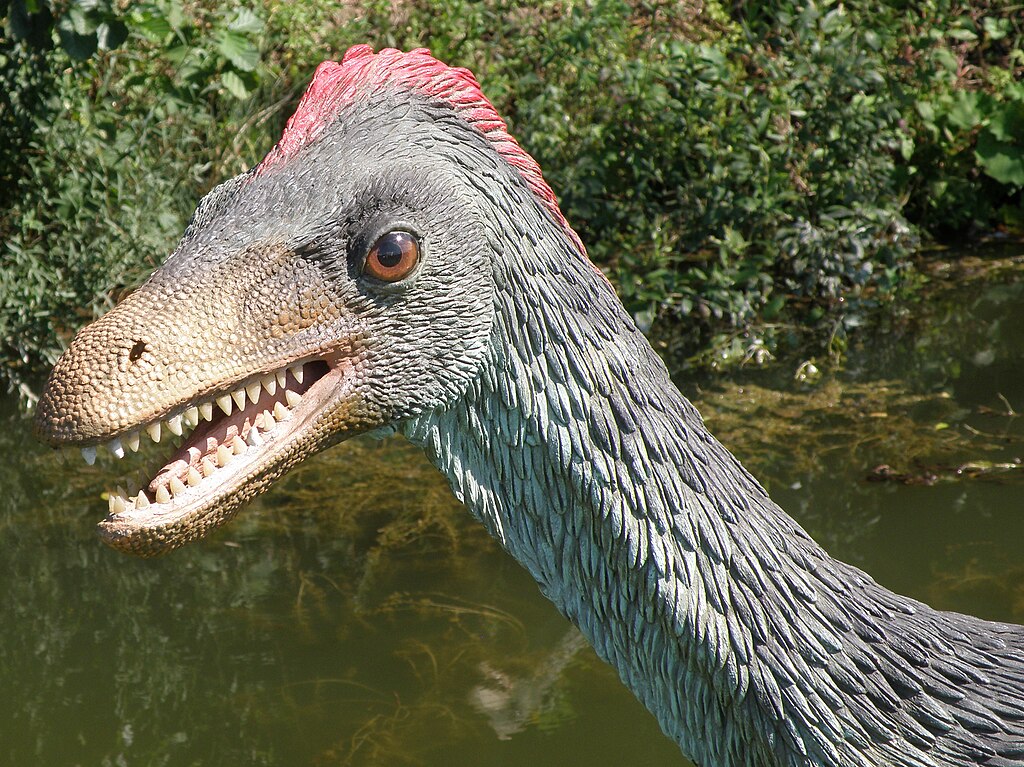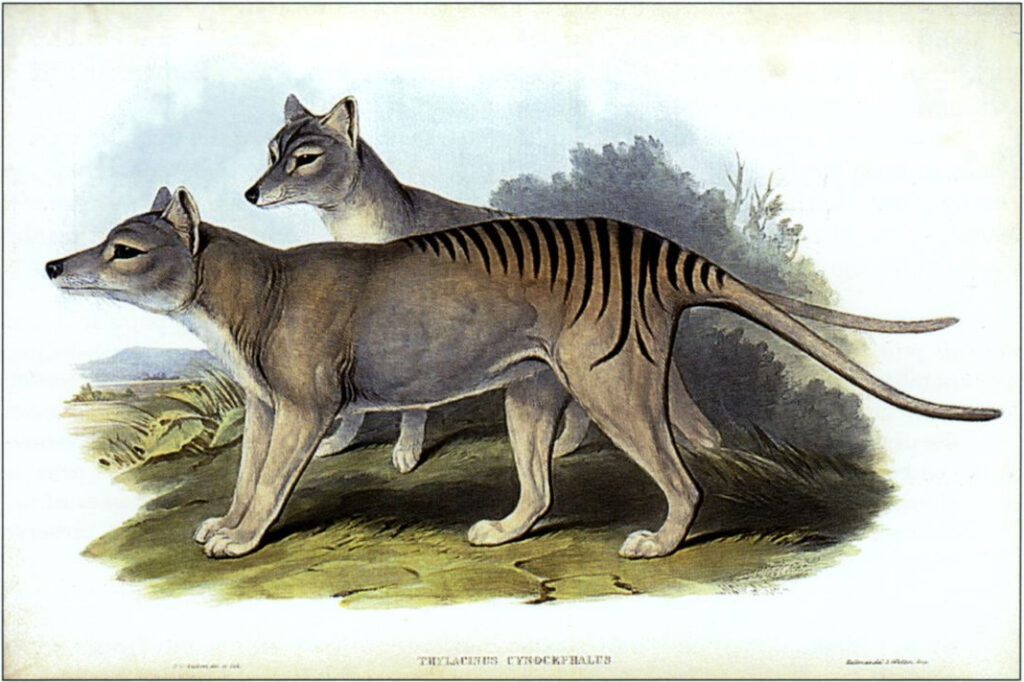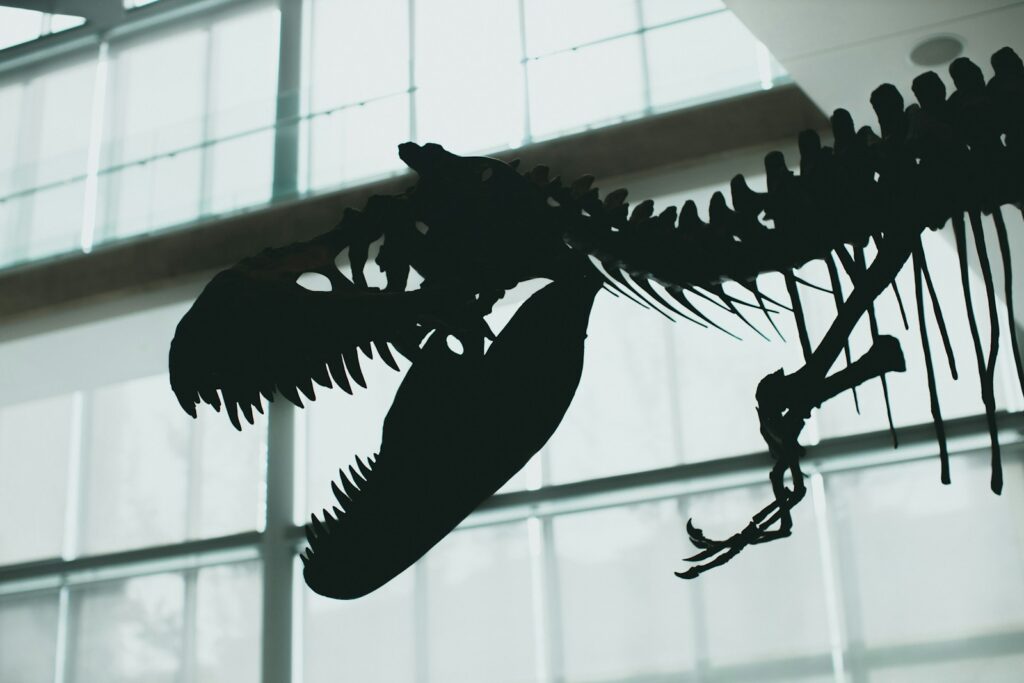
Imagine a world where giants walked the Earth for over 165 million years, outlasting every mammal species that has ever existed. While humans have been around for a mere 300,000 years, dinosaurs ruled our planet for an almost incomprehensible span of time. Their success wasn’t just luck or circumstance – it was the result of evolutionary brilliance that allowed them to conquer land, sea, and sky. From the tiniest feathered creatures to the massive long-necked titans, dinosaurs developed a toolkit of survival strategies that modern scientists are still unraveling. Their dominance reshaped ecosystems, influenced climate patterns, and set the stage for the world we know today.
Revolutionary Breathing Systems That Powered Giants
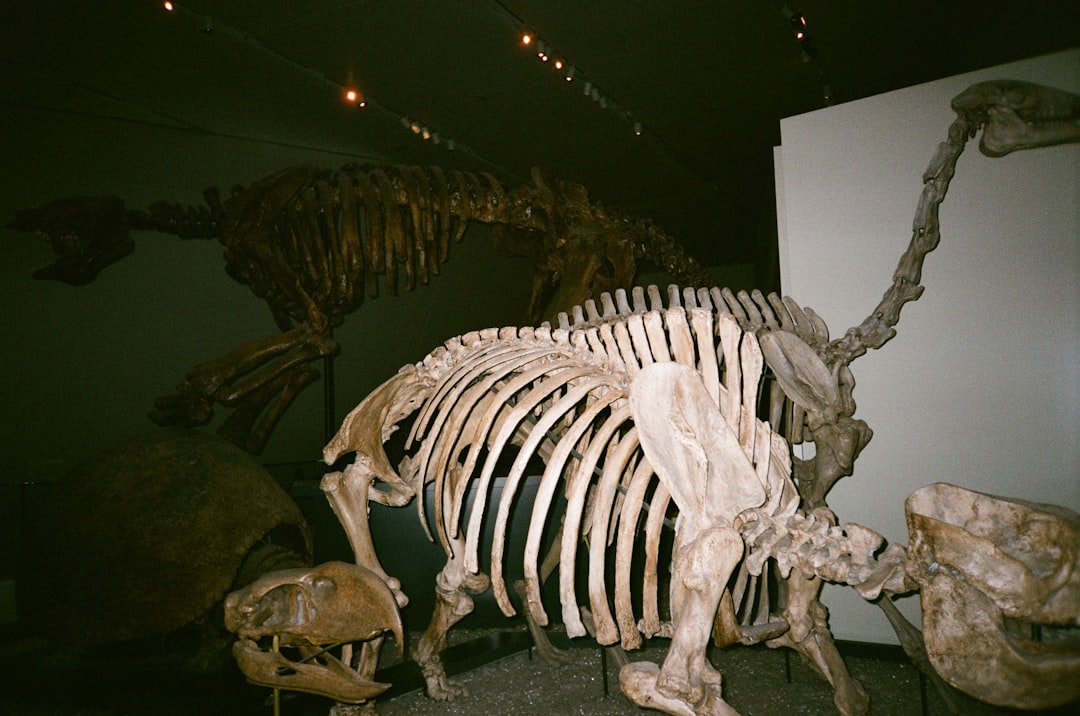
The secret to dinosaur success lay literally in their ability to breathe. Unlike mammals, many dinosaurs evolved a revolutionary respiratory system that resembled modern birds more than any land animal we know today. This air-sac system allowed oxygen to flow through their lungs in one direction, creating a continuous stream of fresh air that was far more efficient than our in-and-out breathing pattern.
This breathing advantage meant dinosaurs could extract more oxygen from each breath, giving them the energy needed to grow to enormous sizes. A Brachiosaurus weighing 50 tons could still move gracefully across landscapes because its respiratory system could fuel such massive bodies. The efficiency was so remarkable that it allowed some species to thrive in low-oxygen environments where mammals would struggle to survive.
Hollow Bones: The Engineering Marvel
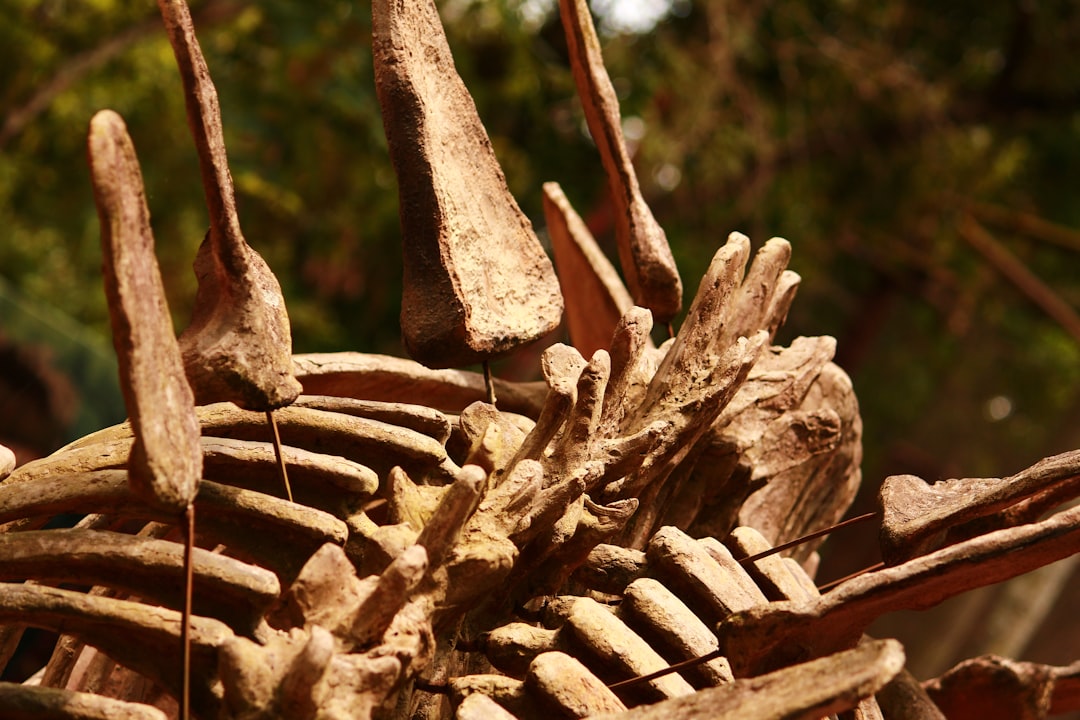
Dinosaurs cracked the code of being both large and agile through their hollow bone structure. These bones weren’t just empty spaces – they were sophisticated engineering marvels filled with air sacs connected to their respiratory system. Think of them as natural honeycomb structures that provided maximum strength with minimum weight.
This innovation allowed massive predators like Allosaurus to chase down prey with surprising speed, while enormous sauropods could lift their heads high into the treetops without toppling over. The hollow bones also served as part of their breathing apparatus, making every step a contribution to their oxygen intake. Modern birds inherited this feature, which explains why a tiny sparrow can fly thousands of miles during migration.
Diverse Diets: The Ultimate Survival Strategy
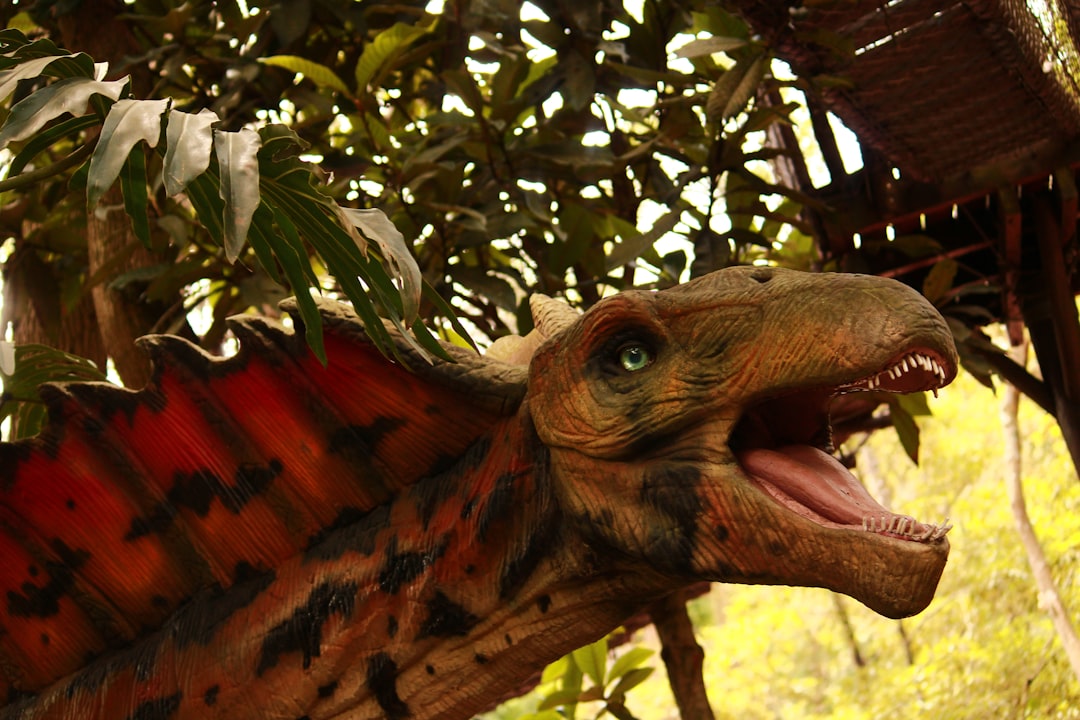
While many people picture dinosaurs as fierce meat-eaters, the reality was far more diverse and strategic. Dinosaurs evolved to eat everything imaginable – from delicate flowers to massive tree trunks, from small insects to other dinosaurs. This dietary flexibility meant they could exploit every available food source in their environments.
Some developed specialized teeth for stripping leaves, others had powerful jaws for crushing bones, and many had beaks perfectly shaped for their favorite foods. The variety was staggering: some dinosaurs even evolved to eat stones to help digest tough plant matter in their stomachs. This adaptability meant that when environmental conditions changed, different species could step in to fill new ecological roles.
Temperature Regulation: Hot-Blooded Advantage
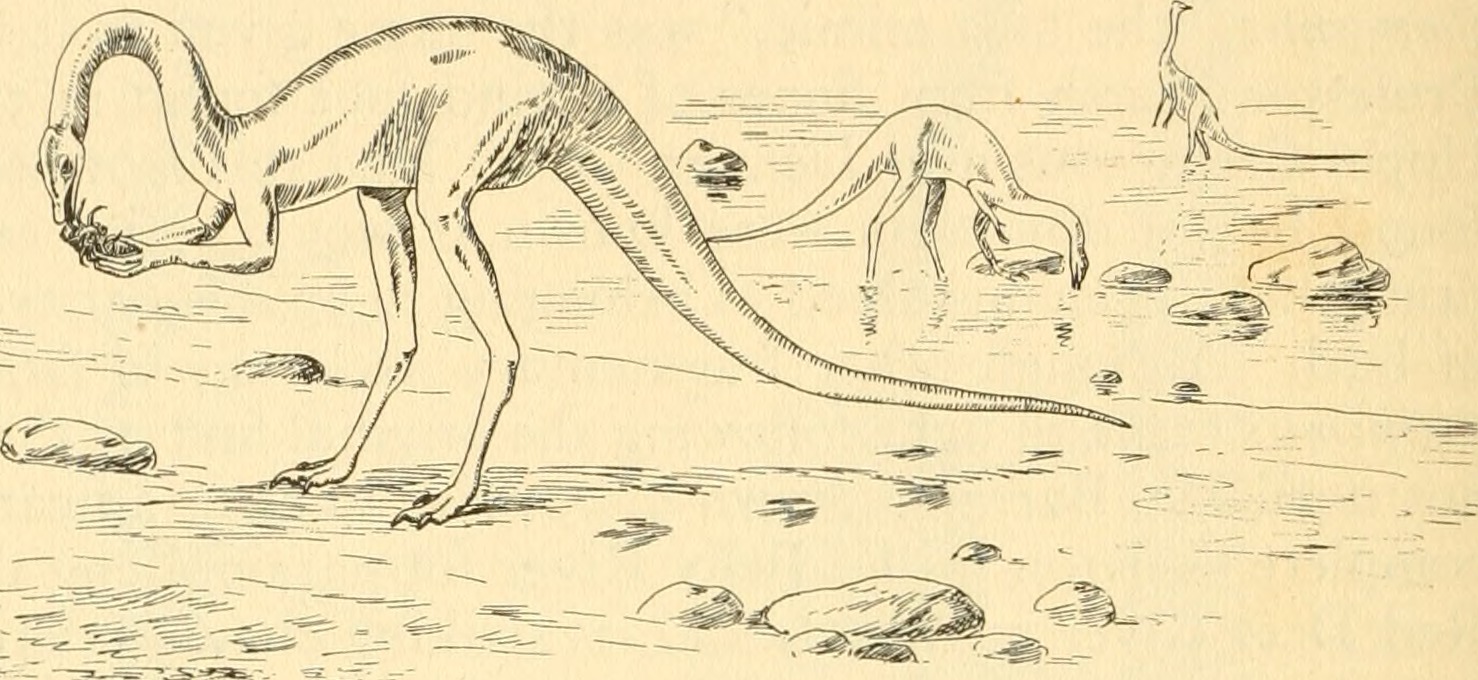
Recent discoveries have shattered the old image of dinosaurs as sluggish, cold-blooded reptiles. Evidence now suggests that many dinosaurs were warm-blooded, or at least had sophisticated temperature regulation systems that gave them significant advantages over their cold-blooded competitors. This meant they could remain active during cooler periods when other animals became sluggish.
Some dinosaurs developed elaborate feathered displays and crests that likely helped regulate body temperature, while others may have used behavioral strategies like group huddling or strategic positioning in sunlight. The ability to maintain consistent body temperature allowed them to hunt at dawn and dusk when prey was most vulnerable, giving them an edge in the eternal struggle for survival.
Social Intelligence and Pack Behavior

Forget the image of dinosaurs as solitary monsters – many species developed complex social behaviors that would make modern wolves envious. Evidence from fossil trackways and bone beds suggests that numerous dinosaur species hunted in coordinated packs, raised their young communally, and even mourned their dead.
Velociraptors, for instance, likely worked together to bring down prey much larger than themselves, using sophisticated communication and coordinated attacks. Some hadrosaurs formed vast herds that could number in the thousands, providing protection through sheer numbers. These social structures allowed dinosaurs to tackle challenges that would have been impossible for solitary animals to overcome.
Rapid Reproduction and Growth Rates
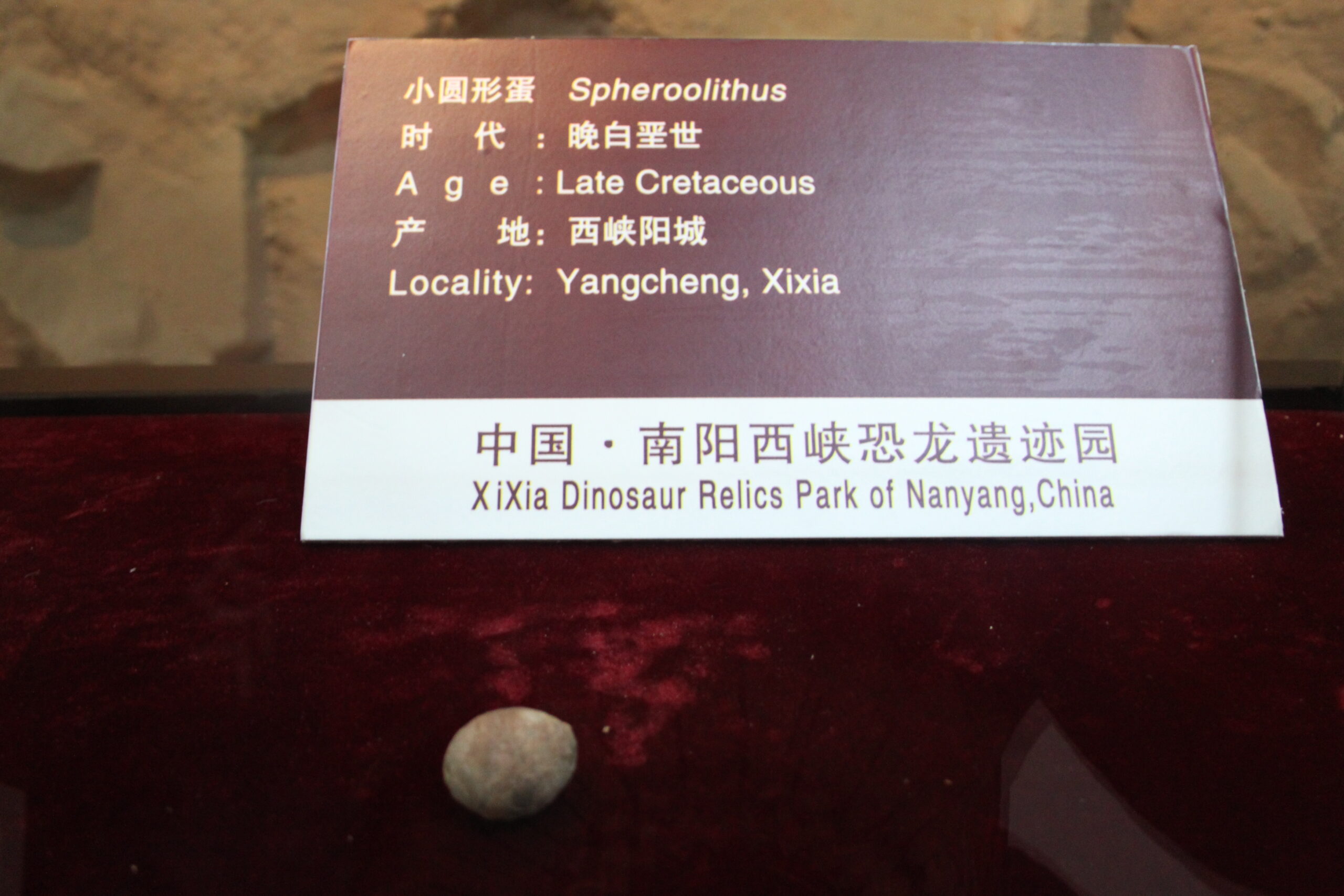
Dinosaurs mastered the art of rapid reproduction and growth, allowing them to quickly bounce back from disasters and colonize new territories. Many species could reach sexual maturity in just a few years, despite eventually growing to enormous sizes. This fast-track approach to life meant populations could recover quickly from setbacks.
Some dinosaurs laid dozens of eggs at once, while others showed remarkable parental care that increased offspring survival rates. The combination of quantity and quality in reproduction gave dinosaurs a significant advantage over competitors who invested more time and energy in fewer offspring. This reproductive strategy proved crucial during periods of environmental stress when quick population recovery meant the difference between survival and extinction.
Adaptable Limb Structures
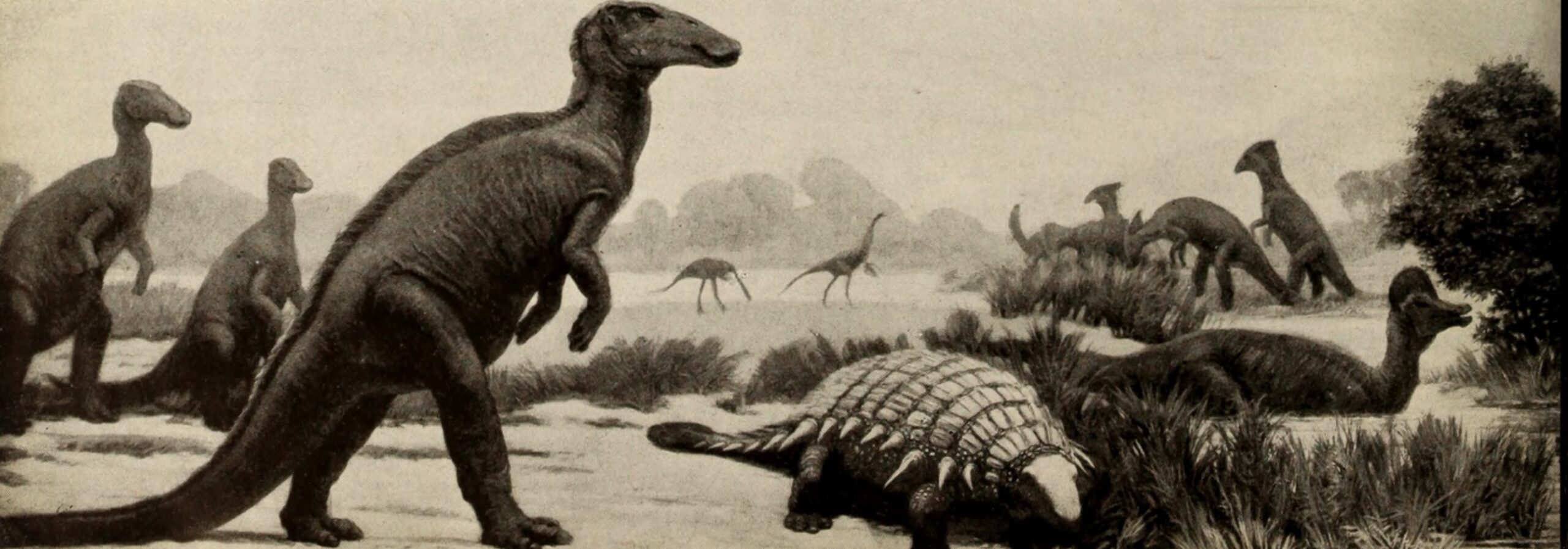
The diversity of dinosaur limb structures was nothing short of revolutionary. Some evolved powerful legs for running at speeds that would challenge modern racehorses, while others developed arms that could manipulate objects with surprising dexterity. The famous “terrible claws” of raptors could slash through tough hide, while the massive arms of some species could lift weights that would challenge modern machinery.
Different species optimized their limbs for their specific lifestyles – diggers developed powerful claws, swimmers evolved paddle-like appendages, and climbers had grasping hands with opposable digits. This morphological flexibility allowed dinosaurs to exploit every available ecological niche, from underground burrows to towering treetops.
Advanced Sensory Systems
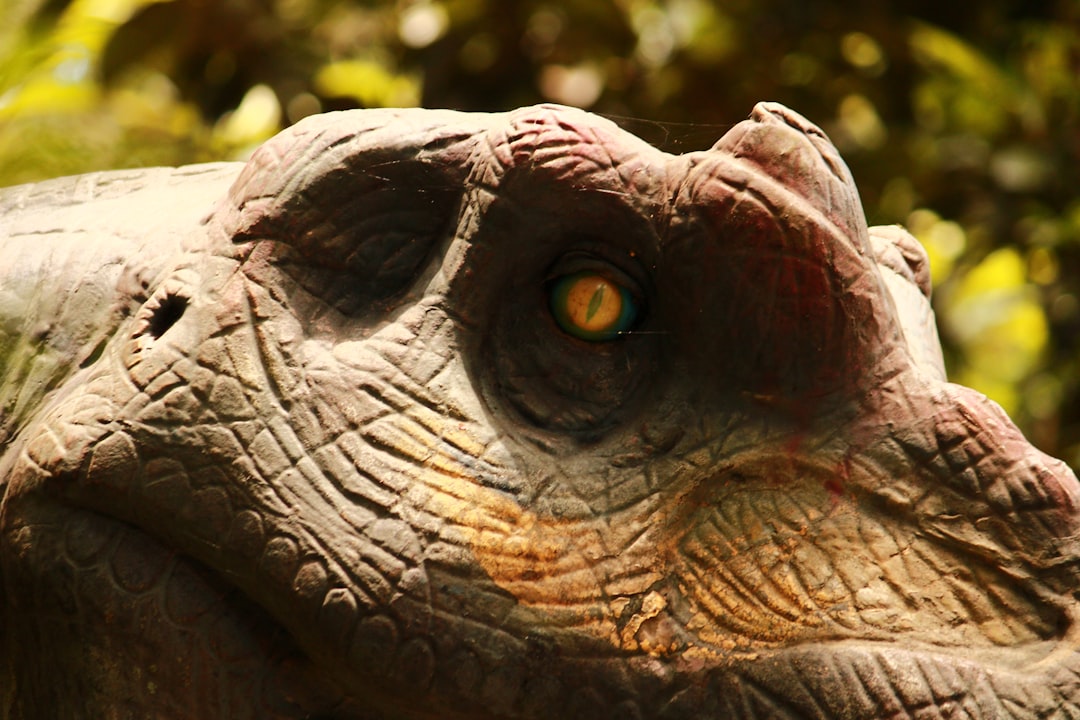
Dinosaurs weren’t just physically impressive – they were sensory superstars with capabilities that often exceeded modern animals. Many species had exceptionally acute hearing, allowing them to detect the slightest sounds from potential prey or predators. Some developed enlarged brain regions dedicated to processing smell, giving them the ability to track scents across vast distances.
Vision was equally remarkable, with some dinosaurs possessing forward-facing eyes for precise depth perception during hunts, while others had eyes positioned for panoramic surveillance of their surroundings. Certain species may have even seen colors beyond human perception, using specialized visual abilities for communication and mate selection that we’re only beginning to understand.
Feathers: More Than Just Flight
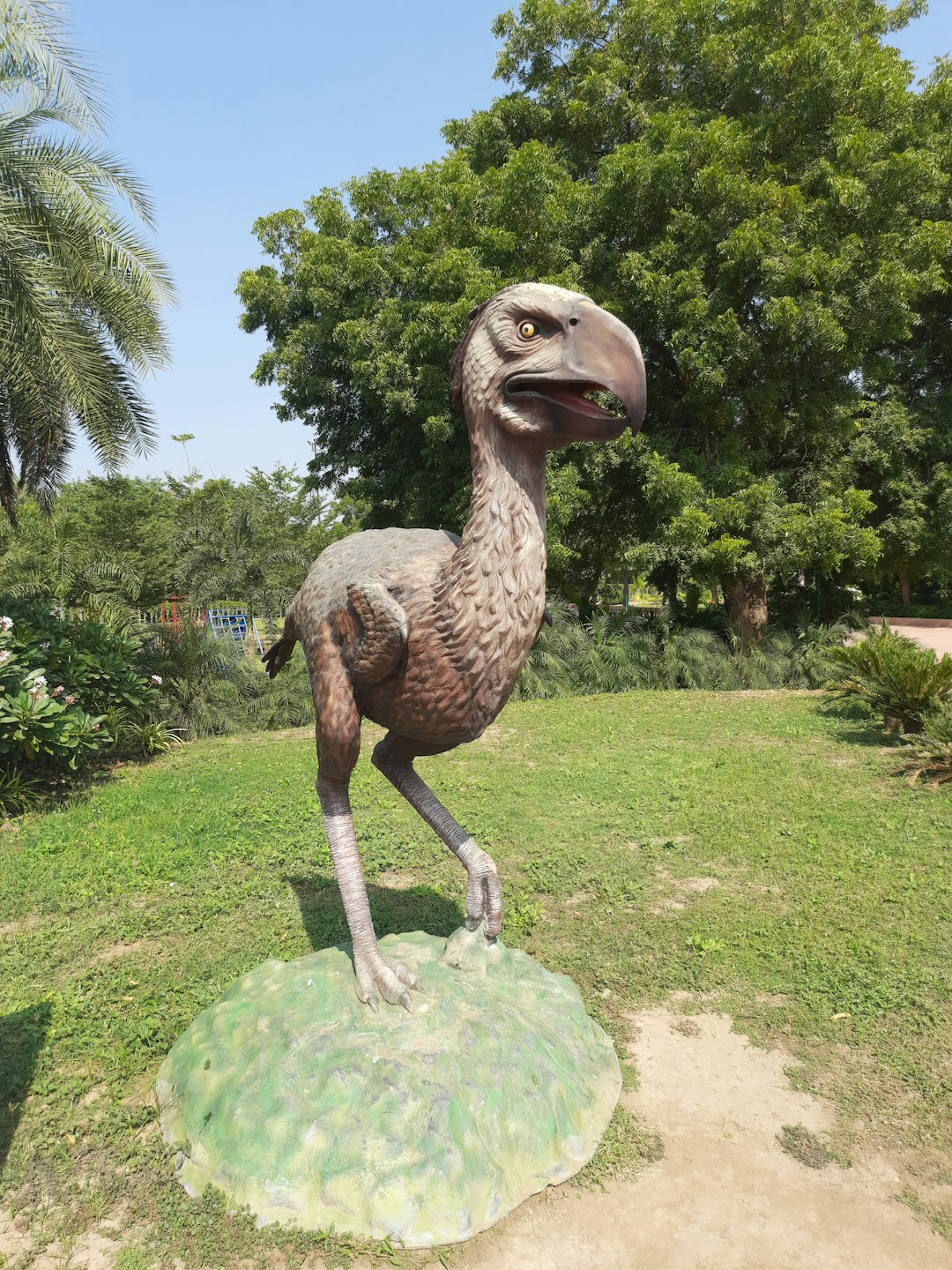
Long before birds took to the skies, dinosaurs were already experimenting with feathers for purposes that went far beyond flight. These remarkable structures served as insulation, camouflage, and stunning display features that played crucial roles in survival and reproduction. Early feathers were likely simple filaments that helped regulate body temperature, giving their owners a significant advantage in varying climates.
As feathers evolved, they became increasingly sophisticated, with some dinosaurs developing elaborate plumage displays that rivaled modern peacocks. These colorful displays weren’t just for show – they were crucial communication tools that helped establish territory, attract mates, and coordinate group activities. The evolution of feathers represented a multi-purpose innovation that opened up entirely new possibilities for dinosaur success.
Efficient Digestive Systems
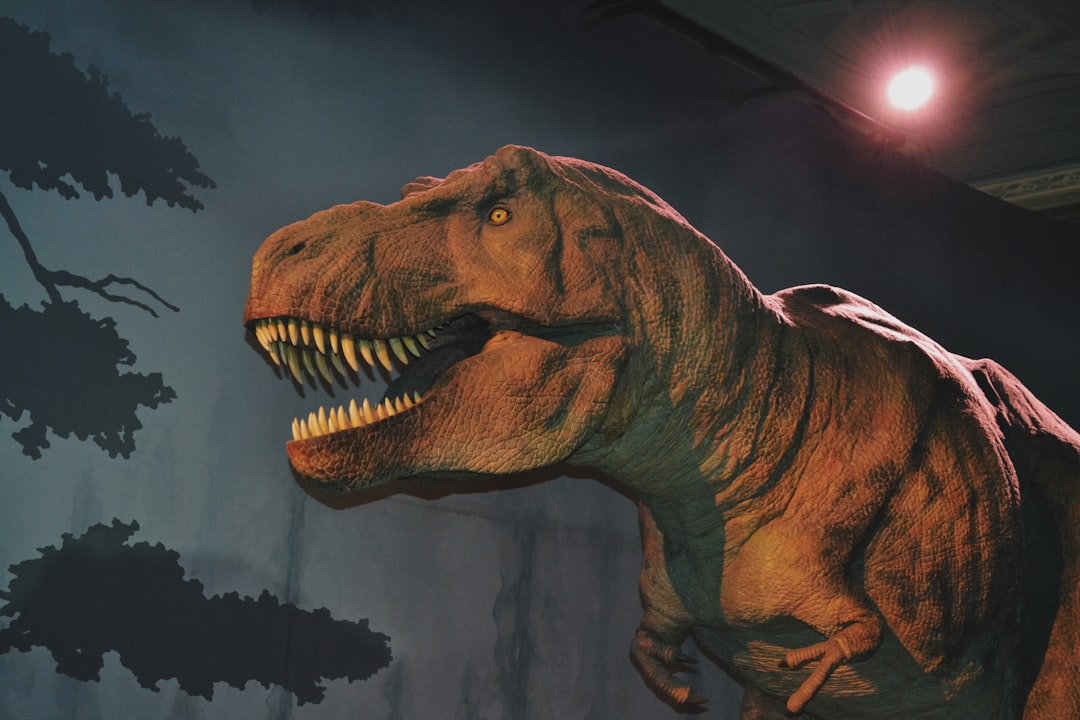
Dinosaurs developed some of the most efficient digestive systems ever seen in land animals, allowing them to extract maximum nutrition from their food sources. Plant-eating dinosaurs evolved multiple stomach chambers and specialized gut bacteria that could break down the toughest vegetation, including woody stems and leaves that would be inedible to most modern animals.
Some species swallowed stones called gastroliths that acted like internal mills, grinding up plant matter to aid digestion. Others developed specialized teeth that could slice through vegetation with remarkable efficiency. Even carnivorous dinosaurs showed adaptations for getting the most from their meals, with some developing the ability to digest bones and extract nutrients that other predators would waste.
Flexible Reproductive Strategies
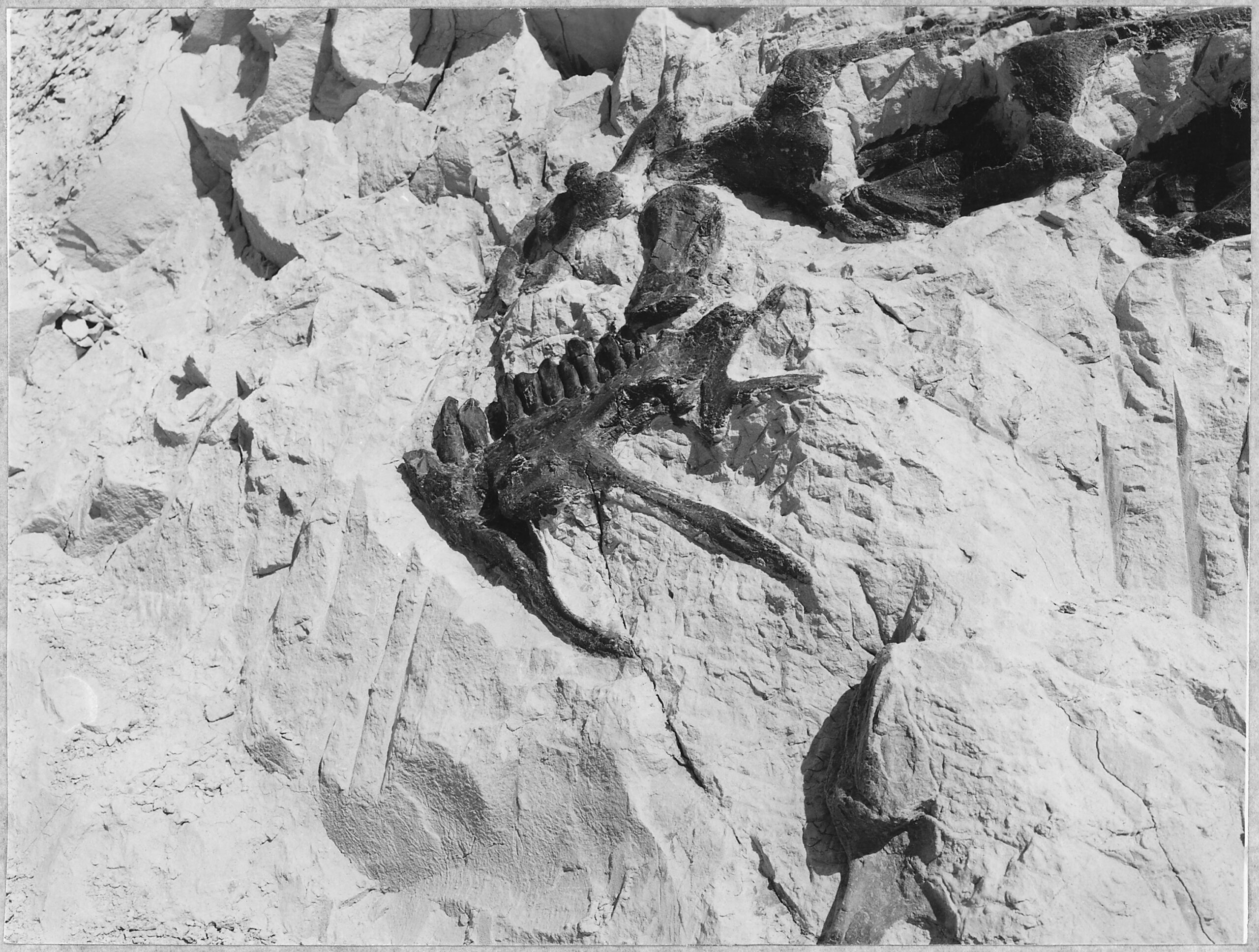
The reproductive strategies of dinosaurs were as diverse as their physical forms, ranging from massive communal nesting sites to elaborate courtship rituals that involved intricate dances and displays. Some species built sophisticated nests with carefully arranged eggs, while others may have been live-bearing like some modern reptiles.
Parental care varied dramatically across species, with some dinosaurs showing evidence of extended family groups where multiple generations helped raise young. Others appeared to use a “shotgun” approach, laying many eggs with minimal parental investment but ensuring that at least some offspring would survive. This flexibility in reproductive strategies meant dinosaurs could adapt to changing environmental conditions and resource availability.
Climate Adaptability
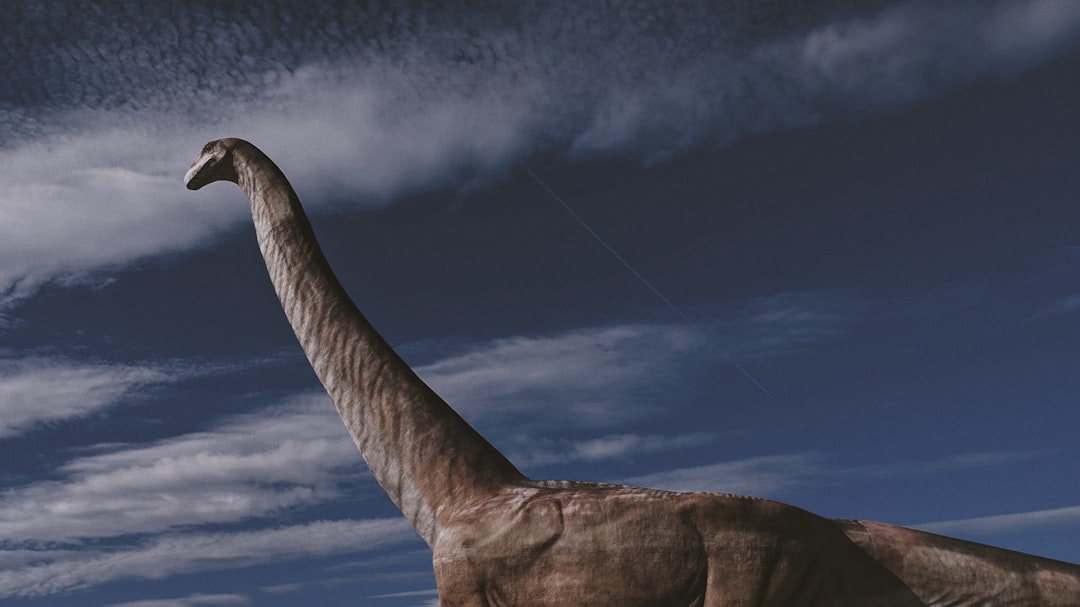
Throughout their reign, dinosaurs faced dramatic climate changes – from ice ages to periods of extreme warmth – yet they consistently found ways to adapt and thrive. Some species developed seasonal migration patterns that allowed them to follow favorable weather conditions, while others evolved specialized adaptations for extreme environments.
During colder periods, feathered dinosaurs had natural insulation that gave them advantages over their competitors. In warmer climates, some developed elaborate cooling systems including specialized blood vessels and behavioral adaptations like seeking shade or wallowing in mud. This climatic flexibility allowed dinosaurs to colonize every continent and adapt to conditions that would challenge even modern animals.
Evolutionary Innovation Speed
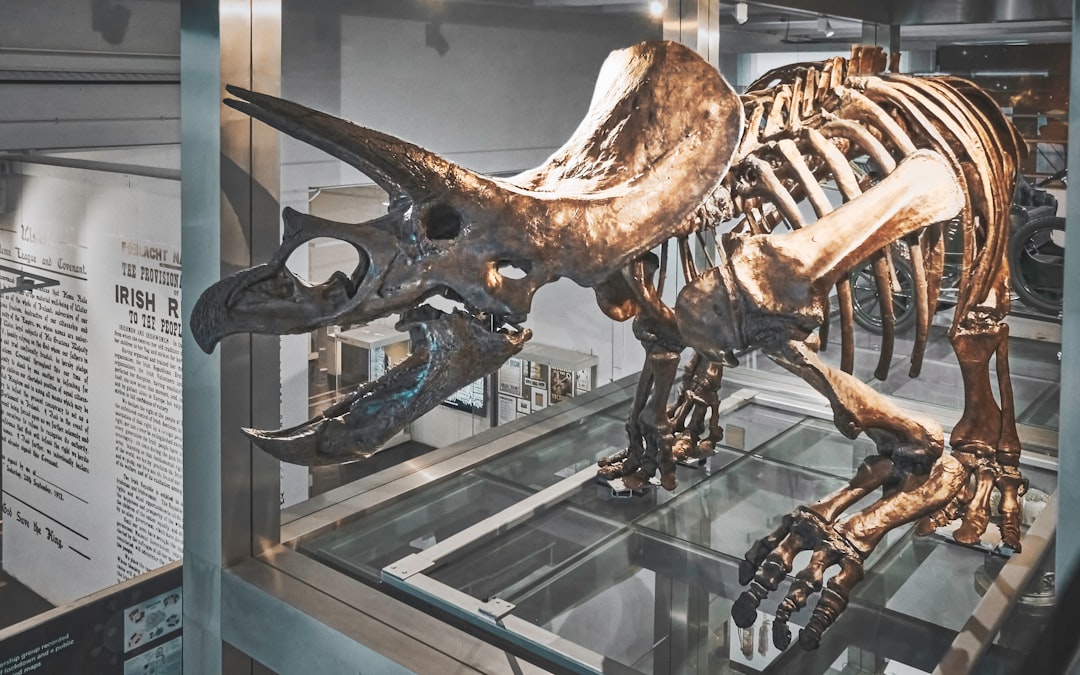
Perhaps most remarkably, dinosaurs demonstrated an incredible capacity for rapid evolutionary change when faced with new challenges or opportunities. Fossil evidence shows that some lineages could develop entirely new body plans and capabilities within relatively short geological timeframes, allowing them to quickly exploit new ecological niches.
This evolutionary agility meant that when one group of dinosaurs faced extinction, others were already evolving to fill the vacant roles. The constant innovation kept dinosaur lineages one step ahead of environmental changes and competitive pressures. From the first simple bipedal forms to the incredible diversity of the late Cretaceous period, dinosaurs never stopped evolving and improving their survival strategies.
The Legacy of Dominance
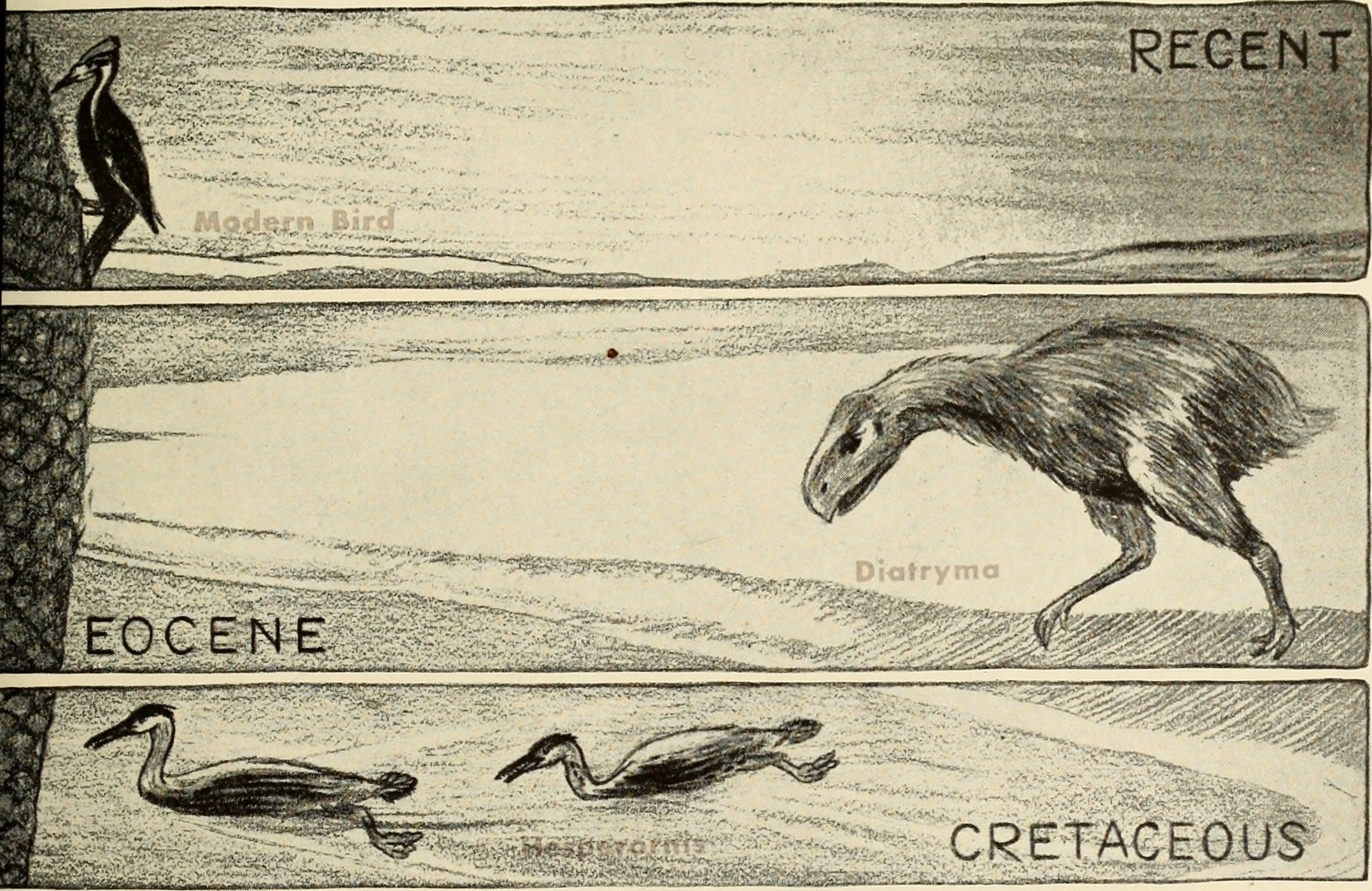
The 165-million-year reign of dinosaurs wasn’t just about individual survival – it was about fundamentally reshaping life on Earth. Their success created the ecosystems that mammals would later inherit, established patterns of predator-prey relationships that still influence modern ecology, and demonstrated that size, intelligence, and adaptability could combine in ways that seemed almost impossible.
Modern birds carry forward the dinosaur legacy, proving that the most successful evolutionary strategies don’t just survive catastrophic events – they transform and continue to thrive. The traits that made dinosaurs dominant continue to influence life on Earth today, from the hollow bones of a hummingbird to the complex social behaviors of modern flocks. When we look at the natural world around us, we’re still seeing the echoes of dinosaur success.
Did you ever imagine that the key to ruling the Earth for 165 million years could be hidden in something as simple as the way you breathe?