
Extinction sounds like a hard, clean fact. One day the last member of a species draws its final breath, a scientist writes the date in a book, and that’s that – gone forever. Except that’s not really how it works, and paleontologists know it better than anyone.
Behind closed doors, many of them will admit that an “extinction date” usually just means the last time somebody happened to be looking. Not the last time the animal actually drew breath. Again and again, fossils, DNA, dusty museum drawers, and even local hunters who were ignored for decades have proven the official record wrong – sometimes by a few decades, sometimes by thousands of years. Here are 11 “extinct” animals that, according to the latest science, quietly outlived their own obituaries.
#11 – The Tasmanian Tiger That May Have Seen Color TV
![#11 - The Tasmanian Tiger That May Have Seen Color TV (Report of the Smithsonian Institution. 1904from the Smithsonian Institution archives. Published example
other information: [1]
Additional information: Female thylacine (front) with juvenile male offspring (rear).(30 September 2020). "A Catalogue of the Thylacine captured on film". Australian Zoologist 41 (2): 143–178. DOI:10.7882/AZ.2020.032., Public domain)](https://nvmwebsites-budwg5g9avh3epea.z03.azurefd.net/dinoworld/ee0e6a188bcecee0808c5e490c79bdee.webp)
Textbooks are confident: the thylacine, better known as the Tasmanian tiger, died out in 1936 when the last captive animal collapsed in a Hobart zoo enclosure, alone and unrecorded. Clean, sad, final. Except the evidence for that ending is a lot messier than the plaque makes it sound.
For decades after 1936, farmers, park rangers, and ordinary motorists across Tasmania kept reporting striped, dog-shaped animals that didn’t move like foxes and didn’t look like feral dogs. Many of these witnesses were experienced bushmen who knew the local wildlife cold. Government bounty hunts and organized searches never produced a body, but several modern statistical models – built on sighting reliability and how much wilderness was actually left to hide in – put the “most likely” extinction date decades later than 1936, possibly stretching into the 1980s.
Fast Facts
- Official extinction date: 1936, the year the last captive thylacine died in a Hobart zoo
- Decades of credible sightings followed from farmers, rangers, and motorists across Tasmania
- No bounty hunt or organized search ever produced a body
- Statistical models push the “most likely” survival window into the 1980s
Tasmania’s interior is rugged enough, and empty enough, to swallow a small, shy predator for a very long time. If even part of this holds up, the last thylacine didn’t die behind bars in a zoo. It died somewhere in the bush, unnoticed, while people at home were watching color television.
#10 – The Dodo That Outlived Its Own Legend
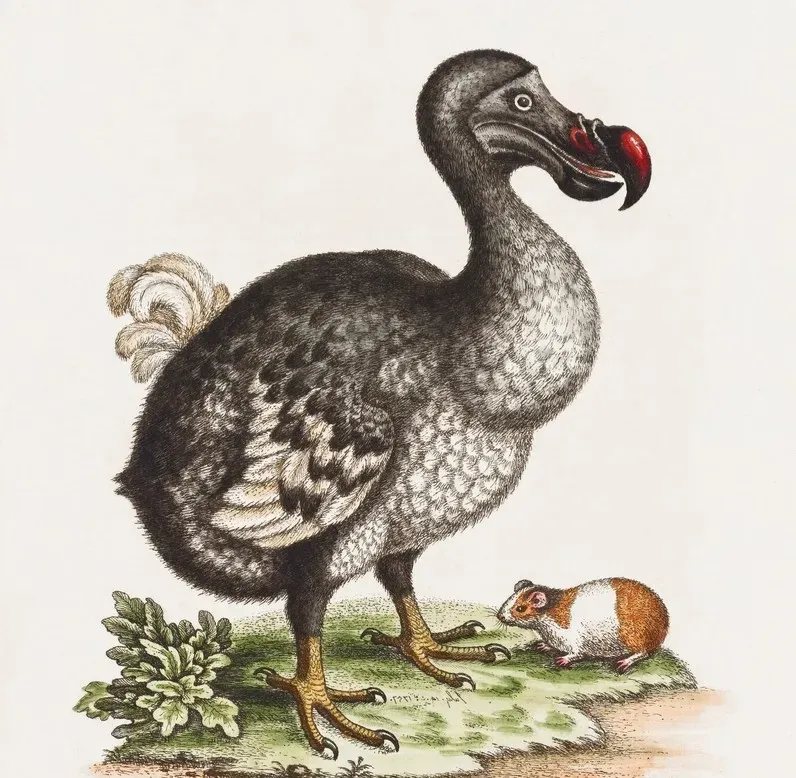
Everyone “knows” the dodo vanished almost as soon as Europeans landed on Mauritius, with the extinction usually rounded off to around 1662. The bird became shorthand for instant, almost comical extinction – clumsy, flightless, doomed. But historians combing through old shipping logs now think that ending was a lot slower and quieter than the legend suggests.
The classic 1662 date comes from a single Dutch sailor’s account, and the written record from that era is heavily biased toward the parts of the island Europeans actually bothered to visit. Re-examinations of letters and ecological data suggest that small, isolated dodo populations could have survived into the early 1700s in Mauritius’s less-traveled forest.
There’s also a simpler explanation hiding in plain sight: sloppy record-keeping. Sailors often wrote about “large birds” or “wild fowl” without naming them specifically, meaning later dodo sightings may have been filed under generic labels and effectively erased before the species was even gone. If that’s true, the dodo’s final years weren’t a dramatic cliff-edge extinction – they were a long, quiet fade nobody thought was worth writing down.
#9 – The Giant Ground Sloth That May Have Met Early Humans
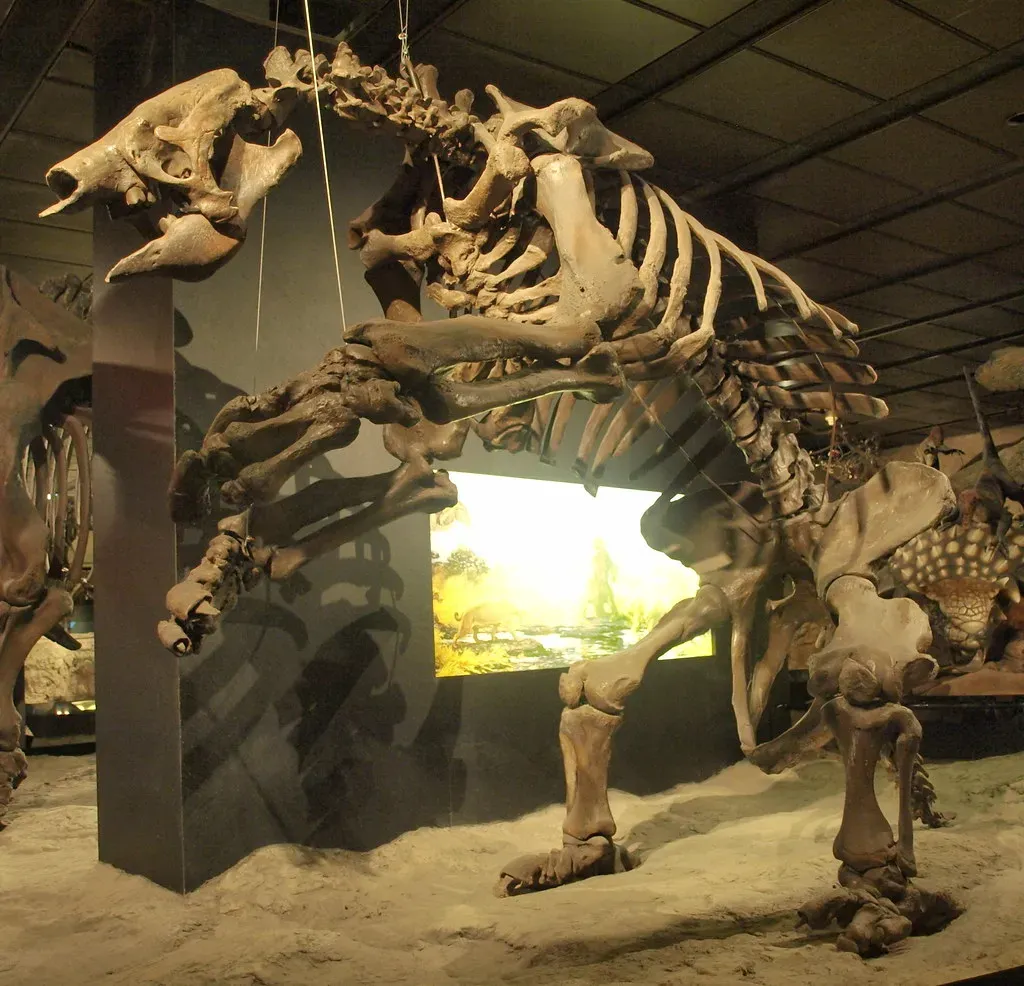
Most schoolbooks lump giant ground sloths in with the rest of the Ice Age megafauna, wiped out roughly 10,000 to 12,000 years ago by some mix of climate change and human hunting. Clean Pleistocene sweep, story over. These were bear-sized, sometimes elephant-sized relatives of today’s sluggish tree sloths, and for a long time nobody questioned their timeline.
Then radiocarbon dating got sharper. In caves and lake beds across South America, researchers pulled dung, bones, and skin fragments that produced surprisingly young dates. Some species, like the ground sloth Mylodon, now appear to have survived thousands of years deeper into the Holocene than anyone expected – potentially overlapping with human settlements far longer than the old story allowed.
One controversial batch of evidence even pointed to preserved collagen and hair in Patagonian caves that could be just a few thousand years old, not strictly “Ice Age.” Indigenous oral histories describing enormous, strange animals in the forest line up eerily well with these late dates. Instead of a tidy extinction at the end of the last glacial period, ground sloths likely clung on in scattered refuges – long enough to become monsters in somebody’s grandparents’ stories.
#8 – The Woolly Mammoth That Was Still Around for the Pyramids
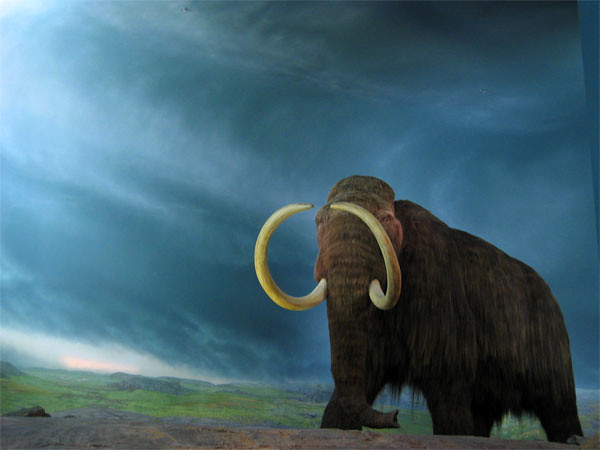
People love picturing woolly mammoths dying out alongside the last spear-wielding mammoth hunters. It’s dramatic. It’s also wrong. The big continental herds did collapse around 10,000 years ago, but a handful of stubborn populations survived in total isolation on Arctic islands, and the evidence for how long they lasted is staggering.
On Wrangel Island off Siberia, radiocarbon dating of bones and tusks shows mammoths were still alive roughly 4,000 years ago – meaning they were shuffling through Arctic snow while the Great Pyramid of Giza already stood finished in Egypt. Genetic studies of these remains show inbreeding and strange mutations, the fingerprints of a tiny, dying population running out of room.
Quick Compare
- Mainland herds: collapsed roughly 10,000 years ago
- Wrangel Island (Siberia): survived to about 4,000 years ago, overlapping with the finished Great Pyramid
- St. Paul Island (Alaska): held on until roughly 5,600 years ago
These weren’t the majestic Ice Age titans of cave paintings anymore. They were a beleaguered, genetically damaged remnant clinging to a shrinking island. A similar story shows up on St. Paul Island in Alaska, where mammoths held on until roughly 5,600 years ago. While humans elsewhere were inventing writing and building cities, a few shaggy survivors were still out there, alone, in the cold.
#7 – The Coelacanth That Outsmarted “Extinction” By 65 Million Years
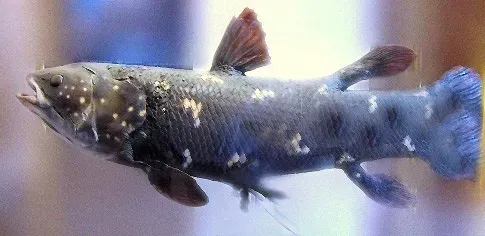
If one animal deserves to humble science, it’s the coelacanth. This strange, lobe-finned fish was believed to have died out in the same mass extinction that killed the dinosaurs, 66 million years ago. Every fossil was ancient. Every textbook said the lineage was gone. There was no ambiguity – until there suddenly was.
In 1938, a South African trawler hauled up a very alive, very confused-looking coelacanth from the Indian Ocean. It wasn’t a distant look-alike; it was a direct relative of the “extinct” fossil group, essentially a living fossil pulled straight out of the past. The scientist who examined it, J.L.B. Smith, put the shock into words that still get quoted today.
I would hardly have been more surprised if I had seen a dinosaur walking down the street.
J.L.B. Smith
Later expeditions found thriving populations near the Comoros Islands and Indonesia. Genetic work shows modern coelacanths diverged from their fossil relatives tens of millions of years ago while keeping the same basic body plan the entire time. While science confidently stamped the group “extinct since the Cretaceous,” they were simply swimming in deep, poorly explored water the whole time – the ultimate reminder that absence of evidence is not evidence of absence.
#6 – The Takahe: A Flightless Bird That Hid in Plain Sight for 50 Years
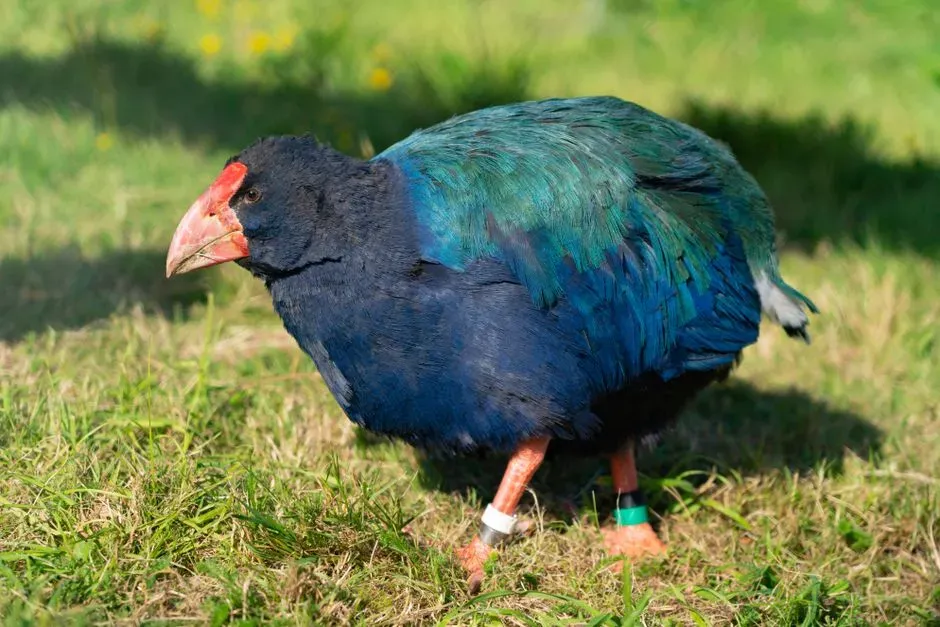
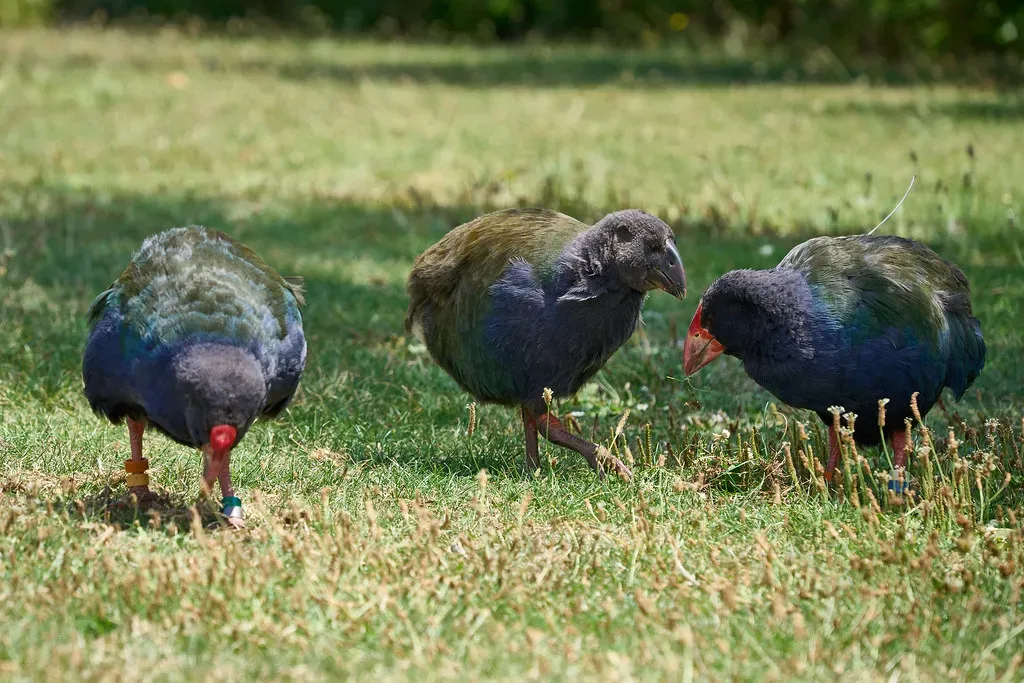
New Zealand’s flightless birds are basically extinction magnets, and the South Island takahe seemed like just another casualty. This chunky, purple-blue rail was declared extinct in the late 1800s after habitat loss and introduced predators tore through its population. For decades, that was simply accepted fact.
Then, in 1948, an amateur naturalist named Geoffrey Orbell followed a string of odd local reports into remote Fiordland valleys – and found something nobody expected. Not a lone survivor, but an entire hidden colony of takahe that had been quietly surviving in alpine tussock grasslands the whole time, decades past its official obituary.
The bird’s bright colors and clumsy waddle hadn’t saved it. Sheer inaccessibility had. Genetic and ecological studies since then show these birds adapted their behavior to dodge predators and human disturbance in terrain almost nobody bothered to search. The takahe is still endangered today, but its story remains one of the cleanest proofs that an “extinction” date can simply be wrong.
#5 – The Pygmy Mammoths That Outlived the Age of Mammoths
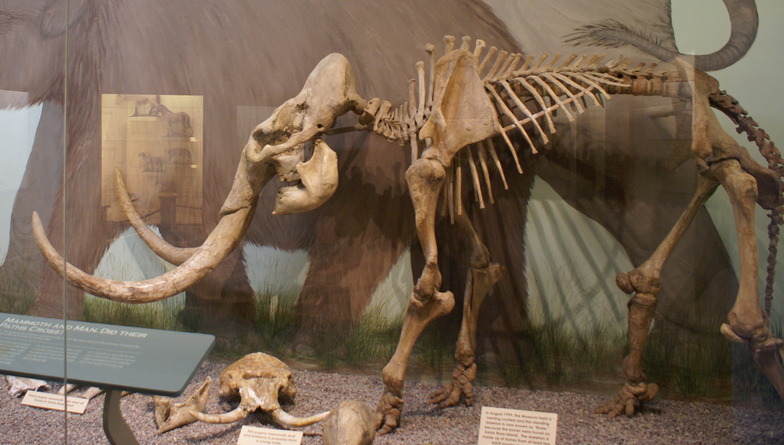
Almost everyone has heard of woolly mammoths. Almost nobody realizes North America also had a dwarf cousin living on California’s Channel Islands. These pygmy mammoths shrank over generations through classic island dwarfism, and for years paleontologists assumed they vanished alongside other North American megafauna, around 11,000 to 12,000 years ago.
Improved radiocarbon dating has complicated that tidy timeline. Some island mammoth bones now date to at least about 11,000 years ago – possibly a few centuries later than their mainland relatives, and some researchers argue even that estimate is too conservative.
That gap might sound small, but it means these island giants persisted in their own private refuge after the broader mammoth world had already collapsed around them. In effect, these pygmy mammoths outlived the “age of mammoths” itself, holding on over scrubby island hillsides while climate and sea levels reshaped everything beyond their shore. Islands, it turns out, have a habit of stretching a species’ clock well past its mainland expiration date.
#4 – The Giant Moa That May Have Lingered in New Zealand’s Backcountry
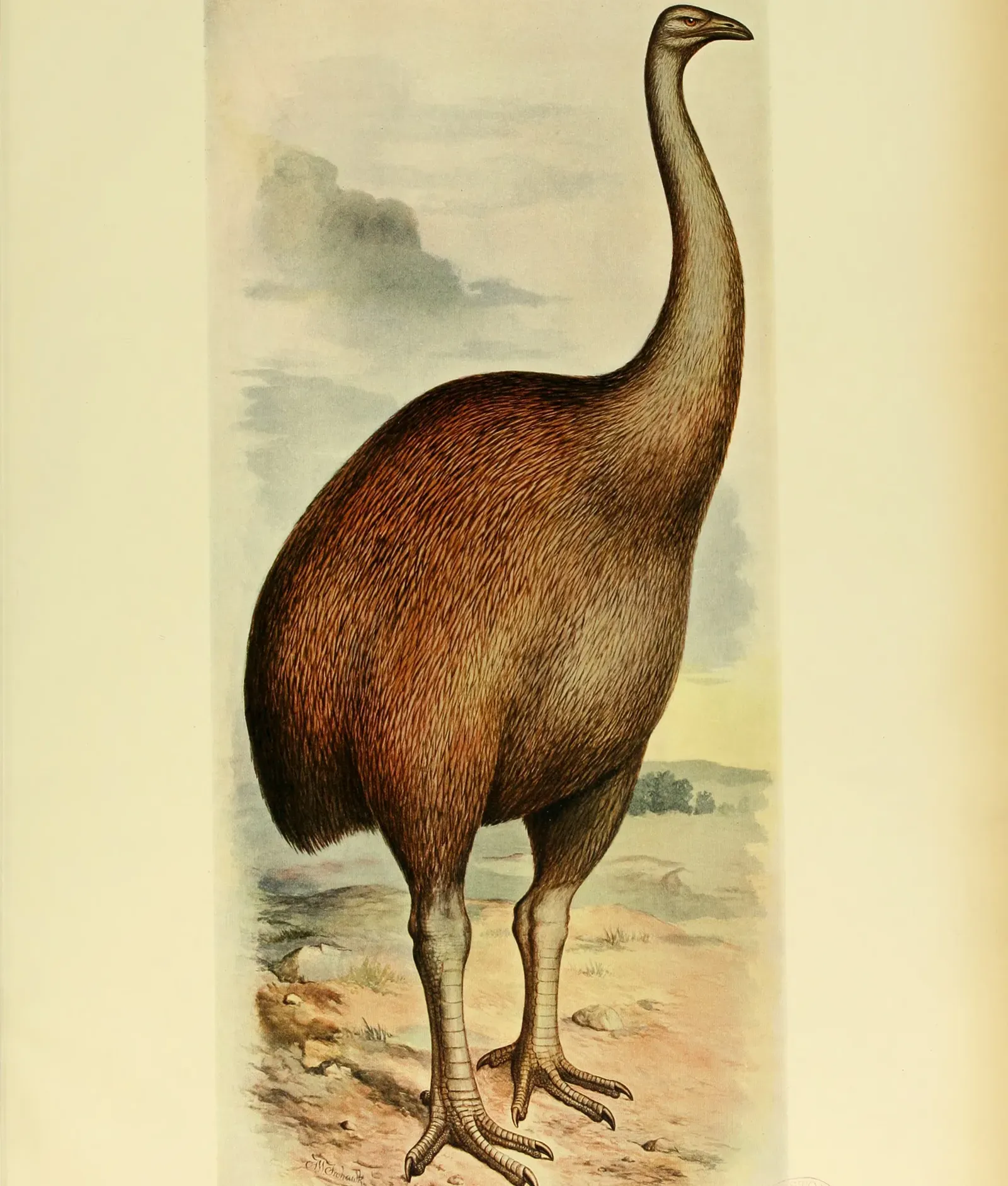
New Zealand’s giant moas – flightless plant-eaters tall enough to look a person in the eye – are usually said to have vanished around 1400 CE, not long after Polynesian (Māori) settlement triggered a brutally fast collapse through overhunting and habitat loss. That date comes from radiocarbon-dated bones found at archaeological sites across the islands.
But there’s a wrinkle. Some moa remains test slightly younger than 1400, and Māori oral histories describe huge, shy, forest-dwelling birds surviving in remote valleys long after they were supposedly gone. A handful of 19th-century European explorers even reported strange, oversized bird tracks deep in South Island wilderness that nobody could explain.
At a Glance
- Textbook extinction estimate: around 1400 CE, based on radiocarbon-dated bones
- Some tested remains skew slightly younger than that cutoff
- Māori oral histories describe shy, forest-dwelling giants surviving later
- 19th-century explorers reported oversized, unexplained bird tracks in remote wilderness
There’s no hard modern proof of surviving moas, and skeptics warn against romanticizing “hidden giants.” But others point out that dismissing Indigenous knowledge while trusting thin fossil sampling is its own kind of bias. The cautious middle ground: moas were almost certainly gone before Europeans settled New Zealand, but the last scattered individuals may have quietly outlived the tidy 1400 CE cutoff by a decade – or a century.
#3 – Steller’s Sea Cow: The “Instant Extinction” That Was Centuries in the Making
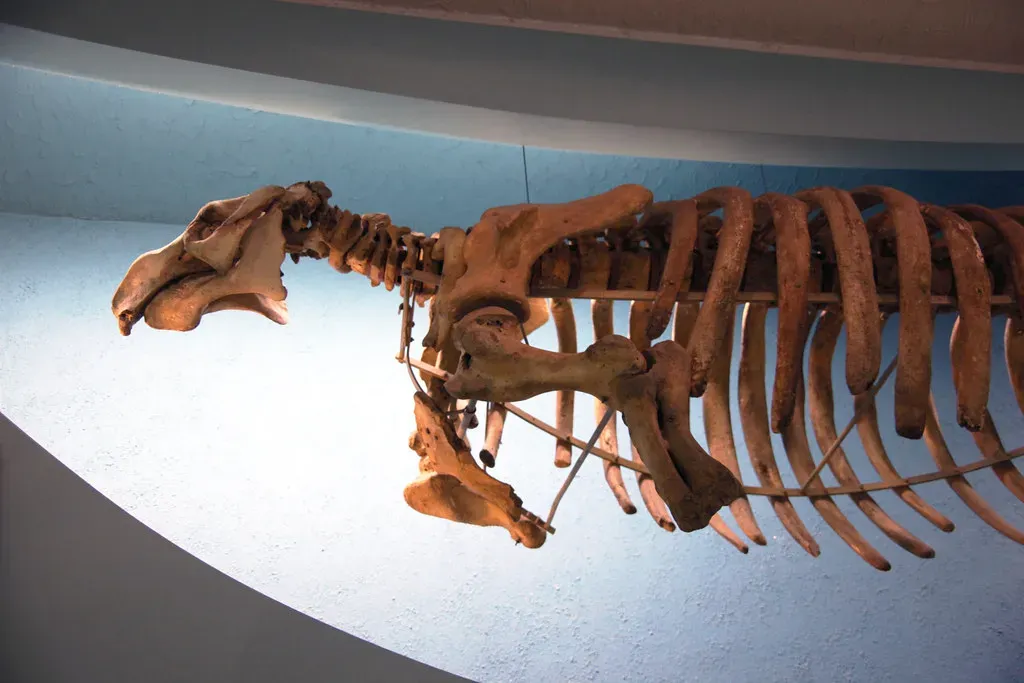
Steller’s sea cow gets taught as the textbook case of sudden, brutal extinction: discovered by Europeans in 1741 in the Bering Sea, hunted relentlessly, and wiped out by 1768 – a mere 27 years from discovery to disappearance. That’s bad enough on its own. But the bigger misunderstanding is how long this animal had already been fading before anyone wrote it down.
Fossils and subfossil remains show Steller’s sea cow once ranged across the entire North Pacific, from Japan to California. Climate shifts and human coastal hunting had already wiped out most of that range long before a European ship ever entered the Bering Sea.
What naturalist Georg Steller actually stumbled onto wasn’t a thriving population meeting its first human threat. It was the last tiny refuge of a species already in catastrophic decline for centuries, maybe millennia. Genetic analysis of surviving bone samples shows low diversity consistent with a long-term population bottleneck. The 27-year statistic is technically accurate – but it flatters humanity by hiding just how long this animal had been quietly dying out at the edge of its range before anyone noticed it existed at all.
#2 – The Bermuda Petrel: Declared Gone for 300 Years, Then It Screamed Back
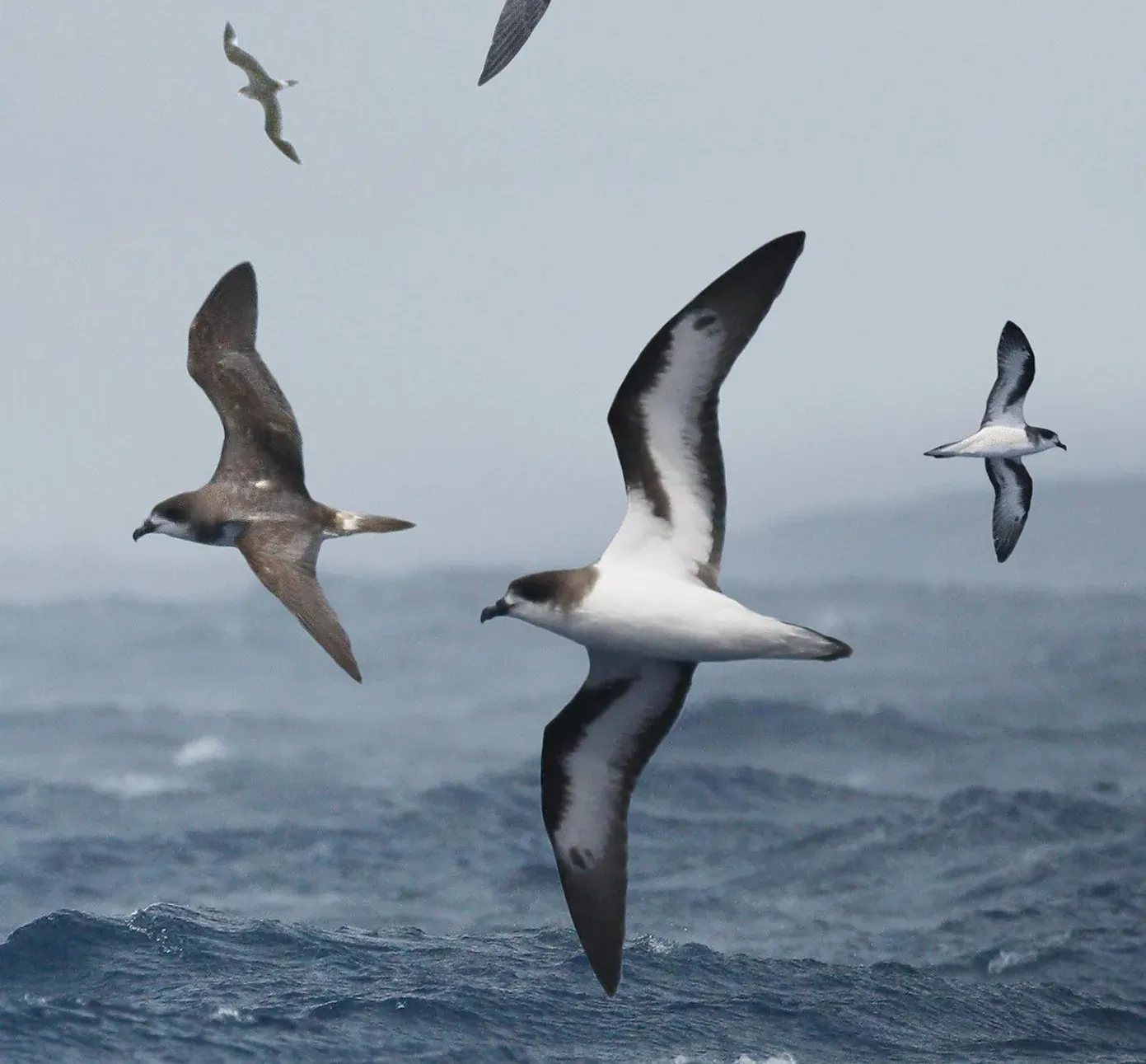
The Bermuda petrel, or cahow, might be the single best argument against ever trusting an extinction date completely. After early colonists and introduced predators tore through its colonies, it was declared extinct in the 1620s. For roughly three centuries, every textbook and checklist agreed: the cahow was gone, just another island bird erased by humans.
Then, in 1951, a small team of ornithologists and local naturalists made a discovery that should have made headlines everywhere – a handful of nesting pairs, still alive, breeding in hidden burrows on tiny, sea-battered islets nobody had thought to check.
DNA and banding studies since then show the surviving birds descended from a tiny remnant population that never actually died out; it simply retreated somewhere humans found too dangerous and annoying to search. That’s the real lesson here. For generations, nobody bothered to check the cliffs. The cahow’s numbers remain fragile even now, one bad hurricane away from disaster, but the fact that it quietly survived a 300-year paper extinction makes every other “gone forever” verdict look a little shakier.
#1 – The Lazarus Mouse-Deer That Proved Extinction Can Just Be Bad Sampling
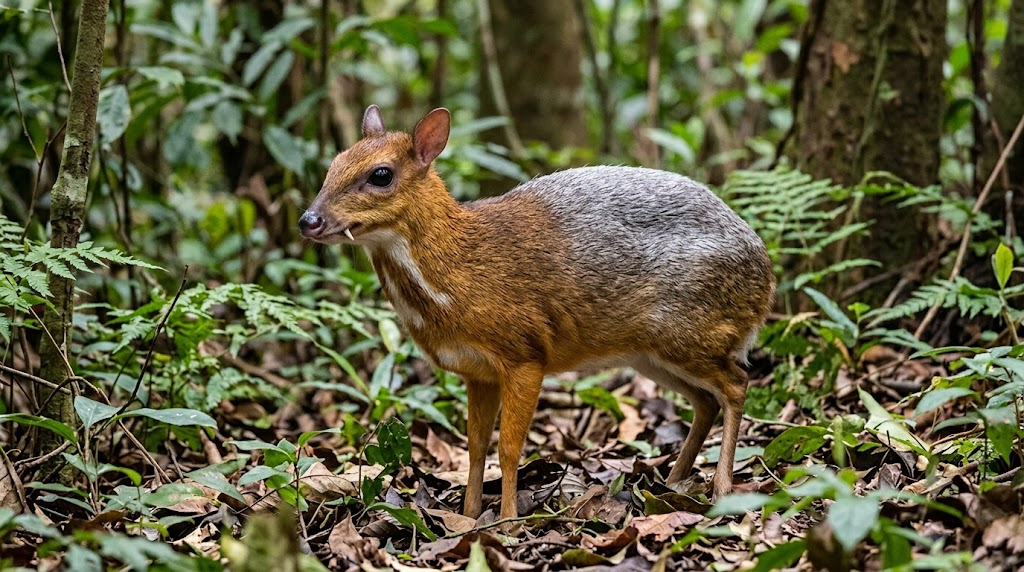
At the very top of this list is an animal barely bigger than a house cat: the Vietnam mouse-deer, or silver-backed chevrotain. Officially, it vanished sometime in the 20th century, a casualty of hunting, habitat loss, and decades of war. For nearly 30 years there wasn’t a single confirmed record – no specimen, no photo, nothing. It slid quietly from “rare” to “presumed extinct” in the scientific literature.
Then came a run of camera-trap surveys through Vietnam’s coastal forests. In 2019, researchers finally released what they’d been sitting on: clear photos and video of living Vietnam mouse-deer, wandering the undergrowth, caught not once but repeatedly. Genetic testing confirmed exactly what everyone was hoping – this was the real thing, alive the entire time.
Worth Knowing
- Vanished from the confirmed record for nearly 30 years with zero specimens or photos
- Rediscovered through camera-trap footage released in 2019
- Genetic testing confirmed the animal’s identity
- Scientists now call this a “Lazarus taxon” – a species that vanishes from the record, then reappears alive
The real sting is what came before the cameras. Local hunters and villagers had been saying all along that a small “deer” still lived in those forests, and their knowledge was dismissed as anecdotal noise for decades. It took our technology, not our humility, to finally confirm what people on the ground already knew. Biologists now call this a “Lazarus taxon” – a species that disappears from the record only to reappear alive, and it’s the purest proof of just how fragile our extinction timelines really are.
The Bottom Line
Run all 11 of these stories together and one uncomfortable pattern emerges: our extinction dates usually say more about when we stopped looking than when an animal actually died. Mammoths trudged through Arctic snow while humans raised the pyramids. Seabirds and mouse-deer survived centuries of confident, wrong paperwork. Every single time, the timeline only got corrected once someone bothered to look harder, dig deeper, or actually listen to the people who lived closest to the animal.
That doesn’t mean every campfire rumor about a surviving thylacine or a hidden moa is true, and it’s not an invitation to start believing in jungle dinosaurs. But it does mean science has been far too comfortable drawing hard lines through soft, incomplete evidence – and far too quick to wave off Indigenous knowledge and local sightings as “anecdotal” until a camera trap or a lab test finally caught up. In a world where deep oceans and dense forests remain wildly under-surveyed, pretending we know the exact year something vanished isn’t science. It’s a comforting story we tell ourselves. So which “extinct” animal do you think might still be out there – and which entry on this list do you suspect we’re still getting wrong?