
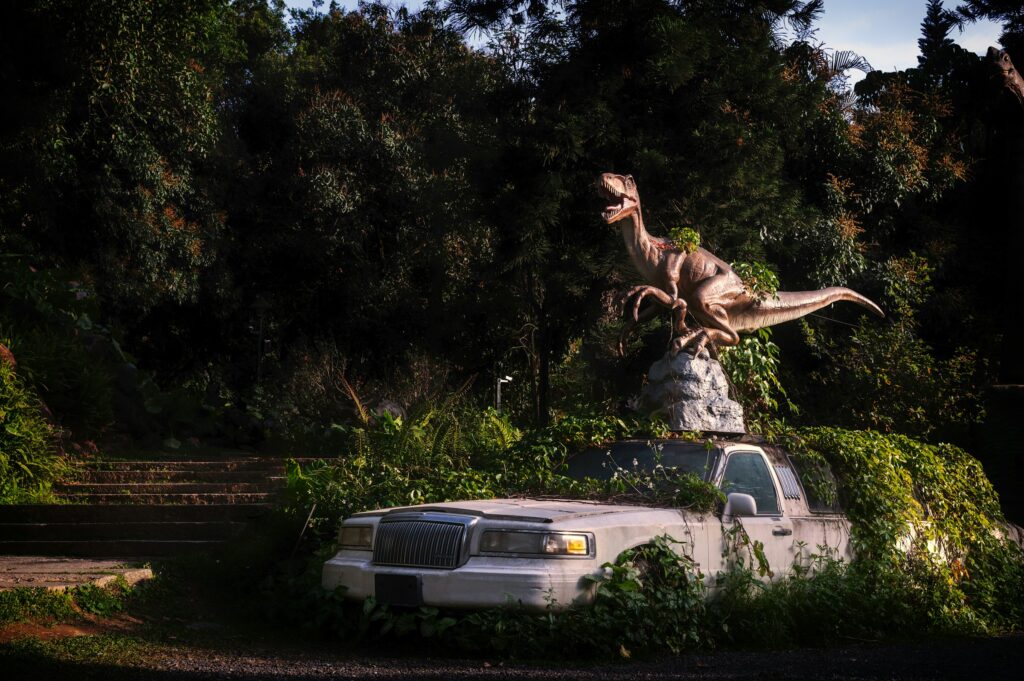
Every generation gets the same lie sold to it in surround sound: dinosaurs were merciless killing machines built purely to hunt, crush, and terrify. Hollywood didn’t invent that idea out of nowhere – it just took real animals and turned the volume up to eleven. The problem is, once the fossil evidence gets a closer look, a surprising number of these “monsters” fall apart under scrutiny.
Some of the most feared names in movie history turn out to have been feathered, fish-obsessed, weak-jawed, or flat-out vegetarian. The gap between the on-screen legend and the actual bones is bigger than most people expect, and once you see it, you can’t unsee it. Here’s what eleven of cinema’s scariest dinosaurs were really doing when the cameras weren’t rolling.
#11 – Compsognathus: The “Vicious Pack Hunter” That Was Barely Bigger Than a Chicken
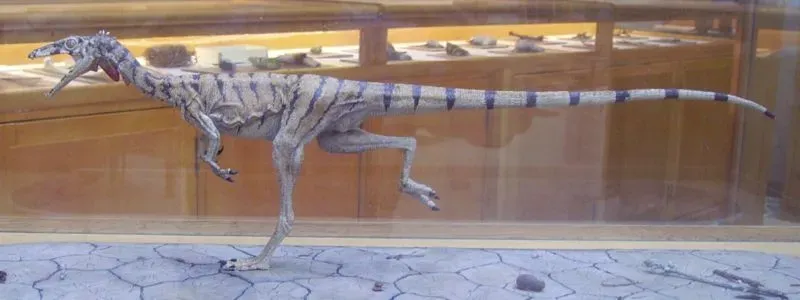
The Lost World turned this little dinosaur into a swarming nightmare, chasing down a full-grown human through the jungle in coordinated packs. It’s one of the most tense chase scenes in the franchise, and it’s built almost entirely on exaggeration.
Compsognathus topped out at roughly the size of a turkey, and there’s no solid fossil evidence it hunted in organized groups at all. Fossilized stomach contents show these animals eating tiny lizards, not chasing anything remotely human-sized. It was quick, alert, and probably skittish around anything bigger than itself – the opposite of a coordinated ambush predator.
Fast Facts
- Roughly 3 feet long, weighing about as much as a large chicken
- Diet consisted of small lizards and insects, not large prey
- Fossils found mainly in Late Jurassic Europe
- No fossil evidence supports the movie’s pack-hunting behavior
#10 – Pachycephalosaurus: The “Headbutting Battering Ram” That May Have Just Been Showing Off
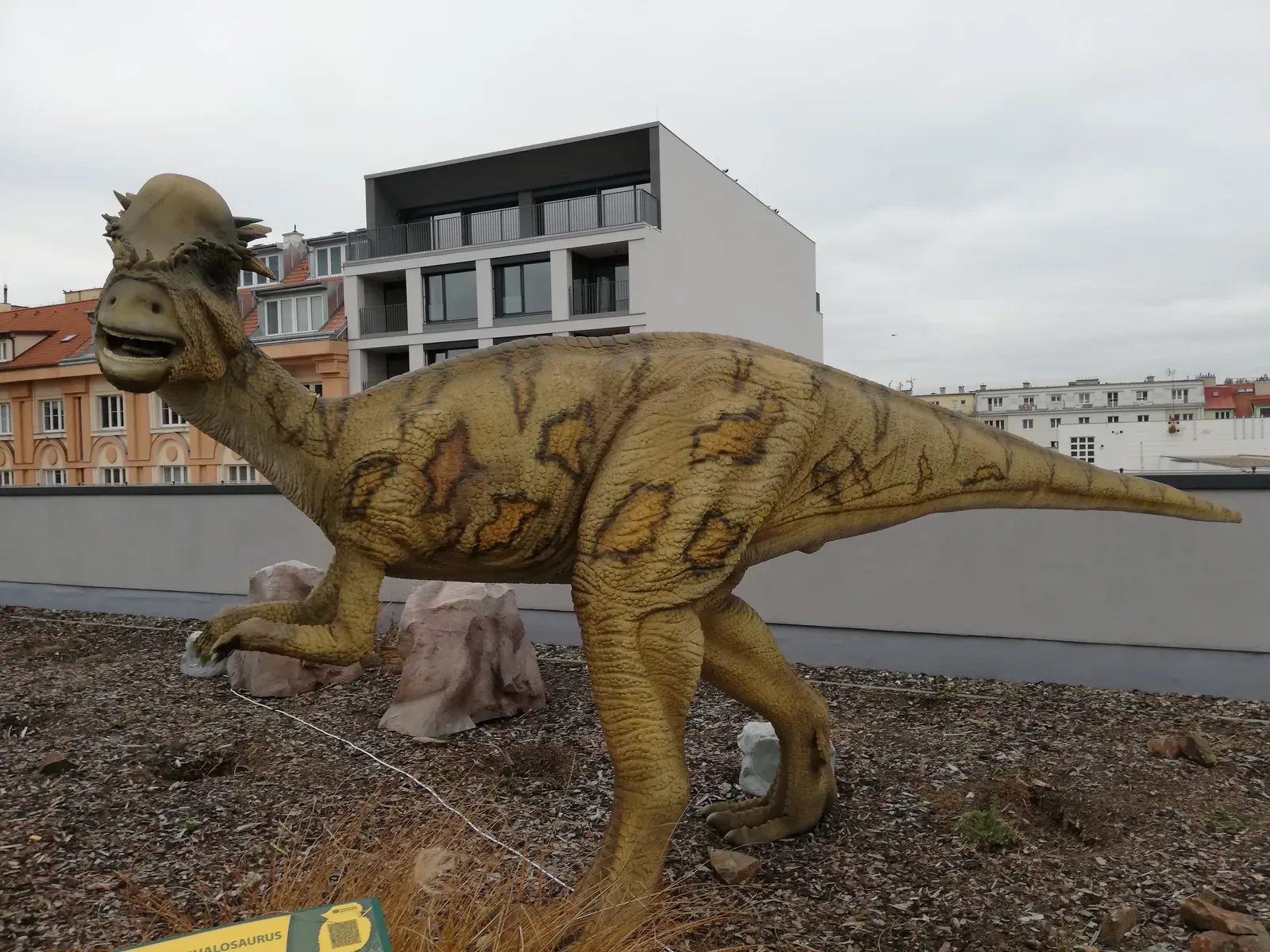
Jurassic Park III gave this dinosaur a starring role as a dome-headed demolition machine, cracking through fences like a runaway wrecking ball. It’s one of the most memorable non-raptor moments in the series.
New research suggests the thick, rounded skull may have been more about display and species recognition than combat at all. Some studies found the dome’s internal structure wasn’t built to absorb repeated high-speed head-to-head impacts – it may have been used for flank-butting, gentle head-pushing contests, or simply visual signaling to attract mates. Think less “battering ram,” more peacock feather made of bone.
#9 – Baryonyx: The “Land Predator” That Was Actually a Fish Specialist
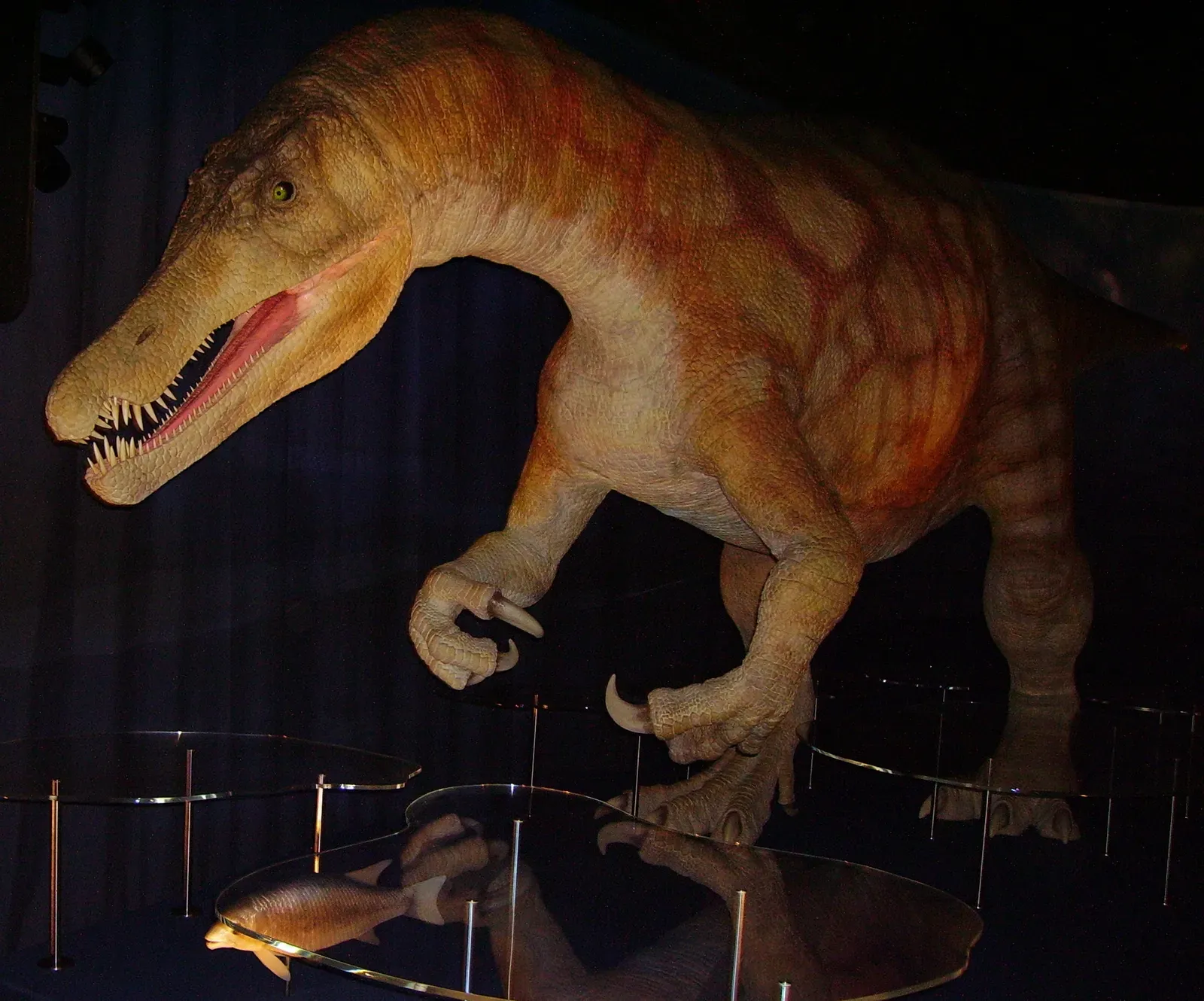
Movies love giving crocodile-snouted dinosaurs a menacing, land-stalking presence, and Baryonyx often gets lumped into that terrifying category. The image sticks because those jaws look built for tearing through anything unlucky enough to wander close.
Fossil evidence tells a much calmer story. A Baryonyx skeleton was discovered with fish scales preserved in its stomach region, strongly suggesting its long, narrow jaws and curved claws were built for snagging slippery prey out of rivers. Its skull shape closely resembles a modern gharial crocodile – a specialized fish-eater that likely spent its days wading through shallow water, patiently waiting for a meal to swim by.
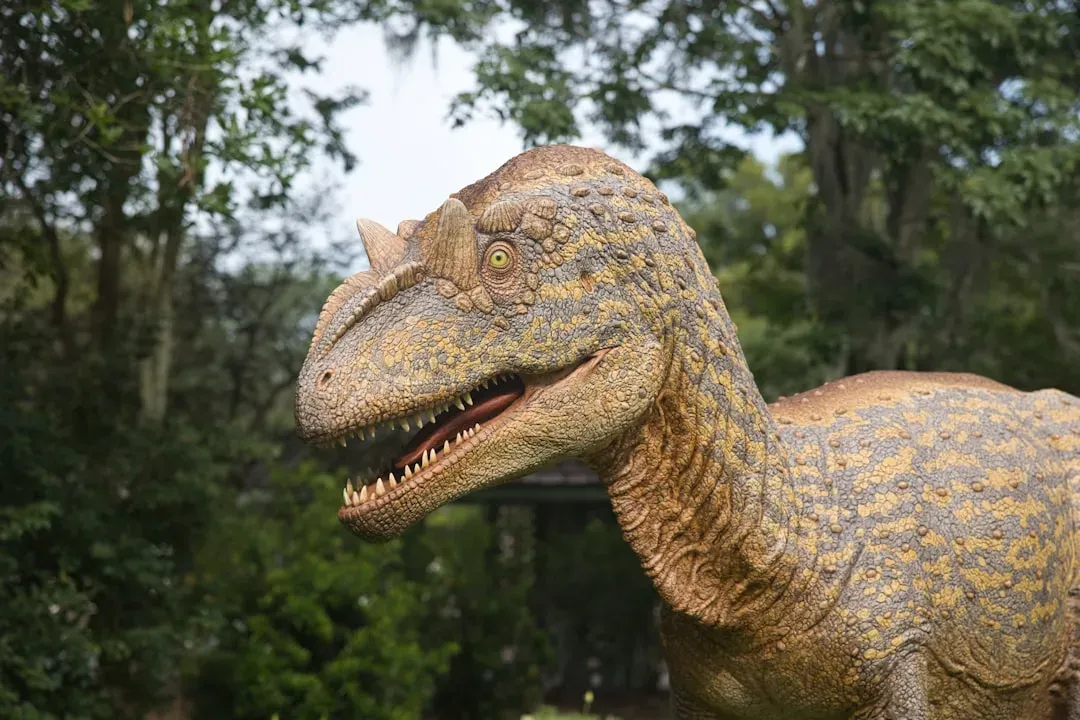
#8 – Allosaurus: The “Relentless Killer” That May Have Been an Opportunistic Scavenger
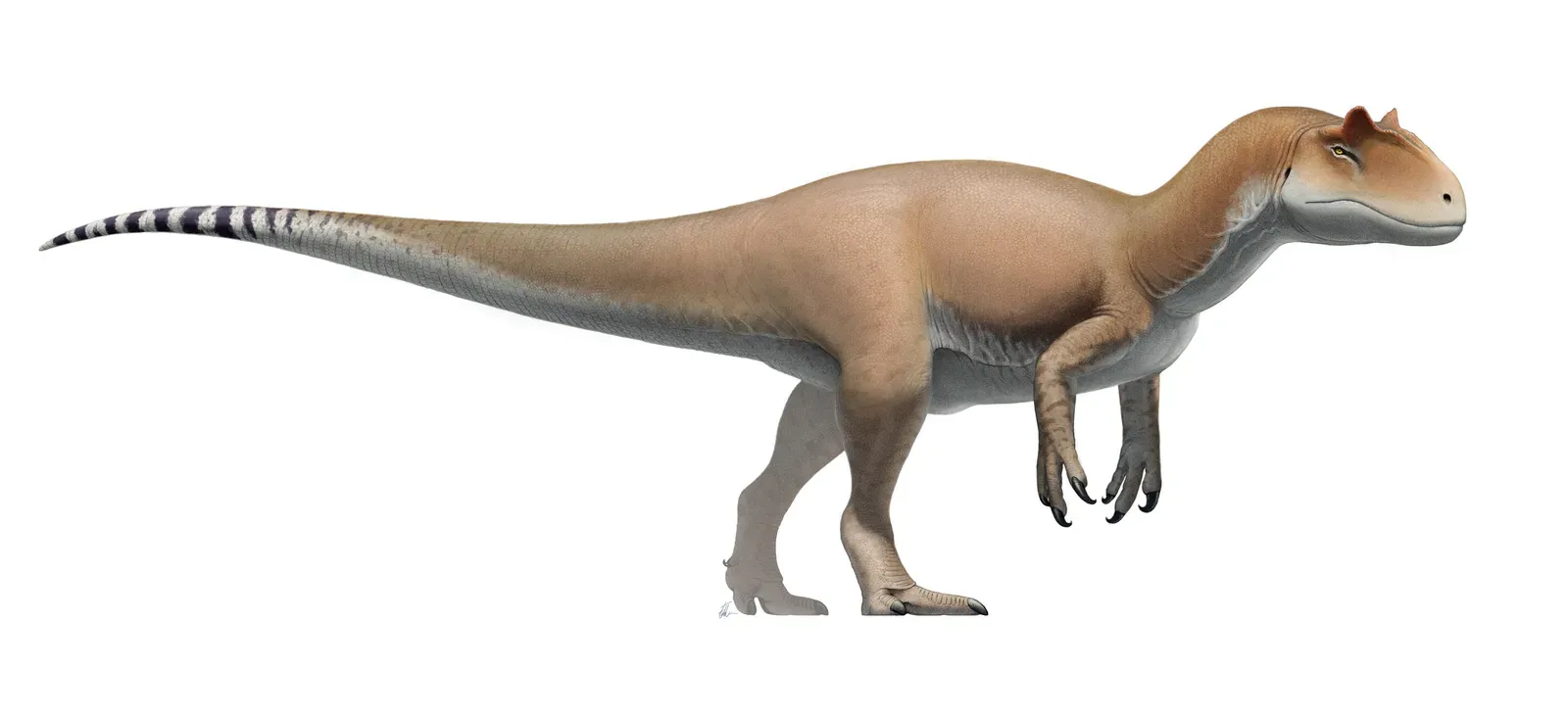
Documentaries and films consistently cast Allosaurus as an unstoppable Jurassic-era killing machine, tearing through herds with brute force. It’s the go-to “apex predator” whenever a film needs a pre-T. rex villain.
Bite-force studies paint a more nuanced picture. Allosaurus had a surprisingly weak bite compared to its size, and researchers argue its skull was built more like a hatchet, using slashing, open-mouth strikes rather than crushing power. Some scientists now think it supplemented active hunting with heavy scavenging on already-weakened or dead animals – an efficient survivor rather than a dominant brute-force hunter, which honestly makes it more interesting, not less.
Quick Compare
- Allosaurus: weaker bite, hatchet-like skull built for slashing strikes
- Later giant theropods like T. rex: far stronger, bone-crushing bite force
- Allosaurus lived roughly 155 to 145 million years ago, tens of millions of years before T. rex
- Likely relied on scavenging and repeated slashing rather than a single crushing bite
#7 – Utahraptor: The “Giant Raptor Terror” That Was Covered in Feathers
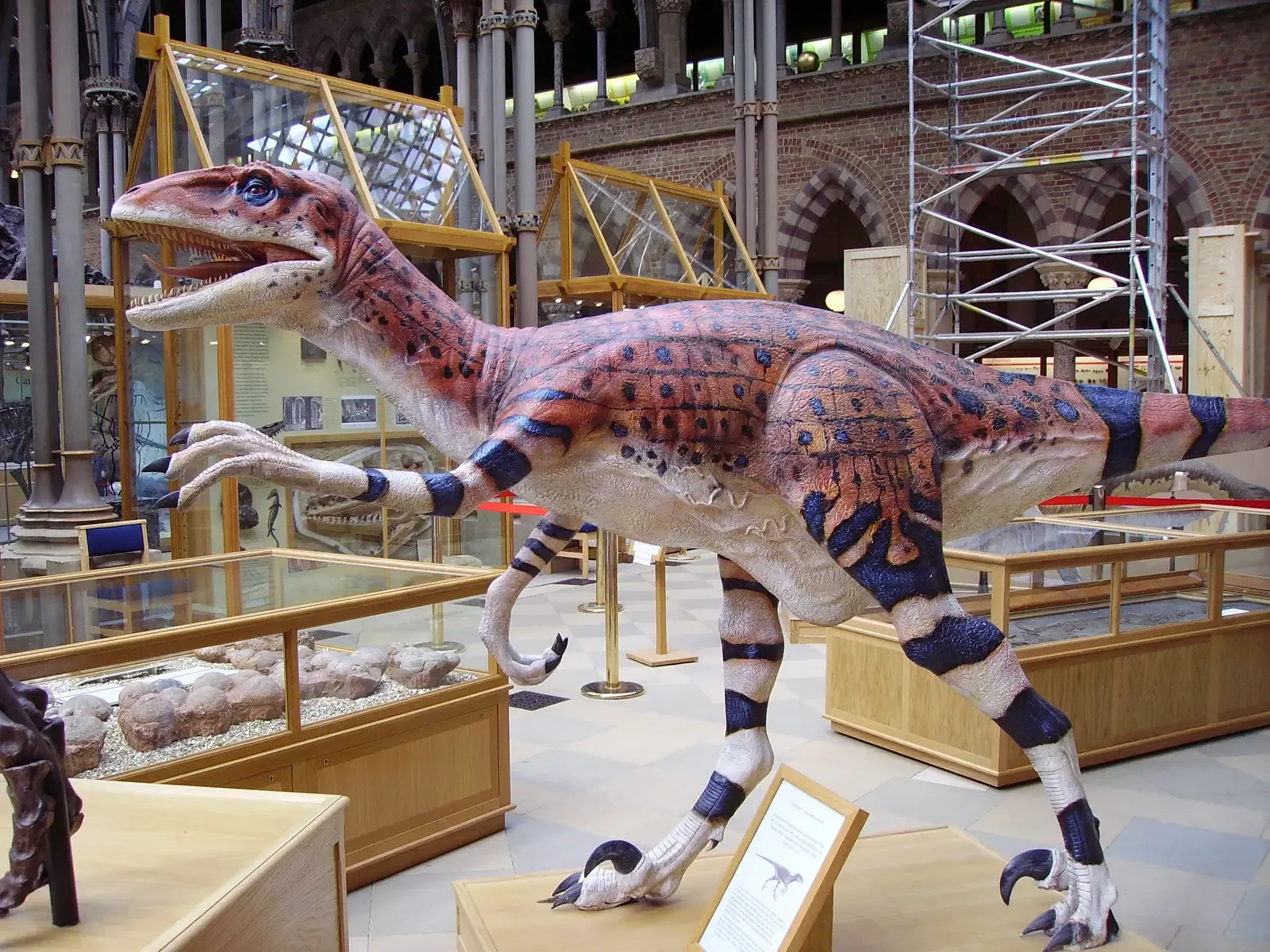
Movies love giant raptors, and Utahraptor – one of the largest raptor species ever discovered – often gets cast as the ultimate apex predator upgrade. Bigger claws, bigger body, bigger scares.
Here’s the twist: fossil relatives strongly suggest Utahraptor was likely covered in feathers, giving it an appearance closer to an oversized, flightless bird than a scaly reptilian monster. Feathers would have served insulation, display, or nest-brooding purposes, softening the “terrifying reptile” image considerably. Its size was real and its claws were formidable, but picture a giant, deadly-clawed, feathered bird rather than a reptile in a leather jacket – that’s the real Utahraptor.
#6 – Carnotaurus: The “Bull-Horned Monster” With Suspiciously Weak Jaws
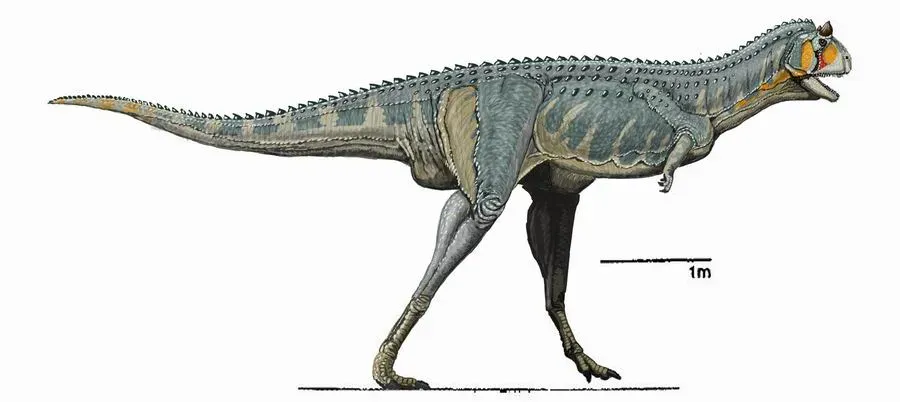
Disney’s Dinosaur and later Jurassic World franchises turned Carnotaurus into a horned, fast-charging nightmare capable of shredding anything in its path. Its face alone looks engineered for maximum menace.
Its bite tells a very different story. Studies of its skull suggest Carnotaurus had one of the weaker bite forces among large theropods, likely relying on speed and quick, shallow strikes rather than crushing power. Its comically tiny arms – smaller relative to body size than even a T. rex’s – suggest it targeted smaller, faster animals it could outrun rather than wrestling giants to the ground.
#5 – Velociraptor: The Human-Sized Menace That Was Actually Turkey-Sized and Feathered
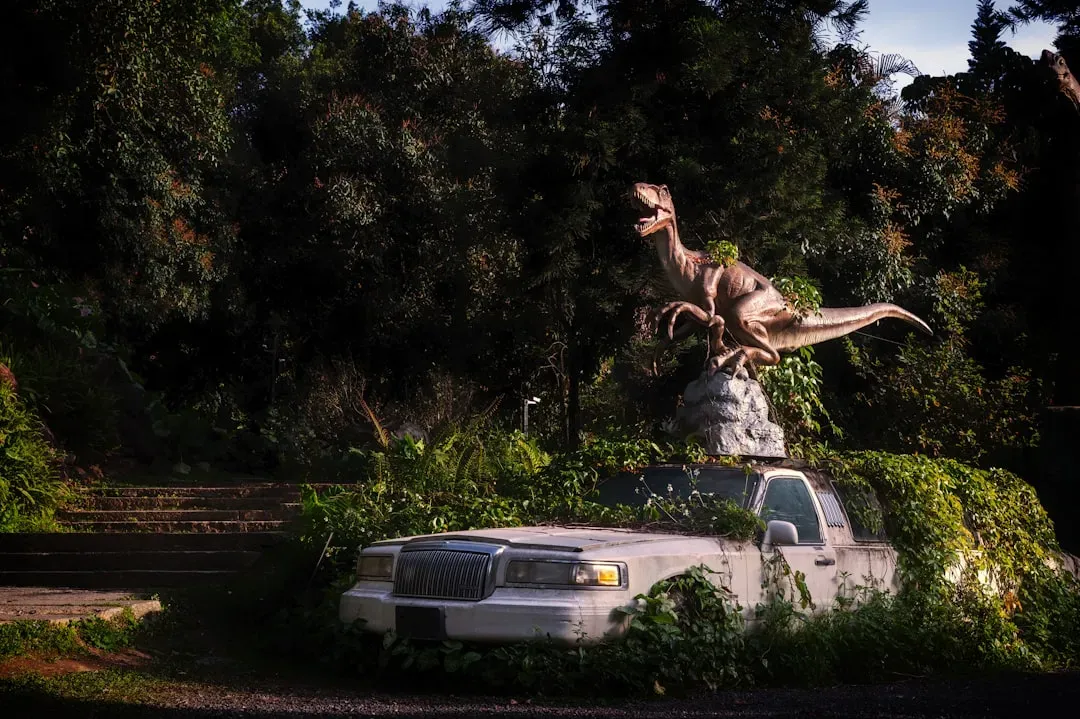
Jurassic Park built its entire sense of dread around Velociraptors – sleek, scaly, human-sized hunters with genius-level pack coordination. That kitchen scene is basically horror-movie DNA at this point.
The real Velociraptor was drastically smaller, standing about knee-high and weighing roughly as much as a large dog. It was also fully covered in feathers, with quill knob fossils found on its forearms proving this beyond debate. There’s also little solid evidence for the elaborate pack-hunting strategy shown on screen – that behavior was borrowed largely from its bigger cousin, Deinonychus, and scaled onto Velociraptor for dramatic impact.
#4 – Dilophosaurus: The Venom-Spitting, Frilled Killer That Never Actually Existed That Way
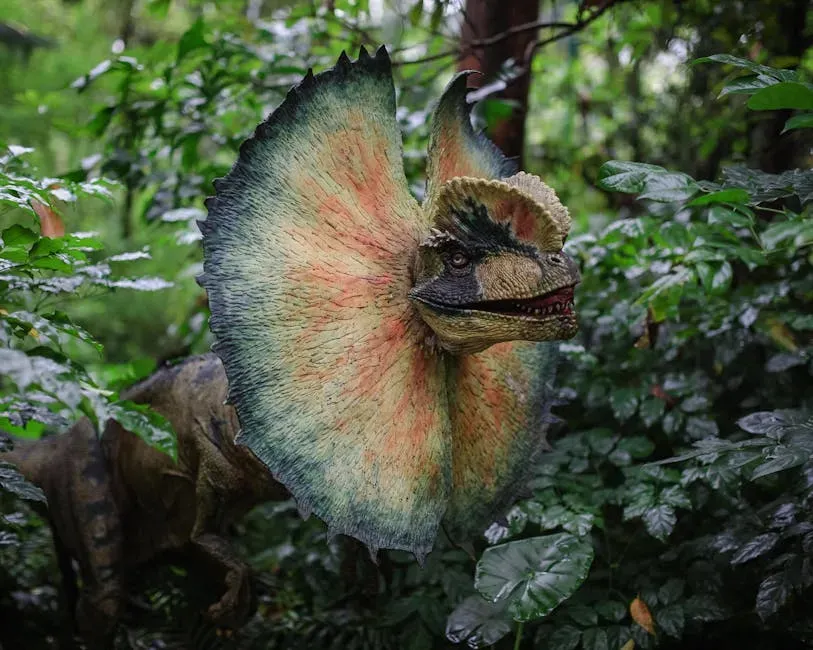
Jurassic Park gave this dinosaur a Halloween makeover: a neck frill, venom-spitting glands, and a small, deceptively harmless-looking body. It’s one of the most iconic reveals in the entire franchise, right down to that unsettling head-tilt.
None of that survives contact with the fossil record. There’s zero evidence Dilophosaurus had a neck frill or spat venom – that entire sequence was invented for the film. In real life, Dilophosaurus was actually much larger than depicted on screen, reaching lengths of up to 20 feet, and its double-crested skull suggests display purposes rather than any offensive weapon.
#3 – Spinosaurus: The Land Monster That Was Actually a River-Dwelling Fish Eater
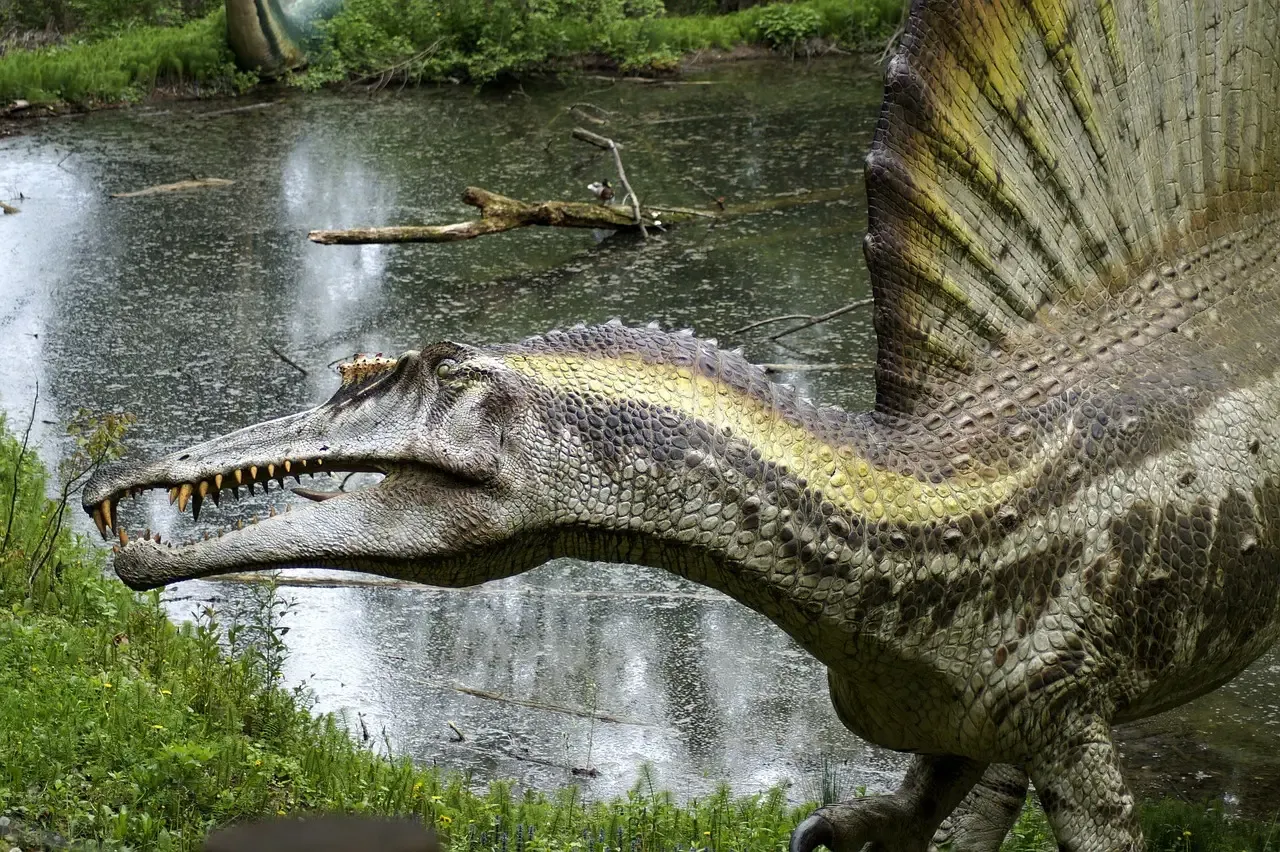
Jurassic Park III made Spinosaurus famous by having it snap a T. rex’s neck in a head-to-head land battle – a scene built entirely around spectacle, not science. It rewrote the franchise’s pecking order overnight.
Modern research has flipped the script completely. Skeletal analysis, including dense bones similar to those of modern aquatic animals, strongly suggests Spinosaurus spent much of its life swimming and wading through rivers hunting fish. Its long, crocodile-like snout and conical teeth are far better suited to snatching slippery aquatic prey than battling other massive predators – more prehistoric heron than land-based brawler.
At a Glance
- Possibly the longest known theropod, with some estimates exceeding 50 feet
- Dense, heavy bones suited for swimming rather than fast land pursuit
- Distinctive sail-like structure along its back
- Fossils primarily discovered in North Africa
#2 – Deinocheirus: The “Giant-Armed Terror” That Was Actually a Humpbacked, Duck-Billed Gentle Feeder
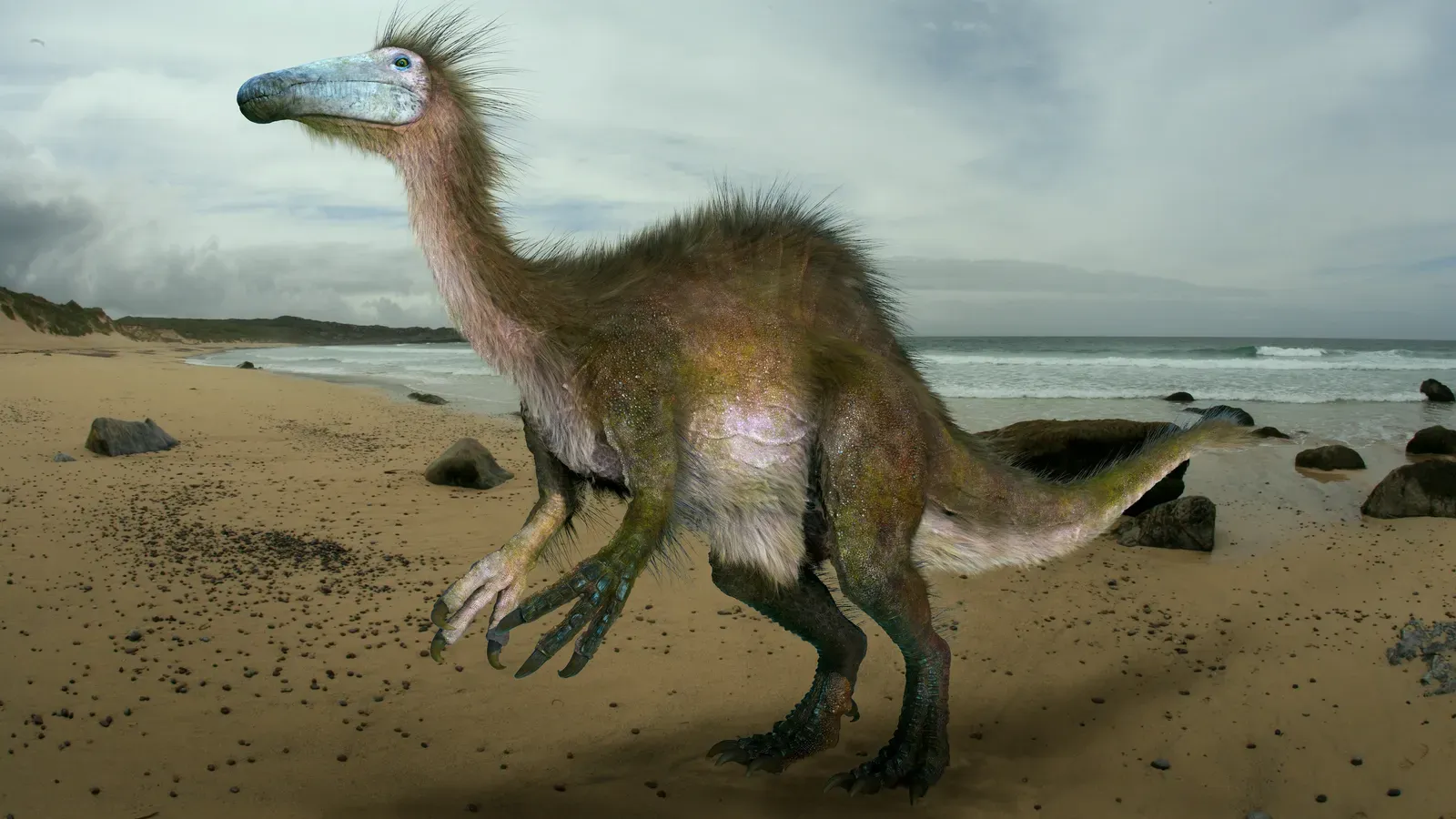
For decades, all scientists had were two massive, terrifying arms – nearly 8 feet long – which fueled speculation of an enormous, clawed killing machine lurking in the fossil record. It became one of paleontology’s great unsolved mysteries.
When the rest of the skeleton was finally discovered, the reveal stunned paleontologists. Deinocheirus turned out to have a duck-like bill, a humped back, and a body built for wading through shallow water eating plants and fish, not tearing apart prey. Stomach contents even revealed fish remains and plant material, confirming an ungainly, low-drama lifestyle behind those intimidating arms.
The more we learn about Deinocheirus, the stranger and more wonderful it becomes.
Yuong-Nam Lee, paleontologist who helped describe the complete skeleton
#1 – Therizinosaurus: The Giant-Clawed “Nightmare” That Was Completely Herbivorous
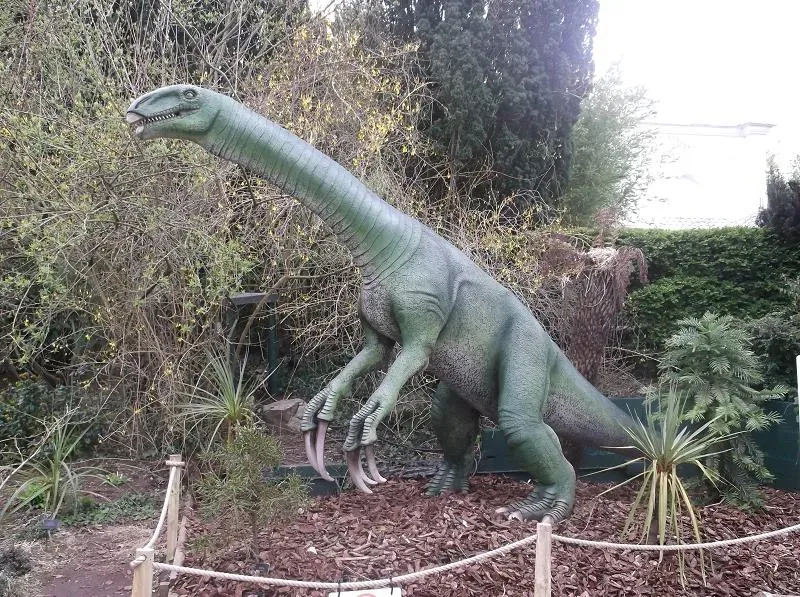
If any dinosaur looks like it walked straight out of a horror movie, it’s Therizinosaurus – a creature sporting claws over 2 feet long, easily the longest of any known animal in Earth’s history. On sight alone, it should be the scariest thing on this list.
Despite the terrifying weaponry, virtually every line of evidence points to Therizinosaurus being a peaceful plant-eater. Its leaf-shaped teeth, small skull, and gut structure all match herbivorous animals, and those massive claws were almost certainly used for pulling down branches or self-defense rather than slashing prey. Picture a slow-moving, feathered giant calmly stripping leaves off trees while looking like it should be starring in a slasher film – the ultimate lesson in dinosaur mistaken identity.
Worth Knowing
- Claws measured over 2 feet long – the longest of any known animal
- Teeth were small and leaf-shaped, typical of plant-eaters
- Stood tall enough to browse from high tree branches
- Lived during the Late Cretaceous in what is now Mongolia
The Bottom Line
The pattern here is impossible to ignore: the scarier a dinosaur looks on screen, the more likely scientists have quietly walked back the terror. Feathers replace scales, fish replace flesh, and display behavior replaces combat again and again.
Movies need monsters, and I get why – a picky fish-eater doesn’t sell popcorn the way a neck-snapping predator does. But fossils tell a messier, more fascinating truth, one where giant claws belong to leaf-eaters and infamous “killers” were often slow, cautious, or downright picky. Honestly, the real story is better than the fiction. Which one of these reveals surprised you the most? Drop your pick in the comments.