
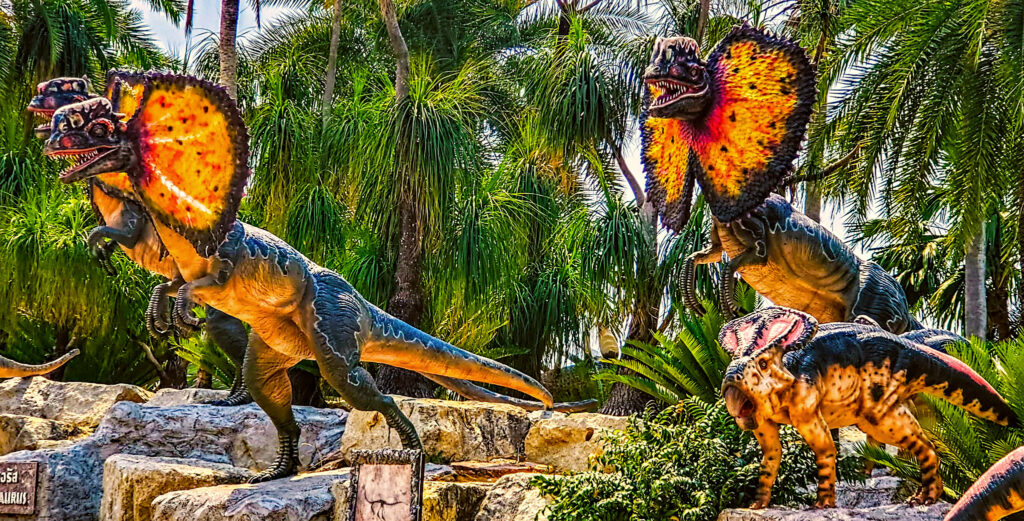
Most people think Jurassic Park nailed its “scary little dinosaur” better than any other creature in the franchise. It didn’t. Paleontologists have called Dilophosaurus one of the most botched dinosaur portrayals in movie history – not because of one mistake, but because almost every detail, from its size to its sound, was invented from scratch.
The real animal wasn’t cute. It wasn’t small. And it definitely wasn’t the kind of creature you could distract with a stick and a raincoat. Here’s what the fossil record actually says, one myth at a time – and the last one on this list is the detail that should bother movie fans most.
#11 – It Was the Size of a Bus, Not a Golden Retriever
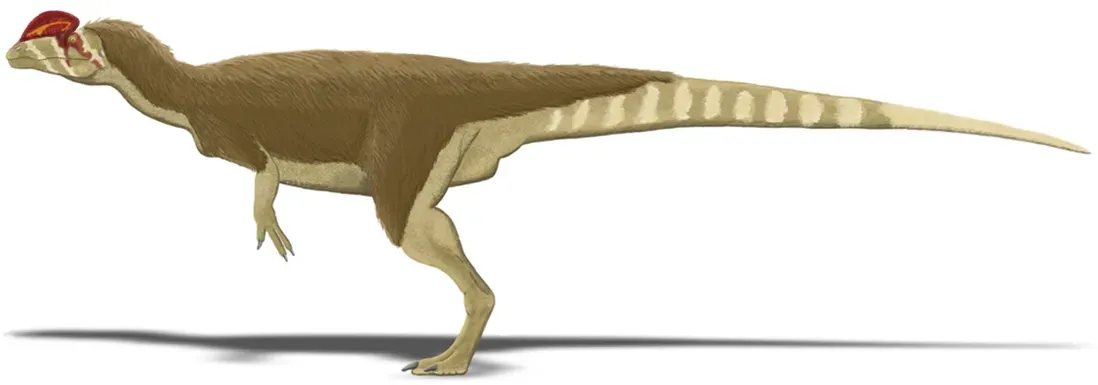
Jurassic Park’s Dilophosaurus barely reaches Wayne Knight’s shoulders, which is exactly why audiences underestimated it – and exactly why paleontologists can’t stop rolling their eyes. The real Dilophosaurus was a genuine giant, stretching close to 20 feet long and standing roughly 6 feet tall at the hip, making it one of the largest predators walking around during the Early Jurassic.
That’s not a “small carnivore hiding in the underbrush.” That’s a full-grown apex predator standing taller than most adult humans, with some limb-bone scaling estimates pushing a fully grown individual closer to 23 feet. The movie didn’t just downsize it a little – it shrank the animal by roughly two-thirds.
Fast Facts
- Length: nearly 20 feet, with some scaling estimates reaching 23 feet
- Height at the hip: roughly 6 feet tall
- Movie version: shrunk to about one-third the real size
- Status: one of the largest predators of the Early Jurassic
#10 – It Could Have Looked You Dead in the Eye
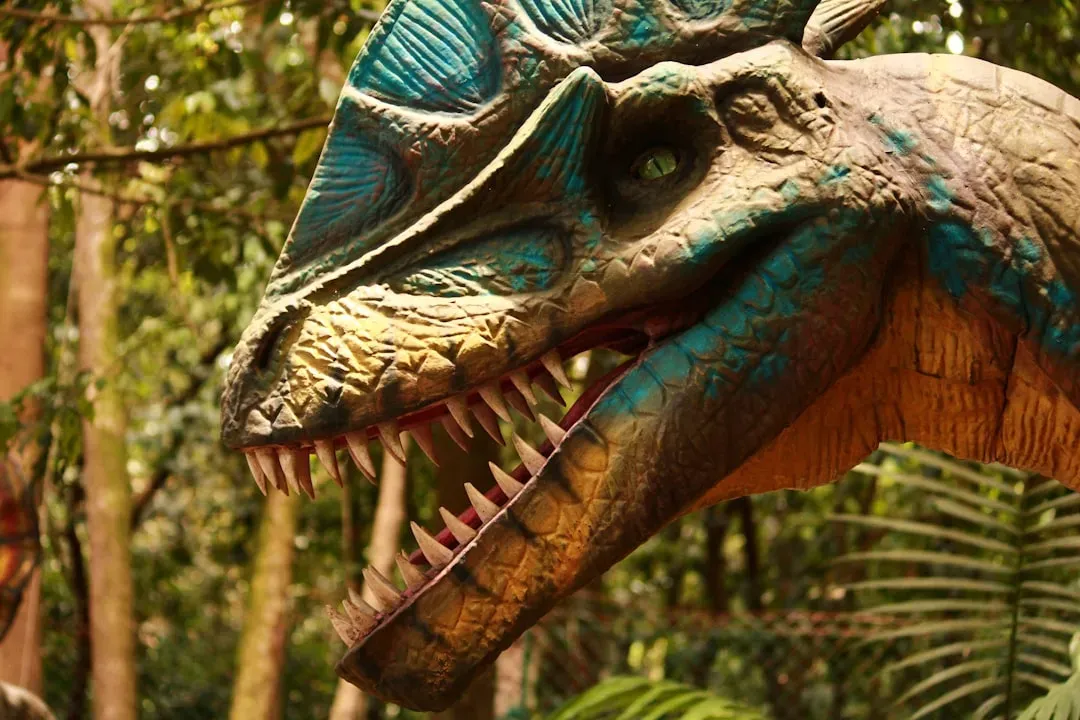
Forget “small and sneaky.” The real Dilophosaurus didn’t need to crouch to intimidate Dennis Nedry – it could have stared him down at full height. Standing tall enough at the hip to meet a grown adult eye-to-eye, it was one of the largest land predators in North America during its era, and that’s hip height, not head height.
Picture something closer in size to a modern brown bear, except reptilian, with a mouth full of blade-like teeth. Suddenly the film’s “harmless-looking dino” framing feels almost insulting to what this animal actually was.
#9 – The Frill Was 100% Movie Fiction
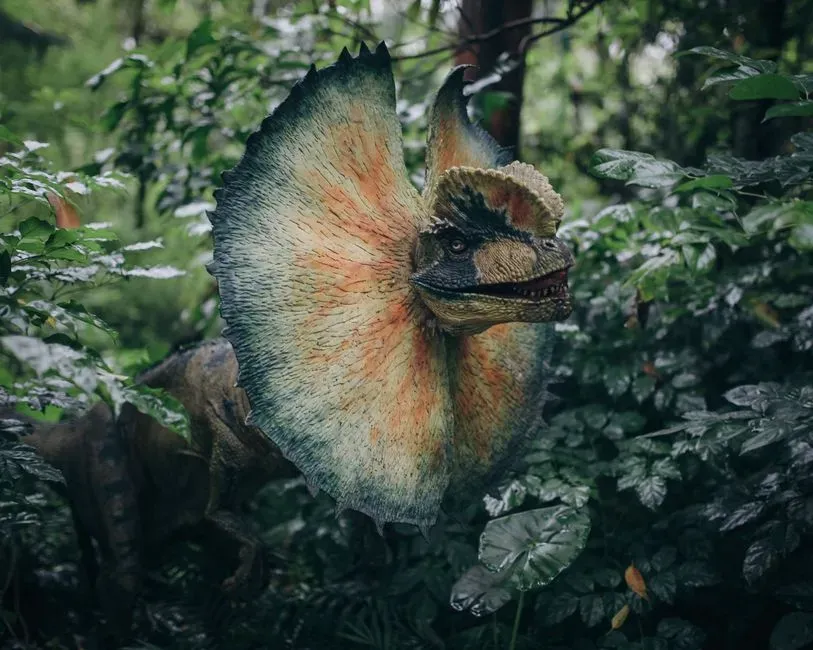
That dramatic, umbrella-like neck fan popping open right before Nedry gets slimed? It never existed – not in a single fossil, not in any museum specimen, not anywhere in the scientific literature. Screenwriters borrowed the idea from modern frilled lizards purely for shock value, with zero paleontological basis behind it.
What’s genuinely more interesting is what may have actually decorated its neck instead. Some reconstructions suggest Dilophosaurus had no frill at all, but feather-like structures running down the back of its neck – a feature that may have been common among early theropods. A feathery neck ruff would have made for a stranger, arguably cooler movie monster than a rubber frill ever could.
#8 – The Venom Spit Had Zero Scientific Basis
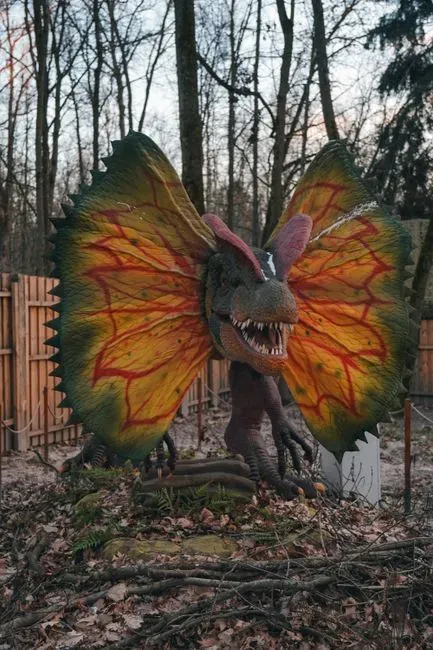
The single most iconic moment in the Dilophosaurus scene – the venom spray to the face – is pure invention, not exaggeration. Despite what the film showed, Dilophosaurus wasn’t venomous at all, and there’s no anatomical structure in any known skull that even hints at venom glands or a spray mechanism.
Scientists have gone further and checked the actual bite mechanics to rule this out completely. The structure of the teeth and jaws shows no trace of glands where venom could have been stored or ejected, meaning a venomous Dilophosaurus would have been anatomically impossible – the most memorable kill in the franchise simply couldn’t have happened the way it’s shown.
#7 – The Crests Were Fragile Display Pieces, Not Weapons
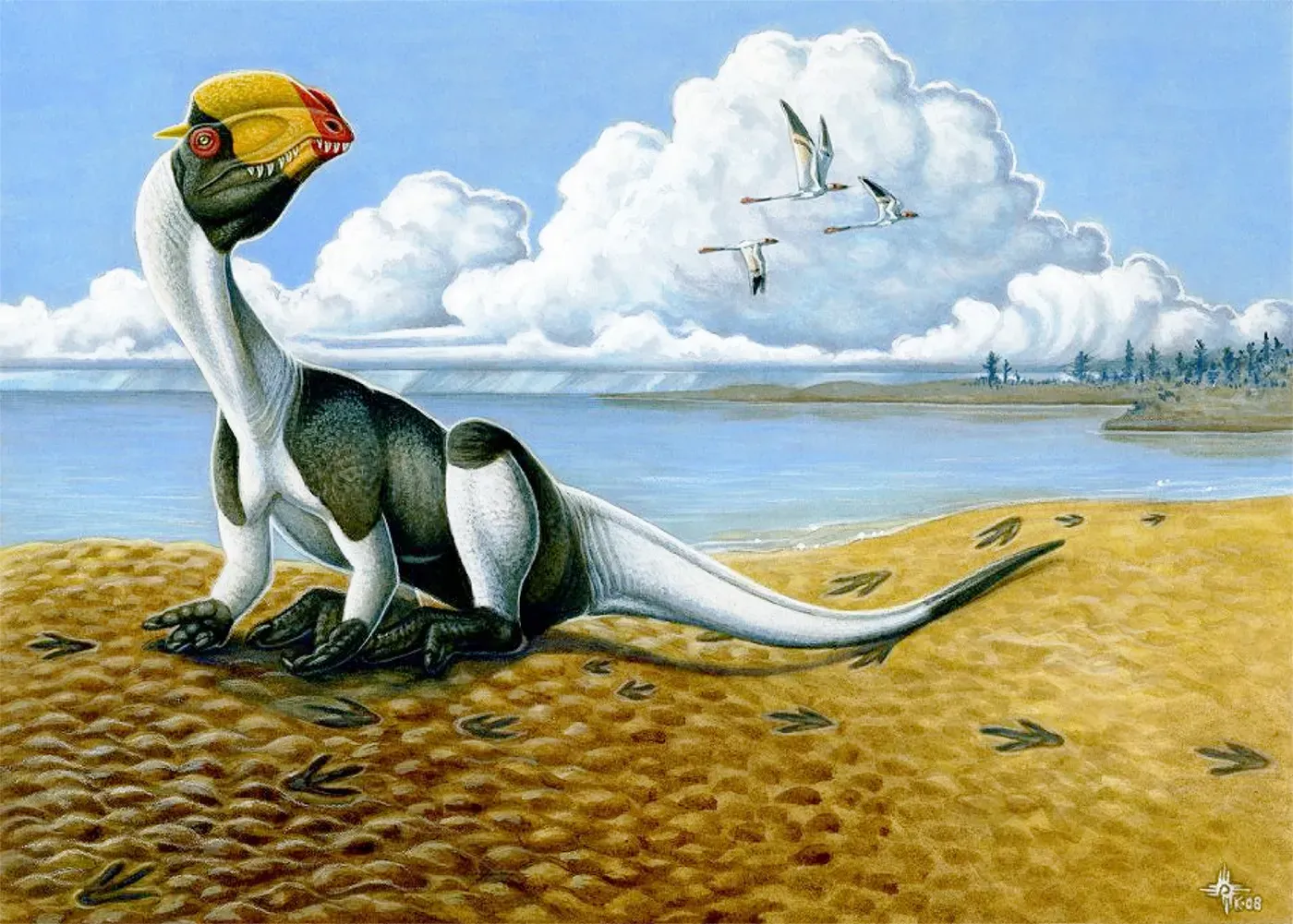
Here’s a controversial opinion: the real crests were more interesting than the fictional frill, because they tell us something true about dinosaur social life. They were likely used for display – attracting mates, intimidating rivals – and their thin, delicate structure suggests they were never built for combat. Snap one in a fight, and the animal would have been in serious trouble.
Even better, the crests weren’t identical across the species. Research by paleontologist Rob Gay suggests these crests may have been larger in one sex than the other, a real, evidence-backed sexual display feature that Hollywood ignored entirely in favor of a rubber gimmick. Most people assume dinosaurs ran on brute force alone; the crests prove otherwise.
#6 – It Couldn’t See Like a Modern Predator
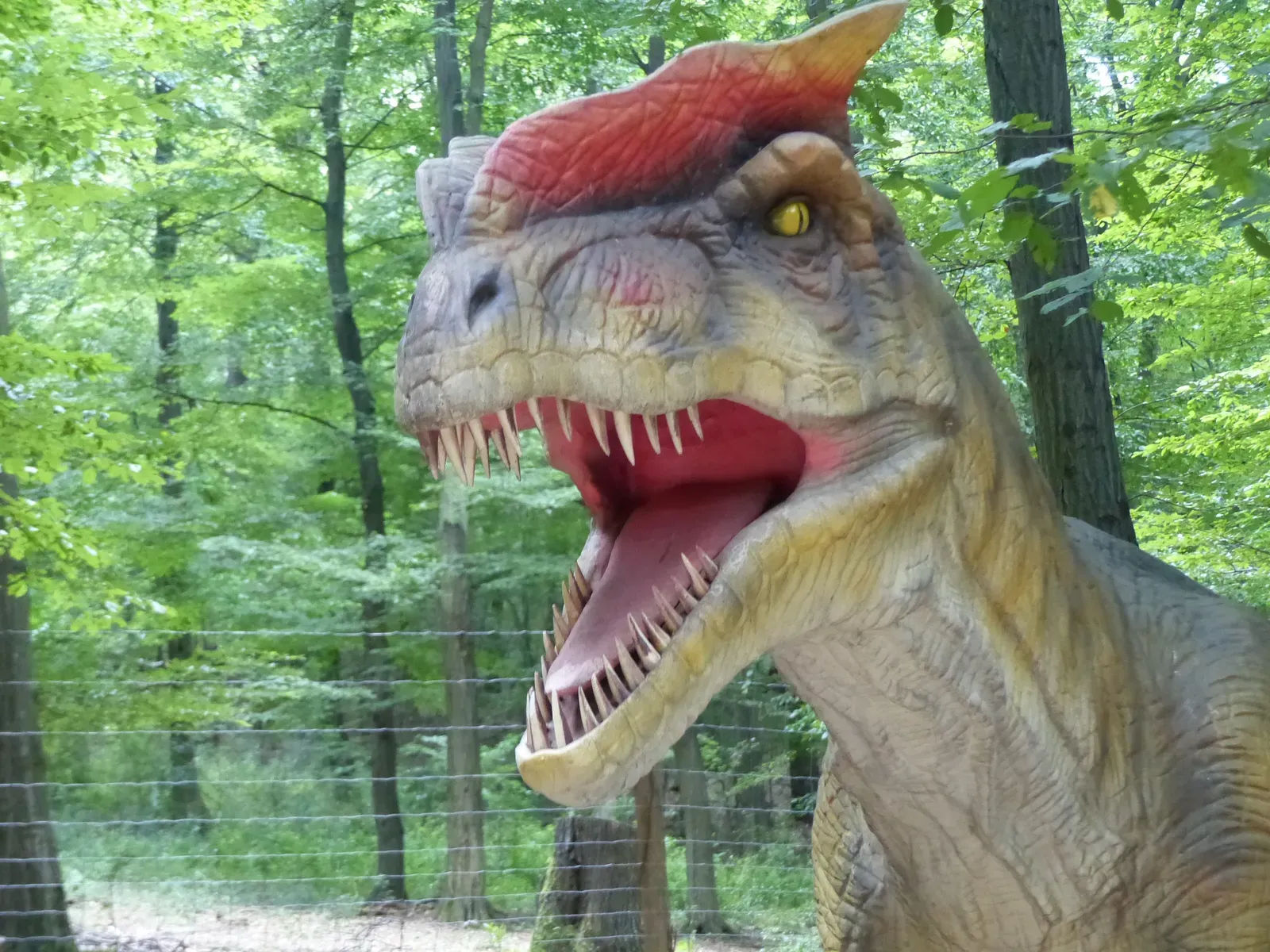
Movie Dilophosaurus tracks Nedry with eerie precision, cocking its head like it’s calculating his every move. The real animal’s eyesight tells a very different story – Dilophosaurus lacked forward-facing eyes and likely relied heavily on smell to compensate for a total absence of stereo vision.
No binocular depth perception means no laser-focused predatory stare; the real Dilophosaurus experienced the world more like a lizard than an eagle. Instead of stalking prey visually, it probably followed scent trails across the ancient floodplains, a hunting style closer to a monitor lizard than a raptor – nothing like the “intelligent stalker” personality the film gave it.
#5 – Its Jaw Had a Weird Gap Scientists Argued About for Decades
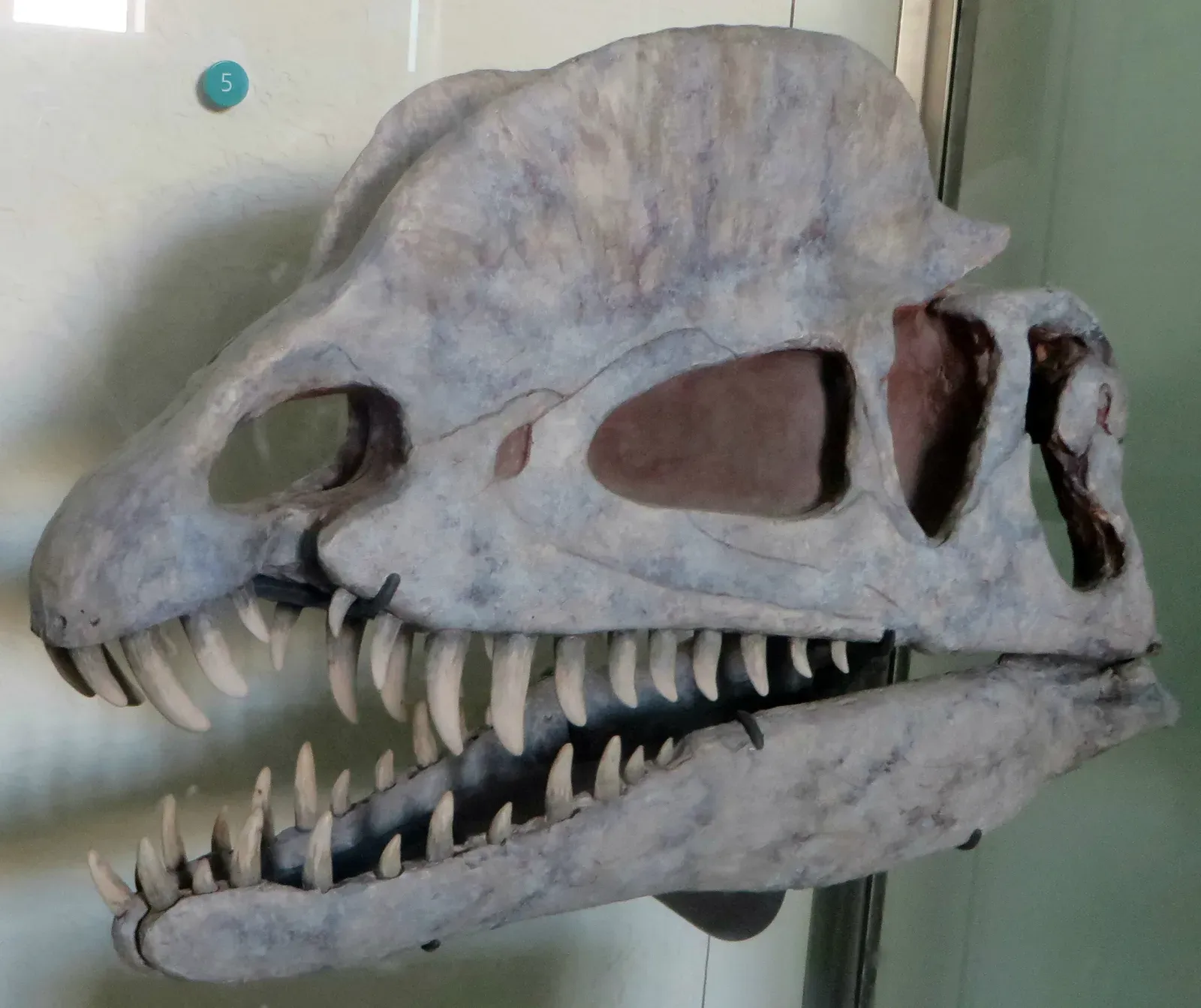
Real Dilophosaurus skulls have a bizarre notch behind the front teeth that gives them an almost crocodile-like look, and it sparked one of paleontology’s longest-running debates. For decades, scientists used that notch as evidence the animal had a weak jaw and was possibly just a scavenger, hunting only small prey.
That theory has since been overturned. Recent analyses found the joint between the bones was likely strong and immobile, supporting a far stronger bite than previously assumed – and there’s even fossil evidence it preyed on Sarahsaurus, a four-legged plant-eater. The “weak scavenger” myth is dead; this thing hunted.
Quick Compare
- Old theory: weak jaw, likely scavenger, small prey only
- New evidence: strong, immobile jaw joint
- Confirmed prey: Sarahsaurus, a four-legged plant-eater
- Verdict: active hunter, not a scavenger
#4 – Scientists Barely Understood It Until 2020
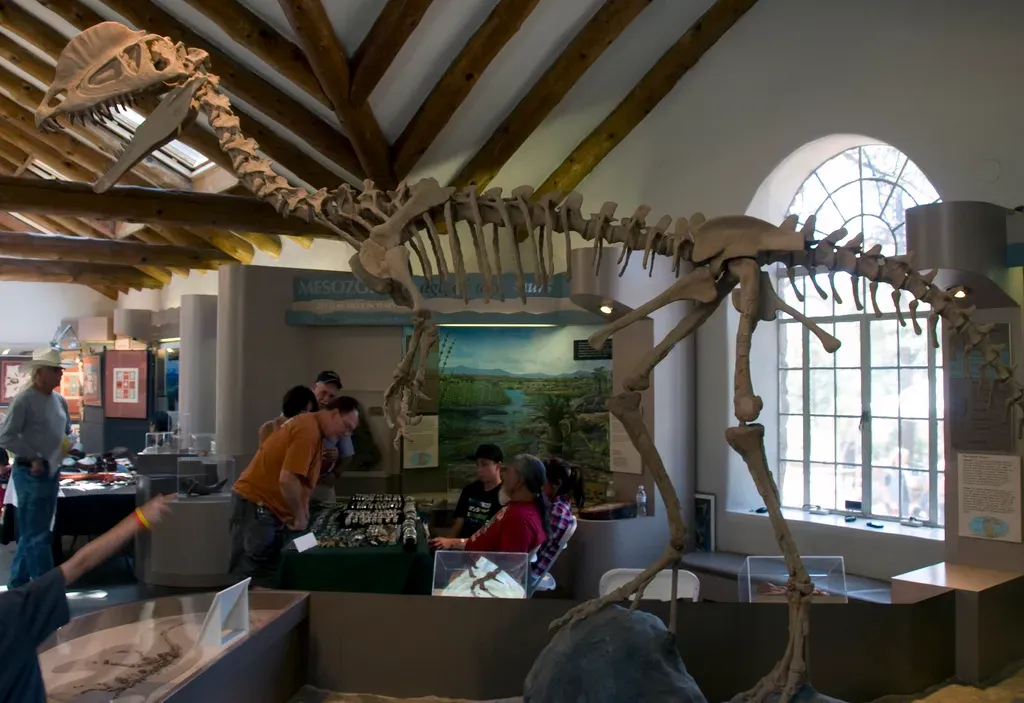
Here’s the wildest part: for most of the time Jurassic Park has existed, actual paleontologists knew almost as little about Dilophosaurus as the general public did. Paleontologist Adam Marsh has called it “the best worst-known dinosaur” – despite being discovered 80 years ago, the species stayed poorly understood for decades, and the museum skeleton most people picture wasn’t even fully accurate.
Dilophosaurus is the best worst-known dinosaur.
Adam Marsh, paleontologist
The team that reconstructed the display skeleton filled in missing fossils with plaster casts, and that reconstruction wasn’t neutral – it was shaped by assumptions borrowed from a completely different predator, Allosaurus. It took a full comprehensive re-description, published in the Journal of Paleontology in July 2020, to finally set the record straight. An entire generation grew up on a dinosaur nobody had actually finished studying.
#3 – It Probably Didn’t Hunt Alone Like Nedry’s Curious Stalker
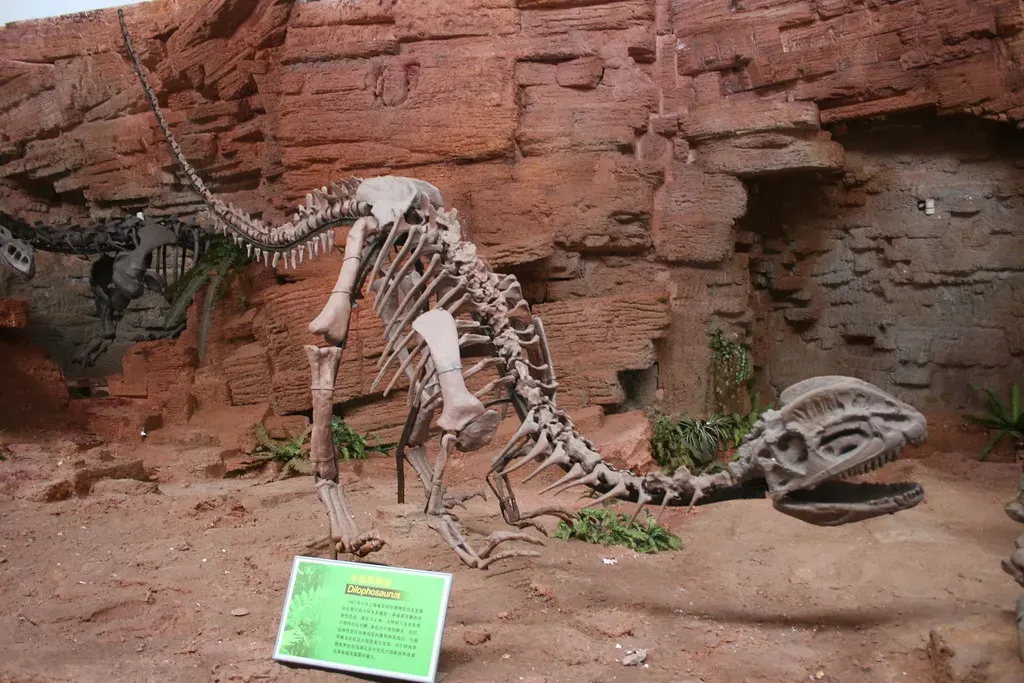
The film gives us a single, almost playful Dilophosaurus toying with Nedry like a curious dog. Fossil trackways suggest a very different reality – footprints attributed to Dilophosaurus appear in groups, hinting that it may have hunted in small packs.
Add to that its raw athleticism: it was fast, likely capable of hitting around 30 mph. A pack of 20-foot predators capable of outrunning a human is a far cry from the single, easily-distracted animal Nedry tried to trick with a stick – the real version would have ended that scene in seconds, not minutes.
#2 – Its Discovery Story Has Nothing to Do With Hollywood
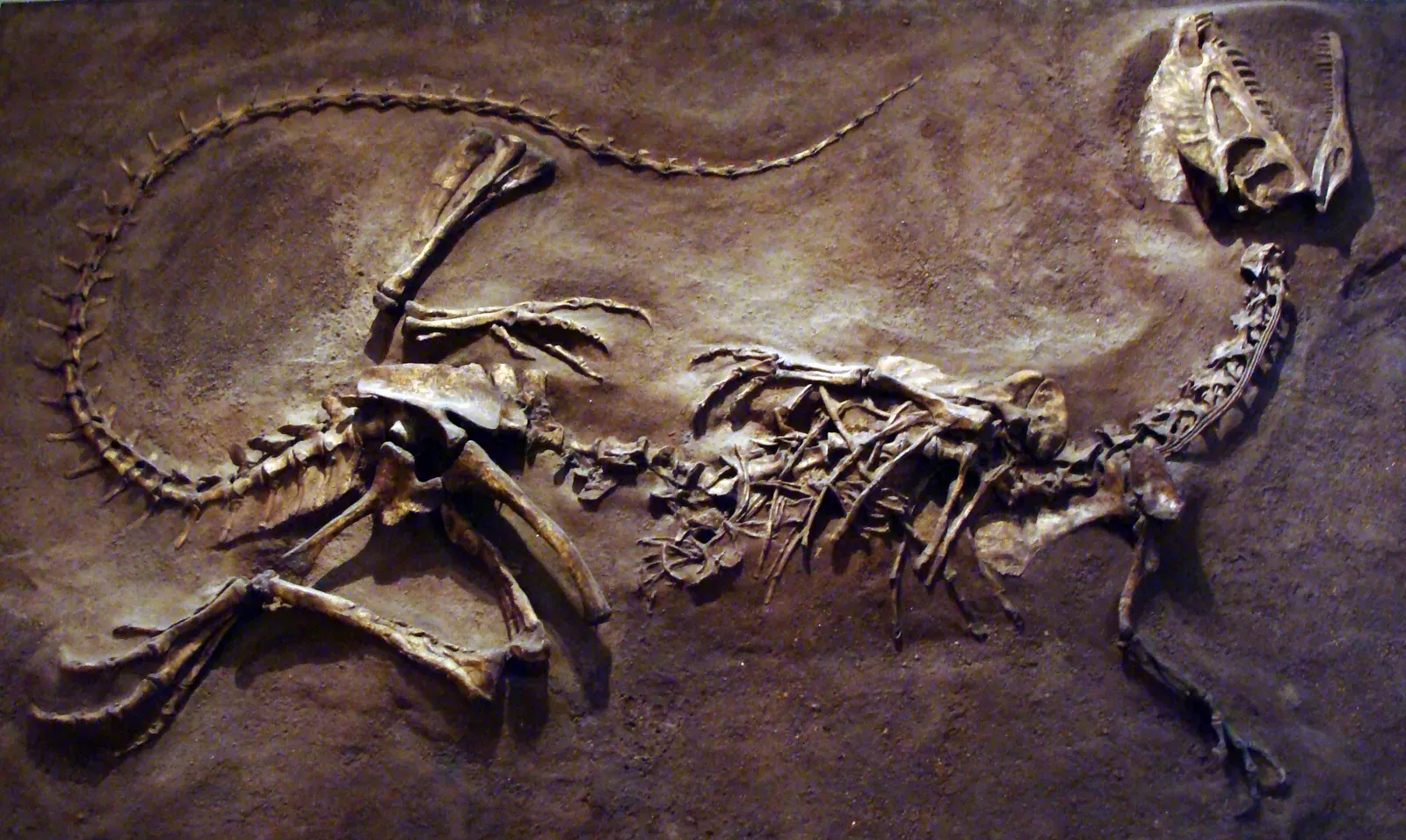
Long before any movie, Dilophosaurus had a real origin story rooted in Arizona, one the franchise never bothers to mention. A Navajo man named Jesse Williams found the first specimens in 1940 on Navajo Nation land near Tuba City, and in 1942 he brought them to paleontologists at UC Berkeley, including Samuel Welles, who formally named the species in 1954.
There’s a more complicated side to that history, too. The earliest fossils were taken from Navajo land without the tribe’s permission, though the genus name itself, “two-crested lizard,” honors John Wetherill, a Navajo councilor. That context gets completely erased every time the movie treats it as just a monster prop.
At a Glance
- 1940: First specimens found by Jesse Williams near Tuba City, Arizona
- 1942: Fossils brought to UC Berkeley paleontologists
- 1954: Species formally named by Samuel Welles
- Genus name: honors Navajo councilor John Wetherill
#1 – It Was a Genuine Apex Predator, Not a Cute Trickster
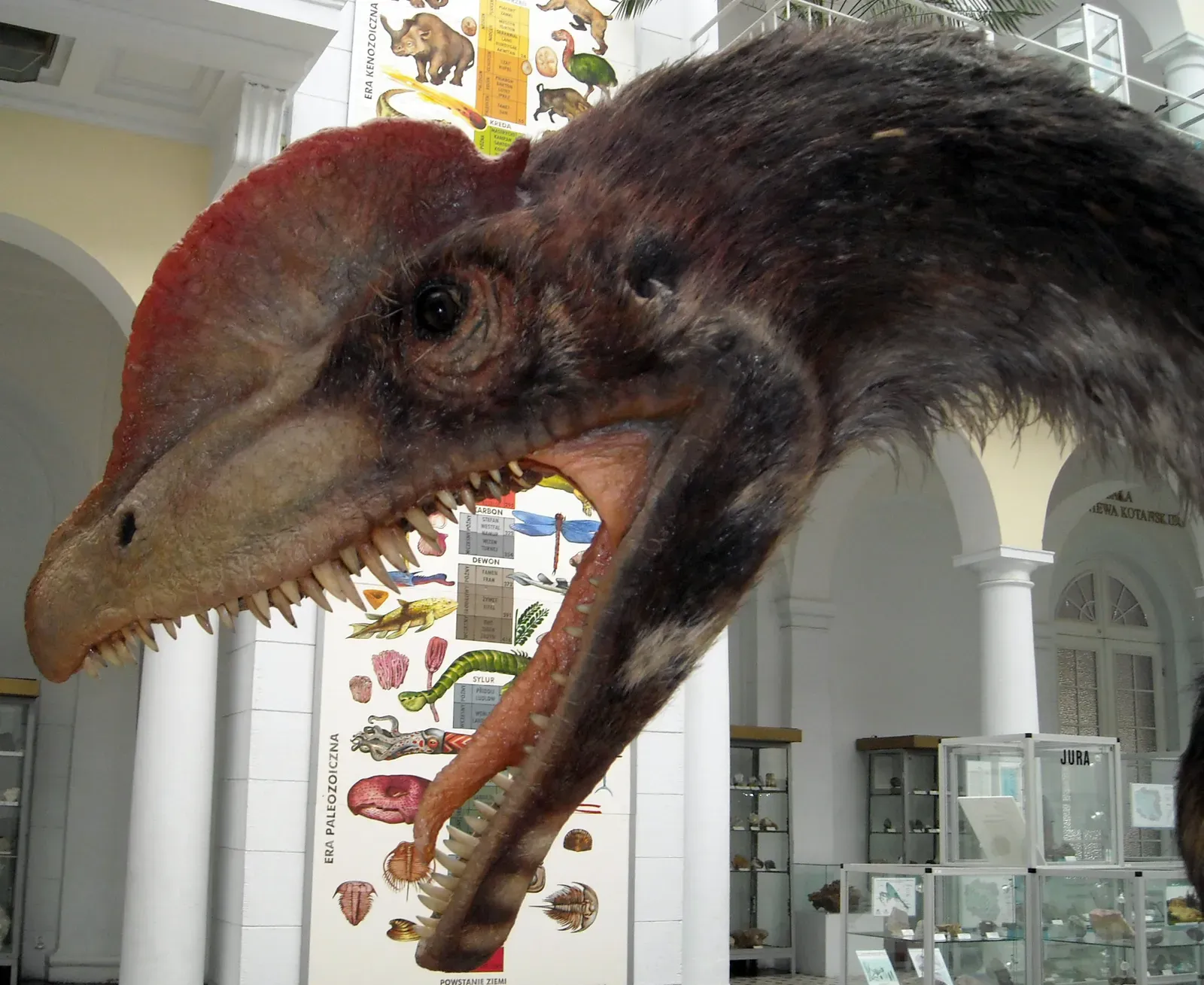
If there’s one myth that sums up everything Jurassic Park got wrong, it’s this: the film needed you to underestimate Dilophosaurus so the reveal would land. The real animal never needed a twist. Far from the dog-sized creature onscreen, it stretched up to 20 feet long and weighed around 1,000 pounds, standing about 6 feet tall at the hip.
Add serrated, blade-like teeth, strong forearms tipped with sharp claws, and a confirmed top speed near 30 mph, and you get an animal that never needed a fictional frill or venom spray to be terrifying. A near-half-ton predator capable of outrunning a human and gripping prey with clawed forelimbs was always going to be the most dangerous thing in that clearing.
Why It Stands Out
- Nearly 20 feet long, about 1,000 pounds
- Roughly 6 feet tall at the hip
- Top speed near 30 mph
- Serrated teeth and clawed forearms built for hunting
The Bottom Line
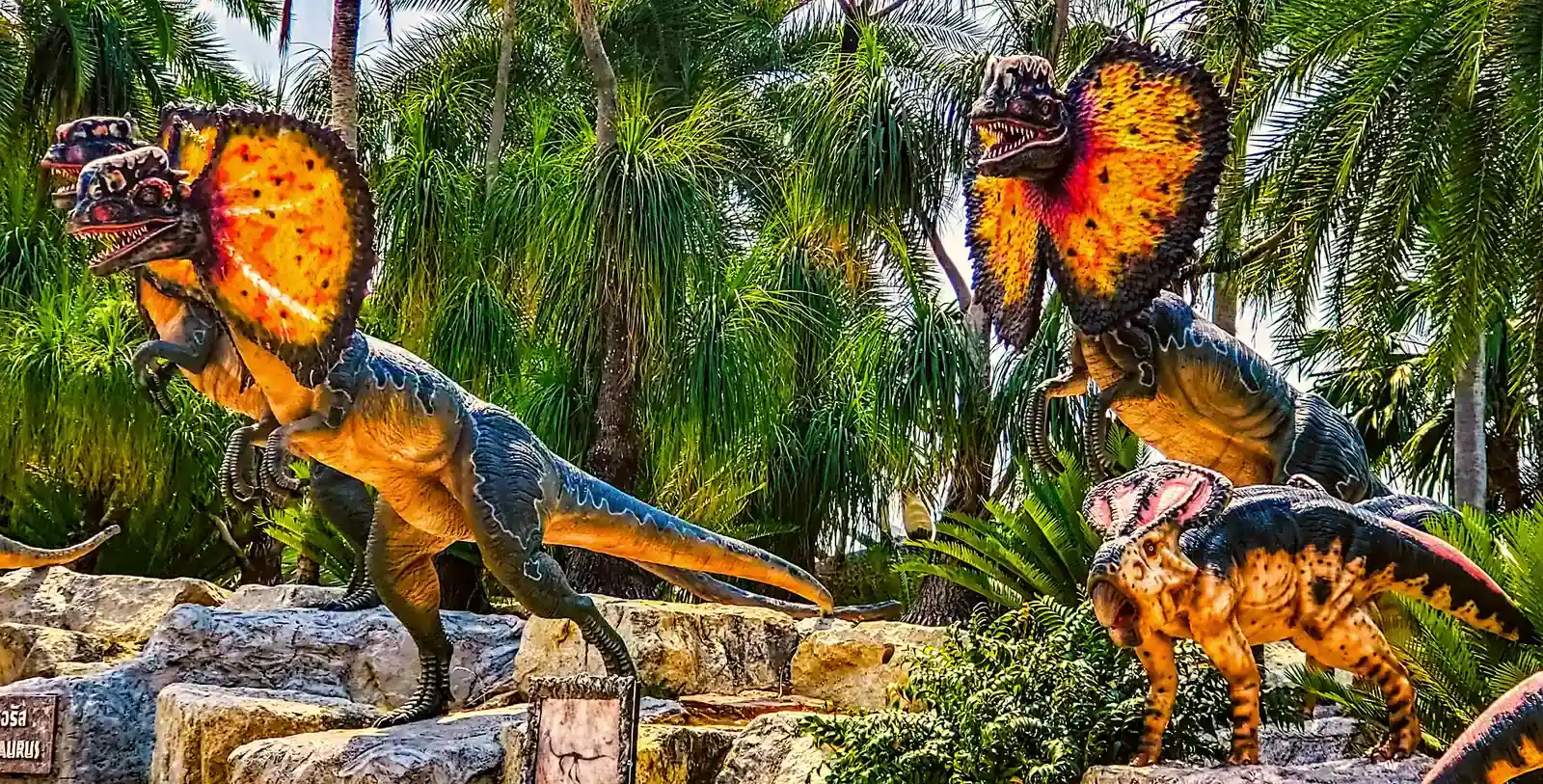
Jurassic Park didn’t just take creative liberties with Dilophosaurus – it built an entirely fictional animal and slapped a real name on it. The frill, the venom, the dog-sized body, even the “curious trickster” personality: none of it holds up against the fossil record.
The actual Dilophosaurus was a 20-foot, half-ton apex predator with fragile display crests, a debated-then-vindicated bite, and possibly a pack hunting strategy – a creature science is still piecing together nearly 90 years after its discovery. Honestly, the truth is scarier than the movie ever bothered to be, and that’s the real punchline here: Hollywood invented a monster when reality already had one waiting in the Arizona rock. Which Jurassic Park dinosaur do you think got the worst treatment? Drop your pick in the comments.