
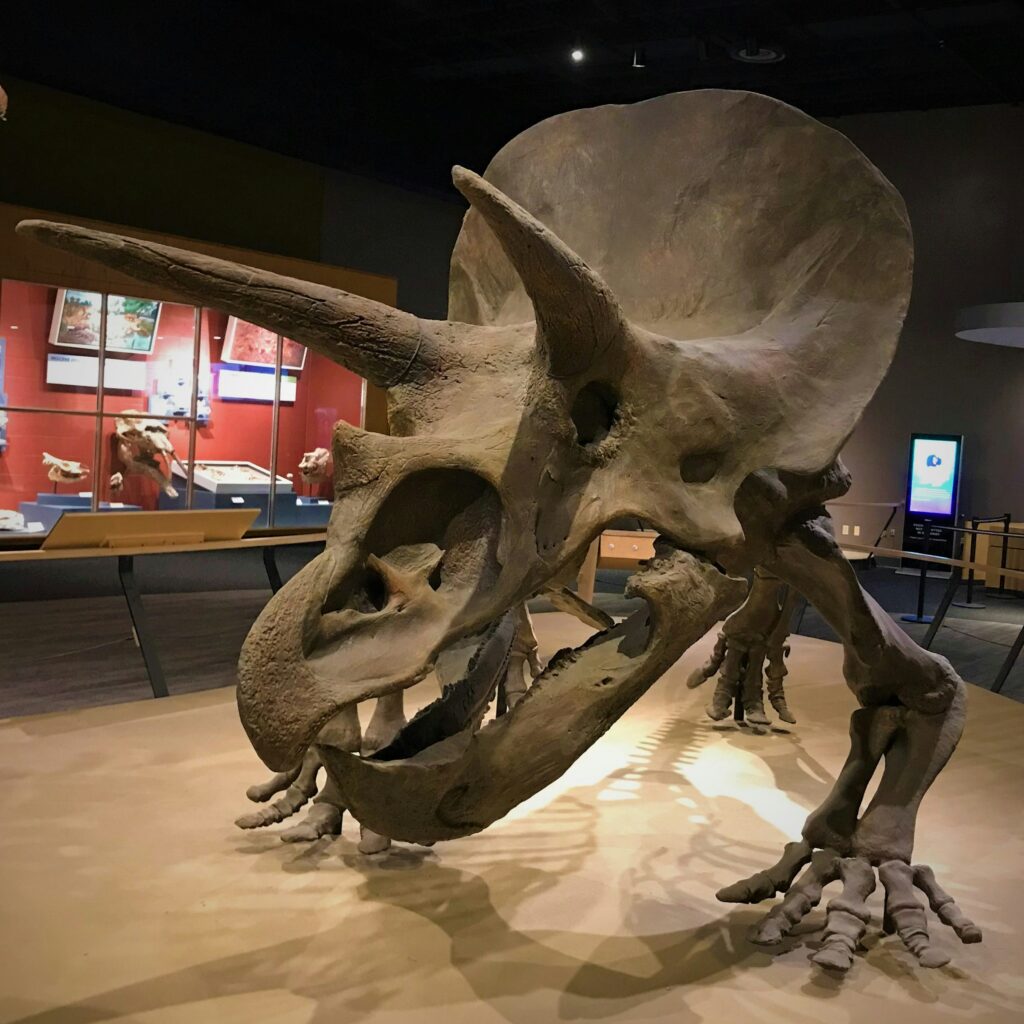
Most people trust “ancient fossils” the way they trust math: once it’s carved into a textbook, it must be true. But paleontology has a dirty little secret. Some of the most celebrated “ancient animal” discoveries in history were staged, faked, or wildly misread – and it sometimes took decades before anyone had the nerve to say so out loud.
Museums built entire exhibits around these finds. Journalists wrote breathless cover stories. Kids memorized names that later had to be quietly erased from science class. By the time the truth finally surfaced, the damage was already baked into public memory, and a few of these frauds still get repeated as fact today. Here are 13 of the most jaw-dropping cases, ranked from bad to almost unbelievable.
#13 – The Piltdown “Dawn Ape” That Fooled the World
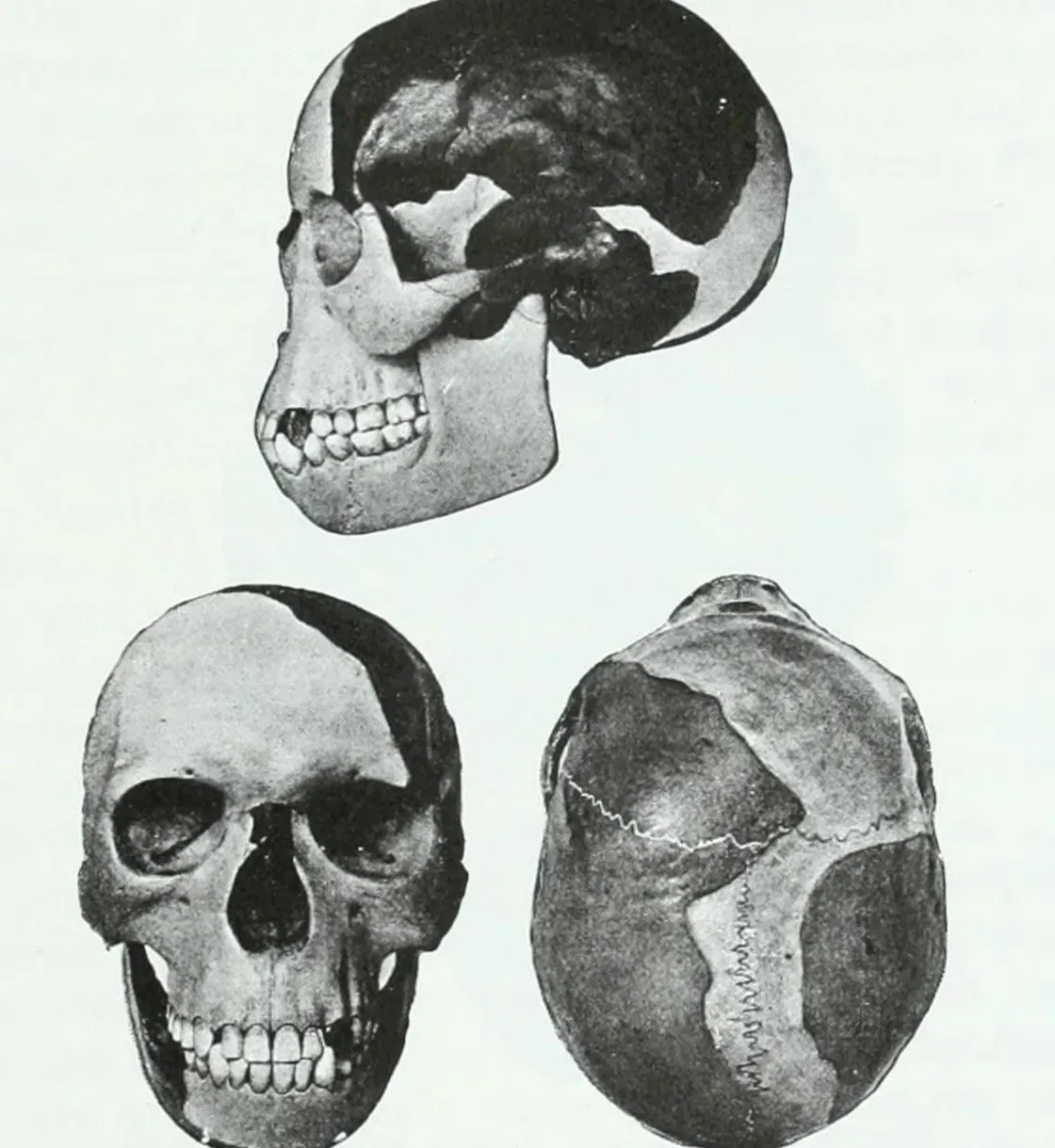
For 40 years, Piltdown Man stood as Britain’s proud answer to the ancient human fossils being unearthed overseas: a perfect “missing link” between apes and men. The skull looked human, the jaw looked primitive, and the discovery story – an amateur collector stumbling onto bones in an English gravel pit – felt almost too cinematic to be real.
It was. Piltdown wasn’t a mysterious ape at all. It was a cut-and-paste forgery, stitched together from a medieval human skull and an orangutan jaw, then chemically stained to look impossibly old.
Fast Facts
- In a gravel-pit at Piltdown Common, Southern England, in 1912, amateur collector Charles Dawson ‘discovered’ what appeared to be the long-sought ‘missing link’ between apes and humans.
- ‘Piltdown Man’s’ authenticity remained virtually unchallenged for 41 years, until advanced analytical and dating techniques proved it to be a fake in 1953.
- It was found to have consisted of the altered mandible and some teeth of an orangutan deliberately combined with the cranium of a fully developed, though small-brained, modern human.
- Carbon dating later confirmed a date of about 600 years for the skull, nowhere close to the ancient age it was sold as.
Some scientists were quietly uneasy from the start, since it fit national pride a little too perfectly. But ego is a powerful blindfold. It took decades, better dating tools, and microscopic analysis to expose the filed-down teeth, mismatched bones, and modern staining hiding in plain sight.
By then, textbooks, museum halls, and generations of schoolchildren had already treated the “dawn ape” as settled science. Piltdown is still taught today, not as a fossil, but as a case study in what happens when experts fall for a story before they check the evidence. But that’s nothing compared to what we found about #12…
#12 – Archaeoraptor: The “Missing Link” Bird-Dinosaur National Geographic Backed
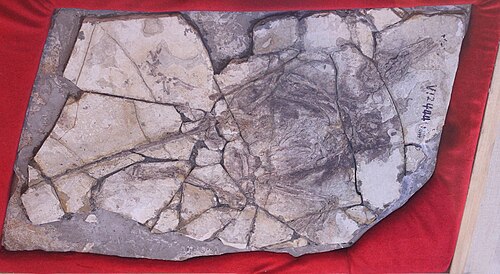
In the late 1990s, paleontology was obsessed with feathered dinosaurs and the origin of birds. Enter Archaeoraptor, loudly promoted as a perfect half-bird, half-dinosaur pulled from Chinese rock. National Geographic showcased it as a blockbuster transitional species, and for a moment it looked like the ultimate proof that dinosaurs became birds.
Then the science caught up. Archaeoraptor turned out to be a Frankenstein fossil – the tail of one dinosaur glued to the body of another, assembled for profit rather than accuracy.
The driving force wasn’t curiosity. It was the fossil black market. Farmers and dealers in China had learned that “spectacular” fossils fetched huge prices, and combining fragments dramatically inflated the value of an otherwise ordinary find.
Once CT scans and closer anatomical study were finally done, the hoax unraveled embarrassingly fast. Archaeoraptor is now a staple in scientific ethics lectures, a warning about what happens when a media splash outruns peer review. But that’s nothing compared to what we found about #11…
#11 – The “Triceratops Hoax” Myth That Went Viral on Social Media
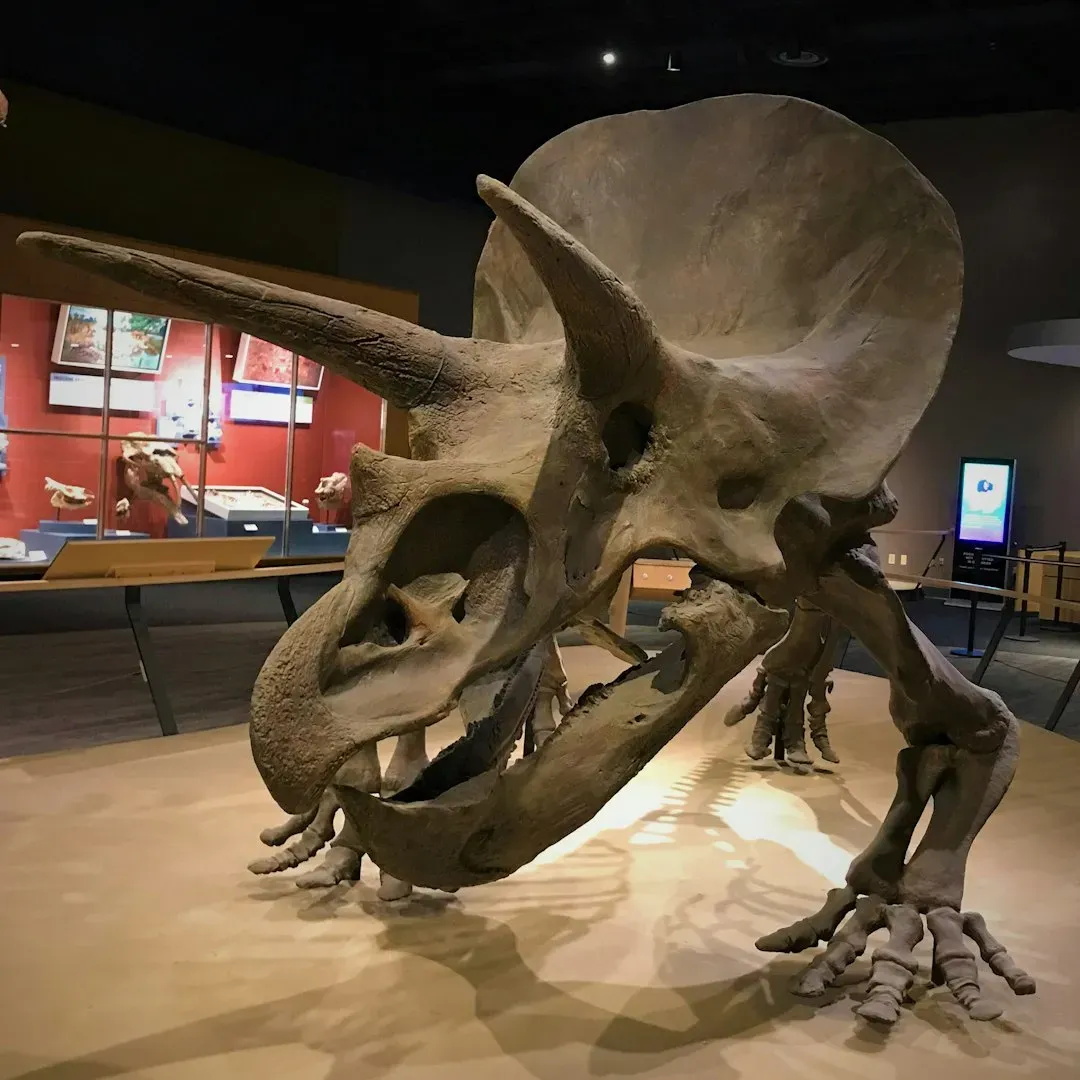
Not every fossil “fake” comes from a con artist. Some are born entirely from clickbait. Around 2010-2013, headlines and Facebook posts exploded with claims that Triceratops had been “proven fake” and “never existed,” supposedly because scientists reclassified it as a juvenile form of another dinosaur, Torosaurus.
The nuance got lost instantly. This was actually an open scientific debate about growth stages, not a conspiracy to erase a beloved dinosaur – but nuance doesn’t travel far online.
The real question scientists were arguing was narrow: were Torosaurus and Triceratops separate species, or young and old versions of the same animal? Either answer still meant horned, frilled giants roamed Late Cretaceous North America. Nobody was throwing anyone’s childhood dinosaur in the trash.
Yet memes confidently screamed “FAKE FOSSIL EXPOSED,” and millions believed it without blinking. The hoax here wasn’t in the fossils at all – it was the viral misrepresentation of real, careful science. A reminder that modern fabrications don’t need bones anymore, just a share button. But that’s nothing compared to what we found about #10…
#10 – Eoanthropus and the Jaw That Never Actually Matched
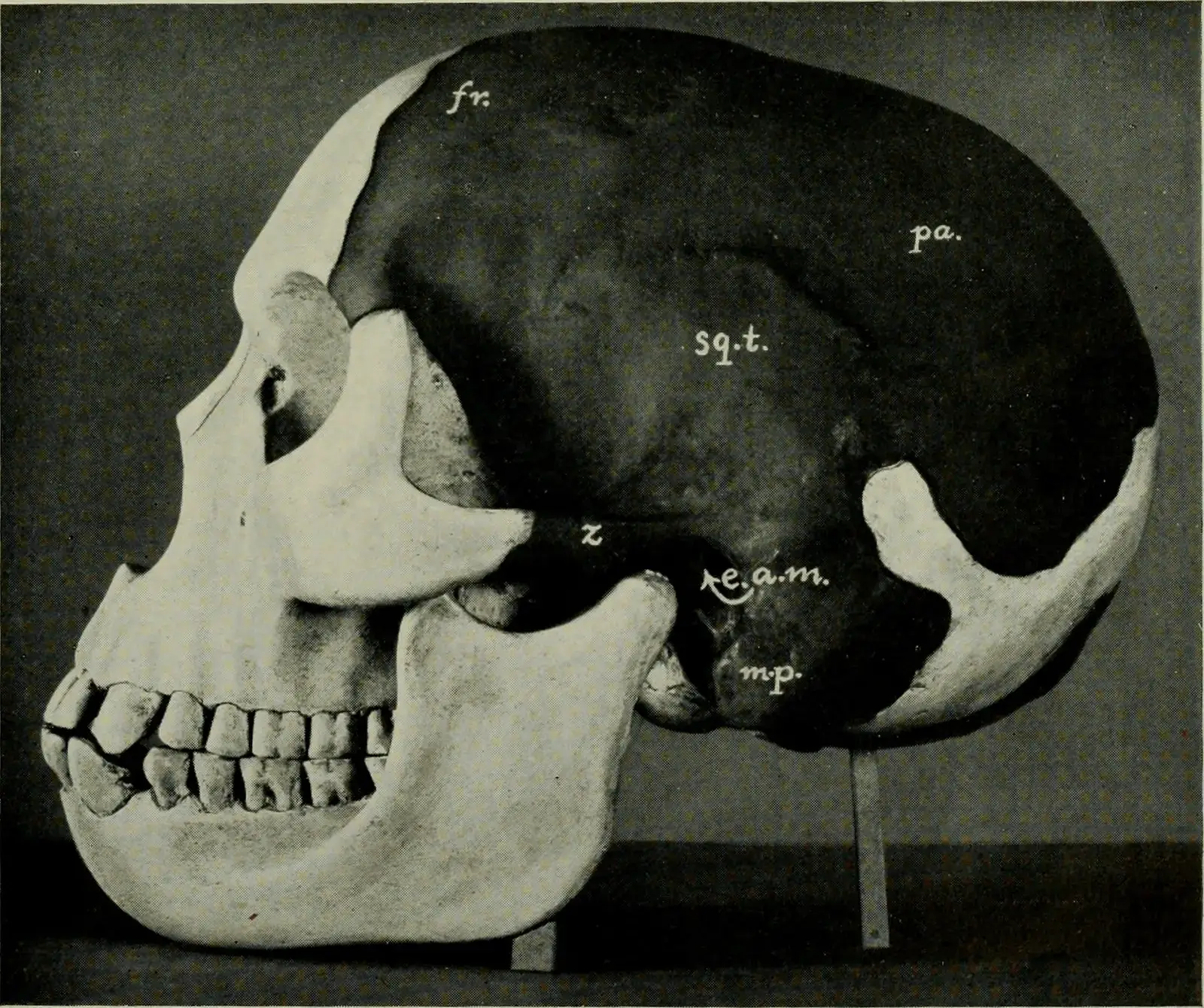
Piltdown Man is infamous, but one detail rarely makes the headlines: how badly its anatomy contradicted other genuine fossils, and how easily that got waved away. The ape-like jaw, even after filing, simply didn’t fit the human-looking skull it was paired with.
Some scientists privately noted that the jaw’s wear pattern and shape looked suspiciously modern and mismatched. But fear of publicly challenging a celebrated British discovery kept most of them quiet, protecting a fake out of politeness and professional politics.
The fraud exploited a deeply human weakness: we prefer coherent stories over messy data. Genuine early hominid fossils from Africa and Asia were already pointing toward a very different picture of human evolution, but Piltdown’s defenders kept twisting interpretations to keep their pet fossil relevant.
Rather than reject the conflicting evidence, they built elaborate theories to defend a forgery. The “convenient jaw” was as much a psychological fabrication as a physical one, with science quietly rewriting itself to protect a national icon. But that’s nothing compared to what we found about #9…
#9 – The Fake “Sea Serpent” Vertebrae Sold to Victorian Collectors
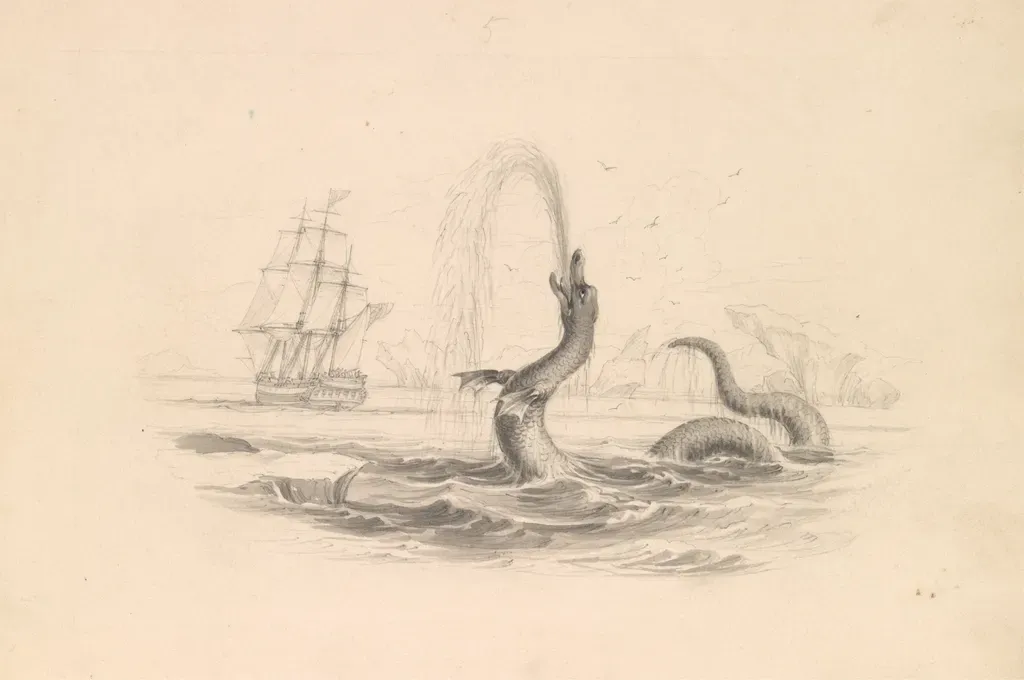
Victorian Britain loved a good monster. Cabinet-of-curiosity culture meant wealthy collectors would pay handsomely for anything resembling dragons, mermaids, or sea serpents, no questions asked. Naturally, fake “ancient sea serpent” bones flooded straight into that eager market.
Dealers would take ordinary whale vertebrae, carve or reshape them, and sell them as relics of legendary marine reptiles – sometimes with forged “Roman” or “Viking” provenance papers stapled on for extra drama.
These pieces were rarely studied properly. They were trophies, not data, often sitting in private collections labeled with dramatic names but zero stratigraphic information.
When modern paleontologists finally re-examined them, they found tool marks, wrong patina, and anatomy that didn’t add up – some “ancient” vertebrae turned out to be startlingly recent. It’s a quiet scandal compared to Piltdown, but it reveals the same thing: how far people will go to sell a story dressed up as science. But that’s nothing compared to what we found about #8…
#8 – The “Mokele-Mbembe Dinosaur Bone” That Was Just Crocodile
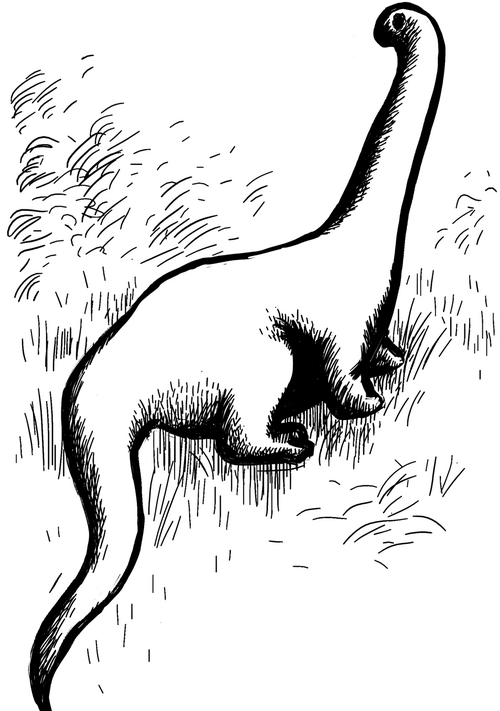
Cryptid hunters have long claimed a living sauropod lurks deep in the Congo Basin, known as Mokele-Mbembe. One expedition proudly presented “ancient dinosaur bones” as hard evidence, and the discovery was paraded through documentaries and enthusiast circles as a breakthrough.
When proper experts finally examined the bones, the magic evaporated. They weren’t dinosaurian at all – just ordinary crocodilian remains, exactly what you’d expect in a tropical river system.
This wasn’t one forged fossil; it was motivated reasoning at scale. Cryptozoologists wanted dinosaurs, so they saw dinosaurs, latching onto anything vaguely large and fossil-like as confirmation of their theory.
The “Mokele” bones quietly faded from serious discussion, but the legend never died, recycled endlessly in books and websites that never bothered correcting the record. It’s a case where the fabrication was part physical mislabeling, part collective refusal to accept basic comparative anatomy. But that’s nothing compared to what we found about #7…
#7 – The Cardiff Giant: America’s “Petrified Man” That Sparked a Fossil Fraud Craze
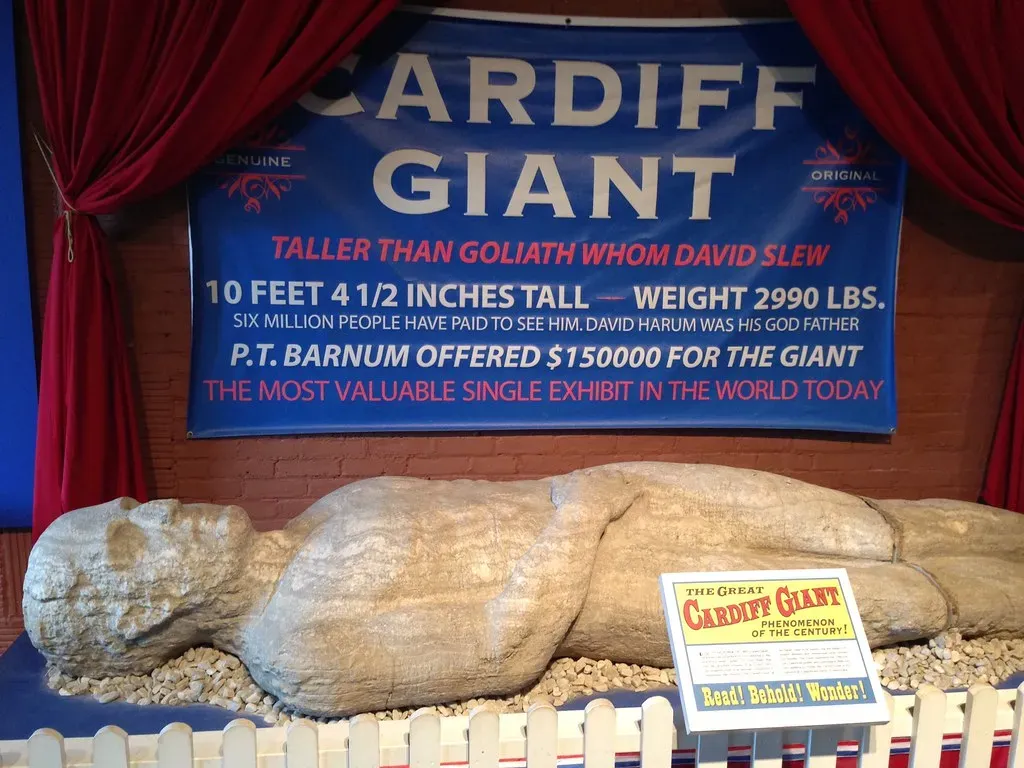
You can’t talk about fabricated giants without mentioning the Cardiff Giant, a 10-foot “petrified man” unearthed in New York in 1869. Crowds paid good money to see what many believed was a biblical giant turned to stone, and for a while, skepticism lost out to spectacle.
The giant was carved from gypsum, stained with acids to look ancient, and deliberately buried so it could be “discovered” later for maximum theater. It was never a real fossil, but for a moment it was treated like sacred science.
At a Glance
- A block of gypsum roughly eleven feet long was quarried near Fort Dodge, Iowa, then shipped by train to Chicago to be carved into the giant.
- The finished figure was a 10-foot-tall, roughly 3,000-pound purported “petrified man,” uncovered on October 16, 1869, behind a barn in Cardiff, New York.
- The creator publicly admitted the hoax on December 10, 1869, less than two months after crowds first lined up to see it.
- Its mastermind, George Hull, reportedly walked away with between $15,000 and $20,000 – a small fortune at the time.
What people forget is how the Cardiff Giant sparked copycats. Other showmen rushed to fabricate their own “ancient petrified humans” and giant animal remains, betting correctly that spectacle would always outsell authenticity.
That carnival mindset shaped how early American audiences saw fossils in general – as moral proof texts and sideshow attractions rather than carefully dated specimens. Modern paleontology has no trouble separating the hoax from reality now, but the episode still shows how easily a fake “ancient being” can outshine the real fossils sitting quietly in a museum drawer. But that’s nothing compared to what we found about #6…
#6 – The “Dinosaur Tracks” That Were Actually Carved by Human Hands
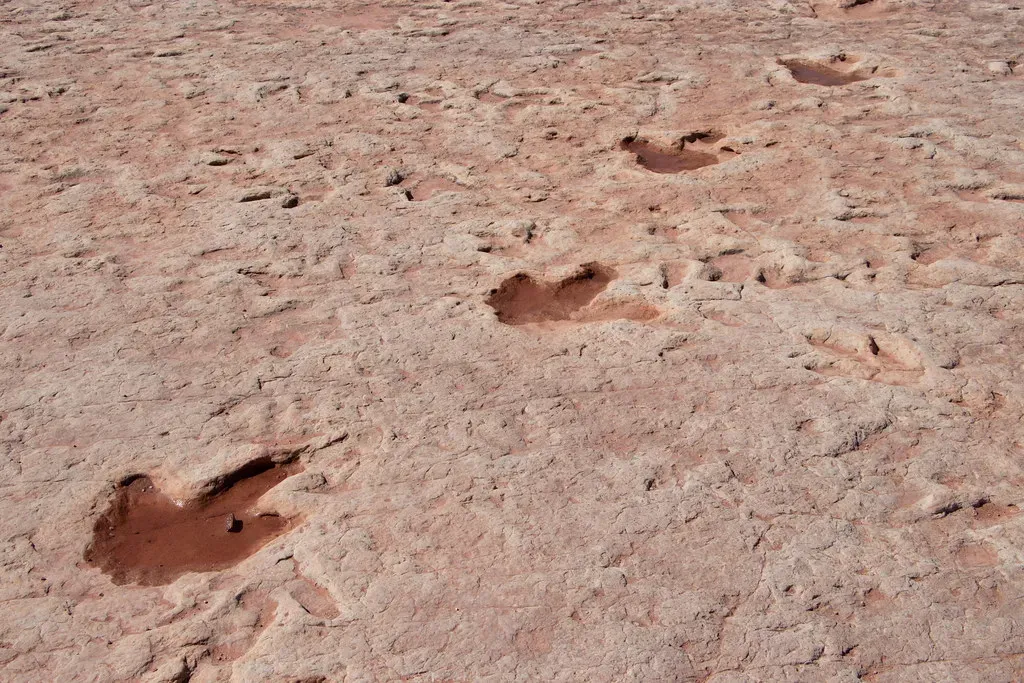
In the 19th and early 20th centuries, “dinosaur tracks” on loose rock slabs became a hot commodity. Farmers and stonemasons figured out that carving three-toed impressions into stone, then letting them weather a bit, produced convincing “ancient footprints” that sold well to tourists and small museums.
A few clever fakers even mixed carved tracks in with real fossil ones, making detection far harder for decades. When modern ichnologists – scientists who study footprints – finally went back through old legacy collections, they found an uncomfortable number showing chisel marks, unnatural spacing, or anatomically impossible shapes.
The damage is subtle but very real. Fake tracks were cited in old papers as evidence for specific dinosaur behaviors or ranges, and while most of those conclusions have since been corrected, the wasted research effort is enormous.
Here’s the awkward part: many institutions quietly de-accession or relabel these pieces with zero public announcement, just to avoid embarrassment. Which means we’ll probably never know exactly how many “celebrated” dinosaur tracks were, at best, someone’s artistic impression. But that’s nothing compared to what we found about #5…
#5 – The Fake Pterosaur Skeletons Pieced Together for Maximum Drama
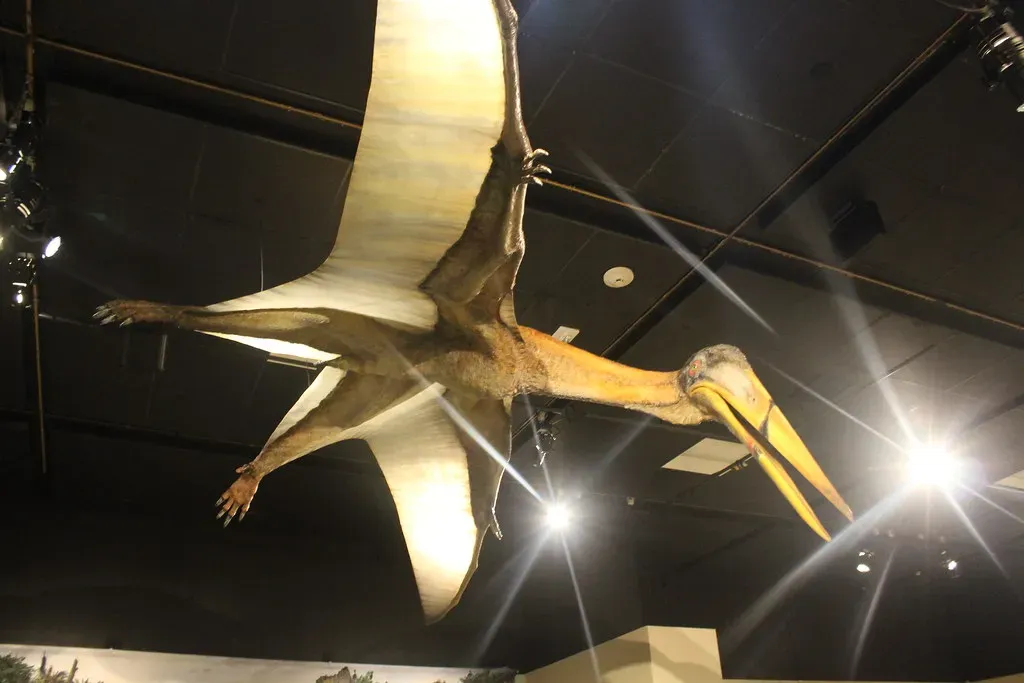
Pterosaurs, the flying reptiles often nicknamed “pterodactyls,” have become prime targets for fakery, especially in fossil-rich black markets across Brazil and China. Dealers discovered that assembling fragments from different individuals – sometimes different species entirely – into one dramatic “complete” skeleton could massively increase the selling price.
Wings got stretched, skull crests exaggerated, and missing bones simply sculpted from plaster and passed off as real. To a museum visitor, these chimeras looked breathtaking: giant wingspans in perfect articulation, heads frozen in cinematic poses.
Worth Knowing
- Forgers commonly mix bones from different individuals of the same species, or combine parts from entirely different species, to complete a single skeleton.
- Faking rarer specimens such as pterosaurs or dinosaurs can drastically increase their monetary value on the collector market.
- Brazil has treated its fossils as state property under strict protection laws since 1942, yet illegal exports have continued for decades.
- Detecting these composites typically requires detailed visual examination, chemical analysis, X-ray or CT scans, and ultraviolet light.
To an expert with time and equipment, the problems jumped out fast – wrong joints, duplicated bones, and surrounding rock that clearly came from different geological layers. Some of these composites were originally cataloged as important specimens, only to be quietly downgraded once the truth came out.
The scientific fallout is subtle but lasting. Older measurements and reconstructions sometimes still rely on these “too perfect” fossils, introducing error into how we picture pterosaur anatomy and flight – a legacy that lingers in artwork and even some textbooks today. But that’s nothing compared to what we found about #4…
#4 – The “Dinosaur Embryos” That Turned Out to Be Broken Eggshell
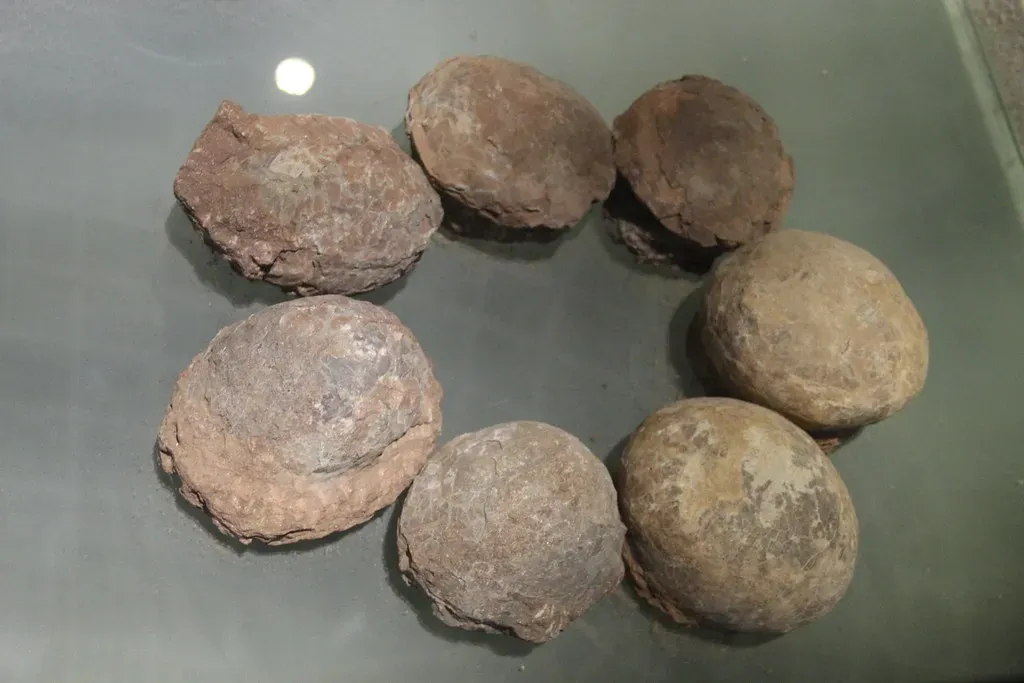
Dinosaur eggs are catnip for headlines. Every time researchers announce a nest or an embryo, media outlets race to declare a major evolutionary breakthrough, and that pressure has led to some embarrassing over-interpretation, especially in the early days.
Several widely publicized “dinosaur embryos” turned out, on closer inspection, to be nothing more than random bone fragments or mineral infill sitting inside eggs – not actual developing skeletons at all. In a few cases, the eggs weren’t even dinosaurian to begin with.
This wasn’t deliberate forgery so much as scientific wishful thinking. Once an egg got labeled “dinosaur,” every vague line on a CT scan suddenly became a “tiny limb” or “skull,” and museums built entire displays around narratives that shaky evidence never actually supported.
Children’s books illustrated baby dinosaurs frozen mid-hatch based on almost nothing. Later, better imaging forced quiet retractions and relabeling – and the real tragedy is that genuine, less flashy eggs and hatchlings got ignored while the hyped fakes hogged the spotlight. It’s a softer kind of fraud: exaggeration wearing the costume of certainty. But that’s nothing compared to what we found about #3…
#3 – The “Dinosaur Mummy” Preserved in Leather That Was Actually Modern
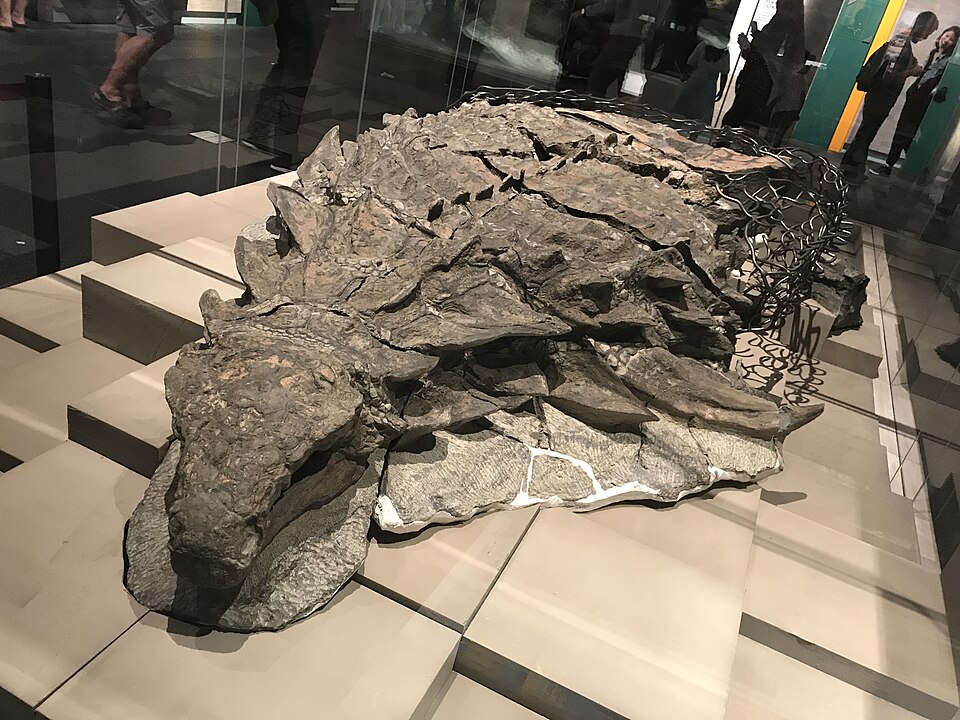
A handful of supposed “dinosaur mummies” have made headlines over the last century, claiming to show not just bones but preserved skin and soft tissue, as if the animal had simply dried out like a giant lizard in the sun. Real fossils with genuine skin impressions do exist – but several of the flashiest “mummies” were something else entirely.
On closer investigation, some of these exhibits turned out to be modern or sub-fossil remains of large mammals, heavily reconstructed with plaster, paint, and imagination. The public simply can’t tell the difference between real fossilized skin texture and a skillfully sculpted replica, and some traveling shows leaned hard into that confusion.
Dramatic lighting and emotional storytelling sold tickets far better than honesty did. When skeptical paleontologists finally pushed for closer study, they found modern materials, inconsistent dating, and no verifiable excavation records – the “mummies” were mostly props.
The fallout is predictable and unfair to real science. People grow cynical about every extraordinary fossil claim, and legitimate soft-tissue finds now have to work twice as hard just to be believed. But that’s nothing compared to what we found about #2…
#2 – The “Feathered Dinosaur” That Was Really Two Animals Glued Back-to-Front
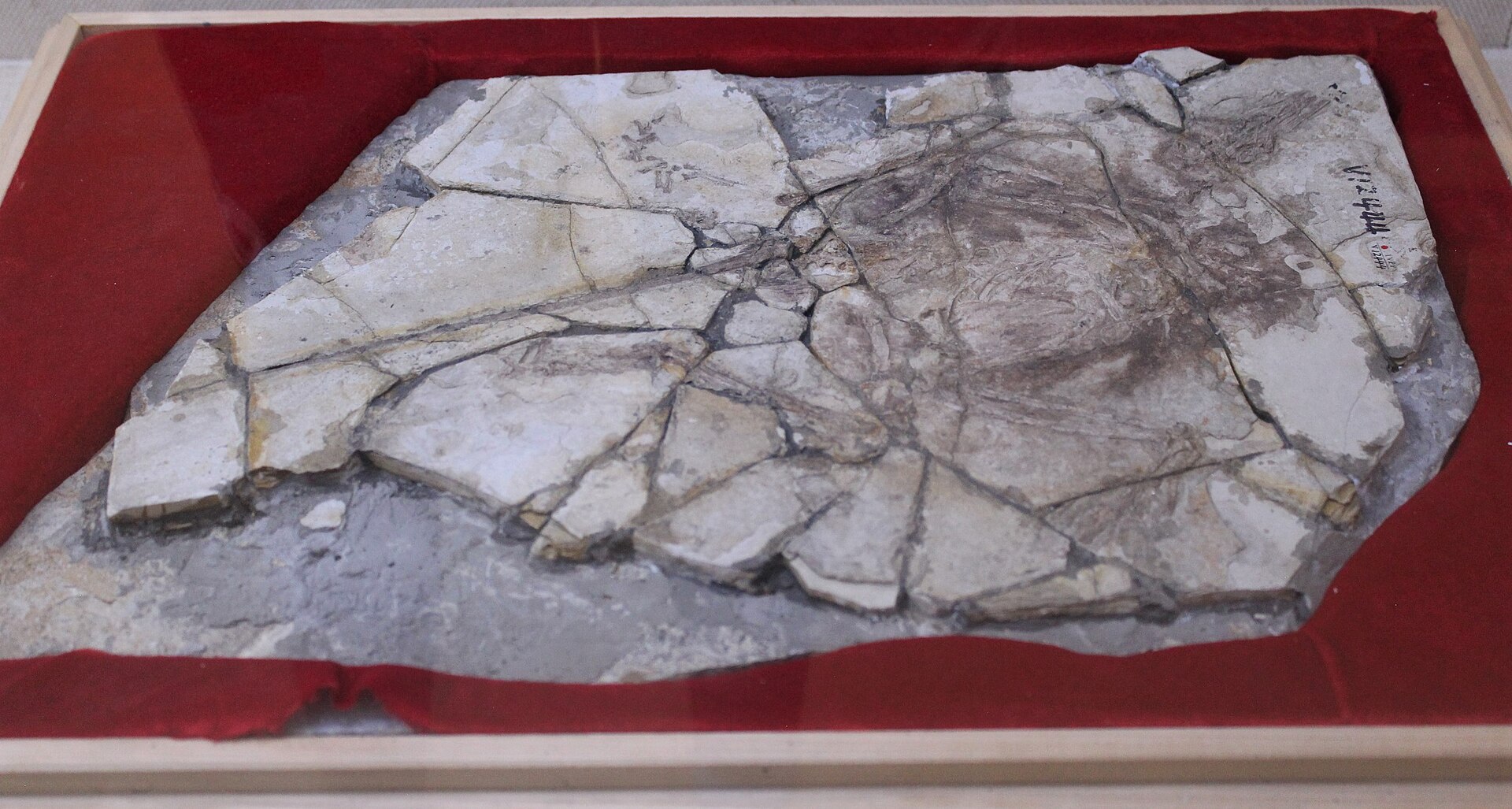
Archaeoraptor wasn’t the only chimera – it was just the one that made the magazine covers. Behind the scenes, multiple “feathered dinosaurs” entering Western collections through the 1990s and 2000s turned out to be mosaics: tails from one animal, bodies from another, slabs artificially matched so the whole thing looked complete.
In one particularly awkward case, a “new species” was formally described based on a fossil whose front half and back half belonged to entirely different genera. Here’s the part that stings: some of these creations survived peer review, at least briefly, because the anatomy looked plausible if you never saw the original quarry or the unprepared rock.
Extraordinary claims require extraordinary evidence.
Carl Sagan
Commercial preparation labs, paid to deliver impressive specimens, often had little financial incentive to be brutally honest about how much they “helped” a fossil along. Once CT scanning, stricter import rules, and better fieldwork became standard, the rate of these chimeras dropped sharply – but scientists are still cleaning up the literature. Every time a composite is exposed, it forces a re-evaluation of evolutionary trees that were partly built on its fake features. But that’s nothing compared to what we found about #1…
#1 – The “Living Fossil” Myth Built on Cherry-Picked Evidence
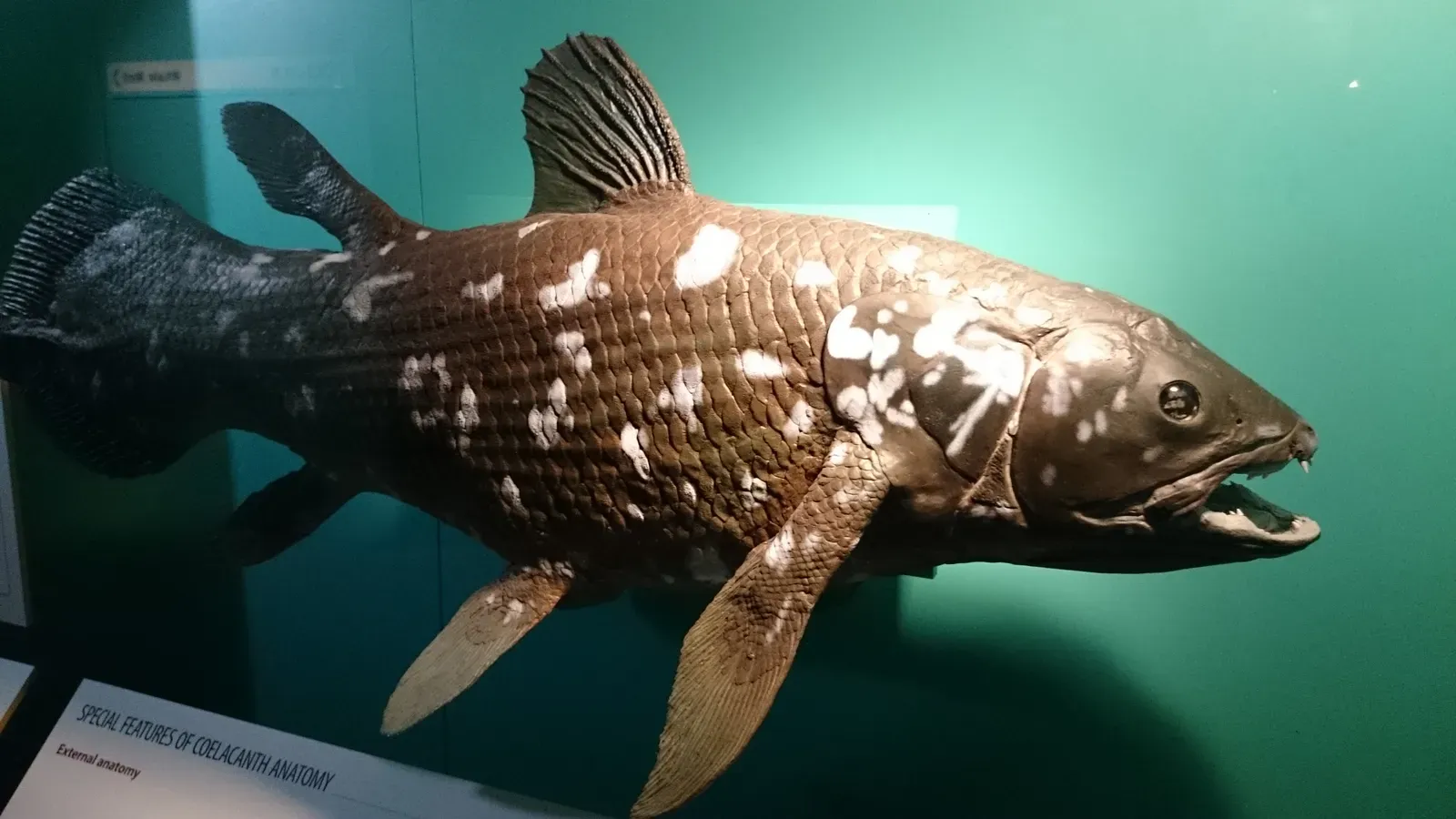
The most persistent fabrications in paleontology aren’t single fossils – they’re entire narratives about “living fossils,” ancient animals supposedly frozen in place for hundreds of millions of years. Headlines celebrating “unchanged coelacanths” or “identical horsetail plants” quietly ignore what the actual data says.
No modern species is truly identical to its distant fossil relatives. Every single lineage shows genetic and anatomical change over deep time, even the famous ones – but the myth of a frozen, ancient animal is so seductive that cherry-picked evidence keeps reviving it.
Quick Compare
- Assumed history: Coelacanths were believed to have been extinct for 70 million years before a live one was found.
- Reality check: A living coelacanth was rediscovered by Marjorie Courtenay-Latimer on 22 December 1938, overturning decades of assumption.
- Then vs. now: Cretaceous coelacanths had a diamond-shaped tail and highly ornamented head bones, and lacked teeth, unlike the modern species.
- Bottom line: “Living fossil” doesn’t mean unchanged – it means a lineage that simply stopped leaving traces in the rock for a while.
Popular articles love showing a fossil next to a modern organism, claiming they’re “virtually the same.” Careful measurement tells a far messier story: proportions shift, structures appear and vanish, ecologies change completely, even when the general body plan looks familiar.
Yet museum placards and documentaries keep leaning on the “unchanged survivor” trope because it’s easy to explain and emotionally satisfying. In the most extreme cases, fringe writers weaponize “living fossil” rhetoric to argue against evolution itself, pretending the fossil record for that lineage hasn’t been updated in a century. This time, the fabrication isn’t in any single bone – it’s in the oversimplified story still being told to the public, long after specialists quietly moved on.
Strip away the hype from all 13 of these, and a pattern jumps out immediately: forged bones, misidentified fragments, and narratives that stayed frozen in place while the actual data kept moving. Piltdown’s fake ape, Franken-fossil dinosaurs, carved tracks, phantom embryos, and overhyped “mummies” all thrived for the exact same reason – people like a clean, dramatic story more than they like messy, self-correcting science.
That doesn’t mean paleontology is broken. If anything, it proves the field works, because every one of these frauds eventually got dragged into the light by better tools and stubborn skeptics who refused to just go along with a good story. What should worry us more is how long it took, and how many of these myths are still floating around gift shops, cable documentaries, and Facebook memes decades after the experts quietly abandoned them. So here’s an honest question worth sitting with: which “ancient animal find” you grew up believing in do you think still hasn’t been properly checked – and are museums actually doing enough to call out the fakes they once helped sell?