
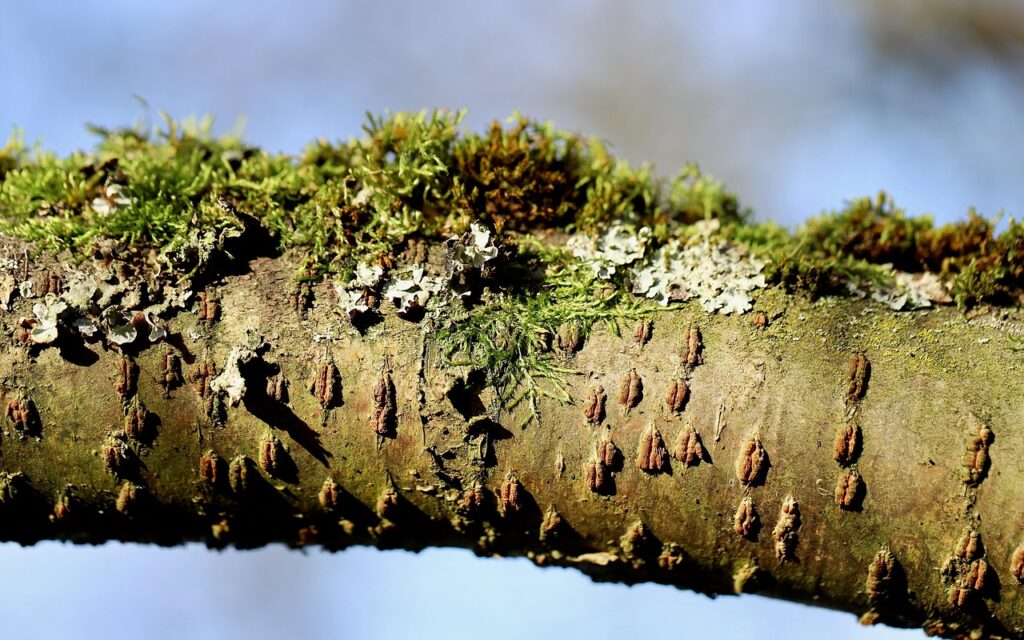
Take a walk past the nearest tree and really look at the bark. Not just a quick glance, but the kind of stare you’d give an abstract painting when you’re trying to see what’s hidden inside it. That rough, cracked surface looks still and silent, yet it’s actually one of the busiest neighborhoods on Earth. Millions of tiny lives are unfolding in those crevices, most of them completely invisible to us, and almost none of them ever counted.
We talk a lot about forests, leaves, roots, forests burning, forests being cut down. But bark? Bark is just sort of… there. A background feature. Protective armor, sure, but not exactly the star of the show. And that’s the mistake. Bark is more like a giant, vertical coral reef: layered, complex, full of hidden rooms and strange, beautiful drama we never notice.
In this article, we’re stepping right up to that rough wooden wall and peeling back the mystery without actually peeling the bark. From microscopic algae painting trees green to tiny animals spending entire lifetimes in a single crack, here are truly counted – and that will probably change the way you look at every tree from now on.
#1: Lichens – The Slow-Motion Cities on Tree Trunks
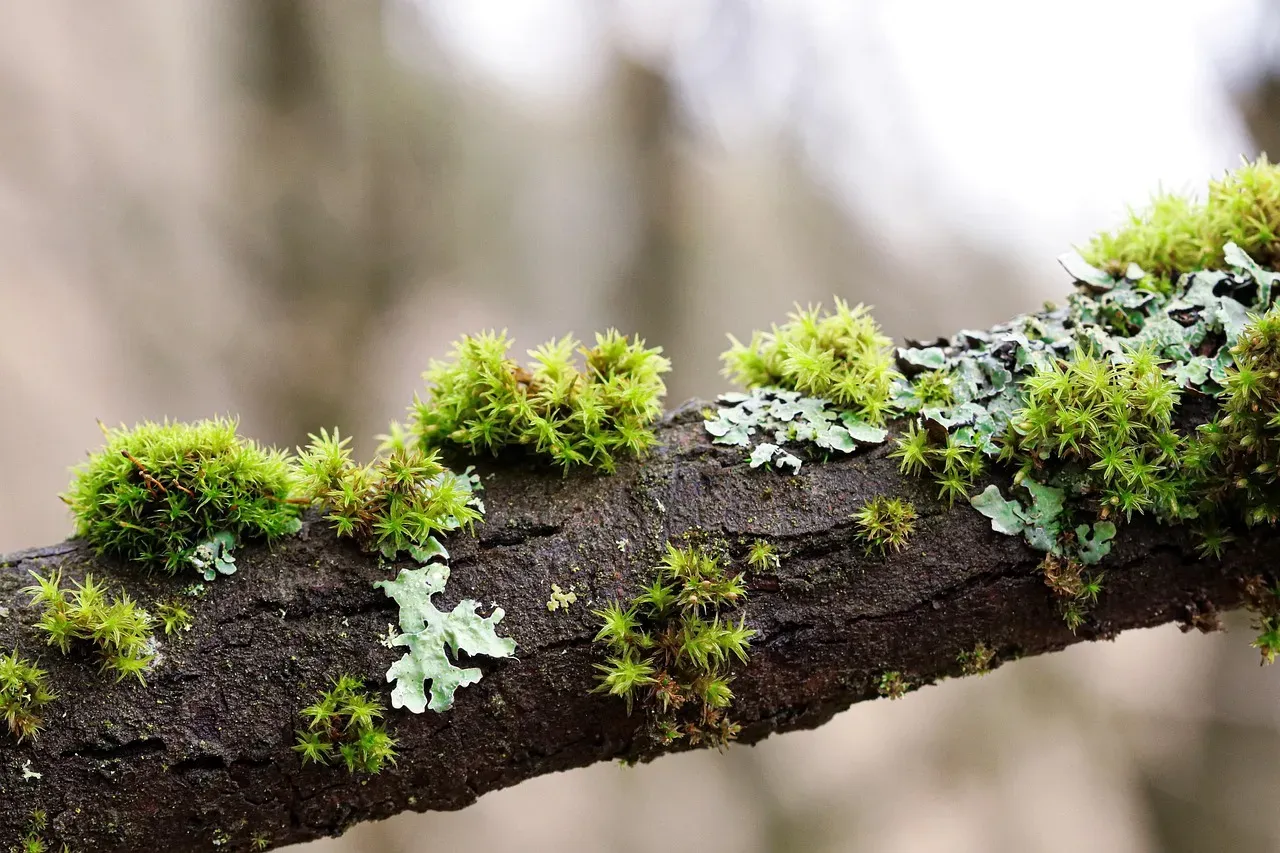
Here’s the wild part about lichens: they’re not one organism at all, but a kind of long-term biological partnership, like a tiny living co-op built by fungi and microscopic algae or bacteria. On bark, lichens form sprawling patches, crusts, leafy mats, and even miniature shrubby growths that can take decades to expand just a few centimeters. To most people they look like stains, but they’re closer to entire cities spread flat across the bark.
Scientists have named many lichen species, but nobody has ever counted how many individual lichen thalli – each separate patch – are living on all the bark in a forest, let alone on the planet. In one square meter of bark, you can find dozens to hundreds of lichen patches in different shapes, textures, and colors, each one hosting its own community of microbes and tiny invertebrates. It’s like apartment complexes stacked on top of an old brick wall.
On a more practical level, lichens also act as environmental sensors. Many are sensitive to air pollution and changes in humidity, so the bark they live on becomes a kind of slow-motion environmental report. If you walk through a city and notice only a few tough, grayish lichens on trunks, that often means the air is harsher than in a lichen-rich woodland where trunks glow with greens, oranges, and pale blues. Nobody has counted them all, but they’re quietly counting the quality of our air for us.
- Each lichen patch is a partnership between fungus and microscopic algae or bacteria.
- Trunks can host dozens of different lichen forms in just a small area.
- Lichens on bark can act as natural indicators of air quality and moisture.
#2: Mosses – Miniature Forests Growing on Forests
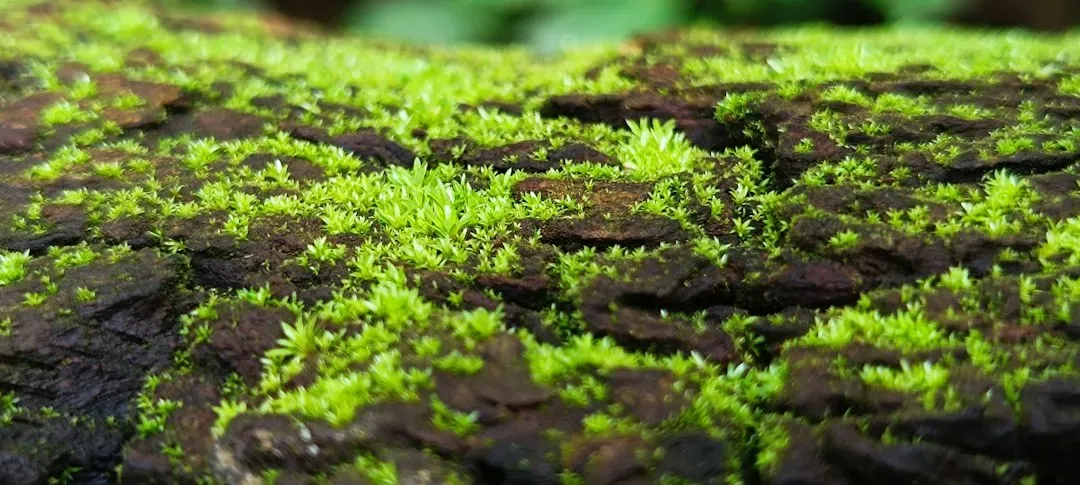
Moss on tree bark is one of those things we barely register – just a fuzzy green patch, right? But if you kneel down and really look at it, preferably with a magnifying glass, it suddenly becomes a forest inside a forest. Each moss “leaf” is only a few millimeters long, but together they form a dense, sponge-like carpet full of hidden micro-habitats.
Mosses have no true roots; instead, they cling to the bark with tiny anchoring structures and absorb water directly from rain, fog, and dew. That means a single rainstorm can transform a crisp, dry moss patch into a wet, emerald cushion, creating a temporary water world for microscopic creatures. Bark that looks dry and dead from a distance might, for a few hours, be a lush jungle if you happen to be the size of a mite.
Ecologists have studied moss diversity and sometimes measure how thick or abundant it is, but almost nobody even tries to count individual moss stems on bark. It would be like trying to count blades of grass in every field on Earth. Yet all those uncounted stems contribute to something crucial: they trap moisture, slow down evaporation, and provide tiny refuges for larvae, springtails, rotifers, nematodes, and many more creatures that slip under our radar.
#3: Algae and Cyanobacteria – Invisible Paint on the Bark Canvas
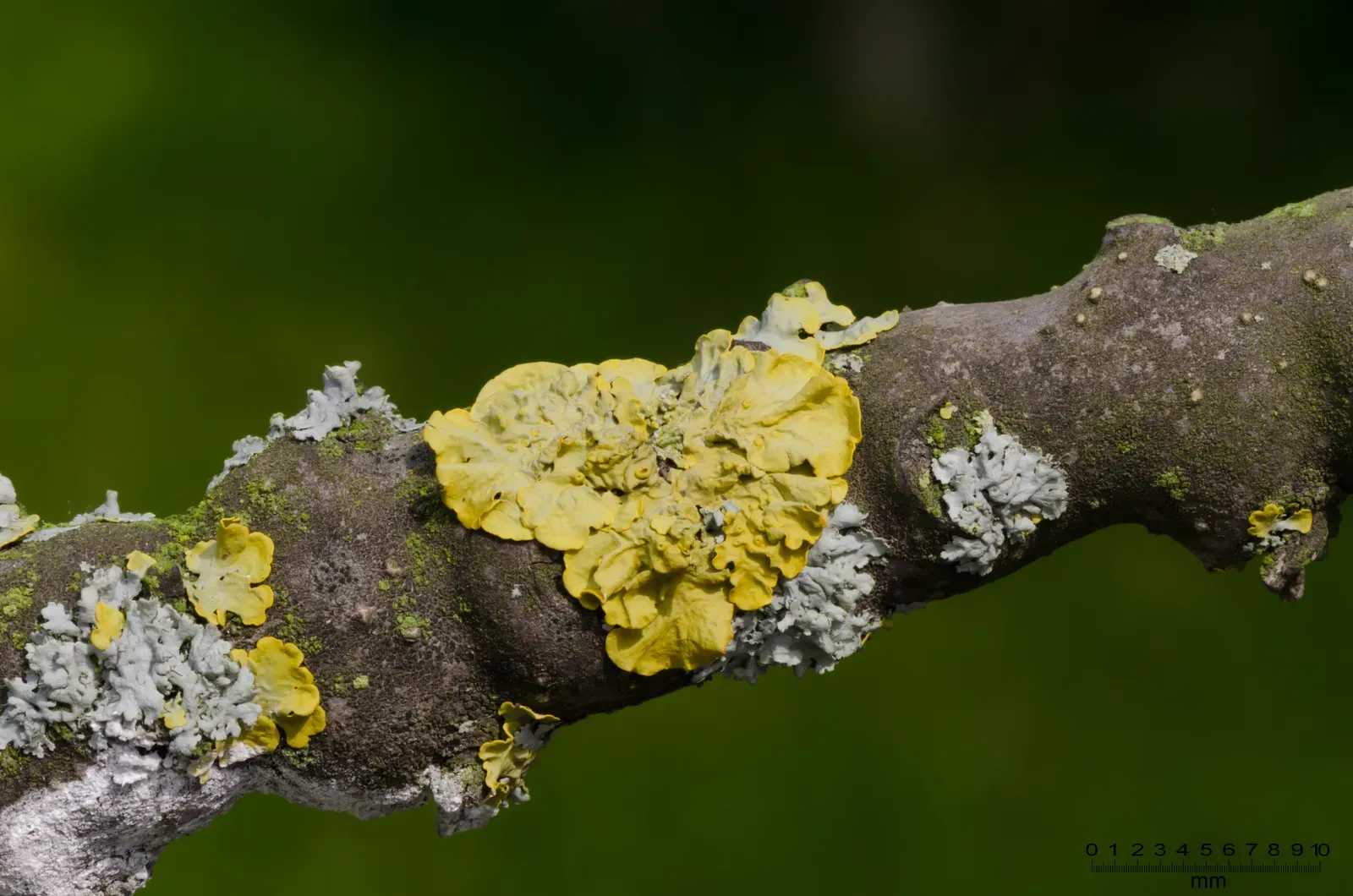
When you see a tree trunk with a greenish sheen, you might assume it’s just moss. Sometimes it is, but quite often that thin, even layer is actually microscopic algae or cyanobacteria living right on the bark surface. These organisms are so small and flat that they rarely get noticed; they just tint the bark lightly, like an airbrushed filter on a photo.
These tiny photosynthesizers can survive intense drying and heating, then bounce back when conditions improve. They form biofilms just a few cells thick, converting light, carbon dioxide, and water into energy while clinging to a surface that looks brutally exposed. In humid climates, you can even feel these films as faintly slippery or velvety patches on trunks or branches, especially where rain and light hit just right.
No one is counting individual algal cells on bark because it would be absurd; even a tiny slice of bark can hold millions. Instead, researchers talk about coverage or biomass. But if you zoom out and imagine every tree in a forest wearing a thin algal coat in places, you start to see that bark is not just a passive shield: it’s an enormous light-harvesting real estate for tiny, uncounted phototrophs that quietly power parts of the food web.
- Green tints on bark are often microscopic algae or cyanobacteria, not just moss.
- They form ultra-thin biofilms that can survive drying and rehydrate quickly.
- These films quietly contribute to photosynthesis and nutrient cycling on tree surfaces.
#4: Fungi and Hidden Mycelium – The Underground of the Bark World
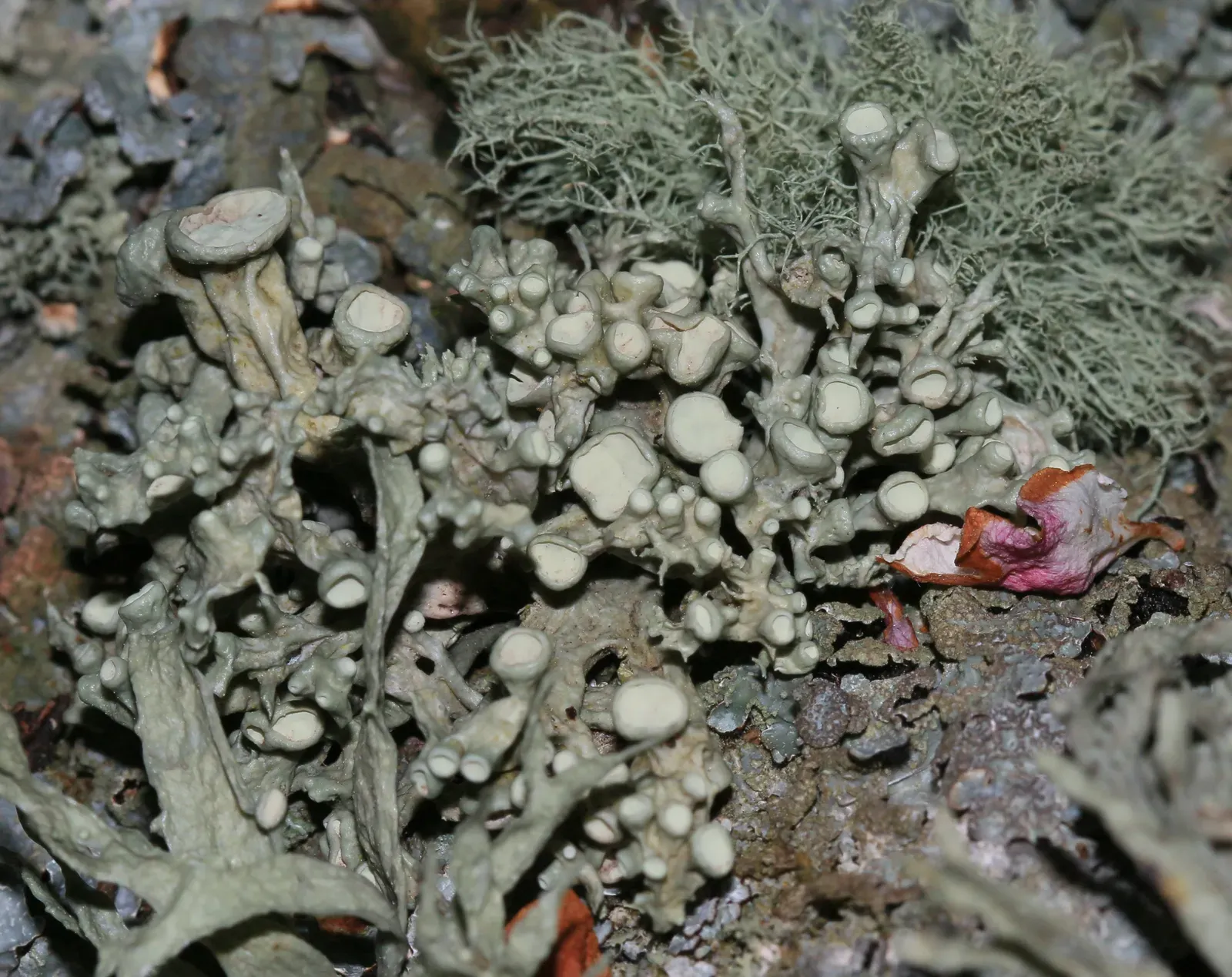
We usually only notice fungi when they put on a show: shelves sticking out from trunks, jelly-like blobs, or delicate cups clinging to bark. But these fruiting bodies are just the tip of the iceberg. The real fungal presence on bark lies in the thin, branching threads of mycelium that snake through microscopic cracks and under the outer layers, largely invisible to the naked eye.
Some of these fungi are harmless hitchhikers, using the bark as a place to live and feed on tiny organic particles or dead tissue. Others are pathogens that can eventually harm or kill their host trees, while a few form more cooperative relationships with other organisms on the bark surface. The bark becomes a kind of contested territory where fungal species compete, collaborate, and slip past each other in a slow, chemical drama.
Counting fungi on bark is difficult even for specialists, because a single square centimeter can contain DNA signatures from many species, some of which may never have been formally described. Modern genetic studies reveal that fungal diversity on tree surfaces is far higher than anyone guessed decades ago. In other words, there are entire fungal communities on bark that exist mostly as sequences on a lab screen and faint, unseen threads under your fingertips.
#5: Bacteria and Microbial Films – The Unseen Majority
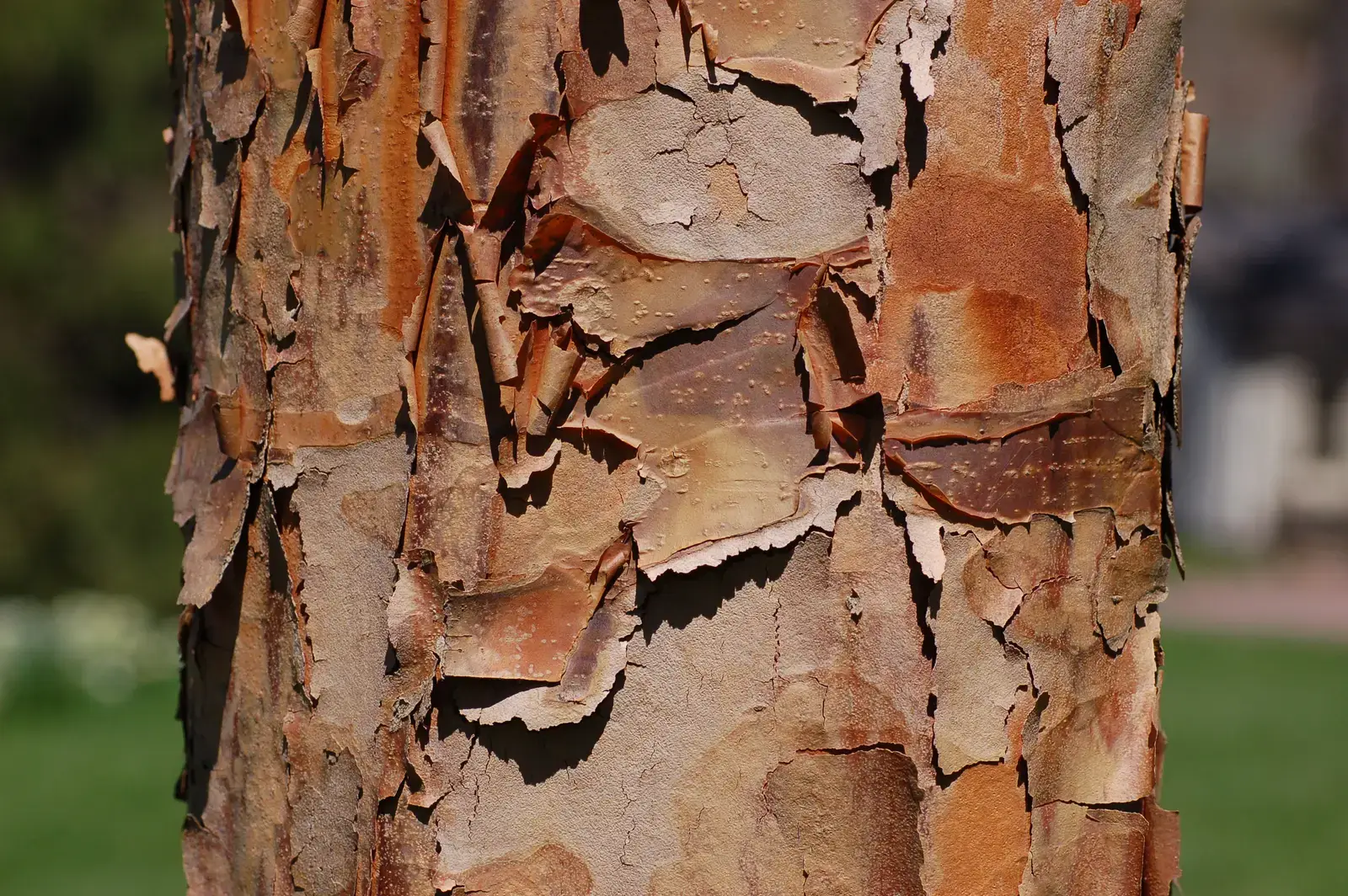
If there’s one group that truly dominates bark in terms of numbers, it’s bacteria and other microscopic microbes. The bark surface, with its cracks, pockets of moisture, and tiny specks of organic matter, offers plenty of places for microbial communities to stick and grow. Many bacteria form biofilms, thin, sticky layers where cells anchor themselves to the bark and to each other, sharing nutrients and sometimes even resisting harsh conditions together.
In reality, the number of bacterial cells on even a single tree trunk is beyond everyday imagination. In a laboratory, researchers may estimate millions to billions of cells per square centimeter on plant surfaces, and bark can host similar magnitudes, especially in moist environments. Yet these staggering numbers rarely show up in public conversations about forests or trees – you almost never hear anyone say they’re walking past a pillar made of living microbial real estate.
These microbial communities are more than just background noise. Some bacteria on bark can break down pollutants, produce protective substances, or influence the health of the tree by interacting with other microbes, fungi, and even insects. Others might be opportunists, ready to colonize wounds or damaged areas. We’re just starting to map which species are where, and how they change through seasons, so the idea of “counting” them is almost laughable. But they’re there, in incomprehensible numbers, shaping the life stories of both the bark and everything that dwells upon it.
- Bark hosts dense microbial films that can reach millions of cells in very small areas.
- These microbes can affect tree health, nutrient cycling, and even pollution breakdown.
- Most of this diversity is known only through genetic traces rather than direct observation.
#6: Mites – The Almost-Invisible Bark Wanderers
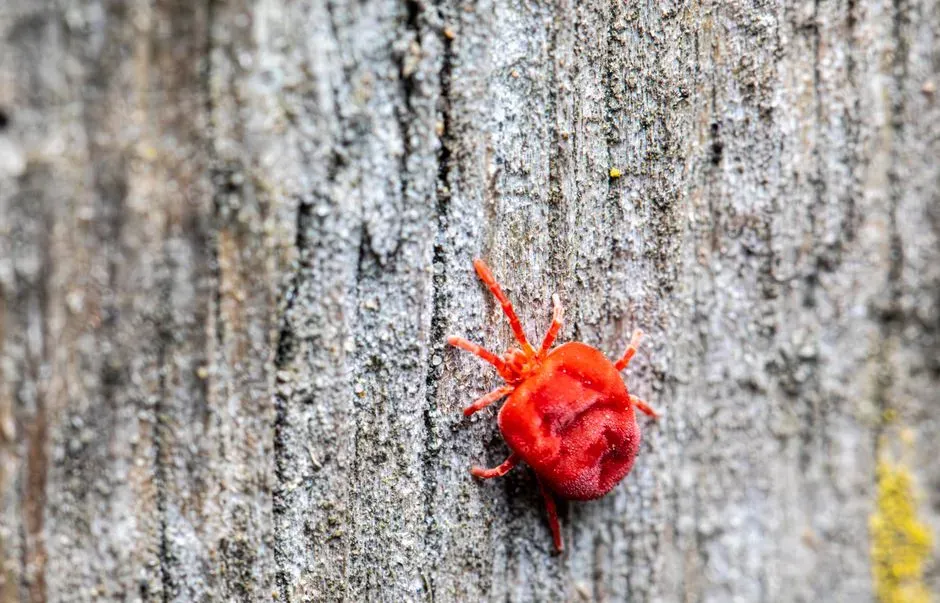
Mites are the kind of creatures that make you question what “small” really means. Many are less than a millimeter long, essentially specks with legs. On tree bark, they roam through cracks, under bits of shedding bark, and among moss and lichen like tiny grazing animals in a rugged landscape. Some feed on fungi, some on algae, some on decaying organic material, and some are predators of other tiny invertebrates.
Because they are so small and can be incredibly abundant, mites on bark tend to go unnoticed unless you scrape off material and study it under a microscope. Even then, separating species and counting individuals becomes a complex job that few people tackle at large scales. You can think of them as the uncounted livestock of the bark world, quietly managing microscopic pastures of fungi and biofilm.
What fascinates me about mites is how much they compress an entire ecosystem into a space smaller than a fingernail. On a single flake of bark, you might have grazing mites, hunting mites, and scavenging mites, all interacting in ways that mirror much larger food webs. Nobody knows how many mites live on the bark of a single mature tree, let alone a whole forest. But they are there, a busy and largely invisible workforce.
#7: Springtails and Tiny Jumpers – The Bark’s Little Acrobat Squad
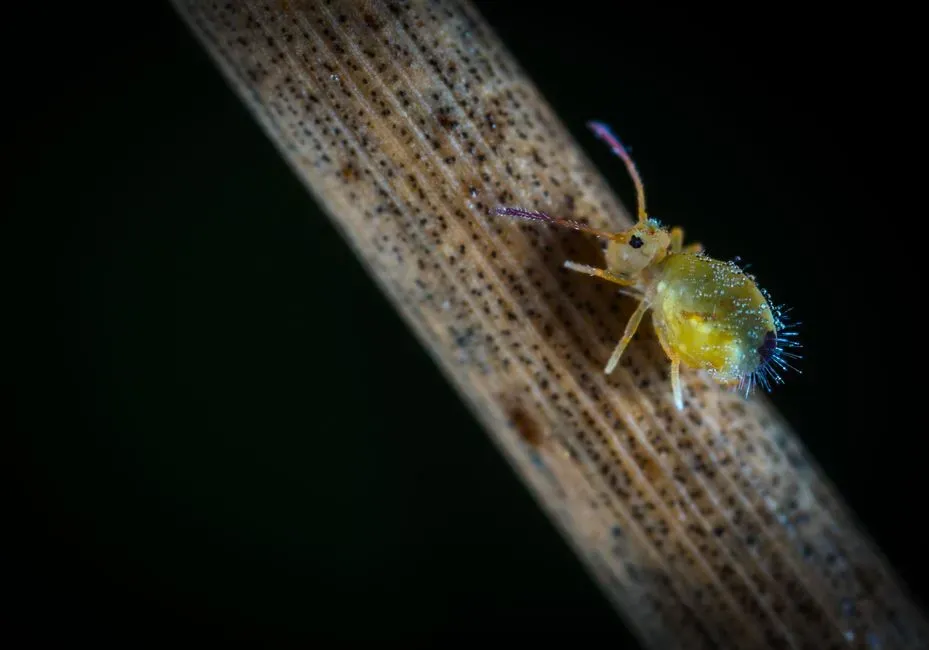
Springtails, also known as collembolans, are delicate, soft-bodied creatures usually only a couple of millimeters long. They get their name from a special forked structure on their underside that can snap like a spring, catapulting them into the air when they feel threatened. Many people imagine them only in soil or leaf litter, but some species live on tree bark, especially where there is moss, lichen, or moist organic film.
To a springtail, bark is not a flat surface. It’s a three-dimensional maze full of ridges, canyons, and sheltered chambers under bits of peeling bark or within mats of moss. They move across this landscape feeding on fungal spores, algae, and decaying particles, playing an important role in breaking down organic material and cycling nutrients, even though we hardly ever see them.
Counting springtails on bark is another exercise in near-impossibility. Researchers may trap or extract them from small samples, measure their density, and make rough estimates, but the real number of individuals across a large forest could easily run into staggering figures. It’s the kind of thing that makes you realize just how much life exists beyond our ordinary daily perception.
- Springtails live not just in soil and leaf litter but also on bark.
- They use a spring-like structure to jump away from danger.
- On bark, they help break down organic particles and recycle nutrients.
#8: Bark Beetles and Their Larvae – Tunnel Makers in the Tree Skin
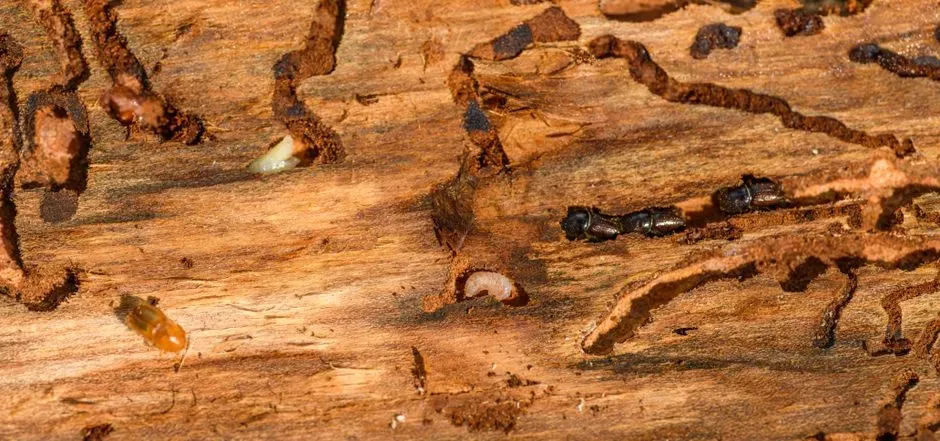
While many bark residents are quiet and microscopic, bark beetles are more infamous, especially when their populations surge and forests suffer. Adult bark beetles are small, usually only a few millimeters long, but their impact can be huge. They bore into bark to lay eggs, and their larvae feed within the inner layers, carving signature tunnels that can eventually interfere with a tree’s ability to transport nutrients and water.
There are numerous bark beetle species worldwide, some relatively harmless in low numbers, others capable of contributing to major tree die-offs under the right conditions. They often host symbiotic fungi that help break down wood and may contribute to tree decline. The bark becomes a combination of nursery, food source, and battlefield as beetles, fungi, and the tree’s own defenses clash in a slow-motion struggle.
Foresters keep track of outbreaks and tree mortality, but they do not count each beetle or larva individually. On a single stressed tree during an infestation, there can be thousands of beetles and larvae hidden just under the bark. Multiply that by all the trees in a valley, and you get a sense of the scale. Bark, in this sense, is far from a stable wall – it is an active frontier under siege by hungry miners.
#9: Ants and Other Insect Colonies – High-Rise Homes in Bark Cracks
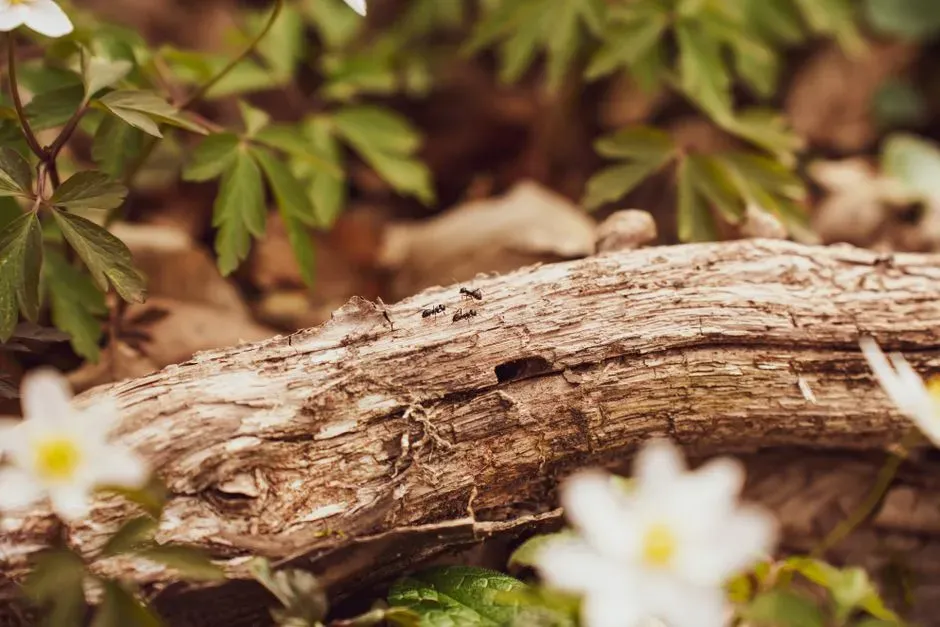
Look closely at deep bark crevices, old wounds, or spots where branches once grew, and you may find tiny entrances to ant nests or other insect colonies. Some ant species take advantage of hollow spaces behind loose bark or natural cavities in trunks to build their homes. For them, bark is not just a path; it is both the facade and the foundation of a vertical city.
Inside these snug spaces, worker ants care for larvae, tend to their queens, and sometimes even farm other organisms like aphids or scale insects on the tree. From the outside, you might only notice a few ants marching up and down the bark, carrying food or investigating new territory. Behind that narrow entrance, though, there can be thousands of individuals, a complex social system hidden in the dark.
Counting these colonies is tricky because they are often well hidden, and their populations fluctuate. Researchers sometimes estimate colony sizes for specific species, but nobody is conducting global tallies of bark-dwelling ant citizens. To the ants, the tree is both skyscraper and fortress, and the bark is their doorway to the wider world of the canopy and forest floor.
- Bark cracks and cavities can host thriving ant colonies.
- Only a fraction of the colony is ever visible on the trunk surface.
- These hidden societies can number in the thousands within a single tree.
#10: Spiders and Web Builders – Silent Guardians of the Tree’s Surface
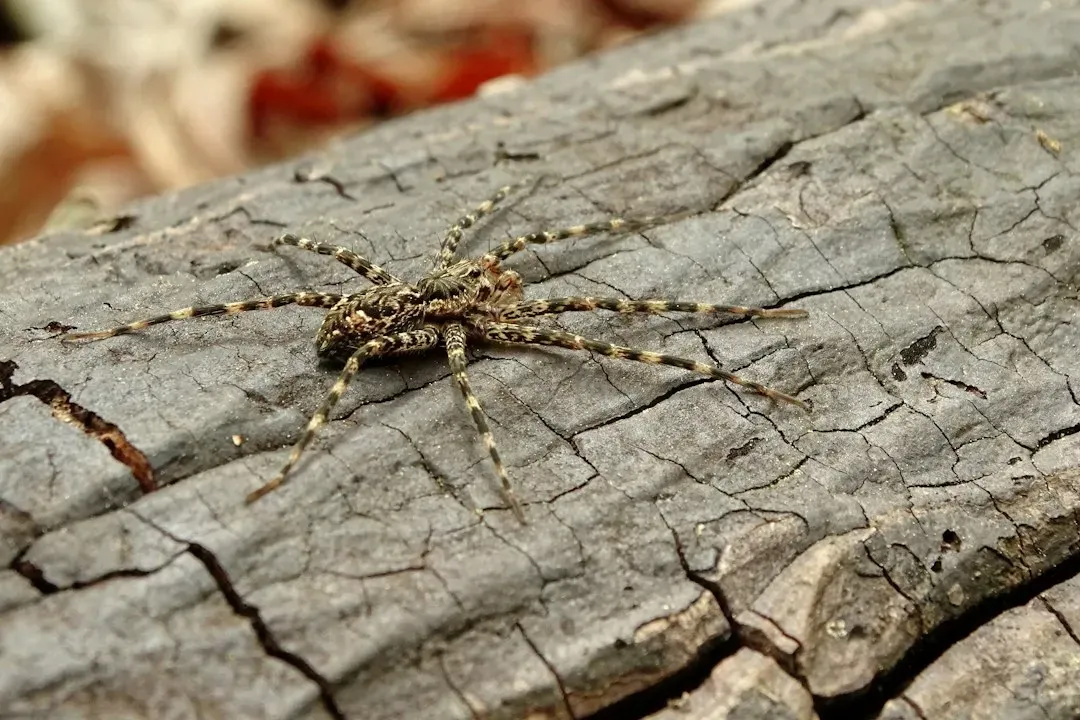
Spiders might not be the first thing you think of when imagining life in bark, but many species rely on tree trunks and branches as anchor points for webs or as hunting grounds. Some spin flat webs that hug the bark, trapping insects and other tiny creatures that travel up and down the trunk. Others do not build webs at all but run quickly over the bark, pouncing on prey that wanders into range.
The textured surface of bark is perfect for these predators. There are endless hiding spots: narrow cracks to retreat into, bits of flaking bark to shelter under, and patches of lichen or moss that make perfect camouflage. A spider resting motionless on mottled bark can be almost impossible to see, even from just a few centimeters away. To passing insects, that trunk is just another path – until it isn’t.
Nobody is counting every spider perched on bark in a forest, partly because many are nocturnal or shy, and partly because they blend in so well. What we do know is that spiders help balance the bark ecosystem by feeding on a range of invertebrates, from flies and beetle larvae to mites and springtails. In a way, they’re the unheralded security team of the tree’s outer world.
#11: Epiphytic Plants and Seedlings – Trees Growing on Trees
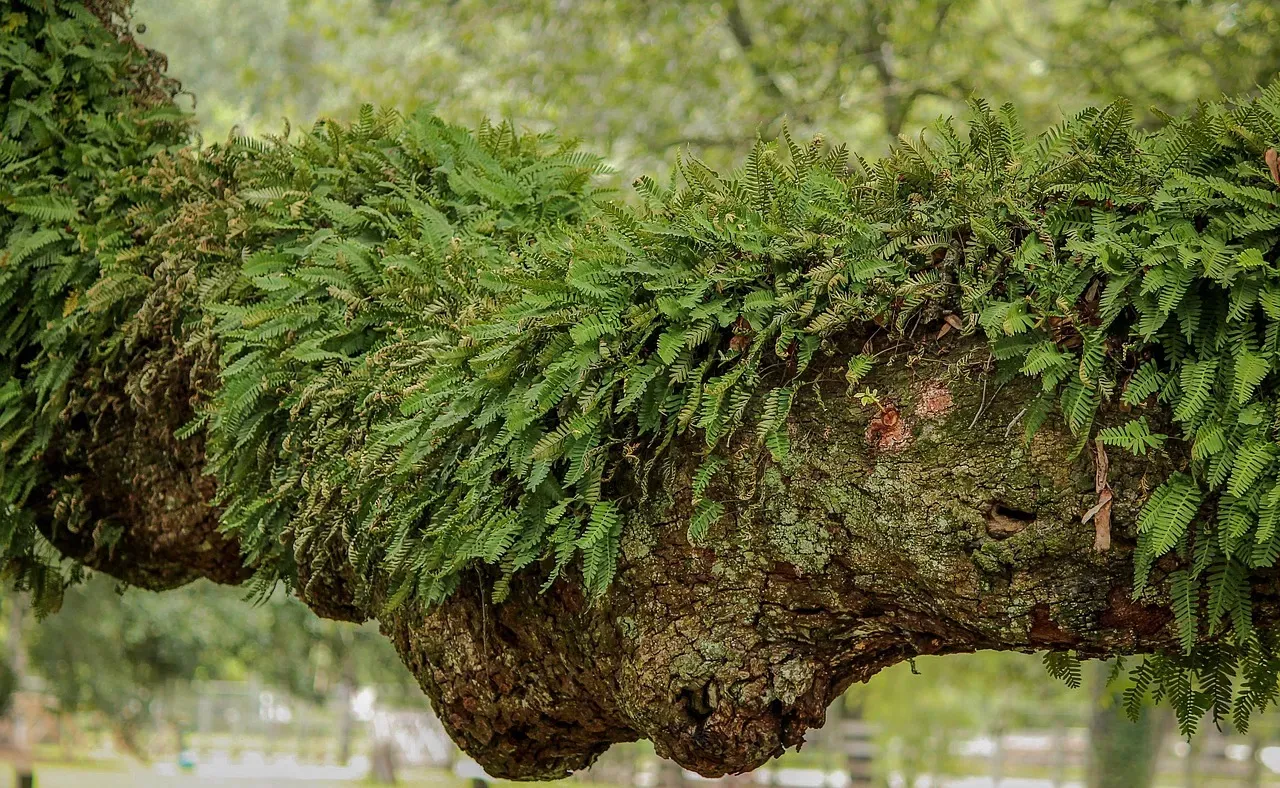
In some climates, especially humid or tropical regions, bark becomes fertile ground for other plants. Ferns, orchids, bromeliads, and small shrubs can all germinate and grow on tree trunks and large branches, drawing on moisture, dust, and decaying organic material that collects in bark cracks and branch forks. From a distance, it looks like the tree is wearing a crown or a leafy scarf.
Even in temperate regions, it’s not uncommon to see tree seedlings sprouting from wide branch crotches where enough soil-like debris has gathered. These epiphytes and opportunistic seedlings do not usually harm the host tree directly, at least when they’re small, but they change the bark environment by shading it, trapping more moisture, and dropping their own leaf litter. The bark turns into a platform for an entirely new vertical garden.
Counting how many plants are growing on bark across a forest is difficult and often skipped in standard surveys, which focus more on ground plants and canopy trees. Yet walk through a cloud forest or a lush ravine, and it’s obvious that the number of individual epiphytic plants in the bark zone is enormous. It’s like discovering that the walls of your house are quietly supporting extra gardens you never planted.
- Epiphytic plants use bark as a platform, not as a source of nutrients like parasites.
- They create additional layers of habitat for insects, spiders, and small vertebrates.
- Seedlings on bark can sometimes grow into full trees if conditions allow.
#12: Slugs, Snails, and Other Moisture Lovers – Night Shift on the Trunks
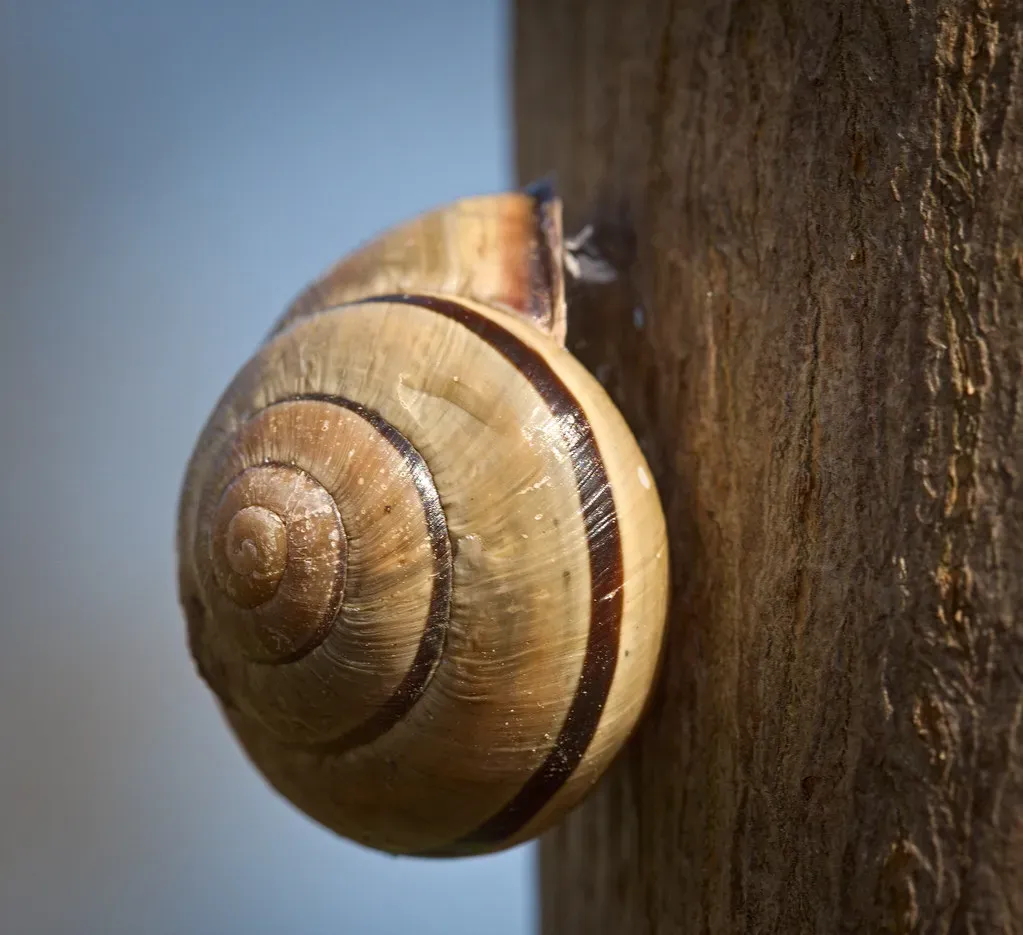
On damp nights, especially after rain, tree trunks can become thoroughfares for slugs and snails. These soft-bodied mollusks often climb up to feed on algae, lichens, fungi, and tender plant material attached to the bark. During the day, they may hide in shaded crevices, under overhanging bark, or in cavities at the base of the trunk, waiting for darkness and moisture to return.
Because their activities are mostly nocturnal and weather-dependent, we rarely get a clear picture of how many are actually using bark as part of their regular routes. If you were to follow a single tree through a rainy week at night, you’d probably see a shifting cast of mollusks sliding up and down its surface, leaving faint trails that glisten in flashlight beams. The bark itself doesn’t look like food to us, but for them it can be both feeding ground and highway.
Ecologists might count slugs and snails in certain plots or habitats, but nobody is tallying how many individuals travel on bark in an average forest night. It is another uncounted dimension of the trunk ecosystem, one that appears and disappears with changing conditions. Next time you see a snail halfway up a tree, it’s worth remembering that the bark is not a dead wall – it’s part of an entire vertical network of movement and feeding.
#13: Micro-Nematodes, Rotifers, and Tardigrades – The Bark’s Hidden Water World
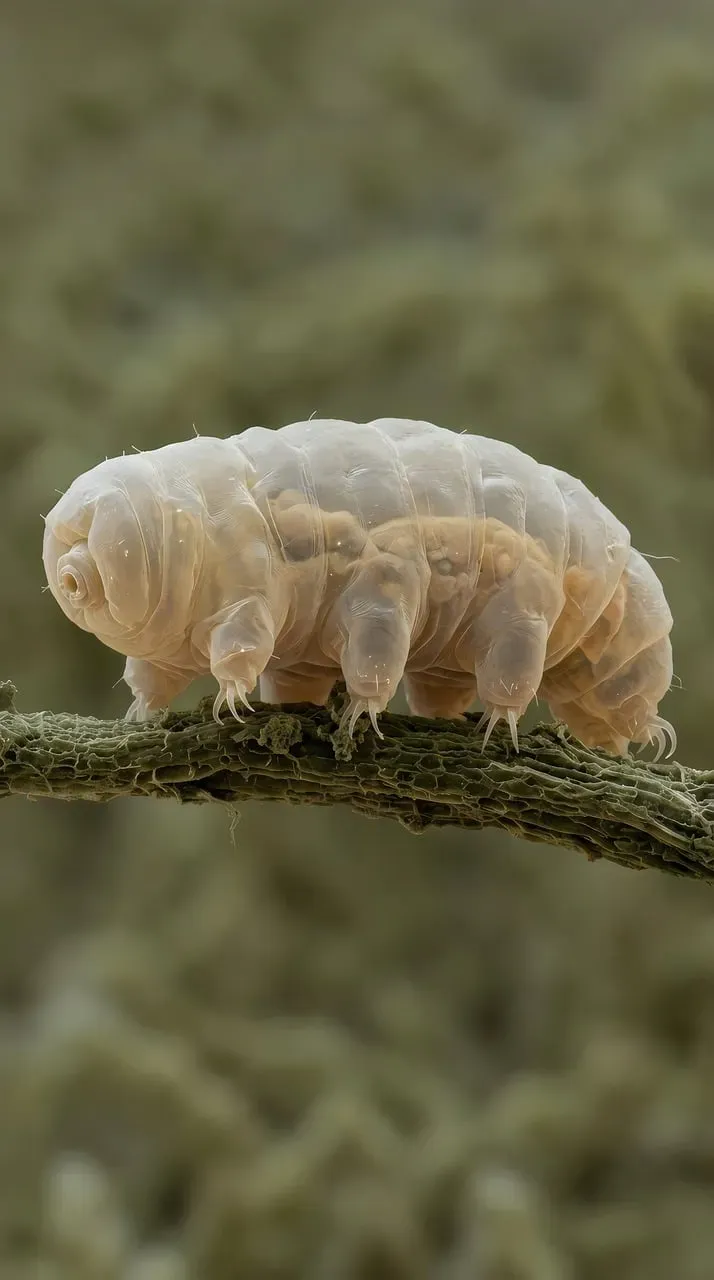
If you really want your mind blown, you have to shrink your imagination down past mites and springtails, into the realm of organisms so small that a drop of water is an ocean. In moist films on bark, within moss cushions, and in tiny water-filled pockets after rain, you can find nematodes (tiny roundworms), rotifers (microscopic animal-like organisms that use whirling cilia to move and feed), and even tardigrades, those famously tough “water bears.”
These creatures are masters of survival. Many can dry out nearly completely, entering a kind of suspended state, then reawaken once water returns. Bark, with all its roughness and hidden pockets, offers countless micro-pools and films where they can live, feed on bacteria and algae, and be part of a food chain that most people never even suspect exists on tree trunks. Your fingertip lightly brushed across a mossy patch could be touching thousands of individuals.
Counting them is not just hard, it is practically unimaginable at large scales. Scientists take small samples of moss or bark, rehydrate them, and examine them under microscopes to see what appears. Even then, they are looking at only a tiny fraction of what is out there. To me, there’s something humbling in the idea that each tree holds whole invisible forests of microscopic animals, all living their complex, uncounted lives on a surface we barely notice.
- Nematodes, rotifers, and tardigrades live in micro-films of water on bark and within moss.
- Many can survive extreme drying by entering dormant states.
- They form complex microscopic food webs that almost nobody ever sees, let alone counts.
Conclusion: Bark Is Not Just Bark – It’s an Overlooked Universe
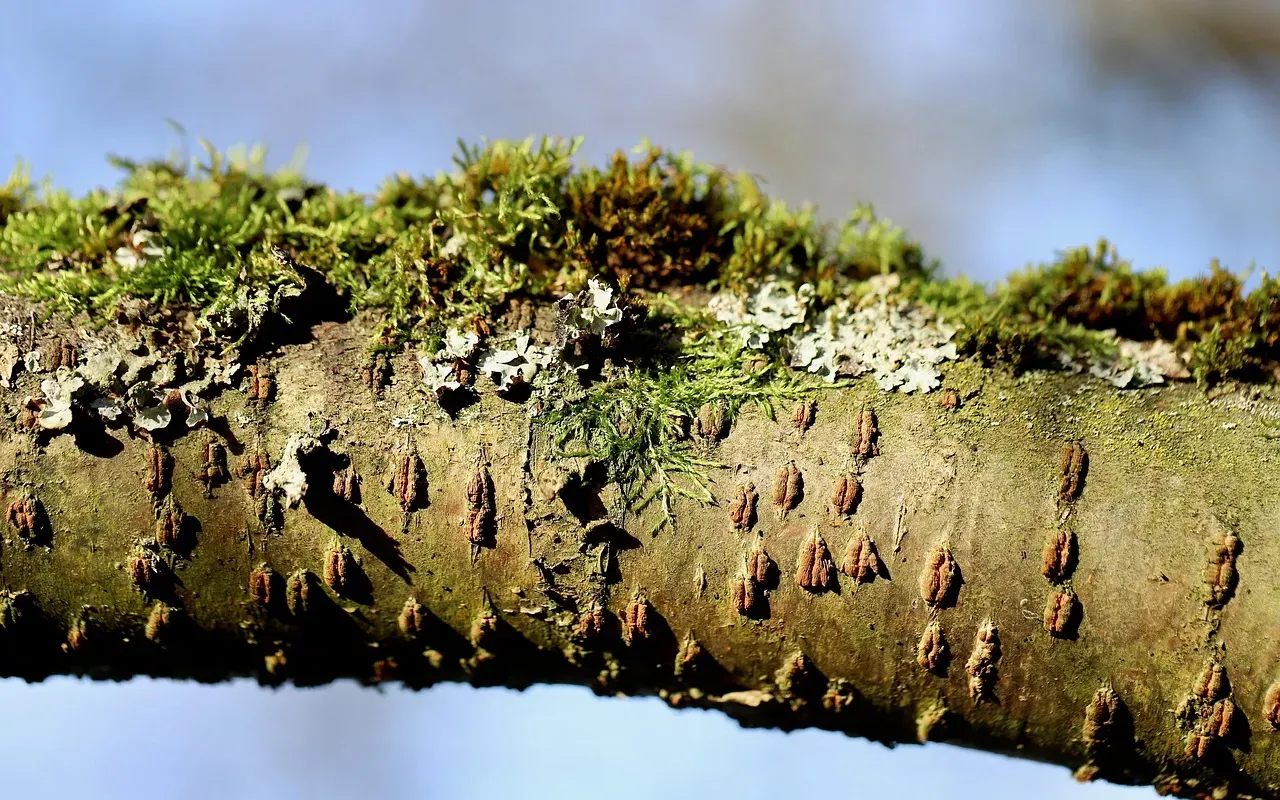
Once you start paying attention to bark, it’s hard to stop. That rough surface you barely noticed becomes a living, layered universe: lichens forming patient cities, mosses building sponge forests, algae painting the backdrop, fungi threading through unseen corridors, and a cast of invertebrates and microbes so vast that real counting is impossible. In a way, the title “” is almost an understatement. Each of these 13 is really a doorway to hundreds, sometimes thousands, of other lives.
What bothers me a little, in a good way, is realizing how carelessly we walk past this richness. We talk about saving forests in big, sweeping terms, yet we barely register the microscopic and miniature worlds that make those forests function. When a tree is cut down, it is not just a trunk that disappears; it is an entire vertical city, a stacked ecosystem of fungi, algae, mosses, insects, spiders, mollusks, and microscopic animals, all erased in a moment without even a rough headcount.
I think there’s something powerful in choosing to see bark differently – from “background texture” to “front-row ecosystem.” You do not need a lab, a microscope, or a forest degree to start; you just need a slower walk and maybe a willingness to crouch and look closely. The next time you rest a hand on a tree, remember that you are touching the outer wall of an uncounted world. Knowing that, does the forest feel a little more alive to you than it did before?