
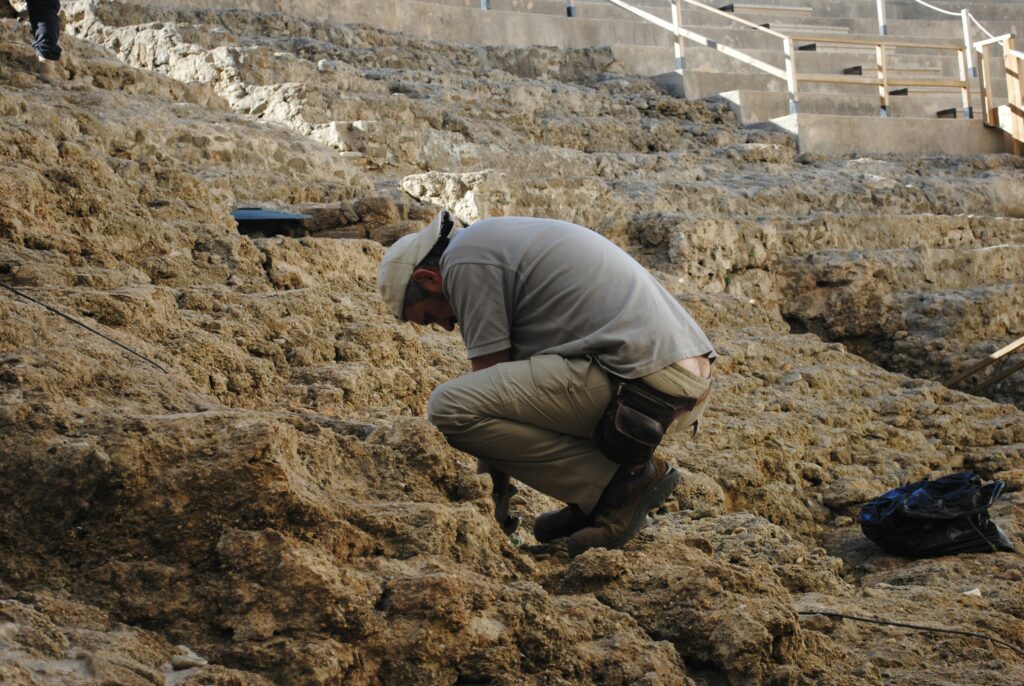
Most people assume an archaeological dig only ends two ways: someone unearths a golden mask, or the money dries up. The real ending is stranger, messier, and a lot more common than either of those. Somewhere in the world right now, a field season wrapped with drone footage, a hopeful press release, and a team convinced they were close to something huge – and then it just stopped. No paper. No conference talk. Not even a public “we didn’t find anything.” Just silence.
That silence isn’t rare. It’s an entire hidden category of archaeology that almost never gets discussed, because negative results don’t win grants and empty trenches don’t go viral. We tracked down 14 of these vanished seasons – digs that promised fortresses, kings, lost cities, even proof of the earliest farmers – and then disappeared from the scientific record entirely. Some failed quietly. A few failed so publicly it’s almost funny. Here’s what actually happened when the shovels hit the ground.
#14 – The Desert Fortress That Turned Out To Be Just Rocks
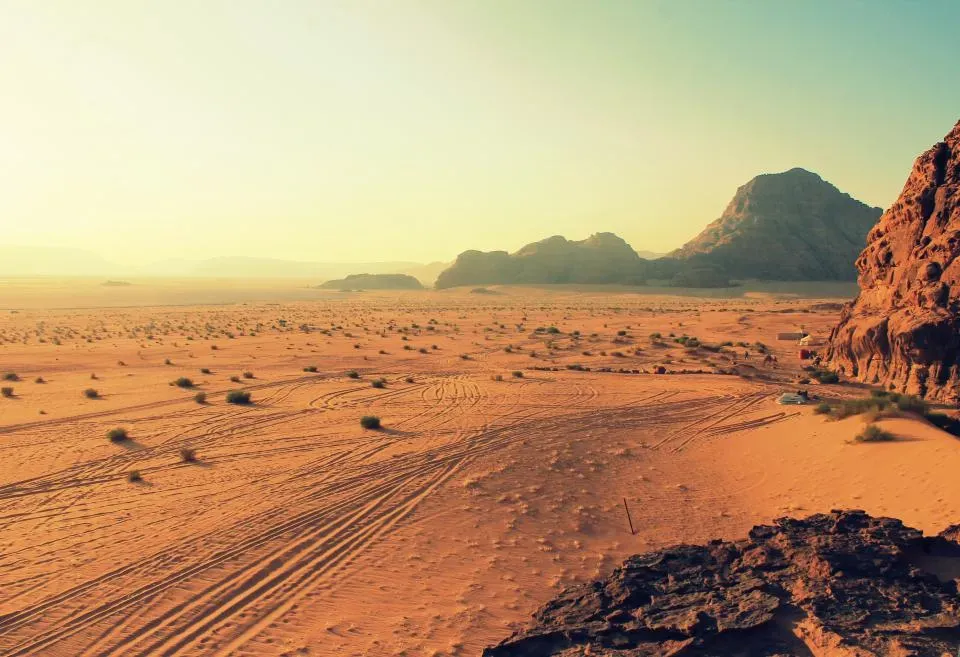
Everyone was promised a “lost fortress” rising out of the sand. What the team actually got was a season nobody wanted to put their name on. From satellite images, the site looked flawless: rectangular outlines, corner “towers,” a clean enclosure wall practically begging to be excavated.
On the ground, those crisp lines dissolved fast. What looked like masonry from orbit was fractured bedrock and natural ridgelines. Test trenches produced almost nothing datable – no pottery, no ash layers, no foundations.
Some junior team members argued the “nothing” was still valuable, proof of how badly remote sensing can mislead in that geology. But with zero artifacts worth photographing, funding enthusiasm evaporated overnight, and the director quietly moved on, leaving behind unpublished field notes and a drone folder buried on a forgotten hard drive.
Worth Knowing
- Satellite and drone imagery can’t tell cultural walls apart from fractured bedrock or old field terraces.
- Rectangular outlines and “corner towers” often turn out to be erosion patterns or shadow artifacts.
- Ground-truthing with test trenches is still the only reliable way to confirm a remote-sensing hit.
- Arid, rocky terrain is especially prone to producing these false positives.
Rocks are one thing. Wait until you see what a press release did to a Roman villa that mostly wasn’t there.
#13 – The Promised Roman Villa That Was Mostly Plow Damage
Locals were told their village sat on top of a buried Roman villa. One frantic season later, almost nobody wanted to talk about it anymore. Geophysical surveys had hinted at mosaic floors and courtyards, and excavators even brought in local media to film the “unveiling.”
Instead of mosaics, crews hit deep plow scars, modern drainage trenches, and a few stray roof tiles. The layout that looked like a villa on a laptop screen turned out to be the ghost of twentieth-century farming, with only a couple of fragmentary walls too thin to prove a real Roman estate.
Here’s the awkward part: donors and heritage officials had already drafted press releases about a “major Roman complex.” Faced with a muddy, inconclusive season, the team shelved the report rather than climb down publicly from its own hype.
Some specialists quietly pushed to publish a short “we were wrong” note. It never happened, and the lesson stuck hard: oversell an interpretation before you dig, and you all but guarantee you’ll bury the disappointment instead of the truth.
That was embarrassing. What happened at the island “temple” next door is almost stranger.
#12 – The Island Temple That Might Never Have Existed
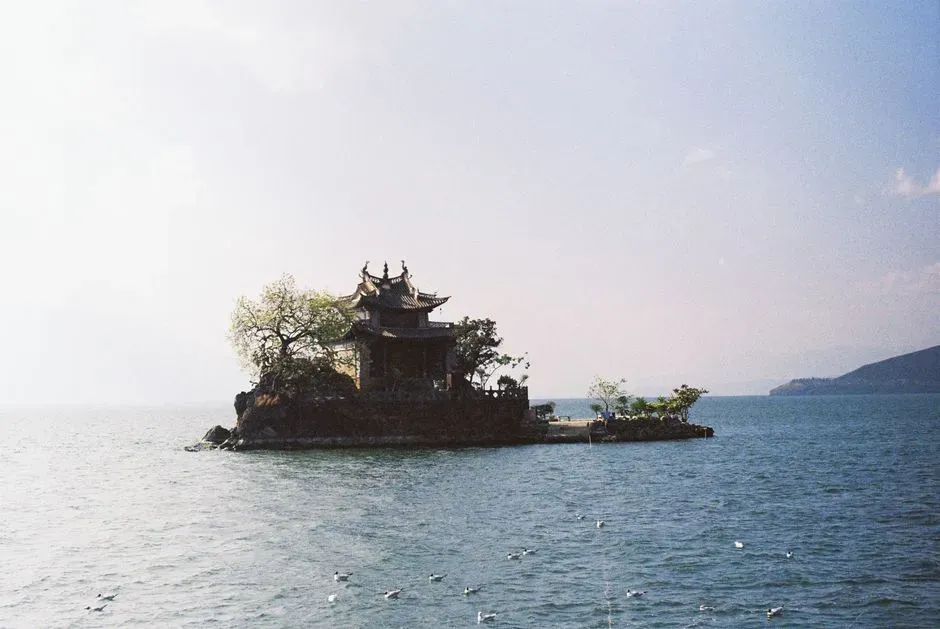
Tourism boards love a “lost temple.” Archaeologists love it a lot less when the temple refuses to show up. Local legends spoke of a shrine swallowed by the sea, and lidar plus old maps suggested a rectangular platform near the coast – enough to justify a rescue dig before erosion claimed it for good.
Crews fought rough weather for one brutal season, opening trenches between tides. They found no carved blocks, no altars, and only a handful of undecorated sherds that could have come from almost any era, with stratigraphy mangled by storm surge.
Instead of a formal publication, the project limped away with a conference poster and a vague “further work needed” slide. Then came no further work, ever.
Critics say the team should have at least published the negative evidence – that the “temple” was probably a natural rock shelf, dressed up by generations of storytelling. Either way, this is a dig that’s more famous in brochures than in any scientific journal.
#11 – The “Lost City” That Was Just A Logging Camp
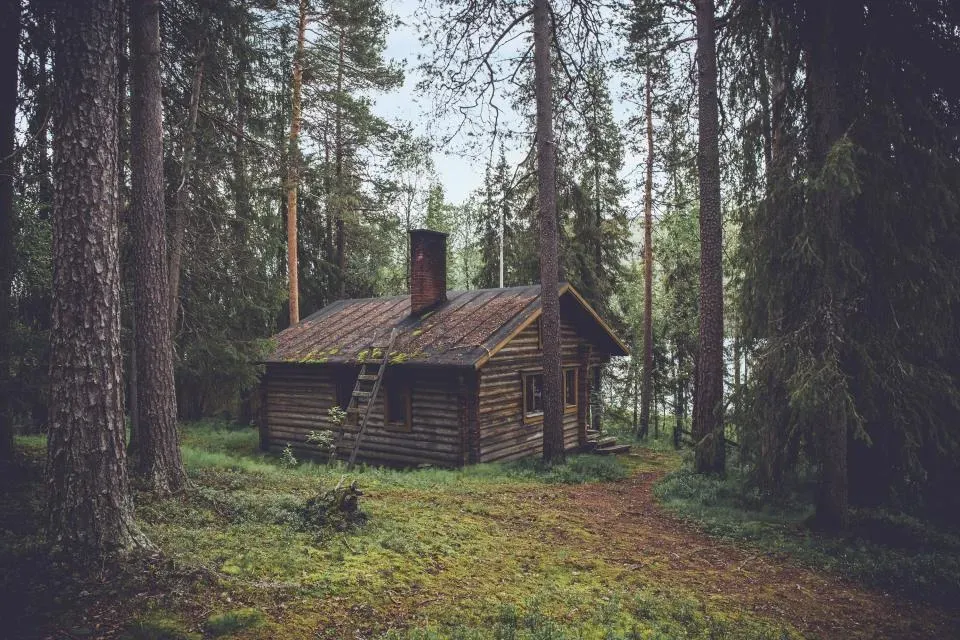
Most people don’t realize how often a “lost city” dissolves into recent history the moment shovels hit dirt. Drone surveys over dense forest had picked up rectilinear clearings and straight lines – the exact kind of “urban” signal that makes headlines in jungle archaeology. The team started floating phrases like “early urbanism” and “complex chiefdoms.”
On site, artifact specialists spotted sawn timber offcuts, machine-cut nails, and mid-twentieth-century glass in the very first test pits. The ancient “streets” were skid trails from logging tractors, and the “platforms” were bulldozer push piles.
Instead of correcting the record loudly, the project quietly filed its season report to a funding agency and never pushed for peer review. A few insiders admit they feared it would be weaponized by remote-sensing skeptics.
Properly published, this season would have been a genuinely useful warning about how modern land use mimics ancient towns in the data. Instead, online rumors of a “suppressed lost city” filled the vacuum, ironically giving a city that never existed more life than the real findings ever got.
#10 – The Burial Mound That Was Surprisingly Empty
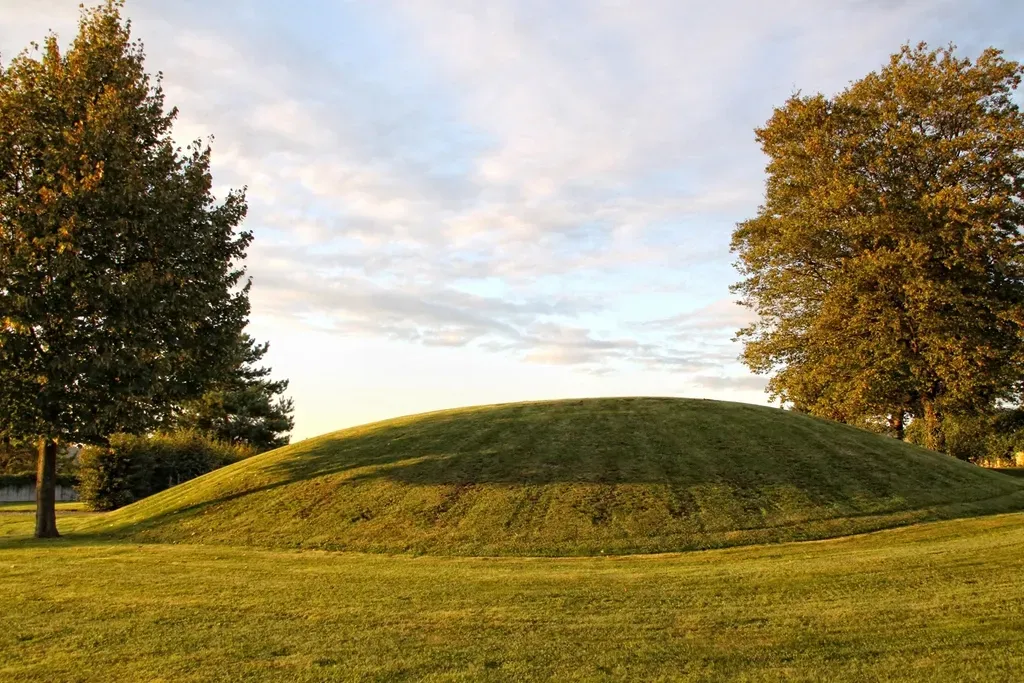
Ask any field archaeologist: nothing kills morale faster than cracking open a huge mound and finding almost nothing inside. This earthwork was mapped in the 19th century and confidently labeled a “chieftain’s grave,” and one well-funded modern season set out to confirm it with proper methods.
Crews peeled back the turf expecting rich grave goods. Instead they found clean fill, occasional charcoal streaks, and a couple of disturbed pits with no clear human remains at all. Radiocarbon dates hinted at multiple episodes of dumping, not one grand burial event.
The uncomfortable possibility emerged that this “mound” was closer to an ancient landfill than a royal grave – or that any original burial had been looted centuries earlier. Rather than publish a nuanced “we don’t actually know,” the director prioritized other sites with cleaner stories.
Guidebooks still repeat the “chieftain’s grave” line to this day. The one season that quietly challenged it sits in a gray literature report almost nobody has ever opened.
An empty mound is disappointing. Watching an entire migration theory fall apart in real time is a different kind of quiet altogether.
#9 – The Paleo Site That Failed To Rewrite Human Migration
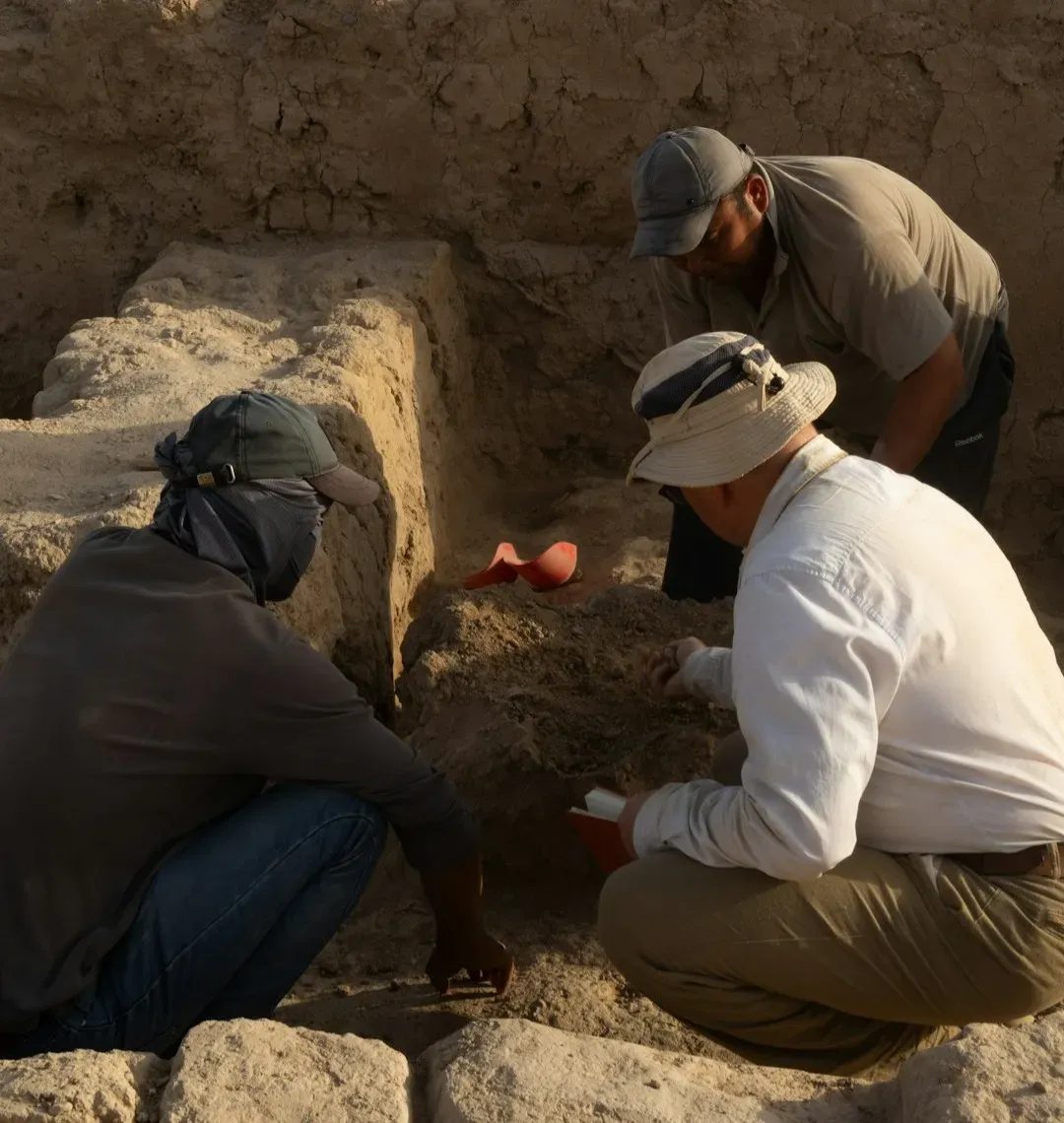
Every few years, someone claims they’re about to “rewrite human history” with older-than-expected tools. Most of those digs quietly disappear, and this was one of them. Surface finds along an eroding riverbank were touted as potentially “pre-settlement” stone tools, older than the region’s accepted timeline.
A rapid salvage season cut into the bank, racing the flood season. In controlled layers, the pattern fell apart fast – many “tools” crumbled into naturally fractured stones, and the few genuinely retouched pieces came from contexts clearly disturbed by burrowing animals and modern activity.
Absence of evidence is not evidence of absence.
Carl Sagan
Lab specialists suggested the team could still publish a useful cautionary paper on telling real tools from “geofacts.” Instead, the leader who had spent months hinting at a paradigm shift let the project quietly go cold, unwilling to be the face of “we thought we’d found the earliest humans here – we didn’t.”
The result is oddly dangerous: future researchers may re-sample that same bank someday, with no idea a full season already tested, and largely disproved, the boldest claims made about it.
#8 – The Medieval Castle That Was Mostly Photoshop
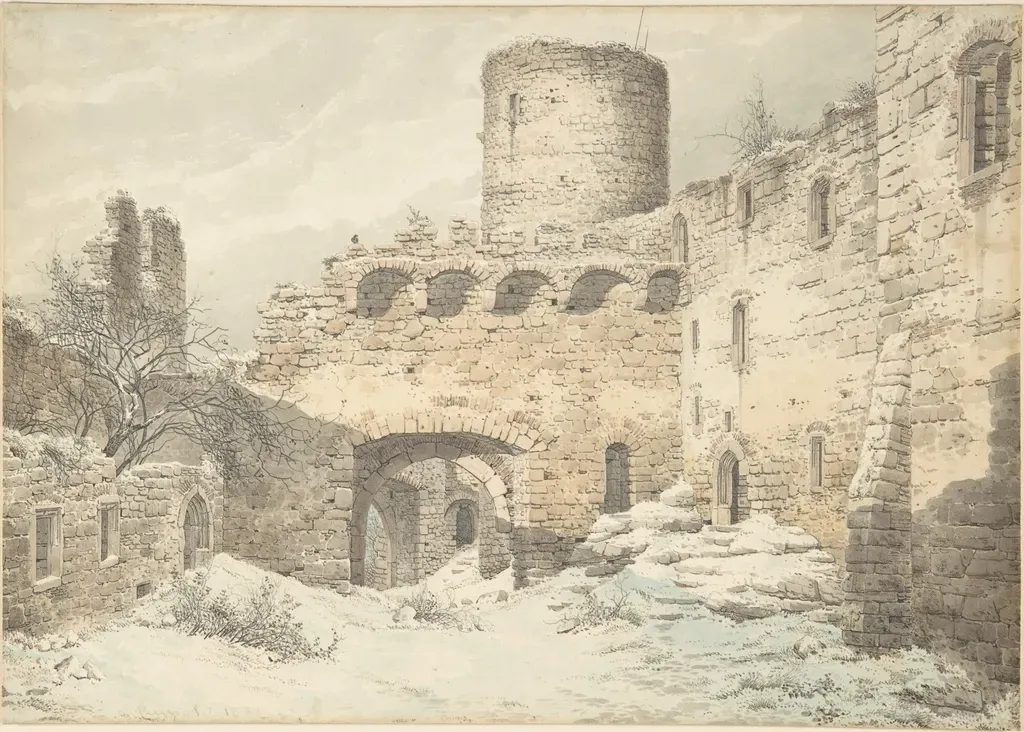
In an era of viral reconstructions, even seasoned archaeologists can end up chasing ghosts that were built on a screen, not in the soil. A hilltop ruin with barely visible foundations had been digitally “reconstructed” into a towering medieval fortress. The renderings went viral, and suddenly there was public pressure to prove that grandeur was real.
A short excavation season targeted wall lines predicted by the 3D model. Instead, crews uncovered low, rubble-filled trenches and flimsy stone alignments, some likely post-medieval boundary walls with no sign of the massive keeps and curtain walls confidently drawn for the public.
Internally, the team realized the reconstruction had drifted way beyond the actual evidence, turning a modest fortified residence into a fantasy citadel. Publishing the season honestly would have meant admitting that in public, so the flashy visuals kept circulating instead, completely divorced from what was actually in the ground.
Critics argue this dig should have been the moment to reset expectations about the site. Without a published correction, the “castle that never was” keeps living online, unbothered by reality.
At least that castle stayed on dry land. The next disappointment needed scuba gear.
#7 – The “Ancient Port” Revealed As A Natural Lagoon
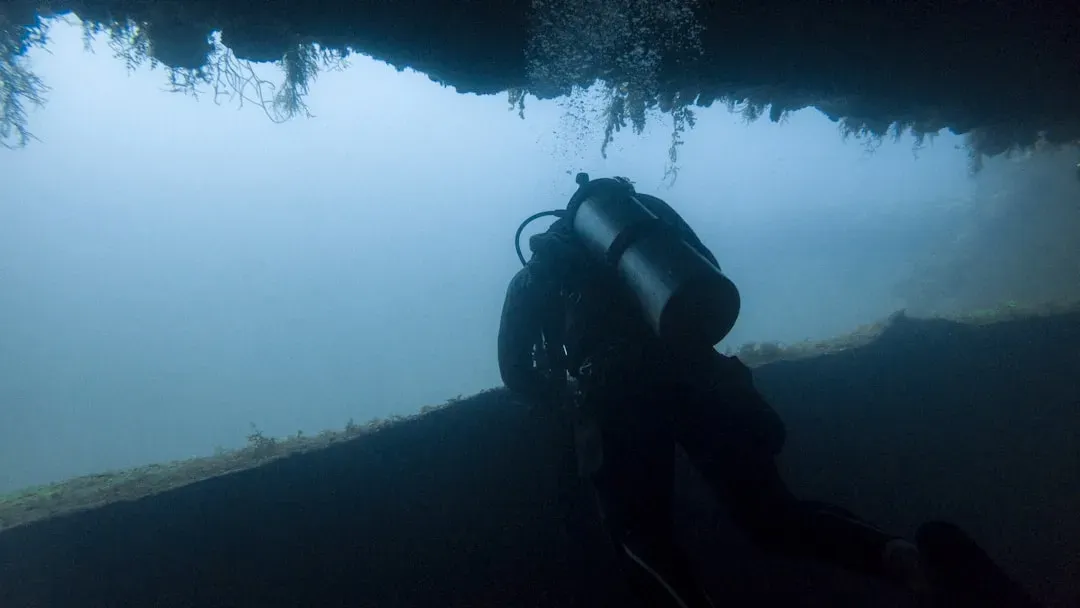
Harbors are sexy. Lagoons are not, and that difference quietly killed an entire season of underwater work. Old nautical charts and sonar hinted at submerged walls and quays along a sheltered bay, enough to justify a one-season diving campaign aimed at confirming a major ancient port.
Visibility was poor, currents were strong, and equipment kept failing. Divers mapped blocks and ridges, only to realize most of the “piers” were natural limestone ledges and erosion features. A few tumbled stones might have been human-placed, but not nearly enough to prove a large engineered harbor.
Back on land, sediment cores failed to show the thick, artifact-rich harbor mud you’d expect after centuries of shipping traffic. Instead of writing “we probably don’t have a port here,” the reports leaned on vague phrases like “inconclusive” and “requires further study.” Further study never came.
Quick Compare
- Natural lagoon: limestone ledges shaped by erosion, no uniform stone coursing, no thick harbor-mud layer.
- Engineered harbor: cut or fitted blocks, continuous quay lines, artifact-rich sediment from centuries of shipping traffic.
- This site: matched the lagoon column on every point the divers and core samples could check.
Local tourism brochures still mention an “ancient port under the waves,” because nobody ever published the boring reality: it’s mostly geology, not a drowned Pompeii.
#6 – The Ritual Cave That Produced Almost No Rituals
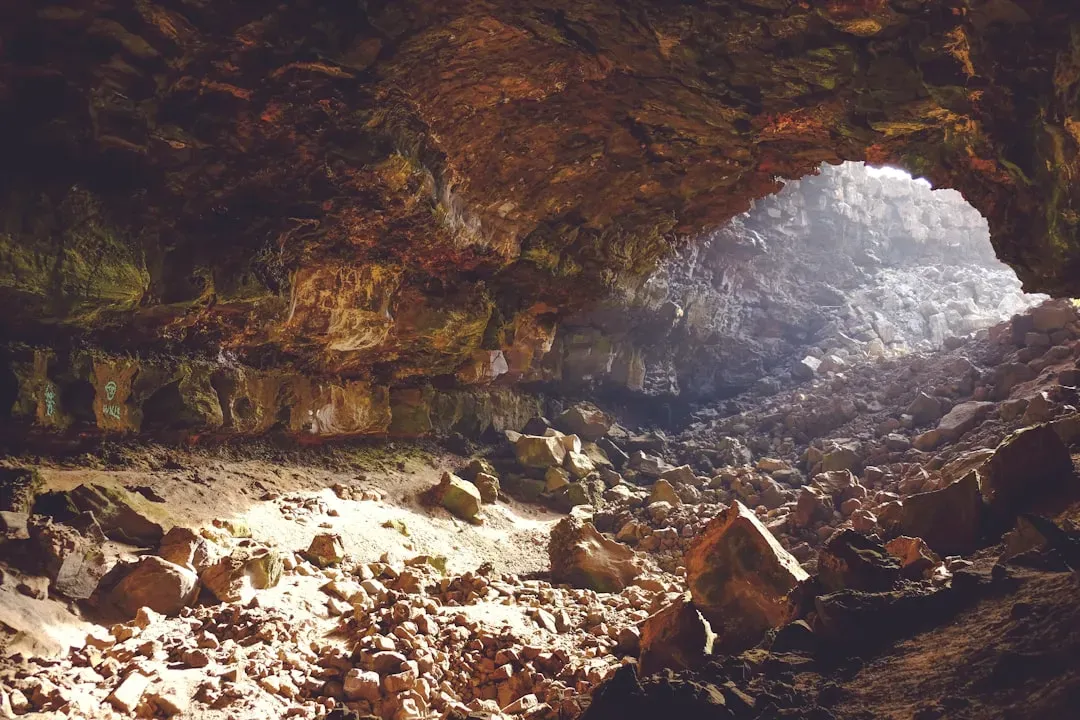
Caves practically guarantee dramatic headlines about sacrifices and secret ceremonies – until the data refuse to cooperate. This heavily hyped cave excavation went in expecting altars, offerings, maybe even ancient pigments. The first full season took meticulous samples, cleared chambers, and sieved every scrap of dirt.
The results were almost comically mundane: a few hearths, scattered animal bones, some very ordinary stone tools, and a lot of bat guano. Micro-artifact analysis pointed to sporadic shelter use, not sustained ritual activity – no altars, no iconography, no obvious deposits of valuables.
Here’s the tension: earlier, very small probes had recovered a handful of unusual items, and those had been blown up into a grand “ritual center” narrative. The full-scale excavation essentially downgraded the site to a multipurpose shelter with the occasional special event at best, which would have quietly undercut several careers built on the earlier claims.
So the season’s most honest conclusion – “it’s complicated, and a lot less ritual than we thought” – never made it into print. Popular writing still leans hard on the ceremony angle, while the season that challenged it sits trapped in internal PDFs nobody reads.
#5 – The Monument Alignment That Didn’t Match The Stars
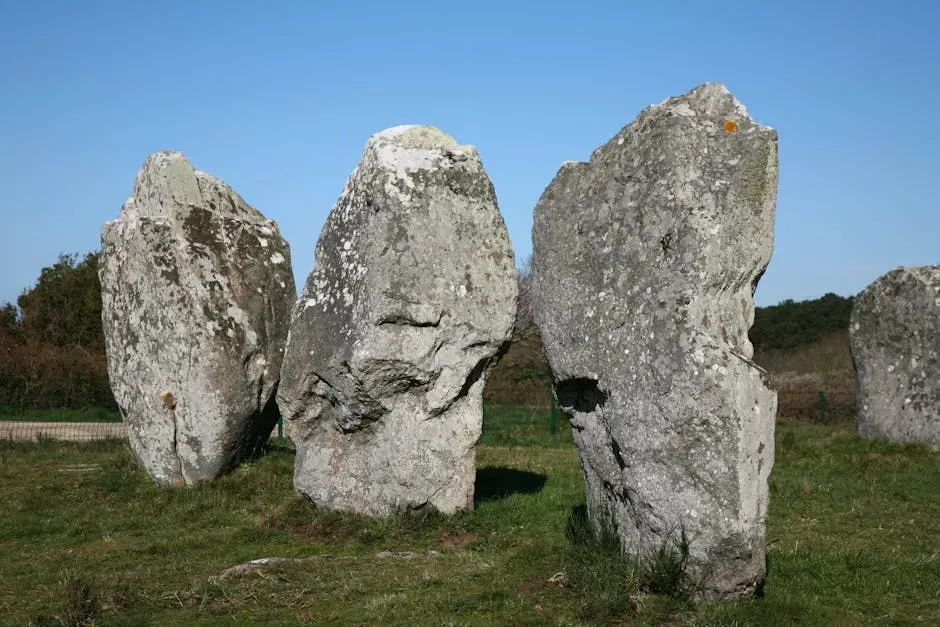
Archaeoastronomy can be thrilling right up until the horizon refuses to cooperate. A stone alignment long rumored to mark solstice sunrises attracted a dedicated one-season excavation and survey, complete with high-precision instruments and small trenches at every key stone.
The dating was already borderline for the claimed alignments. Worse, simulations showed that tree growth, terrain changes, and the actual stone layout made the famous “solstice line” statistically indistinguishable from pure chance, and the trenches offered no special deposits to mark any astronomical significance.
Some team members wanted to publish a blunt rebuttal of the long-promoted “stone calendar” myth. Others argued that dismantling local pride over ambiguous statistics wasn’t worth the fight, so only a generic technical report ever circulated, carefully avoiding a clear yes or no.
Public signage still celebrates the solstice theory as settled fact, even though the one modern project actually built to test it found basically no robust support for it at all.
A busted myth stings. A missing wall that textbooks still swear exists stings even more.
#4 – The City Wall That Vanished In The Stratigraphy
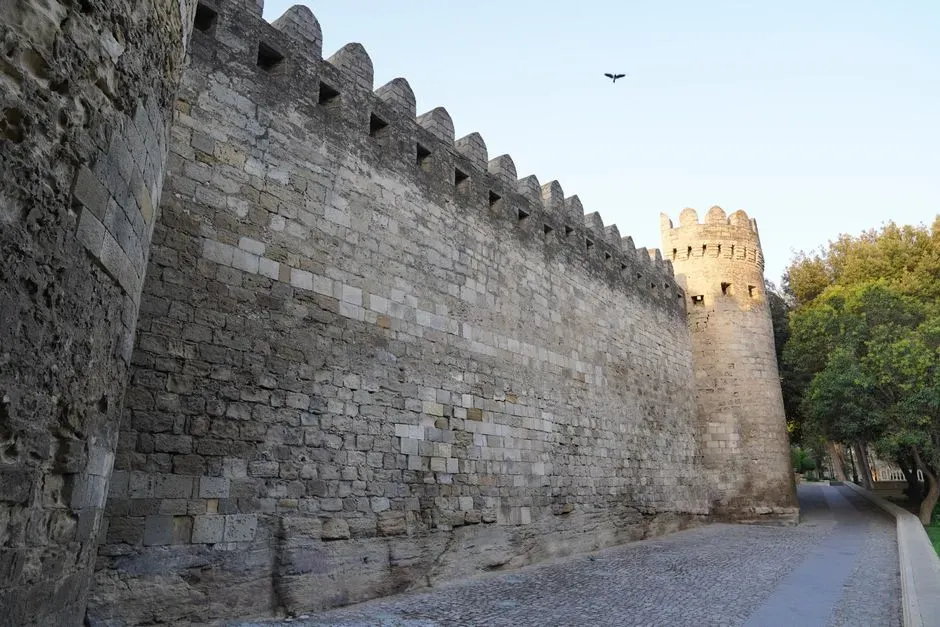
Urban ramparts are supposed to be obvious. This one evaporated the moment anyone looked closely. Older excavations had claimed a massive defensive wall once encircled part of a historic city, and a new project opened a long trench across the supposed line to refine the date and construction method.
Instead of a clean wall, they found interleaving dumps, terrace fills, and patchy rubble with no continuous foundation anywhere. Some of the earlier “wall stones” were almost certainly reused blocks from later structures, and dating samples contradicted each other across centuries.
A careful publication could have reframed the whole story – maybe the city grew organically, with ad-hoc reinforcement rather than one monumental wall. But that nuance doesn’t fit the simple “mighty wall” narrative used in tourism and even textbooks, so with one frustrating season in hand and no money for follow-up, the team deprioritized a full write-up.
Secondary literature still repeats the grand wall as settled fact, even though the last people to actually dig the line walked away deeply unconvinced.
#3 – The Royal Tomb That Was Probably Never Royal
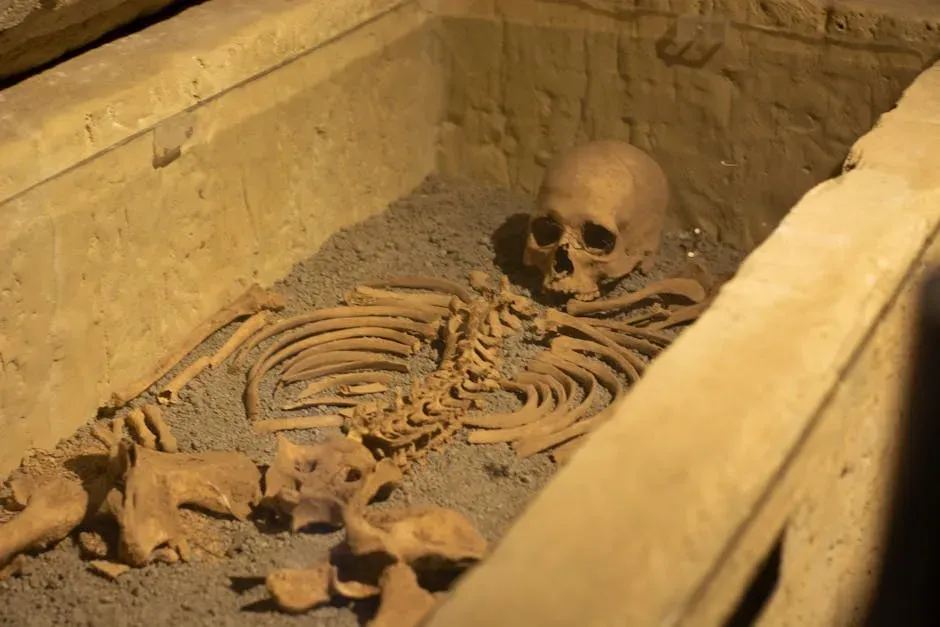
Everyone loves the idea of an undiscovered king. Almost nobody wants to hear “it’s probably just a rich family plot.” This tumulus complex was rumored to hold an unlooted royal burial, and geophysical maps showing central chambers sent the first season in with tight security and sky-high expectations.
Inside, they found modest grave goods, disturbed contexts, and architecture more in line with upper-class burials than a singular royal monument. Worse, intrusive pits suggested antiquarian digging or looting centuries earlier – the hoped-for flagship tomb simply wasn’t there.
Politically, this was delicate. Local narratives had already started naming the supposed king buried there, and a full, honest publication would have meant walking that back publicly. Instead, the season’s documentation went no further than internal archives and a couple of guarded conference abstracts.
The “royal tomb” label persists in popular culture to this day, even though the only proper modern excavation season quietly undermined that idea from the inside.
Losing a king stings local pride. Losing the origin of farming itself is a different kind of blow entirely.
#2 – The “First Farmers” Site That Stayed Frustratingly Ambiguous

When funding calls go out for “origins of agriculture,” archaeologists feel real pressure to deliver a clean story. This open-air site, sitting on a key ecological border, looked like the perfect candidate – hints of early plant-processing tools, a few charred seeds, and claims of transitional lifeways. A dedicated season expanded the trenches and pulled huge flotation samples.
The lab results were messy in the most scientifically honest way possible. Charred plant remains turned out to be a mix of wild and possibly cultivated species, with dates overlapping both hunter-gatherer and later farmer horizons, and the tool assemblages could be read either way depending on the model used.
In theory, that ambiguity is genuinely valuable – it suggests a long, fuzzy transition instead of a clean switch. In practice, it didn’t fit the simple “earliest farmers here at date X” storyline that funders and media love, so the director pivoted to clearer sites and the nuanced data never made it into a high-impact journal.
The irony is brutal: this dig probably captured the real, messy process of agricultural change, but because it wouldn’t draw a clean line in the sand, it was left to gather dust unpublished.
Every one of these stories has been frustrating in its own way. The last one might be the most heartbreaking of all.
#1 – The Climate-Crisis Rescue Dig No One Had Time To Publish
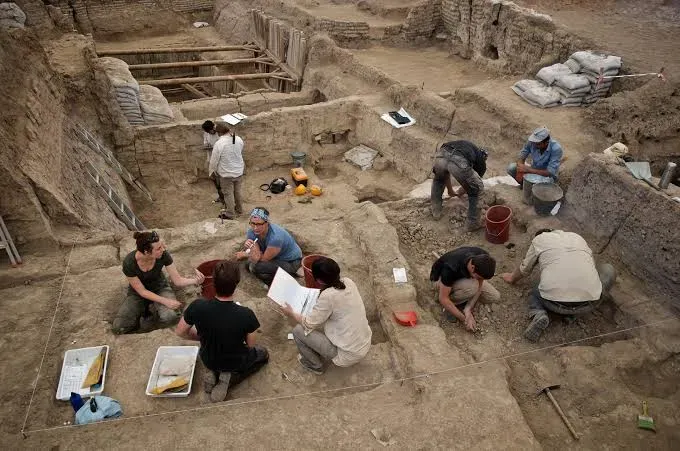
The most revealing abandoned season may be the one that exposes how broken the whole system really is. Rising waters were about to erase a multi-layer site where prehistoric, classical, and modern remains sat stacked directly on top of each other. A crash “rescue season” pulled together volunteers and specialists to salvage whatever they could before it was gone for good.
At a Glance
- Trigger: rising water levels threatening a multi-layer site
- Season type: emergency rescue excavation, not a planned research dig
- Outcome: site now submerged, most likely for good
- Publication status: raw data only, no post-excavation funding secured
They recorded hundreds of features, thousands of artifacts, and dizzyingly complex stratigraphy under brutal time pressure. By the end, hard drives were full and notebooks were overflowing – and the floodline was already at their feet. Then the site disappeared underwater, most likely forever.
Here’s the twist that makes this one sting: because the work was so rushed and under-resourced, there was never funding earmarked for years of post-excavation analysis. Team members scattered to other jobs, and a few tried, in their spare time, to process ceramics and samples, but life and new projects always got in the way.
The result is tragic and, sadly, common: an entire, irreplaceable archaeological record trapped as raw data with no comprehensive findings ever formally published – even though the entire point of the rescue was to save that knowledge from climate-driven destruction.
The Bottom Line
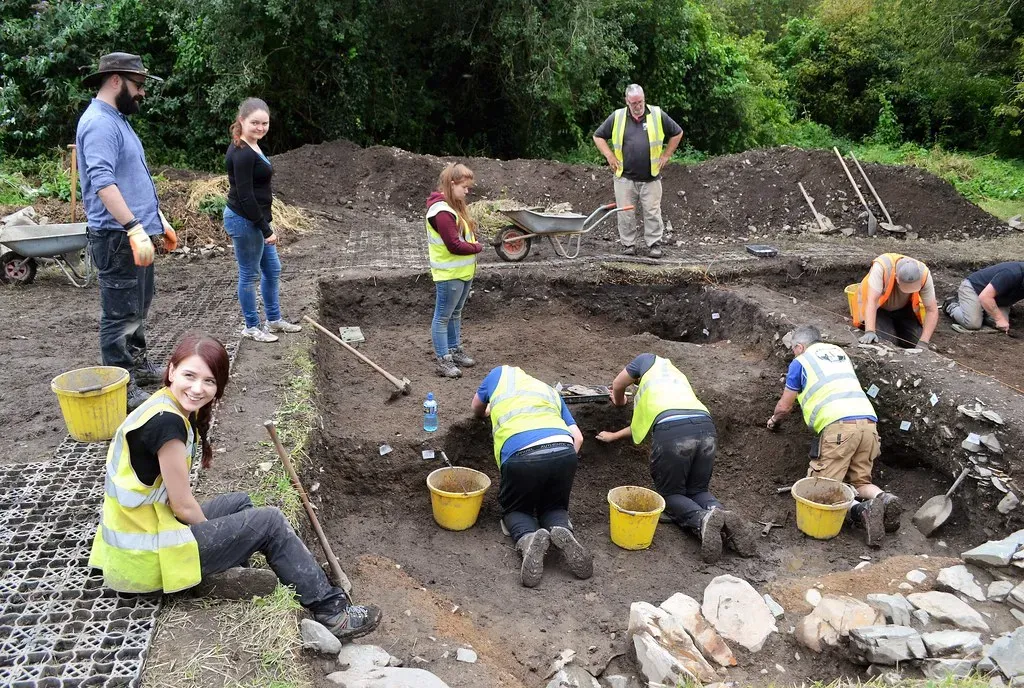
Across deserts, caves, rivers, and city hillsides, a pattern quietly repeats itself. One-season excavations either fail to meet their own hype, or they succeed only in producing “boring” or ambiguous data – and then they vanish from the formal record entirely.
Fast Facts
- Remote-sensing false positives – satellite, drone, lidar, or sonar – triggered at least five of these vanished seasons.
- Political or reputational sensitivity, not just bad data, stalled publication in several cases.
- Ambiguous or “boring” results, not outright failure, killed more of these projects than empty trenches did.
- Not one of the 14 seasons produced a formal, peer-reviewed write-up of what its team actually found.
The most shocking part isn’t any single failed dig. It’s that non-results and messy results are systematically under-reported across the whole field, even though they’re exactly the evidence that stops future teams from chasing the same dead ends and helps debunk the myths that outlive them.
Personally, I think this is archaeology’s biggest hidden crisis – not looters, not TV pseudo-science, but the quiet burial of inconvenient seasons that nobody wanted to write up. If anything here surprised or annoyed you, ask yourself which matters more: funding more new digs, or finally publishing the ones we already rushed through and forgot. Did we miss a “ghost excavation” you’ve heard whispers about? Drop it in the comments.