Most people picture the woolly rhinoceros as a shaggy, dim-witted brute that froze solid mid-stride, got wiped out single-handedly by spear-wielding cavemen, and left behind a fossil record scientists basically “solved” decades ago. Every piece of that image is wrong. Paleontologists have spent the last five years tearing apart nearly everything the textbooks taught us – what killed this animal, what its body actually looked like, even where it came from in the first place.
New permafrost mummies, ancient genomes pulled straight out of a wolf’s stomach, and fresh isotope work have quietly rewritten this creature’s entire biography, and some of the corrections are stranger than the myths they replaced. Fourteen of those reversals stand out from the rest, and the last few will make you wonder how “settled” any extinct species really is.
#14 – The “Flash-Frozen Instantly” Myth
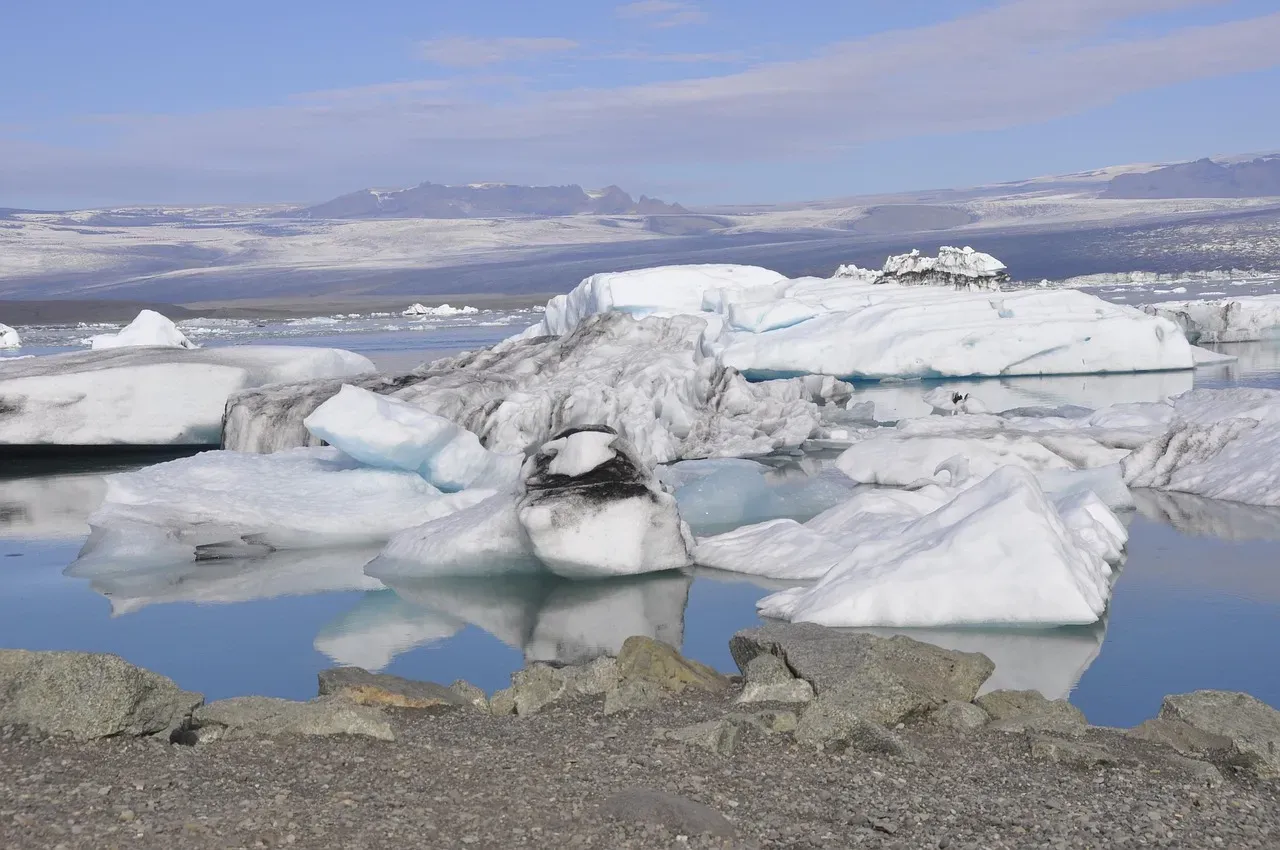
Pop science loves the image of an Ice Age giant caught mid-stride and frozen solid in seconds, preserved like a statue in a museum diorama. That’s not how it happened, and the permafrost mummies prove it in gruesome detail.
Take the 32,000-year-old juvenile rhino pulled from the Tirekhtyakh River in Yakutia. Researchers found tiny freshwater crustaceans tangled in its fur, meaning the animal died in a shallow pool of water, not a sudden blizzard. Worse, the carcass wasn’t even intact by the time it froze – the internal cavity was exposed, most of the intestines were missing, and the left side had clearly been eaten by predators. This animal died in water, got scavenged, and only later froze into the permafrost record we dig up today. The “instant freeze” story is a myth built for documentaries, not for the evidence. But that’s nothing compared to what we found about #13.
#13 – The Horn Wasn’t Even Recognized as a Horn
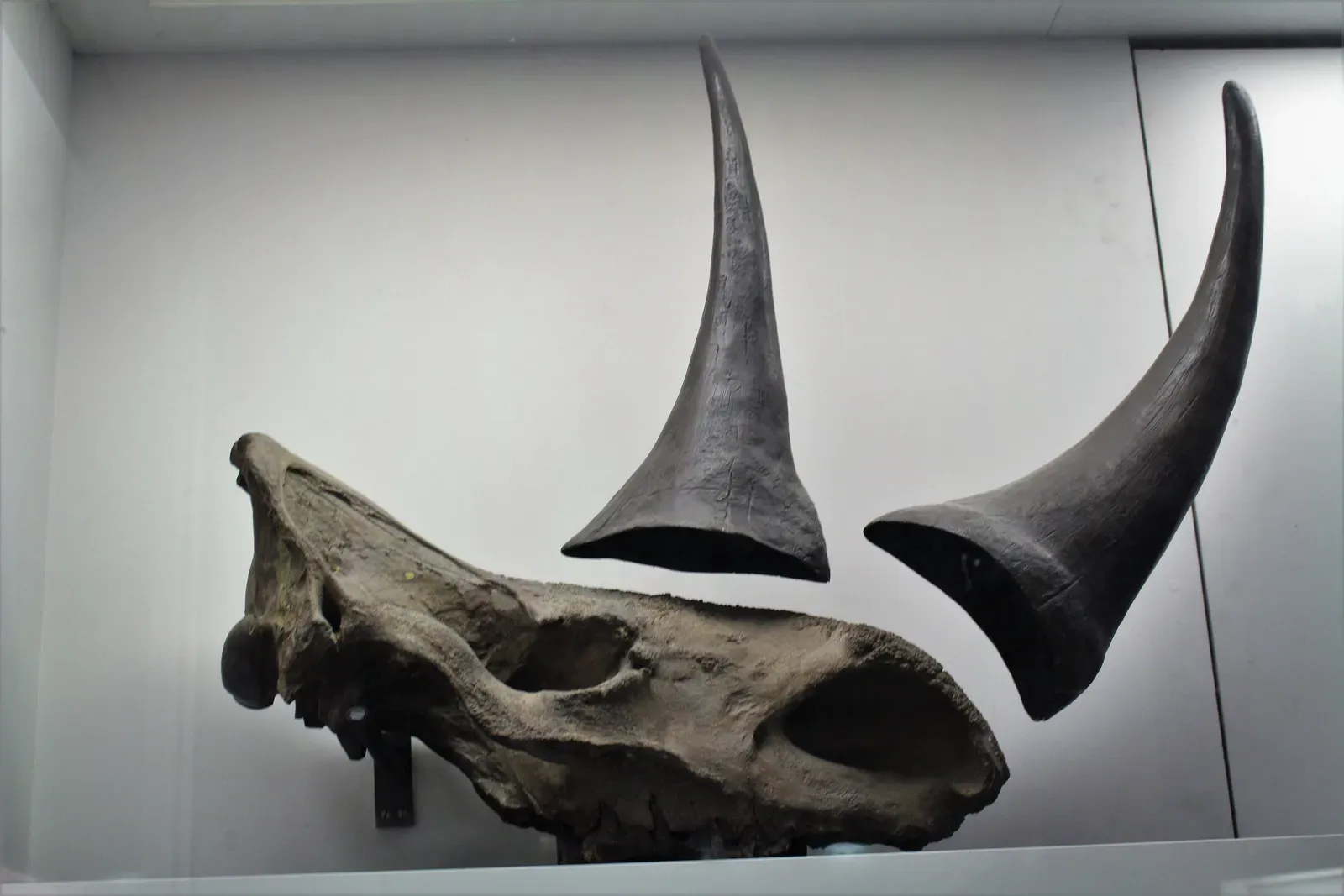
Here’s an embarrassing one: 19th-century scientists in Russia looked at the first fossilized woolly rhino horns and had absolutely no idea what they were staring at.
When these strange, curved objects turned up in Siberia, many researchers assumed they were the claws of giant birds. It wasn’t until complete frozen carcasses surfaced that anyone realized these “claws” were actually keratin horns – the same material as human fingernails, not bone or ivory like a mammoth tusk. That single correction forced scientists to reinterpret dozens of isolated horn fragments already sitting mislabeled in museum drawers across Europe. It’s a humbling reminder that even “obvious” fossils can be completely misread without the full skeleton attached. Next up, #12 flips the entire self-defense narrative on its head.
#12 – The Horn Was Mainly a Snow Shovel, Not a Weapon
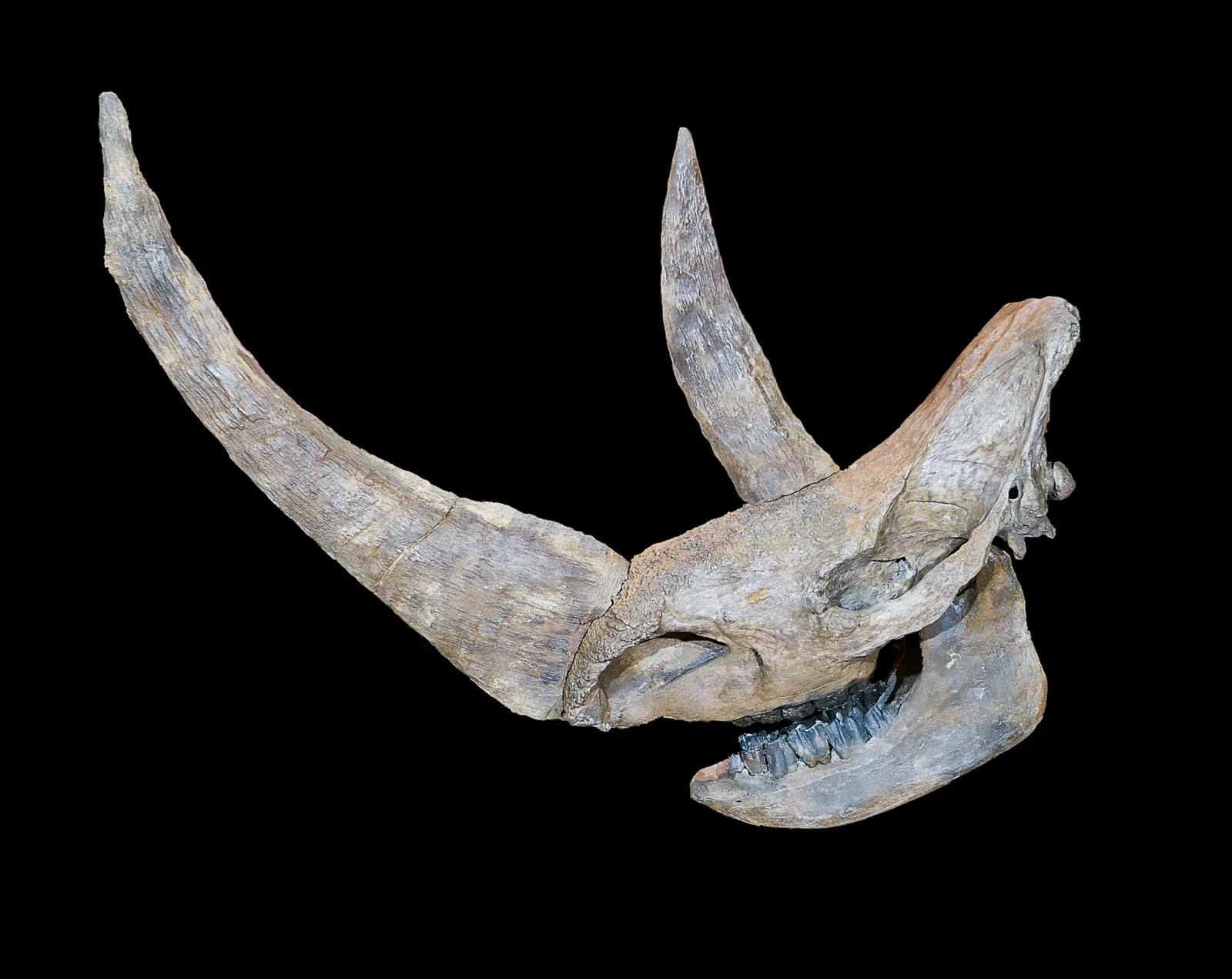
For decades, the horn got framed purely as an anti-predator weapon – something built to gore a cave lion or saber-tooth that got too close. The actual wear patterns tell a very different story.
Researchers examining fossil horns noticed abrasion marks that line up with one specific motion: sweeping snow off buried vegetation so the animal could eat through the winter. That’s a foraging tool, not primarily a weapon. Combat certainly happened – cave art shows head-to-head confrontations – but predation on healthy adults was rare in the first place, given their size and those formidable horns. Young, old, or weakened individuals were the real targets for opportunistic predators. The horn’s day job was groundskeeping, not gladiator combat. Wait until you see how wrong we had the animal’s actual size in #11.
#11 – It Was Mammoth-Sized
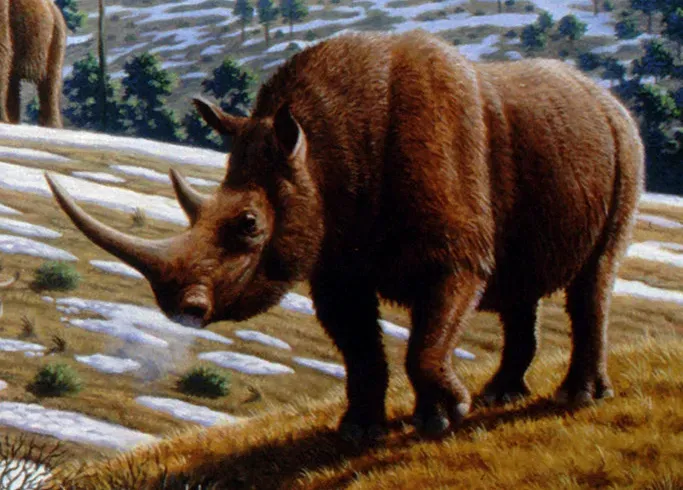
Because it shared the mammoth steppe with actual mammoths, popular imagination scaled the woolly rhino up to match. It never came close.
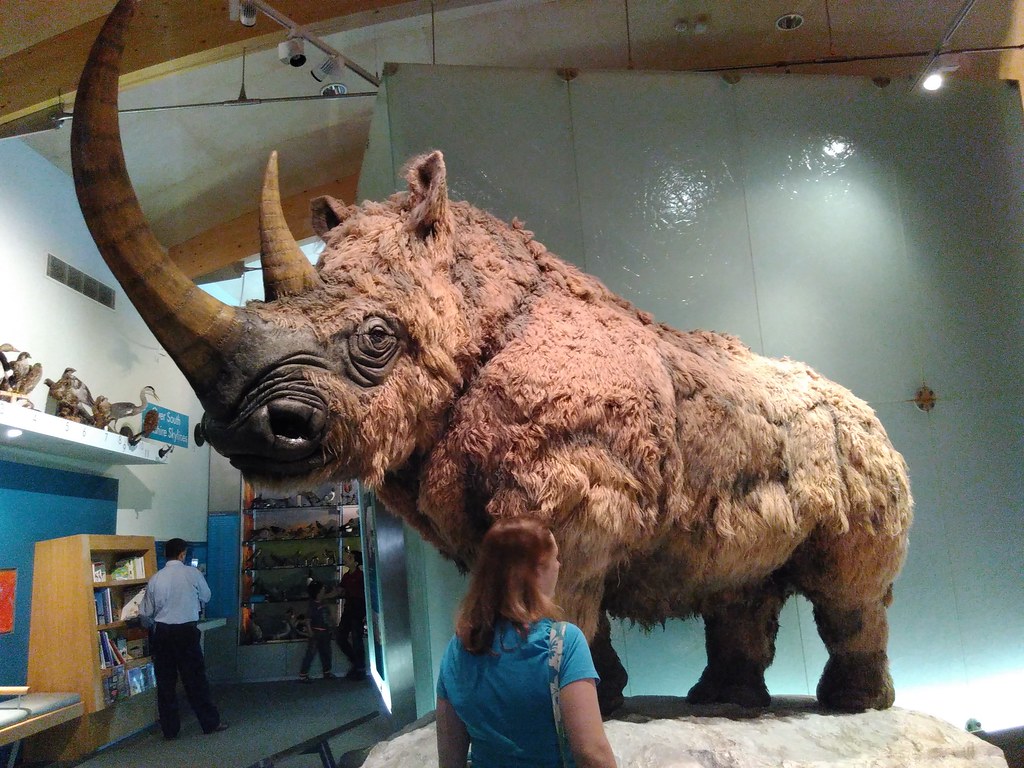
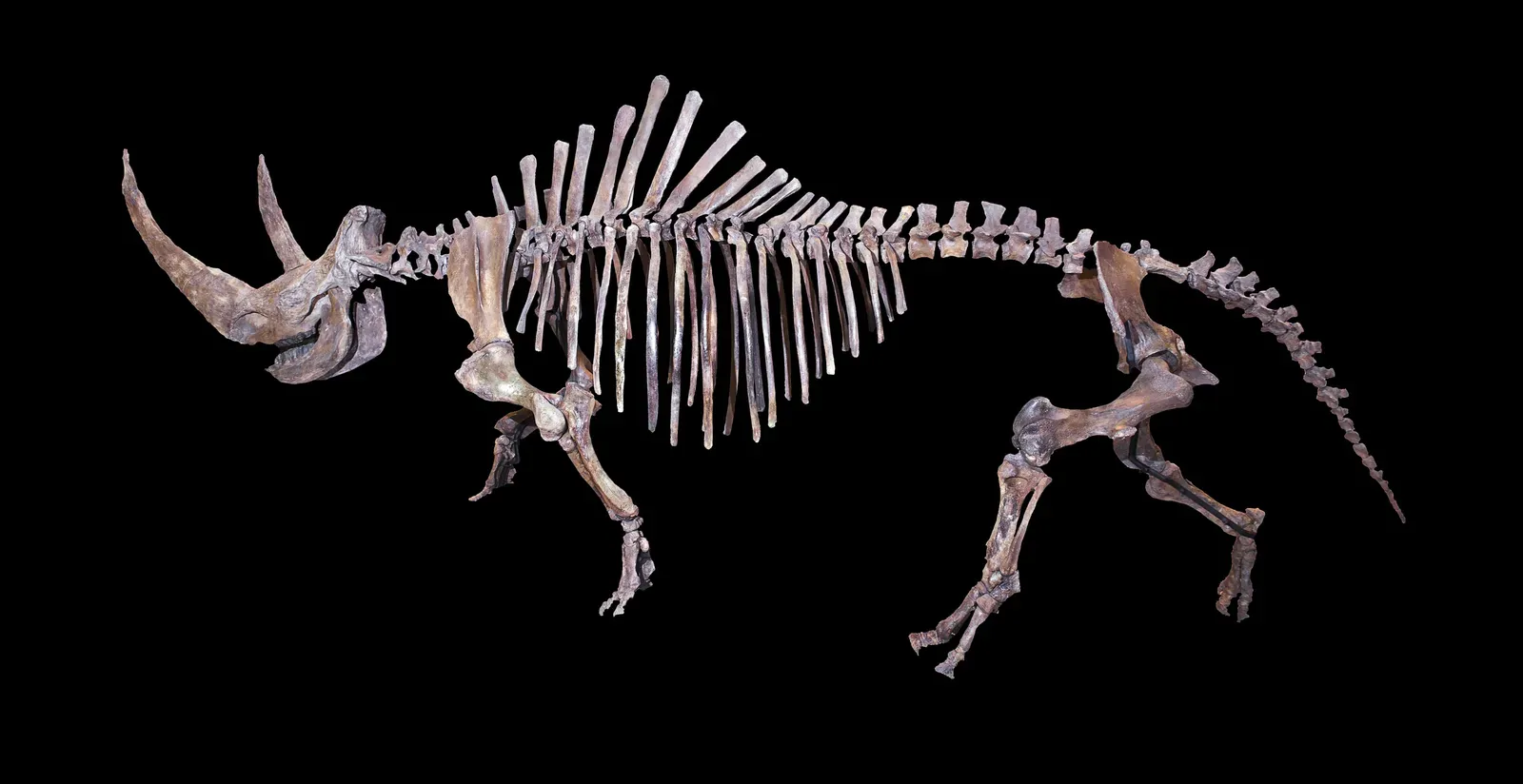
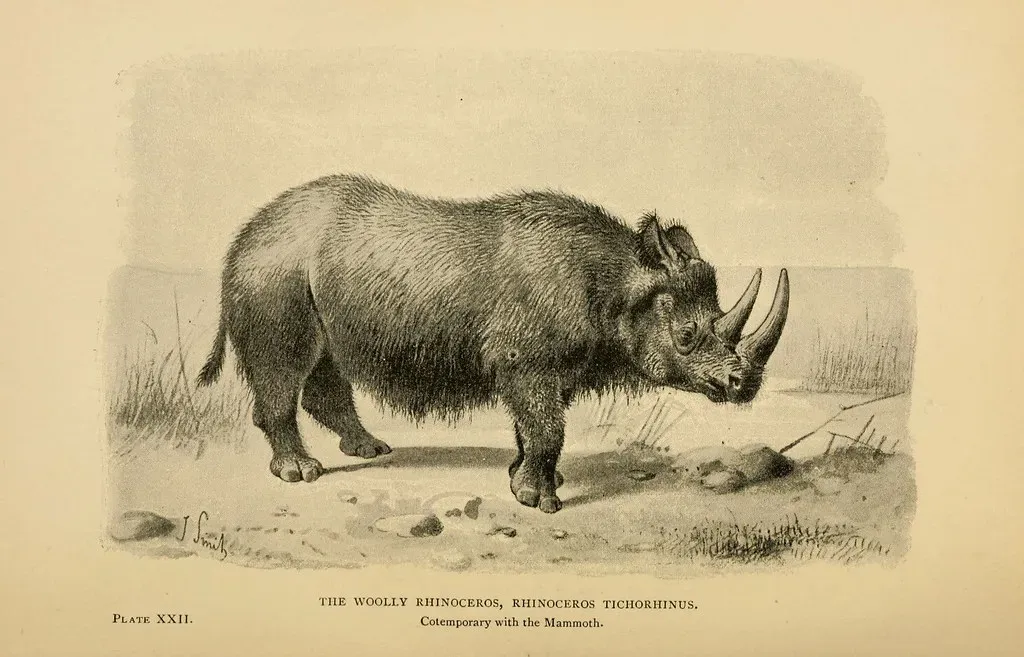
Real measurements put adults at roughly 1.6 to 2.0 meters at the shoulder and 3.3 to 3.8 meters long – essentially the same footprint as a living white rhino, not an elephant-sized behemoth. Fossil comparisons confirm the species had a body size similar to today’s African white rhinoceros. That’s still an enormous animal capable of killing a human with one charge, but it wasn’t dwarfing mammoths the way documentaries sometimes suggest. The visual confusion mostly comes from the thick wool coat, which made the animal look far bulkier than its actual skeleton. That size correction matters even more once you see what it was really eating in #10.
Quick Compare
- Woolly rhino: roughly 1.6–2.0 m at the shoulder, 3.3–3.8 m long
- Modern white rhino: roughly 1.5–1.8 m at the shoulder, a very similar build
- Woolly mammoth: up to 3.4 m at the shoulder, nearly a meter taller than the rhino
#10 – It Was a Simple Grass-Only Grazer
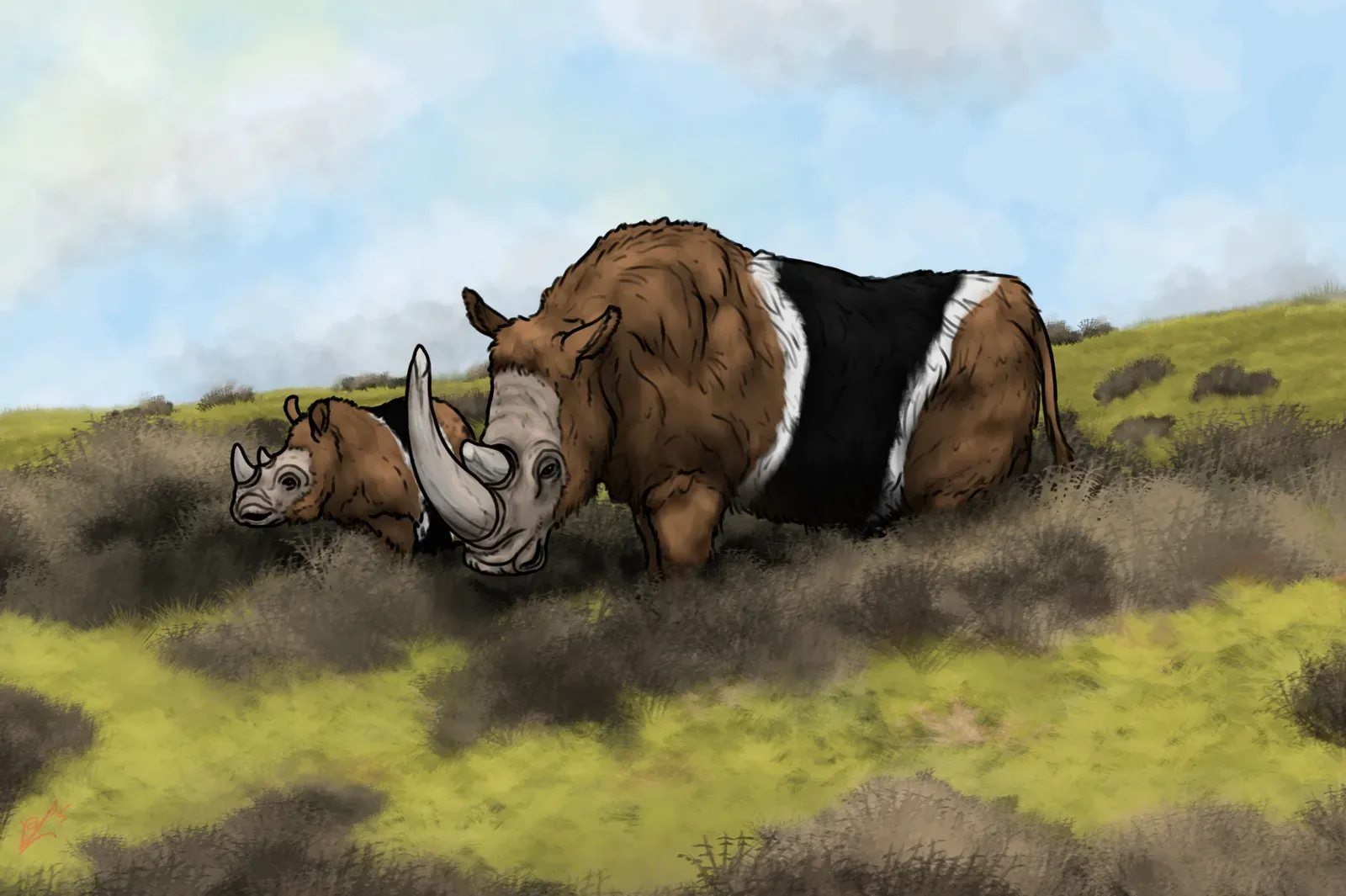
The “grazer” label stuck for a long time because the mammoth steppe is mostly grassland, and rhinos are famous lawn-mowers. Isotope chemistry says the diet was far more flexible than that.
Horn growth-layer analysis resolved a long-running debate over feeding style: different bands of horn growth show the woolly rhino mainly grazed in summer, then switched to browsing shrubs and branches once winter buried the grass. Pollen studies preserved inside stomach contents confirm the same switch-hitting menu, showing the animal ate everything from mosses to woody plants when grass wasn’t an option. This flexible diet is exactly the survival trick that let the species dominate for hundreds of thousands of years across wildly different climates. A pure grazer would have starved the first time winter buried the steppe in snow – this animal simply adapted its menu instead. Slide #9 goes even further back, all the way to where the species actually came from.
#9 – It Evolved on the Tibetan Plateau, Not the Arctic
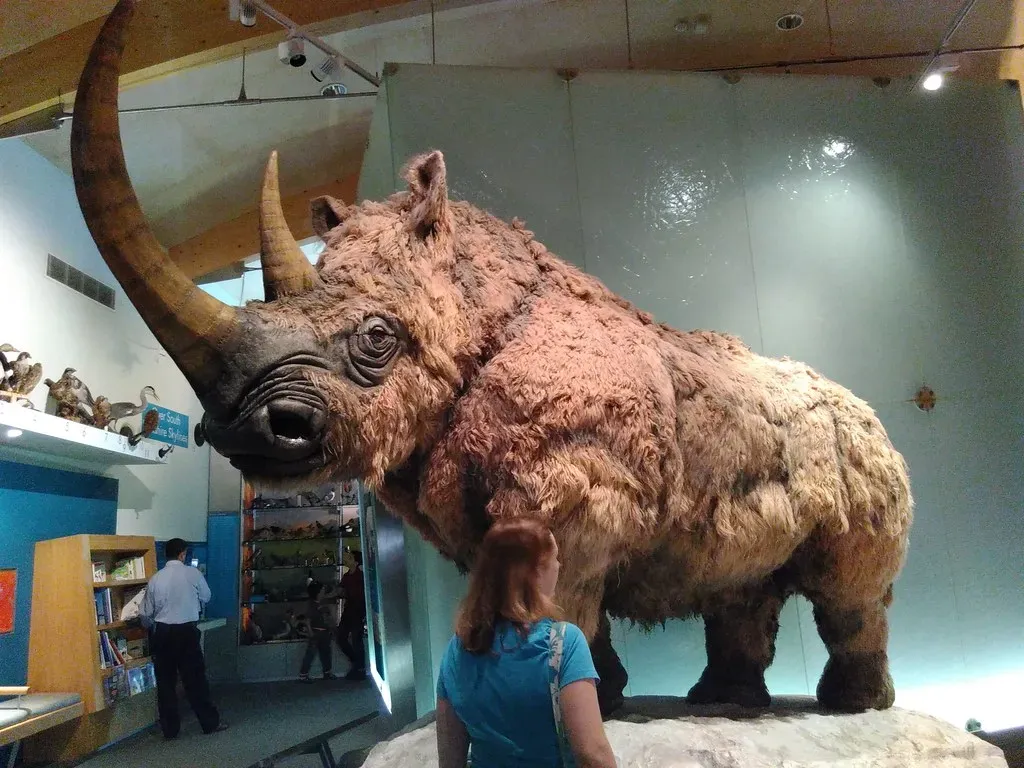
Since the woolly rhino is the poster child for Arctic cold, most people assume it evolved there too, gradually adapting alongside mammoths on the tundra. The fossil trail says otherwise, and it’s a strange one.
A landmark discovery on the Tibetan Plateau identified an ancestral species, Coelodonta thibetana, pushing the evolutionary story thousands of miles south and thousands of meters up in elevation. Scientists were candid about how much this upended prior assumptions, noting that the plateau may have served as an evolutionary cradle for the group long before ice ages ever reached the lowlands. One paleontologist reviewing the find called the Tibetan origin “quite surprising” – which, from a scientist, is basically shock. Cold-weather adaptations like thick fur and stocky legs apparently evolved on high-altitude plateaus first, then migrated north once ice ages made the lowlands equally frigid. The Arctic didn’t create this animal – high-altitude Tibet did, millions of years before the last ice age even began. Number #8 corrects a family-tree mistake almost everyone still makes.
#8 – Its Closest Living Relative Isn’t the White Rhino
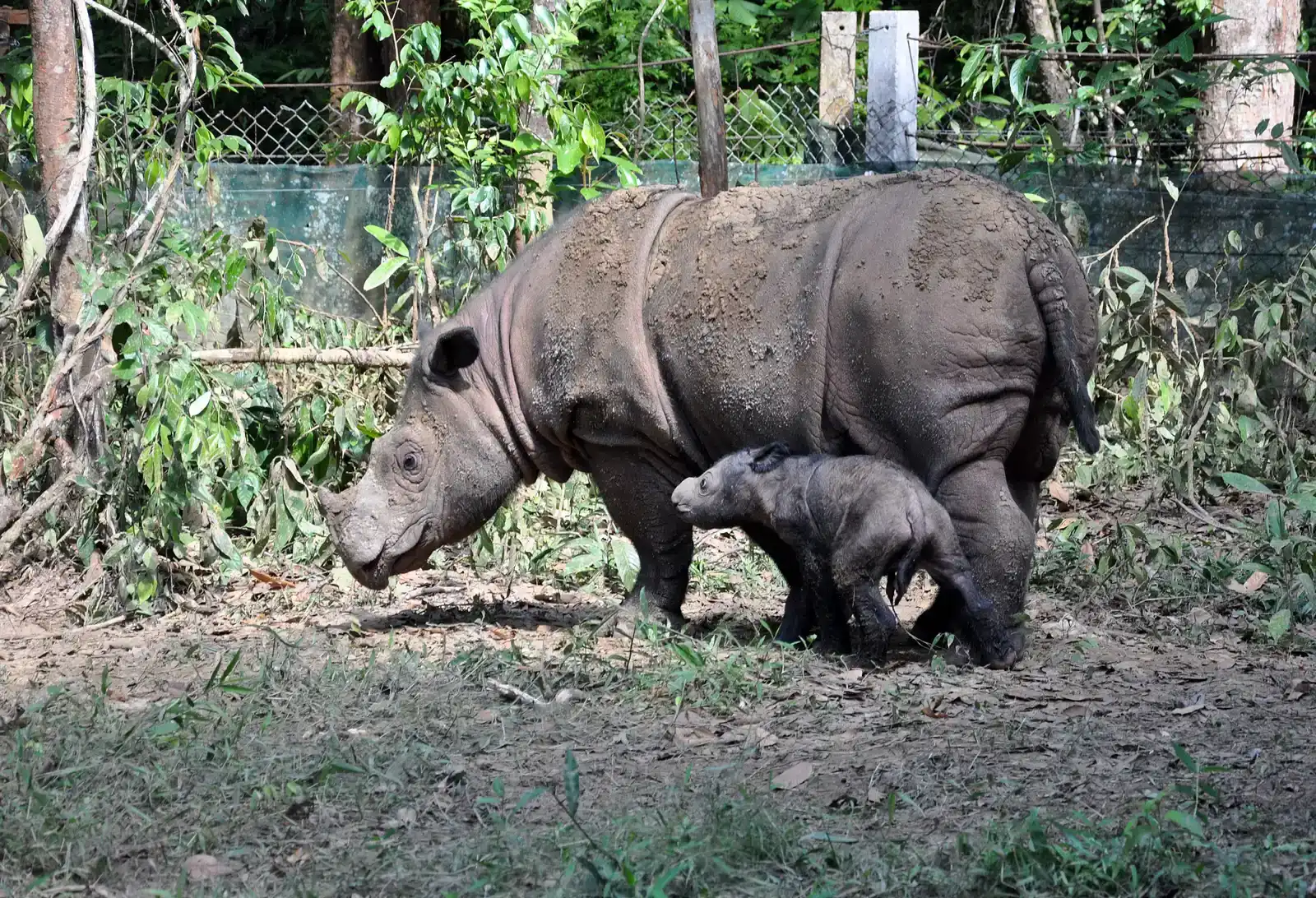
Size similarity fools people constantly. Because the woolly rhino was built roughly like a modern white rhino, most assume that’s its nearest living cousin. Genetically, that’s flat wrong.
DNA comparisons consistently point somewhere else entirely: the woolly rhino’s closest living relative is the Sumatran rhino. That’s genuinely surprising, since the Sumatran rhino is a small, hairy, jungle-dwelling species that looks almost nothing like its extinct Ice Age relative on the surface. The giveaway trait is the fur – the Sumatran rhino is the only modern hairy rhinoceros, has stubby horn stumps, and is only about half the size of the woolly rhino, yet it’s the closest living match we have, and it’s critically endangered itself. The lookalike white rhino is actually a more distant cousin than the tiny, endangered jungle species most people have never even heard of. But #7 might be the single biggest anatomical shock on this entire list.
At a Glance
- Woolly rhino (extinct): thick double coat, large curved horn, cold-steppe habitat
- Sumatran rhino (closest living relative): sparse body hair, stubby horn stumps, tropical rainforest habitat, critically endangered
- White rhino (lookalike, more distant cousin): hairless, large horn, African savanna habitat
#7 – The Cave-Art Hump Was Real Anatomy, Not Artistic Exaggeration
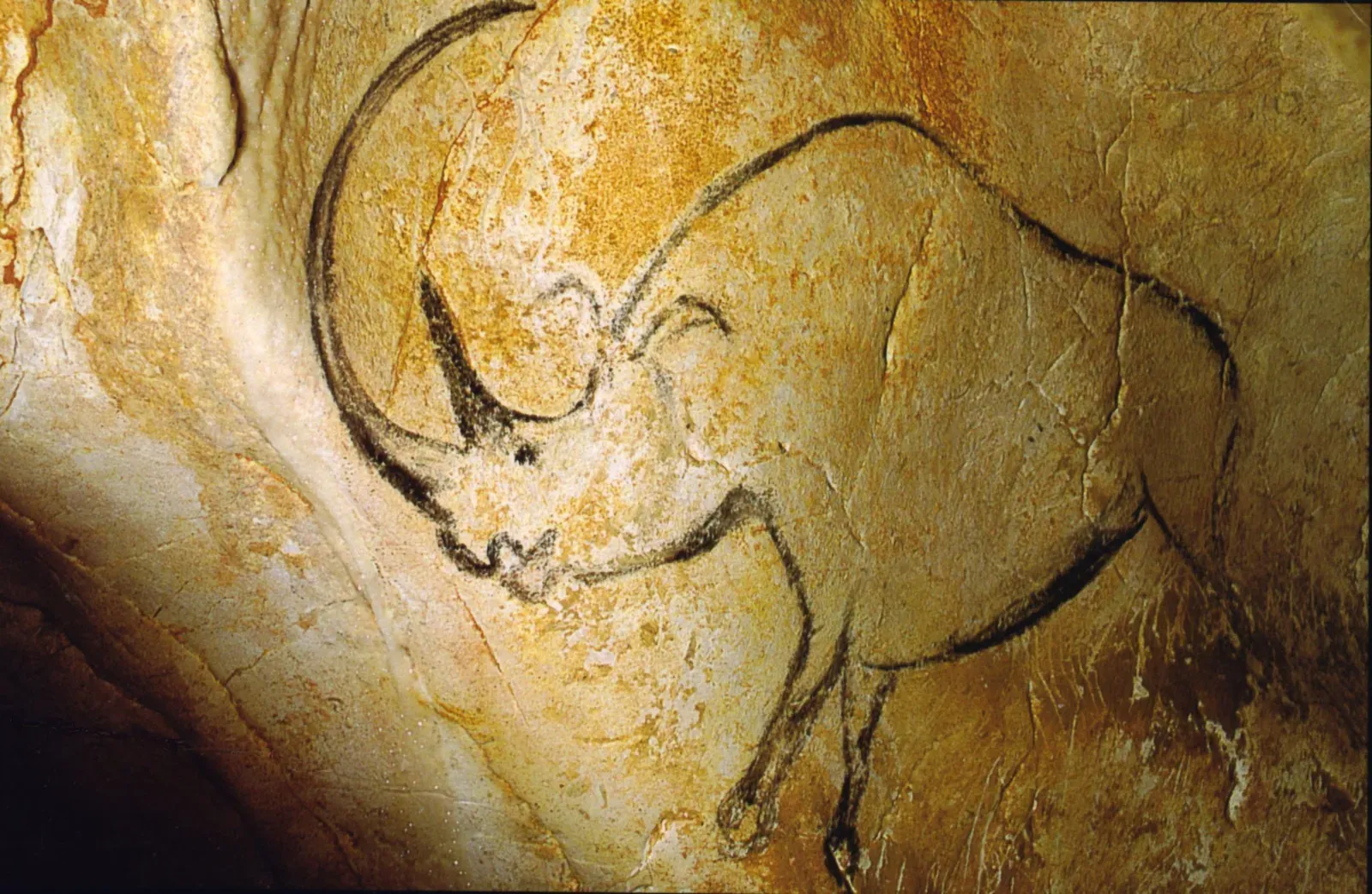
For over a century, scientists dismissed the weird shoulder hump seen in Ice Age cave paintings as a stylistic flourish, not an actual body part. That assumption collapsed in 2024.
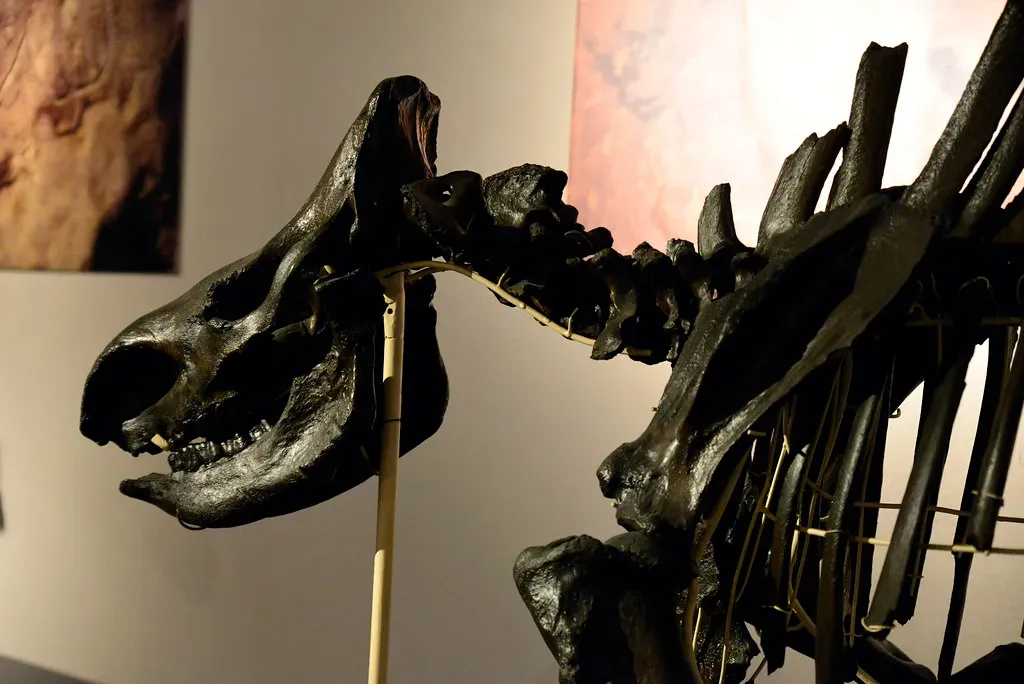
A frozen subadult mummy pulled from Yakutia permafrost settled the debate for good. Researchers confirmed the first reliably preserved hump in the neck and withers area, measuring 36 centimeters long, 13 centimeters high, and 14 centimeters thick, and packed almost entirely with adipose tissue. The find finally answered a question researchers had been stuck on for decades: why did Paleolithic artists keep drawing this hump when earlier mummies showed no such thing, or had that part of the carcass too damaged to check. Ice Age cave painters weren’t exaggerating for artistic effect – they were sketching an anatomically accurate fat reserve that helped the animal survive brutal winters, not unlike a camel’s hump. That single fossil rewrote how every future rhino reconstruction gets illustrated. Slide #6 corrects an even more basic assumption about where these animals actually lived.
#6 – It Never Actually Lived on the Glaciers
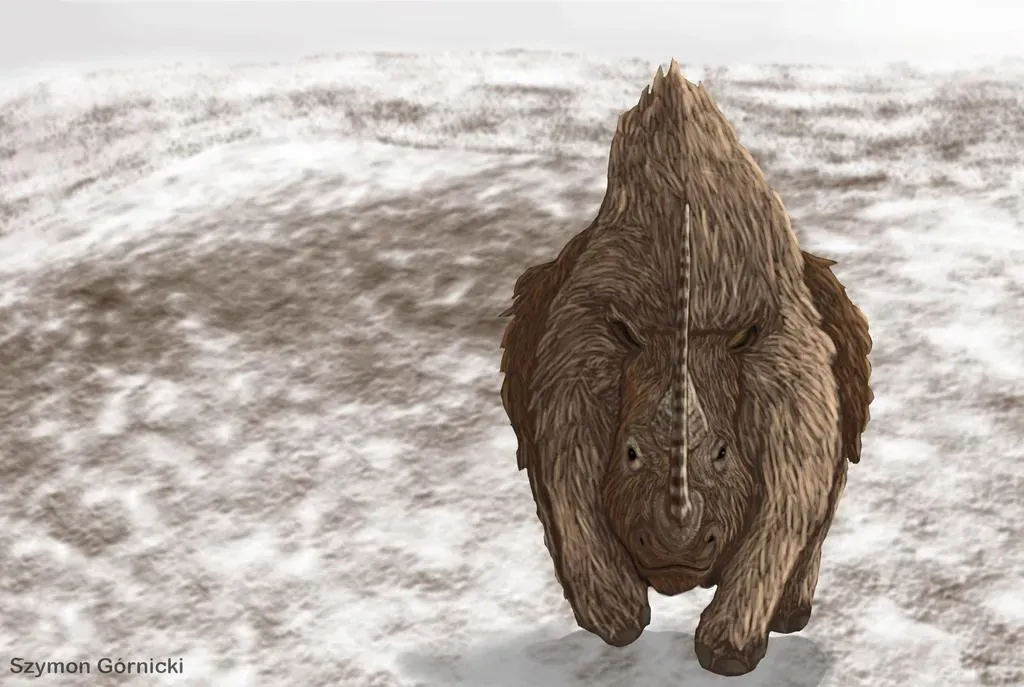
The word “Ice Age” conjures images of animals wandering across literal ice sheets, and the woolly rhino gets lumped into that picture constantly. Its actual habitat preference tells a very different story.
Fossil distribution data shows the species favored dry, cold grassland corridors rather than glacial ice itself. Records confirm the woolly rhinoceros also thrived in more temperate, nonglacial regions, wherever open grassland existed. Its preferred terrain was the mammoth steppe – a vast, dry, wind-scoured grass-and-sedge biome that existed alongside glaciers, not on top of them. This is a genuinely underrated distinction: the animal was built for cold, arid grassland, not for trudging across actual ice fields the way pop-culture illustrations constantly show. Number #5 tackles a social-behavior myth that’s just as widespread.
Fast Facts
- The mammoth steppe stretched from Western Europe across Siberia and into North America via the Bering land bridge
- It supported woolly mammoths, bison, saiga antelope, cave lions, and wild horses alongside the woolly rhino
- The biome was dry and grassy year-round, functioning more like a cold desert than a snowfield
#5 – They Didn’t Roam in Big Herds Like Modern Rhinos
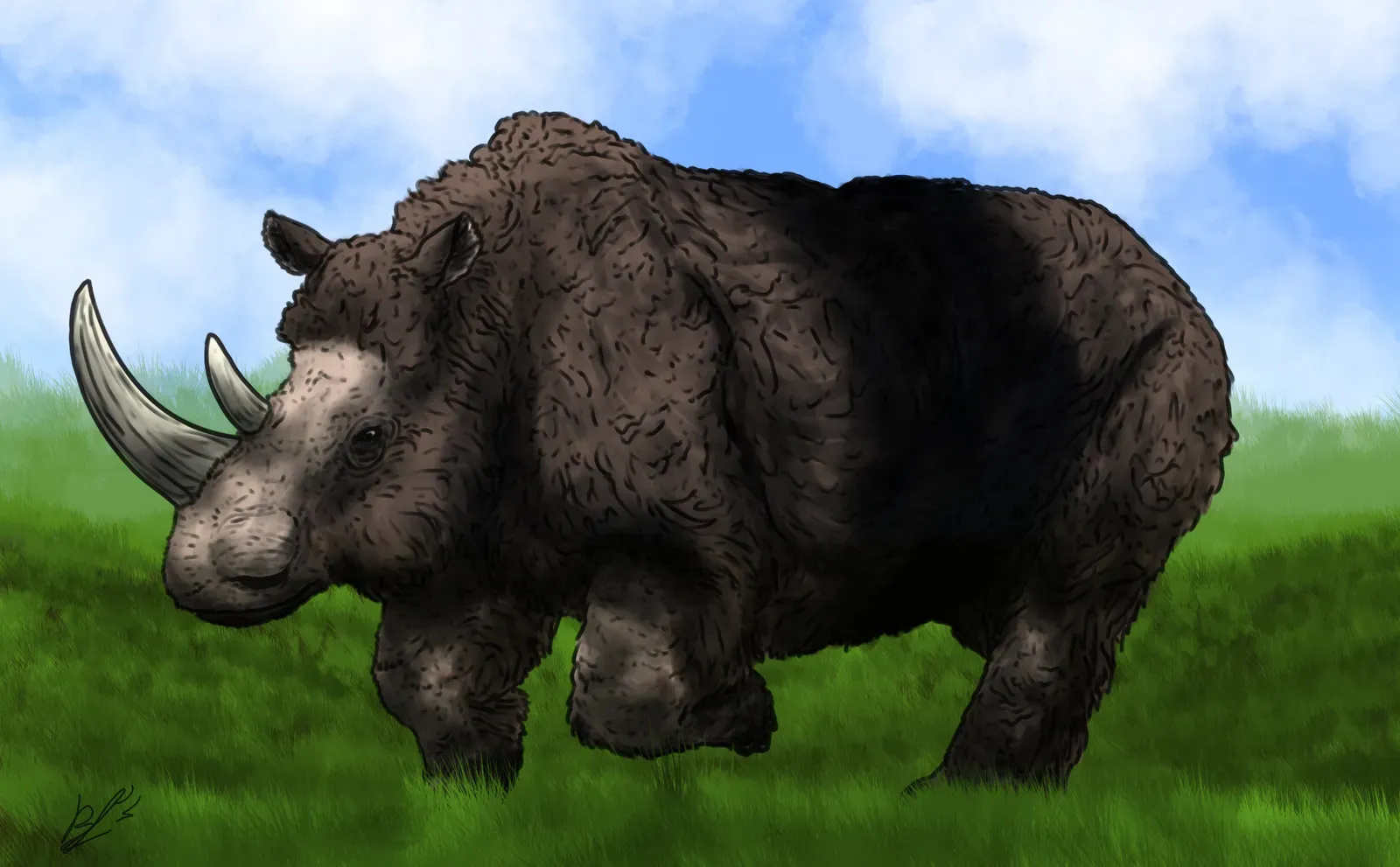
Nature documentaries love showing herds of African rhinos grazing together, and it’s tempting to project that same social structure backward onto their extinct cousin. The fossil site pattern argues against it.
Paleontological surveys consistently describe the species as mostly solitary. Species profiles built from fossil-site distribution suggest the animal lived alone or in small family units, inferred from how rarely multiple skeletons turn up together at the same site. That’s exactly what you’d expect from a species that spent most of its life alone or in tight mother-calf pairs rather than large social groups. A solitary, territorial lifestyle actually makes more sense for a cold-steppe herbivore that needed to spread out and cover huge distances just to find enough winter forage. This directly sets up the biggest scientific reversal on the entire list, starting with #4.
#4 – The “Humans Had Zero Role” Verdict Didn’t Survive
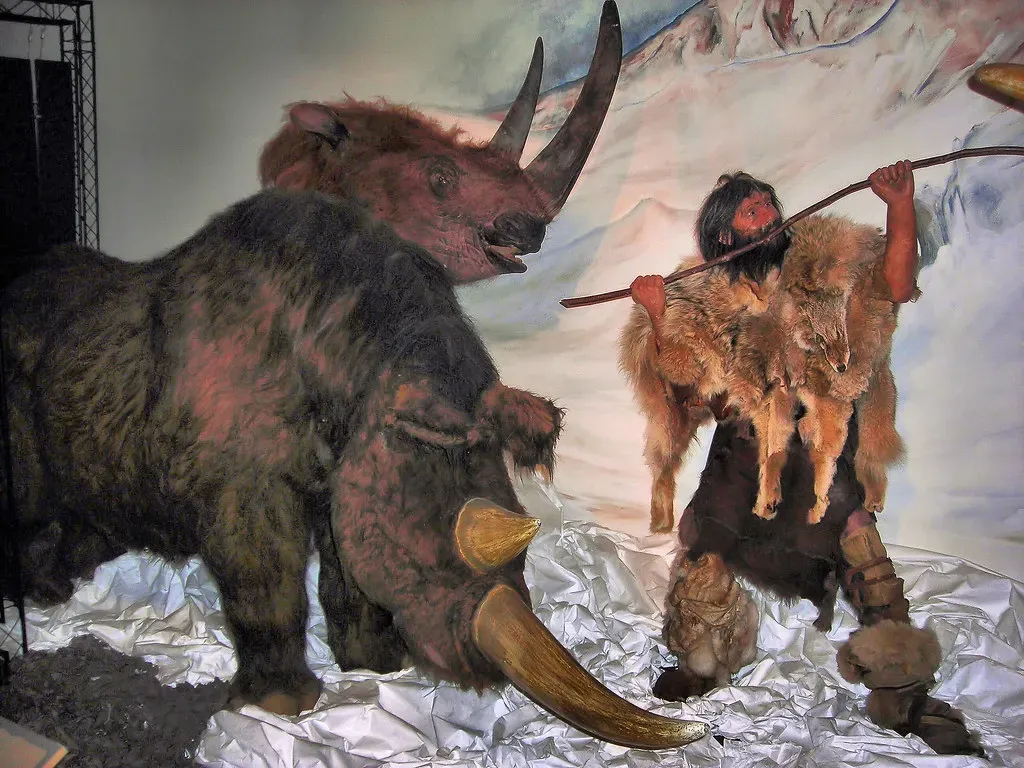
In 2020, a landmark genetic study seemed to settle a fifty-year argument once and for all: climate killed the woolly rhino, not hunters. The headlines were blunt, and the conclusion felt final.
The Current Biology paper behind that verdict argued strongly for climate as the dominant force, moving scientists away from the assumption that humans automatically drive megafauna extinct the moment they arrive somewhere. That framing dominated headlines for four years. Then a 2024 study using 52,000 years of population modeling came back and complicated everything, finding that from 30,000 years ago onward, cooling temperatures combined with low but sustained human hunting pushed the woolly rhinoceros into a shrinking, fragmented range of increasingly unlivable habitat pockets. The “humans are innocent” verdict that made global headlines in 2020 was itself overturned within four years – proof that even “settled” extinction science isn’t actually settled. And #3 shows the same story got rewritten again on the timeline itself.
Worth Knowing
- 2020 study: published in Current Biology, pointed to climate change as the dominant extinction driver
- 2024 study: modeled 52,000 years of population data, found low-level human hunting compounded climate stress after 30,000 years ago
- Both relied on ancient DNA, but reached different conclusions as new samples and methods became available
#3 – It Didn’t Vanish Everywhere at Once
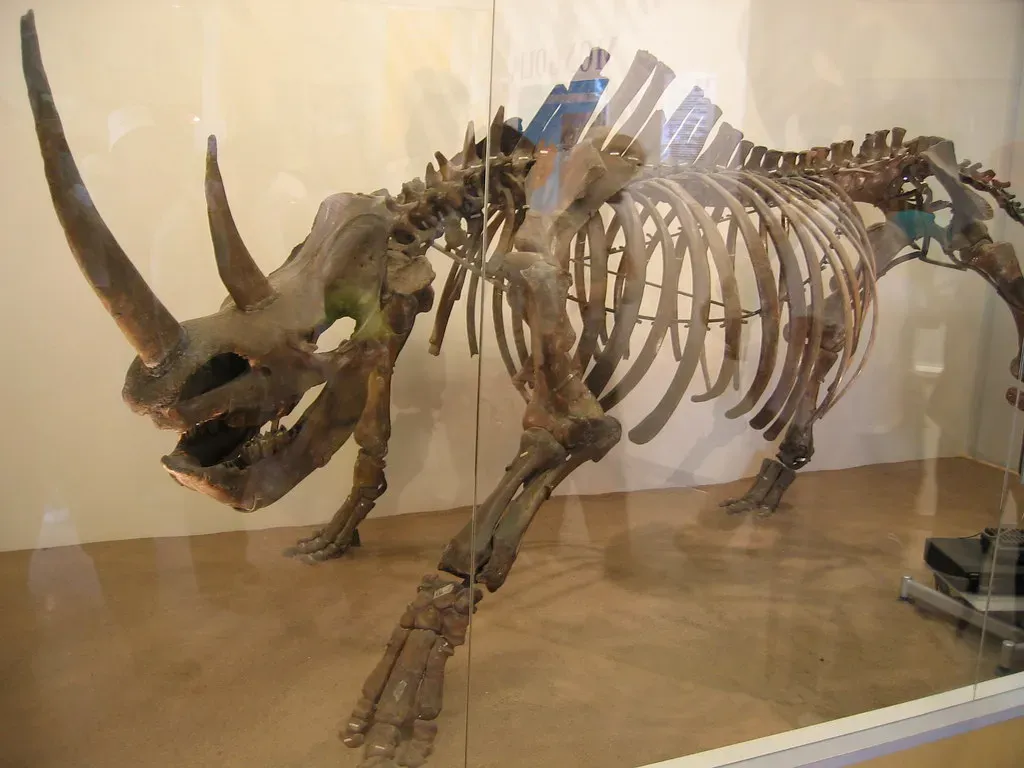
Most casual summaries treat the woolly rhino’s extinction as a single synchronized event – one dramatic collapse across the entire range around 10,000 years ago. The regional data tells a messier, staggered story.
Different populations across the vast Eurasian range didn’t disappear on the same calendar. Siberian populations specifically held on longer than commonly assumed – the youngest confirmed specimen, recovered from the stomach contents of a frozen wolf puppy found in the permafrost, dates to roughly 14,000 years ago. Meanwhile other range estimates put the broader Eurasian population’s final extinction closer to 10,000 years ago. This isn’t a contradiction between studies – it’s proof the extinction was staggered by region, not a single simultaneous doomsday. That regional collapse pattern leads directly into the most jaw-dropping genetic reversal of all, saved for #2.
#2 – It Didn’t Die Slowly From Inbreeding
The most emotionally satisfying extinction narrative is always the slow tragic decline: shrinking populations, dwindling gene pools, generations of inbred survivors limping toward the finish line. For the woolly rhino, that story just got demolished.
A landmark genome study sequenced DNA extracted from an almost unbelievable source – a 14,400-year-old woolly rhino found inside the stomach of a wolf pup discovered frozen in Siberian permafrost. Scientists expected to find the usual genetic fingerprints of slow collapse: shrinking populations, lost genetic diversity, rising inbreeding as the last animals born were increasingly related to each other. They found none of it. The study’s own title says it plainly: no recent inbreeding detected in a near-extinction woolly rhinoceros sample. A species everyone assumed died slowly and painfully over millennia actually appears to have collapsed suddenly, possibly within a few centuries, with no genetic warning signs at all. That single discovery sets up the final, most humbling correction of the entire list.
#1 – The Science Was Never Actually Finished
If there’s one “fact” that turned out wrongest of all, it’s the quiet assumption that woolly rhino science was basically finished – that the mysteries had been solved, the textbooks were accurate, and only minor details remained. Every discovery in the last five years proves the opposite.
The extinction cause flipped from “climate only” to “climate plus hunting” and back toward “sudden, unexplained collapse” within a single decade. The body shape gained a scientifically confirmed fat hump that had been dismissed as artistic fantasy for generations. Even the evolutionary origin point jumped continents, from the Arctic all the way to the Tibetan Plateau. One paleoecologist reviewing the extinction research described this kind of work as only possible when you take all these disparate lines of evidence and finally put them together in one place. The real lesson isn’t any single corrected fact – it’s that an animal extinct for 10,000 years is still actively rewriting its own biography, one frozen mummy and ancient genome at a time.
The Bottom Line
The woolly rhinoceros has been dead for roughly ten millennia, and yet almost everything confidently stated about it in the last fifty years has been revised, reversed, or outright demolished by new evidence. The extinction story alone has flip-flopped between “humans did it,” “climate did it,” and “it happened too fast to even leave a genetic trace.”
Frankly, the repeated reversals expose how much of “settled” Ice Age science was really just the best guess available at the time – and that should make anyone skeptical of the next confident headline claiming a mystery is “finally solved.” Which of these corrected facts surprised you most? Drop your pick in the comments.