
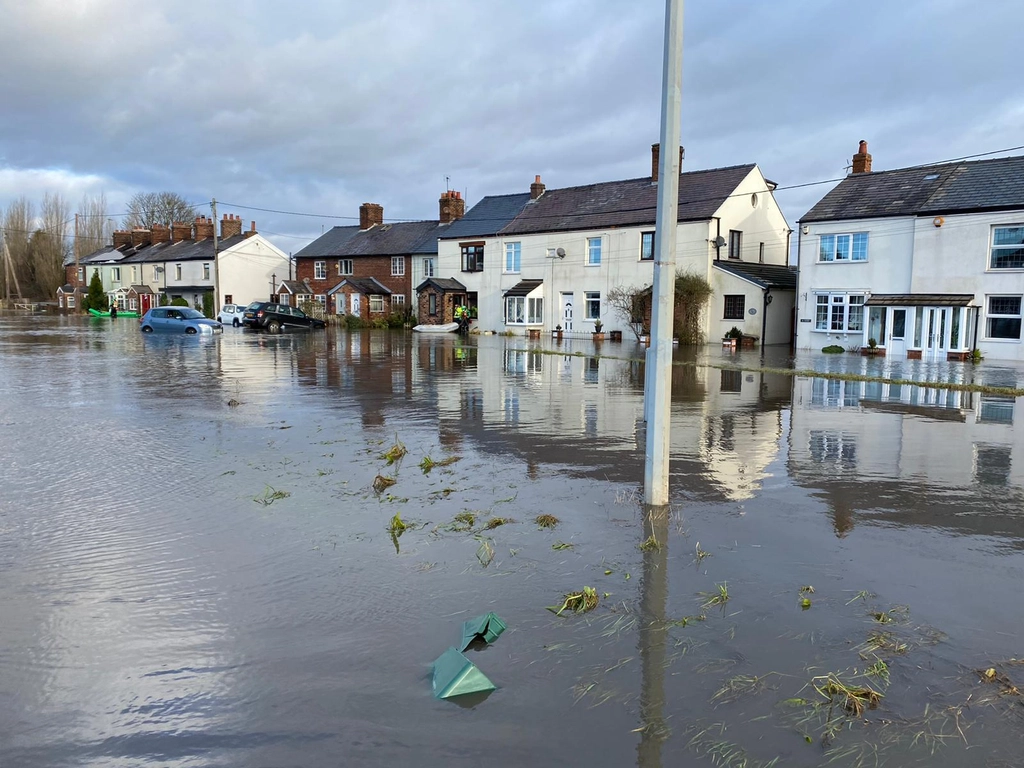
If you have ever walked through a town years after a big flood, you can still feel it. The water is gone, the mud washed away, but the place carries a kind of bruise. Floodwater does not just show up, make a mess, and leave. It carves itself into walls, into soil, into systems, and into people’s lives in ways that can linger long after the headlines move on.
Some of these marks are obvious, like cracked foundations and stained buildings. Others are invisible but just as real: quiet health impacts, rising insurance costs, or a child who still panics when it rains hard. This is the strange thing about floods. They are sudden, but their fingerprints are long-term.
In this article, we will walk through fourteen of the most powerful and lasting marks that floodwater leaves behind. Some are physical, some financial, some emotional, and some are literally written into the landscape. Together, they show why calling a flood a “natural disaster” is only half the story – the rest is what happens for years after the water goes down.
#1 The High-Water Line That Becomes Part of the Town’s Memory
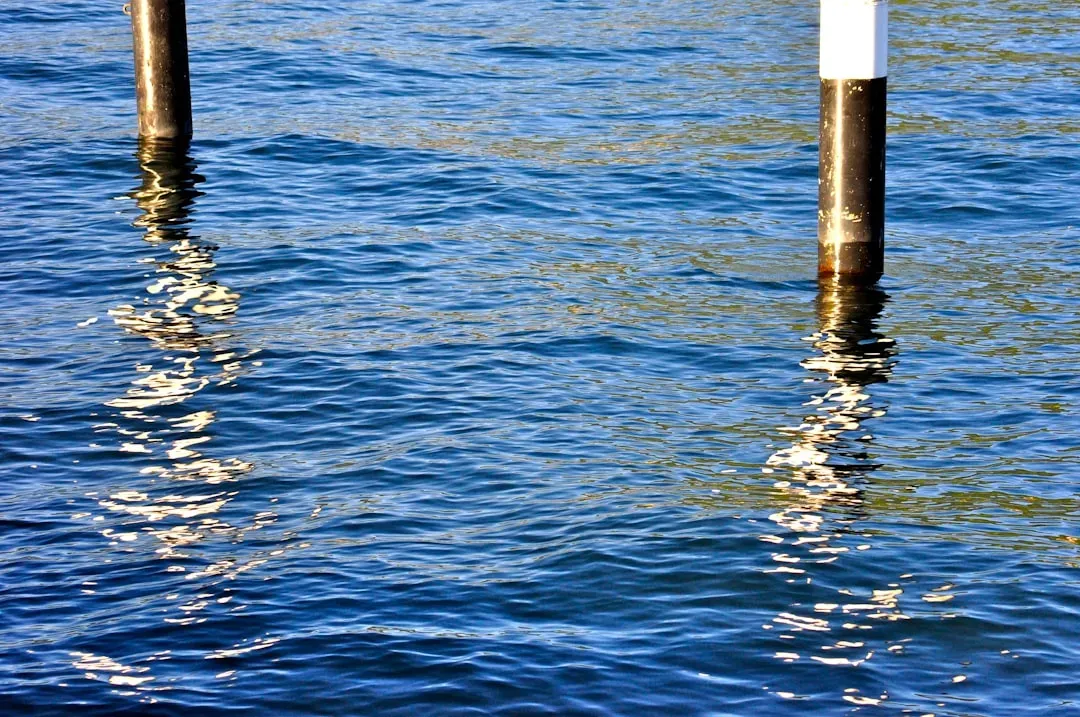
One of the most haunting things floodwater leaves behind is a simple, dirty line. You see it on brick, on bridges, on storefronts – a faint stain where the water reached its highest point. That line often becomes a permanent marker, like a scar. Even after repainting and repairs, many communities deliberately leave at least one unpainted wall or metal plaque to show where the water stood.
Over time, that high-water mark turns into a reference point for everything. People say things like, “The water was up to here,” and point. Kids hear those stories, and the mark becomes part of local folklore. It changes how people feel about a place, introducing a background awareness that the landscape can suddenly, dramatically change.
Those lines can also be strangely double-edged. On one hand they are a warning – a visual reminder of risk. On the other hand, they can become a symbol of survival and pride. The town is still here. You can think of them as the rings in a tree trunk: a quiet record that something big once happened and left the place older than before.
#2 Hidden Structural Damage in Homes and Buildings
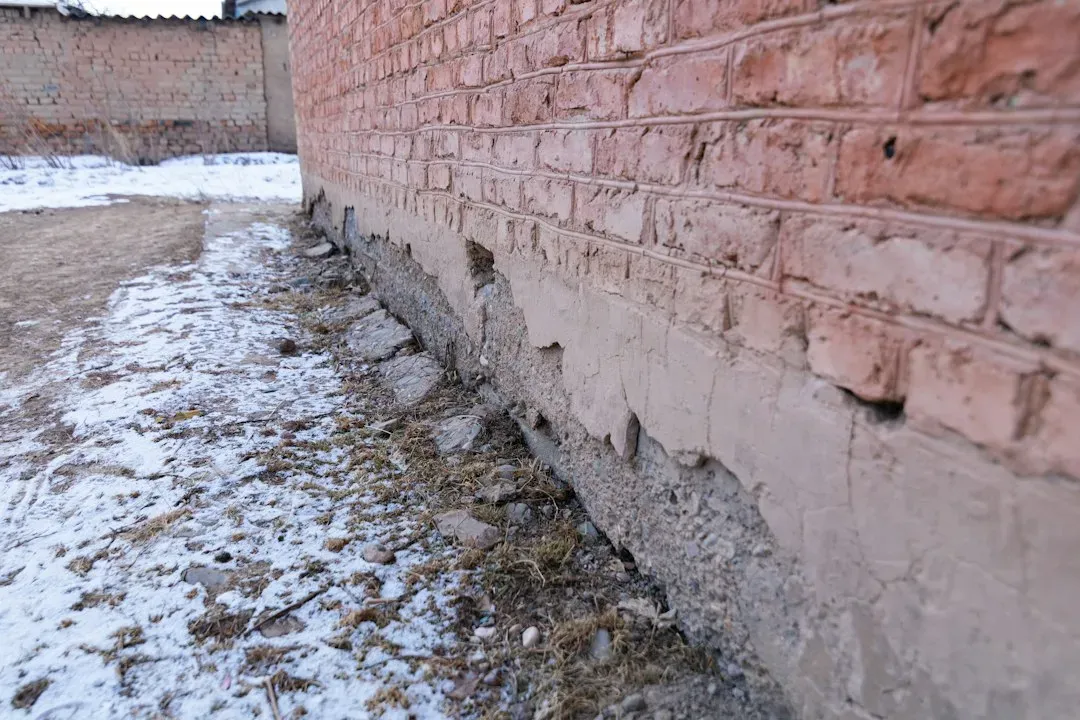
When the cameras show flood damage, they usually focus on dramatic scenes: floating cars, submerged houses, rooftops barely visible. The slower, more insidious damage comes later, inside the walls and under the floors. Floodwater does not just get things wet; it loads buildings with pressure, debris, contaminants, and forces they were never designed to endure.
Even once a home looks “dry,” the structure itself can be weakened. Wooden studs may warp, swell, or slowly rot. Metal fasteners can corrode. Concrete foundations can crack as saturated soil moves beneath them. Sometimes the real issues show up months or years later, when door frames warp, floors become uneven, or walls develop suspicious cracks.
Common lingering structural problems include:
- Subtle foundation shifting that causes misaligned doors and windows
- Slow corrosion of metal connectors and reinforcement bars
- Compromised load-bearing walls where water pressure pushed or bowed materials
- Hidden cavities where water trapped debris and created weak points
Because much of this damage is hidden behind drywall or beneath flooring, owners sometimes only discover it when they try to sell the house, remodel, or when another storm hits. That is one of the cruel truths of flooding: you can rebuild the interior to look beautiful, while the bones of the building are quietly aging faster than they should.
#3 Mold, Mildew, and the Slow Burn of Indoor Air Problems
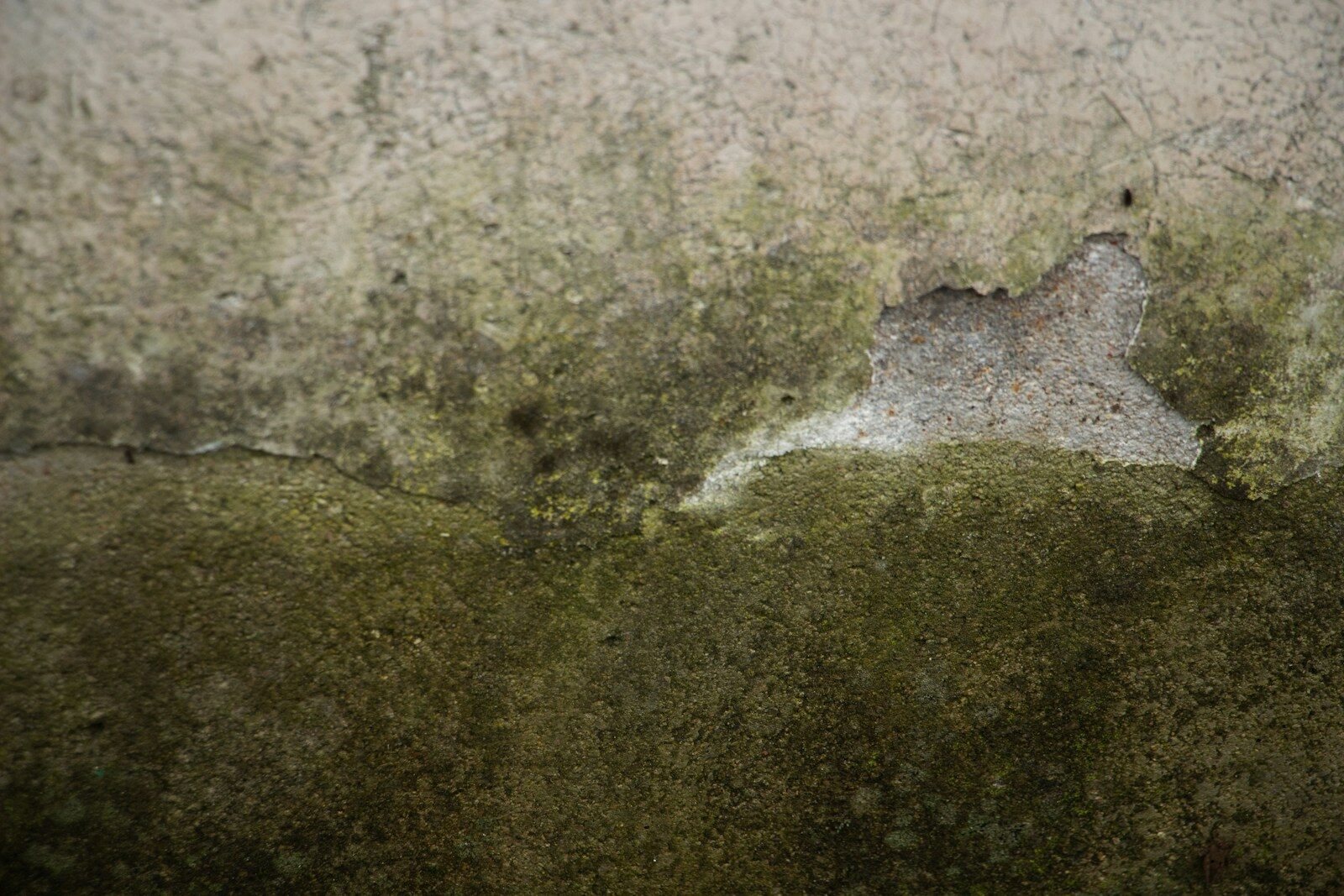
If you talk to anyone who has lived through a flood, they will often say the same thing: the smell stays with you. Even after the visible mud is gone, floodwater’s moisture lingers inside walls and insulation. That is the perfect recipe for mold and mildew, and those can become an ongoing problem that lasts for years if not handled aggressively and correctly.
Mold does not need standing water; it needs dampness and organic material. Drywall, carpet, wood, insulation, and even cardboard boxes in a closet are all ideal food sources. Flood cleanup that is rushed, incomplete, or done without cutting away wet materials can leave mold colonies quietly growing out of sight. They release spores into the air which can trigger allergies, asthma, chronic cough, headaches, and general fatigue.
Long-term, some households notice patterns that do not seem dramatic enough to make the news but still matter a lot in daily life:
- Children whose asthma flares more often after the flood
- Adults who feel “off” or congested at home but fine when they are away
- Persistent musty smells that resist cleaning and air fresheners
- Rooms or basements that never seem to fully dry out again
Proper remediation usually means more than just fans and dehumidifiers. It can involve cutting out sections of wall, discarding porous materials, and sometimes gutting entire levels of a house down to the studs. When that does not happen – often because of money, time, or lack of knowledge – the mold becomes one of the longest-lasting and most intimate marks of the flood, baked into the air people breathe every day.
#4 Contaminated Soil and Sediment That Quietly Reshape the Ground
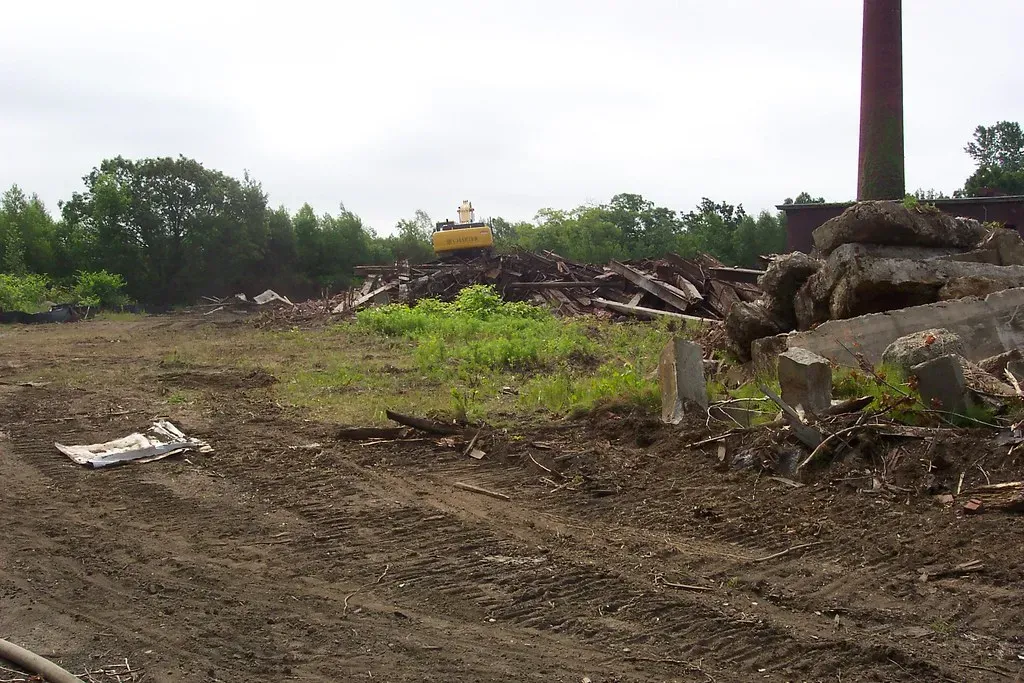
Floodwater is not just water. It is water mixed with whatever it picks up along the way: sewage, chemicals from garages and factories, oils from streets, agricultural runoff, and fine sediments. When the water recedes, it leaves behind a layer of soil and silt that is not the same as what was there before. In some areas, that new layer can be inches thick.
This new sediment can be a strange mix: in rural areas it may bring fertile silt that boosts crops, while in urban or industrial zones it may carry heavy metals, fuel residues, or other contaminants. Gardens, playgrounds, and yards can look normal on the surface while holding substances that are not ideal for kids to play in or for growing food without caution.
Over time, that layer becomes part of the local soil profile. It mingles with older layers, can be blown around as dust, and might be tracked indoors. People may not think of a flood years later when they plant vegetables or let children dig in the dirt, but the marks remain in the ground. In some places, authorities recommend testing soil before using it for gardening or building, especially after major floods.
There is also a more subtle effect: flood-deposited sediment can change drainage patterns. Slightly raised ground here, a filled-in ditch there – these small changes can alter how future rainstorms behave. The flood re-writes the land’s script for where water goes, and that script can change which streets, basements, and fields get hit next time.
#5 Warped Roads, Weak Bridges, and Stressed Infrastructure
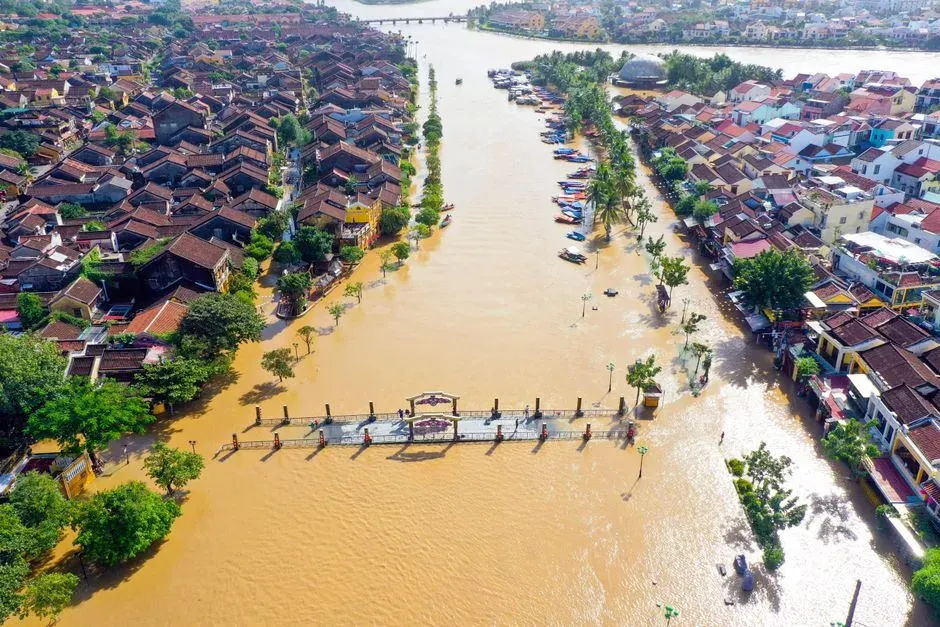
We like to think of roads and bridges as solid, almost permanent. Floods show us how fragile they really are. Fast-moving water scours away soil around bridge foundations, undercuts roadbeds, and erodes embankments. The damage might not cause immediate collapse, but it can leave infrastructure in a weakened state that lasts for years unless it is thoroughly inspected and repaired.
Many communities find that, long after the visible flooding is gone, they are still dealing with:
- Potholes and uneven streets where floodwater eroded the underlying base
- Bridges with unseen scouring around piers and abutments
- Storm drains clogged by debris and sediment
- Culverts and ditches that no longer carry water efficiently
This kind of damage affects daily life in subtle ways. Commutes get slower, maintenance budgets balloon, and every heavy rain tests whether weakened structures can handle the stress. When public budgets are tight, some repairs are delayed or done piecemeal, which can stretch flood impacts over a decade or more.
In a way, infrastructure becomes a memory device. You can drive over a slightly warped bridge or along a patched road and not think about it, but those imperfections are signs that the flood still lives in the concrete and steel. The system works, more or less, but it is carrying a history of strain that cannot be seen without looking closely.
#6 Shifts in Groundwater, Wells, and Drinking Water Quality
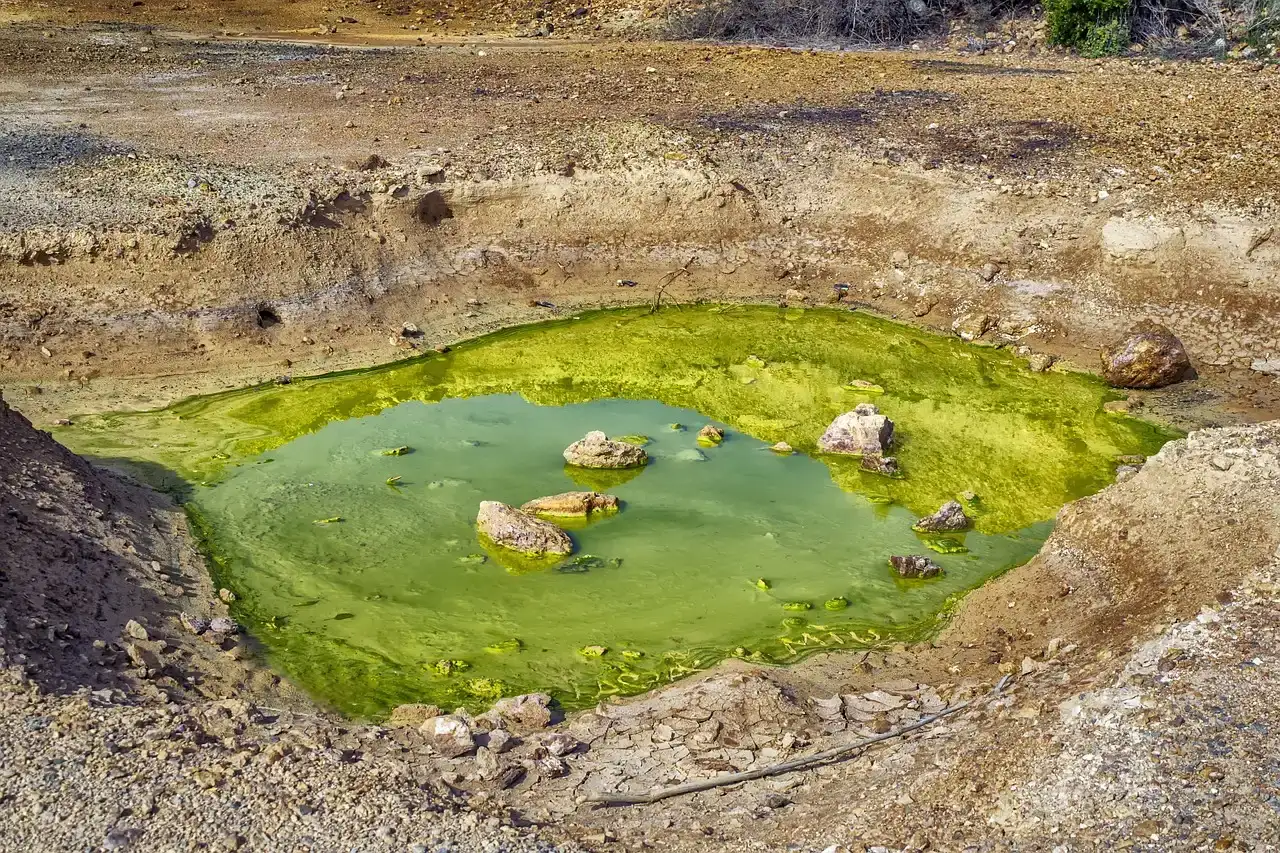
Floods do not just move surface water; they can shake up the invisible water systems underneath our feet. When rivers or streets overflow, that water can infiltrate groundwater aquifers, especially in areas with shallow water tables or porous soils. If septic systems, fuel tanks, or industrial areas were also flooded, contaminants can hitch a ride into that groundwater.
For people who rely on private wells, this can be a long-term concern. Wells that were once safe may test positive for bacteria, nitrates, or other pollutants after a flood. Sometimes the problem shows up immediately, but in other cases the signal is slower and more subtle, with periodic spikes in contamination that track heavy rains long after the original event.
Communities may experience ongoing issues such as:
- Needing to test and disinfect private wells months or years after the flood
- Increased reliance on bottled or municipal water due to lingering distrust
- Changes in water taste, smell, or hardness as aquifers are altered
Even when tests eventually show the water is safe, perception often lags behind science. Once someone has seen muddy, sewage-laced water rushing through their street, it is hard to unsee it when they fill a glass at the sink. That quiet, nagging doubt is another mark floodwater leaves – not just in the aquifer but in people’s relationship with something as basic as drinking water.
#7 Stubborn Financial Scars: Insurance, Debt, and Lost Wealth
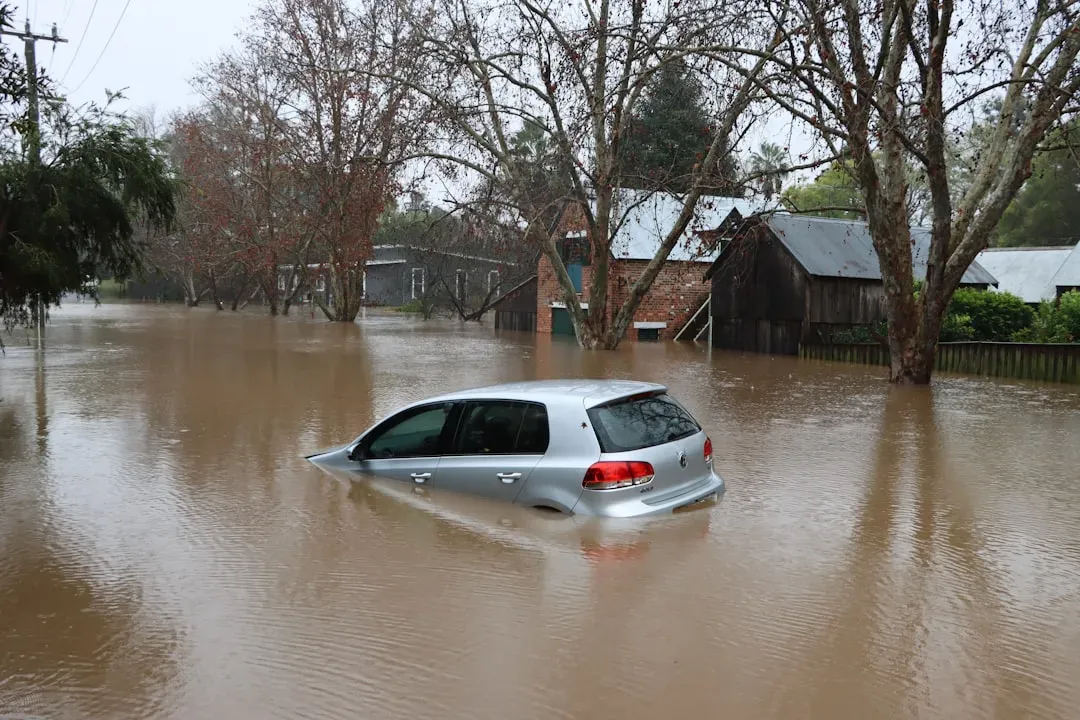
Physically cleaning up after a flood can take months, but financially recovering can take many years – if it happens at all. Even with insurance and disaster aid, many families and small businesses end up in deeper debt, draining savings or retirement funds to rebuild. Some never fully bounce back, and the gap between what they had before and what they have now becomes a permanent mark.
Flood insurance itself can be a long-term burden. Once an area has flooded, premiums usually rise. Some homeowners find that the cost of staying and rebuilding, plus higher insurance, makes their financial situation feel like a slow leak they can never quite plug. Others who cannot afford coverage live with the anxious knowledge that another flood would be financially devastating.
The long-term financial marks often show up as:
- Mortgages underwater in more ways than one: the home is less valuable than the debt
- Retirement plans delayed or downsized due to rebuilding costs
- Credit scores damaged by missed payments during and after the disaster
- Businesses that reopen smaller or with fewer employees, reducing local income
Money is not everything, but it shapes choices. Years after the flood, people may still be working extra jobs, staying in homes they would rather leave, or passing on opportunities they might have taken otherwise. That quiet, background loss of financial freedom is one of the hardest marks to see from the outside – but for those living with it, it is constant.
#8 A Changed Housing Market and Neighborhood Identity
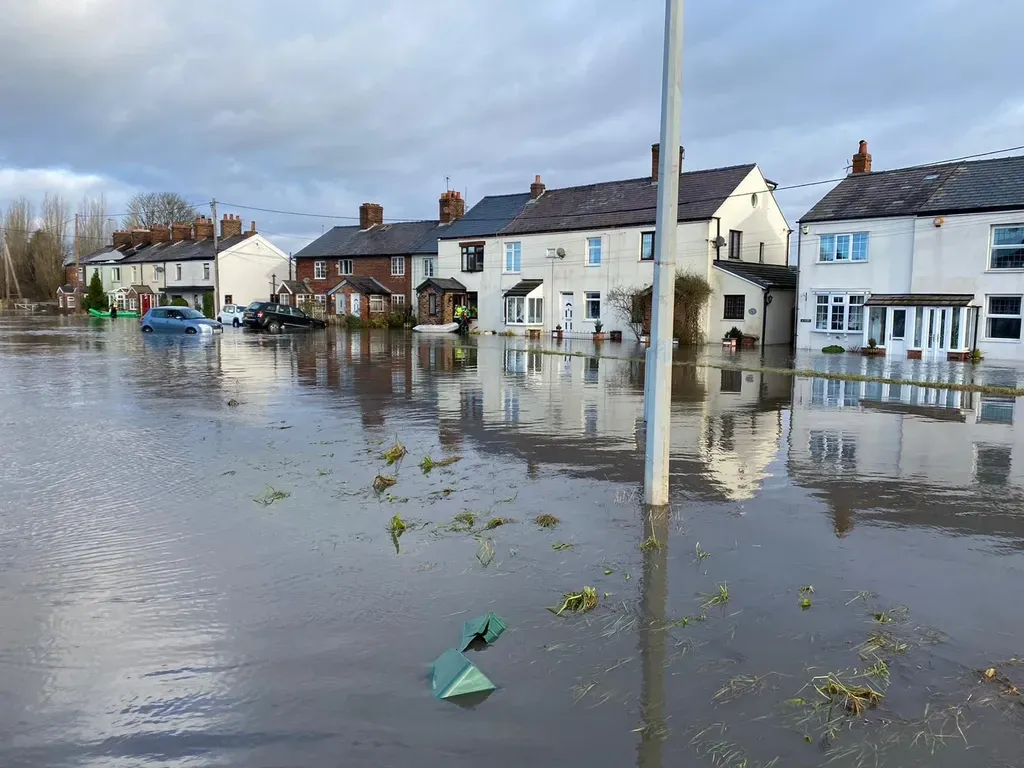
Floodwater does something strange to a neighborhood’s reputation. A place that once sounded like a dream – riverside views, leafy streets near the water – can quickly be seen as risky or undesirable. Potential buyers search the address online and see photos of houses half underwater. They may decide to look elsewhere, or demand discounts that chip away at local property values.
Over time, this can reshape who lives in a neighborhood. Some owners with the means to move away do so, especially after repeated floods. Others, often with fewer resources, stay because they have little choice. The area might slowly shift toward more rentals, older housing stock, or homes in perennial “fix-up” mode. In some cases, entire blocks are bought out or converted to green space, leaving gaps where communities used to be.
These housing shifts show up in everyday ways:
- For sale signs staying up longer than before
- Buyers asking detailed questions about flood history that sellers dread
- Landlords weighing how much to invest in properties they fear may flood again
- Some streets feeling half empty, with vacant lots or boarded properties
The saddest part is that neighborhoods are more than buildings. They are networks of trust, routines, and shared history. When floods repeatedly reshape where people can afford to live, they erase not just houses but the small, daily connections that made those places feel like home. That erosion can last long after the last sandbag is put away.
#9 Mental Health Echoes: Anxiety, Grief, and Hypervigilance
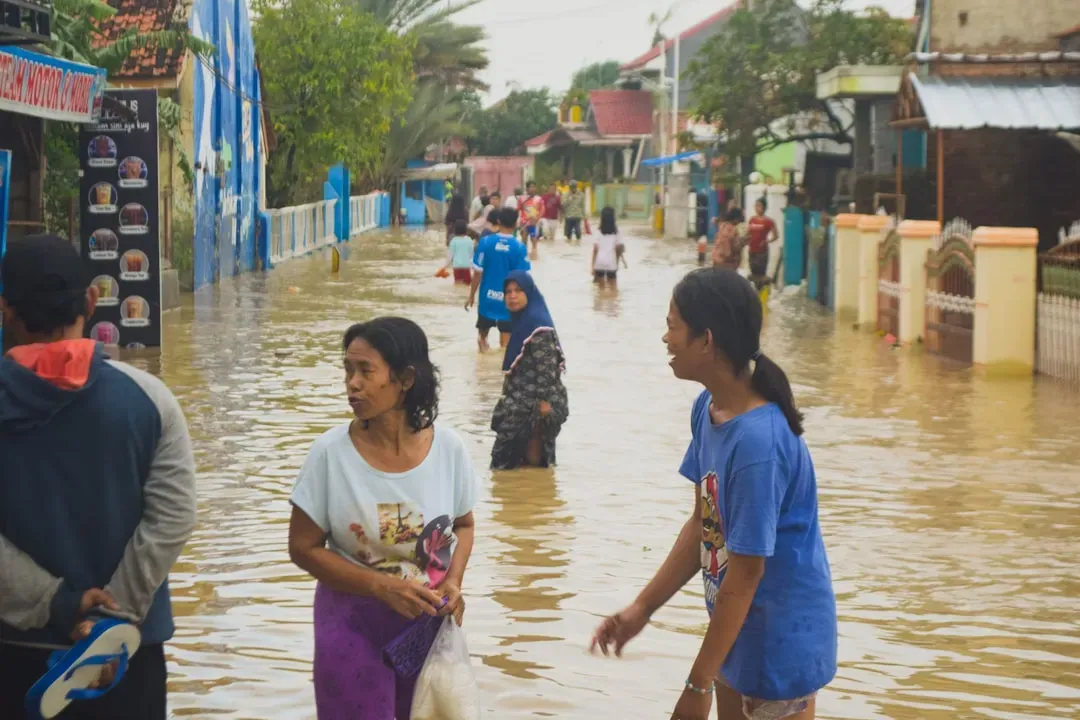
The emotional mark of floodwater may be the one that outsiders understand the least, precisely because you cannot see it. For many survivors, heavy rain never feels the same again. A distant storm forecast can trigger sleepless nights, constant checking of river levels, and an overwhelming urge to move valuables upstairs, just in case. The body remembers what the mind is trying not to relive.
Floods can bring a mix of trauma and grief. People lose homes, keepsakes, photos, pets, and sometimes loved ones. Even when everyone survives physically, there is a kind of mourning for the version of life that existed before the water came. That emotional shift can last years, especially if recovery is slow or if families and friends are scattered by displacement.
Common long-term emotional marks include:
- Persistent anxiety when it rains or when flood alerts appear
- Children having nightmares, separation anxiety, or heightened fear of water
- Adults experiencing burnout from dealing with insurance, repairs, and bureaucracy
- A general feeling that life is less safe, even on sunny days
I remember talking with someone who had been through a major flood who said that their real recovery began only when they could sit through a thunderstorm without constantly scanning for danger. That slow return of basic peace of mind is not guaranteed, and in many communities, the mental health support after floods is thin. The water eventually leaves; the nervous system can stay flooded for much longer.
#10 Community Bonds, Tensions, and the Politics of Recovery
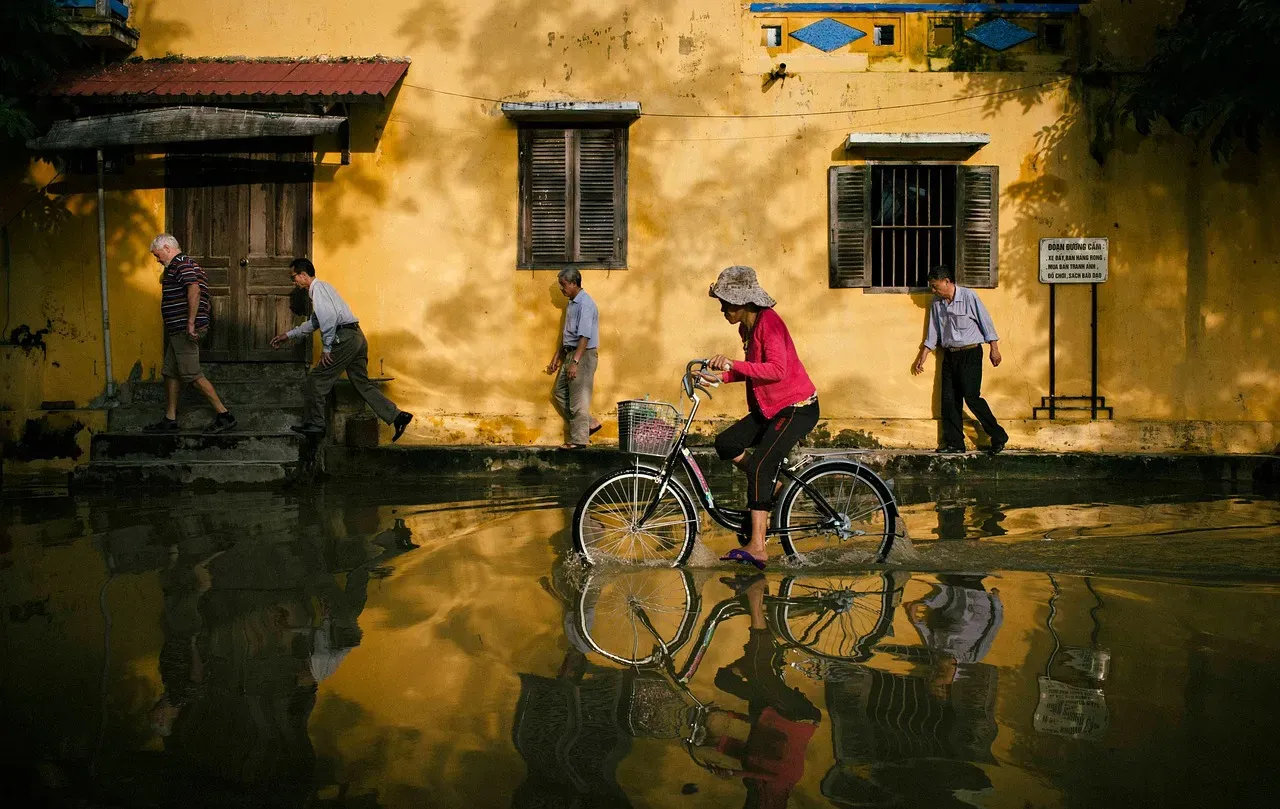
One of the more surprising marks floodwater leaves is on the social fabric of a community. In the early days, you often see powerful acts of solidarity: neighbors rescuing each other in boats, strangers handing out food, volunteers ripping out drywall side by side. That kind of shared crisis can knit people together in remarkable ways and create lifelong bonds.
But as months turn into years, the emotional glow of solidarity can collide with the grind of recovery. Some people get more help than others. Certain neighborhoods are repaired quickly, while others wait. Arguments flare over who deserves buyouts, where new levees or floodwalls should go, and whether rebuilding in the same place is wise. Resentment can grow when people feel abandoned, unheard, or sacrificed for the sake of someone else’s protection.
Long-term community marks often look like this:
- Neighborhood groups forming to advocate for better flood defenses
- New local leaders emerging from grassroots relief efforts
- Lingering anger about how aid was distributed or who got left behind
- Civic debates about relocation, zoning, and development near water
Floods reveal power structures. They show who has the clout to demand stronger protections or faster repairs and who does not. In some places, that realization sparks lasting activism and stronger community voice. In others, it leaves a bitter sense that the system works for some and not for all. Either way, the politics of water do not end when the streets dry out; they often begin in earnest.
#11 Ecological Shifts: Rivers, Wetlands, and Wildlife Rewriting Themselves
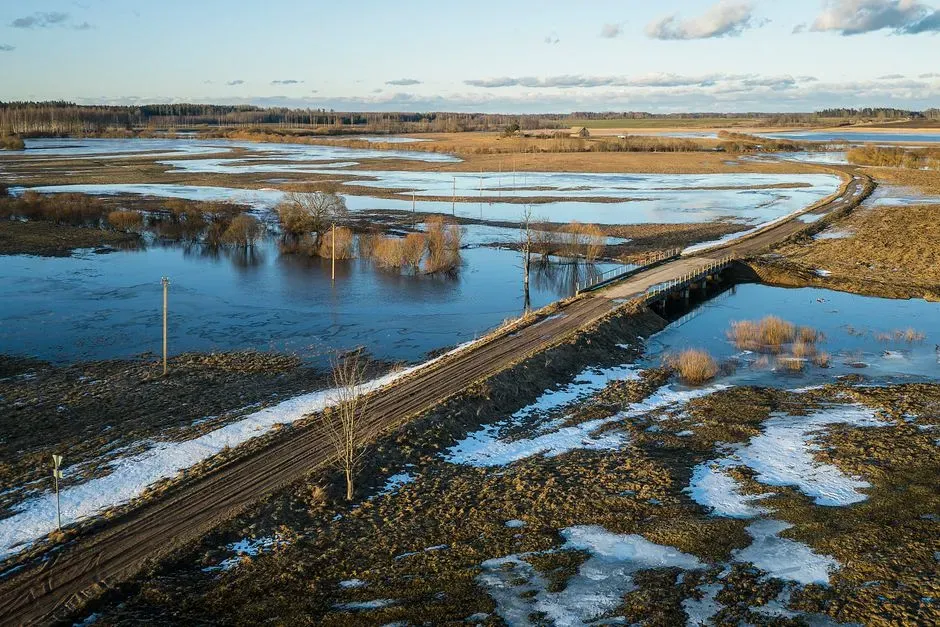
From nature’s perspective, floods are not accidents; they are part of how many ecosystems function. River floodplains evolved to flood, spreading nutrients, reshaping channels, and creating habitats. But because we have built towns, farms, and industries in those spaces, the ecological marks of modern floods are tangled up with human choices and pollution.
After a major flood, rivers can cut new channels, erode banks, and deposit sand and gravel in different places. Wetlands may expand in some spots and shrink in others. Some plant and animal species benefit from these changes, finding new breeding or feeding grounds, while others lose critical habitat. If the floodwaters carried contaminants, those can settle into wetlands and riverbeds, affecting food chains for years.
Longer-term ecological changes can include:
- Altered fish populations as spawning grounds shift or are smothered in sediment
- Invasive plant species taking advantage of disturbed ground
- Trees dying off in areas where roots were suffocated by prolonged saturation
- New wetlands forming in low-lying areas that were previously dry
There is a strange irony here. Many flood defenses aim to keep rivers tightly confined, which can reduce short-term damage but also starve natural floodplains of the water they evolved to receive. When a big flood overwhelms those defenses, the ecological jolt is even more dramatic. The landscape carries those changes forward, sometimes creating more resilient habitats, sometimes embedding new vulnerabilities, but always rewriting the map we thought we knew.
#12 Urban Design Overhauls: Levees, Green Space, and “Learning the Hard Way”
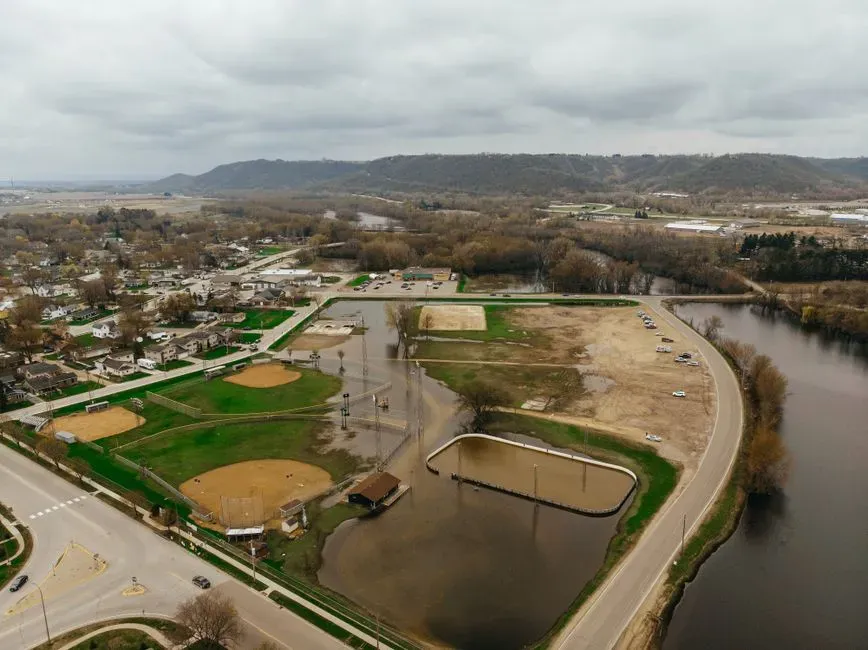
In cities and towns, a flood is often the moment when theory collides with reality. Plans and maps suddenly have to answer to muddy water in living rooms. Afterward, local governments and planners are forced to rethink how streets, parks, and buildings interact with water. That rethink can lead to some of the most visible and long-lasting marks of all.
It is common to see a wave of projects emerging in the years after a big flood:
- New levees, floodwalls, or raised embankments along rivers and coasts
- Retention basins, rain gardens, and “sponge city” features that soak up stormwater
- Changes to zoning rules that limit building in high-risk areas
- Roads, bridges, and utilities being raised or relocated to higher ground
From the outside, these changes can look purely technical, but they are also emotional. A levee is not just dirt and concrete; it is a statement that the community refuses to be victimized in quite the same way again. On the flip side, strict building limits can feel like a second blow to residents who already lost so much.
The difficult truth is that many of these upgrades only happen because the flood revealed vulnerabilities too painful to ignore. In that sense, floodwater leaves a mark on the future as well as the past, nudging (or shoving) cities toward designs that respect water more and pretend to control it less. It is a harsh teacher, but it does not allow us to stay in denial forever.
#13 Policy, Maps, and How Risk Gets Redrawn on Paper
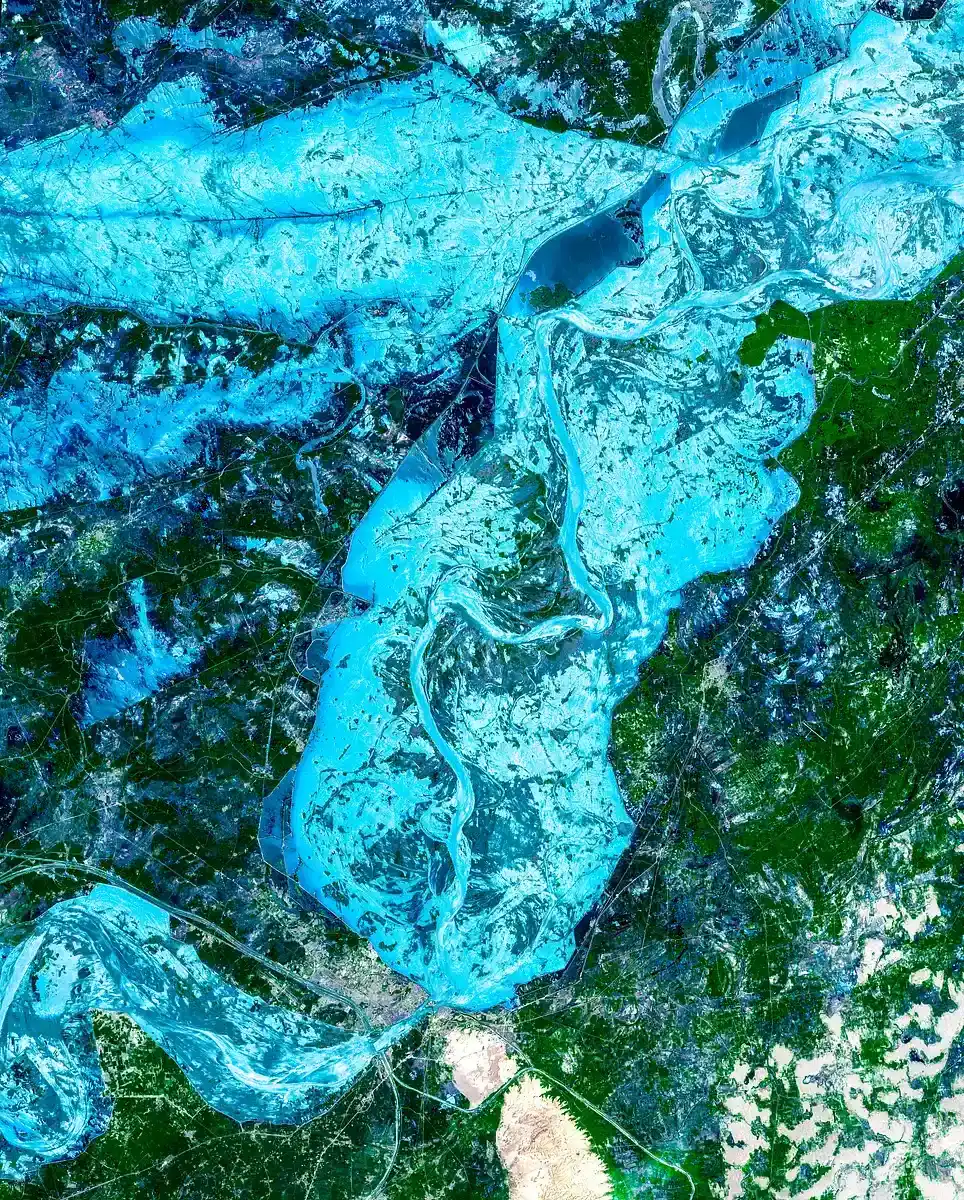
Long after the mud is cleaned and the streets reopen, floods continue to echo in something far less visible but incredibly powerful: policy. Governments update flood maps, adjust building codes, revise emergency plans, and sometimes redesign entire aid programs based on what a single event revealed. Those changes, printed in laws and documents, shape lives in quiet ways for years.
Flood risk maps are a good example. After a major flood, areas that were thought to be relatively safe may be recategorized as high-risk zones. That can influence everything from mortgage approvals and insurance requirements to what new construction is allowed. A line drawn on a map can determine whether someone can build a home on family land or has to walk away.
Key long-term policy impacts can include:
- Tougher elevation requirements for new homes in flood-prone areas
- Revised evacuation routes and communication plans
- Stricter standards for critical facilities like hospitals and power stations
- Changes to how and when government aid is distributed after disasters
These policies can feel distant until you run into them personally – trying to renovate, sell, or insure a property. Then the mark of past floodwater suddenly appears in the form of paperwork, regulations, and official “no’s.” The upside is that many of these changes genuinely reduce future harm. The downside is that they often only come after damage has already been done to real people in real places.
#14 Personal Narratives and the Stories Families Tell for Generations
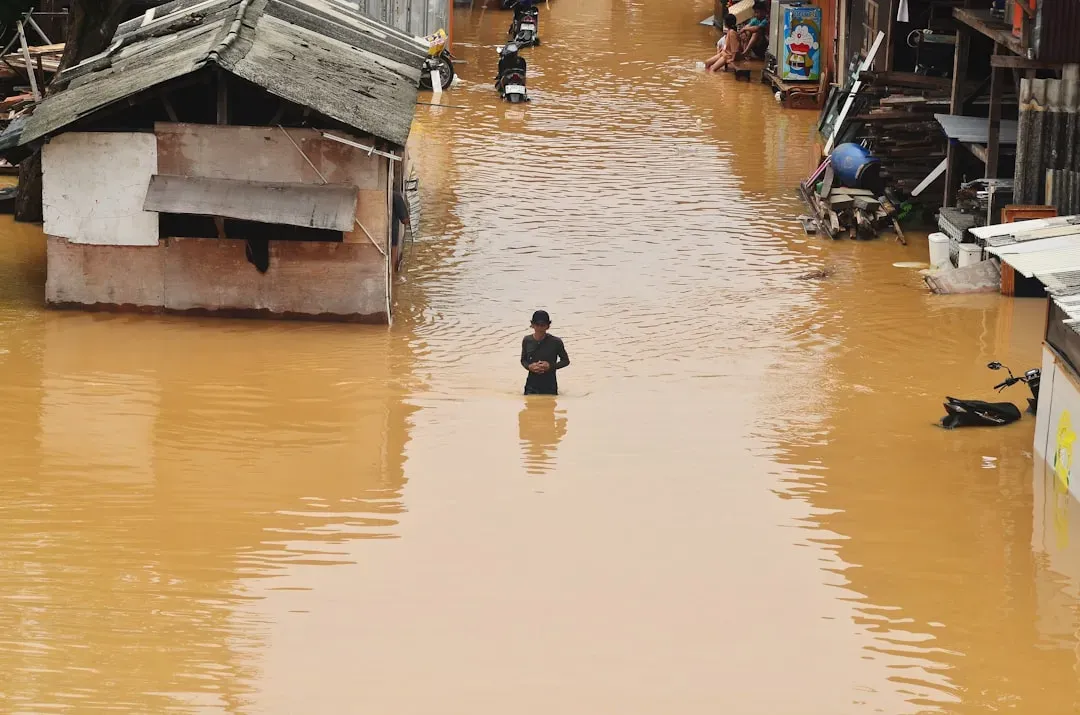
Ultimately, floodwater’s longest-lasting mark may not be in the soil, the steel, or the maps, but in the stories people carry. Families remember the night the river came into the house, the neighbor who showed up with a boat, the moment they had to decide what single box of belongings to grab. These stories get told at dinner tables, at reunions, and to curious children who were not yet born when it happened.
Over time, those narratives shape identity. A town is no longer just a dot on the map; it is “the place that flooded that year.” A parent becomes not just a provider but the person who kept everyone calm while their living room filled with water. Kids who grew up with a flood in their past may feel more wary of risk or more determined to prepare for future disasters.
Some common threads in these long-lasting stories include:
- Small acts of kindness that became huge in the moment
- Objects that were lost forever and the lingering ache they leave
- Moments of dark humor or absurdity in the middle of chaos
- A sense of before and after, as if life has two distinct chapters
I have noticed that people rarely talk only about the damage. They also talk about who showed up, what they learned, and how it changed what they value. Those stories mean that, even if you pass a street years later and see nothing unusual, the residents may be walking through a landscape layered with memory. The water left, but the narrative stayed.
Conclusion: The Water Recedes, but the Story Does Not
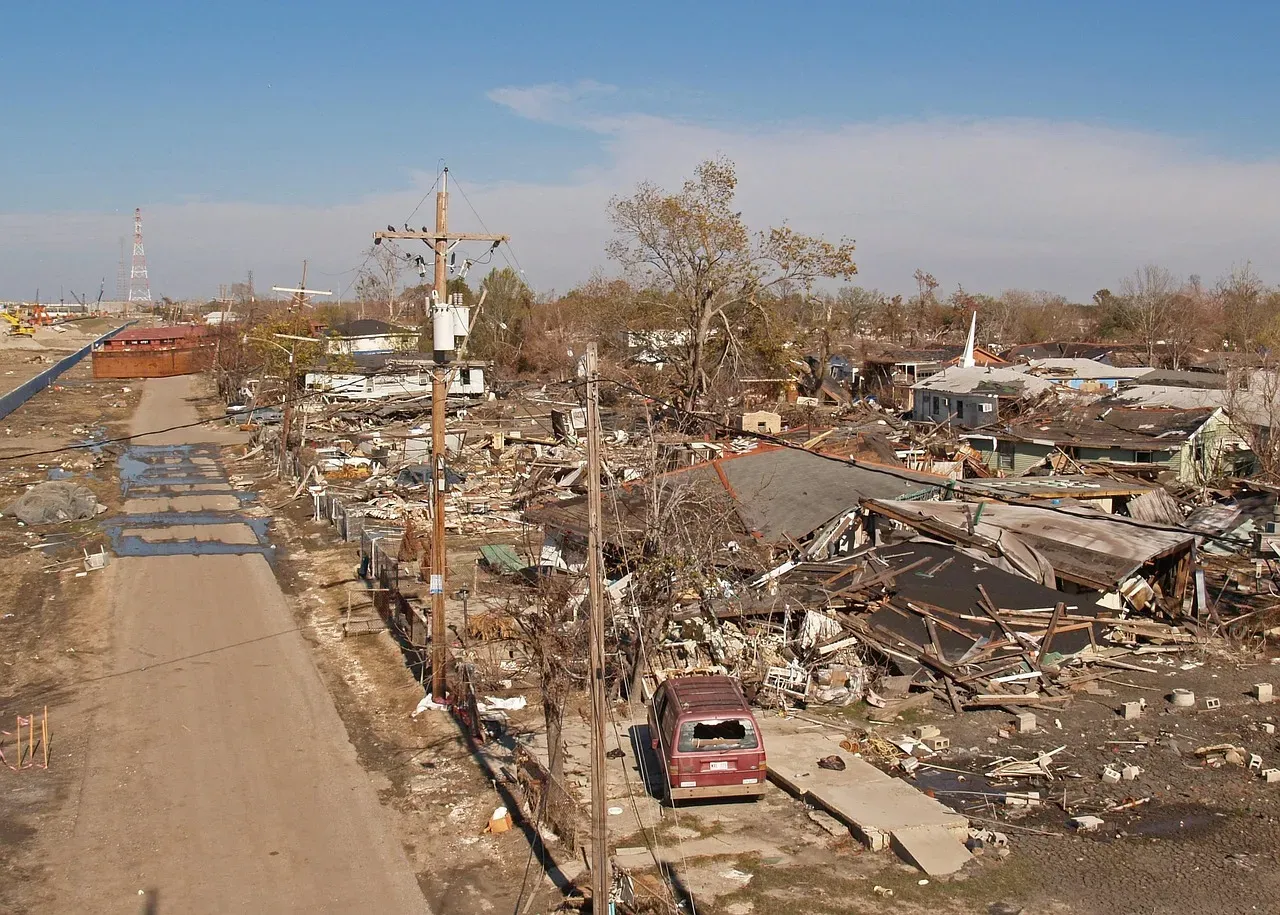
When you step back and look at all these marks together – the stained high-water line, the warped beams, the musty basements, the rewritten maps, the nervous glance at the weather forecast – you start to see floodwater as something far more complex than a temporary nuisance. It is an event that rewires places and people, from the soil under their feet to the stories in their heads. The flood is a moment; the aftermath is a decade, sometimes a lifetime.
We tend to talk about natural disasters as if they are sudden, sharp shocks. In reality, they are more like long illnesses that flare up suddenly. The initial drama gets attention, but the slow, grinding recovery is where most of the real impact lives. My own opinion is that we seriously underestimate that long tail. We pour energy into emergency response and far less into covering the long-term health care costs, mental health support, buyouts, and smarter rebuilding that would actually honor what people went through.
If there is any hopeful thread here, it is that the same floods that expose our vulnerabilities also expose our capacity to adapt. Communities can choose to learn, redesign, and support each other better the next time. But that only happens if we stop pretending the damage ends when the water drains. The real question is not whether a town flooded once – it is what marks that water left, and what we decide to do with them. Looking at your own community, which of these marks would you have guessed are still shaping people’s lives today?