
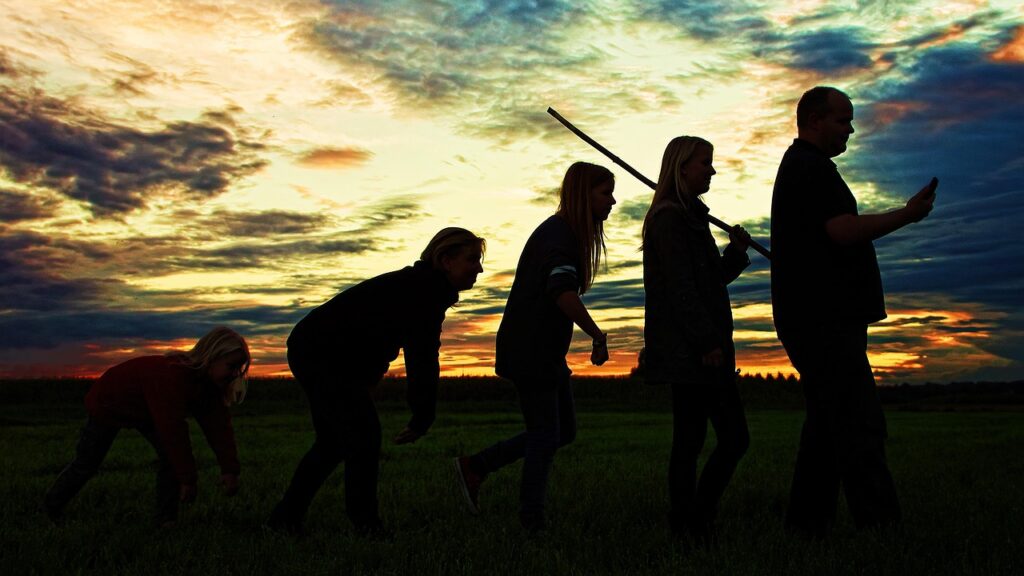
. That “tree of life” diagram from your biology textbook? Outdated. The idea that evolution is slow, gradual, and basically finished? Wrong.
Researchers have caught evolution happening in real time, inside hospitals, city parks, and even your own gut, and the implications are stranger than fiction. Here’s what the data actually reveals.
#18 – “Junk DNA” Was Never Actually Junk
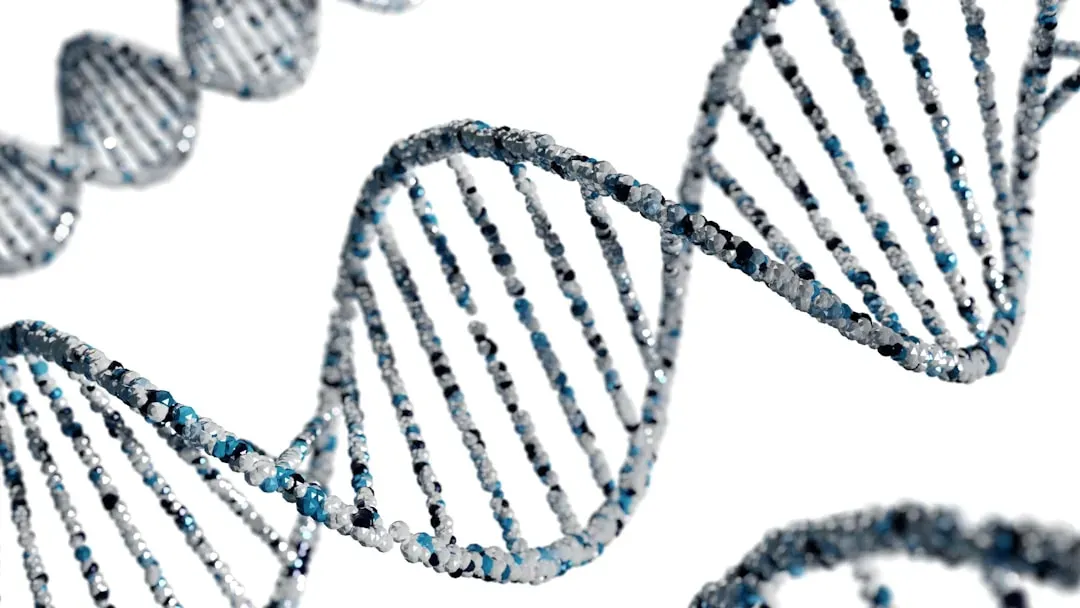
For decades, scientists dismissed nearly 98% of the human genome as evolutionary leftovers, meaningless filler with no purpose whatsoever. That label turned out to be one of the biggest mistakes in modern biology.
Researchers later discovered that so-called junk DNA regulates when and how genes switch on and off, acting like a massive control panel for your entire body. Some of these “useless” sequences are actually ancient viral remnants that got repurposed to help regulate immune function and even placental development. Far from being dead weight, these regions are now considered essential to understanding diseases like cancer, where broken regulatory DNA – not just broken genes – drives tumor growth. Textbooks from the 1990s treated this DNA like static on a radio. Turns out it was a second language scientists simply hadn’t learned to read yet. And the next “useless” body part on this list has an even weirder redemption story.
#17 – Your Appendix Isn’t a Useless Leftover
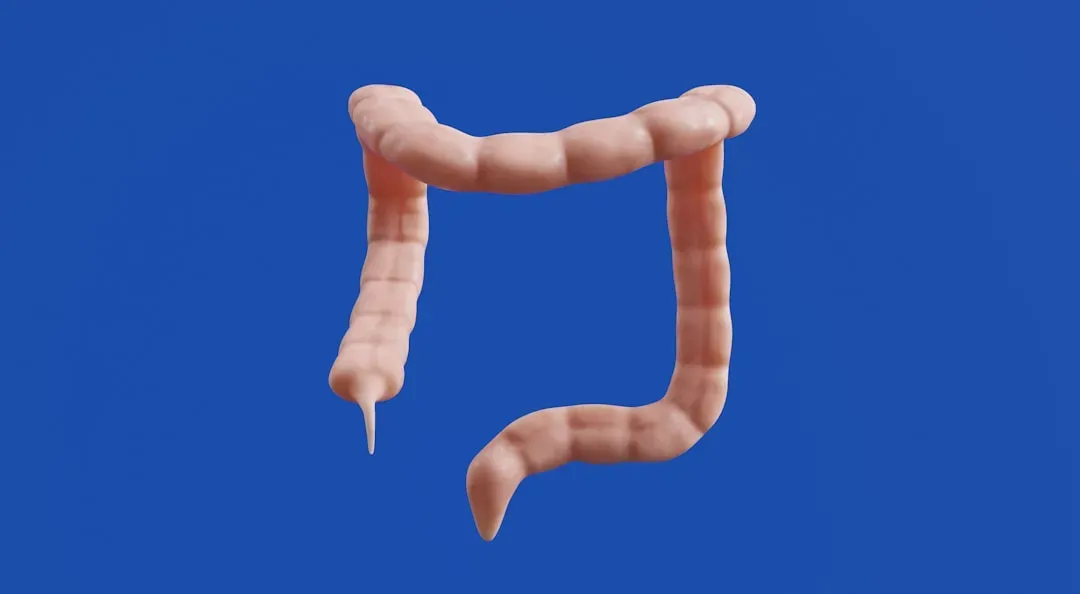
Doctors used to teach that the appendix was a pointless evolutionary relic, good for nothing except emergency surgery. That story has quietly fallen apart.
Immunologists now believe the appendix acts as a safe house for beneficial gut bacteria, a kind of bunker that protects your microbiome during severe bouts of diarrhea or infection. When your gut flora gets wiped out, the appendix reseeds it. Comparative studies across dozens of mammal species found the appendix has evolved independently more than 30 separate times, which is a strange pattern for something supposedly useless. Structures that keep re-evolving across unrelated species tend to be doing real work, not just riding along for the evolutionary ride. Most people still get told it’s vestigial junk during pre-op consultations. Experts increasingly disagree, and the argument isn’t settled yet. Turns out your appendix has company: an entire junk drawer of body parts nobody fully explained.
#16 – Your Body Is Still Full of Evolutionary “Unfinished Business”
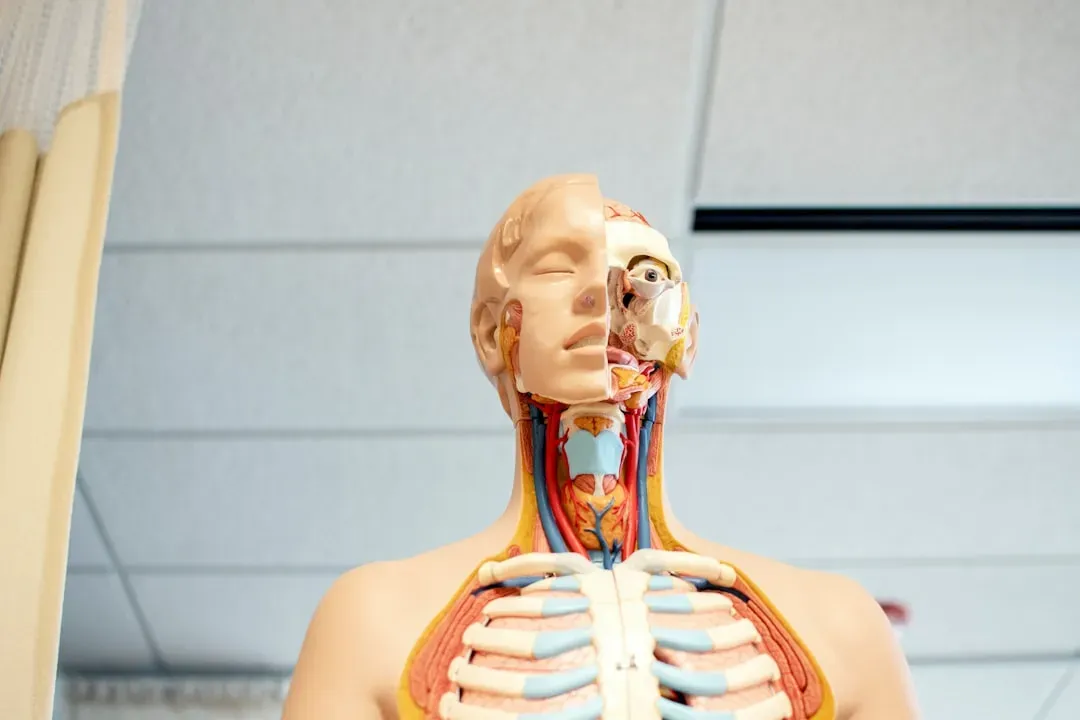
Wisdom teeth, the tailbone, goosebumps – your body is quietly littered with leftover machinery from ancestors you’ll never meet.
Goosebumps once fluffed up body hair to trap warmth or make our hairier ancestors look bigger to predators. Now they just make your arms look strange during a horror movie, since humans lost most of their body hair long ago. The tailbone, meanwhile, is what remains of an actual tail our primate ancestors used for balance in trees. Wisdom teeth are perhaps the clearest case: they made sense when human jaws were larger and diets were tougher, but modern jaws simply shrank faster than our genome could keep up. These aren’t design flaws in some grand blueprint. They’re evolutionary receipts, proof that bodies get built from what came before, not from a clean sheet. Nature edits. It rarely deletes completely. Some proof of evolution takes millions of years to show. This next one happened within a human lifetime.
#15 – Scientists Watched a Species Change Color in Real Time
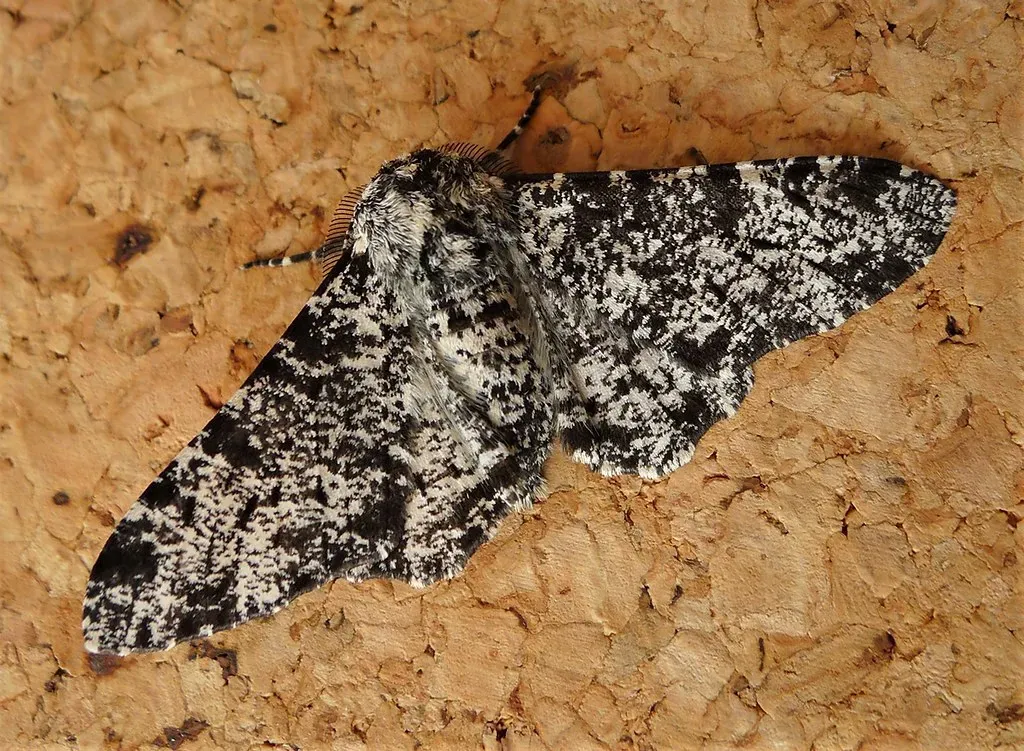
In industrial England, a moth species turned from mostly light to mostly dark in under a single human lifetime.
Peppered moths came in two color forms: pale and speckled, or dark and sooty. Before industrialization, the pale form blended perfectly against lichen-covered tree bark, while the dark form stood out and got eaten by birds. Then coal smoke blackened the trees across industrial cities. Within a few decades, the dark moths went from rare to dominant simply because they were suddenly the ones camouflaged, and the pale moths became the easy targets. When pollution laws cleaned up the air decades later, pale moths bounced back again. This wasn’t a theory tested in a lab. It happened in the wild, documented, photographed, and repeated.
Quick Compare
- Pre-industrial England: pale, speckled moths dominant; dark moths rare
- Peak coal pollution era: dark moths become the dominant form in industrial areas as soot-covered bark hides them from birds
- After clean air laws reduced pollution: pale moths rebound as lichen returns to tree bark
- The entire shift played out in decades, not centuries, making it observable within researchers’ careers
If moths can evolve in decades, wait until you hear what’s evolving in hospital rooms right now.
#14 – Evolution Is Happening in Hospitals Right Now, and It’s Terrifying
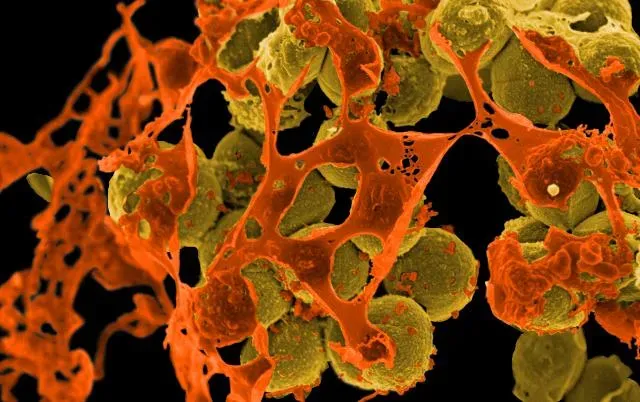
Every time someone doesn’t finish a course of antibiotics, they’re running a live evolution experiment with real stakes.
Bacteria reproduce so fast that a single hospital ward can cycle through more generations in a week than humans do in centuries. When antibiotics kill off the weak bacteria but a few resistant ones survive, those survivors take over completely, passing resistance genes to future generations. Certain bacterial strains now shrug off antibiotics that were considered miracle drugs just 20 years ago, turning routine infections back into potential death sentences. This is Darwin’s natural selection playing out in real time, with humans as the accidental selective pressure. Doctors call it one of the most urgent crises in modern medicine, yet many patients still demand antibiotics for viral infections antibiotics can’t even touch. As unsettling as that is, nothing quite prepares you for a species that can’t breed with itself.
#13 – There’s a Living Loop Where a Species Can’t Interbreed With Itself
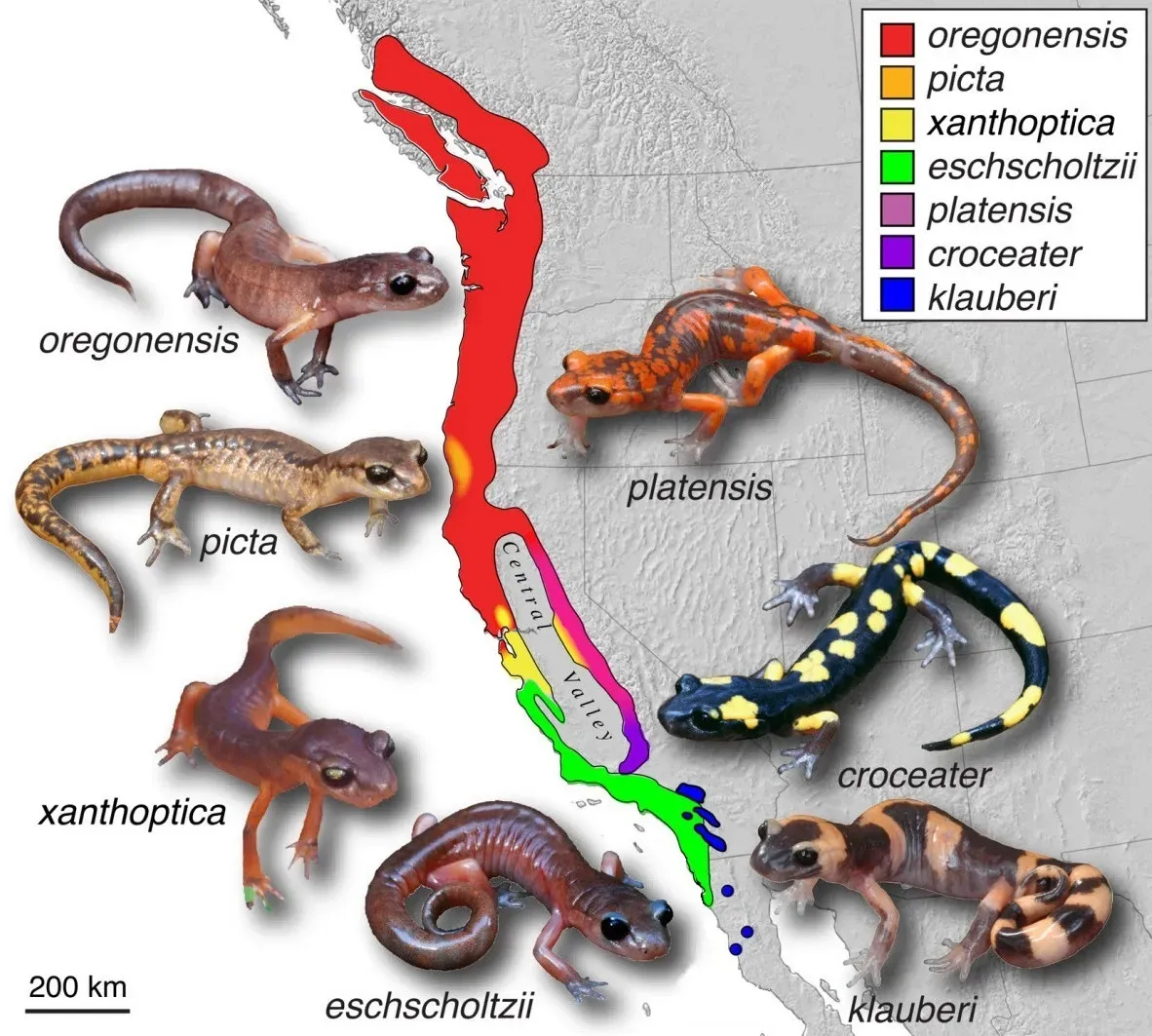
Picture a chain of salamander populations circling a valley, where neighbors can mate freely, but the two ends of the loop meet and can’t reproduce at all.
These are called ring species, and they’re one of the most visually satisfying proofs of evolution ever documented. As populations spread geographically around a barrier like a mountain range or desert, each neighboring group stays similar enough to interbreed. But small genetic differences accumulate along the way. By the time the chain wraps back around, the two ends have changed so much they function as separate species, even though every link in the chain in between can still interbreed. It’s evolution caught mid-transition, frozen in geographic space instead of time. Most people imagine speciation as a single dramatic split. Ring species show it’s often a slow-motion smear, with no clean line where “one species” ends and “another” begins. Speciation isn’t the only thing evolution keeps repeating. Even eyeballs got invented more than once.
#12 – Eyes Have Evolved From Scratch Dozens of Separate Times
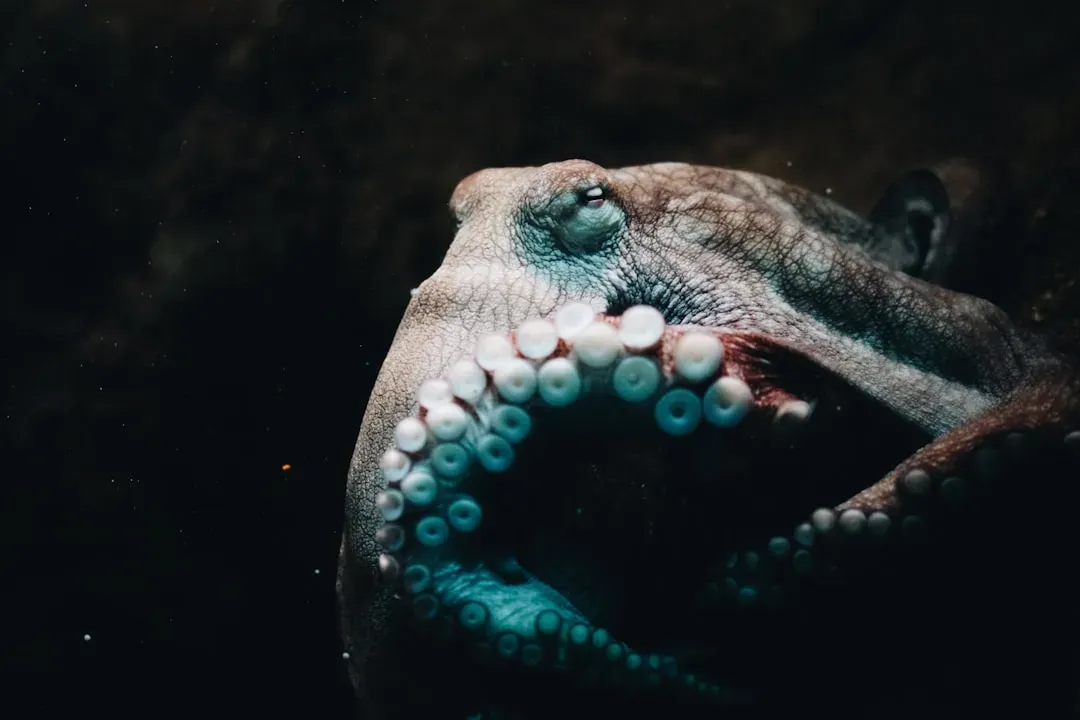
Most people assume eyes evolved once and every species since just inherited a modified version of that original design. That assumption is flat wrong.
Biologists estimate eyes have evolved independently more than 40 separate times across the animal kingdom, from insect compound eyes to the camera-style eyes of octopuses and humans. This is called convergent evolution: unrelated lineages arriving at similar solutions because physics and light behave the same way regardless of ancestry. Octopus eyes are so structurally similar to human eyes that early anatomists assumed they must share a common eyed ancestor, when in reality mollusks and vertebrates split long before either group had eyes at all. Nature didn’t design one blueprint and hand out copies. It solved the same problem repeatedly from completely different starting materials. If you’ve ever heard someone claim complex organs “prove” evolution can’t work, eyes are actually the strongest counterexample science has. Eyes evolving from scratch is strange enough. Bacteria take weirdness to another level entirely.
#11 – Bacteria Don’t Just Inherit Genes, They Trade Them Like Baseball Cards
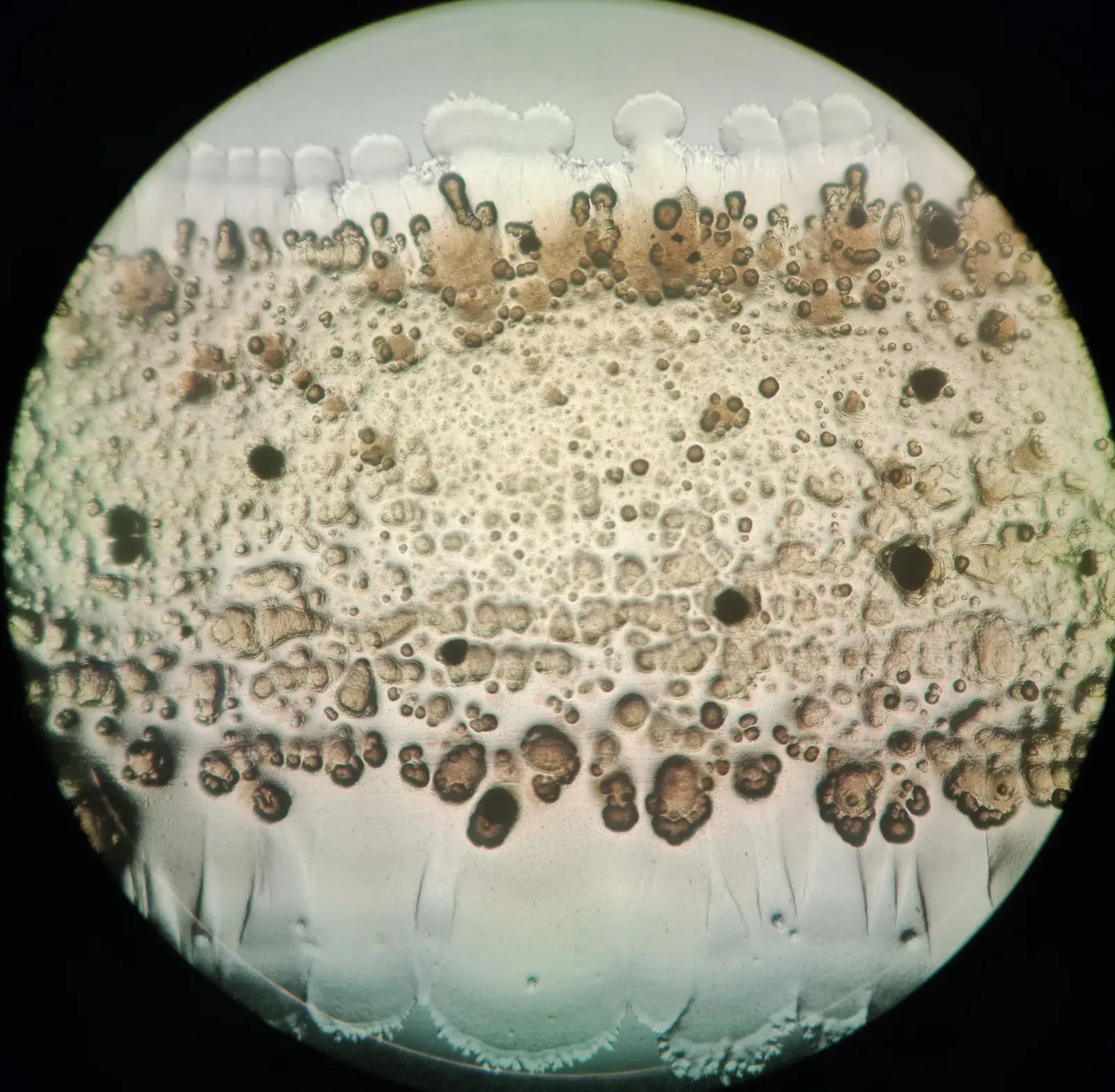
Forget everything you learned about genes only passing from parent to offspring, because bacteria break that rule constantly.
Through a process called horizontal gene transfer, bacteria can absorb loose DNA floating in their environment, or receive genetic material directly from unrelated bacterial species, and immediately start using it. This is a major reason antibiotic resistance spreads so fast: one bacterium doesn’t need to evolve resistance itself if it can simply borrow the gene from a neighbor that already has it. Some scientists argue horizontal gene transfer has shaped bacterial evolution just as powerfully as traditional reproduction, effectively rewriting the rules of inheritance for an entire domain of life. It’s less like a family tree and more like a shared genetic marketplace. This single mechanism is part of why superbugs can emerge so quickly, and why fighting them requires understanding evolution, not just chemistry. Trading genes like trading cards is wild. Evolution’s next trick is even more dramatic: hitting the reset button on the entire planet.
#10 – Mass Extinctions Are Evolution’s Reset Button
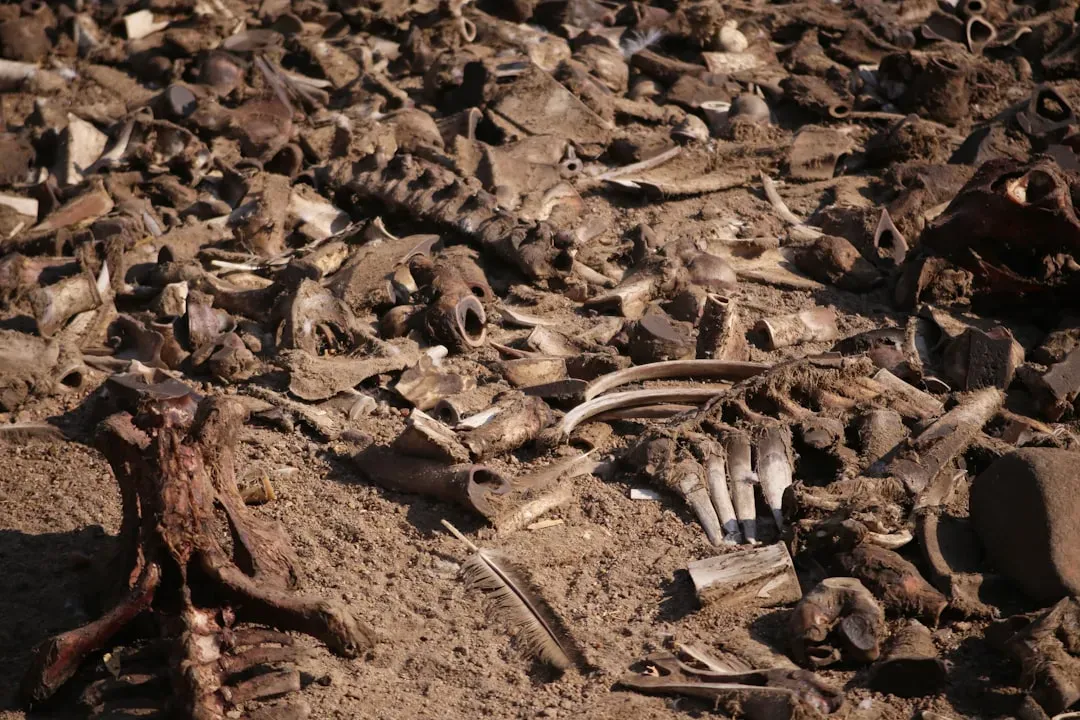
Roughly every hundred million years or so, something catastrophic wipes out most life on Earth, and evolution essentially starts over with whoever’s left.
The most famous example killed off the non-avian dinosaurs 66 million years ago, but it wasn’t the biggest. The Permian extinction, nicknamed “the Great Dying,” wiped out an estimated 90% or more of all species on the planet. Each mass extinction didn’t just remove species; it cleared ecological space that survivors then rapidly evolved to fill, which is exactly how small, unremarkable mammals eventually diversified into everything from bats to whales to us. Without that dinosaur-clearing asteroid, mammals may have stayed small and marginal indefinitely.
At a Glance: The “Big Five” Mass Extinctions
- Ordovician-Silurian (roughly 444 million years ago): an estimated 85% of species lost
- Late Devonian (roughly 375 million years ago): an estimated 75% of species lost
- Permian-Triassic, “the Great Dying” (roughly 252 million years ago): an estimated 90% or more of species lost
- Triassic-Jurassic (roughly 201 million years ago): an estimated 80% of species lost
- Cretaceous-Paleogene (roughly 66 million years ago): wiped out the non-avian dinosaurs and roughly 75% of species
Evolution isn’t just steady, gradual accumulation. It’s also punctuated by sudden, brutal resets that reshuffle which lineages get to dominate next. Extinction clears the board. But evolution doesn’t always play it safe once the board is reset.
#9 – Evolution Sometimes Builds Things That Make Survival Harder
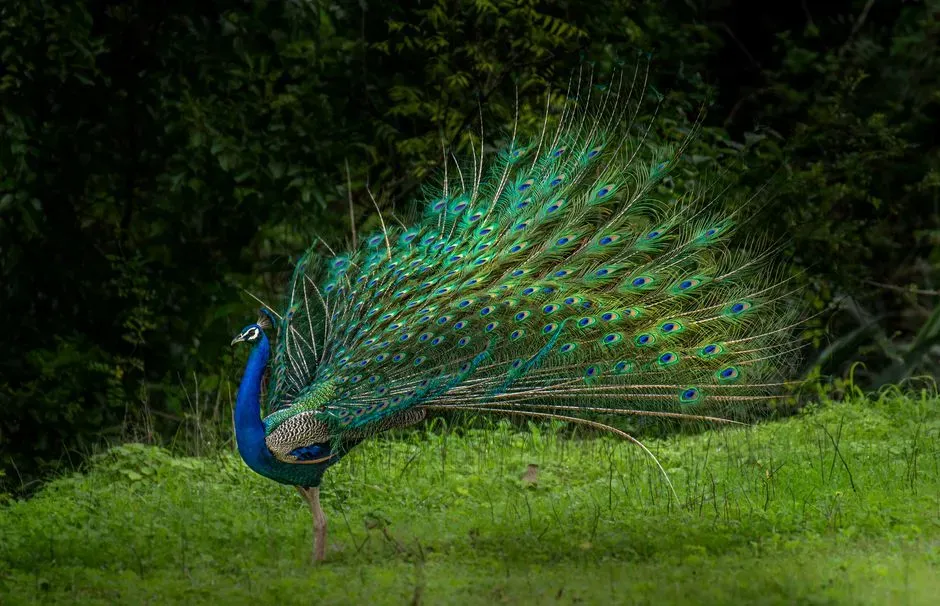
A peacock’s tail is heavy, visible from a distance to predators, and takes enormous energy to grow. By pure survival logic, it should have disappeared generations ago.
It didn’t, because natural selection isn’t the only force at work. Sexual selection can favor traits that make survival harder if those traits make an individual dramatically more attractive to mates. Peahens consistently prefer males with larger, more elaborate tails, meaning the trait keeps getting passed on even though it makes its owner slower and more visible to predators. This creates an evolutionary tug-of-war between “traits that keep you alive” and “traits that get you a mate,” and sometimes the second one wins outright. It’s a slightly uncomfortable truth for anyone who assumes evolution only optimizes for survival. Vanity aside, here’s a fact that rewrites an entire chapter of your childhood dinosaur books.
#8 – Birds Didn’t Descend From Dinosaurs. They Are Dinosaurs.
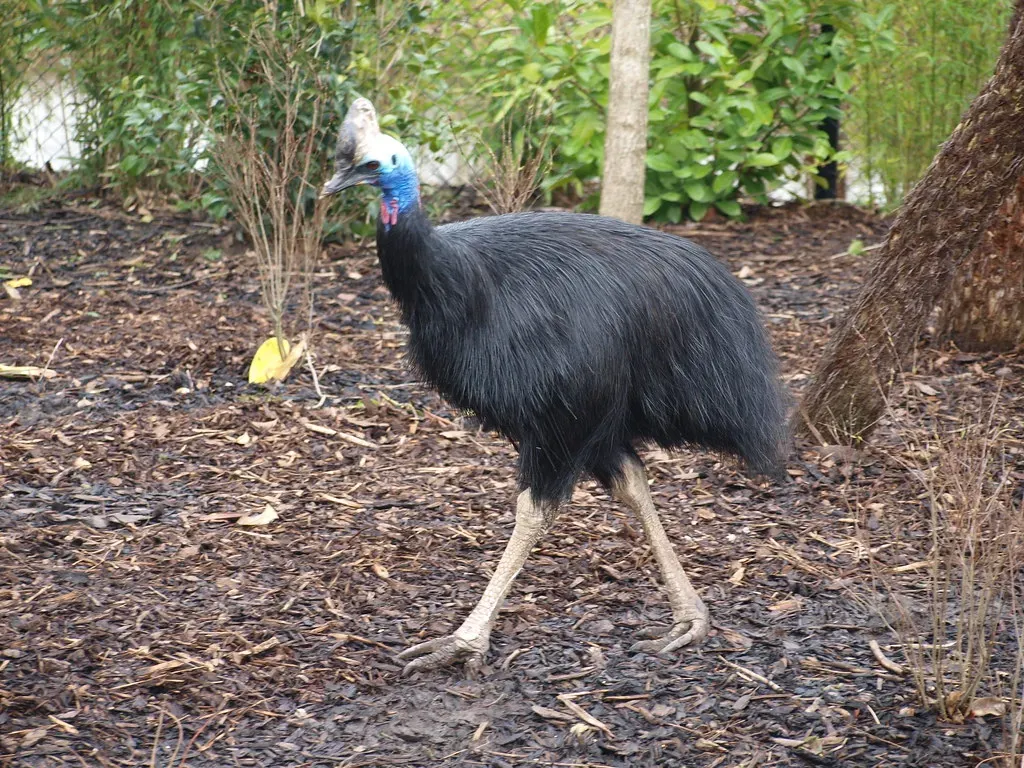
This isn’t a loose metaphor or a simplified textbook analogy. By modern classification standards, birds are literally a surviving branch of theropod dinosaurs.
Paleontologists have found feathered dinosaur fossils with hollow bones, wishbones, and brooding behaviors nearly identical to modern birds. The line between “dinosaur” and “bird” isn’t a hard boundary; it’s a gradual transition documented across dozens of fossil species. When the asteroid hit 66 million years ago, it didn’t wipe out all dinosaurs; it wiped out every dinosaur lineage except the one that had already evolved into small, flying, feathered forms, which we now call birds. That means the “dinosaurs went extinct” narrative taught in most schools is technically incomplete. One lineage never stopped. It’s still outside your window right now, eating from a feeder. If dinosaurs never fully vanished, here’s something else that’s more recent than you’d guess: your ability to drink milk.
#7 – Drinking Milk as an Adult Is a Recent Genetic Mutation

Most mammals, including most humans historically, lose the ability to digest lactose after infancy. Adult milk-drinking is actually the evolutionary exception, not the rule.
Lactase persistence, the ability to digest lactose into adulthood, spread because of a specific genetic mutation tied directly to the rise of dairy farming. Researchers estimate the mutation first underwent selection among dairying farmers around 7,500 years ago in a region between the central Balkans and central Europe. That’s remarkably recent in evolutionary terms. The trait spread so fast and so strongly that geneticists consider it one of the clearest examples of measurable natural selection acting on humans within the last ten thousand years, essentially in the blink of an evolutionary eye. Populations without a dairying history, across much of Asia and Africa, largely never evolved the mutation at all, which is why lactose intolerance rates vary so dramatically by ancestry today. That one mutation proves something even bigger: evolution never actually stopped, and it’s still working on us.
#6 – Humans Are Still Evolving, Right Now, Today
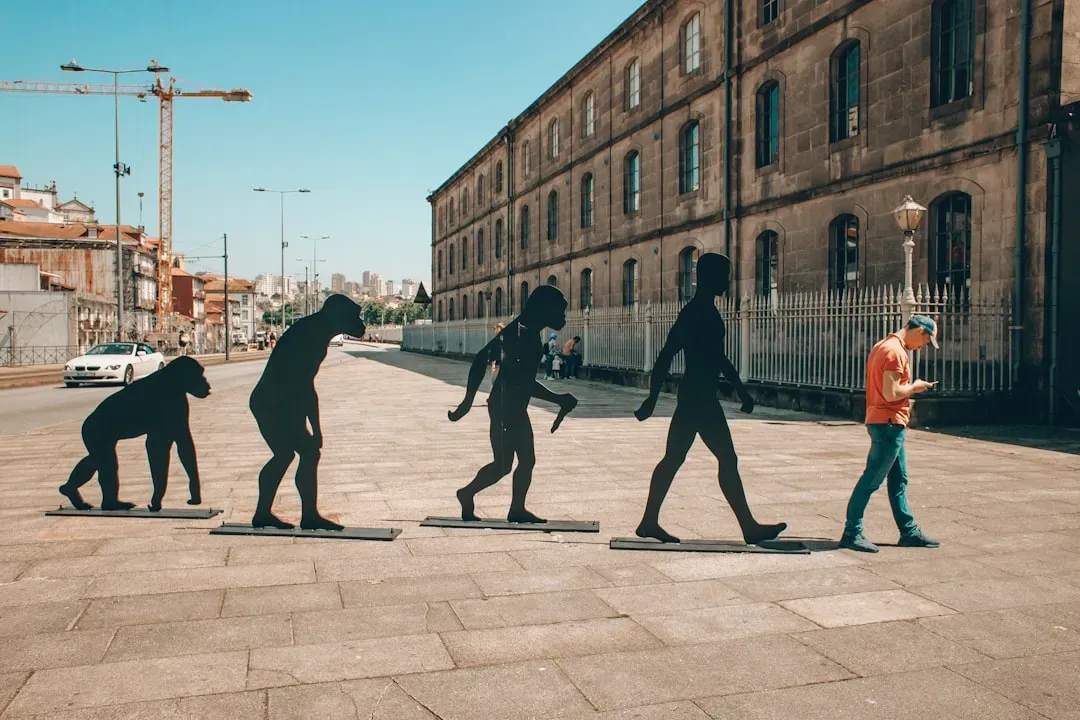
The idea that evolution stopped once humans got smart, built civilization, or invented medicine is a popular myth with zero scientific backing.
Natural selection requires only two ingredients: genetic variation and differences in reproductive success, and both still exist in every human population on Earth. Researchers tracking genetic changes across recent generations have found measurable shifts in traits tied to disease resistance, reproductive timing, and metabolic function. Lactase persistence itself is proof this process never paused, since the mutation spread within roughly the last 7,500 to 10,000 years, a blink of an eye on an evolutionary timescale. Modern medicine and technology haven’t frozen evolution; they’ve just changed which pressures matter most. Selection today might favor resistance to modern diseases or tolerance to processed diets rather than surviving predators. The mechanism never left. It just changed its targets to match a changing world.
Nothing in biology makes sense except in the light of evolution.
Theodosius Dobzhansky
While your body keeps quietly evolving, something inside every single one of your cells has an origin story stranger than fiction.
#5 – The Powerhouse of Your Cell Used to Be a Separate Organism
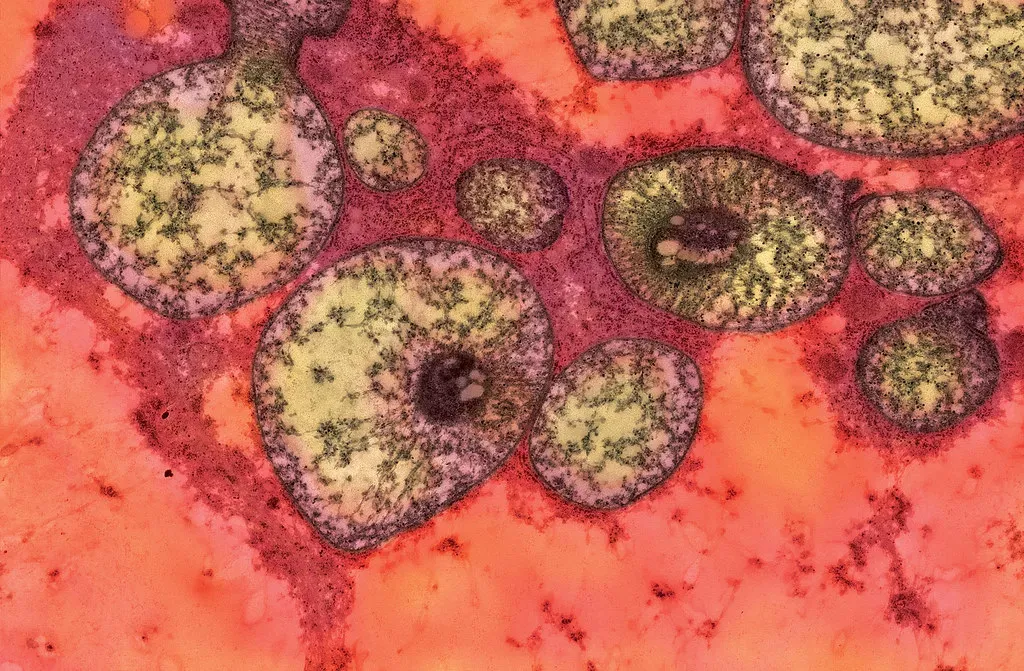
Mitochondria, the structures that generate energy inside nearly every cell in your body, weren’t originally part of animal cells at all.
Billions of years ago, scientists believe a primitive cell engulfed a free-living bacterium instead of digesting it, and the two formed a permanent partnership. That bacterium eventually became the mitochondrion, and it still carries its own separate strand of DNA to this day, distinct from the DNA in your cell’s nucleus. This means every complex cell in your body is technically a merger between two once-independent organisms that struck an evolutionary bargain billions of years ago and never broke it off. This idea, called endosymbiotic theory, sounded like science fiction when first proposed and was widely mocked before evidence piled up in its favor. It’s now one of the most well-supported concepts in cell biology. You are, quite literally, walking around with ancient bacterial machinery running your metabolism. That ancient bacterial merger explains a lot, but it doesn’t explain why evolution left one very obvious mistake in your eyeballs.
#4 – The Human Eye Has a Design Flaw That Fish Don’t Have
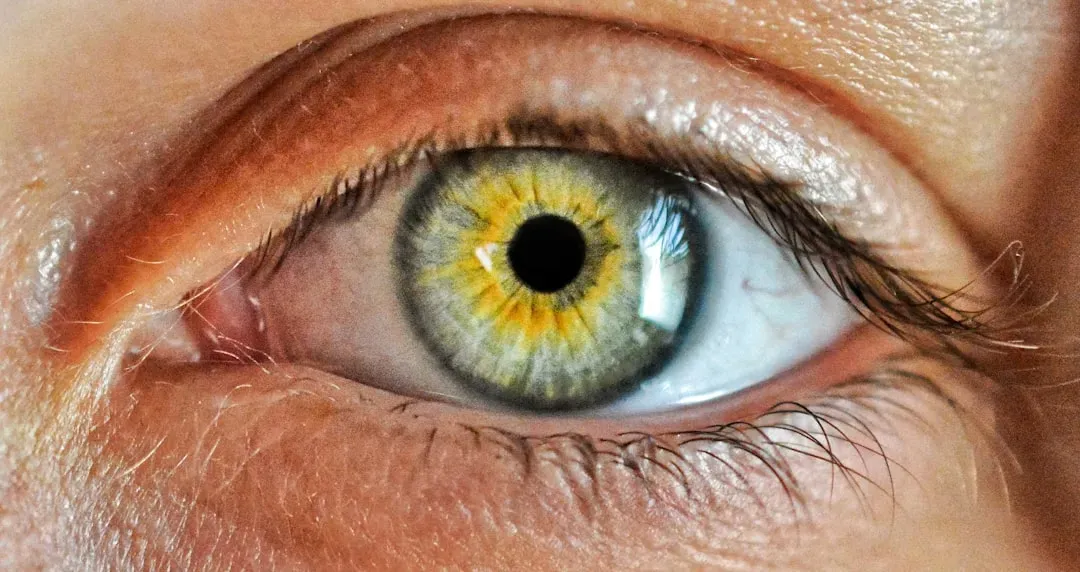
If an engineer designed the human eye from scratch, they’d almost certainly build it differently, because the wiring is technically backwards.
In the human retina, the light-sensing cells face away from incoming light, with blood vessels and nerve fibers positioned in front of them instead of behind. This creates a literal blind spot where the optic nerve has to punch through the retina to exit the eye. Octopus eyes, which evolved completely separately from vertebrate eyes, avoided this exact flaw entirely, wiring their retinas the opposite and more efficient way around. Evolution doesn’t redesign from a blank page; it works with whatever architecture already exists, flaws included. That’s why your brain has to constantly patch over the blind spot digitally, stitching together a seamless image from imperfect raw data. It’s a strange kind of proof: a genuinely bad design choice that only makes sense as an evolutionary accident, not intelligent engineering. Backwards wiring is one thing. This next fact rewrites an entire animal’s entire life story, legs and all.
#3 – Whales Used to Walk on Four Legs
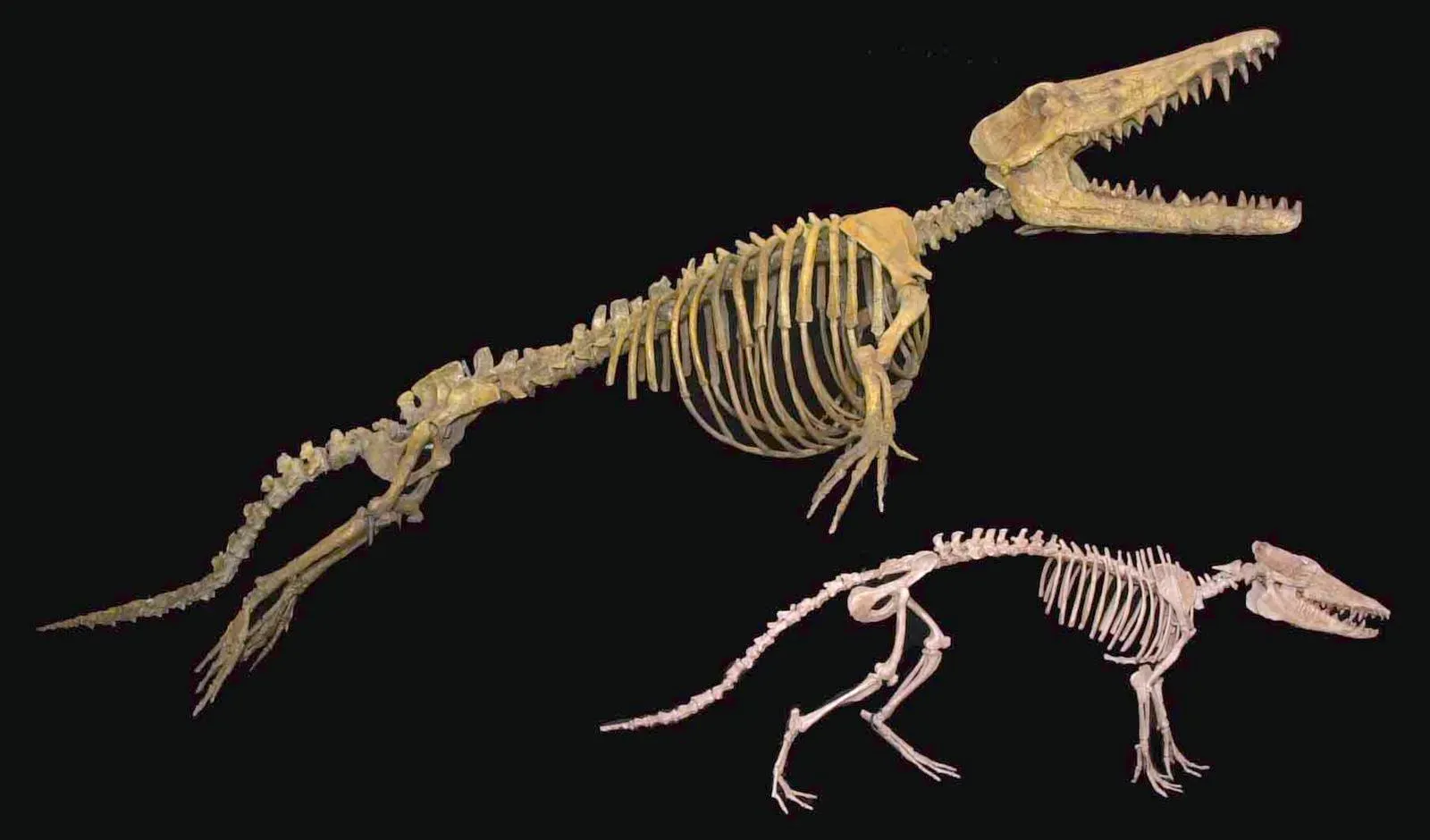
It sounds absurd, but one of the ocean’s largest mammals descends directly from a land animal that hunted on solid ground.
The evidence centers on a creature called Pakicetus, described as a four-footed land mammal from 50 million years ago, considered the earliest known whale, bridging the transition from land to sea. It didn’t look remotely aquatic – resembling a wolf-sized meat eater that sometimes ate fish – but its inner ear bones matched modern whales precisely. Fossil evidence shows this transformation happened astonishingly fast: within roughly 10 million years, descendants like Ambulocetus developed flipper-like feet, and cetaceans had fully adapted to aquatic life. Front legs became flippers. Hind legs vanished almost entirely, leaving only tiny internal bone remnants in modern whales. Nostrils migrated to the top of the skull, becoming blowholes.
Fast Facts: From Legs to Flippers
- Pakicetus lived roughly 50 million years ago and looked far more like a land mammal than a whale
- Ambulocetus, a later descendant, had already developed flipper-like feet built for swimming
- The full land-to-sea transition took roughly 10 million years, remarkably fast on an evolutionary timescale
- Modern whales still carry tiny internal hip and leg bones, quiet remnants of their walking ancestors
This is one of the most complete fossil transition sequences in all of paleontology, and it upends the intuitive assumption that ocean giants always belonged in the water. If whales can lose their legs, here’s proof that humans lost something too, hidden in plain sight inside your own chromosomes.
#2 – Your Chromosomes Carry a Genetic Fingerprint of Ancient Ape Ancestry
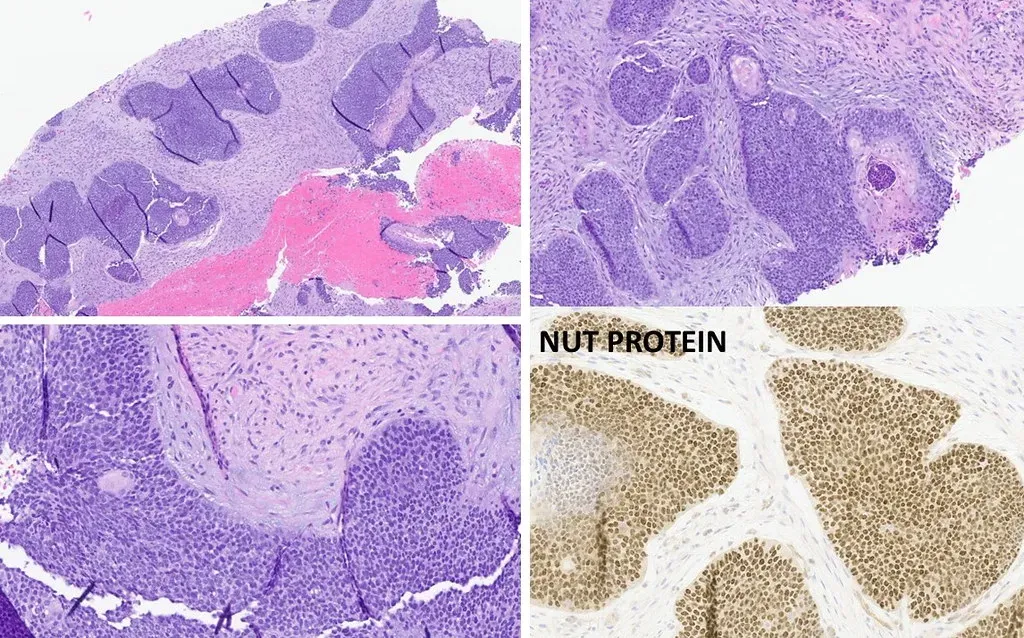
Humans have 23 pairs of chromosomes. Every other great ape species has 24. That single-pair difference shouldn’t exist if humans and apes share a common ancestor, unless something dramatic happened along the way.
Scientists found exactly that: evidence that two ancestral ape chromosomes fused end-to-end to form human chromosome 2. Fluorescence in-situ hybridization analyses confirmed the fusion happened at the telomeric repeats, the very tips of the original chromosomes. The signature of that ancient fusion, leftover telomere sequences sitting in the middle of a chromosome instead of at its tip, has no explanation other than a fusion event. Researchers have even pinpointed the genomic address of this ancient collision, describing the fusion site as sitting inside a functioning gene that’s still active in the human body today. Recent genomic work continues refining exactly when this fusion occurred relative to the human-chimp split. It remains one of the most cited pieces of direct chromosomal evidence linking humans to a shared ancestor with apes. Every fact so far has been a piece of a much bigger puzzle. Here’s the one that ties all of them together.
#1 – Every Living Thing on Earth Shares One Ancestor, and the DNA Proves It
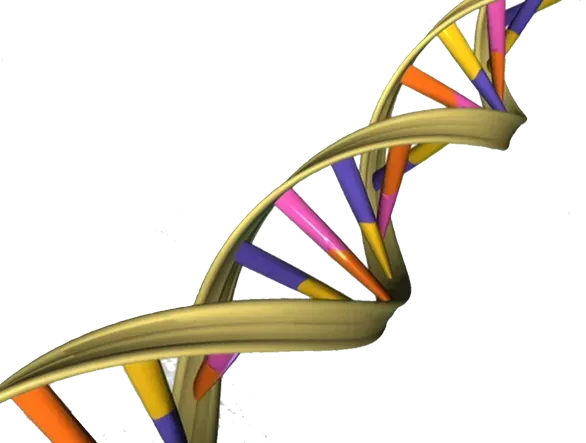
Here’s the fact that ties every other slide together: humans, bananas, jellyfish, mushrooms, and bacteria all trace back to a single common ancestor billions of years ago.
The famous claim that “humans share 50% of their DNA with a banana” gets thrown around constantly, and it’s more complicated than the meme suggests. Humans share about 85 percent of their DNA with mice and roughly 61 percent with fruit flies. Comparisons with plants work completely differently, since lining up a banana’s DNA against a human’s isn’t a simple percentage match the way animal comparisons are. What actually connects us is shared genes for basic cellular survival, not a full genome match. Scientists explain that these ancient genes persist because the genome of an organism that lived billions of years ago contained genes that helped cells live and reproduce, and those same genes are preserved in us and plants.
Worth Knowing: How Much DNA We Actually Share
- Humans and chimpanzees: roughly 98-99% shared DNA, our closest living relatives
- Humans and mice: about 85% shared DNA
- Humans and fruit flies: roughly 61% shared DNA
- Humans and bananas: not a clean percentage match, but a meaningful overlap in core survival genes
That’s the real headline hiding under a meme: every living organism on Earth is, quite literally, distant family. Once you see the actual mechanism, it’s hard to unsee.
The Bottom Line
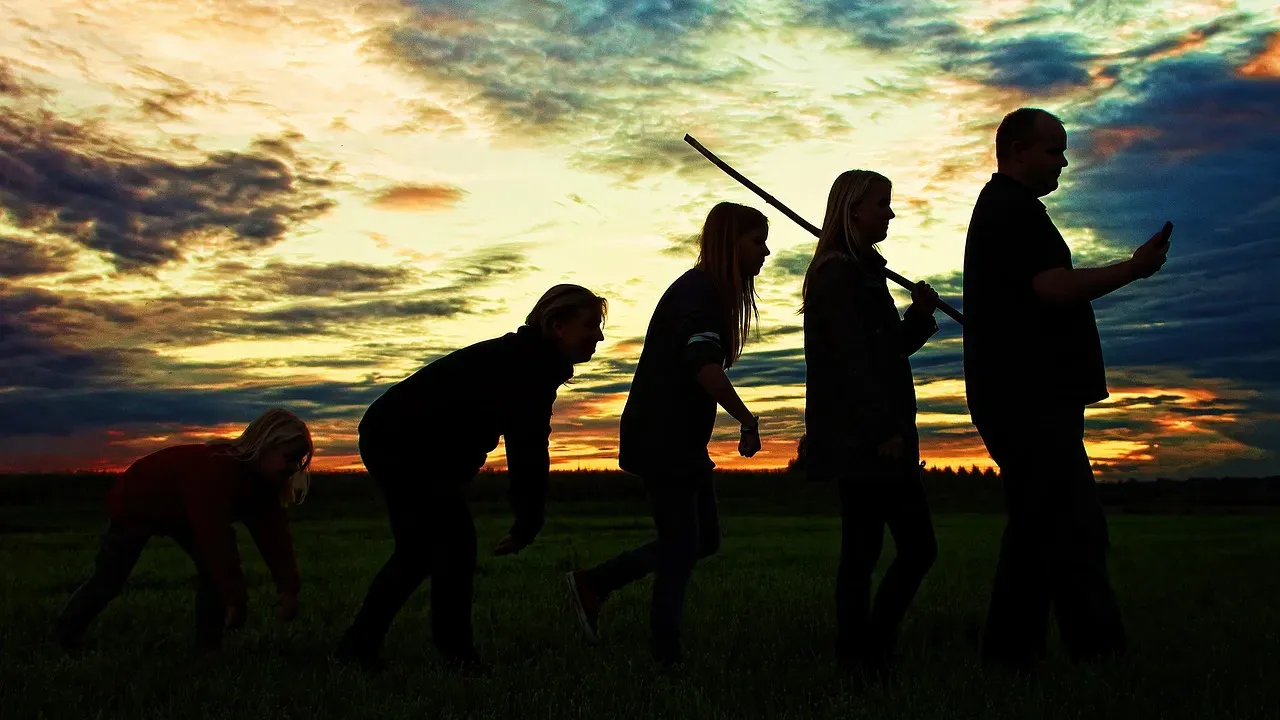
Evolution isn’t the tidy, finished textbook diagram most of us memorized for a test and never thought about again. It’s messy, ongoing, occasionally backwards, and still actively reshaping bacteria, moths, and yes, humans today.
The most shocking truth isn’t any single fact on this list, it’s how much mainstream science communication still lags behind the actual research. Evolution didn’t stop with humans, and it definitely didn’t design anything perfectly. It patched, borrowed, recycled, and sometimes got things flat-out wrong, and that’s precisely why the evidence is so convincing.
Which of these facts genuinely surprised you the most? Drop it in the comments, we want to know which one broke your brain a little.