
Most people think the scariest predator to ever stalk the Earth was a dinosaur – some slavering, roaring T. rex straight out of a summer blockbuster. They’re wrong. Long before and long after the dinosaurs, evolution built creatures with bite forces stronger than a lion’s, teeth longer than your forearm, and body plans so alien they look photoshopped.
Paleontologists who study these animals for a living will tell you the dinosaurs were, in many ways, the tame chapter of Earth’s history. From half-billion-year-old ocean nightmares to sharks that ate whales whole, the real horror show spans nearly the entire fossil record. Here’s what it actually looked like.
#20 – Anomalocaris, The Cambrian Nightmare With Eyes on Stalks
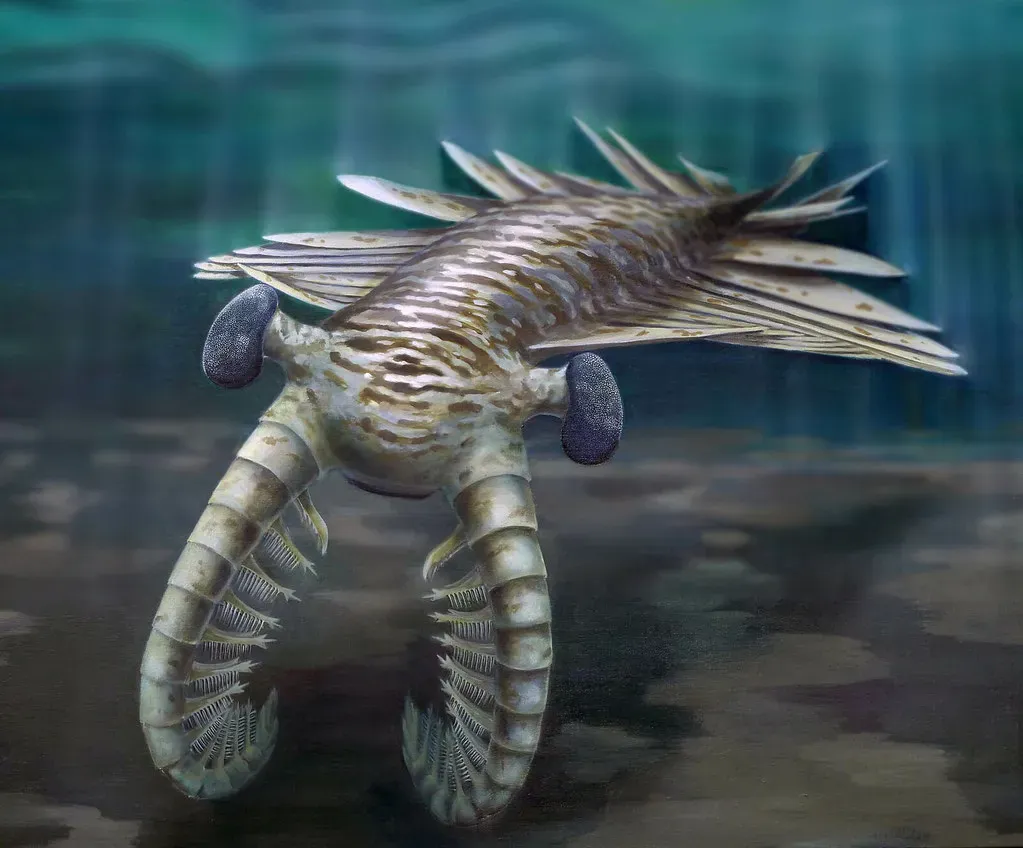
Half a billion years before anything with a backbone existed, this thing was already the apex predator of the ocean. Anomalocaris ruled the Cambrian seas roughly 500 million years ago, at a time when most life on Earth was smaller than your thumbnail. It had a circular, tooth-lined mouth, two grasping spiked claws in front of its face, and stalked compound eyes that gave it better vision than almost anything alive at the time. Most people don’t realize this creature was already a meter long while its prey was still the size of a grain of rice.
Fossilized trilobites have been found with bite marks matching Anomalocaris’s mouthparts perfectly, proof it was actively hunting armored prey. It swam using rippling side-lobes rather than fins, gliding through the water like something out of a fever dream. There was nothing on Earth prepared for it – and that was only the beginning of the arms race. The skies, it turns out, were about to grow their own monster.
#19 – Meganeura, The Dragonfly the Size of a Hawk
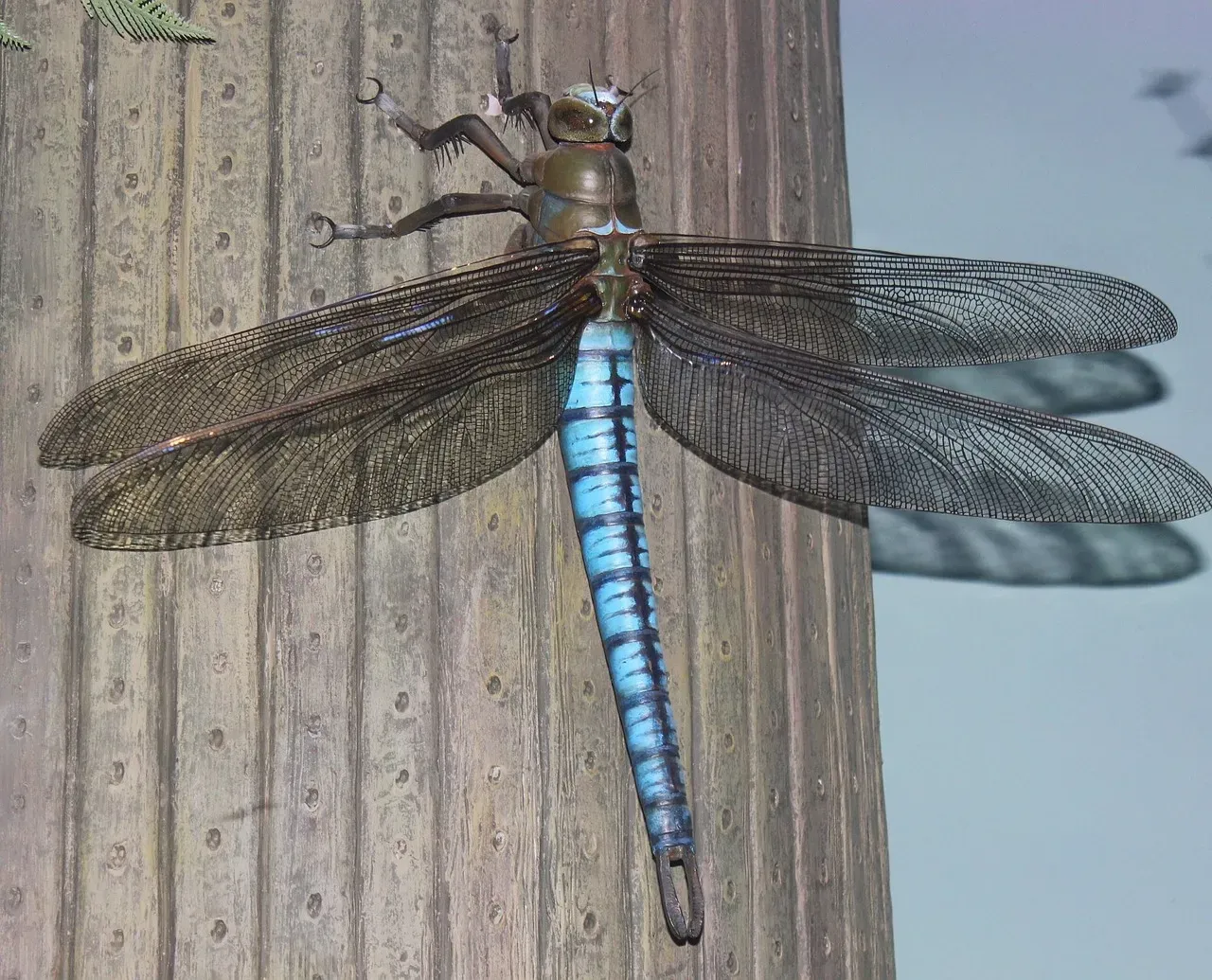
Imagine a dragonfly swooping past your head with a wingspan wider than your arm. Meganeura was the largest flighted arthropod ever known, a dragonfly-like insect that reached nearly 1.3 feet in length and about 2.5 feet in wingspan – roughly the size of an adult human’s forearm. This wasn’t a fluke of one giant bug. It was part of a whole ecosystem of oversized insects made possible by Carboniferous oxygen levels far higher than today’s. Higher oxygen meant insects could grow to sizes that would be biologically impossible now.
Meganeura hunted other insects and small amphibians mid-air, using massive compound eyes and serrated jaws to snatch prey out of the sky. Unlike modern dragonflies, there was no ceiling on how large it could get, until oxygen levels eventually dropped and shrank every insect lineage that depended on them back down to normal size. The skies had their giant. The ground was about to grow something even more absurd.
Fast Facts
- Wingspan: up to 2.5 feet, roughly the size of a hawk’s
- Body length: nearly 1.3 feet nose to tail
- Lived around 300 million years ago during the Carboniferous
- Made possible by unusually high atmospheric oxygen levels
#18 – Arthropleura, The Millipede That Outgrew Humans
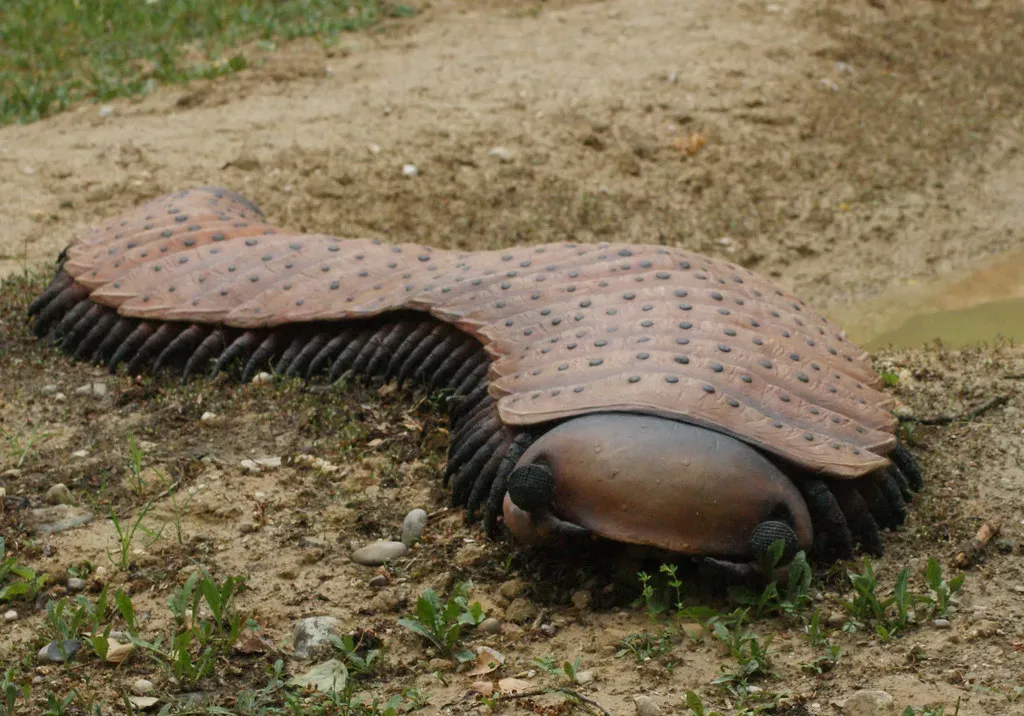
Picture a millipede longer than a queen-size mattress, crawling through prehistoric swamps. Arthropleura armata reached about 8 feet in length, nearly matching the sea scorpion Jaekelopterus later on this list, and no other terrestrial arthropod came close to its size. Some experts compare it to a double duvet unrolled across the forest floor, an image that alone should make anyone rethink walking barefoot through Carboniferous leaf litter.
Here’s the twist: because no fossilized mouthparts have ever been found, scientists can’t say for certain what Arthropleura ate, but based on its relatives it was likely more herbivore than hunter. It almost certainly wasn’t chasing anything down. It didn’t need to – its sheer size alone made it functionally invulnerable to whatever else was crawling around at the time. Land had its record-holder. The water was hiding something even bigger.
#17 – Jaekelopterus, The Sea Scorpion With Human-Sized Claws
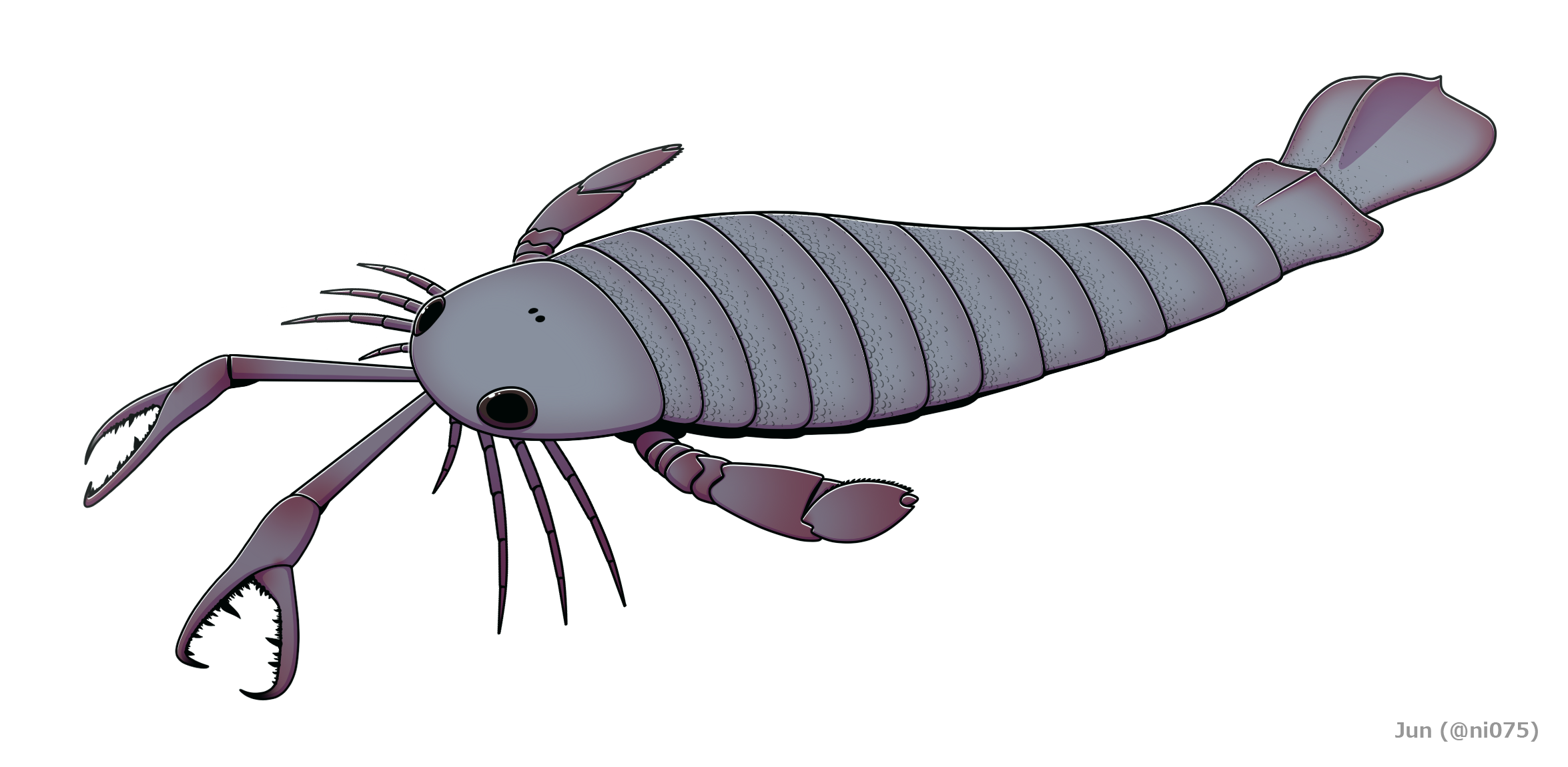
This is, by most measurements, the largest arthropod that has ever existed on Earth, bigger than any insect, crab, or spider before or since. Jaekelopterus rhenaniae is estimated to have reached 2.3 to 2.6 meters (7.5 to 8.5 feet) in length, based on massive fossilized claws – longer than an NBA center lying down. Scientists only figured out how big it really was after finding an 18-inch claw in Germany in 2007. A single claw nearly a foot and a half long – imagine what the rest of the animal looked like attached to it.
Recent biomechanical research suggests this giant wasn’t just big for show. Its extreme size suggests it fed on larger, harder prey, including heavily armored fish, and scientists believe increased sizes throughout the mid-Paleozoic may represent an evolutionary arms race between sea scorpions and armored fish. This wasn’t an accident – it was a full-blown predator escalation. Even that claw wasn’t the strangest weapon evolution ever built.
#16 – Helicoprion, The Shark With a Buzzsaw for a Mouth
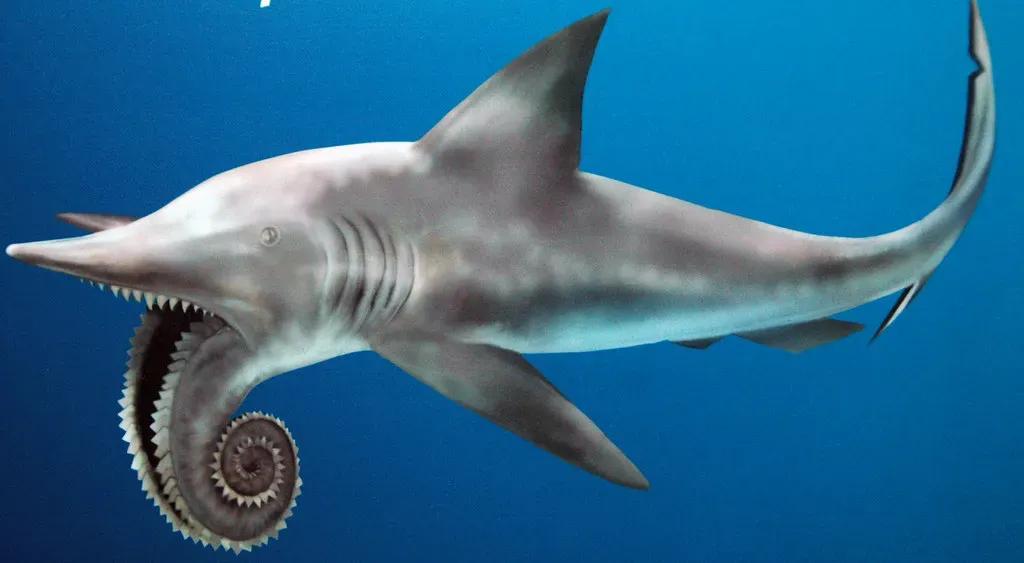
Forget rows of teeth – this creature had a spinning, spiral saw blade built directly into its lower jaw. Its trademark tooth whorl was a single, continuously growing spiral, with new teeth forming at the back and older teeth pushed forward into the cutting edge. For decades, paleontologists genuinely couldn’t agree where this bizarre structure even attached to the skull; modern research finally placed it curled inside the lower jaw.
Here’s the truly unsettling part: Helicoprion wasn’t even technically a shark. It was a eugeneodont holocephalan, more closely related, in broad terms, to modern chimaeras than to sharks. Estimates suggest body lengths spanning roughly 3 to 7.5 meters depending on species, and it likely used that rotating buzzsaw jaw to slice through squid and other soft-bodied prey with a mechanical precision no modern predator can replicate. Even that mouth wasn’t the scariest jaw on this list – the next entry crushed bone for a living.
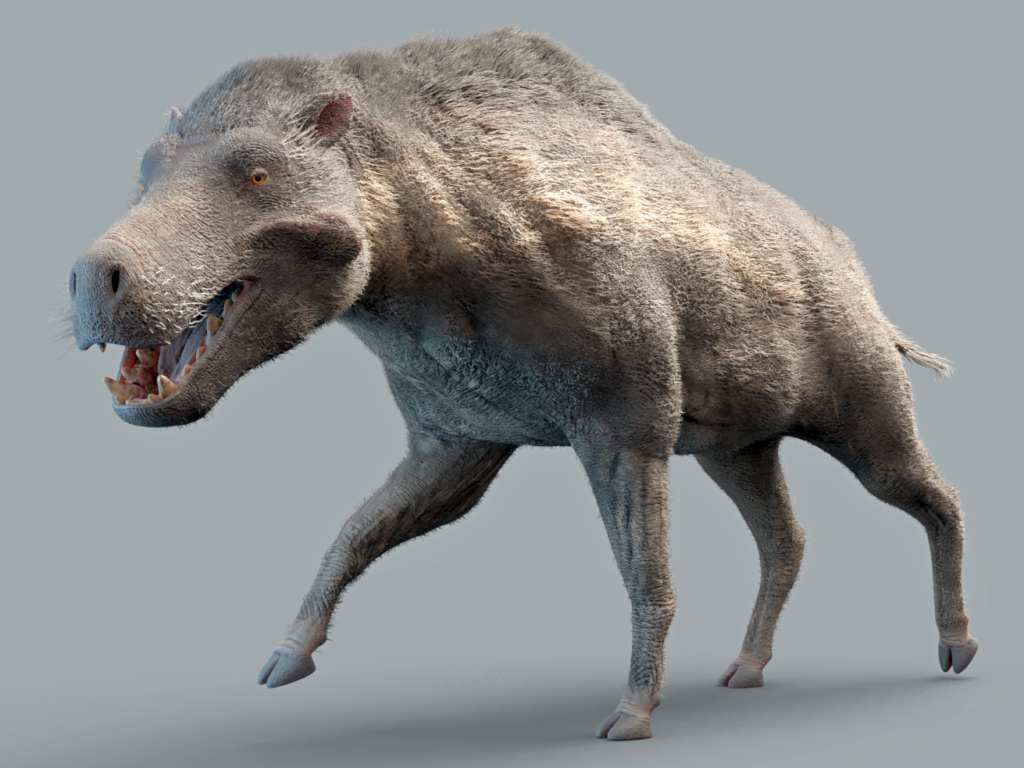
#15 – Entelodon, The “Hell Pig” With a Skull Built Like a Sledgehammer
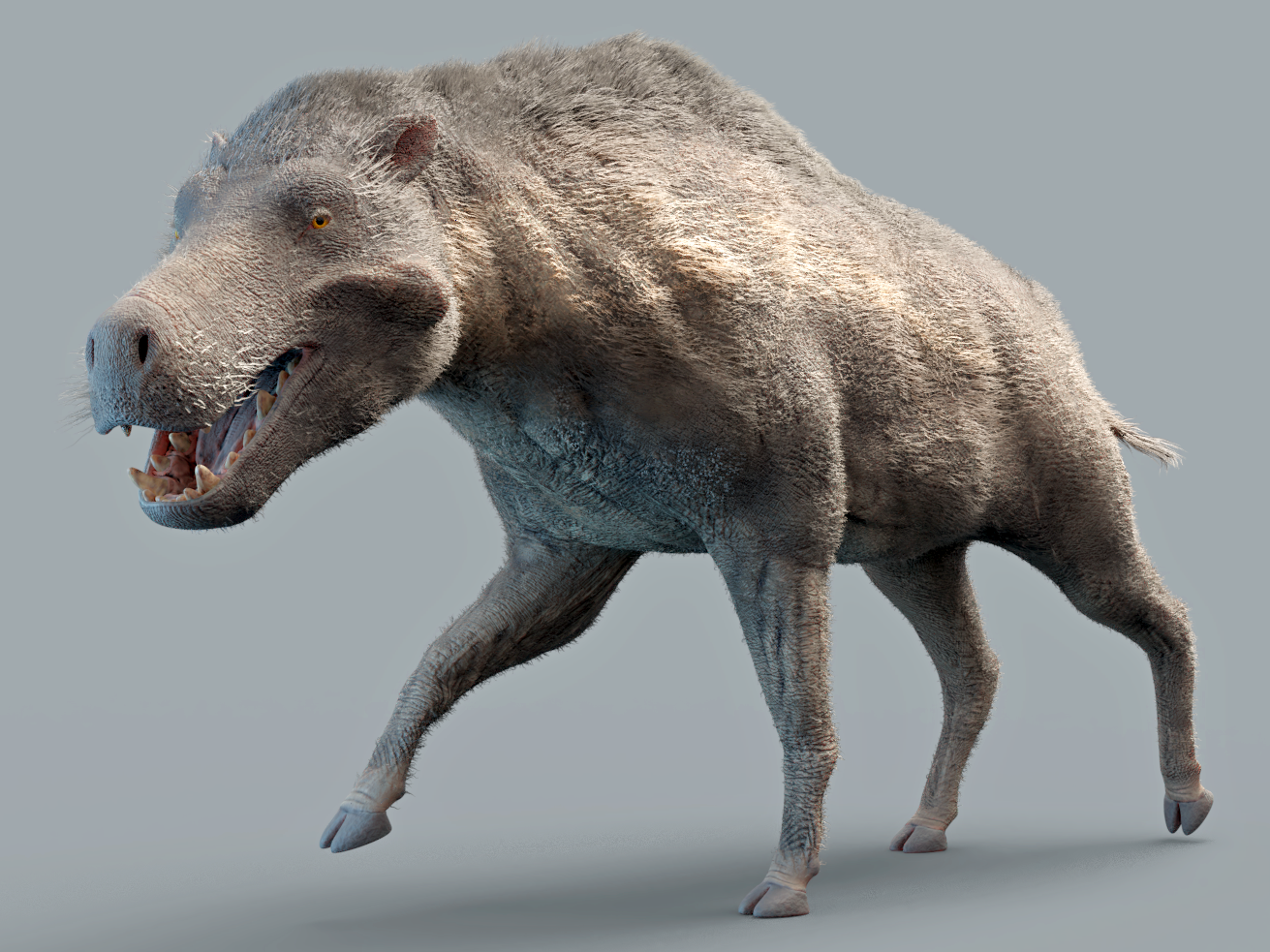
Most people picture prehistoric pigs as harmless. Entelodon was anything but. Standing taller than a large hog and built with a massive, bony-crested skull, it roamed Eurasia and North America during the Eocene and Oligocene as an omnivorous scavenger and opportunistic predator. Its jaws were powerful enough to crack open bone, and its teeth show wear patterns consistent with crushing tough, dense material rather than delicately grazing on plants.
This wasn’t a pig in the cute, pink farmyard sense – it was a bone-crushing brute with a face built for violence. Fossil trackways and bite-marked bones from this era suggest entelodonts scavenged aggressively and likely killed smaller mammals when the opportunity arose. Their skulls carry deep scars and healed fractures, hinting at brutal fights, possibly between rival entelodonts competing for territory or mates. Even hell pigs eventually had to answer to something older and far stranger.
#14 – Gorgonopsids, The Saber-Toothed Rulers Before the Dinosaurs Existed
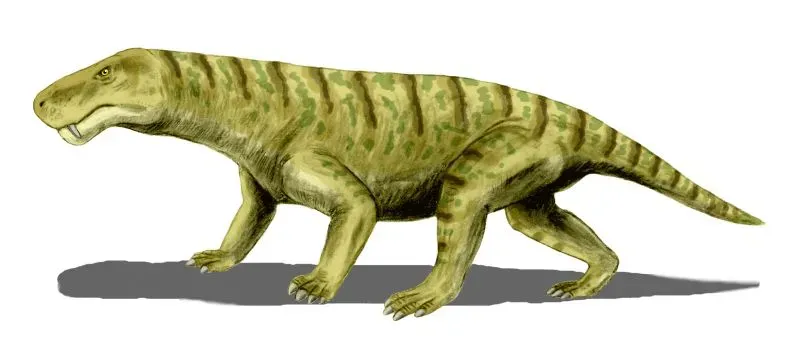
Long before saber-toothed cats, there were saber-toothed, reptile-like predators ruling the Permian period, tens of millions of years before the first dinosaur ever walked. Gorgonopsids were among the top predators of their time, sporting elongated canine teeth that pierced deep into prey and a sprawling yet powerful gait built for ambush attacks. They belonged to a group called therapsids, the lineage that eventually gave rise to mammals – meaning some of our own distant evolutionary relatives were terrifying apex predators long before anything resembling a dinosaur existed.
Most people assume nothing dangerous existed before dinosaurs. Gorgonopsids prove that assumption dead wrong. These predators went extinct in the Permian mass extinction, the single deadliest extinction event in Earth’s history, wiping out the vast majority of life on the planet. Their disappearance opened ecological space that dinosaurs would eventually fill tens of millions of years later – dinosaurs only got their shot at dominance because something even scarier went extinct first.
#13 – Terror Birds, The Flightless Killers That Hunted Like Raptors
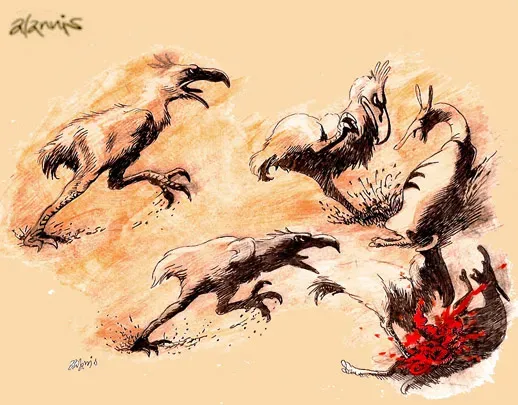
These birds couldn’t fly, but they could sprint down prey and crush skulls with a single hooked-beak strike. Phorusrhacids, nicknamed “terror birds,” dominated South America for tens of millions of years after the dinosaurs vanished. Kelenken, a genus of phorusrhacid, lived in what is now Argentina about 15 million years ago and possessed a skull larger than a horse’s. Other species, like Devincenzia, ranked among the largest carnivorous birds ever known.
These weren’t scavengers picking at leftovers – they were built to hunt. Their massive hooked beaks could deliver rapid, precise strikes to snap the necks of prey animals far larger than modern predatory birds could ever manage. Some species even made it as far north as Florida before eventually dying out, proving these birds weren’t a regional fluke but a continent-spanning dynasty that outlasted the dinosaurs by tens of millions of years. Even terror birds, though, eventually met something built for a very different kind of kill.
#12 – Smilodon, The Saber-Tooth With a Bite Built for Ambush
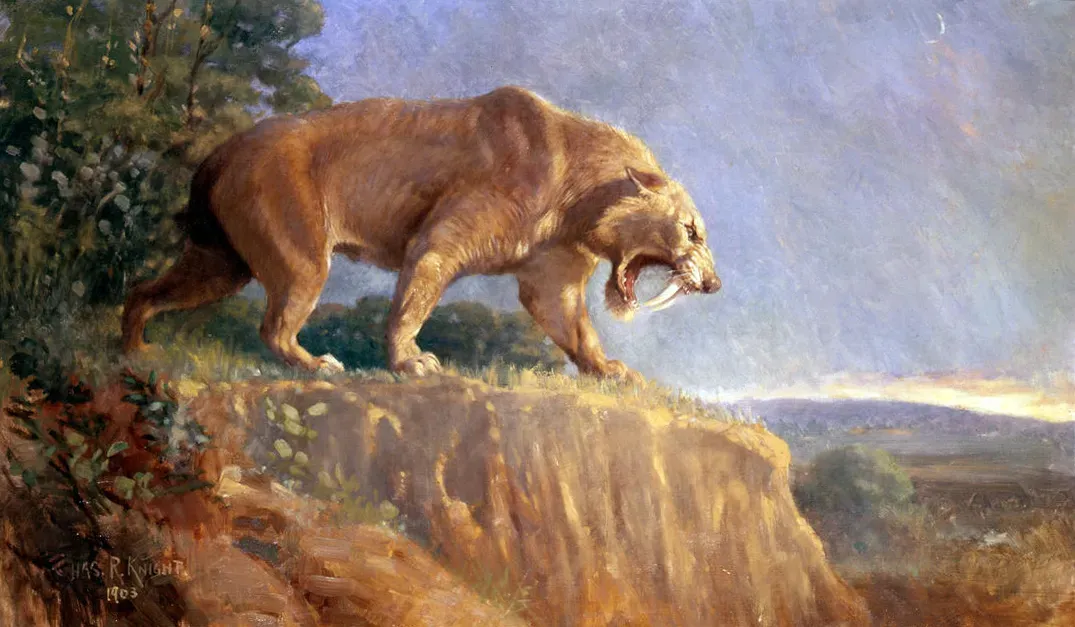
Everyone knows the name. Almost nobody understands how genuinely strange its hunting strategy actually was. Smilodon, the classic saber-toothed cat, didn’t rely on a crushing bite like modern big cats do. Its enormous canine teeth were actually fragile compared to a lion’s jaw strength, meaning it couldn’t afford to fight struggling prey head-on.
Instead, most paleontologists believe it used raw upper-body strength to pin down massive prey like bison and young mammoths before delivering a single, precise, fatal bite to the throat. A wrong move could snap those famous teeth clean off – this was a predator built entirely around surgical precision, not brute force. Fossilized remains found in tar seep deposits show frequent healed injuries, suggesting these cats survived brutal fights and possibly even helped wounded pack members, a level of behavioral complexity rarely associated with prehistoric predators. As strange as that strategy was, one mammal’s skull alone was even more unsettling.
#11 – Andrewsarchus, The Largest Land-Dwelling Carnivorous Mammal Ever Known
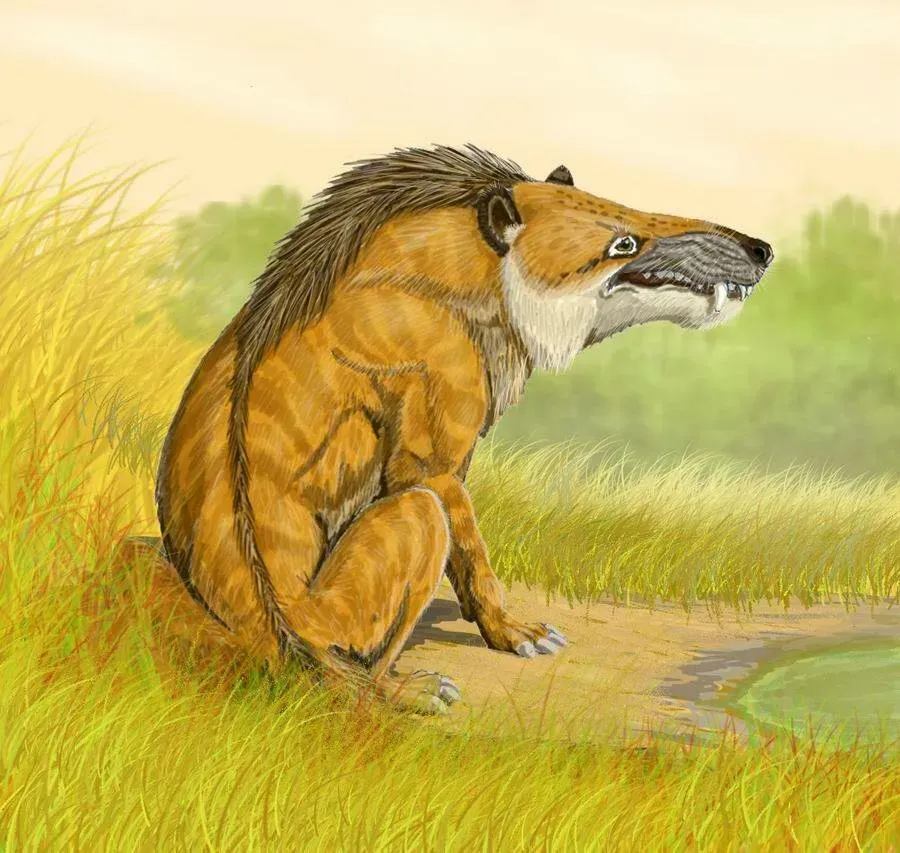
This animal is only known from a single skull – and that skull alone terrified paleontologists for a century. It resembles a wolf’s skull stretched to roughly 3 feet long, and based on those proportions, Andrewsarchus may have been the largest carnivorous mammal to ever walk on solid ground. What makes it genuinely unsettling is the combination of size and brainpower.
As a mammal, it likely possessed greater intelligence than any dinosaur predator, with problem-solving abilities and sensory perception closer to modern wolves and big cats. Its teeth indicate it was an omnivore capable of cracking bones and shells and consuming a wide variety of food, a dietary flexibility that made it an extremely adaptable and efficient predator. Picture a rhino-sized wolf capable of strategy, not just aggression – that’s genuinely more unnerving than anything Jurassic Park ever put on screen. That skull terrified paleontologists on land. The ocean had its own reinvention of terror waiting.
At a Glance
- Known from a single skull, roughly 3 feet long
- Possibly the largest carnivorous mammal to ever walk on land
- Lived during the Eocene, tens of millions of years after dinosaurs went extinct
- Omnivorous diet with bone- and shell-crushing capability
#10 – Basilosaurus, The Serpent-Whale That Hunted Other Whales
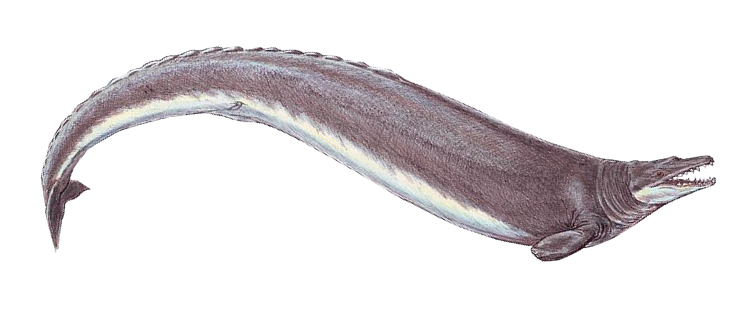
Its name literally means “king lizard” – scientists originally mistook it for a giant marine reptile before realizing it was actually one of the earliest whales. Basilosaurus prowled Eocene oceans with an elongated, serpentine body that could stretch to enormous lengths, giving it a silhouette closer to a sea serpent than any whale alive today.
Fossil stomach contents and bite-marked bones from smaller early whale species confirm Basilosaurus actively preyed on other cetaceans, not just fish. This was, effectively, a whale that ate other whales for a living, a level of intra-group predation almost unheard of among modern marine mammals. Its skull and jaw structure suggest a powerful, crushing bite capable of subduing prey nearly its own size, and no whale since has evolved into anything quite like it. One whale-eating whale wasn’t the only monster hiding in ancient water.
#9 – Purussaurus, The Caiman That Grew Bigger Than a School Bus
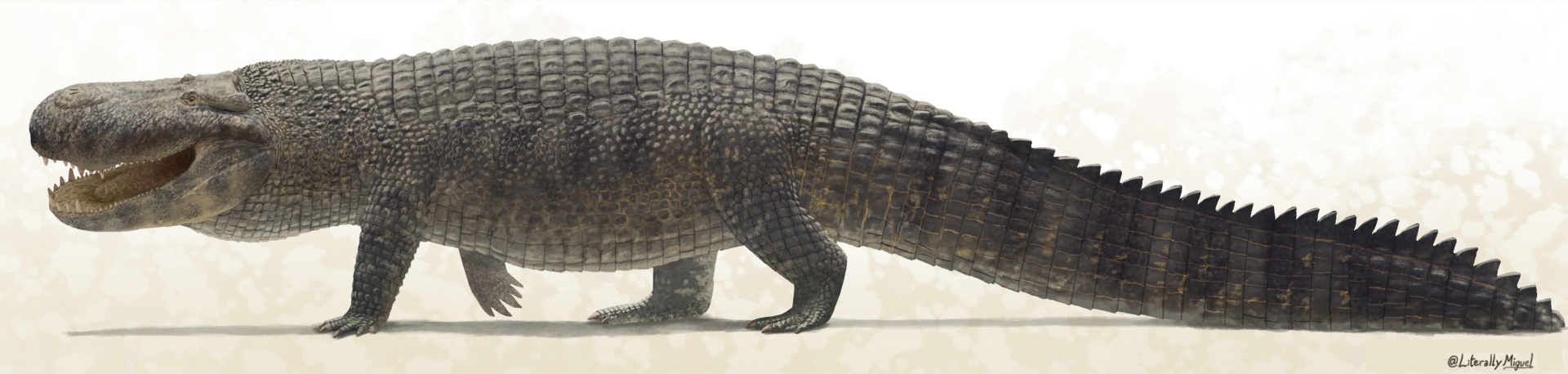
Modern caimans are intimidating enough. This prehistoric relative dwarfed every crocodilian alive today. Purussaurus roamed the swamps and wetlands of Miocene South America, reaching lengths that put it among the largest crocodilians ever documented in the fossil record. Its skull alone was massive and heavily built, hinting at bite forces strong enough to crush the bones of nearly anything unlucky enough to wander too close to the water’s edge.
Most people picture crocodiles as ambush predators of fish – Purussaurus was large enough to take down full-grown mammals. Fossil evidence from the region suggests it coexisted with, and likely competed against, other massive predators for dominance of South America’s ancient wetland ecosystems. It’s a sobering reminder that “swamp predator” doesn’t always mean small. As big as that caiman got, one of its relatives had an even bolder target: dinosaurs themselves.
#8 – Deinosuchus, The Crocodile That Actually Ate Dinosaurs
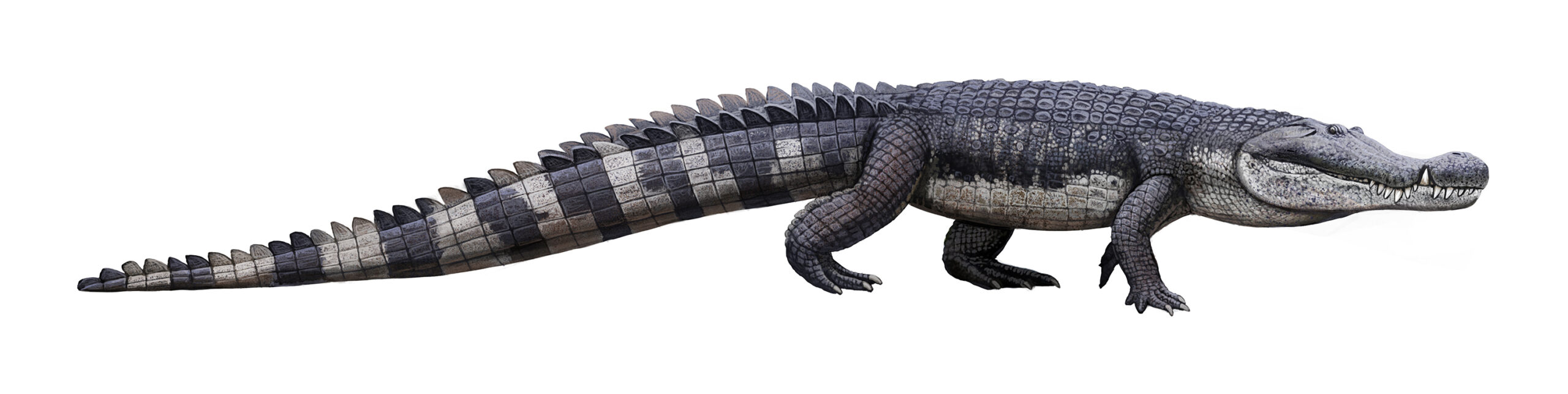
Here’s a genuinely wild fact: this creature lived alongside dinosaurs, and it hunted them. Deinosuchus was a massive, ancient relative of modern alligators that grew to sizes rivaling the largest crocodilians ever known, lurking in rivers and coastal waters throughout what is now North America during the Late Cretaceous. Bite marks matching Deinosuchus’s teeth have been found on the fossilized bones of duck-billed dinosaurs, direct physical evidence that this animal ambushed and killed dinosaurs that ventured too close to the water.
This flips the entire “dinosaurs ruled the Earth” narrative on its head – for animals near rivers and swamps, dinosaurs weren’t always at the top of the food chain. Its jaw structure and enormous conical teeth were built for a classic crocodilian strategy: drag, grip, and drown. Deinosuchus didn’t need to outrun its prey; it simply waited, submerged and nearly invisible, until an unsuspecting dinosaur got close enough to the water. Even that ambush predator wasn’t the biggest crocodilian to ever exist.
#7 – Sarcosuchus, “SuperCroc” and Its Hundred-Tooth Jaw
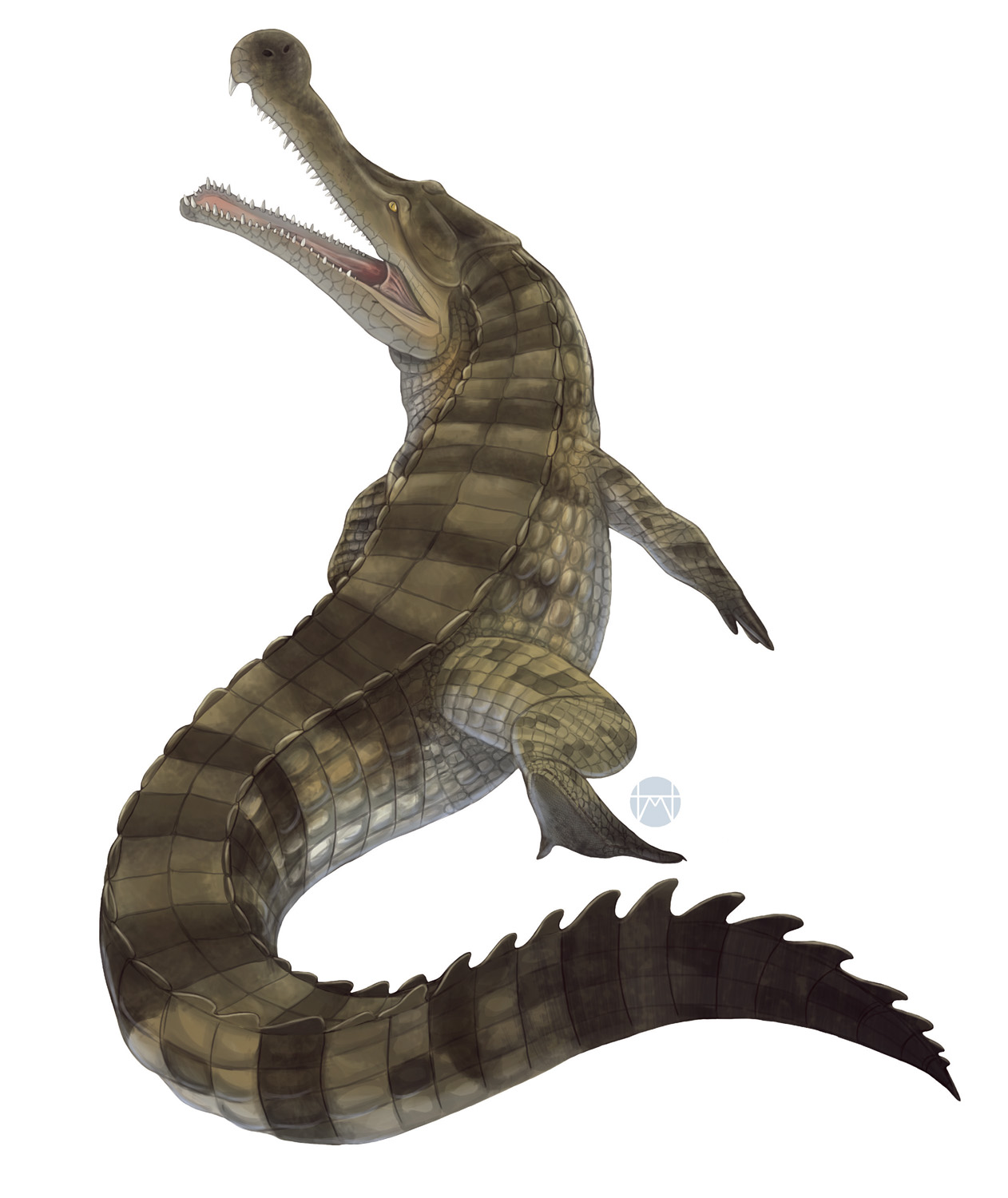
Nicknamed for good reason, this animal makes modern crocodiles look like pool toys. Sarcosuchus, known as “SuperCroc,” dwarfed even the largest crocodiles alive today, measuring up to 40 feet long and tipping the scales at an astonishing 8 tons. That’s roughly the weight of a loaded school bus, wrapped in armored scutes and propelled by a muscular tail built for explosive underwater lunges.
Its snout alone contained an intimidating arsenal – over 100 teeth packed into a massive jaw, suggesting Sarcosuchus preyed on fish, turtles, and even unsuspecting dinosaurs. Unlike modern crocodilians that specialize in one or two prey types, its tooth structure suggests it was a generalist predator capable of tackling almost anything within striking range of its riverbanks. For any Cretaceous dinosaur getting a drink of water, this was the last thing it ever saw. SuperCroc ambushed from the water – its cousin decided ambushing wasn’t enough.
Quick Compare
- Sarcosuchus (“SuperCroc”): up to 40 feet long, around 8 tons, over 100 teeth built for generalist ambush hunting
- Deinosuchus: rivaled the largest crocodilians ever known, with confirmed bite marks on dinosaur bones
- Purussaurus: among the largest crocodilians in the fossil record, built for crushing full-grown mammals
#6 – Kaprosuchus, The “BoarCroc” With Tusk-Like Fangs
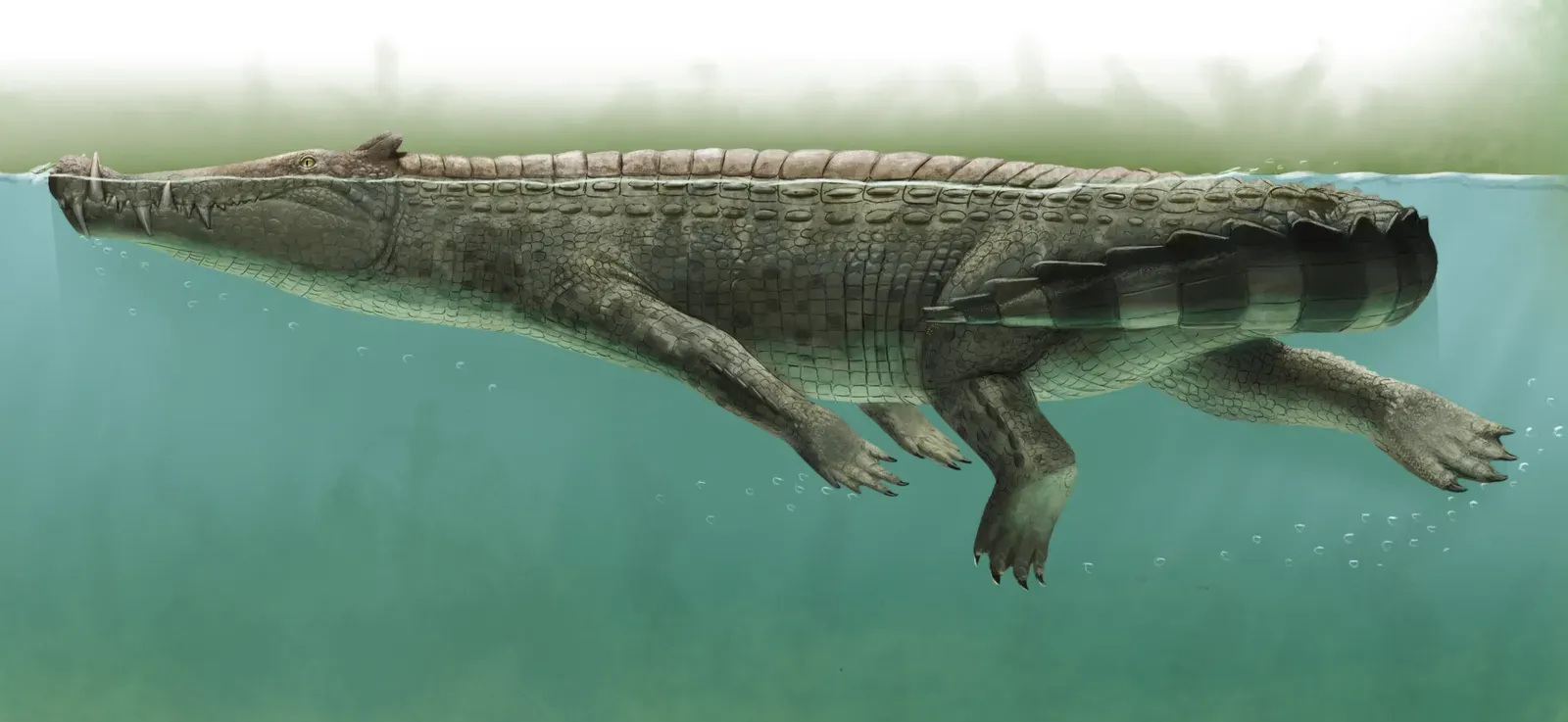
This crocodile relative didn’t lurk in rivers waiting for prey to come to it – it hunted actively, on land, like a predator with something to prove. Kaprosuchus, nicknamed “BoarCroc” for its tusk-like protruding teeth, lived during the Cretaceous in what is now Africa and had long legs built for pursuing prey across dry ground rather than the classic ambush-and-drag style of most crocodilians.
This wasn’t a swamp lurker – it was a land-based pursuit predator wearing a crocodile’s face. Its skull featured three sets of enlarged, fang-like teeth positioned for stabbing and slashing rather than the simple clamping bite of a modern crocodile. Paleontologists believe it actively chased down terrestrial prey, using its elevated leg posture and forward-set eyes to track and close distance on fleeing animals. Even a land-hunting crocodile couldn’t out-terrify what evolved without a single tooth.
#5 – Dunkleosteus, The Fish With a Bite Stronger Than Most Dinosaurs
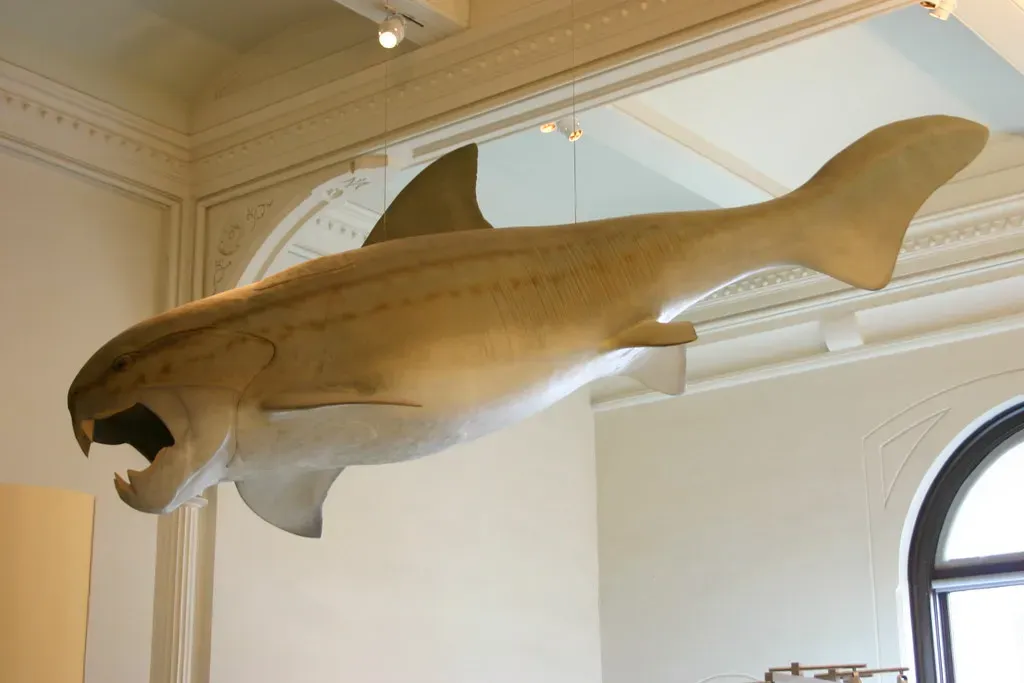
This armored fish didn’t have a single tooth in its entire mouth – and somehow that made it more terrifying, not less. Dunkleosteus had two pairs of long, bony blades protruding from its upper and lower jaws instead, creating a cutting apparatus that crudely resembled a guillotine. Research published in Biology Letters found the force of its bite reached a remarkable 11,000 pounds, with the bladed dentition focusing that force into a small area at an incredible 80,000 pounds per square inch. That’s a bite force rivaling large alligators and T. rex – from a fish.
This wasn’t a slow-moving filter feeder either. Its bladed jaws suggest it was among the first vertebrates to use rapid mouth opening and a powerful bite to capture and fragment evasive prey, and it regularly hunted other armored fish and sharks. Evidence even shows it didn’t shy away from cannibalism, with bite marks confirmed on Dunkleosteus skeletons themselves. A toothless killer nearly rivaled T. rex’s bite – but the reptile that ruled the same seas as dinosaurs had its own claim to the throne.
#4 – Mosasaurus, The Sea Monster That Outclassed Every Ocean Reptile of Its Time
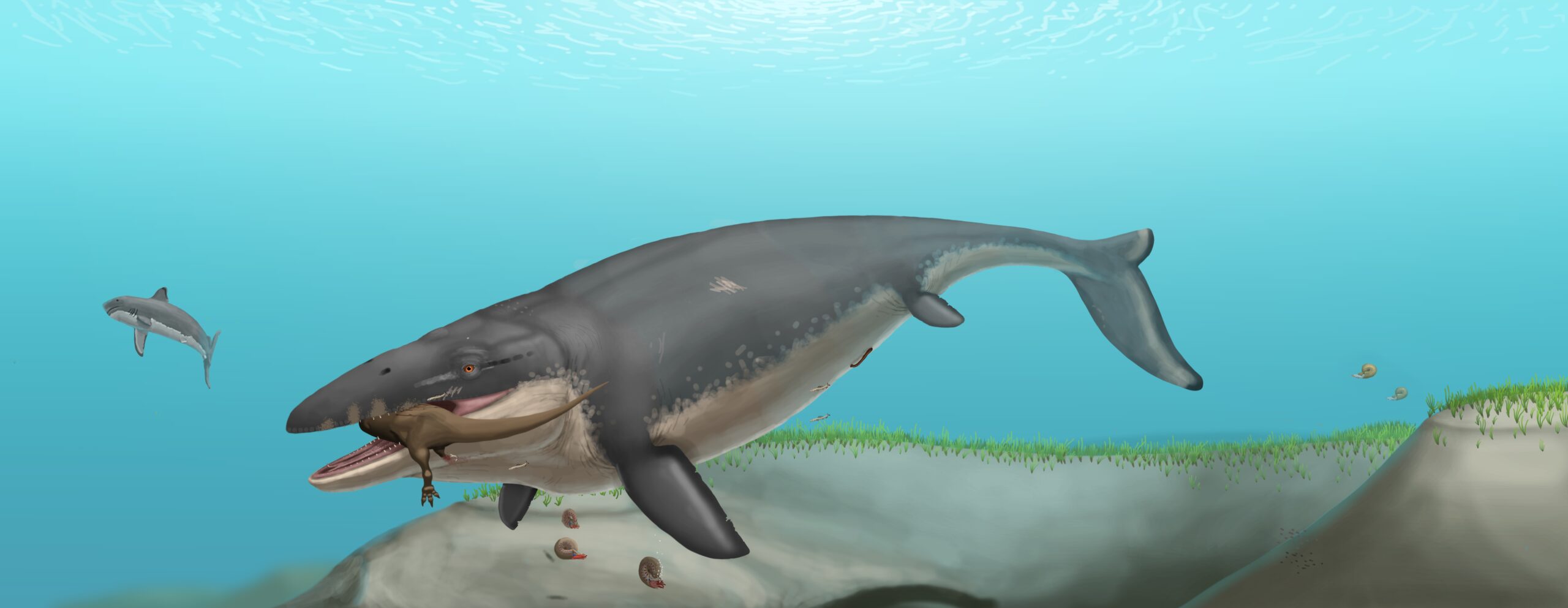
Most people lump this creature in with dinosaurs. It wasn’t one – and that distinction matters more than you’d think. Mosasaurus was a massive marine reptile that patrolled Late Cretaceous oceans at the same time dinosaurs walked the land, but it belonged to an entirely separate reptile lineage, more closely related to modern monitor lizards and snakes than to any dinosaur.
It grew to lengths rivaling the largest sharks in the ocean today, propelled by a powerful paddle-like tail and armed with rows of sharp, conical teeth capable of gripping and shredding prey ranging from ammonites to other marine reptiles. Fossil evidence shows it preyed on nearly everything unlucky enough to share its waters, including smaller mosasaurs, sharks, and giant sea turtles. While dinosaurs get all the Hollywood attention, Mosasaurus was arguably the more efficient killing machine of the two environments. Mosasaurus ruled the water – but something that evolved right after the dinosaurs died out grew into an entirely different nightmare.
#3 – Titanoboa, The Snake That Could Swallow a Crocodile Whole
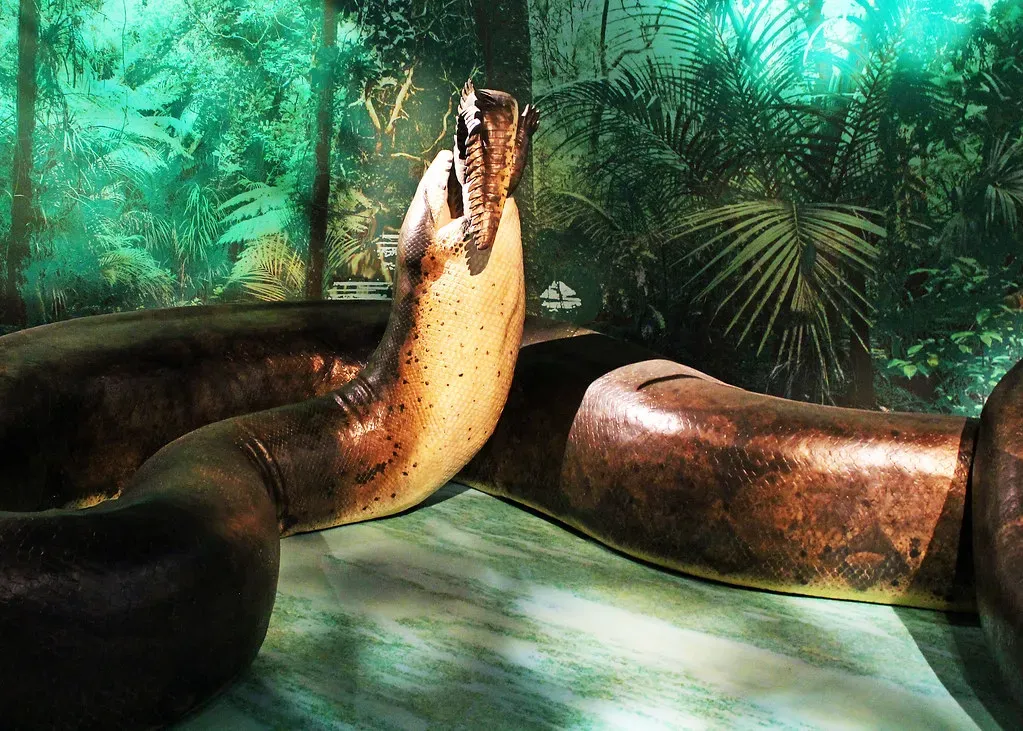
This snake didn’t just outgrow every serpent alive today – it outgrew nearly everything that existed after the dinosaurs vanished. Titanoboa is the largest snake species known to have ever lived, averaging roughly 42 to 47 feet long and weighing over 1,100 kilograms. The biggest individual ever discovered measured 50 feet long and weighed 1.5 tons – as heavy as a small car and longer than a city bus.
Scientists believe Titanoboa’s gigantic size was directly linked to the tropical climate of its era, suggesting global temperatures near the equator were considerably higher sixty million years ago than they are today. Interestingly, skull evidence points to a largely fish-based diet and a semi-aquatic lifestyle, unlike modern anacondas that hunt large mammals. This wasn’t just a bigger version of today’s snakes – it was an entirely different kind of apex predator, evolving in the direct aftermath of the dinosaurs’ extinction. A car-sized snake sounds unbeatable, until you meet the whale that hunted other whales.
#2 – Livyatan Melvillei, The Sperm Whale That Hunted Other Whales for Sport
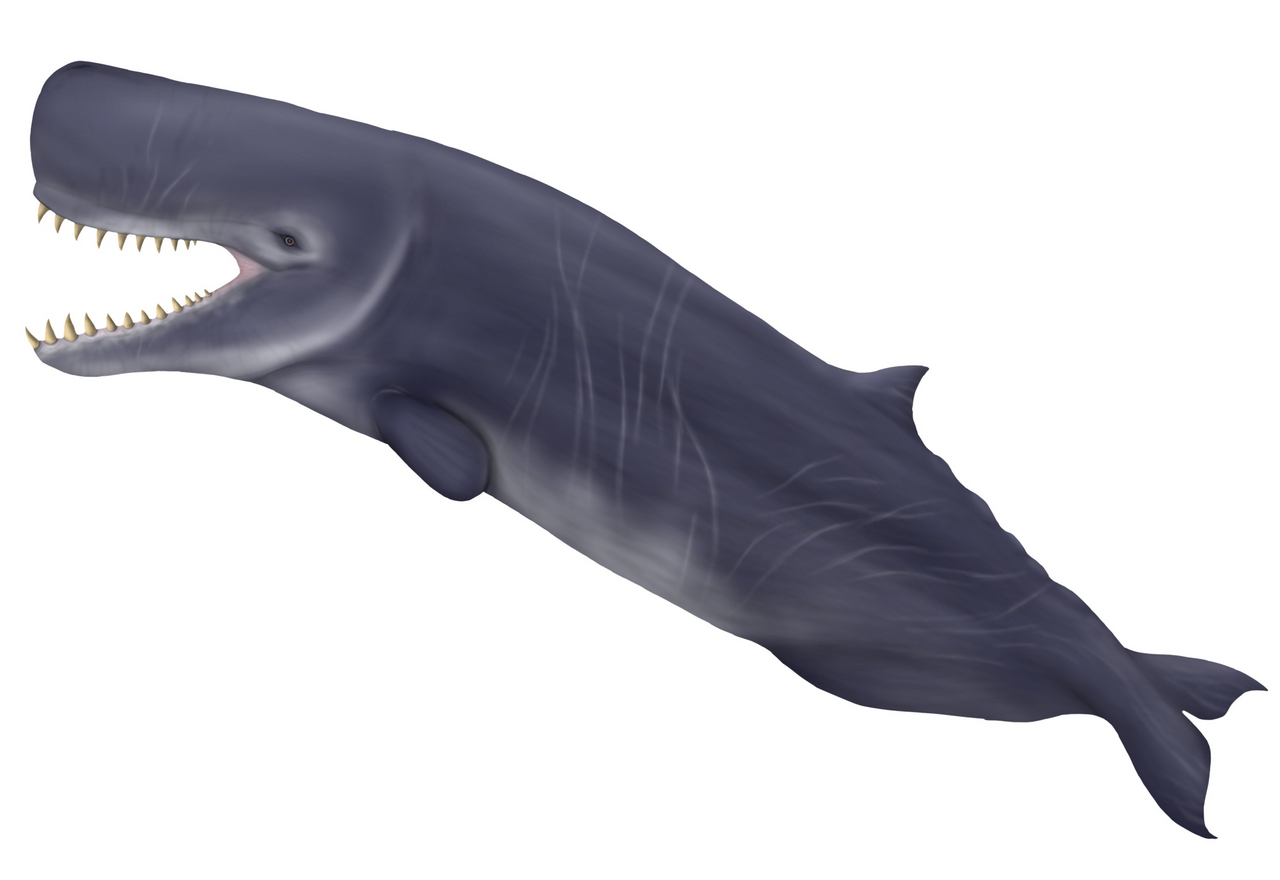
This is, without exaggeration, one of the most brutal predators ever documented in the fossil record – and it’s a whale. Named after the biblical Leviathan and Herman Melville, author of Moby Dick, Livyatan melvillei was a prehistoric sperm whale that lived roughly 12 to 13 million years ago, reaching lengths of up to 57 feet and likely weighing around 50 tons. Unlike modern sperm whales that gently hunt squid in the deep dark, Livyatan had massive teeth in both its upper and lower jaws, some measuring over 14 inches – the largest teeth of any animal ever known.
This animal hunted other whales as its primary food source. Fossil evidence suggests it preyed upon medium-sized baleen whales, using its massive teeth to tear chunks from its victims, and unlike a solitary ambush predator, experts believe it stalked, pressured, and controlled its prey over time, turning encounters into drawn-out struggles rather than sudden strikes. That’s not just a big animal – that’s a calculated killer with the brainpower of a modern whale and the teeth of a horror movie monster. As terrifying as Livyatan was, one predator still outclassed it in raw scale.
#1 – Megalodon, The Shark That Ate Whales Whole
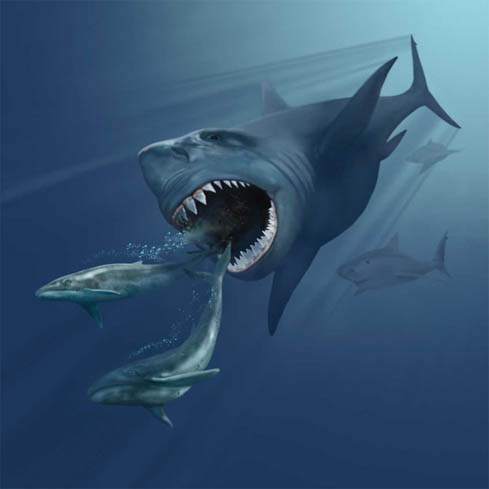
Even after everything on this list, nothing compares to the sheer scale of the ocean’s most infamous predator. Its maximum size reached 20.3 meters, with an average size of 16 to 18 meters, and its heaviest recorded weight estimates reach 103 tons, with an average of 60 to 70 tons. That’s several times heavier than a fully grown sperm whale. Most people assume Megalodon went extinct in some ancient, unfamiliar era. It didn’t. It disappeared only around 2.8 million years ago, meaning it shared the planet with animals that still exist today, like giant sea turtles, porpoises, and whales.
This wasn’t a slow scavenger picking off the weak. Fossil evidence confirms it actively hunted large marine mammals, and its range stretched across nearly every ocean on the planet during its reign. Some experts now argue Megalodon, not any dinosaur, deserves the title of history’s single most dominant predator, a claim that’s controversial among paleontologists but hard to dismiss once you look at the numbers. Unlike a T. rex confined to one landmass, this shark ruled every ocean on Earth simultaneously, for over 20 million years.
Worth Knowing
- Maximum length: 20.3 meters, with weight estimates as high as 103 tons
- Average size: 16 to 18 meters and 60 to 70 tons
- Went extinct roughly 2.8 million years ago – far more recent than most people assume
- Overlapped with animals still alive today, including sea turtles and porpoises
The Bottom Line
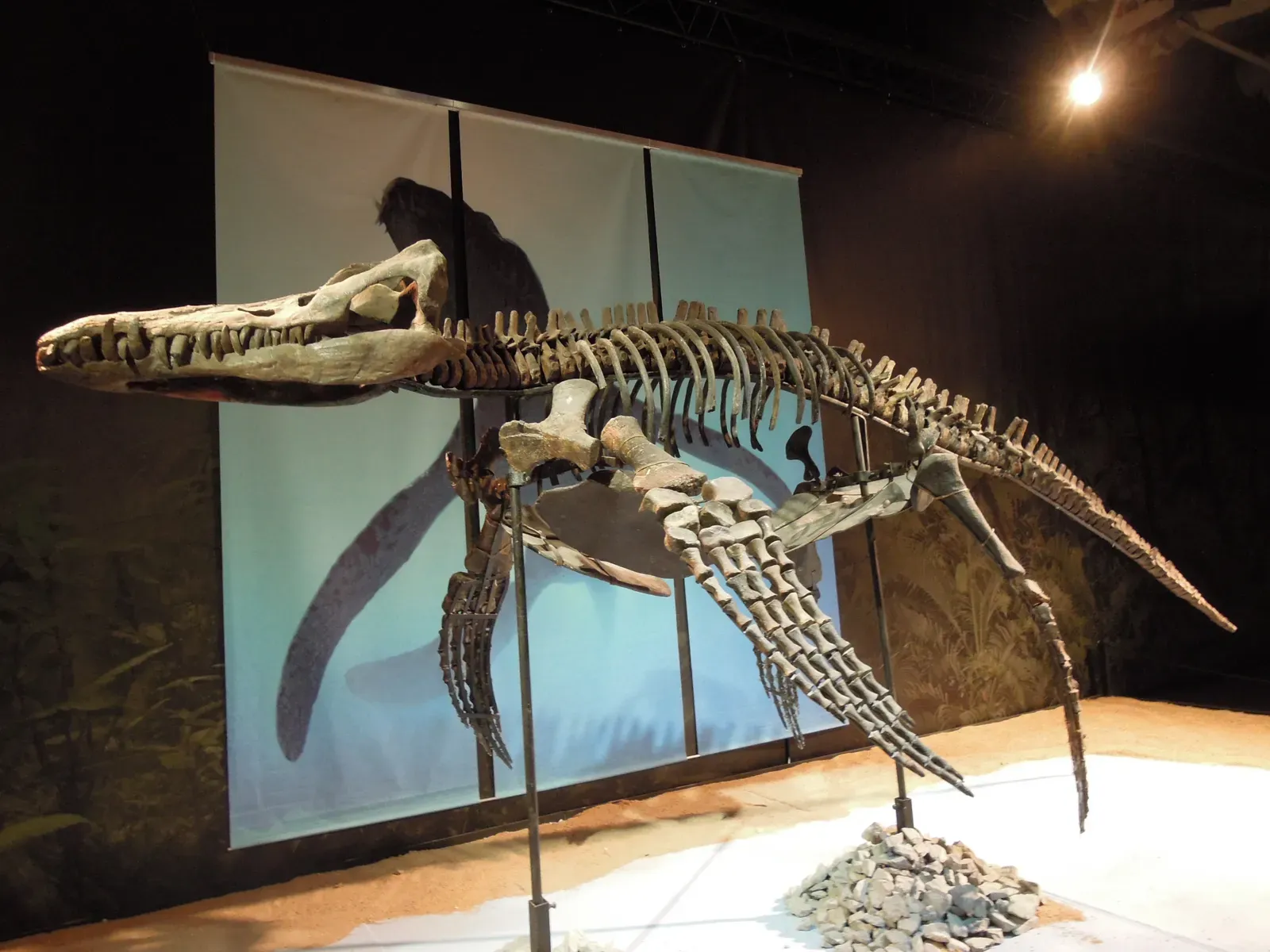
Dinosaurs get the movies, the toys, and the museum crowds – but the fossil record tells a very different story. The genuinely terrifying predators weren’t confined to the Mesozoic at all. They showed up half a billion years before dinosaurs in the Cambrian seas, ruled the swamps as bone-crushing hell pigs and sea scorpions, ambushed dinosaurs themselves from riverbanks, and kept the reign of terror going for tens of millions of years after an asteroid wiped the dinosaurs out entirely.
Megalodon, Livyatan, and Titanoboa alone make the case that Earth’s scariest chapter wasn’t the Age of Dinosaurs – it just had the better marketing team. If anything, the dinosaurs were lucky to exist in the calmer stretch between two much darker eras of evolution. That’s not a popular opinion in a world of dino-obsessed documentaries, but the fossil record doesn’t lie: the real monsters came before them, and after them, and they were often stranger than fiction could ever manage.