
Most people assume the fossils and “prehistoric” specimens sitting behind glass in the world’s great natural history museums have been rigorously vetted by generations of scientists. They haven’t always been. For nearly two centuries, forged bones, stitched-together carcasses, and fabricated “missing links” have fooled paleontologists, journalists, and millions of paying visitors – sometimes for decades before anyone noticed the glue lines.
Some of these hoaxes reshaped entire fields of science before quietly collapsing under their own weight. Others technically remain “unsolved” in storage rooms nobody wants to reopen. Here’s what the historical record actually shows, starting with a horse that fooled an entire nation without anyone touching a single hair on its body.
#21 – Barnum’s “Woolly Horse” Was Just a Regular Horse With a Weird Coat

P.T. Barnum didn’t need a laboratory to fake a natural history exhibit – sometimes a good story was all it took.
In the 1840s, Barnum exhibited what he called the “Woolly Horse,” billing it as a bizarre zoological hybrid supposedly captured during a famous Western expedition and unlike any creature known to science. Visitors paid to see a beast Barnum claimed combined the features of a buffalo, a camel, and a deer. The truth was far less exotic: it was an ordinary horse with an unusually thick, curly coat, likely the result of a natural coat abnormality rather than anything supernatural or undiscovered.
Barnum’s genius wasn’t creating a fake animal – it was creating a fake context. He understood that Americans in the mid-1800s were hungry for stories about the unexplored frontier, and a strange-looking horse paired with a tale about remote wilderness expeditions was catnip for curious crowds. The horse itself never needed to be altered; the narrative around it did all the deceiving.
#20 – The 2007 “Fairy Fossil” That Fooled the Internet
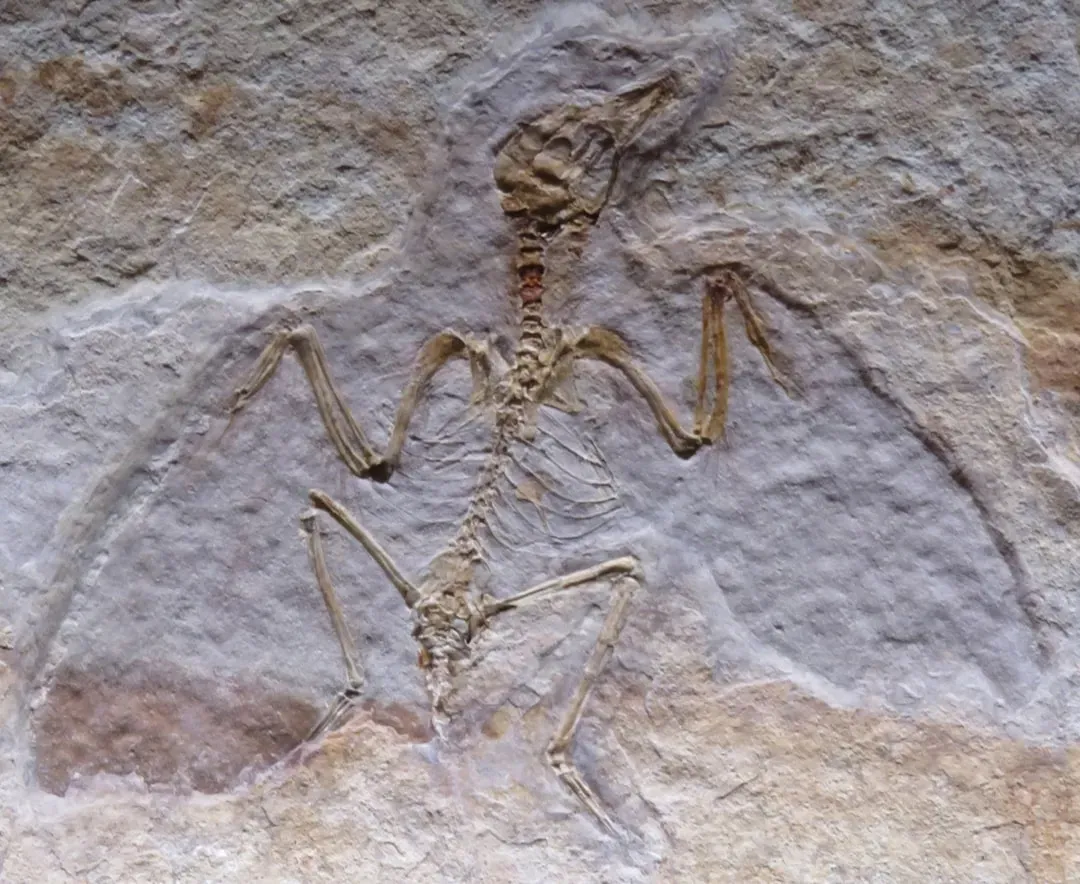
A tiny fossilized skeleton with wings looked so convincing that thousands of people genuinely believed archaeologists had finally proven fairies were real.
In 2007, a supposed fossil of a small humanoid creature with wings surfaced online, presented as though it had been unearthed in England and subjected to scientific study. The image spread rapidly, landing on forums, blogs, and even early social media feeds, with commenters debating whether it represented a genuine paleontological breakthrough or an elaborate prank. The “fossil” was actually a sculpture, built by a special-effects artist as fantasy art, later revealed as an April Fools’-style hoax rather than a scientific claim.
What makes this case fascinating isn’t the fossil – it’s the speed at which a convincing photograph could travel before anyone applied basic skepticism. The fairy fossil never sat in an actual museum collection, but its viral spread mimicked exactly how legitimate discoveries get reported: a striking image, a vague originating story, and instant credibility because it looked plausible. It’s a preview of how modern hoaxes now move faster than the scientists trying to debunk them.
#19 – The “Missourium” Was a Mastodon With Extra Bones Bolted On

Fossil collector Albert Koch didn’t just discover mastodon remains in the 1840s – he improved on them.
Koch assembled a skeleton he called the “Missourium,” a supposedly gigantic prehistoric beast built from mastodon bones he’d collected in Missouri. To make the creature look even more monstrous and marketable, Koch reportedly added extra vertebrae to the spine, stretching the animal’s apparent length far beyond what any real mastodon would have measured. The skeleton was essentially a real animal exaggerated into a mythical one, blending genuine fossils with showman’s embellishment.
Koch toured his creation through American and European cities, charging admission to crowds eager to see what was billed as a monstrous, unclassified prehistoric giant. Scientists eventually acquired and corrected the skeleton, removing the extraneous vertebrae and reclassifying it as an oversized but otherwise ordinary mastodon specimen. The episode is a reminder that early fossil hoaxes didn’t always require inventing a creature from scratch – sometimes it was enough to stretch the truth, quite literally, one extra bone at a time.
Fast Facts
- Creator: Albert Koch, a German-American fossil collector and showman
- Debuted: 1840 in St. Louis, marketed as the “Missouri Leviathan”
- Claimed size: roughly 15 feet tall and 30-plus feet long, nearly double a real mastodon
- Fate: sold to the British Museum in 1843, dismantled, and remounted as an ordinary mastodon still on display in London today
#18 – “Hydrarchos” Was a Sea Serpent Made From Multiple Whale Skeletons
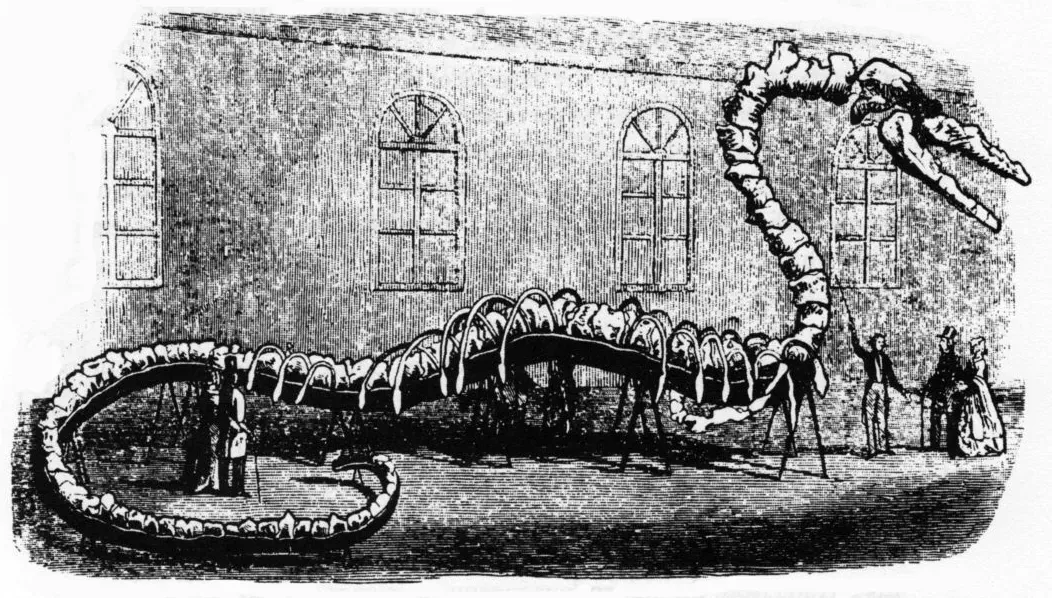
The same showman behind the Missourium had an even bolder trick up his sleeve: an entire sea serpent skeleton that never actually existed as a single animal.
Albert Koch assembled what he called “Hydrarchos,” presenting it as the skeletal remains of a massive prehistoric sea serpent. In reality, the skeleton was a composite, pieced together from the bones of multiple individual Basilosaurus (an ancient whale) specimens to create the illusion of one impossibly long, serpentine creature. The “sea monster” was several real whales stitched into one fake one, a bit of paleontological theater dressed up as genuine science.
Koch exhibited Hydrarchos to paying audiences on both sides of the Atlantic, capitalizing on public fascination with sea monsters and the still-young science of paleontology, which hadn’t yet developed rigorous standards for verifying such claims. Legitimate scientists eventually exposed the composite nature of the skeleton, but not before it toured extensively and earned Koch a small fortune. It remains one of the earliest and boldest examples of a for-profit fossil fraud built entirely from real, if misassembled, prehistoric bones.
#17 – The Acambaro Figurines Claimed to Show Humans Living With Dinosaurs
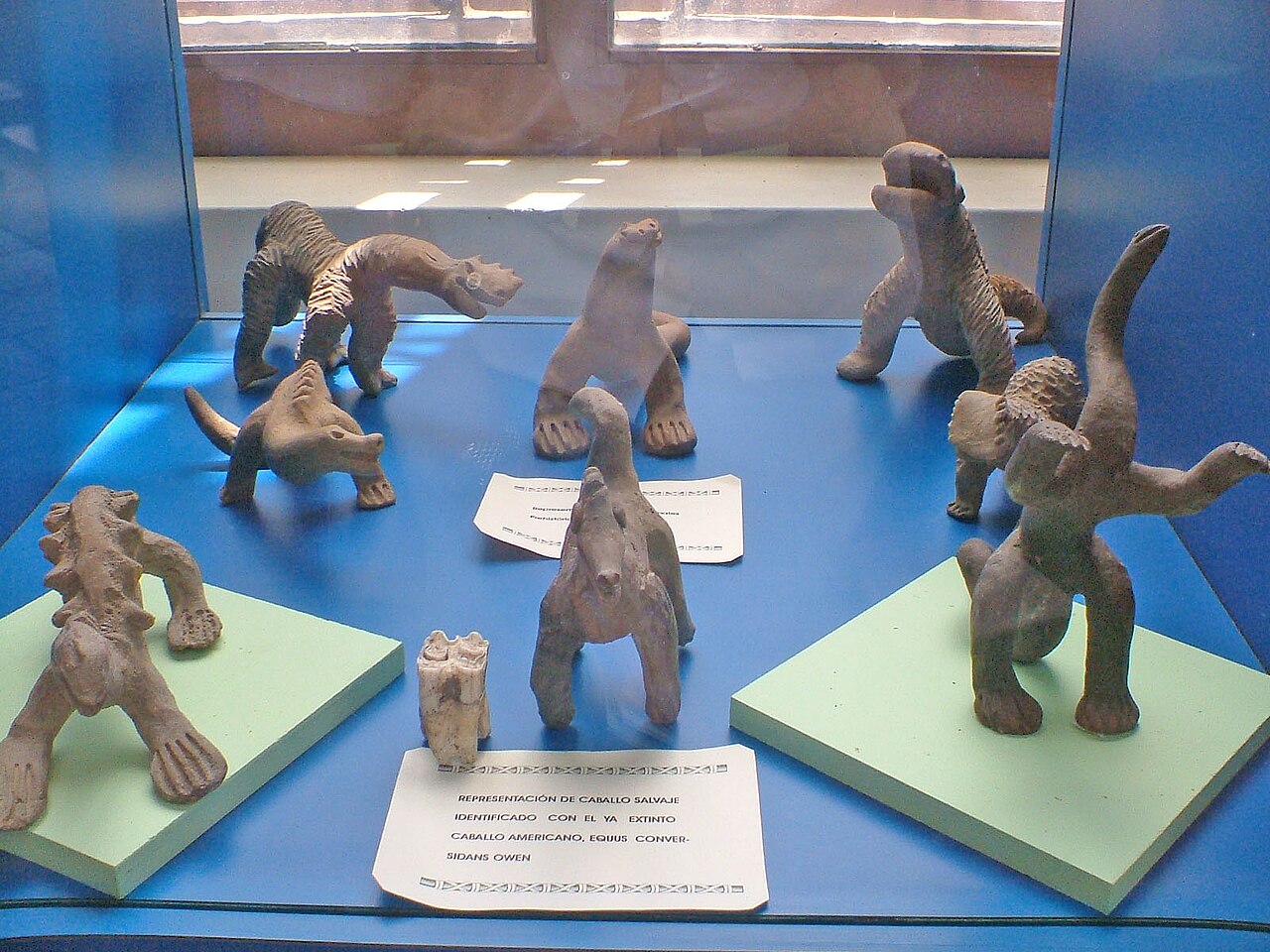
Thousands of small clay figurines unearthed in Mexico appeared to depict dinosaurs alongside human figures – a claim that, if true, would upend everything science knows about evolutionary timelines.
The Acambaro figurines were reportedly discovered in the 1940s near Acambaro, Mexico, and quickly attracted attention from fringe researchers who argued the collection proved humans and dinosaurs coexisted. The sheer volume of the collection, reportedly numbering in the thousands, made the claim seem almost too elaborate to be fabricated – which was exactly the point.
Mainstream archaeologists who examined the figurines found no credible geological or stratigraphic evidence supporting an ancient origin, and the circumstances of their “discovery” were murky at best. Most researchers now regard the collection as a modern fabrication, likely created and planted for financial gain by exploiting public fascination with forbidden archaeology. The Acambaro figurines persist today mainly in alternative history circles rather than credible museum collections, a testament to how a large enough hoax can outlive its own debunking simply by being too voluminous to dismiss casually.
#16 – The Ica Stones Showed Dinosaurs Being Ridden By Humans
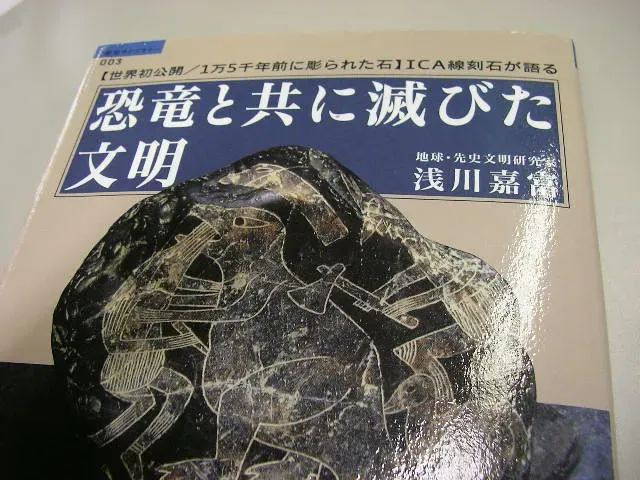
In Peru, a collection of engraved stones seemed to depict ancient humans interacting with dinosaurs, performing surgery, and even using telescopes – centuries before any of that technology should have existed.
The Ica stones gained notoriety in the 20th century when a local doctor amassed thousands of engraved andesite stones depicting scenes that seemed impossible for the timeline of human history. Believers argued the stones proved an advanced ancient civilization coexisted with dinosaurs millions of years after they should have gone extinct. The stones’ anachronistic content was itself the biggest giveaway – accurate dinosaur depictions matching modern paleontological reconstructions rather than ancient artistic guesswork.
Investigations later revealed that local artisans had been carving and artificially aging the stones for sale to collectors and tourists, with some craftsmen reportedly admitting to producing them as a source of income. The scientific consensus firmly places the Ica stones as a modern hoax rather than an authentic archaeological find. Still, the stones remain a fixture of alternative history discussions, illustrating how thoroughly a well-marketed hoax can embed itself in popular imagination despite lacking any real substantiating evidence.
#15 – The Most Famous Crystal Skulls Were Carved With Modern Tools
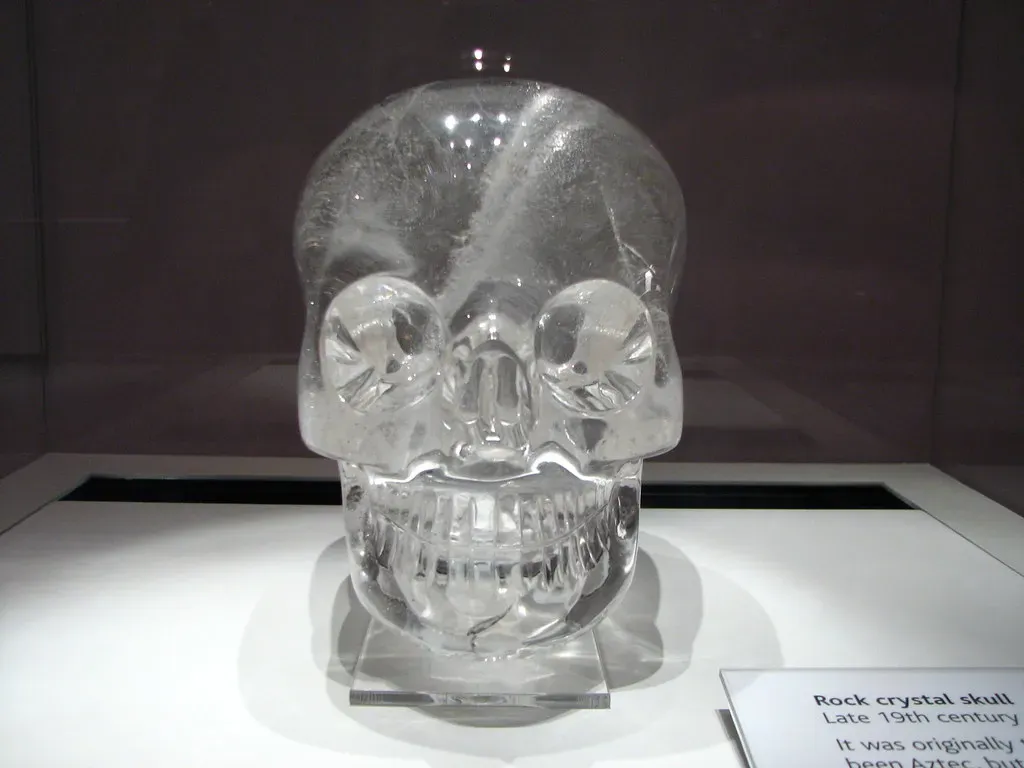
Crystal skulls displayed in museums and private collections were long rumored to be ancient Mesoamerican artifacts imbued with mystical power – until modern forensic analysis told a very different story.
The most famous of these, the Mitchell-Hedges Skull, was claimed to have been discovered in a Maya ruin in the 1920s, supposedly dating back thousands of years. Similar skulls held by institutions including the British Museum and the Smithsonian were also long assumed to be pre-Columbian artifacts. Detailed examination revealed tool marks consistent with rotary equipment, technology that simply didn’t exist in ancient Mesoamerica, indicating the skulls were carved far more recently than claimed.
Researchers now widely believe the skulls were manufactured in the 19th or 20th centuries, likely in Europe, and sold into the antiquities market with fabricated origin stories designed to boost their mystique and value. The British Museum has publicly stated its own crystal skull is a fake. Despite this, the artifacts remain popular attractions precisely because their debunked backstory is almost as compelling as the myth ever was.
Quick Compare
| Skull | Claimed Origin | What Investigators Found |
|---|---|---|
| Mitchell-Hedges Skull | Unearthed at a Maya temple in Belize, 1920s | Actually purchased at a London auction house in 1943 |
| British Museum Skull | Pre-Columbian Aztec artifact | Traced to German lapidaries using modern rotary tools |
| Smithsonian Skull | Aztec relic once owned by a Mexican dictator | Anonymously mailed to the museum in 1992; likely carved decades earlier |
#14 – A Fake Fish Species Fooled Naturalists for Over a Century
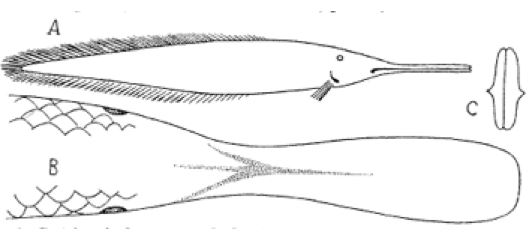
In the 1870s, a bizarre fish specimen convinced a respected naturalist he’d discovered an entirely new species – one that turned out to be an elaborate practical joke.
The specimen, later dubbed Ompax spatuloides, was described based on a single sighting reported to a scientist by fishermen in Queensland, Australia. The description entered the scientific record as a legitimate new species, complete with a formal Latin name and taxonomic classification. The “fish” was actually a composite creation, reportedly stitched together from parts of several different real fish species as a prank played on the visiting scientist.
For over a hundred years, Ompax spatuloides lingered in taxonomic records and zoological literature as an unresolved mystery species, occasionally cited in serious scientific discussions about undiscovered Australian wildlife. It wasn’t until much later that researchers definitively concluded the entire “species” had been a hoax specimen rather than a genuine biological discovery. The episode remains a favorite cautionary tale among taxonomists about the dangers of accepting a single unverified specimen as proof of an entirely new species.
#13 – “The Solid Muldoon” Was a Copycat Petrified Giant
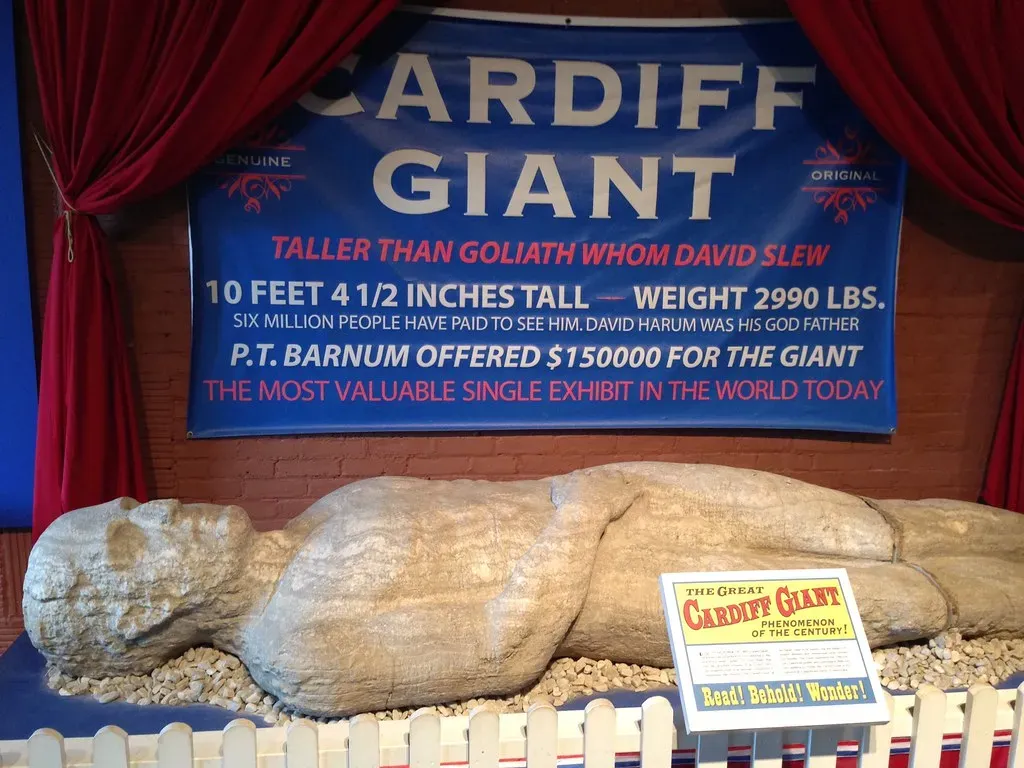
Just a few years after the Cardiff Giant fooled America, showman George Hull tried the exact same trick again – and it worked almost as well the second time.
Hull, the mastermind behind the original Cardiff Giant hoax, partnered with P.T. Barnum’s former associate to create “The Solid Muldoon” in the late 1870s, another supposed petrified giant unearthed under suspicious circumstances in Colorado. The figure was marketed with a similarly vague origin story, encouraging viewers to speculate about ancient giants, lost civilizations, or biblical figures. Hull essentially recycled his own hoax formula, betting correctly that public appetite for petrified giants hadn’t faded.
The Solid Muldoon drew crowds and controversy just as its predecessor had, complete with dueling claims from scientists and showmen about its authenticity. Eventually the figure was exposed using the same reasoning that doomed the Cardiff Giant: the material and construction simply didn’t match what a genuinely petrified human body would look like. The hoax’s relatively quick unraveling suggests audiences were growing a bit more skeptical, even if they were still willing to pay for the spectacle.
#12 – The Most Famous Loch Ness Monster Photo Was Staged With a Toy
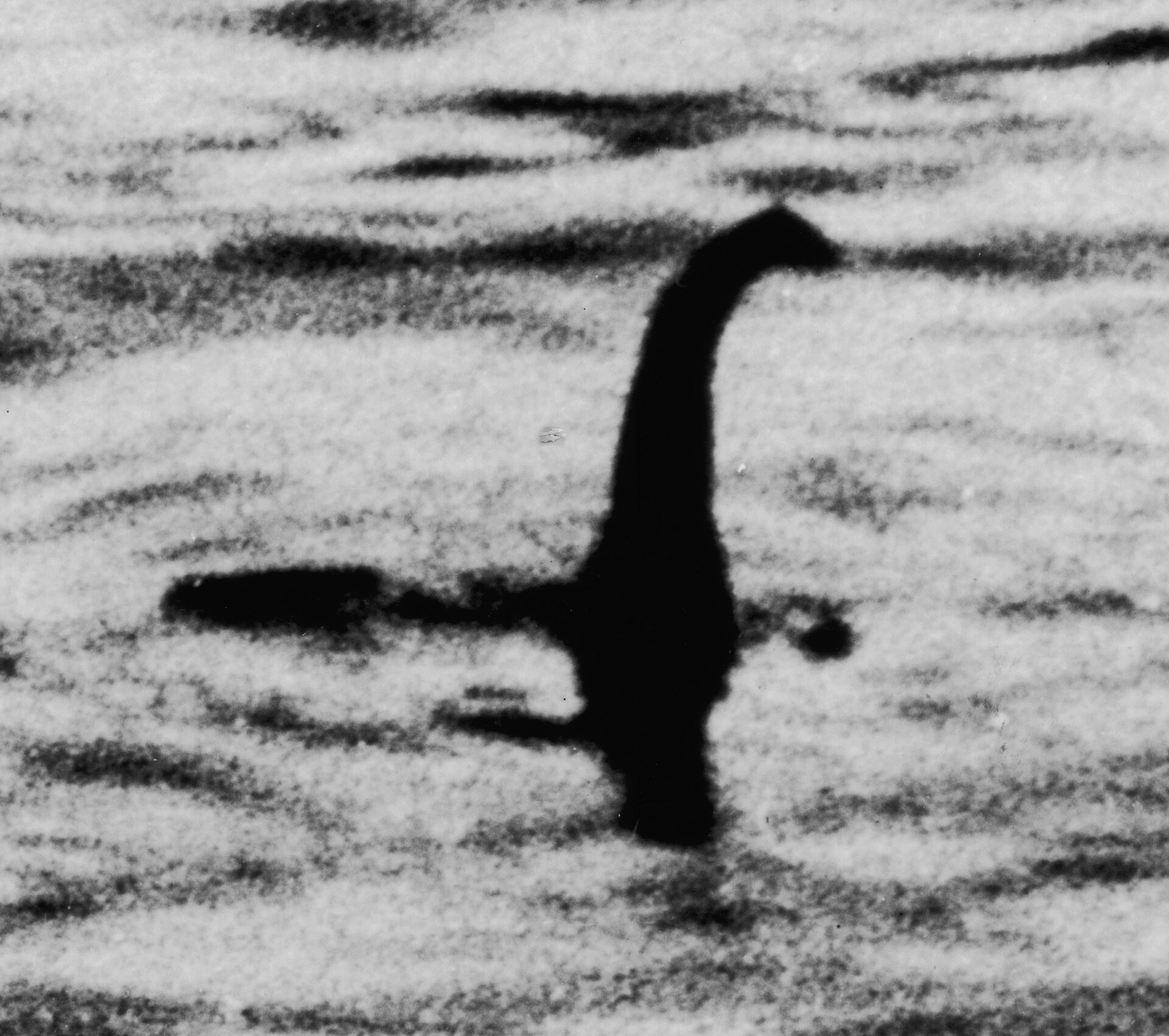
For decades, the “Surgeon’s Photograph” was the single most convincing piece of evidence that a monster lurked in Scotland’s Loch Ness – and museums, documentaries, and textbooks treated it as legitimate.
Taken in 1934 and attributed to a respected surgeon, the grainy black-and-white image showed what appeared to be a long, serpentine neck rising from the water. The photograph became the definitive visual representation of the Loch Ness Monster for generations, reproduced endlessly in books, exhibits, and television specials about cryptozoology. The entire image was later revealed to be a small model attached to a toy submarine, staged by conspirators involved in an earlier, unrelated hoax against a newspaper.
One of the men involved confessed decades later, explaining exactly how the miniature “monster” had been constructed and photographed to create a convincing illusion of scale and distance. Despite the confession, the image remains one of the most reproduced hoax photographs in history, still occasionally presented uncritically in casual discussions of unexplained phenomena. It’s a stark reminder that a single fabricated photograph can outlive its creator’s confession by nearly a century.
#11 – Several “Moon Rocks” Displayed in Museums Were Fakes
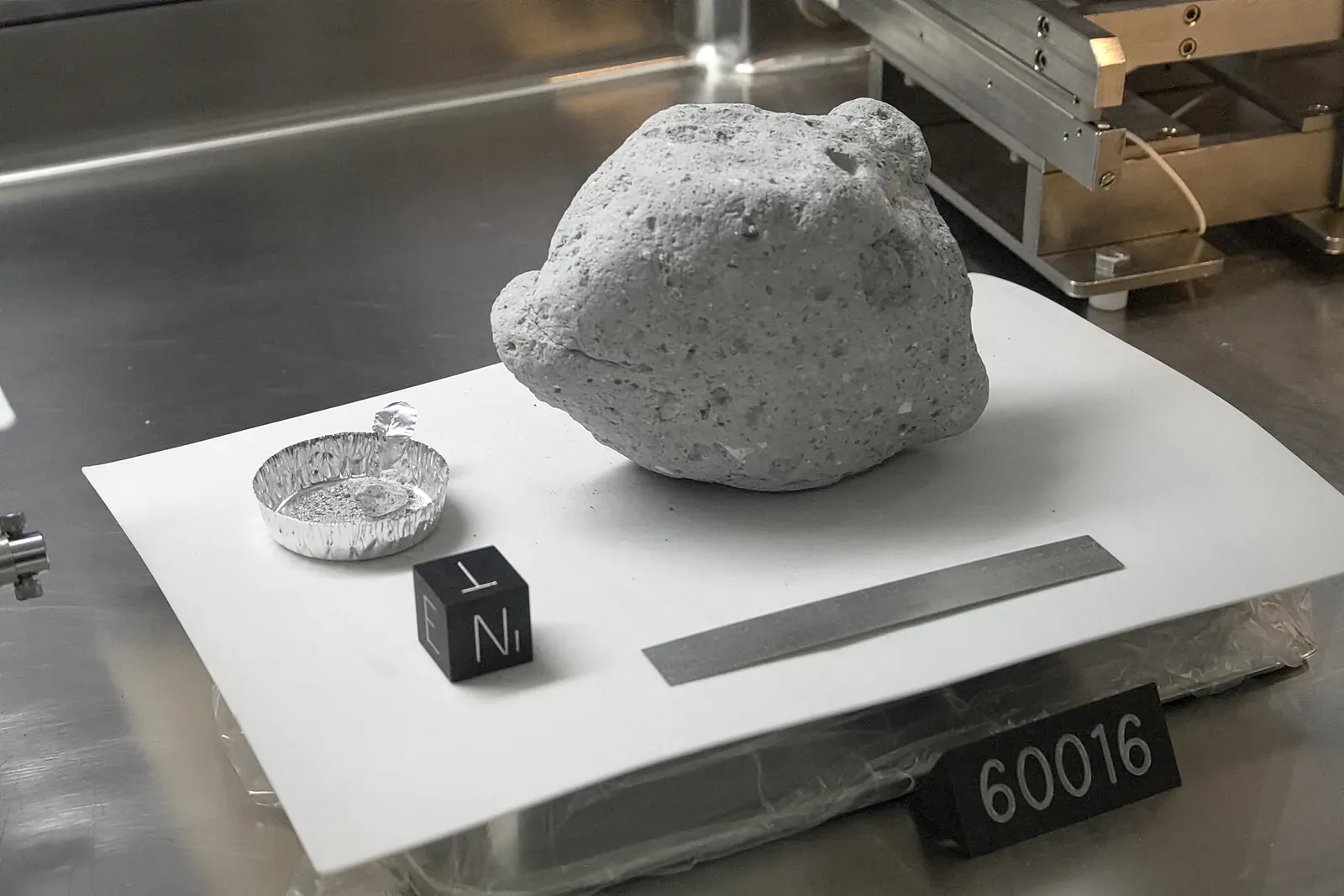
After the Apollo missions, dozens of countries received small lunar samples as diplomatic gifts, and many put them on proud display in national museums – except some of those “moon rocks” were never on the moon at all.
Multiple museums and private collections around the world have discovered, often decades later, that their prized lunar samples were actually terrestrial rock, resin, or petrified wood rather than genuine Apollo-era moon material. Some of these discoveries only surfaced when institutions finally sent their specimens for laboratory testing, after years or even decades of confident public display. In at least one well-documented case, a European museum’s supposed moon rock gift turned out to be a piece of petrified wood.
These weren’t necessarily malicious hoaxes in every case – some appear to be the result of mix-ups, theft-and-replacement schemes, or outright fraud by individuals looking to profit from the black market in space memorabilia. Genuine lunar samples are extraordinarily valuable and tightly controlled, which has made them an attractive target for counterfeiters over the decades. The pattern of fake moon rocks surfacing in museum collections highlights how even government-verified scientific gifts aren’t immune to substitution and fraud.
Worth Knowing
- Presidents Nixon and Ford gifted Apollo 11 and Apollo 17 lunar fragments to 135 countries and all 50 U.S. states during the 1970s
- Many of these goodwill gifts have since gone missing, been stolen, or been destroyed entirely, according to researchers who track them
- Genuine lunar material is illegal to sell privately, which hasn’t stopped black-market deals worth millions of dollars
- Some recipient institutions didn’t discover their “moon rock” was fake until they finally sent it for laboratory testing decades later
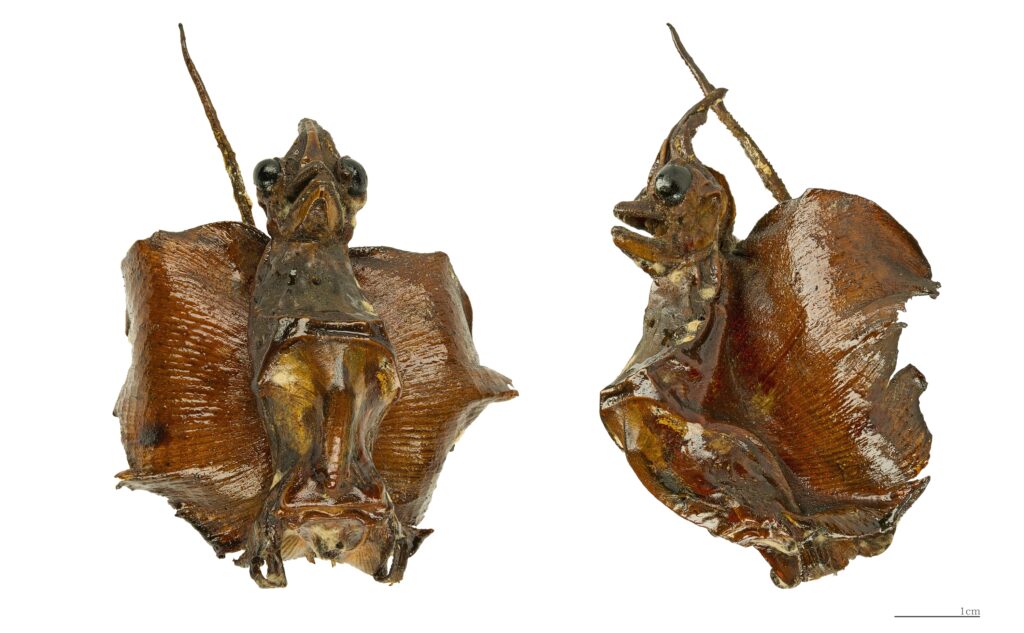
#10 – “Jenny Hanivers” Turned Dead Rays Into Museum Dragons
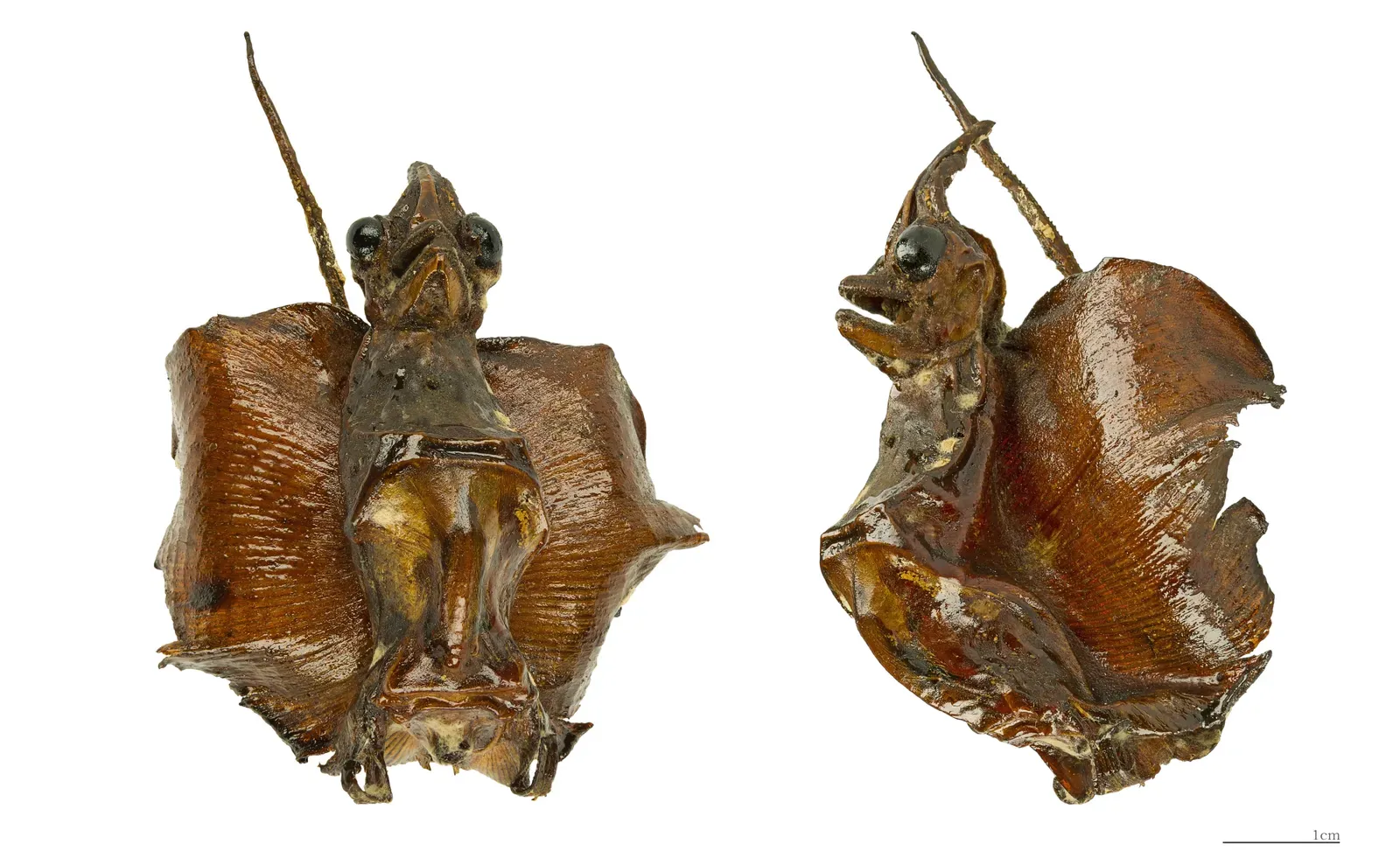
For centuries, European cabinets of curiosities and early museums proudly displayed what looked like miniature dragons, basilisks, or demons – until naturalists realized they were looking at mutilated fish.
Jenny Hanivers were created by drying, carving, and reshaping the bodies of rays and skates to resemble mythical creatures, complete with wing-like fins repositioned to look like a dragon’s wings and faces carved to appear more monstrous or humanlike. Sailors and traders sold these fabricated “sea monsters” to collectors across Europe, capitalizing on the era’s genuine uncertainty about what strange creatures might exist in unexplored oceans.
These specimens found their way into serious scientific and royal collections, sometimes displayed alongside legitimate zoological specimens without any clear distinction between the real and the fabricated. It took naturalists examining the underlying ray or skate anatomy to recognize the deception, though by then Jenny Hanivers had already become a recognized (if fraudulent) category of curiosity in their own right. Today they’re valued as historical artifacts of taxidermy craft and public gullibility rather than as biological specimens.
#9 – A Sacred Monastery “Yeti Scalp” Turned Out to Be a Goat
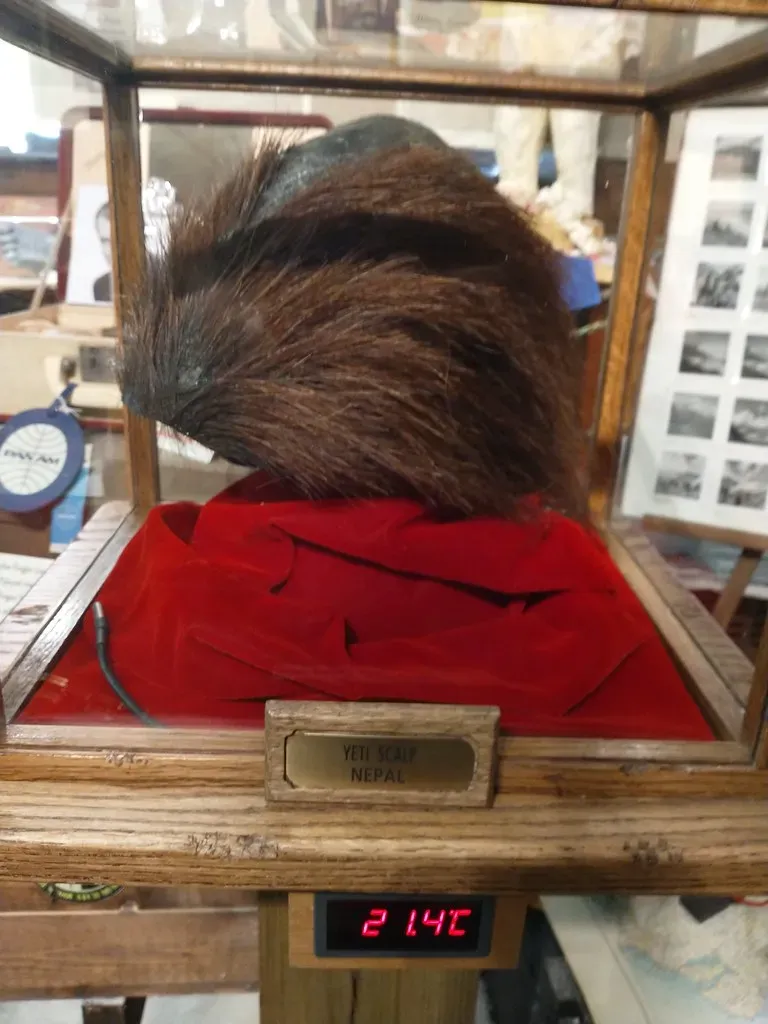
For decades, a Himalayan monastery’s most prized relic was a supposed Yeti scalp, examined by Western explorers and treated as genuine physical evidence of the elusive creature.
The Pangboche monastery in Nepal displayed the relic to visiting Western expeditions throughout the mid-20th century, and early examinations by explorers only fueled speculation that it represented real evidence of an unknown primate species roaming the Himalayas. The scalp became one of cryptozoology’s most tantalizing physical “proofs,” photographed and studied by teams that genuinely believed they might be looking at evidence of an undiscovered hominid.
Later genetic and forensic analysis of hair and tissue samples from the relic determined it was constructed from the skin of a serow, a goat-like animal native to the region, rather than from any unknown primate. The revelation didn’t come quickly or easily – it took modern DNA testing techniques, unavailable to the original investigators, to finally settle the question definitively. The Pangboche scalp remains a favorite case study in how sacred or culturally significant objects can acquire scientific mystique simply through decades of unchallenged assumption.
#8 – The “Minnesota Iceman” Was a Rubber and Latex Prop

A frozen, hairy humanoid figure toured American carnivals and fairs in the late 1960s, presented as a genuine specimen of an unknown primate species encased in a block of ice.
The Minnesota Iceman drew crowds curious to see what its promoters claimed was either a Neanderthal, Bigfoot, or some other undiscovered hominid, frozen and preserved for public viewing. Even some credentialed scientists examined the exhibit and initially expressed interest in its potential authenticity, lending the display an unusual air of legitimacy for a traveling sideshow attraction. The original specimen was quietly swapped out for a fabricated replica once serious scientific scrutiny began closing in, according to accounts from researchers who’d hoped to study it further.
The creator of the exhibit later acknowledged constructing the figure from latex, hair, and other materials rather than presenting genuine biological remains. Despite the eventual admission, the case remains frequently cited in cryptozoology circles because of how close it came to receiving serious scientific attention before the deception unraveled. It stands as a reminder that carnival showmanship and scientific curiosity have crossed paths more often than most people realize.
#7 – The Calaveras Skull Was Planted as a Miners’ Practical Joke
A human skull, supposedly found deep within gold-bearing gravel deposits in California, was presented in the 1860s as evidence that humans had lived in North America far earlier than any theory of the time allowed.
The Calaveras Skull was hailed by at least one prominent scientist as genuine proof of ancient human habitation, given its reported discovery deep within geological layers believed to be extremely old. The find generated significant scientific debate and public fascination, since it seemed to challenge the accepted timeline of human migration into the Americas. Miners in the region later admitted the skull had been planted as a prank, exploiting the credulity of the visiting scientist and the broader public’s appetite for a groundbreaking discovery.
Subsequent testing confirmed the skull was of a much more recent human, not an ancient remain consistent with the geological layer it was reportedly pulled from. The case became a cautionary tale in paleoanthropology about verifying provenance and geological context before making sweeping claims based on a single specimen. It’s also a reminder that not every hoax required elaborate craftsmanship – sometimes a well-placed joke and a credulous audience were enough.
#6 – “Lying Stones” Were Planted to Humiliate a German Professor
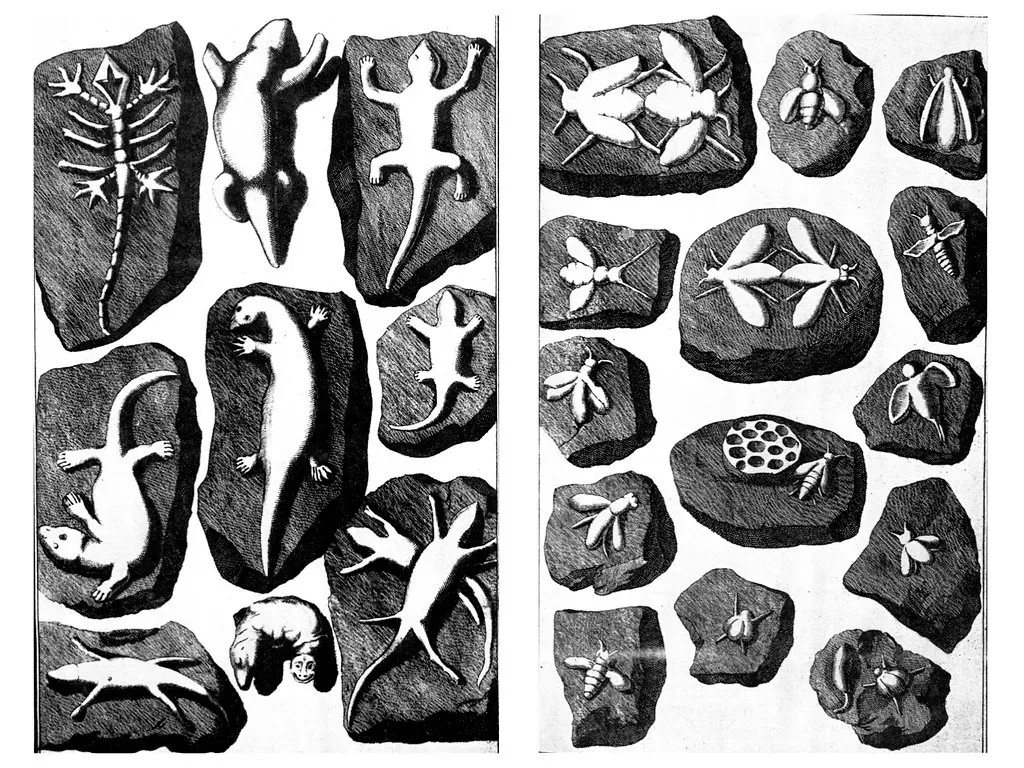
In the early 1700s, a German professor became convinced he’d discovered stones bearing miraculous carvings of suns, moons, comets, and even Hebrew letters of God’s name embedded in solid rock.
Johann Beringer, a professor at the University of Würzburg, published detailed scholarly descriptions of these so-called “lying stones,” genuinely believing they represented some kind of divine or naturally miraculous geological phenomenon. Colleagues jealous of Beringer’s academic standing had secretly carved and planted the stones, hoping to embarrass him into questioning his own judgment before he made outlandish public claims.
The plan worked almost too well: Beringer published his findings before catching on to the deception, permanently damaging his scholarly reputation despite reportedly discovering, and rejecting, one stone bearing his own name that should have tipped him off earlier. The case remains one of the earliest and most thoroughly documented examples of a scientific hoax specifically designed to humiliate rather than profit, and it’s still taught today as a cautionary example about confirmation bias in scientific observation. Beringer spent the remainder of his career trying to buy back and destroy copies of his own discredited publication.
#5 – “Nebraska Man” Was Built From a Single Pig Tooth
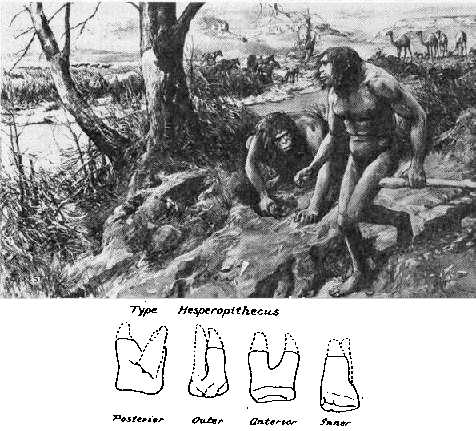
In 1922, a single fossilized tooth convinced prominent scientists they’d found evidence of an early human ancestor living in North America – and illustrations soon depicted an entire imagined humanlike creature based on that one tooth.
The tooth was initially identified as belonging to an ancient hominid and was even presented as supporting evidence during the famous Scopes “Monkey Trial,” a pivotal moment in the American debate over teaching evolution in schools. Full reconstructions and artistic renderings of “Nebraska Man,” including a face and body, circulated in newspapers based on nothing more than that isolated tooth. Further excavation revealed the tooth actually belonged to an extinct species of peccary, a wild pig relative, not any kind of primate or human ancestor.
The scientists involved retracted their identification once more complete evidence came to light, but not before the error had been used publicly to argue against the credibility of evolutionary science. Nebraska Man remains one of the most frequently cited examples of scientific overreach rather than deliberate fraud – an honest mistake amplified by media excitement and ideological stakes on both sides of the evolution debate. It’s a lesson in why paleontologists now demand far more complete evidence before making species-defining claims.
#4 – Archaeoraptor Was Glued Together From 88 Different Fossil Pieces
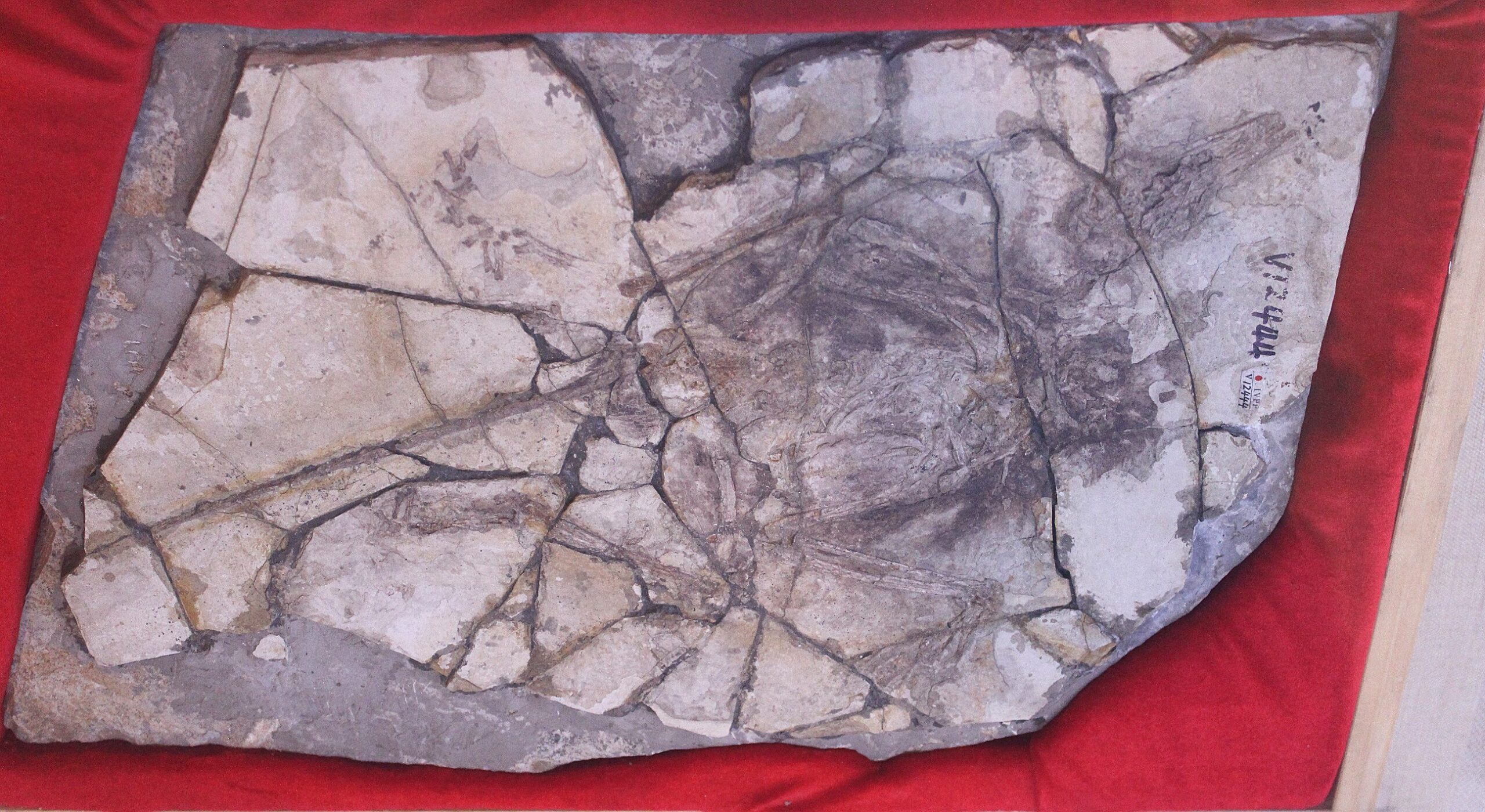
When National Geographic unveiled a stunning new fossil in 1999, it looked like the discovery of a lifetime: a genuine missing link between dinosaurs and birds, complete with wings and a dinosaur’s tail.
In November 1999, National Geographic unveiled Archaeoraptor liaoningensis, a creature with the wings of a bird and the tail of a small dinosaur, and it was believed the bridge between birds and dinosaurs had finally been discovered. The fossil had been smuggled out of China and sold to private collectors before making its way into the scientific spotlight, all while carrying red flags that some experts had already raised before publication. The specimen wasn’t one animal at all. When researchers examined it more closely, they found 88 different fossil pieces glued together to create the illusion of a single half-bird, half-dinosaur creature.
Two of the fossils were later determined to be from two new species of dinosaur, Microraptor and Yanornis. National Geographic pushed ahead with publication even though peer reviewers had already rejected the accompanying scientific paper and cast doubt that the creature existed at all. The scandal became a lasting embarrassment for one of the world’s most trusted scientific publications and a case study in how commercial fossil poaching can corrupt legitimate paleontological research.
#3 – Barnum’s Feejee Mermaid Was a Monkey Sewn to a Fish
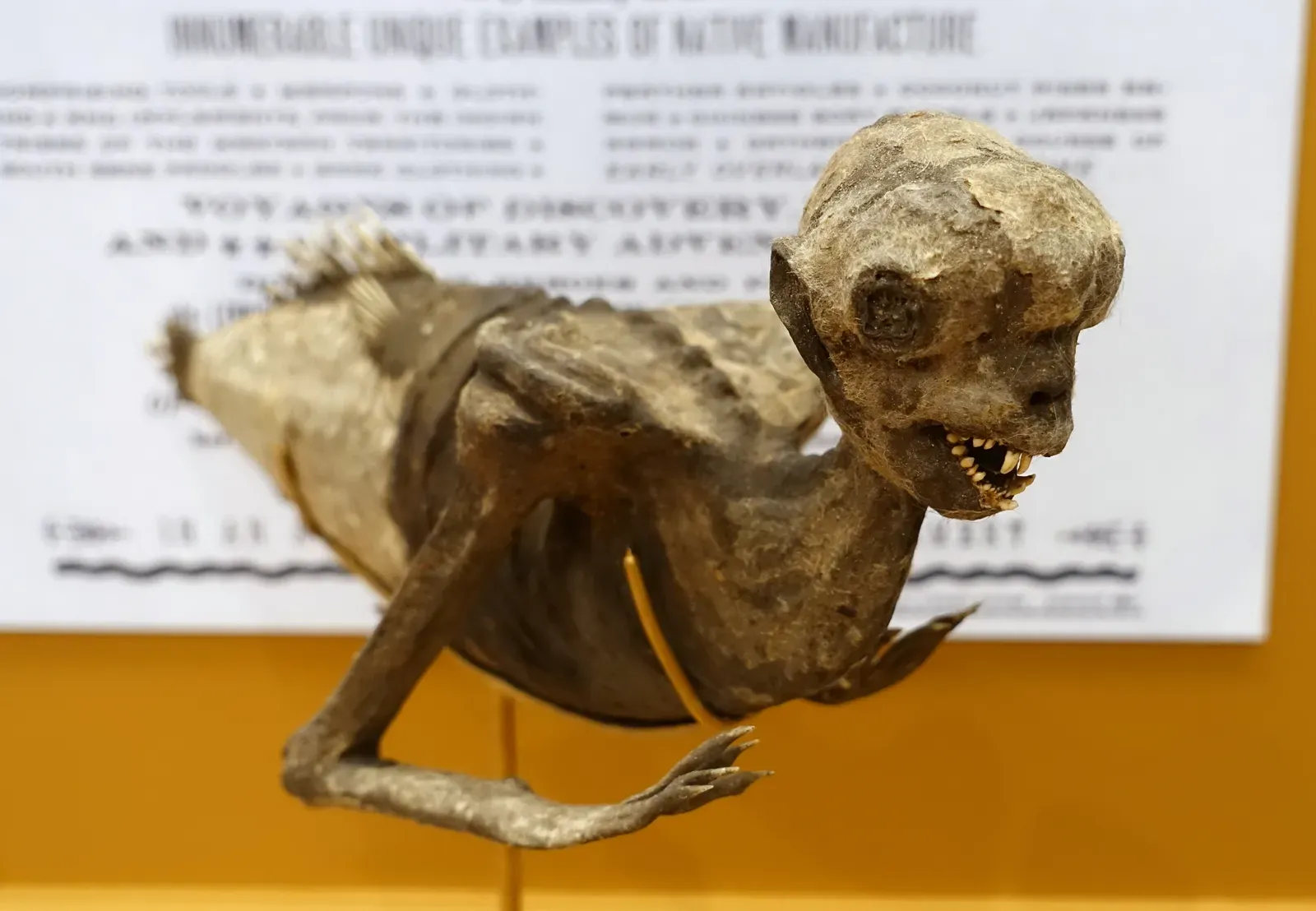
P.T. Barnum’s most infamous exhibit promised visitors a real, preserved mermaid caught in the South Pacific. What they got instead was something far stranger and far uglier than any myth had prepared them for.
The Feejee Mermaid was a hoax promoted by Barnum during the 1840s, the most famous of several fake mermaids exhibited that century. It was an object composed of the torso and head of a juvenile monkey sewn to the back half of a fish, presented in sideshows as the mummified body of a creature supposedly half mammal and half fish. Rather than a seductive siren, viewers found something closer to a nightmare: small, aggressively ugly, teeth bared in a frozen grimace, tufted with brittle hair, and only about the size of a trout.
An “ugly dried-up, black-looking diminutive specimen, about 3 feet long,” with its mouth open and tail turned over, “giving it the appearance of having died in great agony.”
P.T. Barnum, describing his own exhibit
Despite – or perhaps because of – its horrifying look, the exhibit was a massive commercial success. Copies and variations of the “mermaid” concept continued circulating through museums and sideshows for the rest of the century.
#2 – The Cardiff Giant Was a 10-Foot Gypsum Statue Buried on a Farm

For months, thousands of Americans lined up and paid good money to view what they believed was a genuine petrified giant unearthed on a New York farm – proof, some argued, of biblical giants walking the earth.
The Cardiff Giant, sometimes called America’s Biggest Hoax, is a 10-foot-long stone figure touted as a petrified giant, created during the 1860s by George Hull, a businessman from Binghamton, New York. Hull hired men to quarry an eleven-foot block of gypsum near Fort Dodge, Iowa, shipped it to Chicago to be sculpted into the giant, and the finished 3,000-pound figure was shipped again to Cardiff and buried to await its debut. The entire scheme began as a joke about biblical literalism, since Hull reportedly conceived the idea after arguing with a revivalist preacher about stories of giants in Genesis.
The hoax unraveled once experts pointed out a fatal flaw in its geology: gypsum is water-soluble, meaning the giant could not have survived more than a few years in ground with several underground streams. Paleontologist Othniel C. Marsh declared it a fake, and on February 2, 1870, a newspaper exposé included confessions from the masons who had worked on the giant. P.T. Barnum, denied the chance to buy the original, simply built his own competing fake and claimed his was the real one.
#1 – Piltdown Man Fooled Scientists for 41 Years
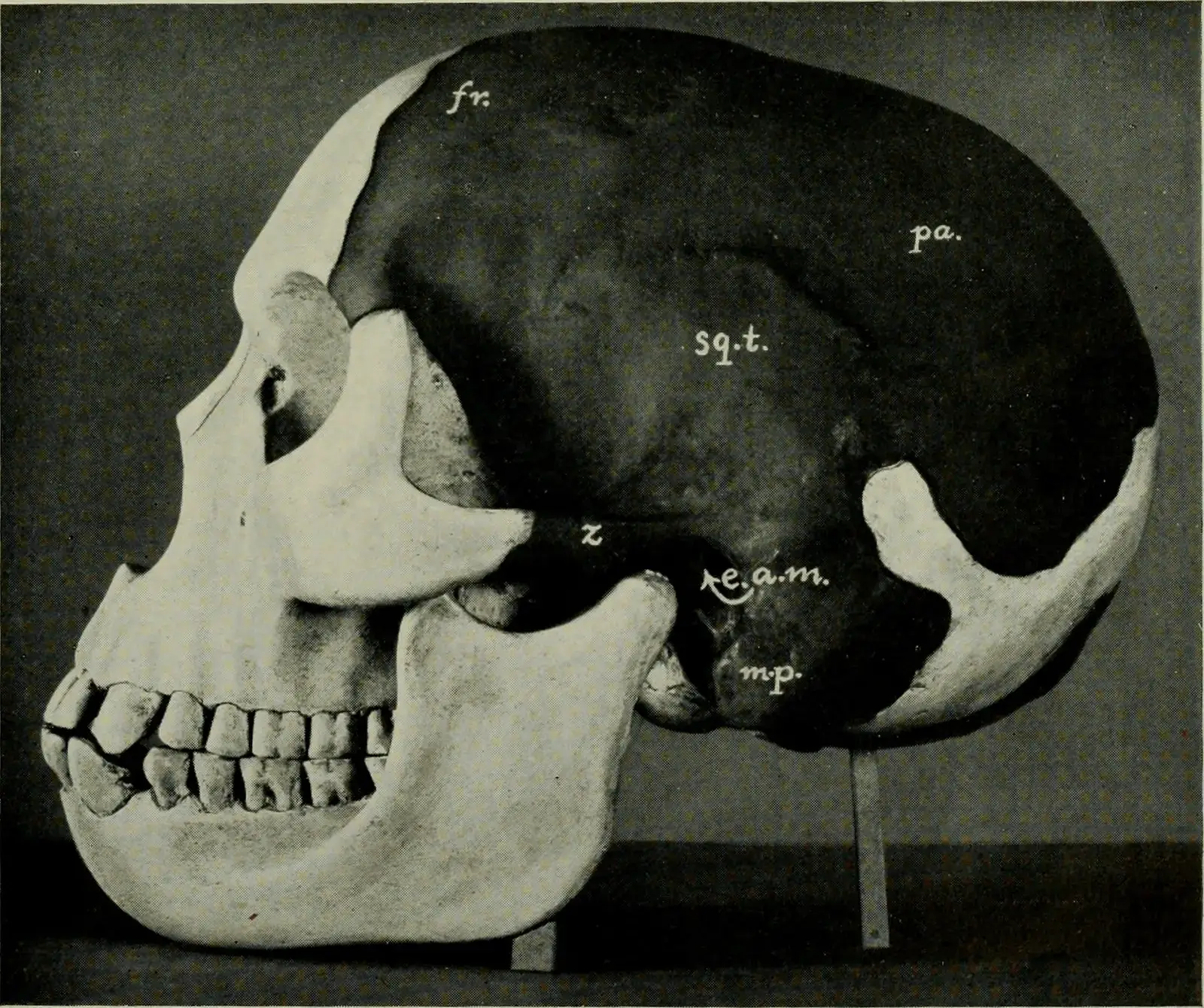
No natural history hoax did more damage to actual science than the “missing link” that convinced the world’s leading anthropologists for over four decades.
Piltdown Man was a paleoanthropological fraud in which bone fragments were presented as the fossilised remains of a previously unknown early human, and although doubts about its authenticity began almost immediately after its 1912 announcement, it was still broadly accepted for many years, with the hoax only definitively exposed in 1953. It was found to have consisted of the altered mandible and some teeth of an orangutan deliberately combined with the cranium of a fully developed, though small-brained, modern human. The forger had even filed down the teeth and stained the bones to make them look ancient – scratches on the jawbone, visible under a microscope, showed the teeth had been filed down to mimic human wear patterns, and most of the finds from the Piltdown site had been artificially stained to match the local gravels.
The hoax is prominent for two reasons: the attention it generated around the subject of human evolution, and the length of time – 41 years – that elapsed from its alleged initial discovery to its definitive exposure as a composite forgery. A 2016 scientific review finally settled the century-old mystery of who was responsible: the likeliest culprit was Charles Dawson, an amateur geologist, archaeologist, and historian who regularly attended meetings of geologists and anthropologists, was an inveterate fossil hunter with access to collections, and knew what prehistoric finds should look like. The damage to actual science was real and lasting: the hoax led scientists down the wrong path in understanding human evolution for decades, and because scientists assumed it was the missing link, some were skeptical of other genuine finds that didn’t match the narrative it suggested.
At a Glance
- Announced: 1912, presented as a missing link between apes and humans
- Exposed: 1953, using modern dating and chemical analysis
- Duration of the deception: 41 years
- Prime suspect named in a 2016 scientific review: amateur archaeologist Charles Dawson
The Bottom Line

These 21 cases prove something museums rarely admit out loud: credibility and authenticity are not the same thing. A confident scientist, a compelling backstory, or a convincing carving has repeatedly beaten genuine peer review, sometimes for generations. Piltdown Man alone delayed real progress in human evolution research for over 40 years, while showmen like Barnum and Koch turned outright fabrication into a profitable business model.
The uncomfortable truth is that skepticism, not credentials, has always been science’s best defense – and it usually arrives embarrassingly late. Which of these hoaxes shocked you the most? Drop your pick in the comments.