
Ask anyone to name a prehistoric animal and you’ll hear the same five names: T. rex, Triceratops, Stegosaurus, maybe a saber-tooth cat if they’re feeling fancy. That’s not because paleontology ran dry decades ago. It’s because entire branches of Earth’s history have been quietly trimmed out of the curriculum for being too weird, too embarrassing, or too inconvenient to explain in a single class period.
Some of these creatures were reclassified into obscurity. Others turned out to be frauds. A few are so genuinely unsettling that showing them to a classroom full of kids apparently felt like a liability. Here are 21 real prehistoric creatures your textbook skipped, and the surprisingly petty reasons why.
#21 – Hallucigenia, the “Mistake” Too Weird for Classrooms
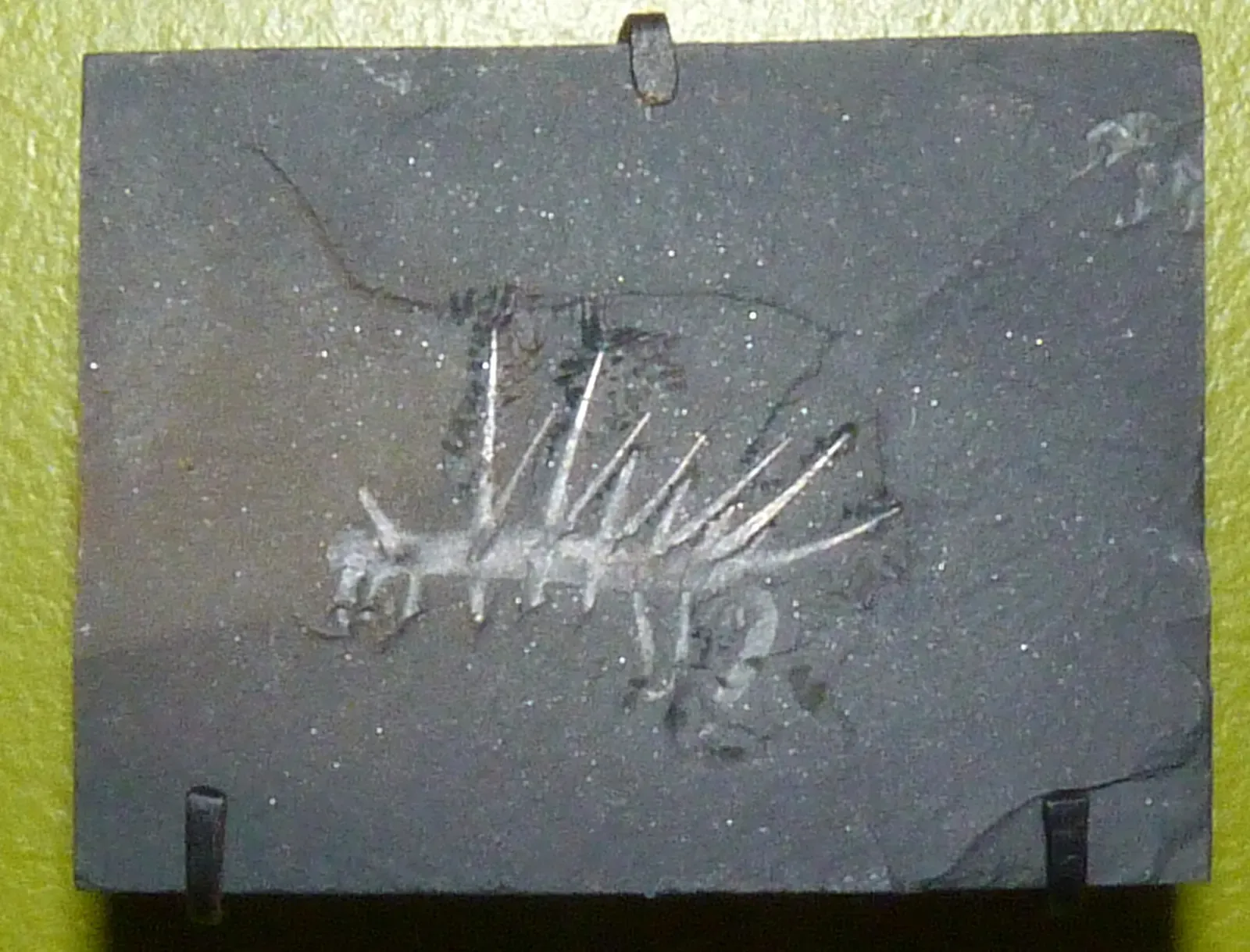
Textbooks love to pretend evolution moves in a straight, tidy line. Hallucigenia blows that up completely. This tiny worm-like creature crawled the seafloor more than 500 million years ago, and it looked like something a sleep-deprived game designer sketched at 3 a.m.
Spikes lined one side of its body, tentacle-like legs lined the other, and for decades scientists literally had its head and tail flipped backward. Paleontologists openly called it a “bizarre mistake of evolution” for years because nobody could figure out which end was which.
Most schools skim the Cambrian Explosion with a single sanitized diagram, so anything this confusing gets cut entirely. But Hallucigenia matters. It’s tangled up in the early history of modern arthropods, the group that gave us insects and spiders, and its lopsided body proves evolution tried dozens of awkward experiments before anything recognizable stuck.
Kids never hear that part of the story, because “evolution flailed around for millions of years before it figured anything out” doesn’t fit neatly on a poster.
#20 – Meganeura, the Dragonfly With a Wingspan Bigger Than a Housecat
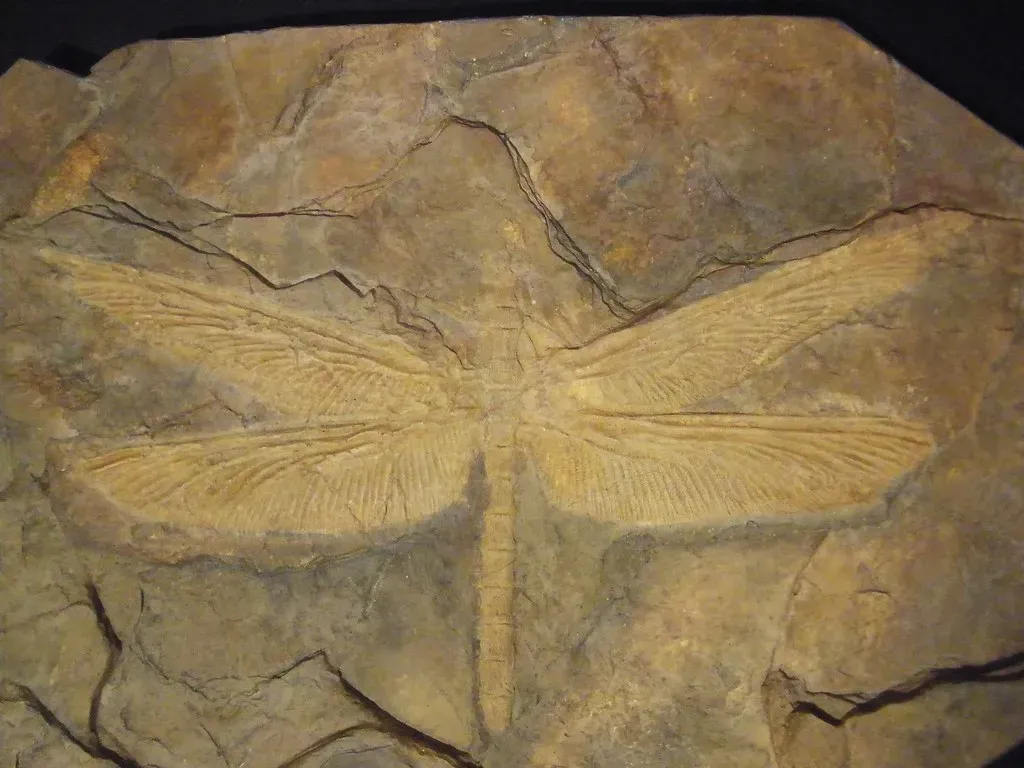
A dragonfly with a wingspan stretching up to two and a half feet should be plastered across every science textbook on the planet. Instead, Meganeura usually gets a single blurry caption, if it shows up at all.
In the swampy forests of the Carboniferous, this thing ruled the skies, snatching other insects and possibly small amphibians right out of the air. Early researchers doubted insects could physically grow that large without snapping their own wings under their own weight.
Fast Facts
- Lived roughly 300 million years ago during the Carboniferous period
- Wingspan reached up to 28 inches, wider than many modern hawks
- Atmospheric oxygen levels were far higher than today’s roughly 21%
- Likely preyed on other insects and possibly small amphibians mid-flight
The reason it vanished from lesson plans is almost funny: teaching it properly means explaining ancient oxygen levels and insect respiration, a topic most curricula simply don’t have time to unpack. Higher oxygen in Earth’s atmosphere likely allowed bugs to balloon to nightmare sizes, but that complicates the comforting idea that ecosystems have always run on the same rules.
So instead of a name, a size, and a genuinely mind-bending explanation, students get a vague mention of “giant bugs” and nothing else.
#19 – Pikaia, the Ancestor Candidate That Lost Its Spotlight
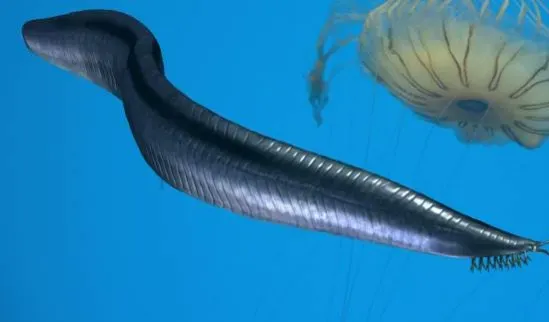
Pikaia used to get hyped in evolution documentaries as “your oldest ancestor,” the humble starting point for every backboned animal on Earth. This tiny, eel-like Cambrian creature had a notochord, a primitive rod that acts like a proto-backbone, which made it a leading candidate for the earliest known chordate.
For a while, Pikaia was pitched as the origin point of every vertebrate alive, including us.
Then science did what it always does: it complicated things. New fossils revealed several other early chordate-like creatures, and Pikaia quietly stopped being “the” ancestor and became just one contender among many.
Instead of updating the story, most textbooks simply stopped mentioning it. It’s easier to show a fish sprouting legs than to explain a ribbon-shaped mystery that might be a distant relative. Students lose something real here: the idea that our lineage started as one gamble among many competing body plans, not as evolution’s predestined winner.
#18 – Hesperornis, the Toothy “Demon Bird” of the Cretaceous Seas
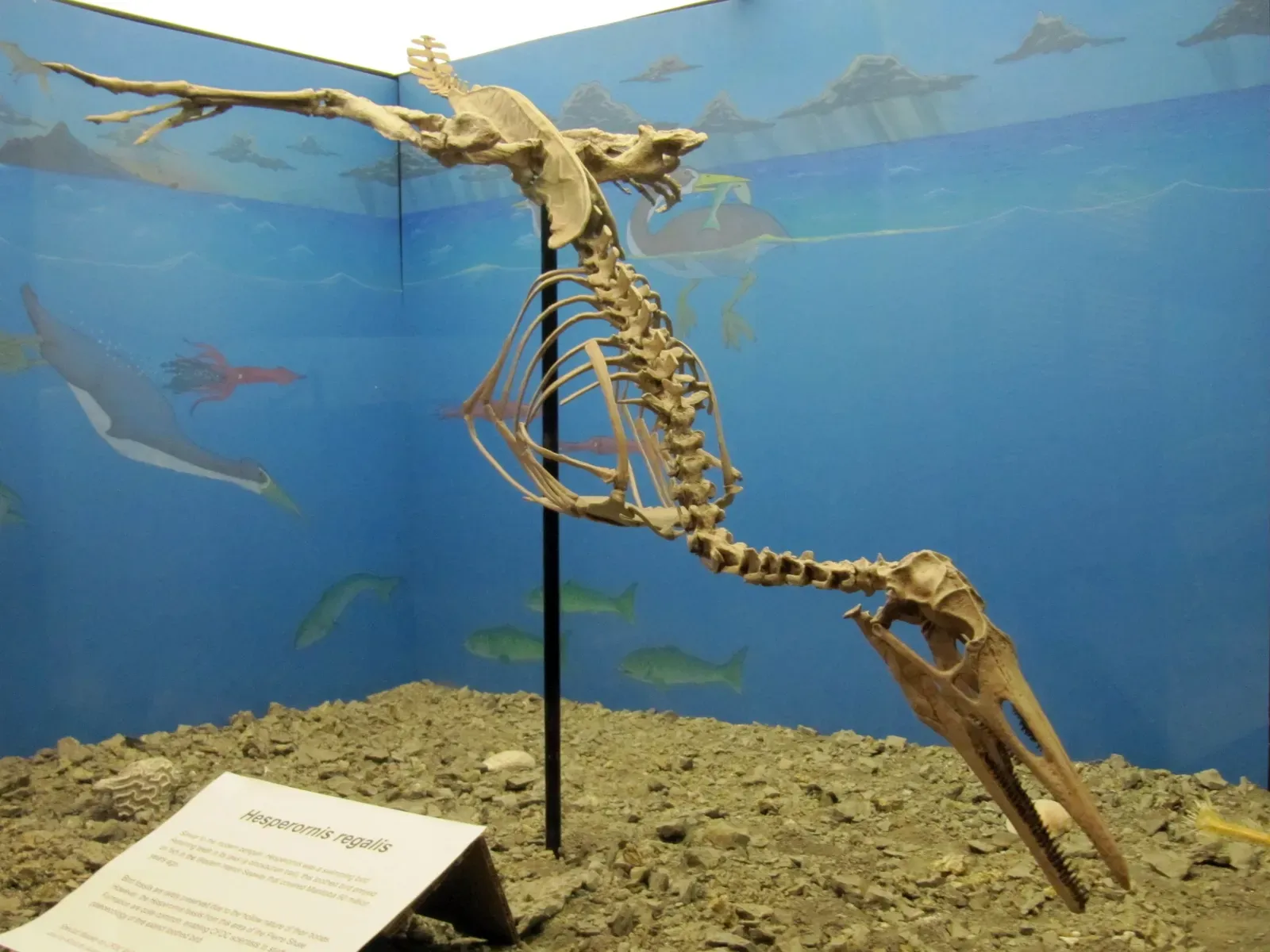
Everyone “knows” birds evolved from dinosaurs. Almost nobody hears about Hesperornis, a flightless, sea-diving bird from the late Cretaceous that looked like a loon crossed with a horror movie extra.
It had sharp, backward-curving teeth lining its beak – a genuine shock to anyone raised on the idea that birds have always had smooth, toothless bills.
Hesperornis exposes an uncomfortable gap in how evolution gets taught. Curricula love a clean chain: reptile becomes dinosaur, dinosaur becomes bird, bird becomes pigeon. A toothed, flightless, deep-diving bird ruins that tidy arrow.
It proves traits like teeth can vanish and later reappear in stranger forms, and that “primitive” doesn’t mean “inferior.” Instead of sitting with that mess, schools bury Hesperornis under safer, more photogenic examples like Archaeopteryx.
#17 – Dunkleosteus, the Armored Fish With Self-Sharpening Bone Blades
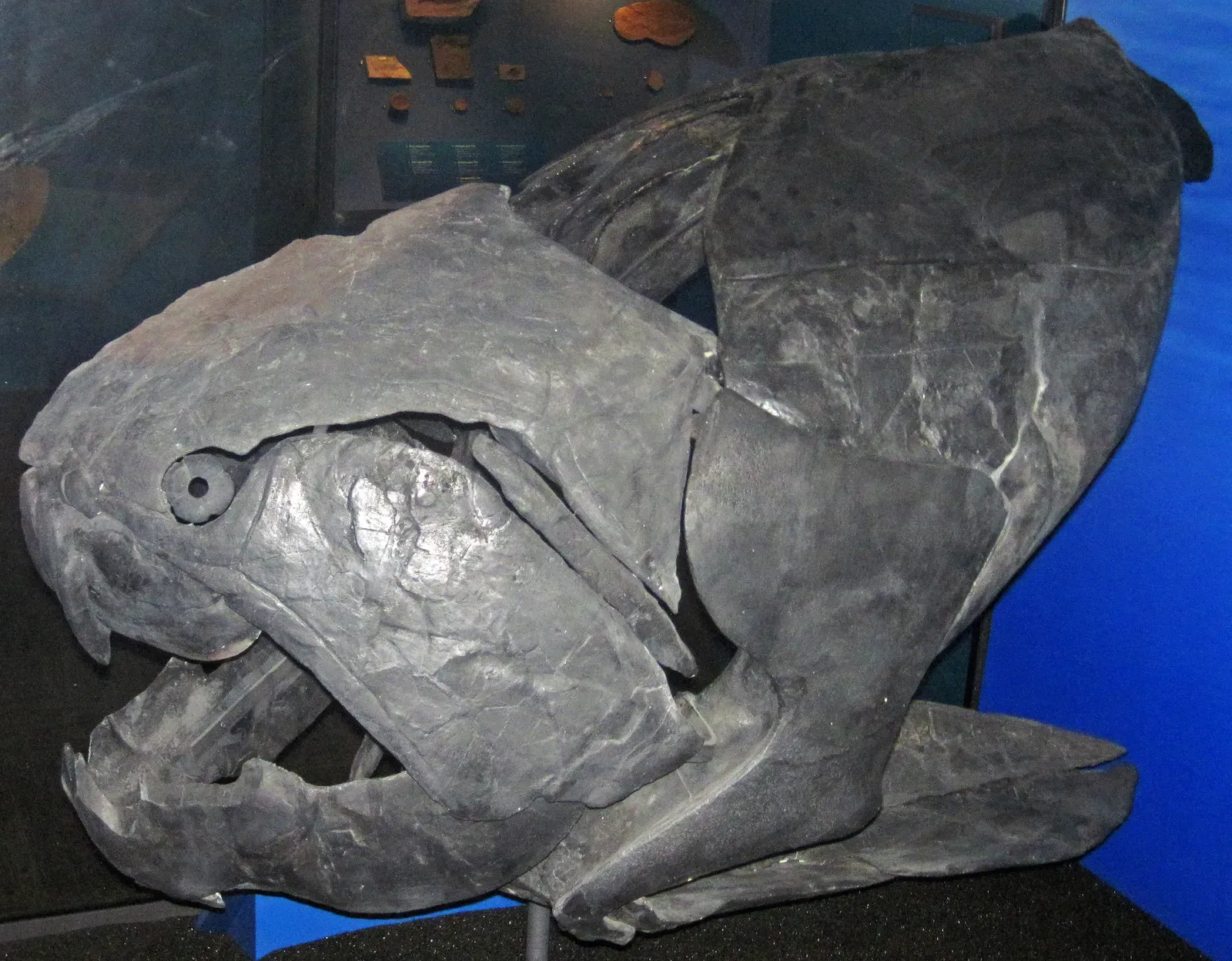
Dunkleosteus was a truck-sized apex predator from the Devonian, wrapped in bony armor plating with jaws that worked like scissors built out of bone. Bite-force estimates put it in the same league as, or beyond, some of today’s top predators.
It didn’t even have teeth – just exposed bone plates ground into cutting edges sharp enough to slice through armored prey.
Why It Stands Out
- Lived roughly 380 million years ago, long before dinosaurs existed
- Grew up to 20 feet long and wore full bony armor plating on its head and neck
- Bite force estimates rival some of the strongest predators alive today
- Had no true teeth – just self-sharpening bone blades
So why isn’t this monster a household name? Simple: it’s not a dinosaur, and paleontology education has been almost entirely captured by “dino-branding.” Anything that doesn’t walk on land with a tail gets shoved to the side, leaving kids with the false impression that dinosaurs were the only terrifying vertebrates in history.
Dunkleosteus also raises an uncomfortable question: entire wildly successful groups, like armored fish, went extinct long before the asteroid that killed the dinosaurs, for reasons scientists still argue about. That kind of unresolved mystery doesn’t test well on a quiz, so it disappears instead.
#16 – Dimetrodon, the “Not a Dinosaur” That Got Quietly Exiled
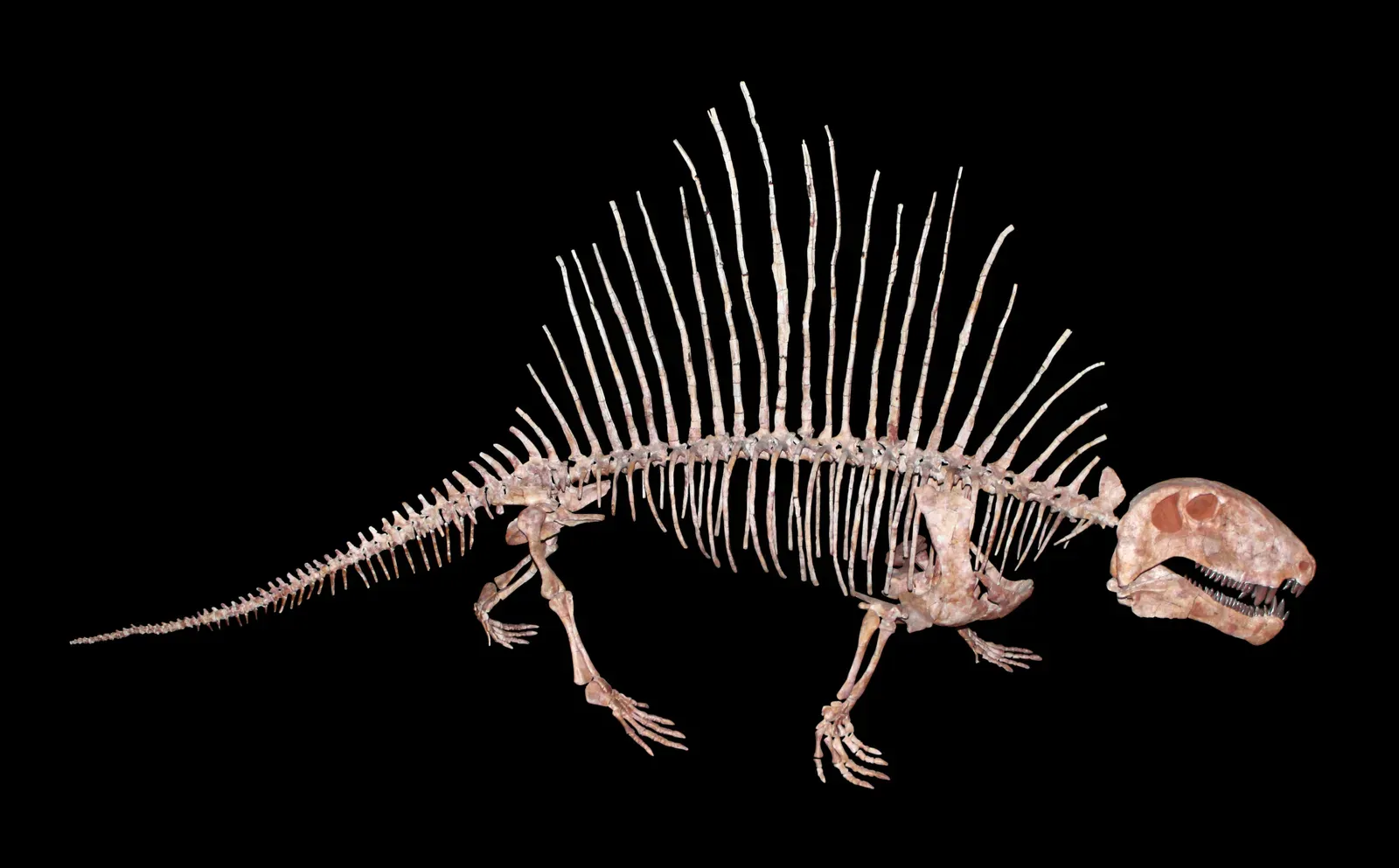
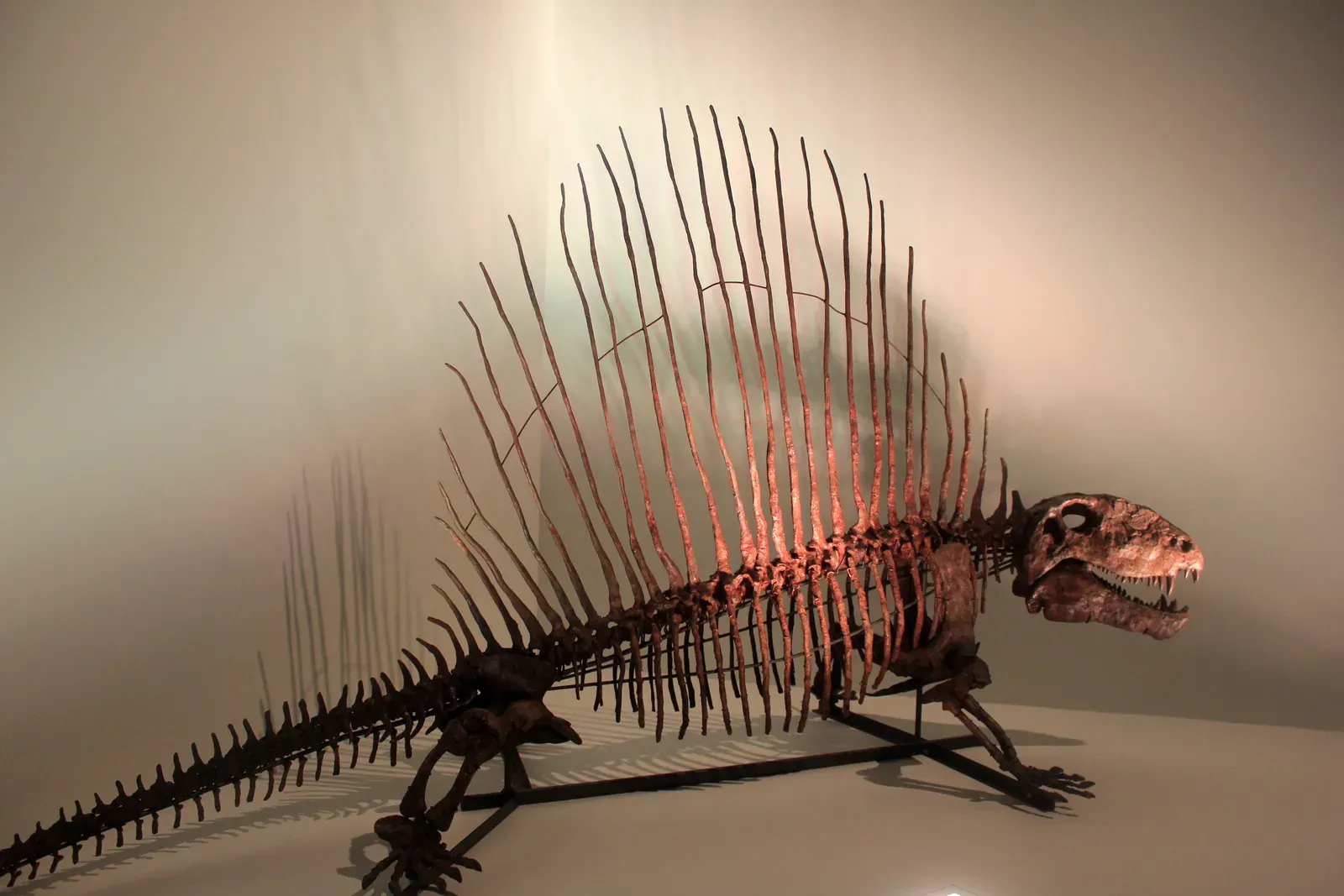
You’ve seen Dimetrodon in kids’ dinosaur books a hundred times: lizard-like body, huge sail on its back, low-slung predatory stance. Except it was never a dinosaur.
Dimetrodon was a synapsid, meaning it’s actually more closely related to mammals – and to us – than to T. rex.
Once that fact settled in, something strange happened. Rather than updating the story to celebrate Dimetrodon as a crucial early relative on our own branch of the family tree, most curricula just quietly dropped it. Teachers got tired of correcting the same misconception year after year, so it was easier to remove the animal than to fix the label.
That’s a genuine missed opportunity. Our ancestors weren’t just timid little shrews cowering from dinosaurs; their broader lineage included serious apex predators millions of years earlier.
#15 – Therizinosaurus, the Plant-Eater With Three-Foot Machete Claws
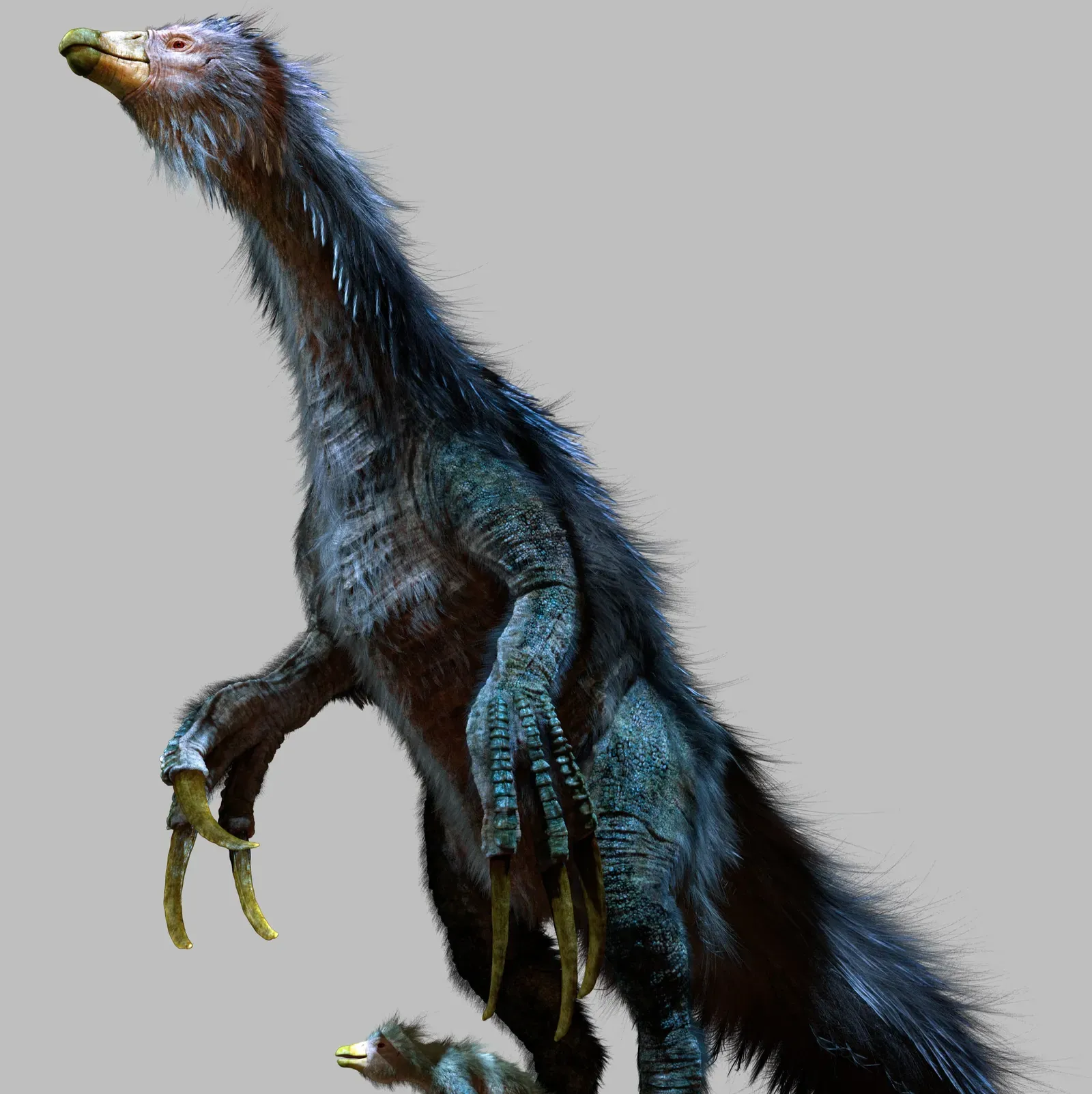
Therizinosaurus looks like a hoax: a pot-bellied, feathered dinosaur with claws stretching over three feet long, among the largest of any land animal ever discovered. Early researchers were so baffled by the claws that some guessed they belonged to a giant turtle.
Modern research suggests it was actually a slow-moving plant-eater that used those terrifying claws for feeding and defense, not hunting.
That single fact wrecks the lazy rule kids get taught: sharp claws and teeth mean predator, flat teeth mean harmless prey. Therizinosaurus demands a more interesting conversation about ecological roles and how evolution repurposes weapons into tools instead of weapons.
It’s easier to roll out Velociraptor for the hundredth time than to explain a giant scythe-armed vegetarian, so this genuinely bizarre, meme-worthy dinosaur stays trapped in documentaries and niche paleo corners of the internet.
#14 – Uintatherium, the “Budget Rhino” Nobody Wants to Explain
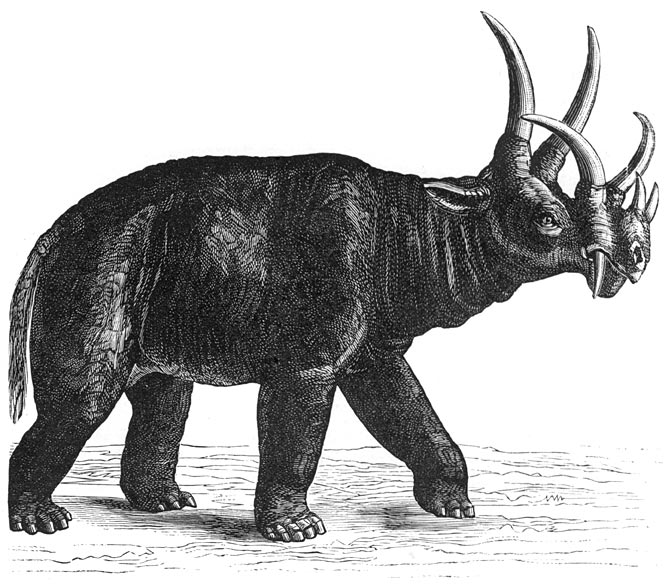
Uintatherium looks like a knockoff rhino from a low-budget movie: bulky body, thick legs, and a bizarre skull studded with blunt horn-like knobs and a pair of saber-like upper canines. It lived during the Eocene, long after the dinosaurs, in a world where mammals were experimenting wildly with size and shape.
Despite growing up to 12 feet long, it’s basically vanished from mainstream teaching.
Here’s the uncomfortable reason: Uintatherium doesn’t fit the hero narrative of “mammals stayed small until the dinosaurs died, then steadily became modern animals.” It’s a dead-end experiment, part rhino, part hippo, part something else entirely, with no living descendant to point to.
Textbooks like clean lineages, like early horse to modern horse. Anything that screams “evolution is messy and full of dead ends,” like Uintatherium, gets trimmed to keep the story simple.
#13 – Pterygotus, the Six-Foot Sea Scorpion Barely Anyone Names
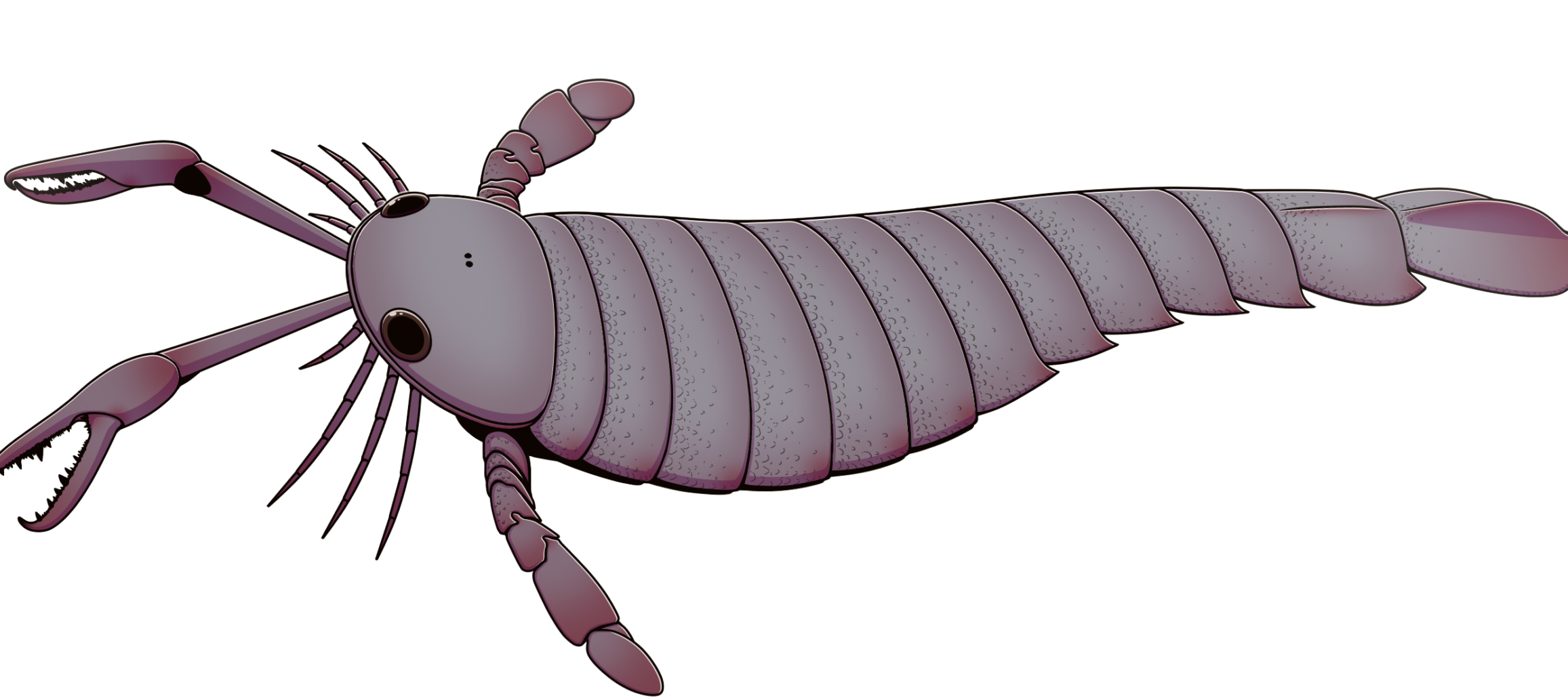
Forget sharks. Meet Pterygotus, a massive sea scorpion that could grow over six feet long, prowling ancient seas and rivers hundreds of millions of years ago. With big grasping claws and a streamlined body built for speed, it was almost certainly an active hunter of fish and other arthropods.
It functioned like an armored underwater predator, long before anything with a backbone ruled the oceans.
Yet when textbooks mention eurypterids at all, they show up as vague “sea scorpions” with no name and no context, and the true giants like Pterygotus disappear entirely. The problem mirrors Meganeura’s: teaching them properly means diving into ancient ecosystems and admitting that terrifying apex predators existed long before reptiles ever showed up.
School curricula quietly pretend “big, scary animal” is a reptile invention. Pterygotus wrecks that comfortable lie, so it stays buried in deep-dive documentaries instead.
#12 – Leedsichthys, the Gentle Giant Bigger Than Most Whales
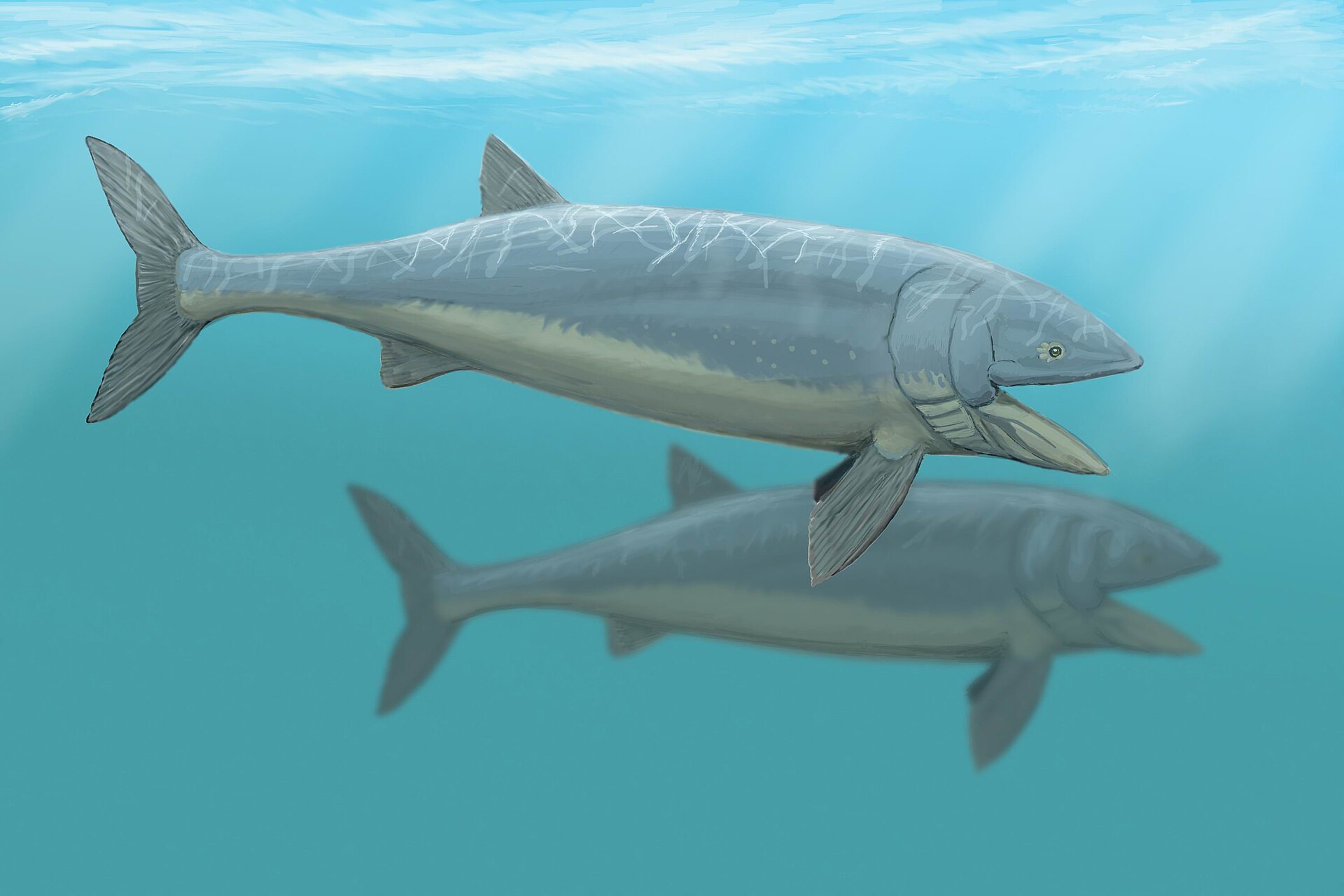
Ask someone to name a giant prehistoric sea creature and you’ll hear Mosasaurus, maybe Liopleurodon thanks to one infamous documentary. Almost nobody mentions Leedsichthys, a Jurassic filter-feeding fish that may have stretched past 50 feet long.
It was likely larger than almost any bony fish alive on Earth today.
So why isn’t it famous? Two reasons. Its fossils are frustratingly incomplete, forcing constantly revised size estimates that textbook writers hate dealing with. And it’s a gentle giant, and education, like Hollywood, prefers toothy killers over massive plankton-eaters.
A creature that could completely reshape how students picture ancient oceans gets reduced to a footnote instead. Ironically, Leedsichthys would be the perfect bridge to talk about modern whale ecology and overfishing, but that connection almost never gets made.
#11 – Plateosaurus, the Dinosaur Too “Normal” to Bother Teaching
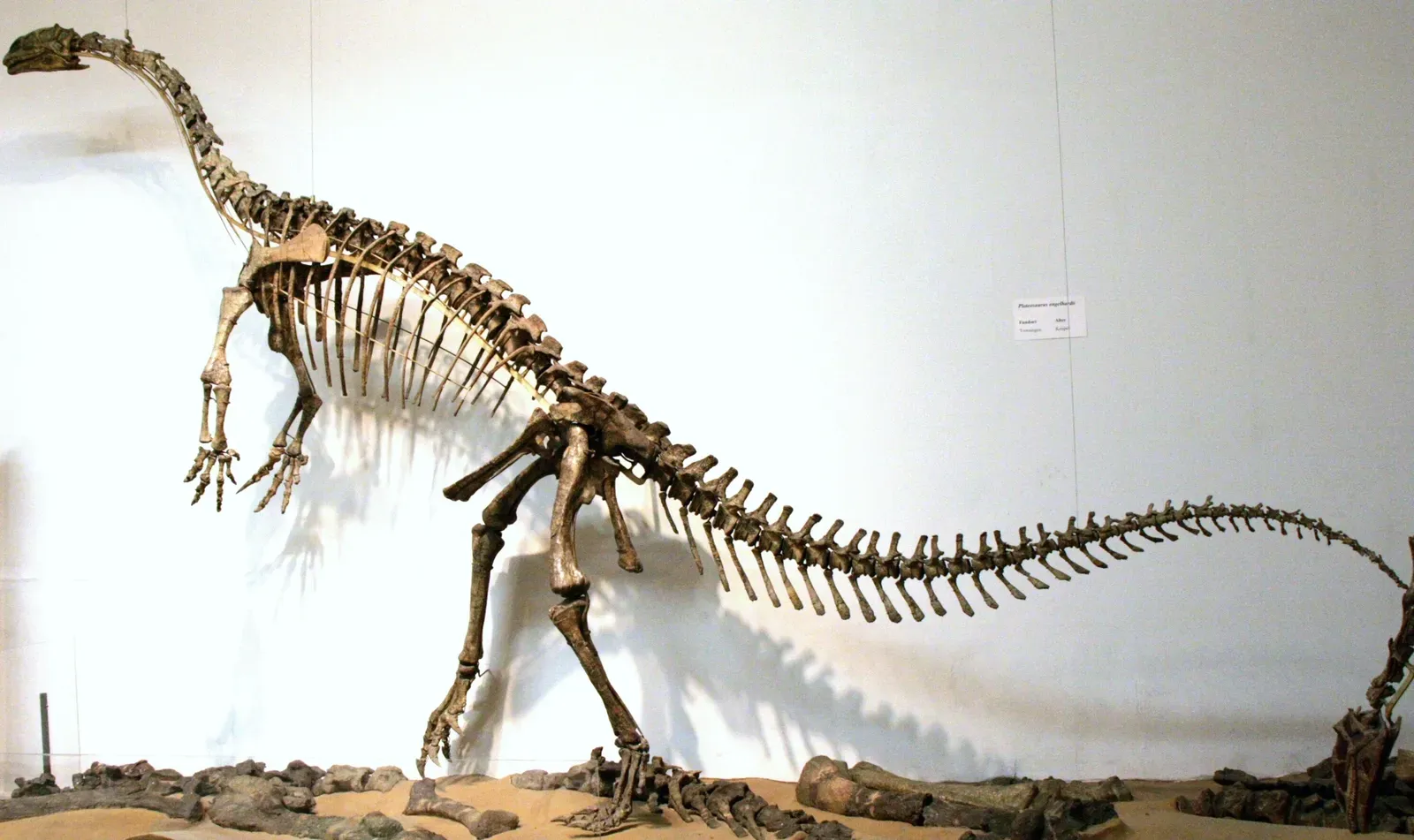
Plateosaurus was one of the earliest large herbivorous dinosaurs we know well, a long-necked, long-tailed creature from the Late Triassic that could stretch 30 feet long. It lived long before the Jurassic celebrities and shows exactly how dinosaurs first scaled up in size.
We have thousands of its bones from multiple bonebeds, making it one of the best-documented early dinosaurs on record.
And yet it’s practically invisible in popular teaching. The unspoken rule seems to be that if a dinosaur isn’t spectacularly strange, heavily armed, or from the flashy Late Cretaceous, it doesn’t make the cut.
That’s a real mistake. Plateosaurus holds key clues about how dinosaurs diversified after earlier extinctions and how classic long-necked sauropods got their start. Skipping it is like skipping the pilot episode of a show and expecting the rest of the plot to make sense.
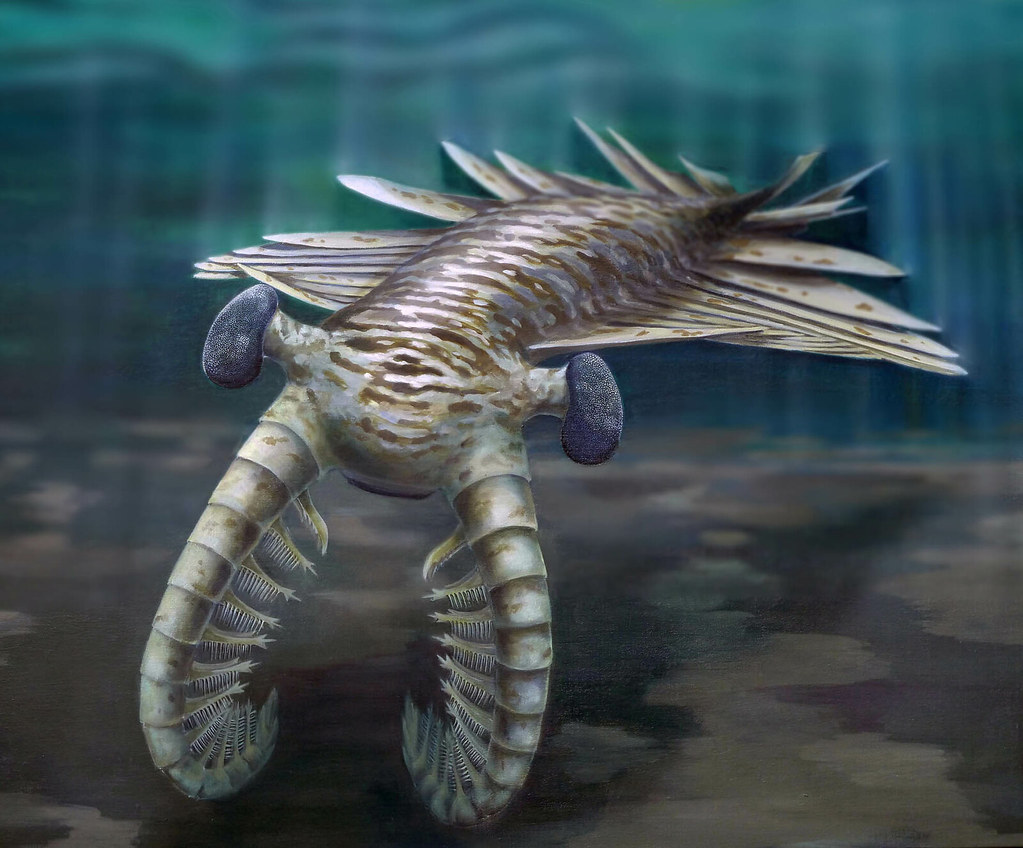
#10 – Anomalocaris, the Cambrian Predator That Got Edited Out
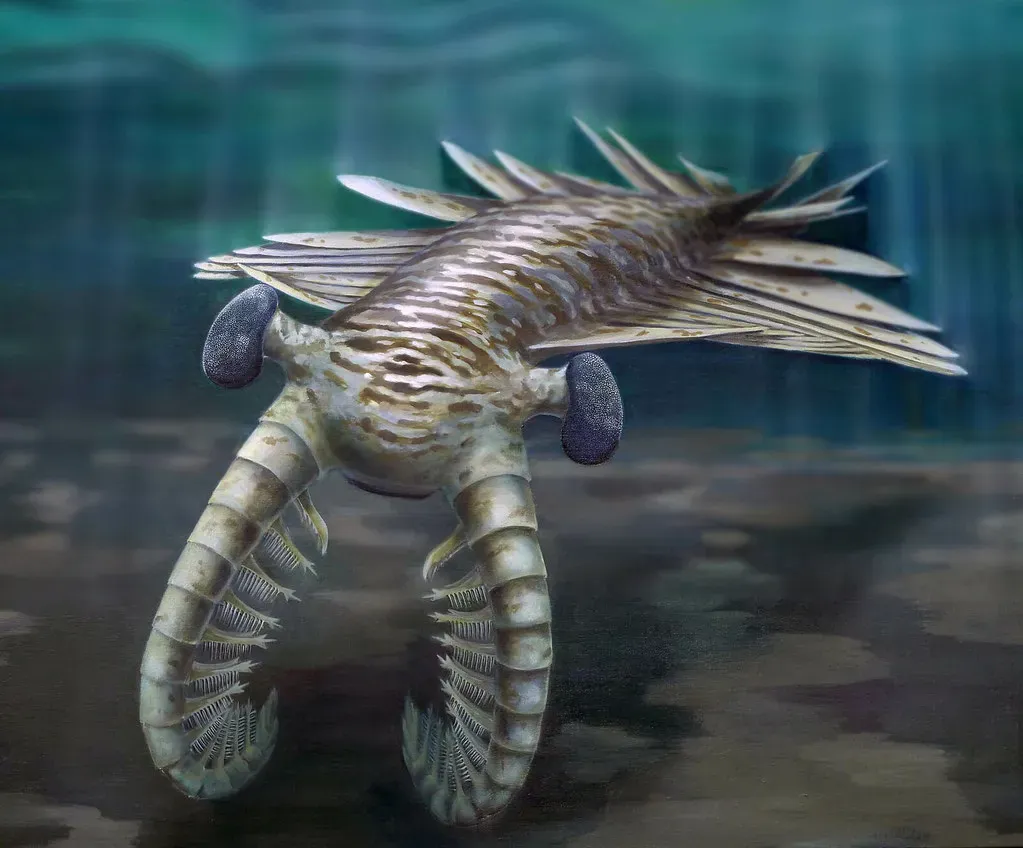
Anomalocaris should be a superstar. Over half a billion years ago, this bizarre predator swam through Cambrian seas with segmented, grasping appendages and a circular, toothed mouth built like a blender.
It was likely one of the very first large, active predators in the entire history of animal life.
But bringing it into a classroom means unpacking some genuinely complicated ideas, including:
- The Cambrian Explosion as a full-blown evolutionary arms race
- How entire body plans emerged, failed, and got replaced within millions of years
Most curricula reduce that entire era to “life got more complex” and slap in a generic trilobite drawing. Anomalocaris complicates that comfortable arc because it went extinct without leaving direct descendants, despite once ruling as the biggest predator on the planet.
That doesn’t match the reassuring idea that winners survive and losers vanish. Sometimes the most dominant predator of an era simply disappears anyway, which is exactly why students should hear about it instead of finding it gatekept inside advanced paleontology courses.
#9 – Gastornis, the Giant Bird Everyone Miscast as a Monster
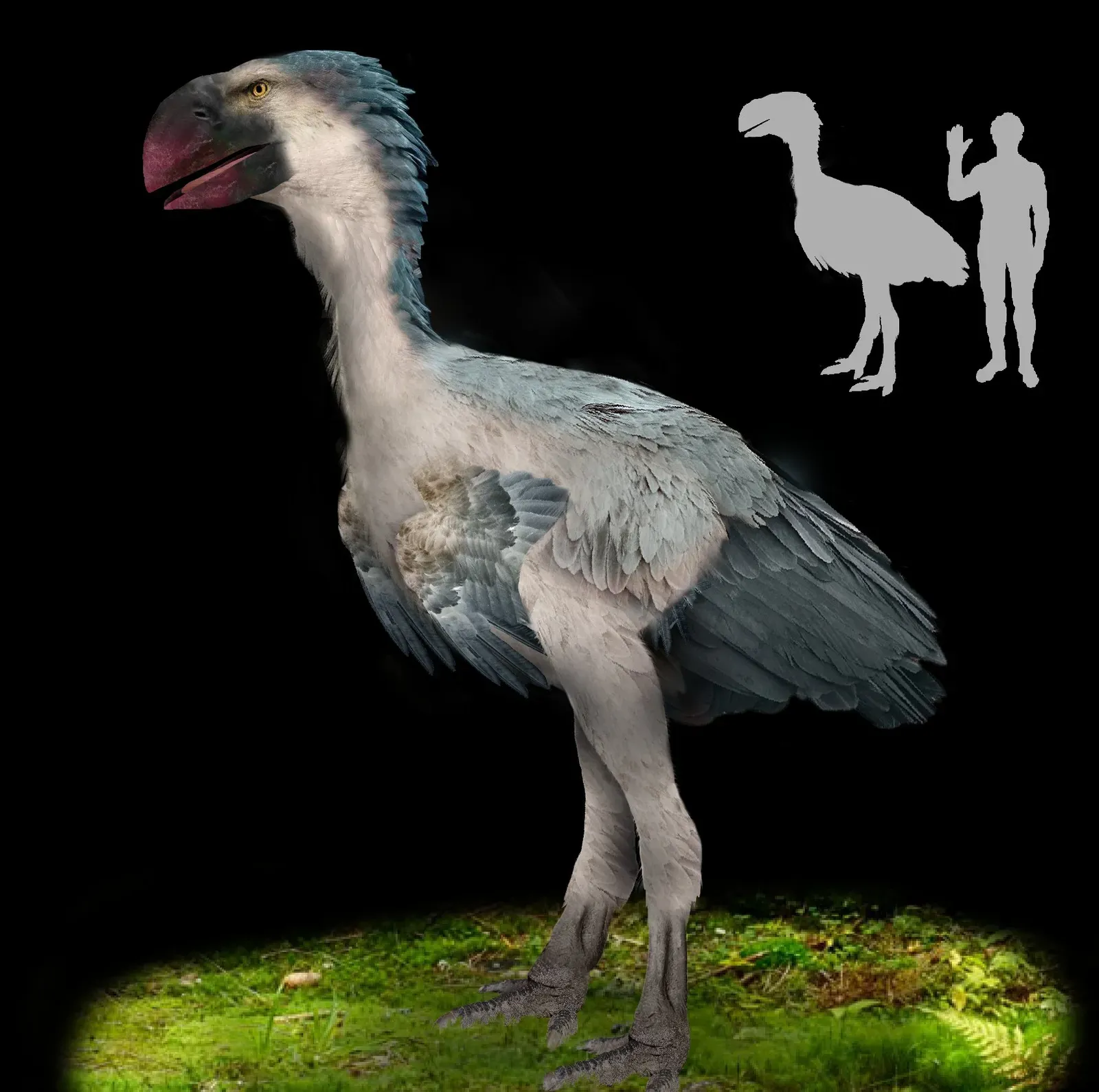
Gastornis, once known as Diatryma, was a huge flightless bird stalking early Cenozoic forests. For decades, it was drawn as a brutal top predator, snatching small mammals in its massive beak like something out of a nature-documentary nightmare.
Newer evidence suggests it was probably mostly herbivorous, nowhere near the mammal-eating terror it was sold as.
Worth Knowing
- Lived roughly 56 to 40 million years ago, shortly after the dinosaurs vanished
- Stood as tall as 6.5 feet, with a massive, deep-set beak
- Was originally described under the name Diatryma before scientists merged the two
- Beak-wear patterns and chemical analysis now point to a mostly plant-based diet
Here’s the twist: instead of using this as a textbook example of science correcting itself, most materials just quietly removed Gastornis altogether. Rather than admit we dramatized it and then walked it back, it got memory-holed.
That’s a wasted teachable moment. Students could watch new data, like beak structure and isotopic analysis, overturn old assumptions in real time. Instead they get the illusion that paleontology is settled and tidy, when really it’s a constant argument that occasionally admits it was wrong.
#8 – Rhamphorhynchus, the Pterosaur That Lost to Pteranodon’s PR Team
![#8 - Rhamphorhynchus, the Pterosaur That Lost to Pteranodon's PR Team (Originally from ru.wikipedia; description page is/was [1]., Public domain)](https://nvmwebsites-budwg5g9avh3epea.z03.azurefd.net/dinoworld/9c27a9d27c7bdca00cafb52a374407c6.webp)
Ask a random person to picture a pterosaur and they’ll describe Pteranodon: big crest, no tail. Meanwhile Rhamphorhynchus, an earlier pterosaur with a long, stiff tail ending in a diamond-shaped vane, gets almost no love at all.
Its fossils preserve stunning details, including wing membranes and even preserved stomach contents.
It’s mostly missing from modern textbooks for a genuinely dumb reason: pop culture already locked in “the” pterosaur image, and everything else gets treated as a confusing exception not worth mentioning.
That’s lazy. Rhamphorhynchus shows the early experimental phase of reptile flight, with different aerodynamic solutions than the short-tailed forms that came later, plus rare direct evidence of diet and behavior. Instead of using it to show flight evolving through trial and error, the story gets sanded down to one generic flying reptile.
#7 – Gorgonopsids, the Mammal-Faced Predators We Quietly Erased
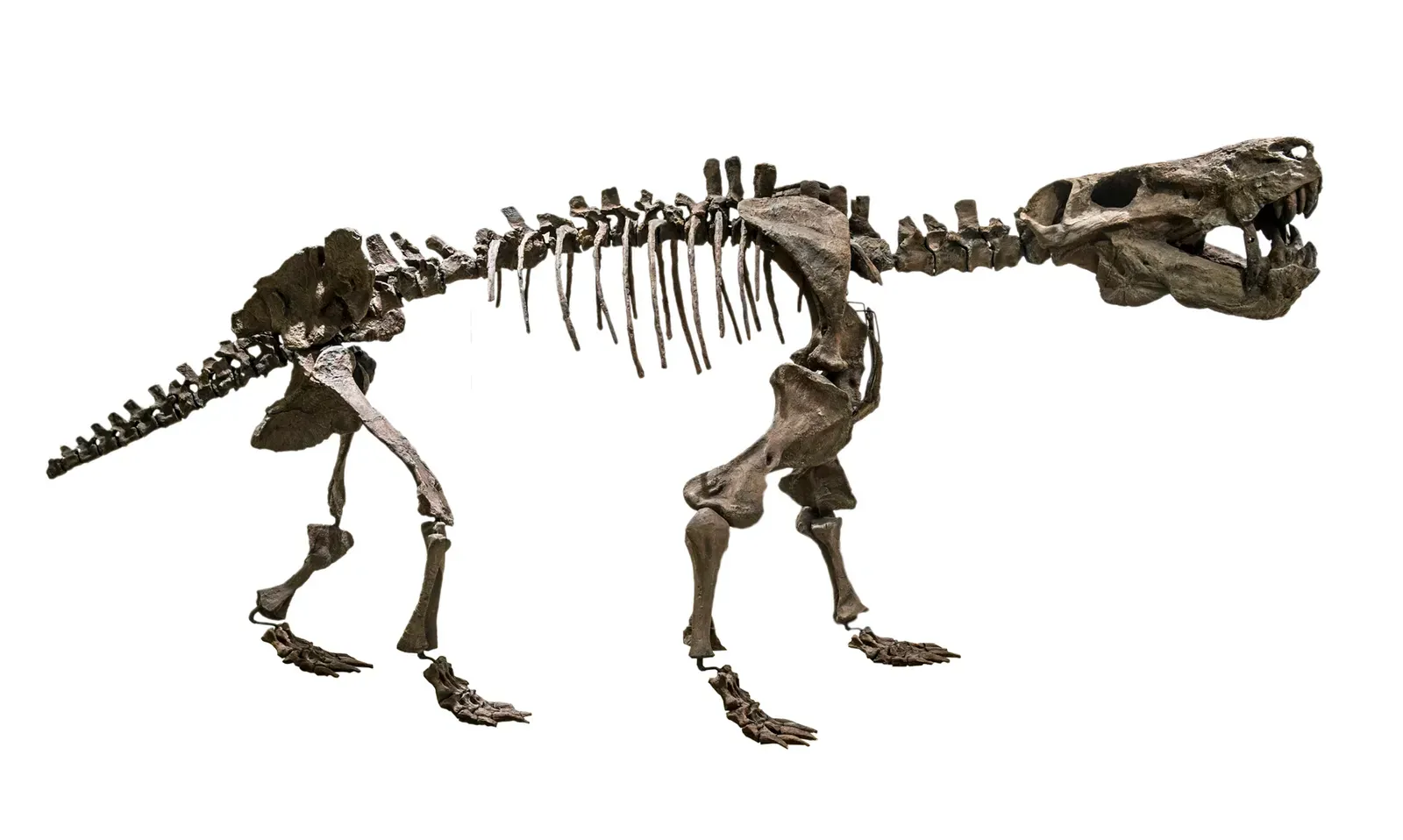
Before dinosaurs ever took over, Earth was ruled by synapsids, our side of the family tree. Among them were the gorgonopsids, sleek predators with saber-like canine teeth and skulls oddly reminiscent of mammals.
They were the apex hunters of the late Permian, shaping entire ecosystems tens of millions of years before the first dinosaur ever existed.
Modern science has massively upgraded their importance, showing that mammal-style jaws, teeth, and metabolism may have started evolving far earlier than most people assume. And yet most curricula jump straight from “amphibians and reptiles” to “dinosaurs,” skipping this entire pre-dinosaur empire completely.
Why? Admitting it forces an uncomfortable truth: mammals didn’t start out as timid underdogs. Their ancestors were once the dominant bullies on the planet, and then got wiped out. That story is messier and less heroic, so gorgonopsids get ghosted, even though they belong at the center of the story of where we came from.
#6 – Iguanodon, the Original Dinosaur Celebrity Nobody Talks About
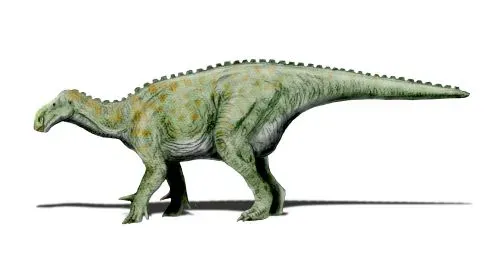
In the 19th century, Iguanodon was a genuine celebrity. One of the very first dinosaurs ever named, it starred in early reconstructions and even hosted a literal Victorian dinner party held inside one of its life-size models.
Today it’s been overshadowed by flashier hadrosaurs, despite being crucial proof that giant land-dwelling reptiles once ruled the planet.
The real animal was fascinating: a hefty herbivore with a thumb spike likely used for defense or foraging, and complex teeth built for grinding plants. But modern textbooks compress “ornithopods” into a single token duck-billed example and move on.
Iguanodon’s tangled history of misinterpretation, from giant lizard, to rhino-like quadruped, to a more accurate bipedal hybrid, could perfectly illustrate how scientific models evolve over time. Instead, the dinosaur that helped define the word “Dinosauria” has been demoted to near invisibility.
#5 – Moeritherium, the “Wrong” Elephant That Breaks the Cartoon Story
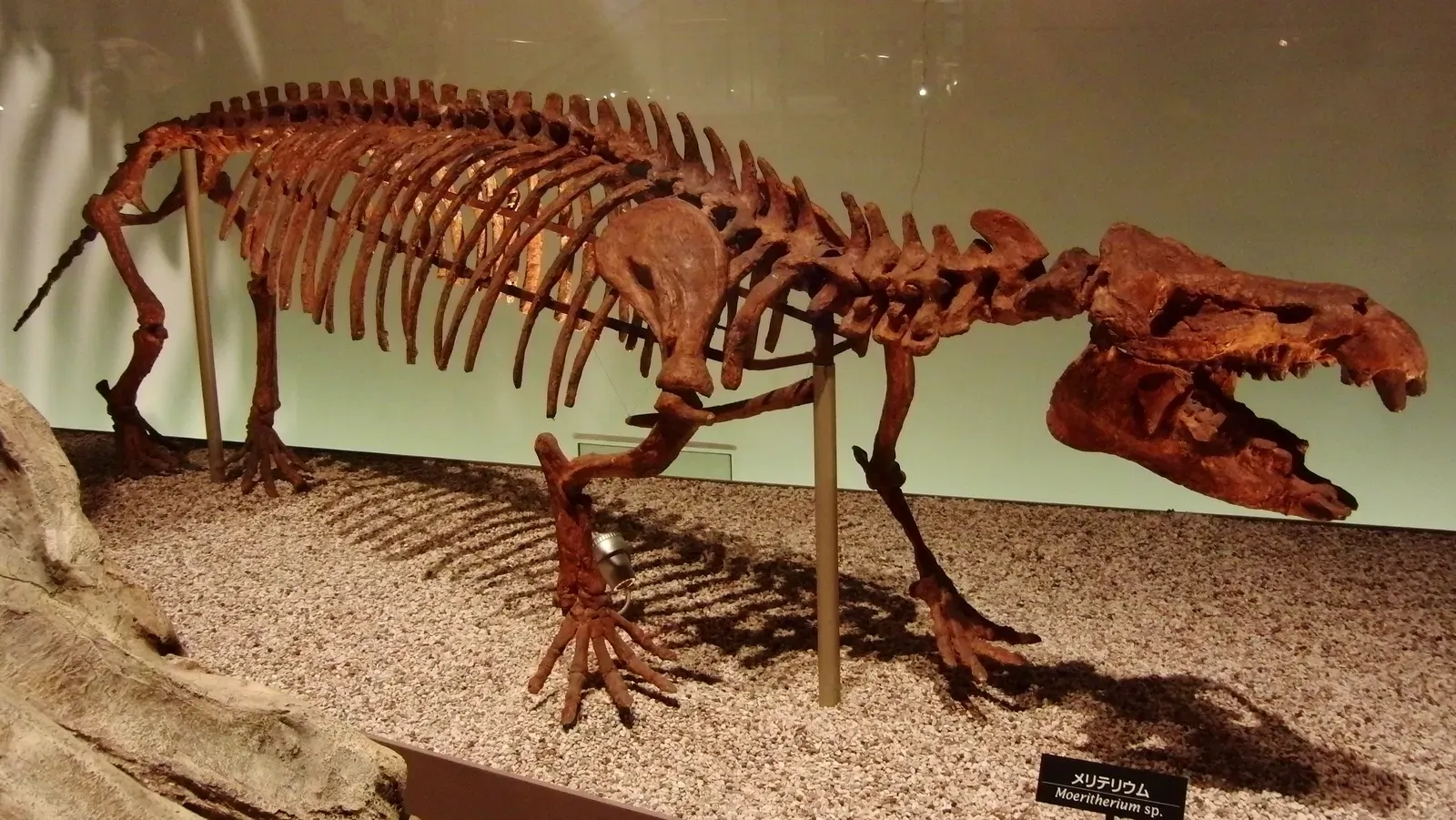
Kids get fed a cute evolutionary storyboard: small furry thing, then mammoth, then elephant. Reality is uglier and far stranger, and Moeritherium proves it. This small, semi-aquatic mammal from the Eocene sits on the elephant family line, but it looked more like a hippo-pig hybrid.
It may have had nothing more than a short trunk or an enlarged upper lip, nothing close to what we picture today.
Show this to a class and the first reaction is always, “That’s not an elephant.” Exactly, and that’s the entire point. Evolution doesn’t care about our need for visual continuity; it repurposes bodies for new lifestyles, like wading through swamps, then changes direction again generations later.
Instead of using Moeritherium to smash the “ladder to perfection” myth, textbooks skip straight ahead to more obviously elephant-shaped animals like Deinotherium or mastodons. The experimental prototypes get erased because they complicate the feel-good story.
#4 – Basilosaurus, the Terrifying Whale With Leftover Legs
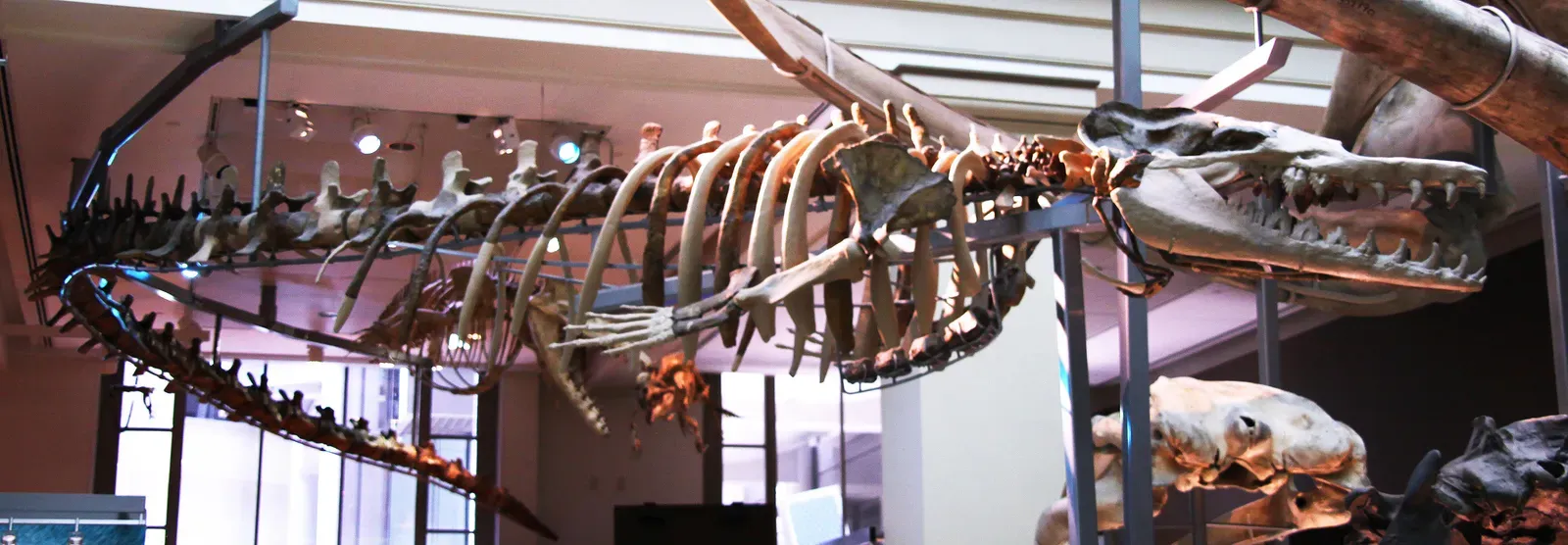
Basilosaurus is the evolutionary mic-drop we almost never show properly. Despite the name meaning “king lizard,” it was an early whale: a long, serpentine ocean predator that hunted other marine animals, including smaller whales, across the Eocene seas.
It still had small but unmistakable hind limbs – tiny, functionless legs – attached near its tail.
Quick Compare
- Basilosaurus: up to 60 feet long, tiny non-functional hind legs, late Eocene predator
- Modern blue whale: up to 100 feet long, no visible hind limbs whatsoever
- Modern dolphins and whales: still carry hidden vestigial pelvic bones inside their bodies
If you’re trying to teach evolution clearly, this animal should be front and center. A killer whale with leftover legs is basically a full-color infographic that explains itself. Instead, many curricula either compress whale evolution into a single diagram or reduce Basilosaurus to a passing label.
Some education systems quietly avoid lineages that display such blatant, large-scale evolutionary change, worried about political backlash. Others just prefer simpler, less emotionally charged examples. Either way, students rarely see one of the clearest transitional fossils ever discovered.
#3 – Hyaenodon, the “Super Predator” That Isn’t a Hyena at All
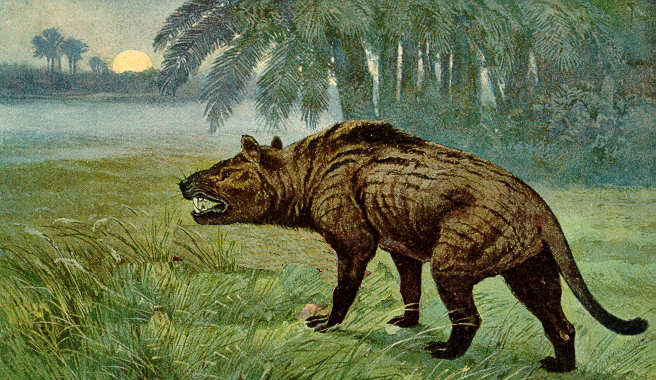
Hyaenodon sounds like a hyena and gets treated like a forgettable also-ran carnivore, so it almost never survives the cut for limited textbook space. That’s wildly misleading. This genus included some of the largest land predators of the entire Cenozoic era.
Its skulls stretched over two feet long, packed with bone-crushing jaws built to take down large prey.
It belonged to an entirely different, now-extinct group called hyaenodonts, unrelated to modern cats, dogs, or hyenas. Ignoring it erases a critical truth: after the dinosaurs disappeared, mammalian carnivore evolution wasn’t a straight line from “wolfish thing” to “lion.”
Whole predatory dynasties rose and ruled for tens of millions of years before vanishing completely. Modern science accepts that today’s carnivores are just the latest wave, not some inevitable endpoint. Education still acts like they were destined to win, and Hyaenodon is living proof that they weren’t.
#2 – Opabinia, the Five-Eyed Oddity That Made Scientists Laugh
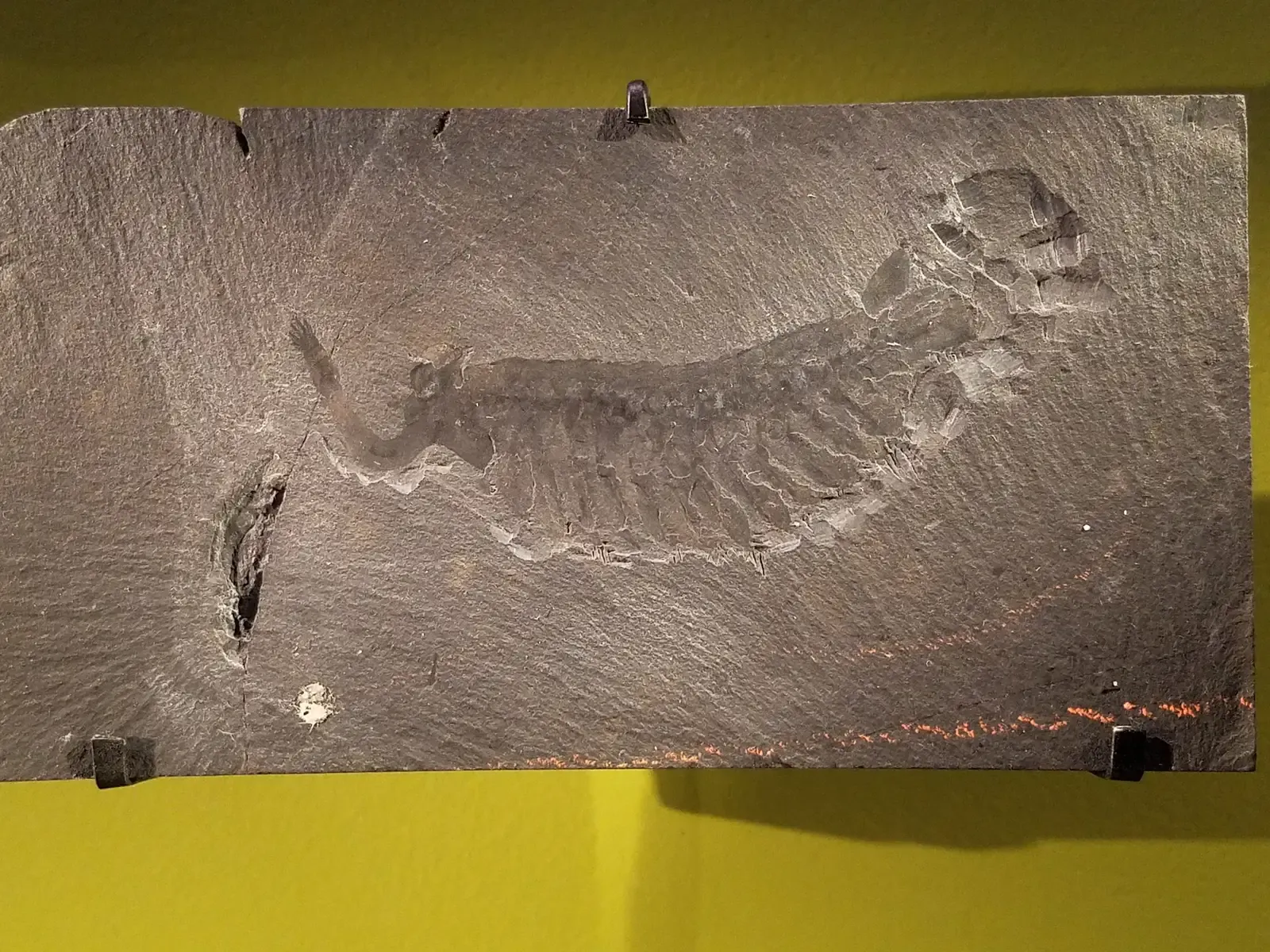
Opabinia is so strange that when it was first presented to a room full of scientists, the audience reportedly burst out laughing. This soft-bodied Cambrian animal had five eyes on stalks and a long, flexible proboscis ending in a claw, looking like something generated by a glitching AI decades before AI existed.
Nothing alive today shares its body plan, which is exactly why it disappeared from classrooms almost entirely.
This is exactly the kind of animal that belongs in every “what evolution really looked like” lesson. It proves early animal life was a wild design contest, full of body architectures that later vanished completely and left no descendants behind.
Education has a lazy unwritten rule: always tie the weird thing back to something alive today. Opabinia refuses to cooperate, and that refusal is exactly why paleontologist Stephen Jay Gould spent so much of his career defending creatures like it as proof that history could have turned out completely differently.
Wind back the tape of life to the early days of the Burgess Shale, let it play again from an identical starting point, and the chance becomes vanishingly small that anything like human intelligence would grace the replay.
Stephen Jay Gould
That’s uncomfortable, destabilizing, and completely true.
#1 – Archaeoraptor, the Famous Fraud Science Would Rather Forget
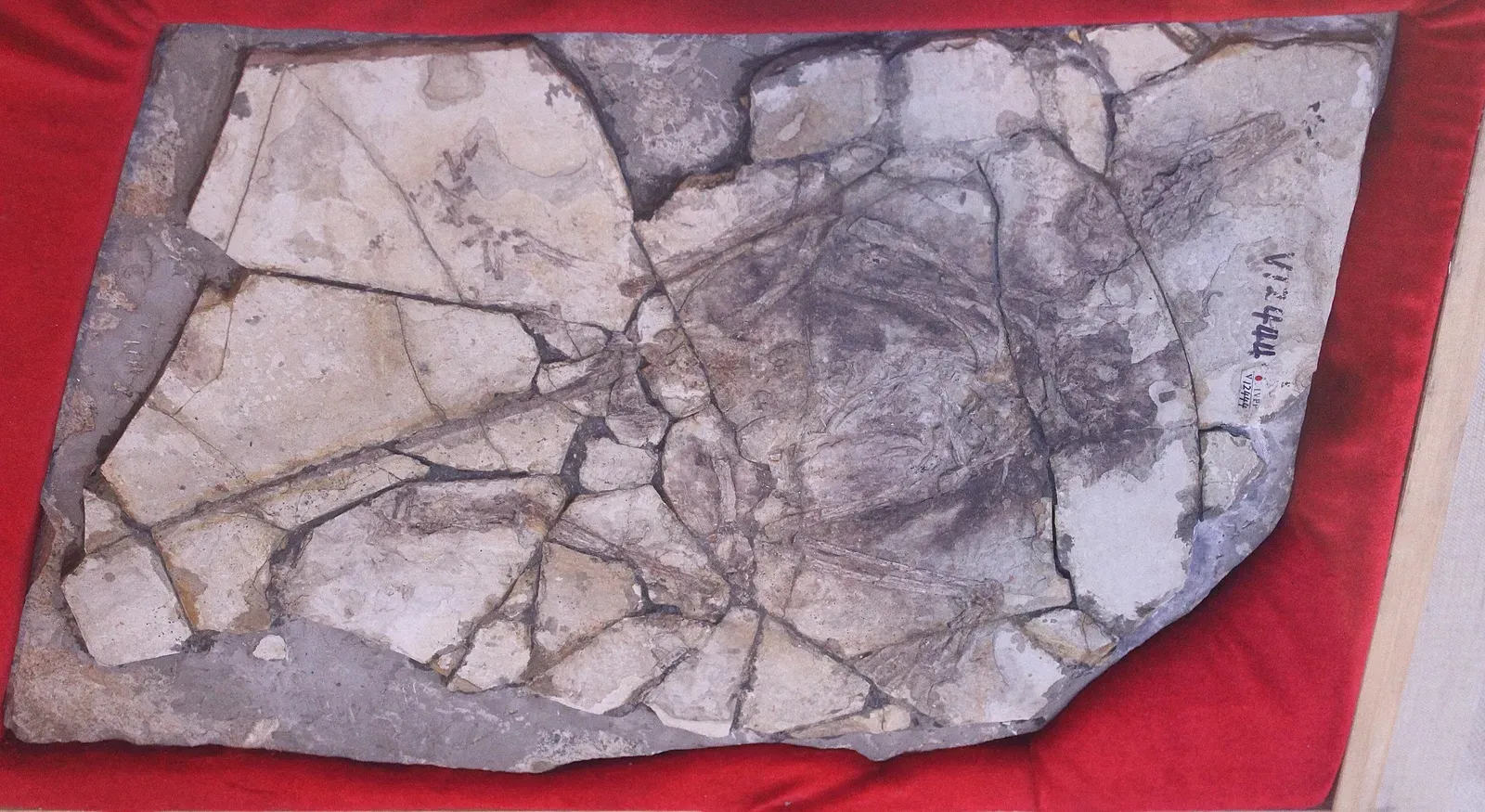
Archaeoraptor isn’t just obscure, it’s infamous. Unveiled in the late 1990s as a stunning “missing link” between birds and dinosaurs, it turned out to be a Frankenstein fossil.
It was a composite of several different specimens, some physically glued together, almost certainly assembled for the fossil black market.
For a brief, embarrassing moment, it was paraded in popular media as proof before careful analysis tore it apart completely. Here’s why it matters, and why it’s now almost erased from mainstream teaching: Archaeoraptor is a textbook case study in science policing itself.
Paleontologists, not critics of evolution, are the ones who exposed the forgery. That’s precisely the kind of self-correction that should be celebrated in every classroom. Instead, many educators quietly sidestep the whole episode, worried it’ll hand ammunition to bad-faith arguments.
That’s the real mistake. Owning our errors builds trust and shows students that prehistoric science is a living, skeptical process, not a glossy museum script that’s always right. The fact that Archaeoraptor is practically a taboo topic says more about us than it ever did about the fossil itself.
The Bottom Line
Look across all 21 of these creatures and a pattern jumps out fast: science never actually “stopped” studying them. The education system just chose simplicity and marketability over honesty and complexity.
We cling to T. rex, Velociraptor, and a handful of safe, photogenic icons, while quietly burying the misfits, dead-ends, gentle giants, and embarrassing mistakes that would actually teach kids how evolution and science really work.
That’s not a neutral choice. It distorts our sense of the past and our place in it. If your kid’s science class still looks exactly like the dinosaur poster from your own childhood classroom, that’s not tradition, that’s laziness dressed up as curriculum.
We should be arguing about which of these creatures deserves to come back into the spotlight, not pretending they never existed in the first place. So which one do you think got robbed the hardest?