
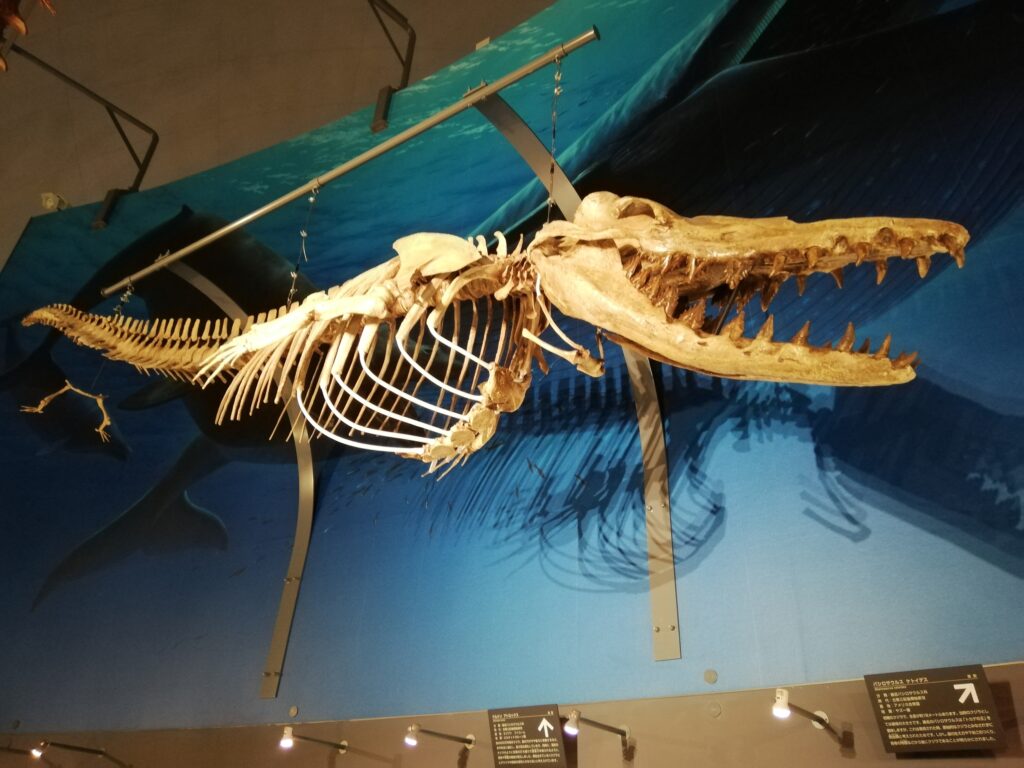
Most people assume old bones are honest artifacts – untouched fragments of animals that lived and died exactly as pictured. That assumption falls apart fast once you start digging into museum archives, cathedral rafters, and royal courts. For hundreds of years, priests, kings, and even trained scientists proudly displayed “ancient beasts” that were never a single animal at all. They were stitched-together frankencreatures, built from whatever leftover bones happened to be lying around.
Some of these mashups were honest mistakes made by people with no framework for fossils or marine mammals. Others were calculated spectacle, engineered to draw crowds, prestige, or pilgrims. Either way, the 22 finds below fooled entire generations – and a few of them still hang in respected institutions today, technically real bones, technically fake animals.
#22 – The Medieval Dragon Built From Whale Bones
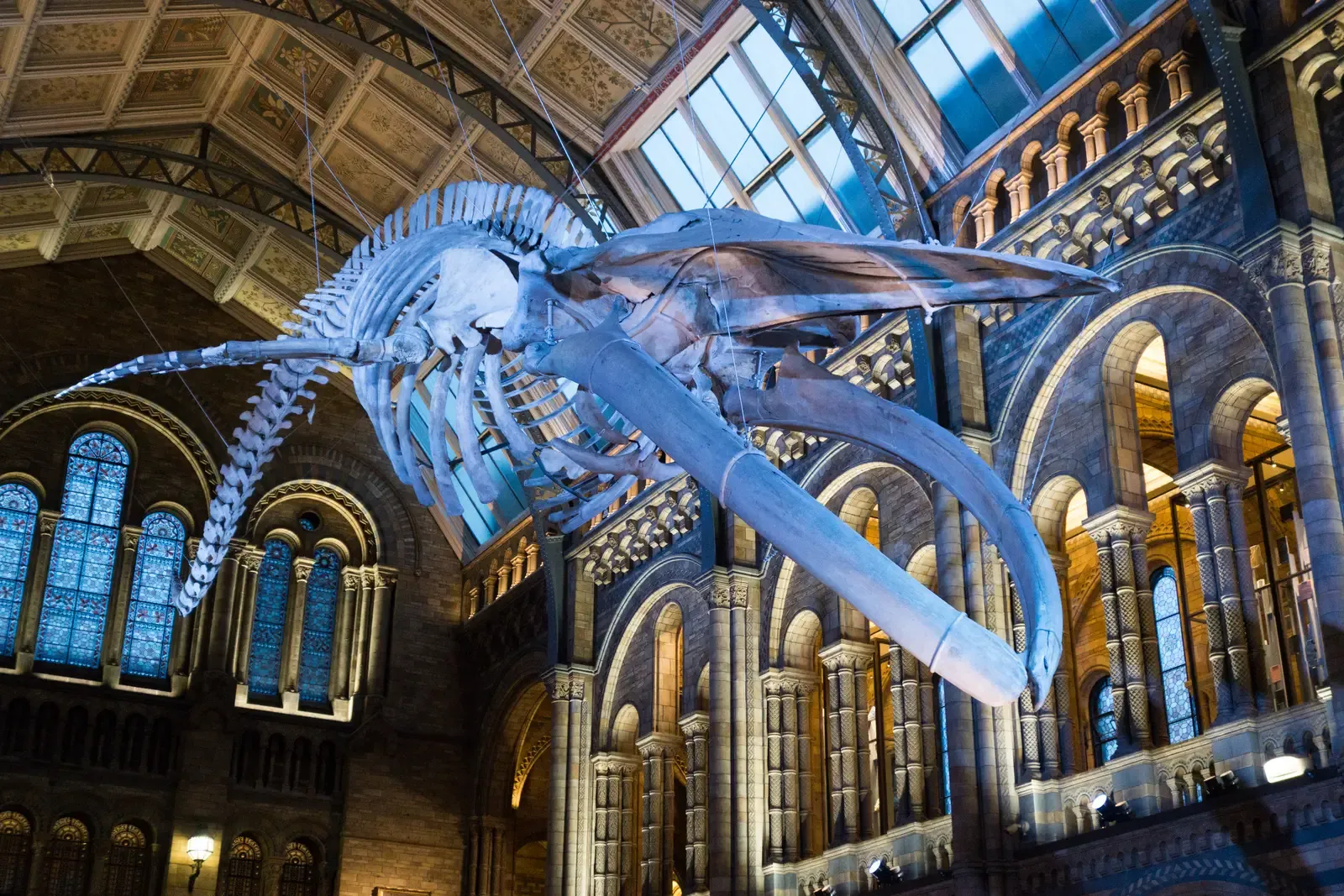
Medieval churchgoers swore they’d seen a real dragon skeleton hanging from the rafters. Many of those “dragons” actually started life as dead whales. When enormous whale bones washed up on European coastlines, locals had zero concept of a mammal the size of a bus, so a whale skull paired with a few stray ribs quickly got rebranded as the remains of a slain serpent.
Monks and priests arranged the pieces into a long, snakelike shape and let the legend do the rest. These composite “dragons” were paraded through religious processions, cited as proof of local miracles, and sketched into town chronicles as documented history. Generations grew up genuinely believing their town had once defeated a monster, until modern zoology quietly pointed out that no reptile on Earth has jaws, vertebrae, and ribs shaped quite like that.
Fast Facts
- Whale skulls can stretch well over ten feet long – plenty large enough to look like a monstrous dragon head in a dim cathedral.
- Coastal churches across England, Italy, and Scandinavia hung whale bones from rafters as “dragon relics” starting in the medieval period.
- Baleen plates were sometimes mistaken for scales or armor, adding to the illusion of a scaly serpent.
#21 – The “Giant Saint’s Horse” That Was Mostly Cow
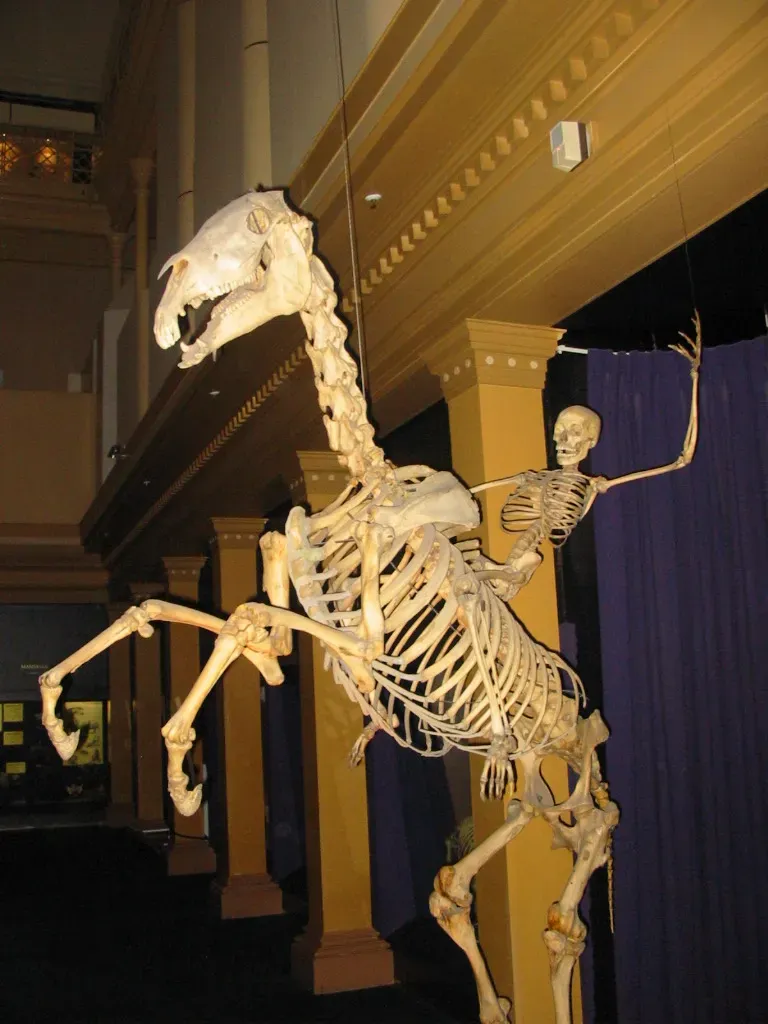
In several European shrines, pilgrims marveled at massive skeletons said to belong to a saint’s or hero’s legendary warhorse. The bones were huge, dramatic, and completely wrong. Closer inspection in the 19th and 20th centuries revealed that many of these “holy horses” were patchworks of cattle, bison, and assorted farm-animal bones, wired together and shaped with wood and leather to look roughly equine.
To a medieval crowd, silhouette beat anatomy every time. A long skull, four legs, and a big ribcage was all it took to sell the story. Over generations, people forgot exactly where the bones came from and simply kept the legend. Some researchers now argue these composites worked like three-dimensional propaganda: physical “proof” that a saint once rode into battle on this very ground.
#20 – The Renaissance Sea Monster Made From Multiple Species
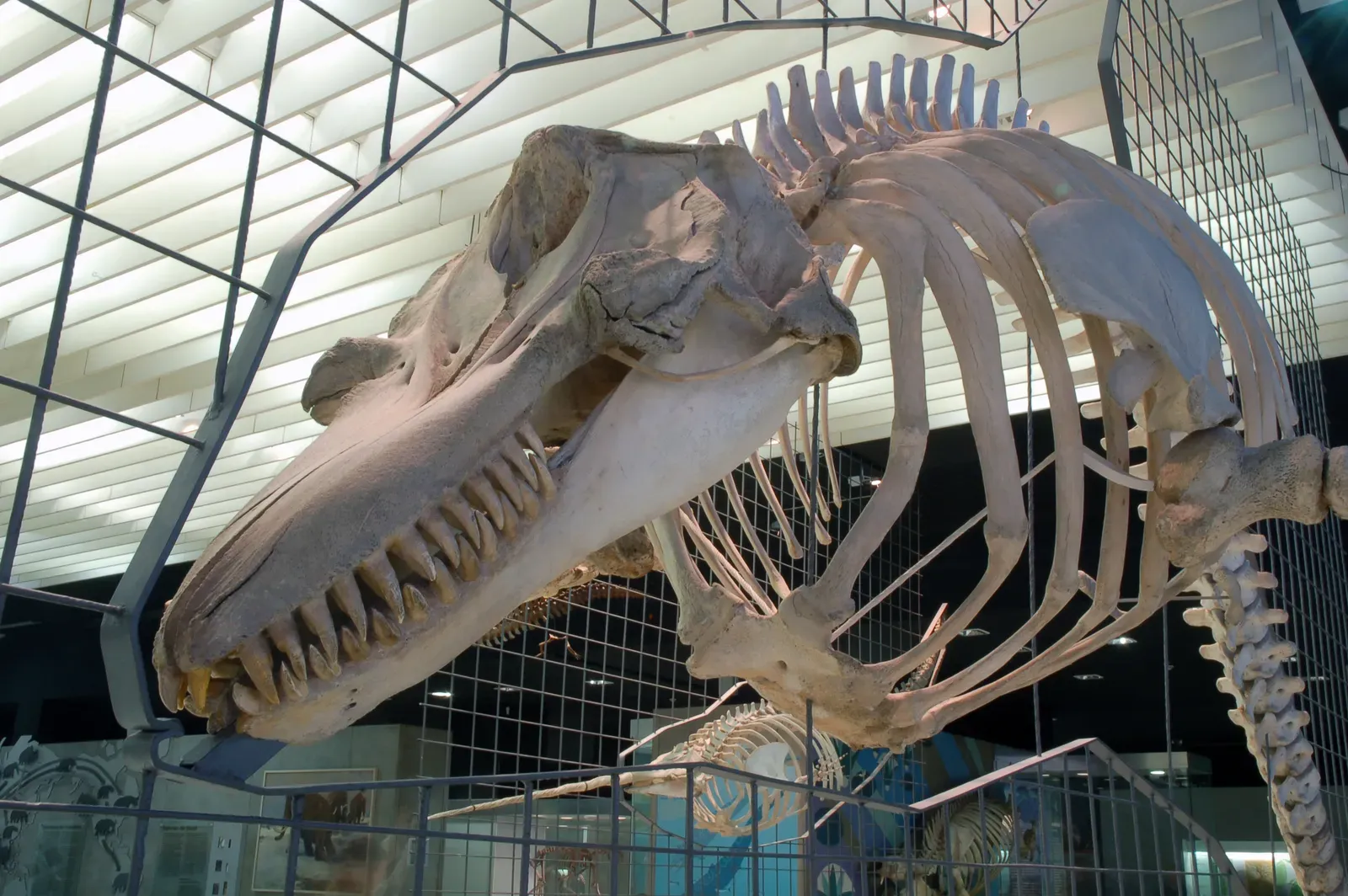
Early modern Europe was obsessed with sea monsters, and naturalists scrambled to acquire any huge skeleton that could be labeled a “leviathan.” Accuracy came in a distant second. Inside more than one cabinet of curiosities, historians have found “sea monster” skeletons that were actually stitched together from dolphin, shark, seal, and even land-mammal bones. Anything exotic or oversized was fair game.
These weren’t minor curios; they were the star attraction people paid admission to see. Curators filled gaps with spare ribs, mismatched skull fragments, and decorative cartilage, and the results were confidently reproduced in early scientific illustrations. Some historians argue this actually slowed real marine biology down for decades, because everyone assumed they already knew what monsters lurked in the deep.
#19 – The “Griffin” Skeletons Born From Protoceratops and Bird Parts
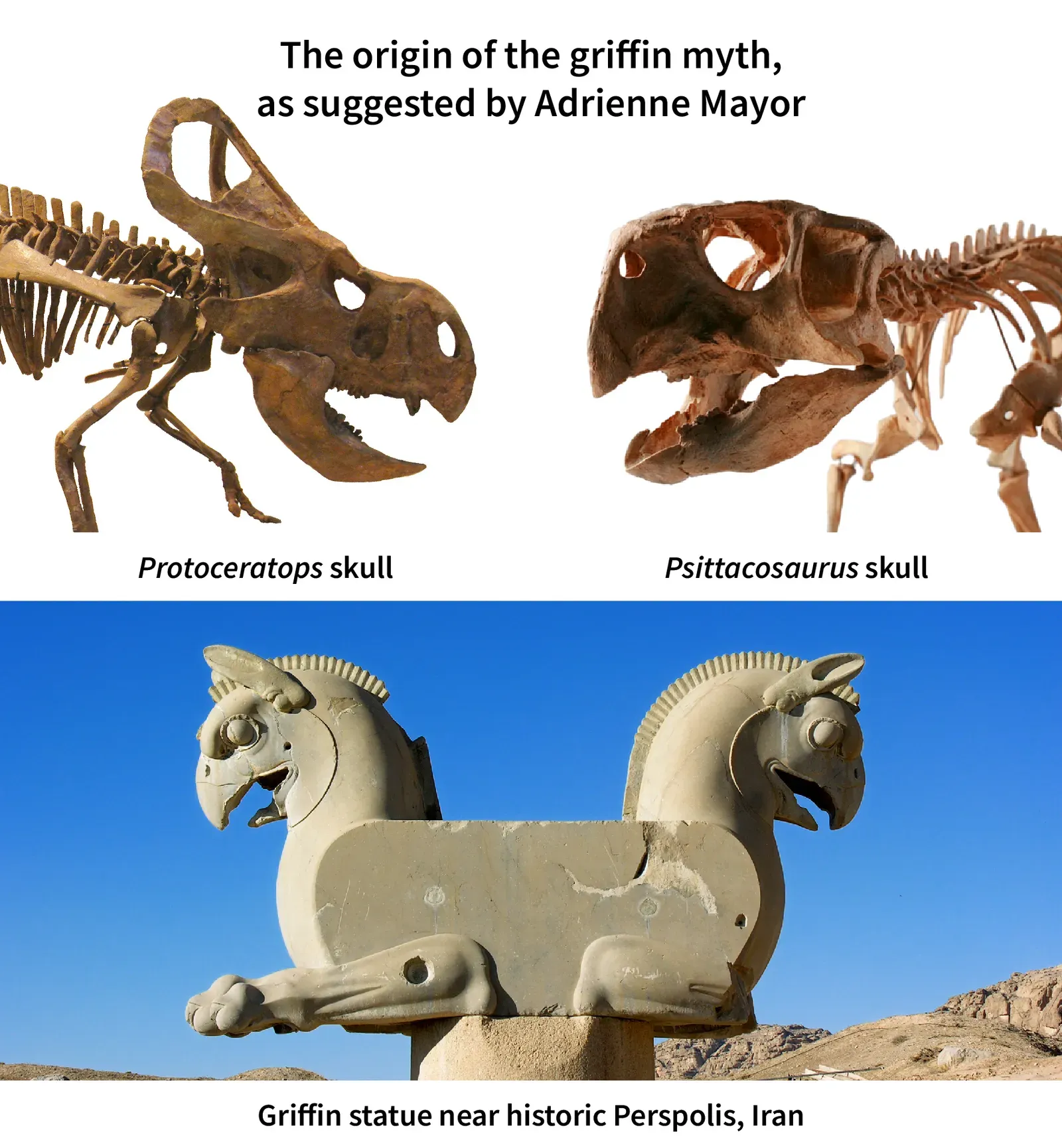
For centuries, travelers returning from Central Asia insisted that lion-bodied, eagle-headed griffins guarded gold out in the desert. Historians now suspect real fossils fueled the legend. In parts of Mongolia and Kazakhstan, weathered Protoceratops skeletons – beaked, four-legged dinosaurs – eroded straight out of desert cliffs, looking uncannily like a lion crossed with a bird.
Add scattered bird bones nearby and you’ve got a ready-made “eagle-lion” puzzle. Ancient travelers may have collected beaked skulls and limb bones together and displayed them as literal proof of the myth. There’s no single documented “griffin skeleton” sitting in a museum today, but written descriptions line up eerily well with how a jumbled dinosaur-and-bird composite would look to someone with zero concept of deep time.
#18 – The “Cyclops” Skulls Made From Mammoths and Other Giants
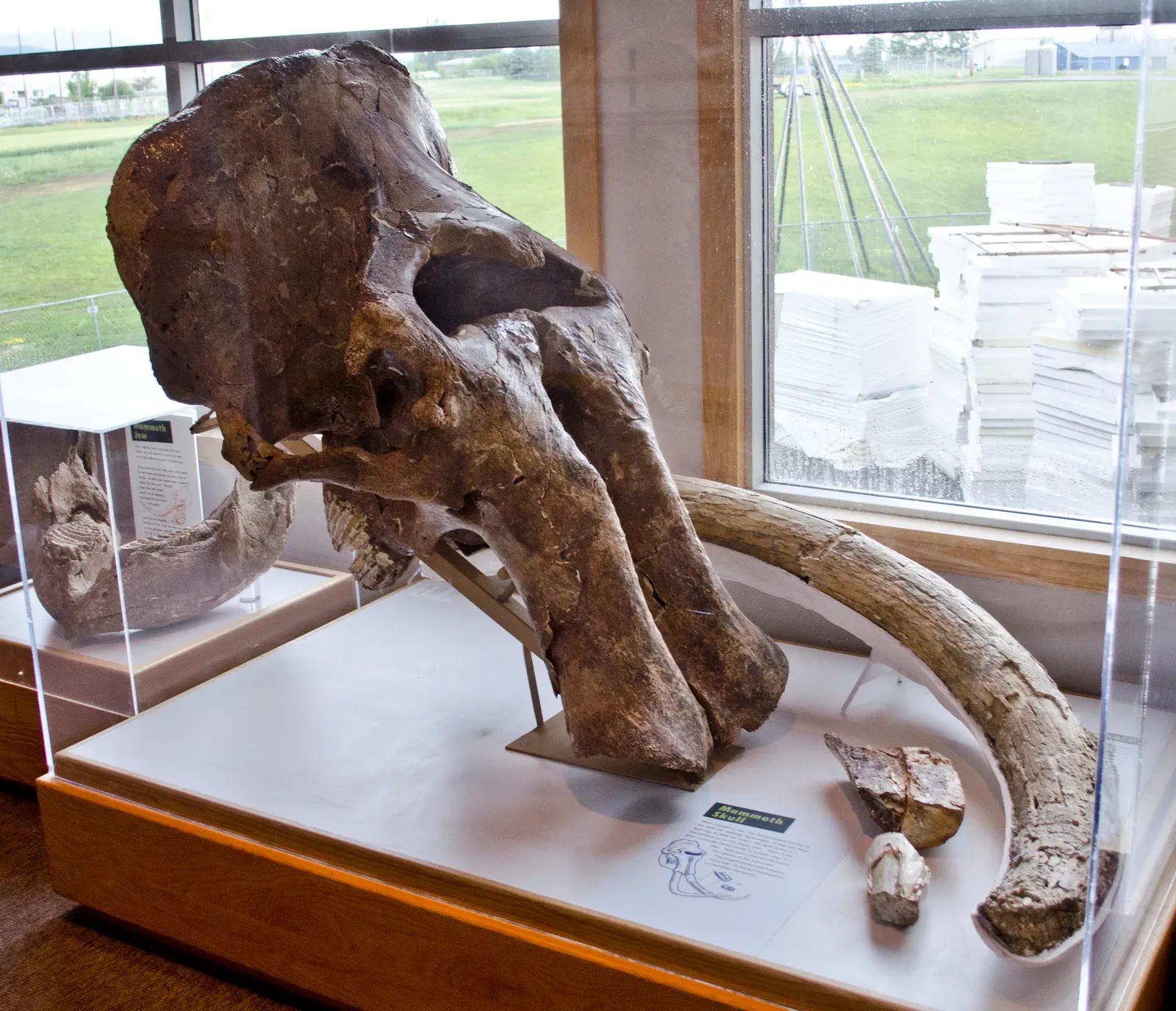
Ancient Greeks didn’t need special effects to imagine giants – they had fossils. Massive mammoth and mastodon skulls were displayed in temples and noble houses as proof of one-eyed giants roaming the earth. The trick is embedded right in the skull: a mammoth’s trunk attaches through one large central opening, which looks exactly like a giant eye socket if you’ve never heard of a trunk.
Curators sometimes “completed” the illusion further with jawbones and femurs from other large mammals, making the skull feel more humanoid and less elephant. Entire temples built reputations around housing “the head of a Cyclops,” drawing pilgrims for generations. It wasn’t until comparative anatomy matured that scholars realized the cheekbones and tusk sockets were screaming “elephant” the entire time.
#17 – The Fake “Unicorn” Built From Narwhal and Horse
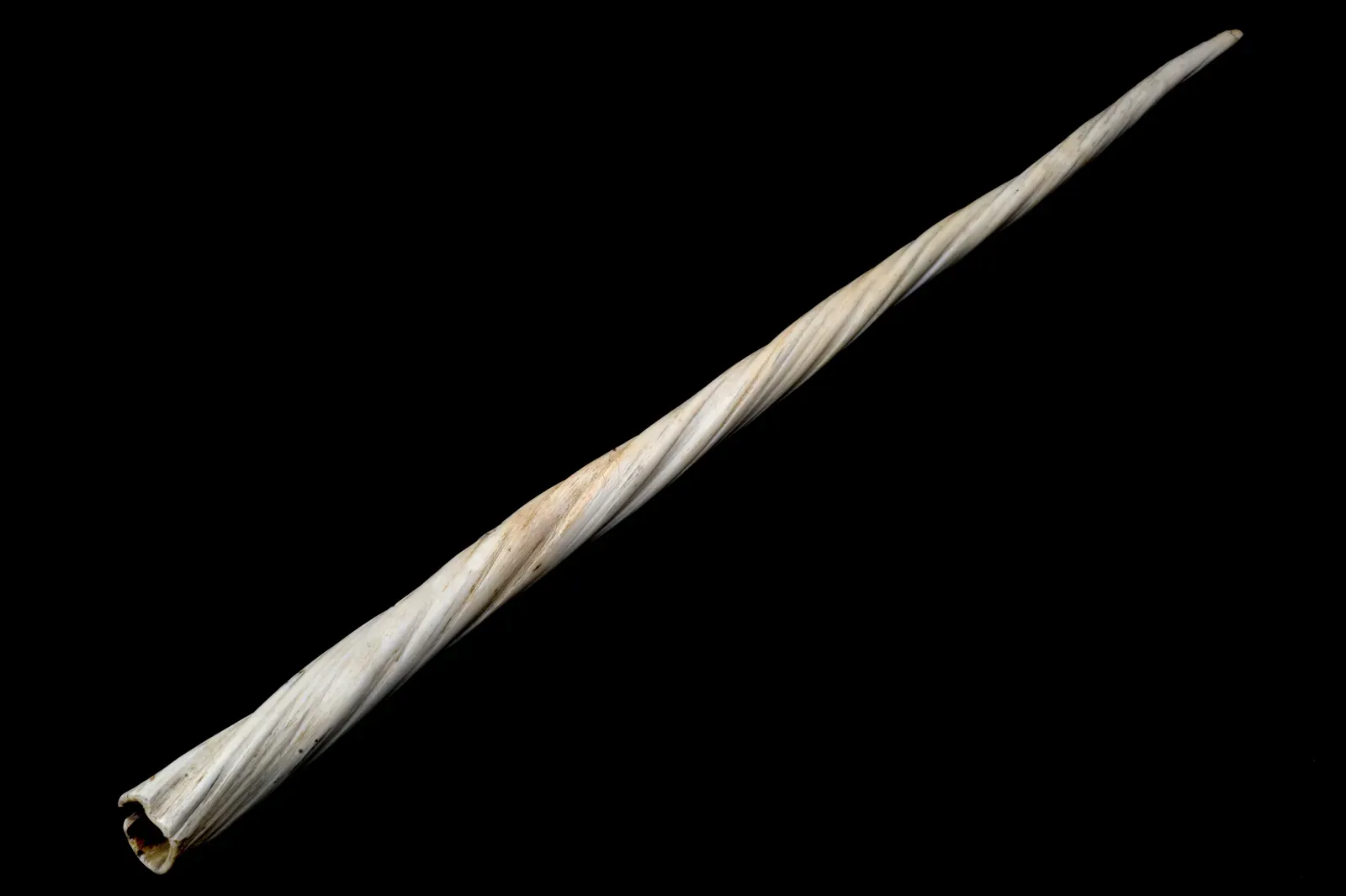
If you’ve ever seen a medieval “unicorn horn” in a museum, you were probably looking at a narwhal tusk. Some collectors went much further, assembling entire “unicorn skeletons.” Wealthy 16th- to 18th-century collectors combined horse bones with a straightened narwhal tusk, then hid the seam under leather or plaster.
To visitors, it looked like living proof that the Bible’s unicorns once walked the earth. A convincing “unicorn skeleton” could boost a noble family’s prestige and pull in influential guests, so the incentive to keep the illusion alive was real money and real status. Even when early anatomists pointed out the obvious mismatch between skull and horn, plenty of owners simply looked the other way. The story was too valuable to abandon.
#16 – The Dragon of Klagenfurt: Rhino Skull, Ox Bones, and Imagination
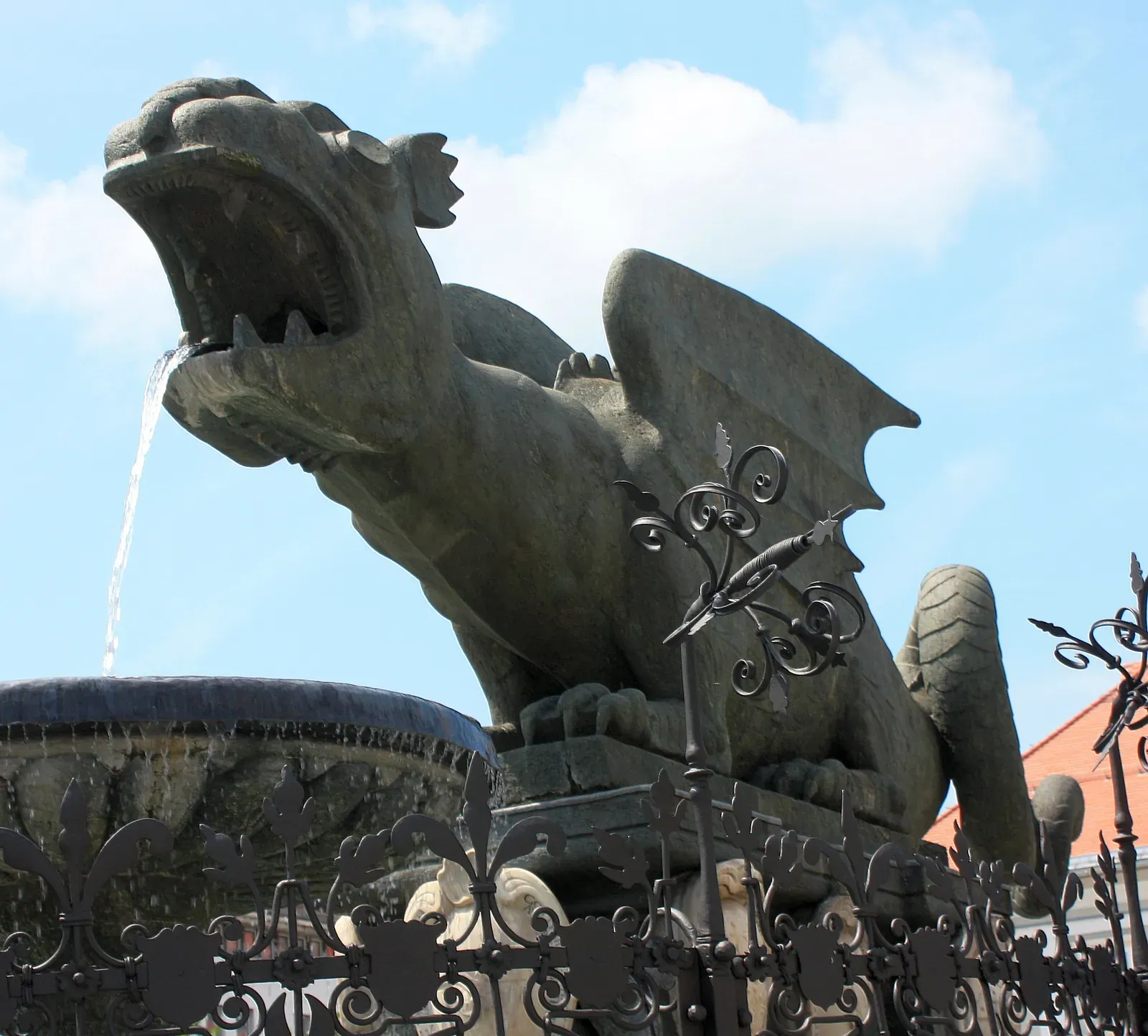
The famous Lindwurm, or “dragon,” of Klagenfurt, Austria, is a textbook case of a composite creature becoming civic identity. Historical records suggest the original relic centered on a large skull – probably a woolly rhinoceros – dressed up with horns and parts from other animals to look like dragon remains. A massive stone sculpture was later built around this hybrid idea, and it’s still the symbol of the city today.
Behind the scenes, the actual bones were a mess: some likely crocodilian imports, some local cattle, and possibly genuine Ice Age megafauna, all mixed together. The public saw one glorious monster; anatomists saw a boneyard cocktail. The myth won anyway. The dragon motif has outlived every attempt to correct the record.
#15 – The Cathedral “Dragons” Assembled From Crocodiles and Random Bones
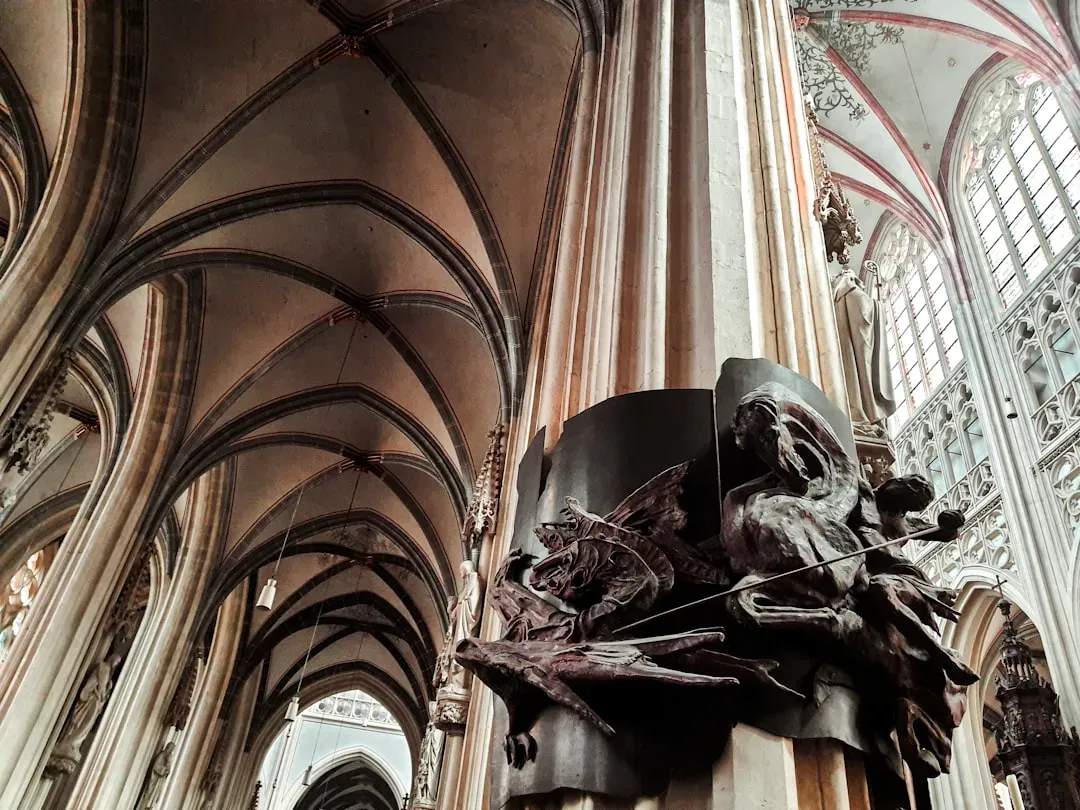
Walk into certain old European cathedrals and you’ll still spot “dragons” hanging from the ceiling: long, armored bodies with terrifying jaws. Many of these are actually dried or stuffed crocodiles, imported from the Nile or Ottoman territories as diplomatic gifts and dressed up with extra bones, antlers, or sewn-on tails to fit local dragon legends.
Few parishioners had ever seen a real crocodile, so nobody questioned the label. Over generations, the story quietly shifted from “a crocodile from far away” to “our dragon, slain by our hero.” Ironically, these hybrids later sparked genuine zoological curiosity, as early naturalists tried to reconcile what they were looking at with actual known species.
#14 – The “Mermaid” Skeletons Made From Fish and Monkey
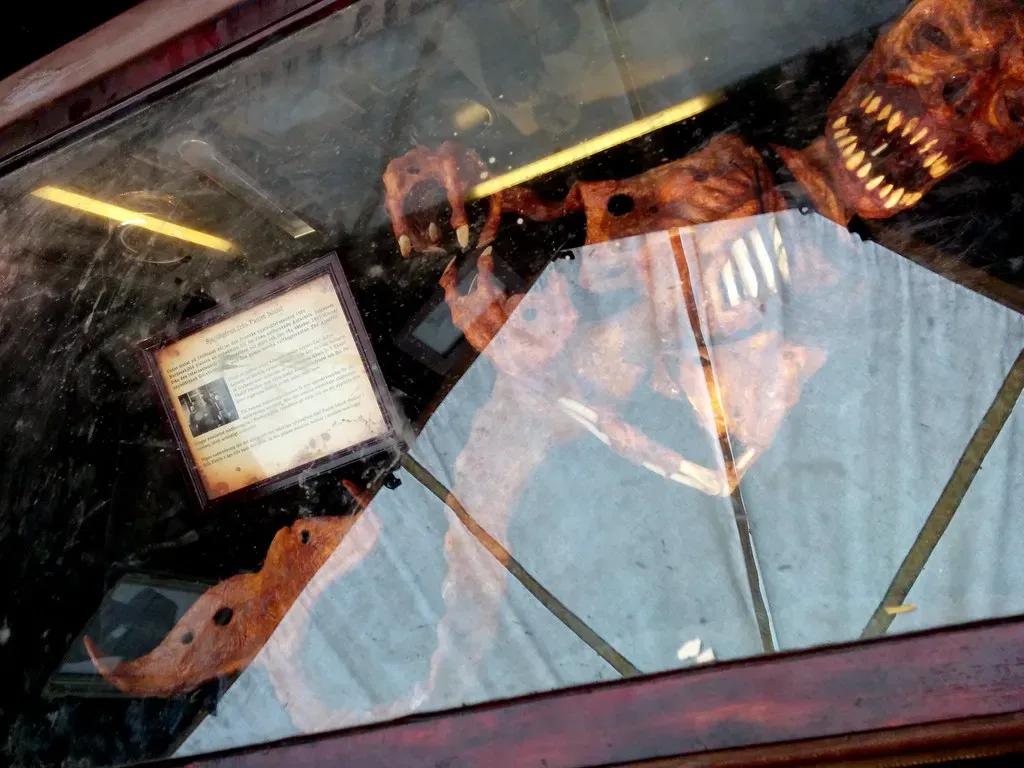
The infamous “Feejee mermaid” that P.T. Barnum put on display in the 19th century wasn’t a one-off invention. It belonged to a much older tradition. For centuries across Asia and Europe, artisans built mer-creatures by sewing a monkey’s torso onto a large fish tail, then drying and lacquering the seam until it disappeared.
These grotesque hybrids were sold to collectors, temples, and traveling shows as genuine sea people, occasionally even labeled as sacred or ancient. Some were passed between collections for generations without anyone publicly admitting the obvious: the spine didn’t match, the ribs were wrong, and the skull was unmistakably primate. Belief and spectacle simply outran the anatomy.
#13 – The “Basilisk” Created From Rooster, Snake, and Mystery Bones
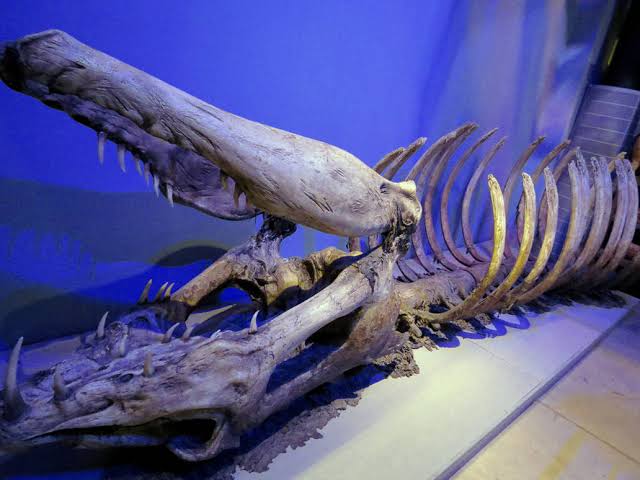
The basilisk – part serpent, part rooster, said to kill with a single glance – was a medieval obsession, and some collectors wanted physical proof. Surviving specimens in European museums show “basilisk bodies” carefully wired together from bird skeletons, small mammal bones, and reptile fragments, then painted to unify the look: rooster skull, snake or eel spine, limbs from whatever small carcass was on hand.
Despite the obvious anatomical absurdity, these chimeras were displayed in apothecaries and cabinets of curiosities as genuinely deadly creatures, and people believed basilisk ash carried potent medicinal power. The same specimen was sometimes shown to multiple generations, its composite nature hidden under dried skin, varnish, and dramatic framing, until 19th-century anatomists finally dissected a few and recognized the Frankenstein job immediately.
#12 – The Temple “Serpents” Stuffed With Mixed Mammal Bones
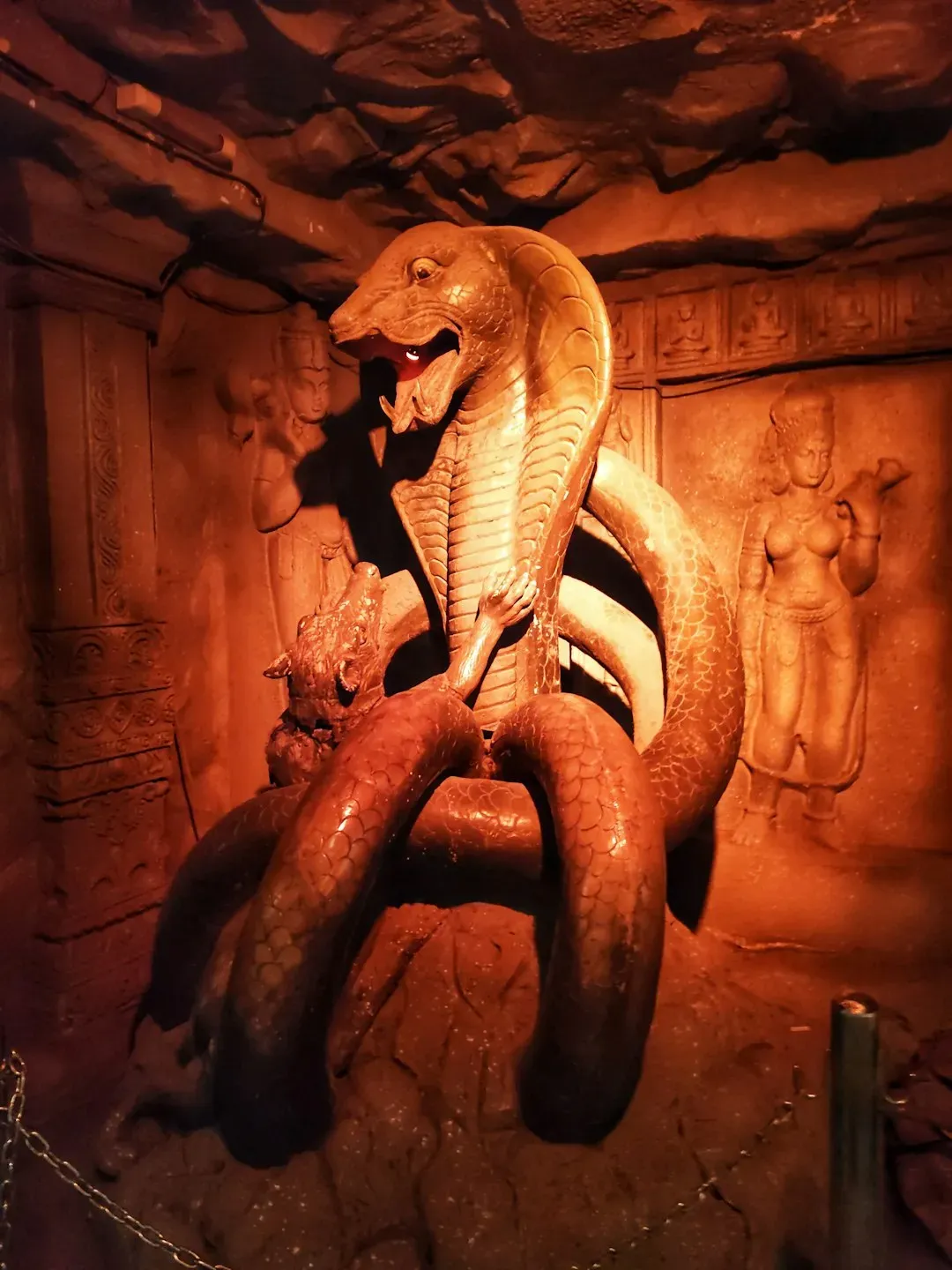
Various cultures displayed long, sinuous “sacred serpents” in temples, often as dried skins or taxidermy-style mounts. Peel back the outer layer, and researchers sometimes found a very different story: random mammal bones, reeds, and wooden rods stuffed into a snakeskin sleeve to build an impressively oversized “ancient” serpent.
When a real snake skeleton was too fragile or too small to impress anyone, priests simply scaled the miracle up: goat ribs, dog vertebrae, pig jaws, whatever kept the silhouette convincing. To believers, these remains proved their deity or hero had once battled a monstrous serpent, reinforcing both theology and local power. They weren’t built to preserve a species; they were built to preserve a story.
Worth Knowing
- Sacred serpent effigies show up in temple traditions across Egypt, Mesoamerica, and Southeast Asia, not just Europe.
- A snakeskin sleeve could be stretched and stuffed to appear several feet longer than the original animal.
- Modern conservators now use X-rays and endoscopes to peek inside old relics without unwrapping them.
#11 – The “Ancient” Whale Skeletons Quietly Completed With Modern Parts
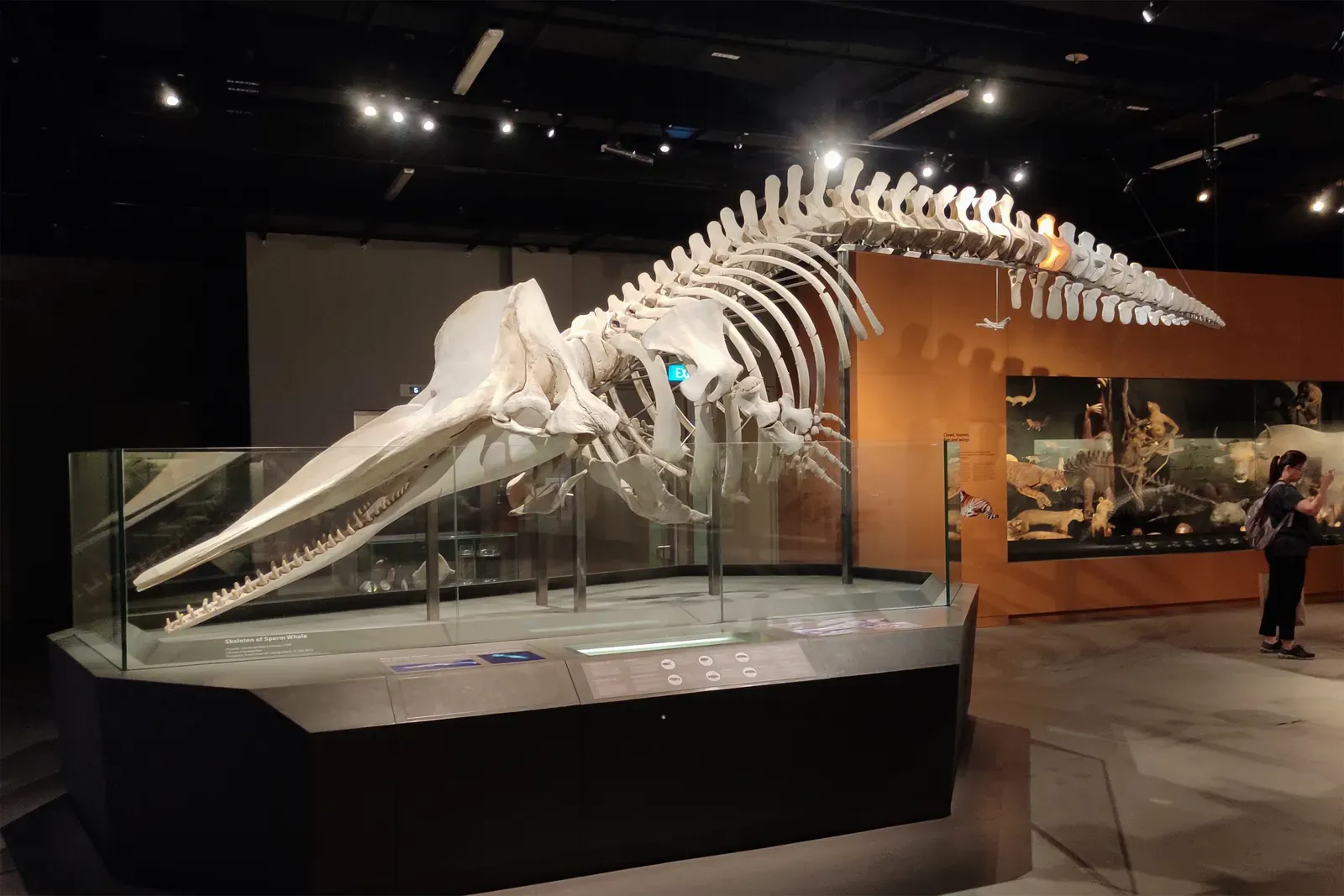
Even when the base animal was real, the finished skeleton often wasn’t. Several celebrated “ancient whale” mounts in old European museums turned out to be mosaics of multiple individual whales, padded out with spare bones from entirely different mammals. Missing vertebrae got replaced with a carved wooden block or a cow vertebra; incomplete flippers were rebuilt from reshaped seal or dolphin bone.
For 18th- and 19th-century audiences, sheer size did all the convincing. Few people questioned whether every bone belonged to the same individual, let alone the same species. Modern paleontologists cringe at how many scientific measurements and illustrations were based on these Franken-whales. Some museums have quietly corrected the record; others now embrace the composite past as part of the exhibit’s story.
#10 – The Megalithic “Beasts” Built From Random Megafauna Bones
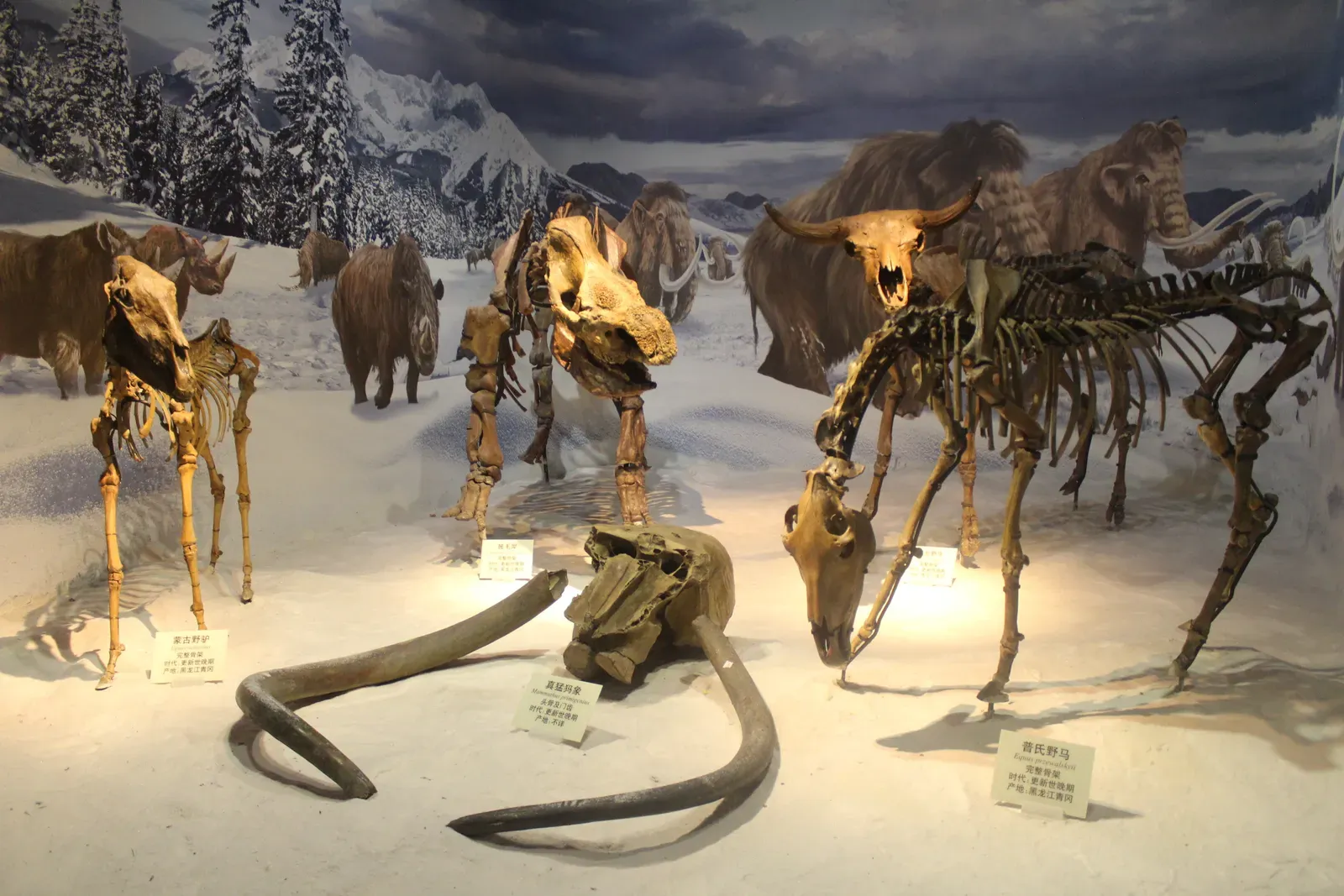
In regions rich with Ice Age fossils, villagers and antiquarians collected huge bones simply because they were impressive to look at. Over time, some of these remains got arranged near megaliths or local monuments as evidence of a single “ancient beast,” even though a mammoth femur, a rhinoceros pelvis, and an aurochs skull clearly belong to three different animals.
Without any framework like modern paleontology, people sorted bones by scale and emotion instead of anatomy: if it was big and awe-inspiring, it must all belong together. Oral traditions rose up to explain the pile – giant cattle, legendary war beasts, monsters slain by local heroes. When real excavation finally arrived, researchers had to painstakingly untangle centuries of rearrangement just to figure out which fossils were ever actually connected.
#9 – The “Sea Serpents” Fashioned From Whale Jaws and Vertebrae
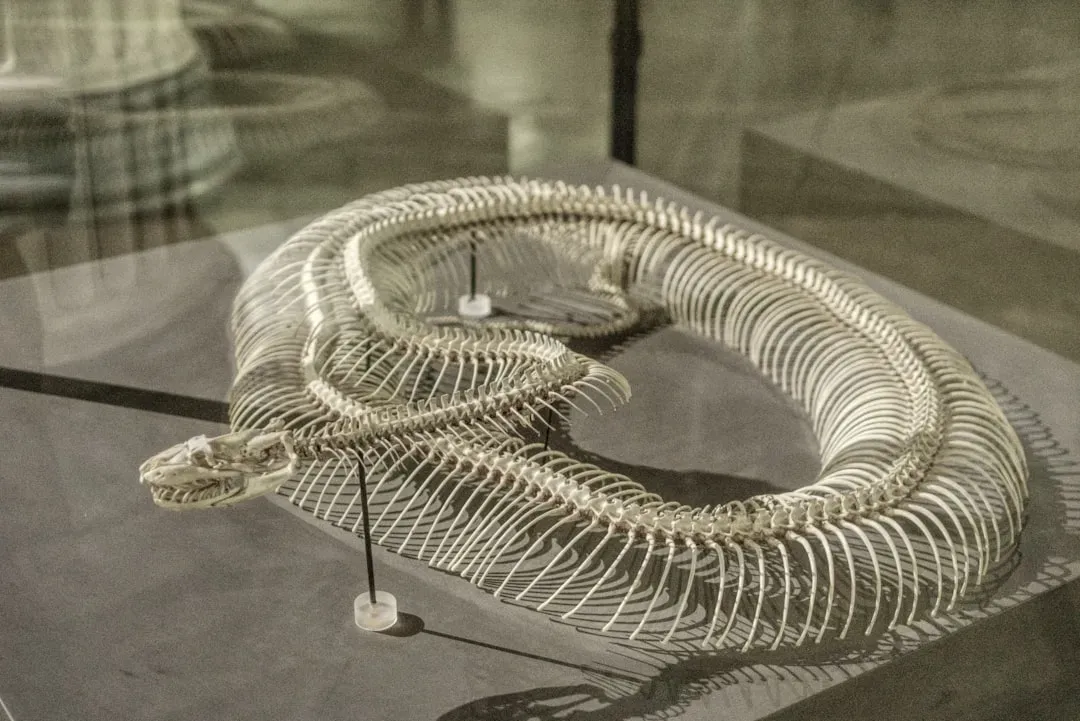
The long, curved shape of whale jaws and vertebrae made perfect raw material for sea serpent myths. Coastal communities in Scandinavia, Britain, and beyond occasionally displayed “sea serpents” built by linking whale vertebrae in a row and bending jawbones into horned, dragon-like heads, then wrapping the whole thing in rope or dried skin.
These displays did triple duty: tourist attraction, maritime warning, and convenient proof that old sailors’ tales were true. Some were mounted on harbor walls or town gates as protective symbols. They made zero anatomical sense – serpents don’t have mammalian vertebrae or baleen skulls – but that was invisible to anyone who’d never studied a whale skeleton up close.
#8 – The “Ancient Bird of Prey” Pieced Together From Three Species
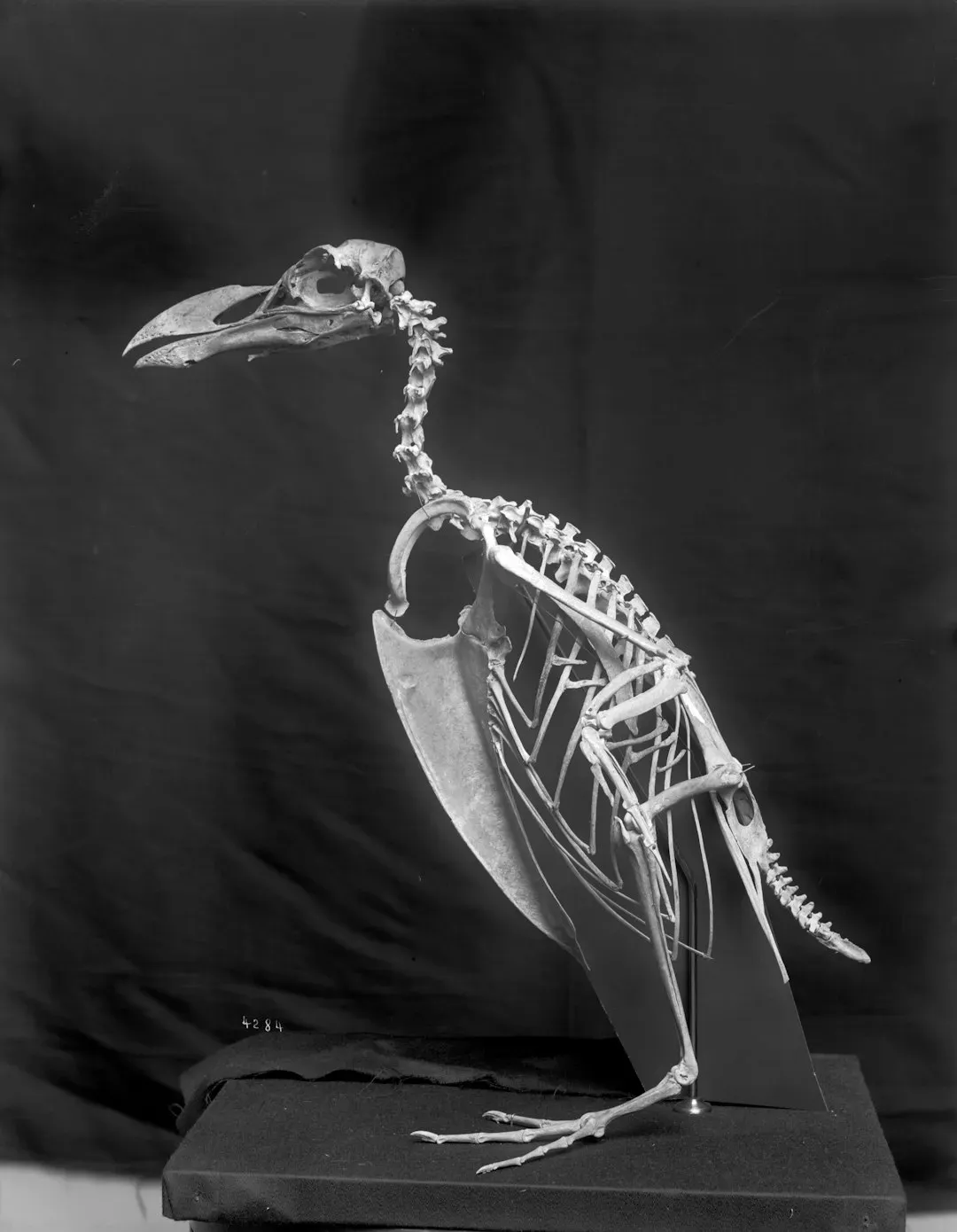
Some early museums and aristocratic collections built their reputation around an “ancient eagle,” a supposedly gigantic bird of prey revered by Romans, Greeks, or local tribes. Modern re-analysis has shown that several of these imposing skeletons were creative fusions of crane legs, vulture skulls, and swan or goose wings, engineered for maximum drama.
This wasn’t deception for profit so much as storytelling with bones. Collectors wanted a creature that matched the grandeur of old empires and chieftains, and if nature fell short, they upgraded it. The chimera could hang in a grand hall for generations, quietly shaping heraldry and local art. When comparative osteology finally caught up, the mismatched joints and incompatible bone textures gave the trick away instantly.
#7 – The “Fossilized Dragon” Made From Dinosaur and Modern Mammal Bones
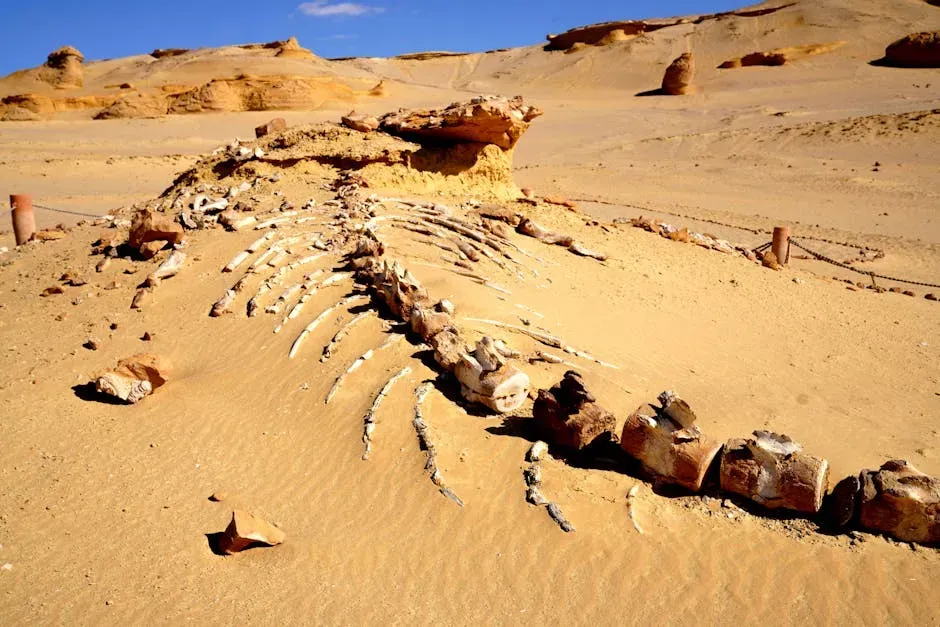
Early fossil hunters weren’t always picky about matching parts. In some 18th- and 19th-century collections, “dragon” or “lizard-like” mounts combined genuine dinosaur bones with whatever modern mammal material was on hand to fill the gaps – a partially exposed dinosaur spine might get finished off with cattle ribs, horse vertebrae, and a crocodile skull.
These were transitional objects, caught between mythology and real paleontology. Curators knew the fossils were ancient but still leaned on dragon language because it drew bigger crowds. As anatomy advanced, the contradictions piled up fast: joints that didn’t articulate, limb proportions that made no biomechanical sense. Many of these mounts were eventually dismantled, leaving only old drawings as proof of how loosely early scholars mixed species.
#6 – The “Holy Serpent-Dragon” Combining Snake, Bird, and Deer
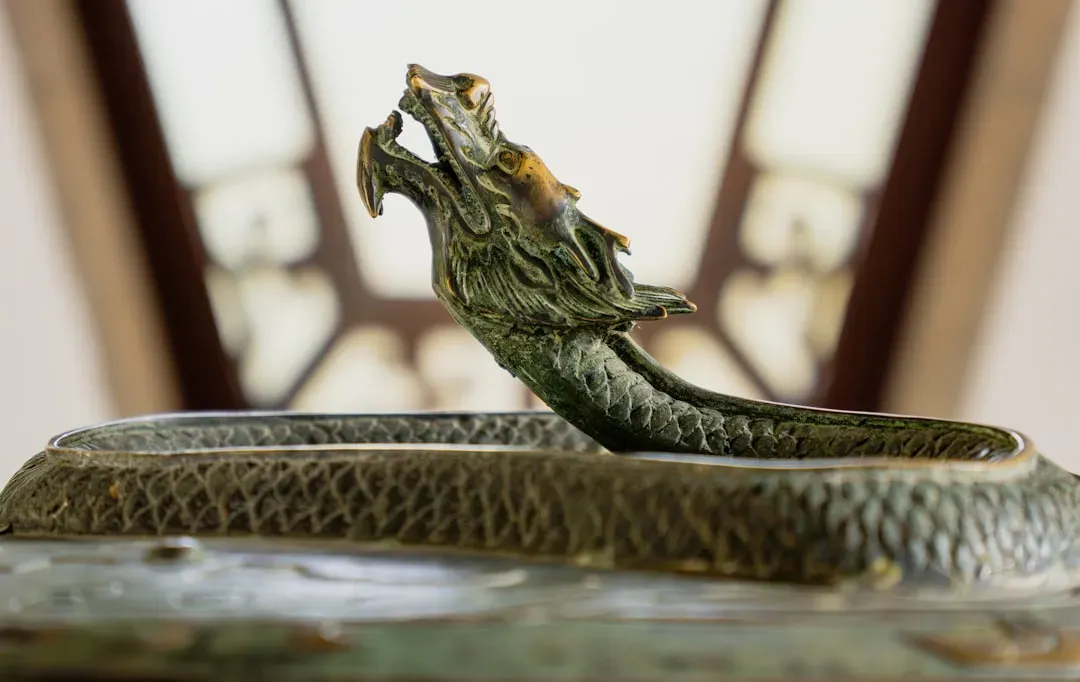
In religious traditions where serpents symbolized both danger and protection, hybrid relics grew up around local myths. Historians have documented shrine displays where a “holy serpent-dragon” turned out to be a snake skeleton stretched out with extra vertebrae from birds and finished with deer or elk antlers on top – a rough match for artistic depictions of winged, horned guardian serpents.
These objects blurred the line between icon and specimen. They weren’t purely scientific, but they weren’t pure sculpture either – the real bones gave them a kind of biological authority, letting a community point and say, “This is what our guardian actually looked like.” For modern researchers, relics like this are double artifacts: they reveal what animals lived nearby and how people rearranged those animals to fit their cosmology.
Quick Compare
- What it looked like: A long serpentine body topped with branching antlers, part reptile and part deer.
- What it actually was: Snake vertebrae extended with bird bones, capped by real deer or elk antlers.
- Why it worked: Genuine bone gave a purely symbolic guardian myth the feel of biological proof.
#5 – The “Primeval Cow-Dragon” From Aurochs, Sheep, and Boar
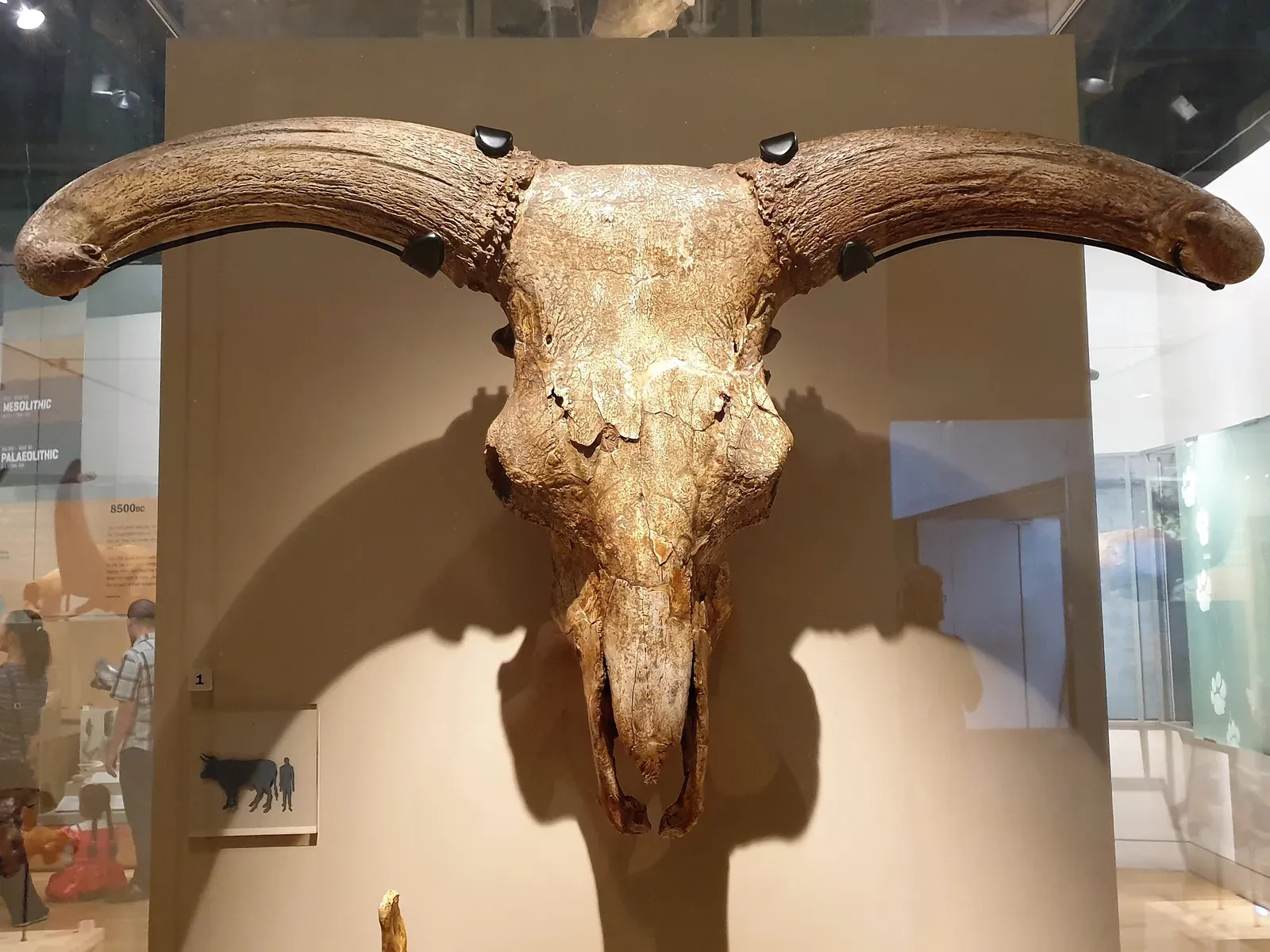
In regions with deep cattle cults, especially across Europe and the Near East, massive bovine bones were natural material for mythic beasts. Some “primeval cow-dragons” celebrated in local lore were visually built from an aurochs or oversized cattle skull, sheep horns added for extra curl, and boar tusks bolted on for ferocity.
These composites were often stored in shrines and paraded out at seasonal festivals as proof of ancestral battles or divine hunts. Anatomically, they were a mess of redundant joints and mismatched limb proportions, but the emotional story always overpowered the details. Communities essentially reverse-engineered their monsters from the bones up, and archaeozoologists today still have to carefully separate the ritual creativity from any real paleobiological data hiding underneath.
#4 – The “Ancient War Dog” Built From Wolf, Mastiff, and Bear
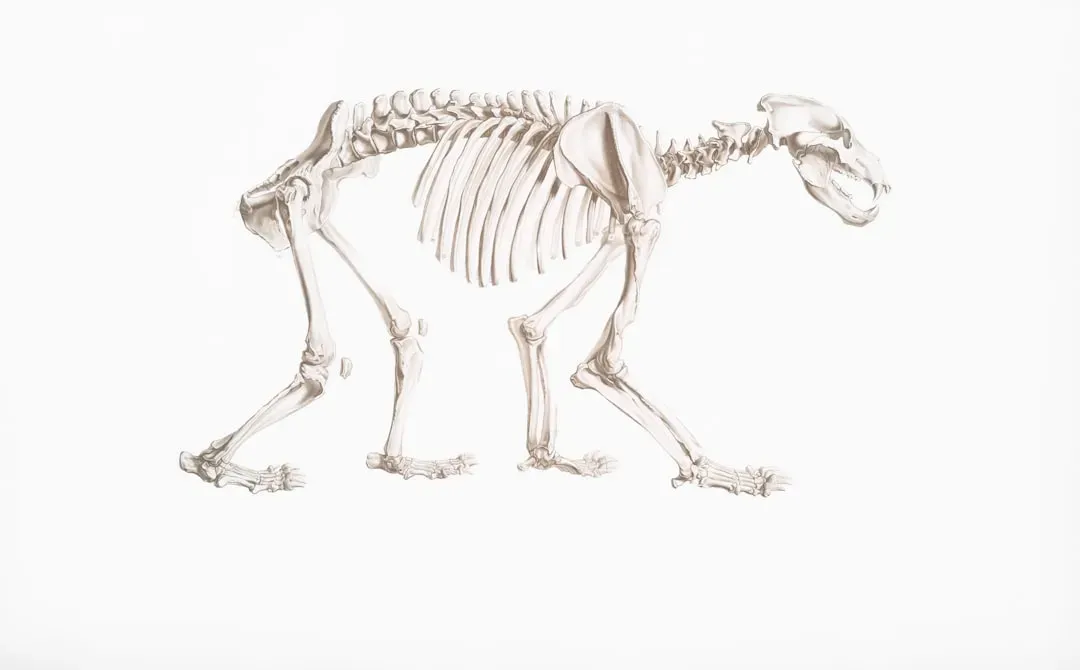
Giant war dogs show up in legends from Rome to the medieval period, and a few collections proudly displayed their supposed remains. Reassessment of some of these skeletons has revealed obvious compositing: wolf skulls paired with oversized mastiff limbs, bulked up further with bear ribs or vertebrae to create an intimidating mass. In life, a creature built like that couldn’t have moved – the joints simply don’t align.
These skeletons were often tied to a specific hero or king, presented as the loyal hound that died in battle or saved a child from a beast. Over centuries, the legend hardened into unassailable local tradition. Even when early veterinary anatomists pointed out the skull and pelvis weren’t from the same animal, community pride sometimes pushed back hard. Some collections quietly relabeled the mount as a “symbolic reconstruction” rather than admit the myth was built on mismatched bone.
#3 – The “Royal Lion-Dragon” of Court Collections
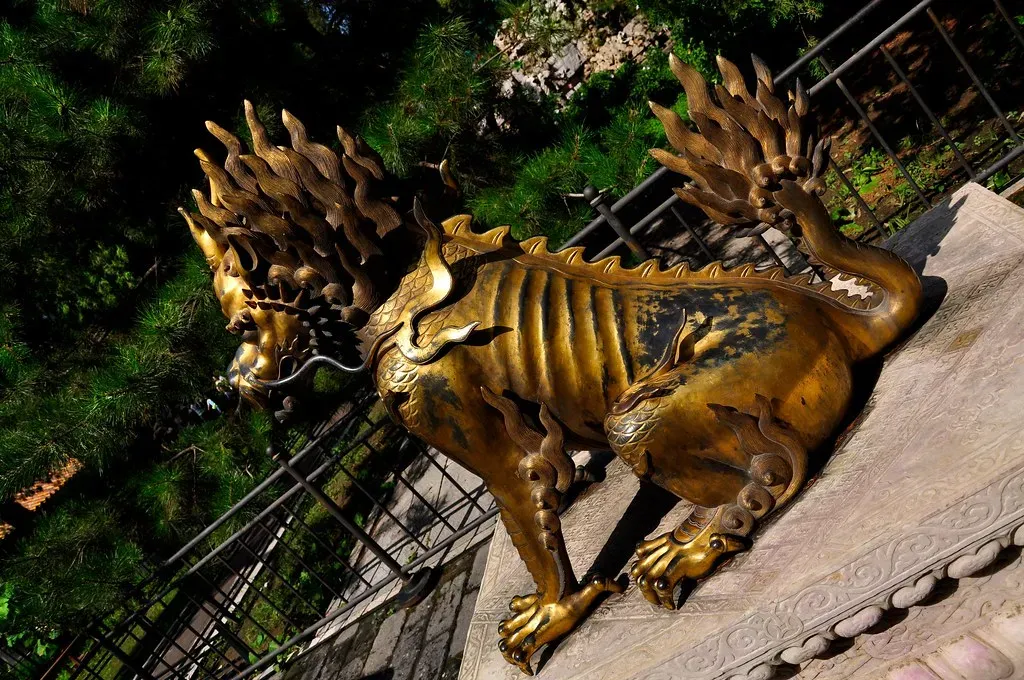
Renaissance and Baroque courts loved theatrical animals, real or imagined, and one recurring showpiece was a “lion-dragon” presented as an ancient beast tamed by the crown. Surviving records suggest these were composites of big cat skeletons – lion or leopard – extended with reptile tails and extra vertebrae, then crowned with horns or antlers to maximize the strangeness. Skins from multiple species were sometimes stitched over the frame to complete the illusion.
These chimeras worked as political metaphor as much as spectacle: a ruler who could master both the king of beasts and the dragon of chaos was a ruler worth fearing. Because they lived in restricted court spaces, they never faced the scrutiny of public museum specimens. Visiting dignitaries were shown the “ancient lion-dragon” for generations, reinforcing a dynasty’s semi-mythic status, until collections were eventually nationalized and modern curators finally cataloged what species were actually involved.
#2 – The “Mythic Elephant-Dragon” Cobbled From Elephants and Reptiles
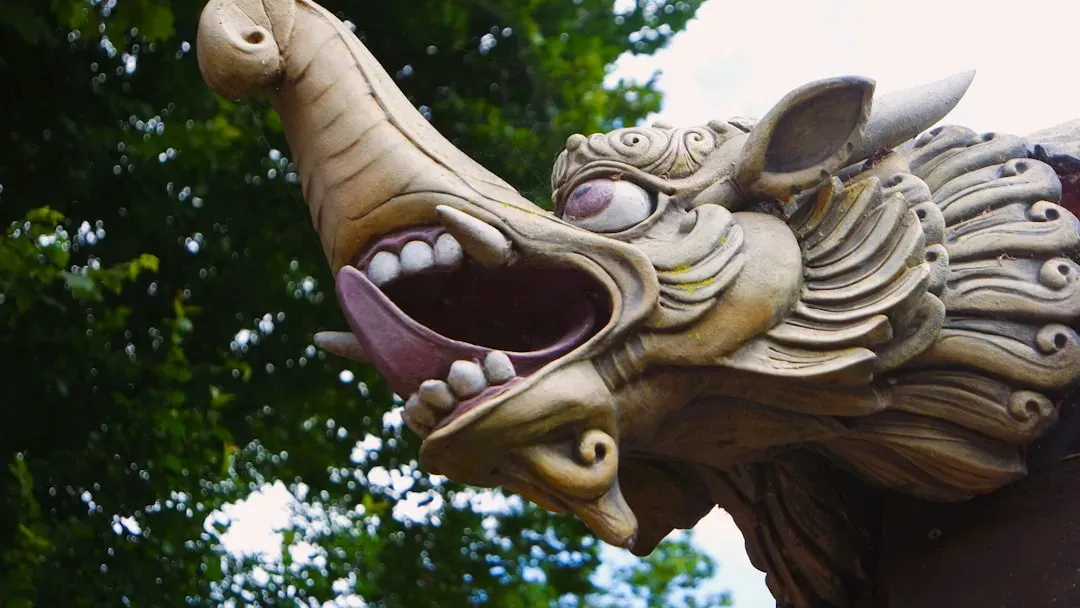
Before realistic illustrations of elephants reached Europe, travelers’ tales made the animal sound almost monstrous. Several early-modern collections responded with hybrid mounts scholars now read as “elephant-dragons”: partial elephant skeletons padded out with reptile skulls, crocodile jaws, extra ribs, and sometimes even bird wings, then labeled as ancient monsters from India or Africa. The tusks stayed put, but the head was often swapped to look more like a dragon.
For audiences who had never seen a live elephant, the line between real animal and chimera simply didn’t exist. These mounts weren’t just entertainment; they shaped an entire continent’s reputation, turning Africa and Asia into lands of literal monsters and quietly justifying both fear and conquest. By the time elephants were studied properly, the hybrid image had already sunk deep into art and folklore, and it never fully washed out.
#1 – The Museum Chimeras That Fooled Science Itself
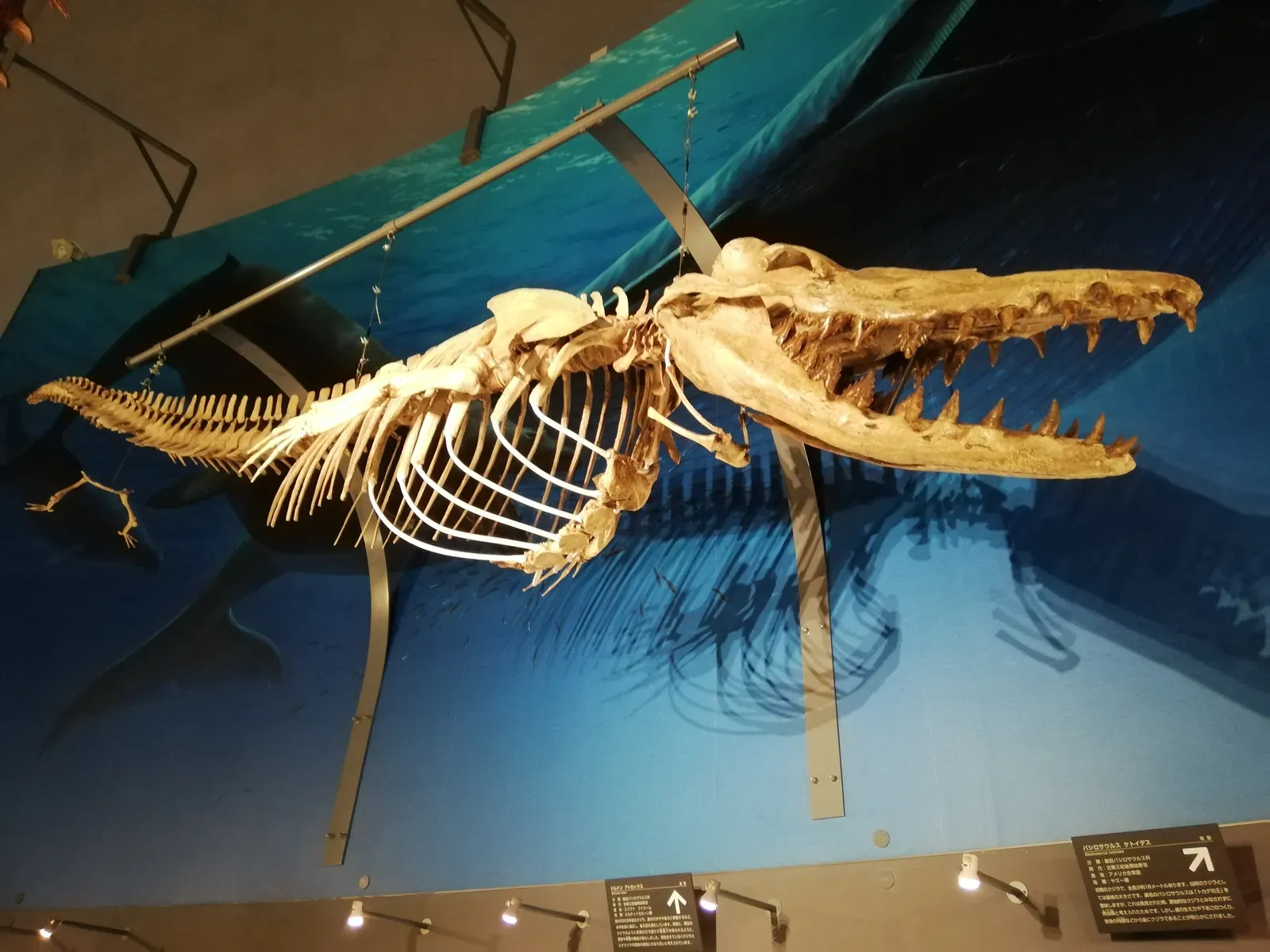
The most dramatic cases on this whole list aren’t single local legends – they’re the grand museum mounts that became genuine scientific celebrities before getting outed as multi-species mashups. In the 19th and early 20th centuries, paleontology moved faster than preparation technique, and curators under pressure to wow paying crowds sometimes built spectacular “ancient monsters” from several individuals, multiple species, and even modern stand-ins carved or cast to fill the gaps.
For decades, these creatures appeared faithfully in textbooks and postcards, shaping public imagination about prehistoric life. Later re-examination with CT scans, detailed comparative anatomy, and precise stratigraphy exposed the truth: vertebrae from one dinosaur, limbs from another, ribs from a third, occasionally a stray cow or horse bone slipped in where original material had gone missing. In at least a few notorious cases, the official type specimen of a named species turned out to be an unrecognized hybrid, a discovery that didn’t just embarrass institutions, it reshaped branches of the evolutionary tree. A handful of beloved mounts on public display right now are still, quietly, composite.
At a Glance
- A “type specimen” is the official reference skeleton scientists use to formally define a species.
- CT scanning, stratigraphy, and comparative anatomy only matured enough to expose these mixes in recent decades.
- Several composite mounts remain on public display today, now reclassified as multi-individual or multi-species assemblies.
Add these all up and a pattern jumps out: whales became dragons, mammoths became Cyclopes, monkeys and fish became mermaids, and mismatched dinosaur bones masqueraded as clean, single species for over a century. Sometimes it was innocent confusion. Sometimes it was calculated myth-making dressed up as science or scripture. Either way, these composite “ancient animals” shaped how entire generations understood monsters, miracles, and even the natural world itself.
Here’s the opinion part: these hybrids don’t deserve less respect for being fake animals. If anything, they deserve more attention, because they’re perfect records of how badly humans want the world to make dramatic sense. A whale skeleton on its own is just biology. A whale skeleton rebuilt into a dragon by frightened, curious people with no other explanation is history, psychology, and storytelling fused into bone. The stitches are the whole point.