
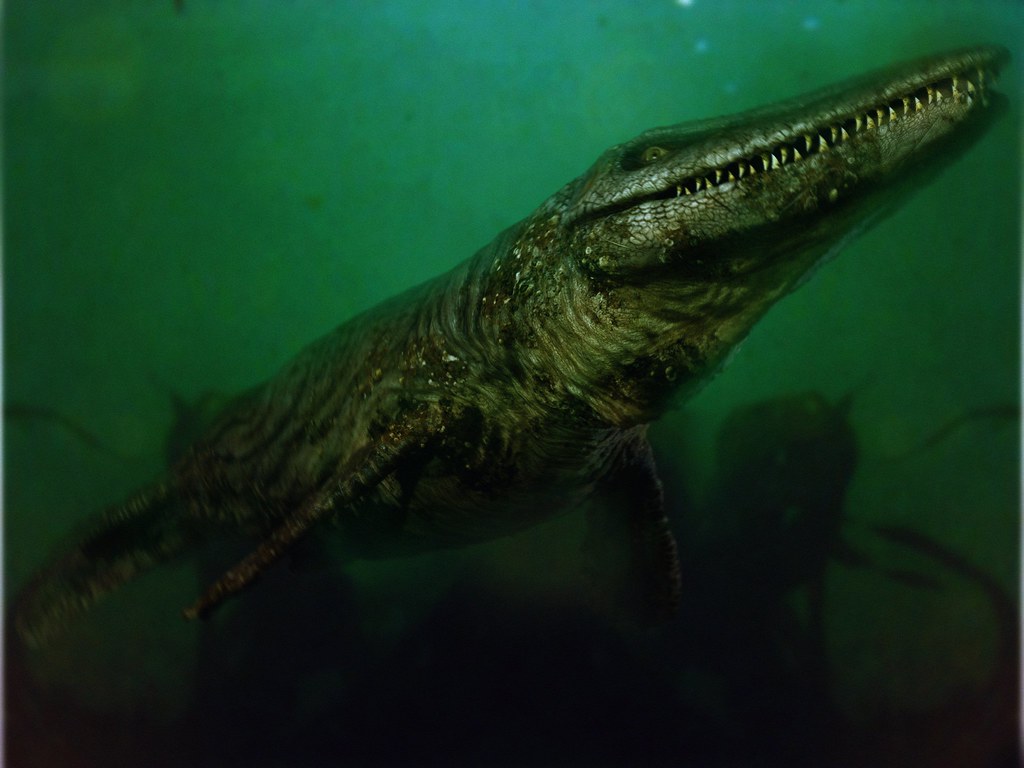
When most people hear the word “Jurassic,” they picture towering dinosaurs thundering across lush valleys. But while life roared on land, the oceans were ruled by a very different kind of monster. Sleek, toothy, and perfectly adapted to a world without mercy, the marine reptiles of the Jurassic were every bit as terrifying as their land‑based cousins – yet most of them barely get a mention today.
These were not dinosaurs, but a whole cast of specialized ocean hunters that turned shallow seas into high‑stakes battlegrounds. Some looked like sword‑snouted crocodiles, others like overclocked dolphins built for speed kills, and a few were essentially living torpedoes armed with a mouthful of steak knives. Let’s dive into six of these – and why they deserve to swim back into the spotlight.
Metriorhynchus: The Crocodile That Let Go of the Shore
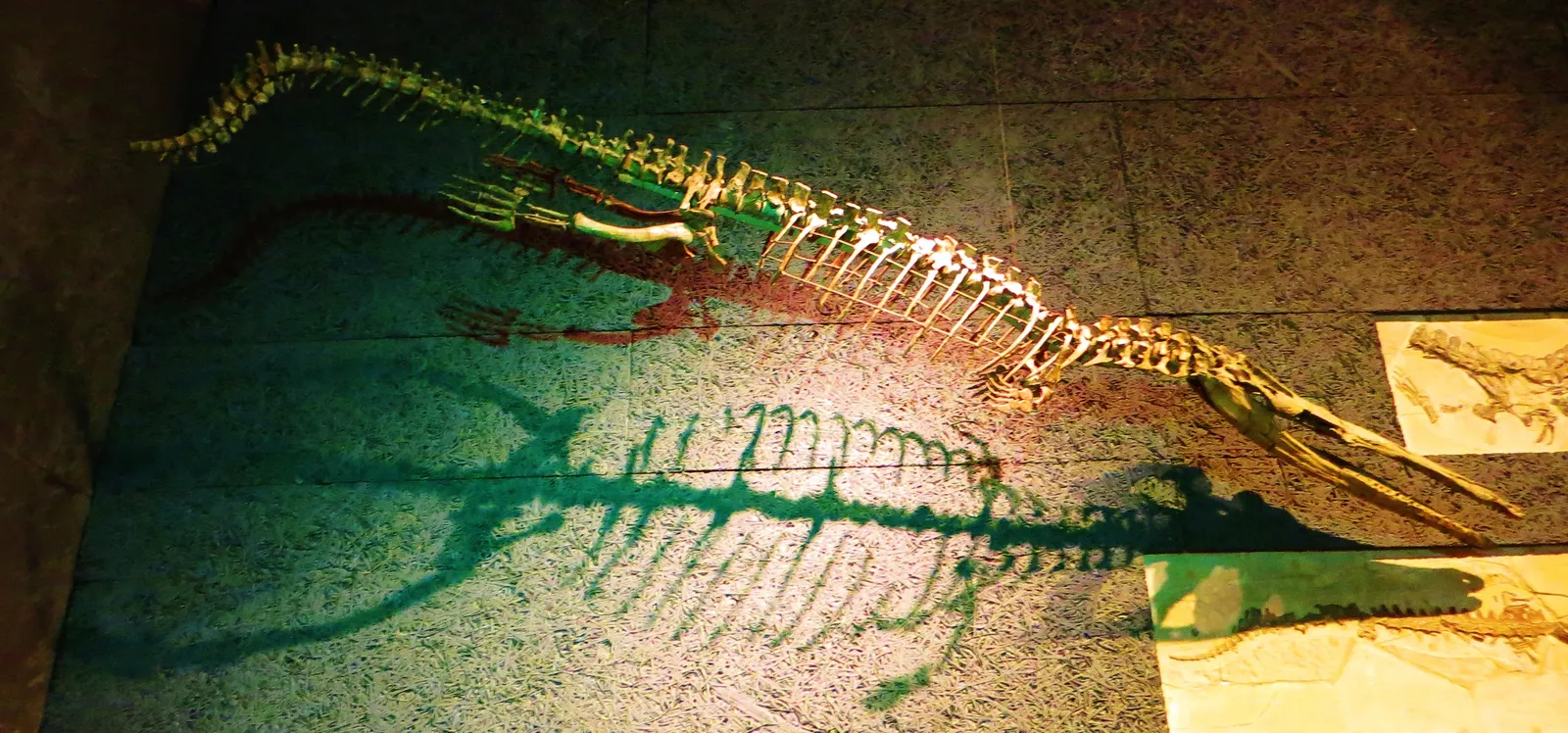
Imagine a crocodile that decided dry land was overrated and went all in on ocean life – that’s Metriorhynchus. Unlike modern crocs that haunt riverbanks and shorelines, this Jurassic predator evolved a fully marine lifestyle, trading its heavy, armored back for smoother, hydrodynamic skin and a powerful tail fluke more like a shark’s than a reptile’s. It essentially broke the rules for what we expect a crocodile to look like, becoming a streamlined missile built for open water.
What fascinates paleontologists is how far Metriorhynchus pushed that transformation. Its limbs were reshaped into flippers, its body lost the bony armor that would have slowed it down, and its long, narrow jaws were packed with sharp, conical teeth perfect for snagging fish, squid, and smaller reptiles. To me, it feels like nature ran a “crocodile” through a marine upgrade filter and turned the slider all the way up – proof that even familiar animals can evolve into something almost unrecognizable when the ocean calls the shots.
Ophthalmosaurus: The Big‑Eyed Torpedo of the Deep
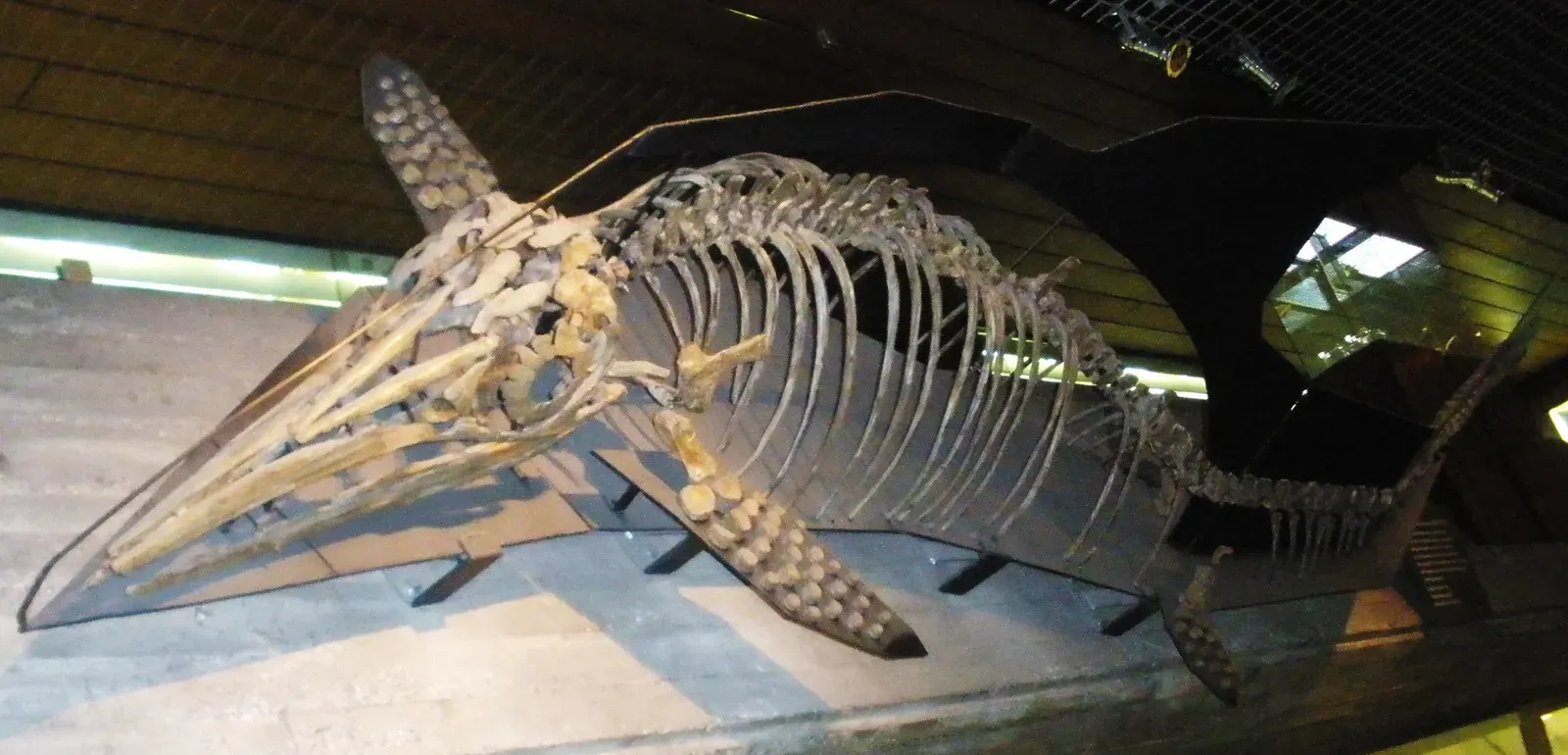
Ophthalmosaurus looked like a nightmare version of a dolphin designed by a deep‑sea engineer. Its most striking feature was its enormous eyes – so big relative to its skull that they likely helped it see in low light, whether in murky waters or in deeper, darker layers . Picture a sleek, fish‑eating missile with headlights, and you’re not far off. Those huge eyes probably gave it a huge edge in hunting swift, slippery prey that other predators might have missed.
It belonged to the ichthyosaurs, a group of marine reptiles that converged on a dolphin‑like body plan long before mammals tried the same trick. With a stiff, streamlined torso, powerful tail fin, and paddle‑shaped flippers, Ophthalmosaurus was built for sustained, high‑speed swimming rather than slow cruising. I like to think of it as the quiet professional of the Jurassic oceans – no showy spikes or armor, just a ruthless efficiency that let it carve out a niche in a world where being even slightly better at seeing or swimming could mean the difference between thriving and vanishing.
Cryptoclidus: The Long‑Necked Net of the Shallow Seas
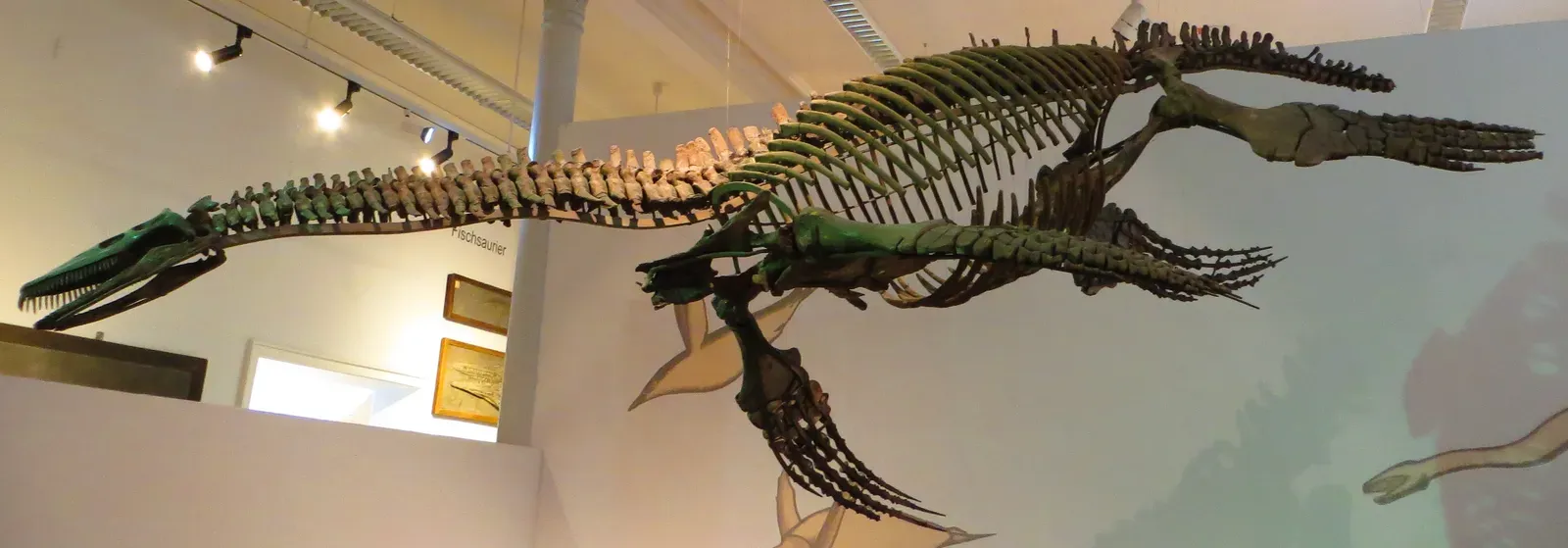
Cryptoclidus is one of those creatures that looks so strange you almost assume artists must be exaggerating. With its long, flexible neck and relatively small head, it probably prowled shallow Jurassic seas and lagoons, weaving that neck through schools of fish or clouds of small crustaceans. Its teeth were slender and closely spaced, forming a kind of biological sieve that could trap soft‑bodied prey like a living fishing net rather than a bone‑crushing jaw machine.
What makes Cryptoclidus especially interesting is that it shows how success in the ocean was not just about brute strength. Instead of going all in on massive skulls and crushing bite force, it leaned into finesse and precision feeding. I see it as the opposite of the big blockbuster monsters: more like a quiet, persistent forager that turned patience and reach into its main weapons. In an ecosystem full of high‑speed killers, there was still room for a specialist that won by simply being in the right place, with the right tool, at the right time.
Cymbospondylus: The Early Giant That Broke the Size Barrier
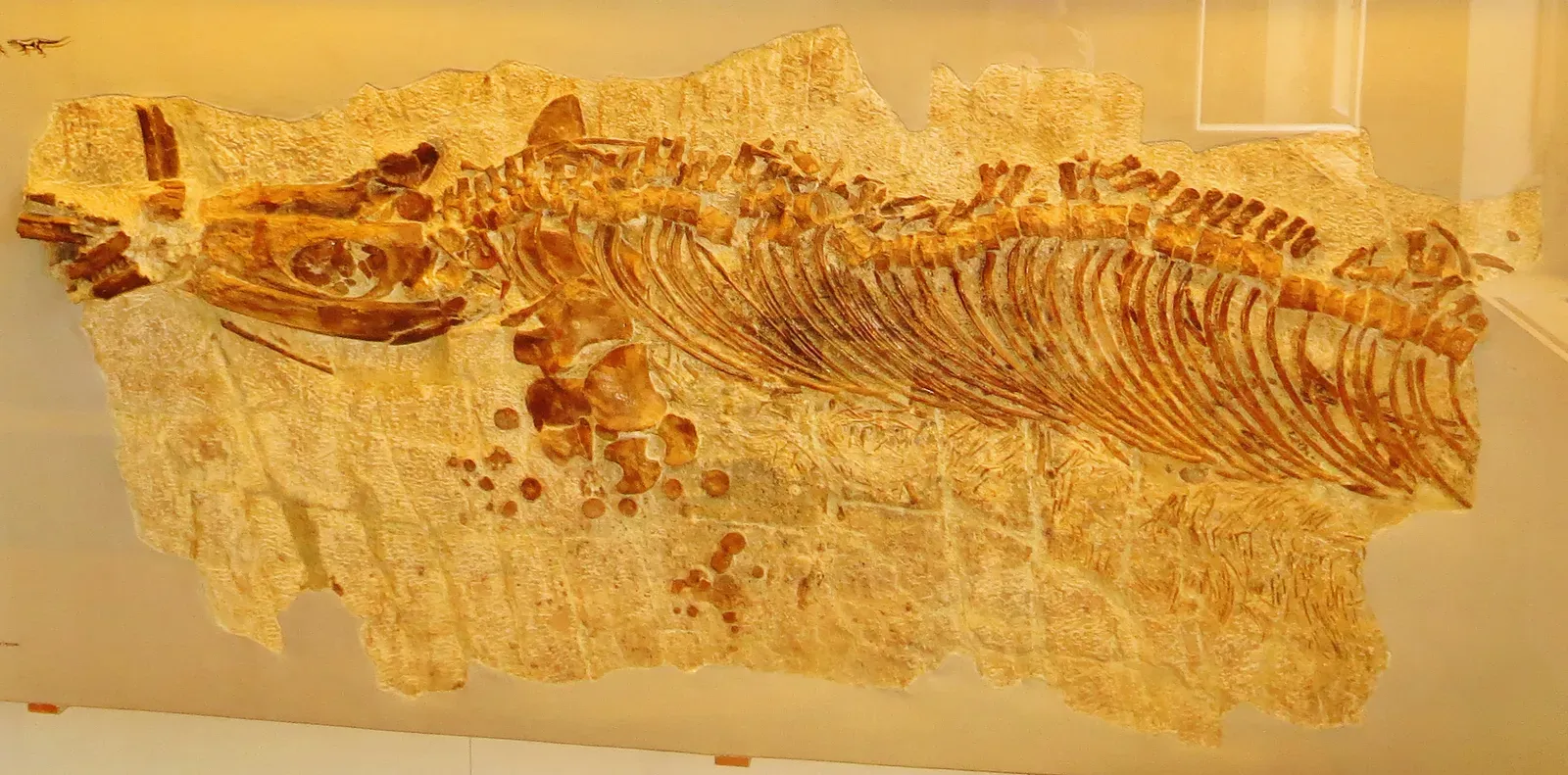
Technically hailing from earlier than the classic Late Jurassic, Cymbospondylus still casts a long shadow over the age of marine reptiles and helps explain how later Jurassic seas got the way they were. This ichthyosaur stretched to impressive lengths, with a long, eel‑like body that feels almost primitive compared to the more compact, tuna‑shaped ichthyosaurs that came later. It shows that reptiles were experimenting with going big in the oceans surprisingly early, long before whales would try something similar in the Cenozoic.
I find Cymbospondylus compelling because it represents a kind of evolutionary rough draft of marine gigantism. It was not yet the perfectly streamlined speed demon some later ichthyosaurs became, but it had clearly cracked the code on using size as a strategy – whether for intimidating predators, swallowing larger prey, or cruising long distances with minimal energy use. It reminds me that the Jurassic seas were not just a static stage, but a continuation of a much longer story where reptiles had been pushing into the water, failing, adapting, and trying again for tens of millions of years.
Liopleurodon: The Overhyped Myth and the Real Predator
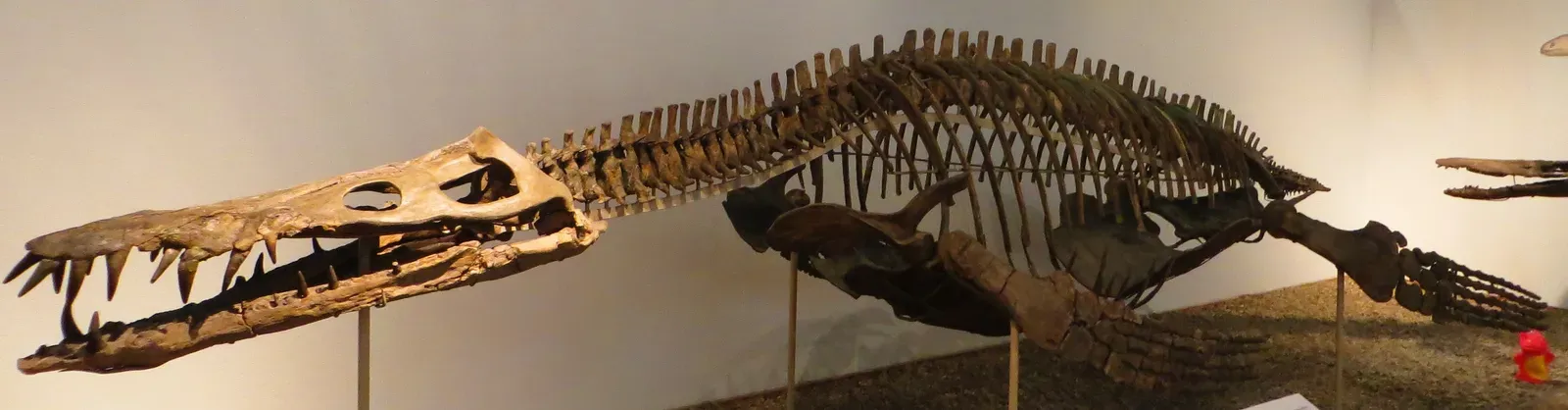
If any Jurassic marine reptile has been both famous and misunderstood, it is Liopleurodon. Popular documentaries once super‑sized it into an impossible monster, claiming lengths that modern science just does not support. Strip away the exaggeration, though, and you still have a seriously formidable pliosaur: a short‑necked, massive‑skulled predator with a bite built for taking on large prey, possibly including other marine reptiles. Its skull alone, armed with thick, conical teeth, tells you this was not a gentle giant.
What I like about Liopleurodon’s story is how it exposes the tension between spectacle and science. Even at more realistic sizes, it was a powerful, likely apex predator in its ecosystems, relying on strong flippers and a heavily muscled body to ambush or chase down victims. To me, the real animal is actually more interesting than the inflated legend, because it forces us to ask why we feel the need to exaggerate creatures that were already terrifying in their own right. The truth is still jaw‑dropping – you just have to be willing to appreciate the fossil evidence instead of the marketing.
Rhamphorhynchus: The Winged Raider of Jurassic Coastlines
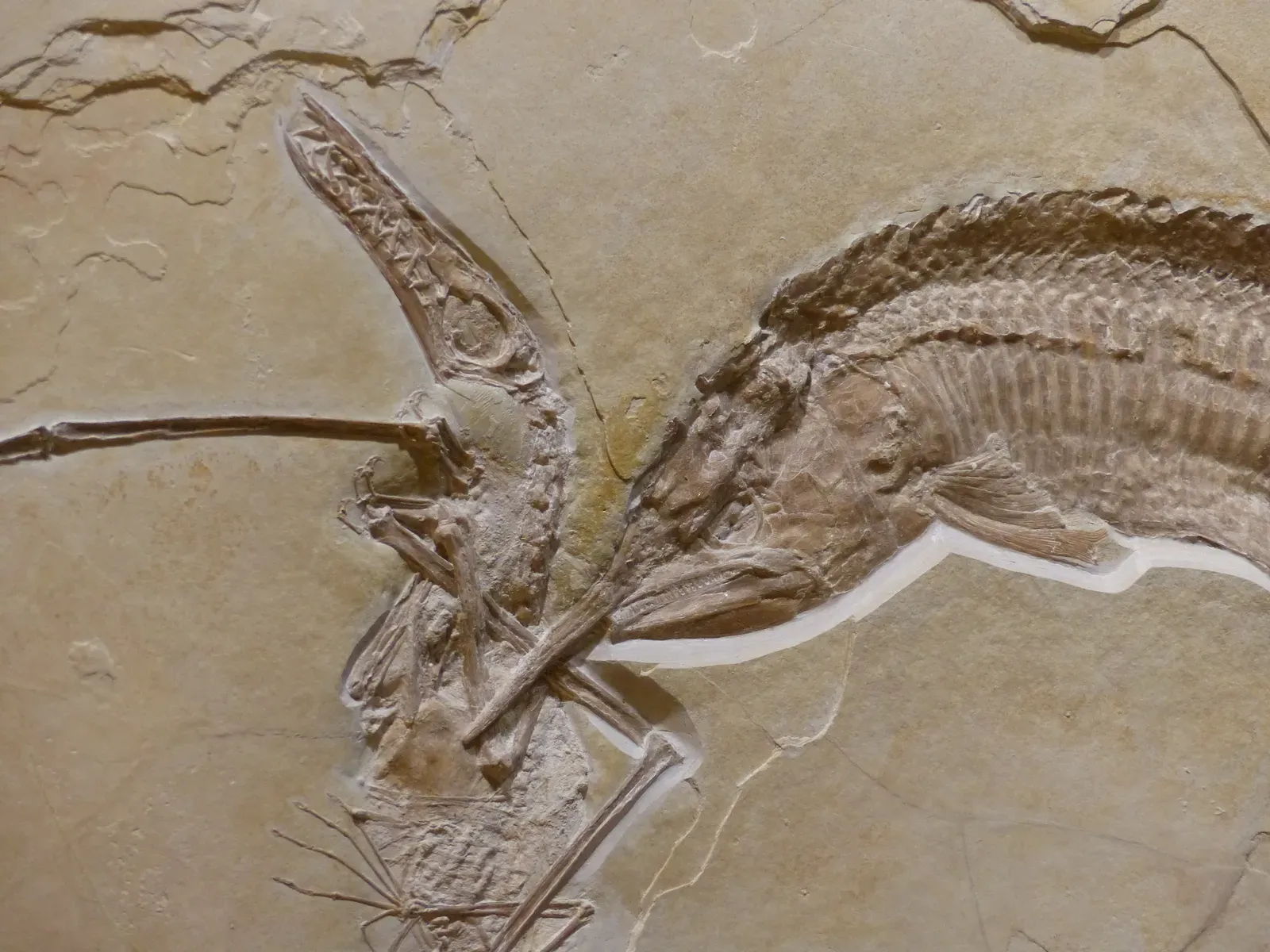
Rhamphorhynchus technically ruled the air, but it hunted the Jurassic seas so intimately that leaving it out feels like telling only half the story. This early pterosaur, with its long tail and distinctive tail vane, likely patrolled coastlines and shallow waters, snatching fish from the surface or just below. Fossils even preserve fish remains and sometimes stomach contents, painting a vivid picture of a life spent skimming, diving, and gambling every flight on the reflexes of both hunter and prey.
What makes Rhamphorhynchus feel like a “king” to me is not its size – it was fairly modest – but the way it plugged into the ocean food web from above. It blurred the line between sky and sea, a reminder that marine ecosystems are not just about what lives under the waves, but also about what dives in to steal a meal. I picture it as the opportunistic raider of the Jurassic coastline, exploiting moments when fish crowded the surface or when bigger marine reptiles drove prey upward, turning chaos into a feeding opportunity with each precise swoop.
Conclusion: Why These Lost Ocean Rulers Still Matter
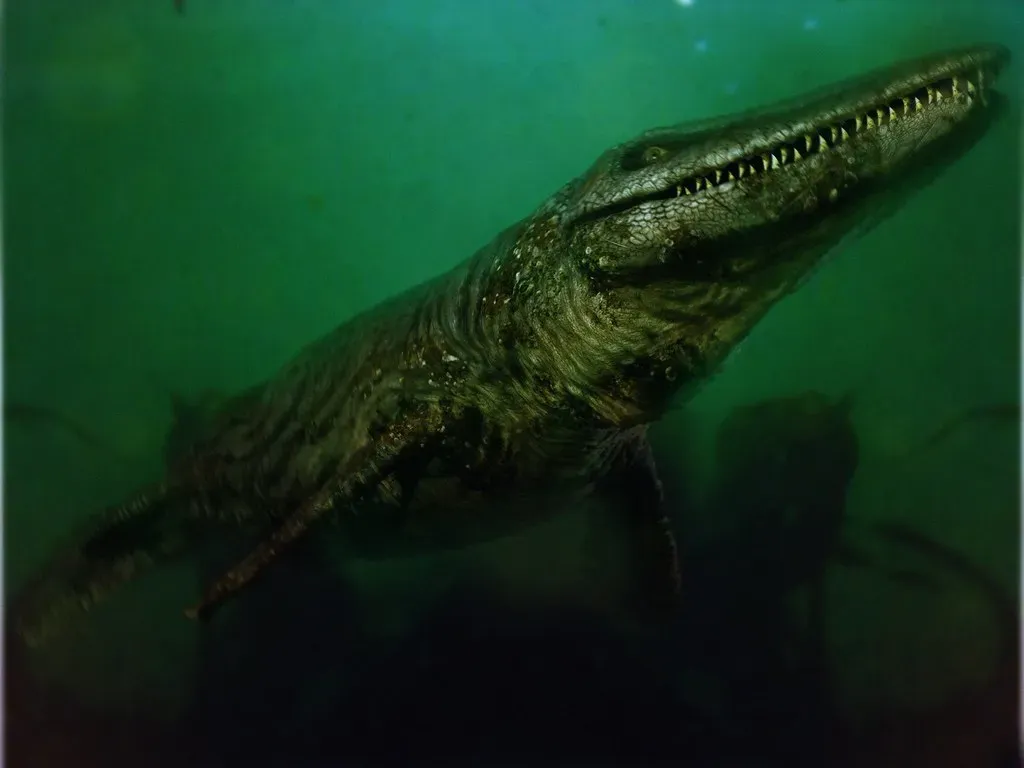
When you stack Metriorhynchus, Ophthalmosaurus, Cryptoclidus, Cymbospondylus, Liopleurodon, and Rhamphorhynchus side by side, a pattern emerges: there was no single way to rule the Jurassic seas. Some kings relied on speed, others on stealth, others on sheer size or specialized feeding tricks. The forgotten part is not that they existed, but that their diversity and ingenuity often get flattened into a vague image of “sea monsters” while land dinosaurs hog the cultural spotlight. That imbalance, in my view, seriously undersells how wild and experimental ancient oceans really were.
Paying attention to these animals is not just a nerdy fossil obsession; it changes how we think about evolution, ecosystems, and even our modern oceans. The same rules that shaped these reptiles – competition, adaptation, niche‑splitting, boom and bust – are still at work today in sharks, whales, and seabirds. Personally, I think we underestimate how much perspective we gain by looking backward at these long‑gone kings. If a crocodile could become a slick ocean predator and a reptile could independently evolve into a dolphin‑like torpedo, what else might still be possible in the future seas we are busy reshaping right now?