
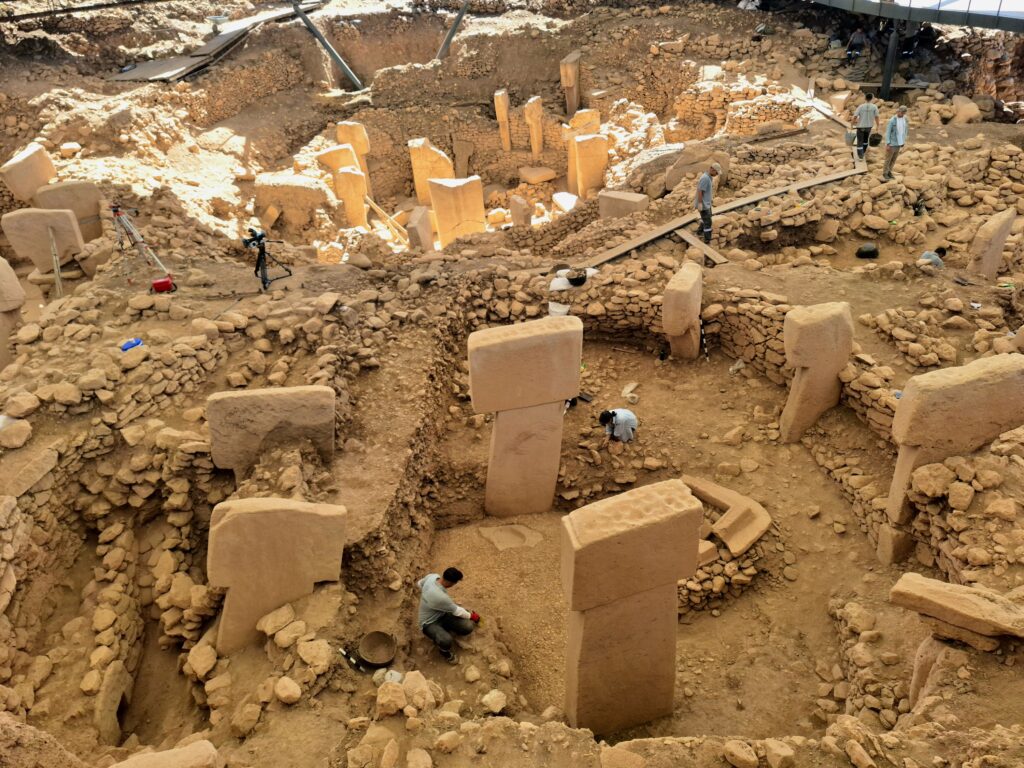
Walk across a glassy office park, a shopping mall parking lot, or a quiet cul-de-sac in the United States, and you might be stepping over stories that go back not just centuries, but thousands of years. Beneath highways, suburbs, and skyscrapers lie traces of forgotten cities, ritual landscapes, and even mass graves that rewrote what we thought we knew about the past. The ground looks ordinary; the history beneath it is anything but.
Archaeologists sometimes joke that the most interesting parts of America are hidden under places developers found convenient to build. It is only half a joke. As radar, lidar, and careful excavation peel back layers of soil and concrete, a very different picture of this continent emerges: one filled with sophisticated engineering, long-distance trade, and spiritual worlds that still shape lives today. These seven ancient secrets sit right under ’s feet – and once you see them, your mental map of the country will never look the same.
The Mississippian Metropolis Beneath East St. Louis
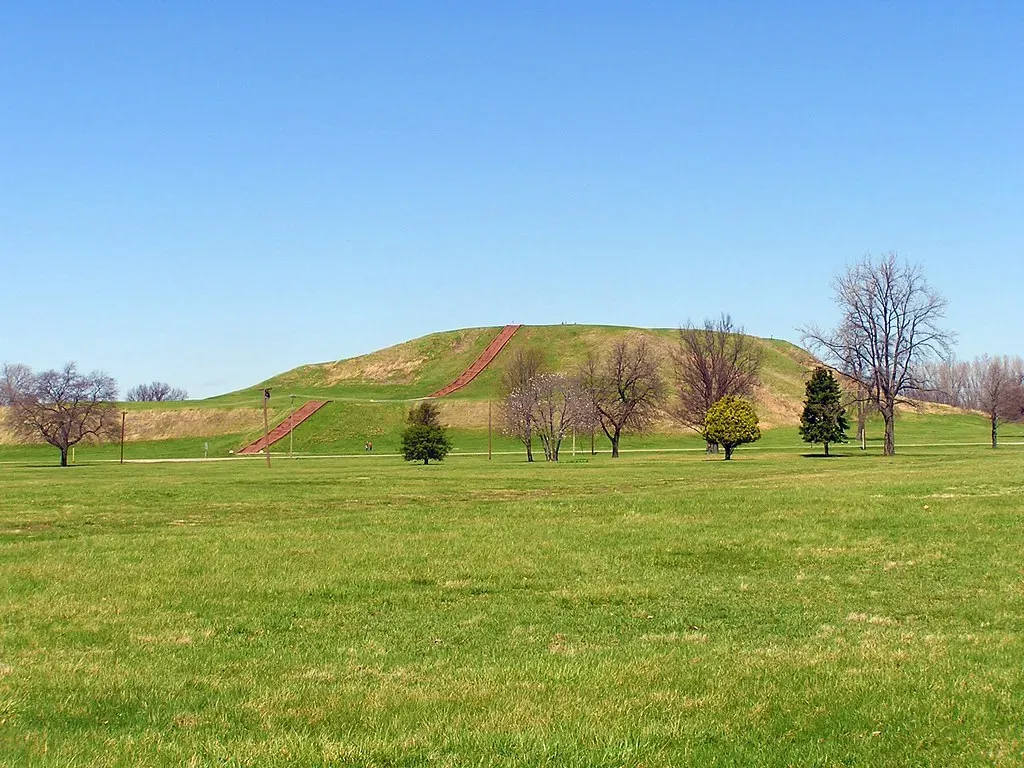
On the Illinois side of the Mississippi River, just across from the Gateway Arch and tangled interstate ramps, lies the ghost of a preindustrial city that rivaled medieval European capitals. Known today as Cahokia and its surrounding satellite communities, this Mississippian metropolis flourished about a thousand years ago, with massive earthen mounds, broad plazas, and neighborhoods that likely held tens of thousands of people. Much of the main ceremonial center is preserved as a state historic site, but a wide ring of suburbs and outlying mounds now sit under warehouses, rail yards, and residential streets.
Archaeological digs in East St. Louis and nearby areas, often spurred by highway and bridge construction, keep uncovering new layers of this buried urban world. Researchers have found stacked house floors, ritual pits, and evidence of long-distance trade connections reaching the Great Lakes, the Gulf Coast, and beyond. The unsettling part is how much we have already lost: whole neighborhoods of this ancient city were bulldozed before anyone knew they were there. It is a sobering reminder that modern development can erase centuries of history in a single construction season.
Newark’s Hidden Earthworks Beneath Ohio’s Suburbs
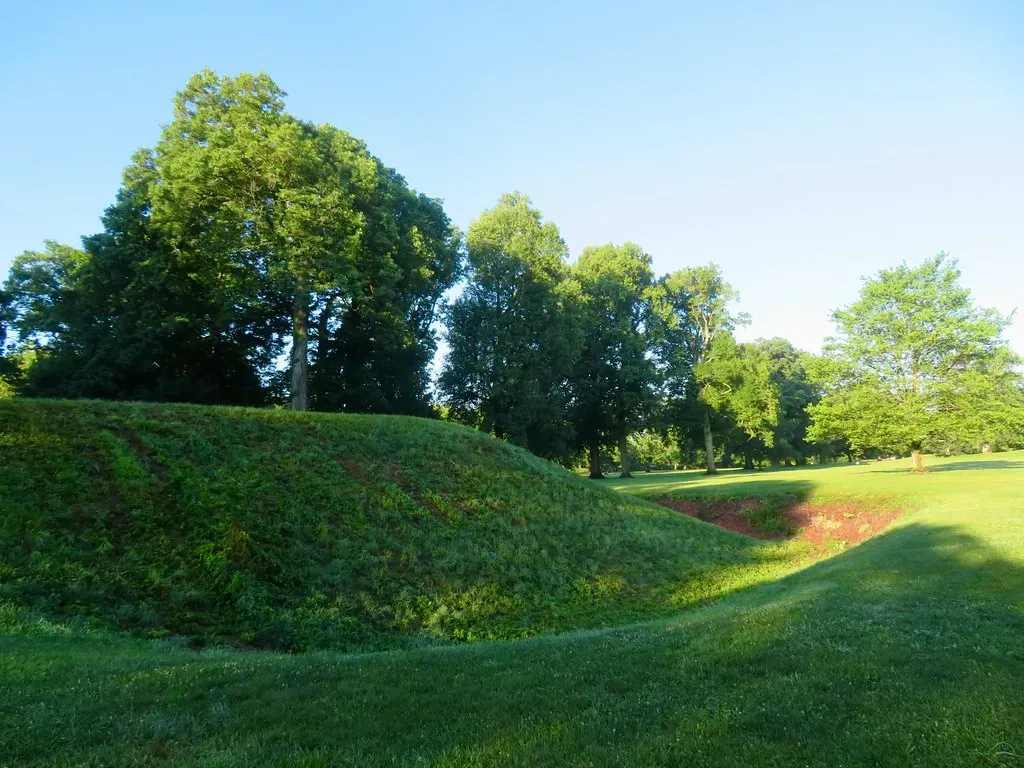
In central Ohio, some of the most precise ancient earthworks on Earth are wedged awkwardly into a modern landscape of roads, houses, and a golf course. The Newark Earthworks, once a sprawling complex of geometric embankments and mounds, covered several square miles and were aligned with celestial events in a way that still surprises researchers. Much of the system has been flattened over time, yet key elements survive – some now surrounded by subdivisions and strip malls that make the surviving shapes feel even more otherworldly.
Portions of the complex are still actively studied, and recent remote sensing has suggested that patterns extend beyond the pieces now visible at ground level. Imagine ancient surveyors carefully plotting circles and octagons on a massive scale, only to have those lines later sliced through by asphalt and utility lines. The contrast is jarring: a culture that read the sky and embedded its rhythms into earth and geometry, and a modern one that often does not notice it is parking its car on top of a prehistoric observatory.
Manhattan’s Buried African Burial Ground
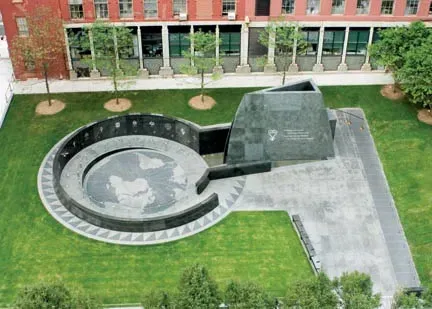
In lower Manhattan, amid federal buildings and busy streets, lies one of the most haunting archaeological discoveries in American urban history: the African Burial Ground. For decades, the existence of this colonial-era cemetery, where free and enslaved Africans were buried in the seventeen and eighteenth centuries, faded from public memory. In the early 1990s, construction for a federal office building exposed human remains, and the extent of the forgotten graveyard stunned the city.
Careful excavations revealed coffins, grave goods, and skeletal evidence pointing to grueling labor, malnutrition, and resilience in the face of brutal conditions. The fact that this cemetery lay under what many considered the heart of modern finance and government became a powerful symbol of how the lives of enslaved people literally underpinned the city. Today there is a memorial and interpretive center, yet most passersby still have no idea that, beneath the pavement, thousands of lives and stories remain in the ground.
Ancient Pueblos Beneath the Streets of Phoenix
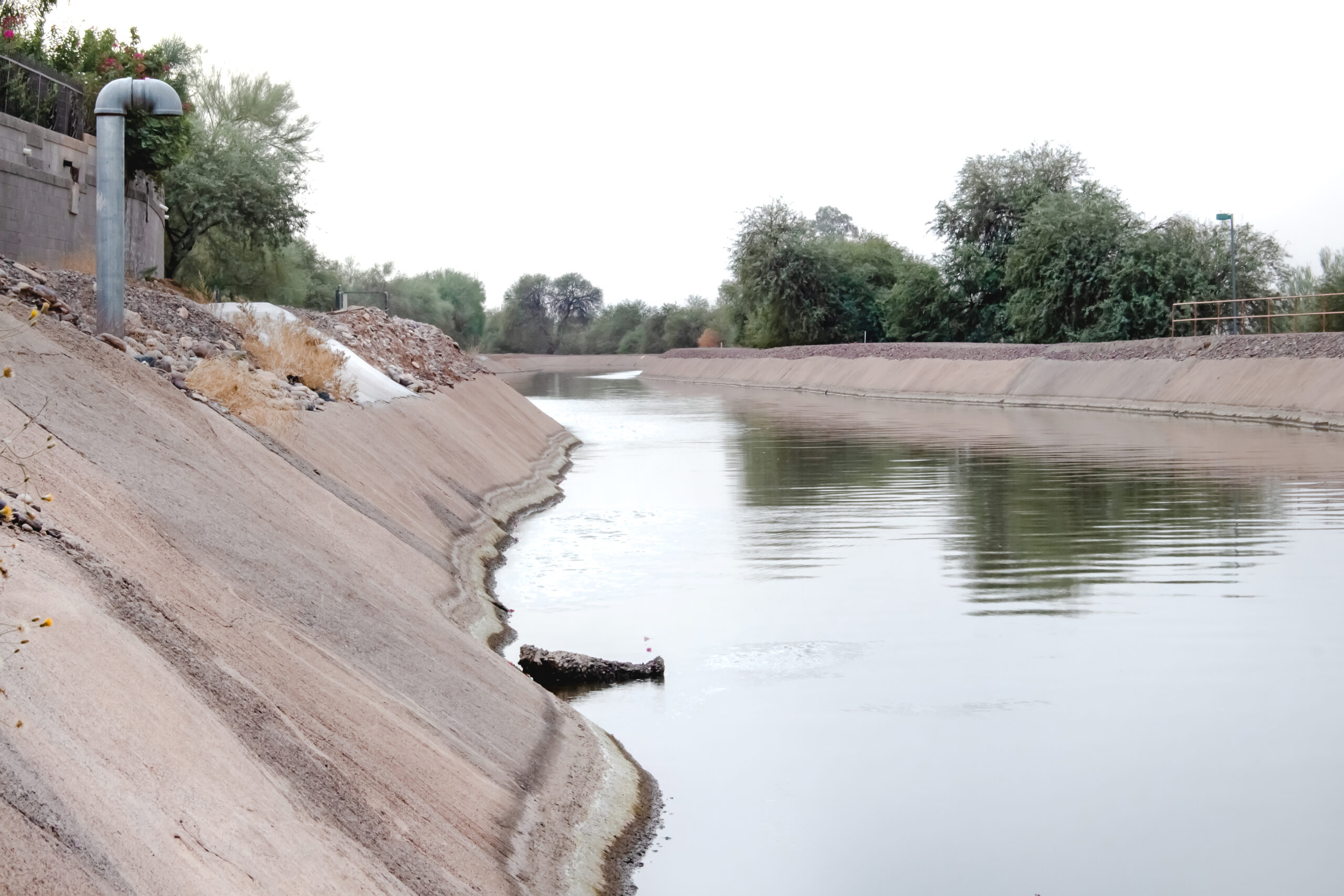
Phoenix markets itself as a young, sunbelt city built for cars and swimming pools, but its basic layout sits on top of one of North America’s great irrigation civilizations. Long before air conditioning, ancestral Hohokam communities carved hundreds of miles of canals out of the desert, diverting river water to support fields of crops and dense villages. Many of those ancient canal alignments still guide modern ones, and housing developments sprawl over what were once carefully planned agricultural complexes.
Construction projects in and around Phoenix regularly hit traces of Hohokam pit houses, trash mounds, and ritual sites. Salvage archaeology races ahead of bulldozers, documenting what it can before foundations and pipelines lock the ground into a new, largely permanent shape. It is striking – and a bit uncomfortable – to realize that the modern city is, in a way, repeating history: dependent on huge engineered waterworks, vulnerable to drought, and living on land that has already seen one complex society rise and transform under similar pressures.
The Spiral Secrets Beneath Chaco Canyon’s Quiet Deserts
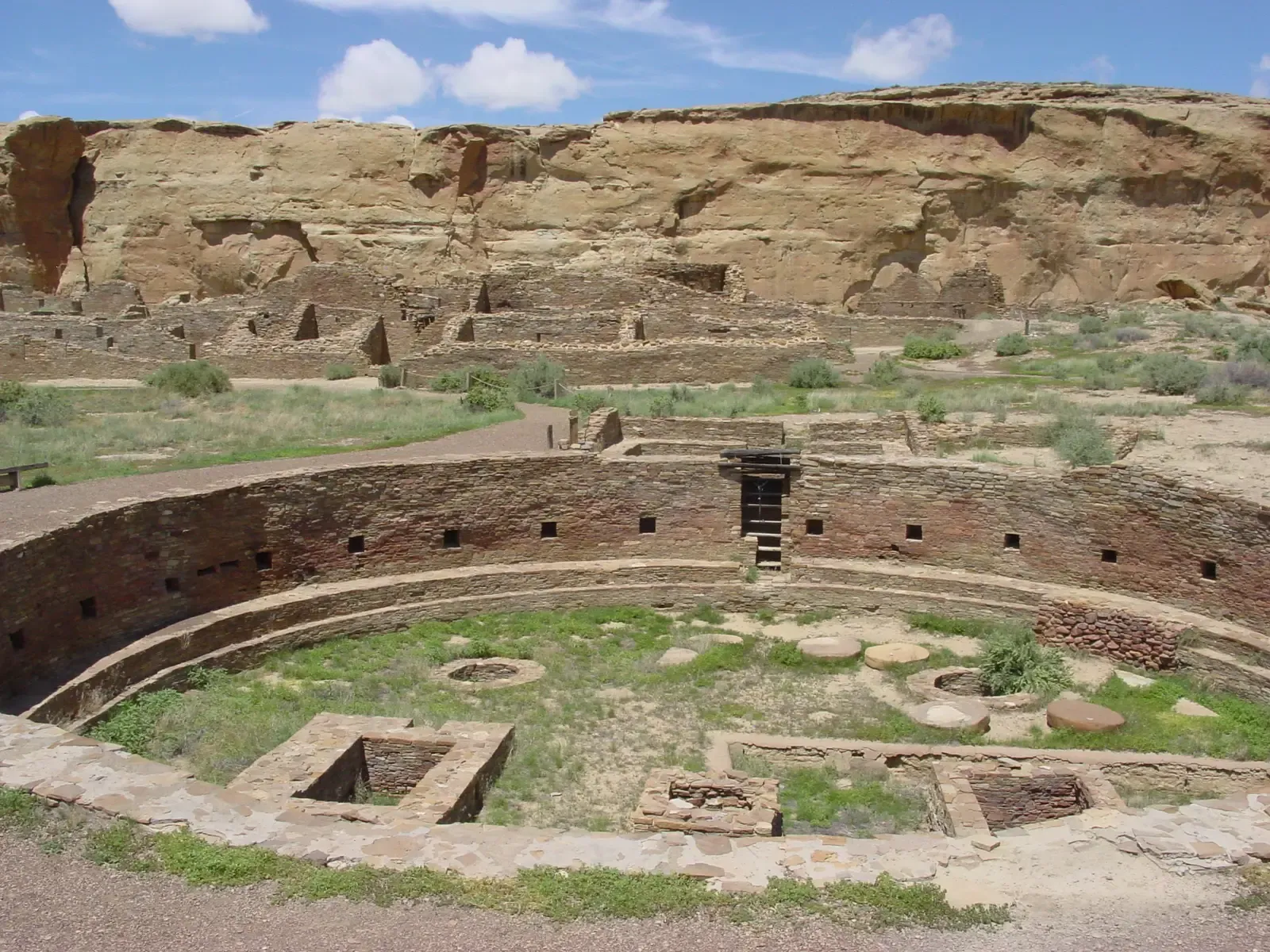
Chaco Canyon in New Mexico can feel like an isolated ruin ringed by empty high desert, but new technologies have shown that much of its story is still hidden underground and spread across a vast region. Lidar and ground-penetrating radar have helped reveal buried rooms, kivas, roads, and outlying structures that link the so-called great houses into an intricate web. Some of these elements lie under modern roads or ranch infrastructure; others remain faint patterns waiting to be mapped in detail.
The picture emerging is of a landscape engineered for movement, ceremony, and social connection on a scale few suspected. Straight roads run across mesas and canyons, like stone and packed-earth counterparts to today’s highways. Unlike modern pavement, though, these routes were embedded in a spiritual worldview we are only beginning to reconstruct. Standing there today, it is easy to see nothing but stone walls and sand; the real network, much of it still buried, stretches out invisibly under your feet.
Urban Freeways Over Indigenous Villages in the Pacific Northwest
In cities like Seattle, Portland, and Vancouver, the waterways that now host container ships, marinas, and industrial zones once supported thriving Indigenous villages and seasonal camps. Many of these sites are now buried beneath fill, piers, ports, and freeway interchanges. Occasionally, a road improvement project or new building reveals house posts, shell middens, or fishing features that confirm oral histories long dismissed or ignored by outsiders.
This buried record matters not just to archaeologists, but to contemporary Native communities who see their ancestors’ homes literally covered by concrete. It underlines a harsh truth: modern urban growth often treated these places as blank slates, even when people had lived, fished, and buried their dead there for countless generations. When artifacts or remains surface, they force difficult conversations about who gets to decide how the past is handled, and whose stories count when planning the next layer of the city.
Sunken Stories Beneath America’s Dams and Reservoirs
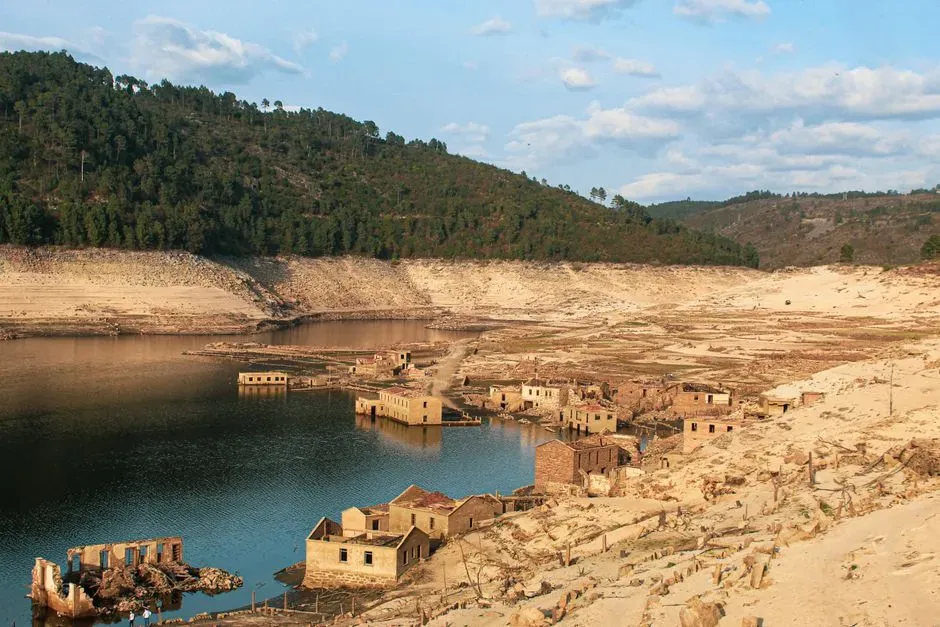
Some of the most dramatic buried landscapes in the United States are not under cities at all, but under water. Twentieth-century dam projects flooded entire valleys, covering ancient camp sites, villages, and rock art beneath man-made lakes. In a few drought years, when reservoir levels drop, remnants of these worlds re-emerge: stone foundations, petroglyph-covered boulders, and eroding burial grounds briefly visible before they are submerged again.
These flooded sites sit at the edge of our historical imagination, literally out of sight and often out of mind. Archaeologists sometimes scrambled to document them before the dams closed, but much was inevitably left unstudied or poorly recorded. It raises an uncomfortable question that feels very relevant in an age of climate change and big infrastructure: how much are we willing to sacrifice of the deep human past for the sake of energy, water, and growth, and how carefully do we even measure that trade-off?
Conclusion: Why These Buried Worlds Should Change How We Build
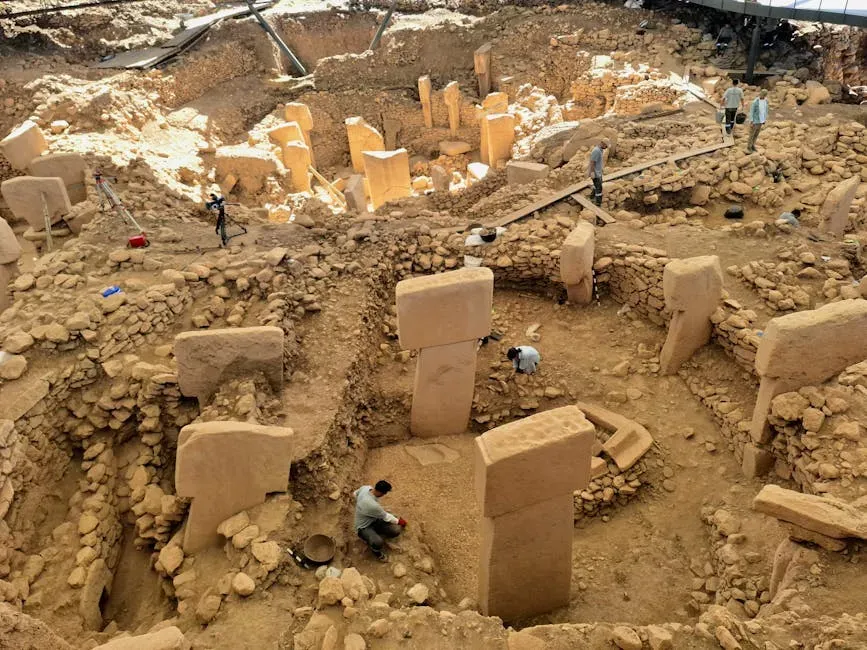
When you realize how many layers of history lie , it becomes hard to see any patch of asphalt or lawn as just empty space. The continent is not a blank starting line that came to life only with European colonization; it is a palimpsest, written and rewritten, with older stories still pushing through the surface whenever we dig. In my view, it is intellectually dishonest – and morally lazy – to pretend that new construction, new highways, or new suburbs arrive on neutral ground.
We will keep building; that part is not going to change. What should change is the assumption that speed and profit always outrank the chance to listen to what the land is already trying to tell us. Taking ancient cities, burial grounds, and sacred landscapes seriously is not about freezing the past in amber; it is about acknowledging that our present depends on foundations we barely understand. The next time a project halts because archaeologists found something, maybe the real question is not how fast we can clear it, but what we stand to lose if we do not stop and learn. When you walk across your own neighborhood, are you really sure you know what is buried under your feet?