
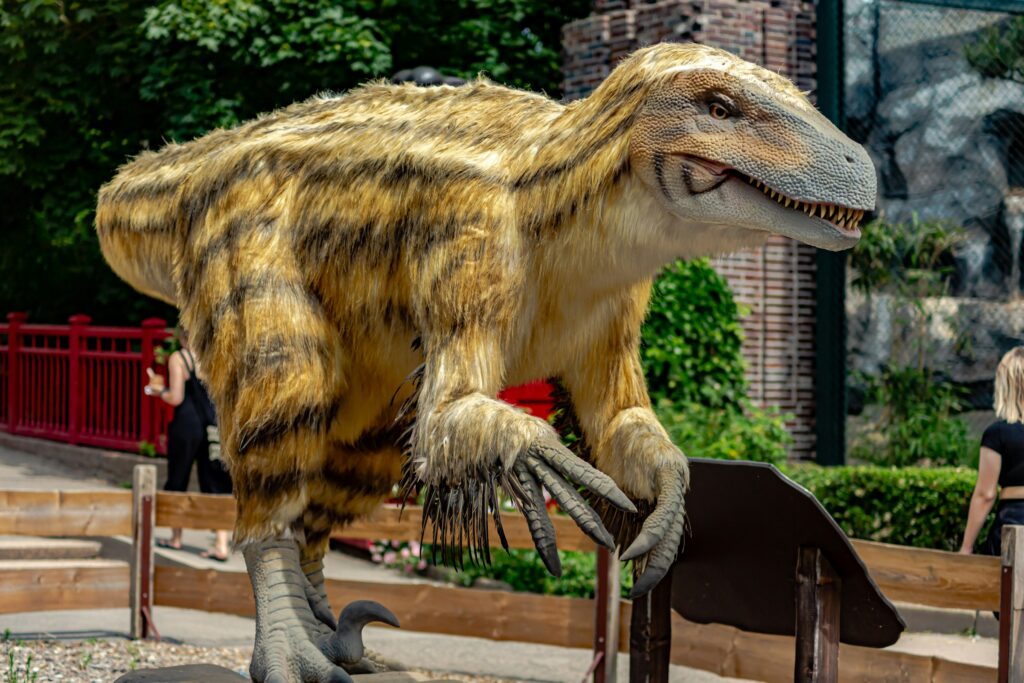
Prehistory is usually sold to us as a dull blur: gray mammoths trudging across icy plains, cave people grunting around a fire, the same handful of dinosaurs stomping through the same fern forest. But when you start looking at the actual discoveries, the real story feels less like a dusty museum and more like a stack of wild movie scripts that never got filmed. There were super‑predators built like living tanks, mysterious mass deaths that read like crime scenes, and tiny survivors clinging to life on shrinking islands.
What follows are seven prehistoric stories that sound almost too dramatic to be real. Each one is grounded in fossils, geology, and careful detective work, but if you swapped in actors and CGI, nobody would blink. They would just call it a blockbuster. Let’s walk through these worlds as if we’re storyboarding films, and see how much stranger and more cinematic the truth really is.
The Day the Sky Fell: The Real-Life “End of the World” Event
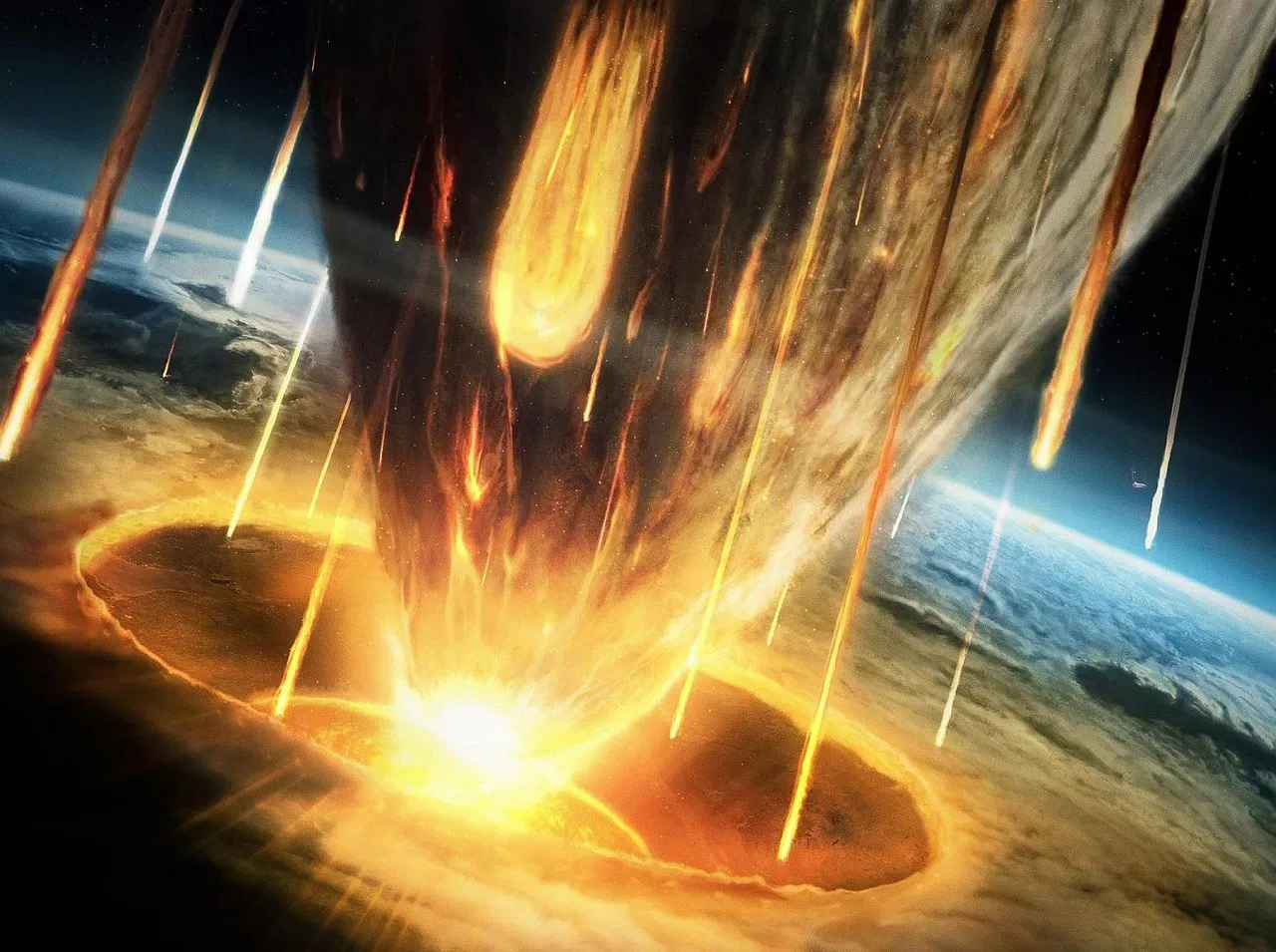
Imagine opening on a peaceful shoreline sixty‑six million years ago: dinosaurs grazing, flying reptiles gliding, lush forests humming with insects. Then, in the far distance, a point of light appears in the sky, growing brighter than the sun. This is not symbolism or legend; geological evidence points to a space rock several miles wide slamming into what is now Mexico, releasing more energy than an unimaginable number of nuclear weapons combined and rewriting life on Earth in a matter of hours.
The impact left a crater about the size of a small country, triggered massive tsunamis, wildfires, and a global dust cloud that dimmed the sun. Fossil layers show a sharp break: above a wafer‑thin band enriched with elements from the asteroid, the diversity of large dinosaurs suddenly vanishes. From a storytelling angle, it is the most brutal hard cut in natural history: one scene filled with giant reptiles and strange flying hunters, the next dominated by mammals scrambling into the vacant spotlight. If any “apocalypse movie” wants realism, this is the script to steal.
The Monster of the Inland Sea: Mosasaurs as Ocean Villains
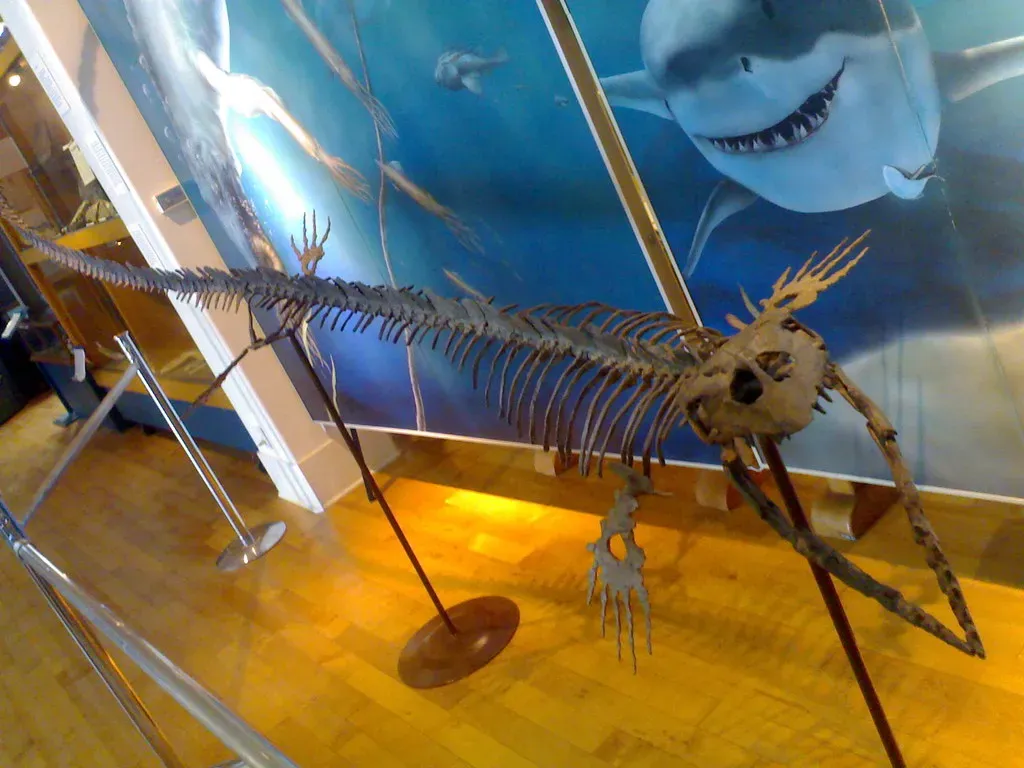
Picture a world where the middle of North America is not endless plains, but a warm, shallow sea stretching from the Arctic to the Gulf of Mexico. Now throw in the villain: huge marine lizards called mosasaurs, some longer than a bus, with double‑hinged jaws and teeth lined like shark blades. Their fossils show streamlined bodies, strong tails, and skulls adapted for lunging and swallowing prey whole, more like a reptilian hybrid of an orca and a crocodile than a clumsy lizard.
In those waters, there were giant sharks, armored fish, and marine reptiles, but mosasaurs sat near the top of the food chain, and they behaved like the apex monsters of any ocean‑horror film. Fossil stomach contents show them devouring fish, other reptiles, and sometimes smaller members of their own species, turning the inland sea into a violent, competitive feeding ground. If you shot a scene of a mosasaur erupting from the depths to grab a flying reptile off the surface in slow motion, it would be dramatic – but it would also be pretty close to what the bones actually suggest happened.
The Island of Giants and Dwarfs: Evolution’s Strangest Casting Choices
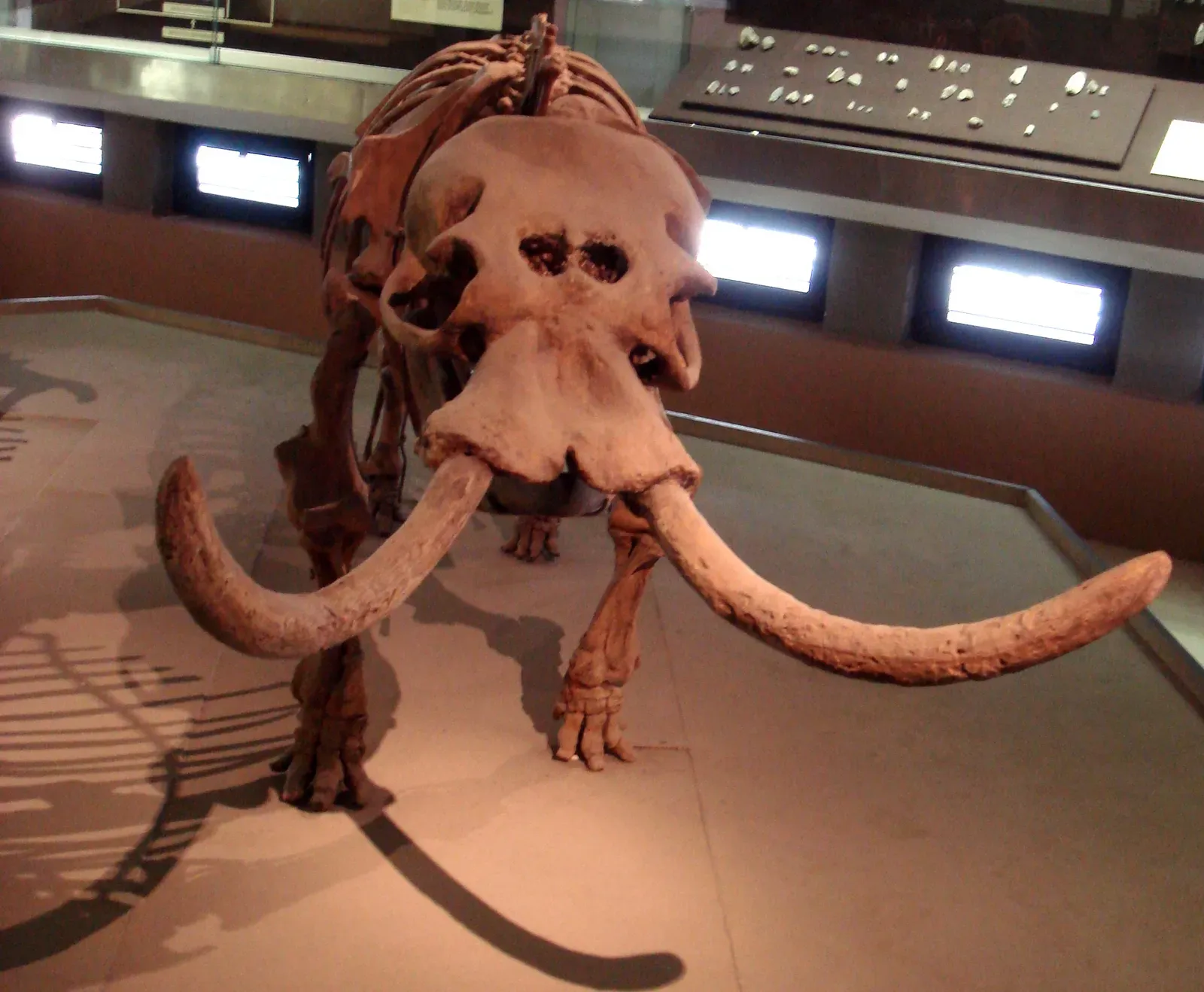
One of the most bizarre rewrites in evolution happens on islands, where nature behaves like a director obsessed with experimental casting. On some prehistoric islands, huge animals shrank over generations into miniature versions of themselves, while smaller species ballooned into oversized, dominant forms. Fossils of dwarf elephants and hippos, for example, show surprisingly tiny bodies and shortened limbs, as if someone hit a shrink button on familiar giants and left them to wander cramped island forests.
At the same time, small animals sometimes went the opposite way, becoming surprisingly large when freed from mainland predators. There are ancient island deer with oversized features and rodents that grew into hefty, powerful forms. The logic is ecological: limited food punishes big bodies, lack of predators rewards growth in others. Yet it plays out like a surreal fantasy film where the cast of creatures shuffles sizes with no warning. If a screenwriter invented an island where pocket‑sized mammoths and beefed‑up rodents live side by side, people might call it whimsical; evolution just called it standard practice.
The Dino Death Pit: A Prehistoric Mystery Scene
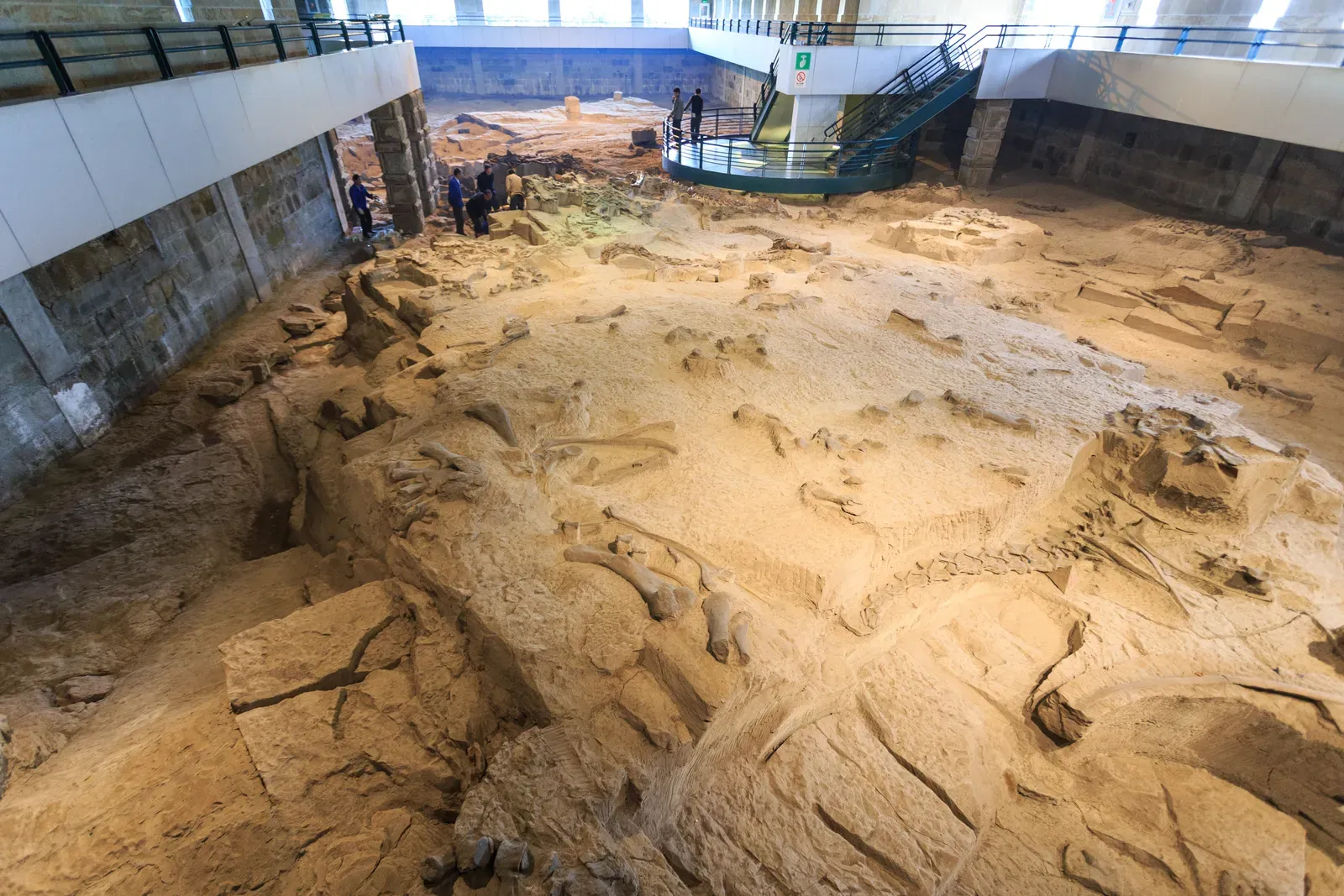
Paleontologists sometimes stumble on fossil sites that feel less like slow, ordinary burial grounds and more like crime scenes frozen in rock. One type of site contains tangled piles of skeletons from multiple individuals of the same species, sometimes including both adults and young, jumbled in chaotic positions. It feels like walking into the aftermath of a disaster sequence: a landslide, a sudden flood, or some environmental trap that took out a whole group in one violent event.
These so‑called death assemblages force scientists into the role of forensic investigators. They have to ask the questions a detective would: Was this a drought that drove herds to a shrinking waterhole? Did a sudden mudflow bury everything in minutes? Did predators and scavengers drag bodies into a natural pit over time? The answers are still often debated, but the vibe is unmistakable. It is less “slow march of deep time” and more “what just happened here?” – the sort of tension a good thriller builds around a single, disturbing discovery.
The Super Croc That Stared Down Dinosaurs
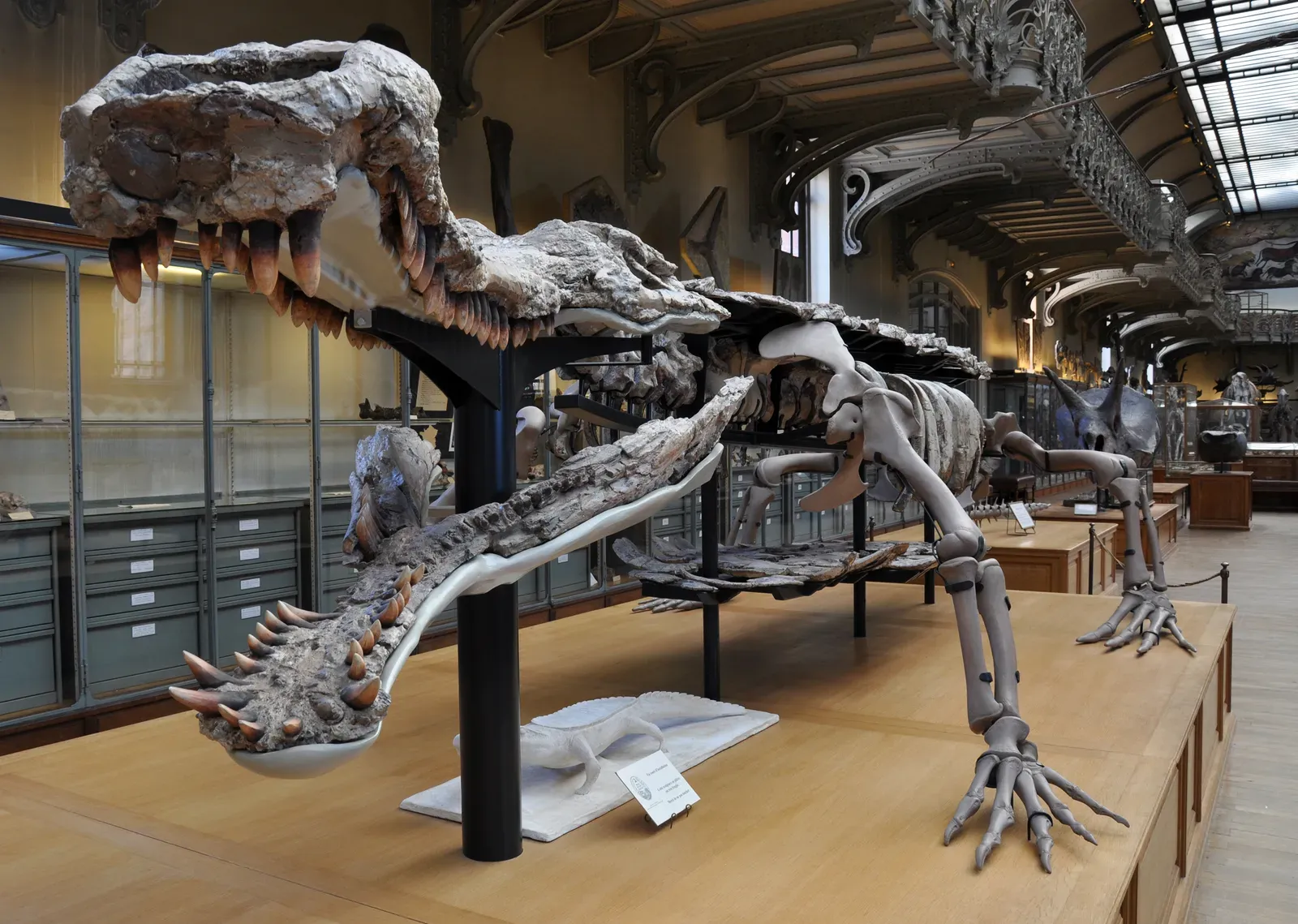
Modern crocodiles already look like they escaped from another era, but some of their prehistoric relatives make today’s versions seem almost modest. Fossils reveal ancient croc‑like predators with skulls longer than most humans are tall, armored bodies, and jaws capable of crushing bone. In some habitats, they did not just lurk in rivers for fish; they were powerful enough to take on dinosaurs that wandered too close to the water’s edge, turning riverbanks into ambush zones worthy of any monster movie.
The idea of a dinosaur walking confidently along a shoreline only to be yanked into the water by a colossal reptilian ambusher is not just cinematic flourish; bite marks and bone damage on fossils suggest violent clashes between these predators and their prey. Some species adapted to different lifestyles, with body shapes hinting at open‑water pursuit or specialized feeding. But the big ambush types basically wrote the template for horror scenes set at the edge of murky water: silence, tension, then an explosion of teeth and spray. As far as villains go, they were brutally efficient and painfully believable.
On a personal note, the first time I saw a reconstruction of one of these giants in a museum, I remember thinking it looked more like a theme‑park exaggeration than anything that could have been real. Standing there, you realize how flimsy a human would be in that world – more like a snack than a character. It completely rewired how I pictured prehistoric rivers, not as tranquil backdrops, but as high‑risk zones where the water itself seemed ready to attack.
The Feathered Dragons: When Dinosaurs Started Looking Like Fantasy Art
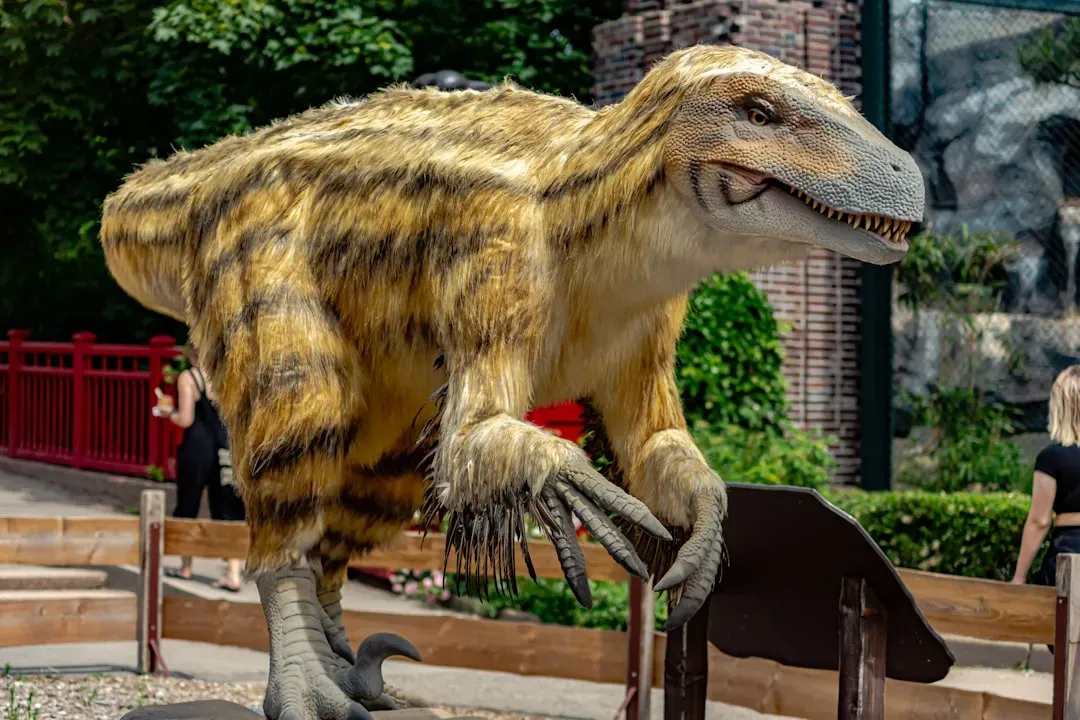
If you still picture all dinosaurs as scaly reptiles, the fossil record of feathered species feels like a twist halfway through the movie, when the lighting changes and everything you thought you knew gets rearranged. In rocks from parts of Asia and elsewhere, paleontologists have uncovered dinosaur skeletons with exquisite impressions of feathers, from simple filaments to complex, vaned structures. Some of these animals were small and agile, others surprisingly large, and many blur the line between bird and dinosaur in a way that would thrill any creature designer.
These feathers were not just for flight; some species probably used them for insulation, display, or intimidating rivals, turning prehistoric forests into something closer to a fantasy painting filled with colorful, plume‑covered predators and gliding, winged hunters. When you realize this, the familiar gray and green dinosaur art of older textbooks suddenly seems oddly lifeless. The real picture was likely brighter, louder, and more theatrical, with creatures flashing patterns and crests in ways we can only partly guess. In a sense, nature invented “dragon aesthetics” long before human storytellers did; we just spent a long time drawing them wrong.
The Long Sleepers: Mammals That Waited in the Wings
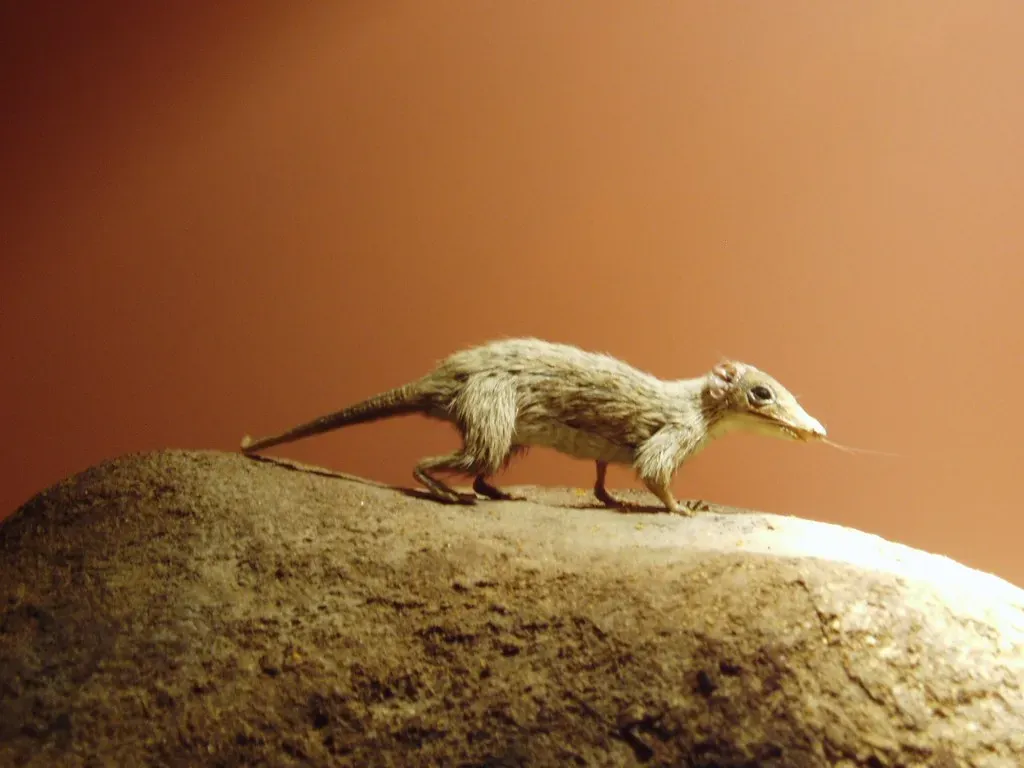
In most dinosaur‑era movies, mammals show up as background extras: little furry things darting between giant feet. That is not entirely wrong, but it misses the quiet, slow‑burn drama of their story. For tens of millions of years, early mammals stayed mostly small and inconspicuous, surviving in the shadows of enormous reptiles. They experimented with night life, burrowing, and niche diets, building up a toolbox of traits that would only pay off after the world changed.
When the asteroid wiped out the non‑bird dinosaurs, those “extras” suddenly became the only actors left who knew how to improvise. They spread into empty roles, evolving into everything from bats to whales to primates. The cinematic version would show this as an overnight revolution, but in reality it was a long, branching, trial‑and‑error process. Still, the emotional core is the same: a patient ensemble cast quietly rehearsing backstage, waiting for the moment when the old stars vanish and the curtain finally rises on an entirely different show. In a way, we are all living in the third act of that story.
Conclusion: Prehistory Deserves the Big Screen Treatment
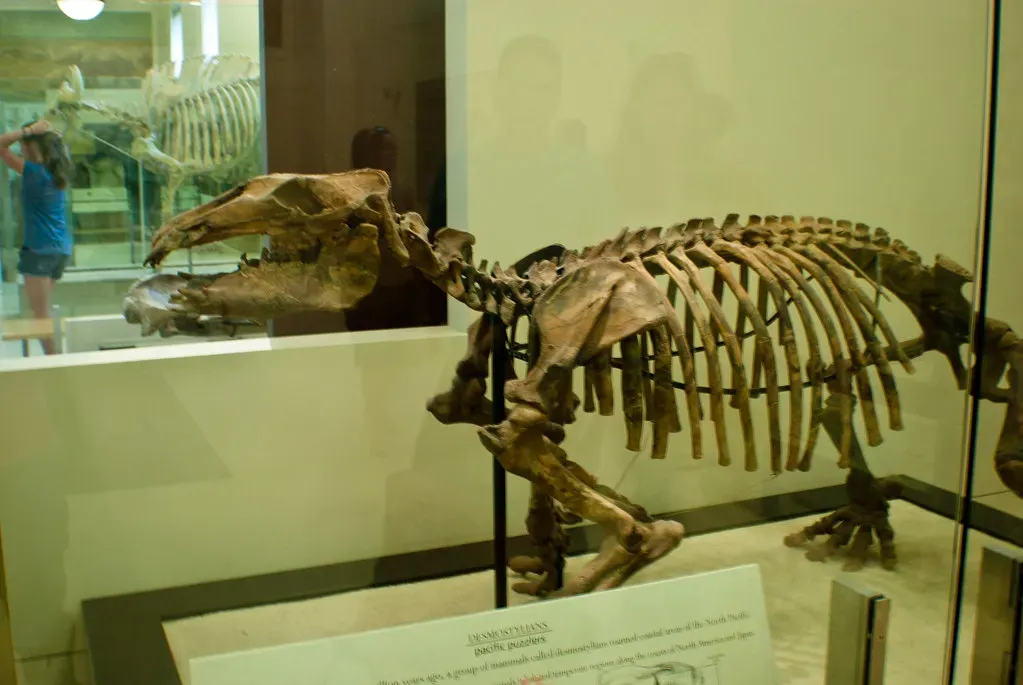
When you stack these stories together – planet‑killing impacts, oceanic super‑predators, island dwarfs and giants, crime scene bone beds, ambush reptiles, feathered “dragons,” and long‑waiting mammals – they make a lot of our fictional plots look almost restrained. The deeper scientists dig, the more it feels like the past is not a quiet museum corridor but a series of intense set pieces strung across hundreds of millions of years. My own bias is clear: I think we seriously undersell how wild and emotionally charged real prehistory actually was.
There is a risk in leaning too hard into the spectacle, of course; we can forget that behind every dramatic fossil is a slow, often uncertain process of careful research. But if we ignore the cinematic side entirely, we lose a powerful way to connect with these vanished worlds and to remember that our own era is just one strange chapter among many. The truth is, evolution has been out‑writing Hollywood for eons, and we are only now learning to read the script properly. Next time you watch a big, over‑the‑top creature feature, it is worth asking: is this really so far from what actually happened – or is it closer than you would have guessed?