
It feels wild to realize that the world map we know today is just a temporary arrangement. Continents have collided, ripped apart, and drifted across the planet like slow-motion tectonic bumper cars for billions of years. gets all the fame in school textbooks, but it was only the latest in a long line of vanished supercontinents that came before us.
Geologists are slowly piecing together this deep-time puzzle from rocks, minerals, magnetic signatures, and mountain belts that no longer line up on any modern map. The picture is far from complete, and in some cases it is genuinely controversial, but that’s what makes it so fascinating. Let’s walk back through seven proposed supercontinents that existed and explore how scientists think they formed, how they broke, and why some of them are still hotly debated.
Pannotia: The Short‑Lived Prelude To
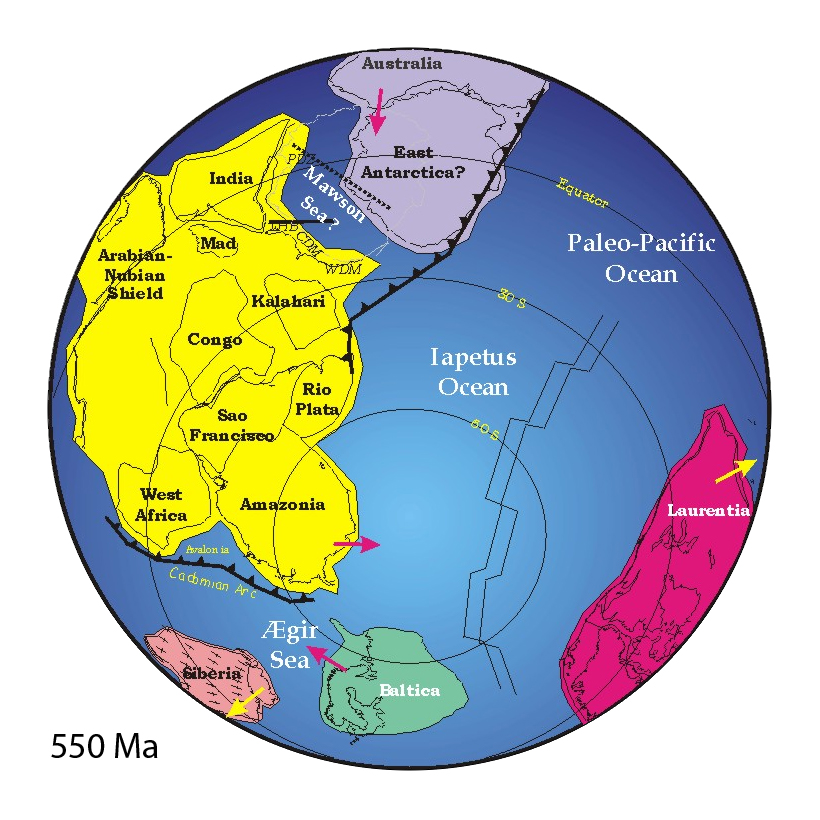
Pannotia is like the opening act that most people forget ever played before the headliner. It is thought to have formed roughly about six hundred million years ago, when earlier landmasses clustered around Earth’s South Pole in a loose, somewhat V‑shaped configuration. Instead of a neat single block like you see in many illustrations, Pannotia may have been more fragmented and stitched together along long, active mountain belts.
What makes Pannotia especially interesting is how short its life seems to have been. Within less than one hundred and fifty million years, it began to break apart into pieces that would later become Gondwana, Laurentia, Baltica, and Siberia. Those breakups helped set the stage for the famous Cambrian explosion of life in the oceans, as new shallow seas and coastlines formed. In a way, Pannotia is the overlooked bridge between older supercontinents and the world that eventually gave rise to .
Rodinia: The Ancient Giant Behind A Global Freeze
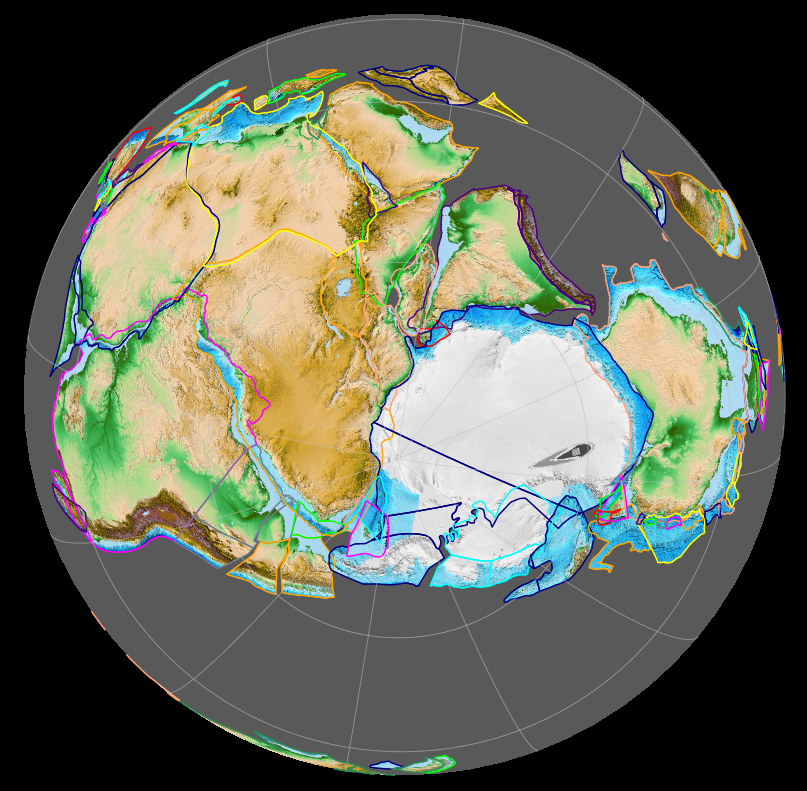
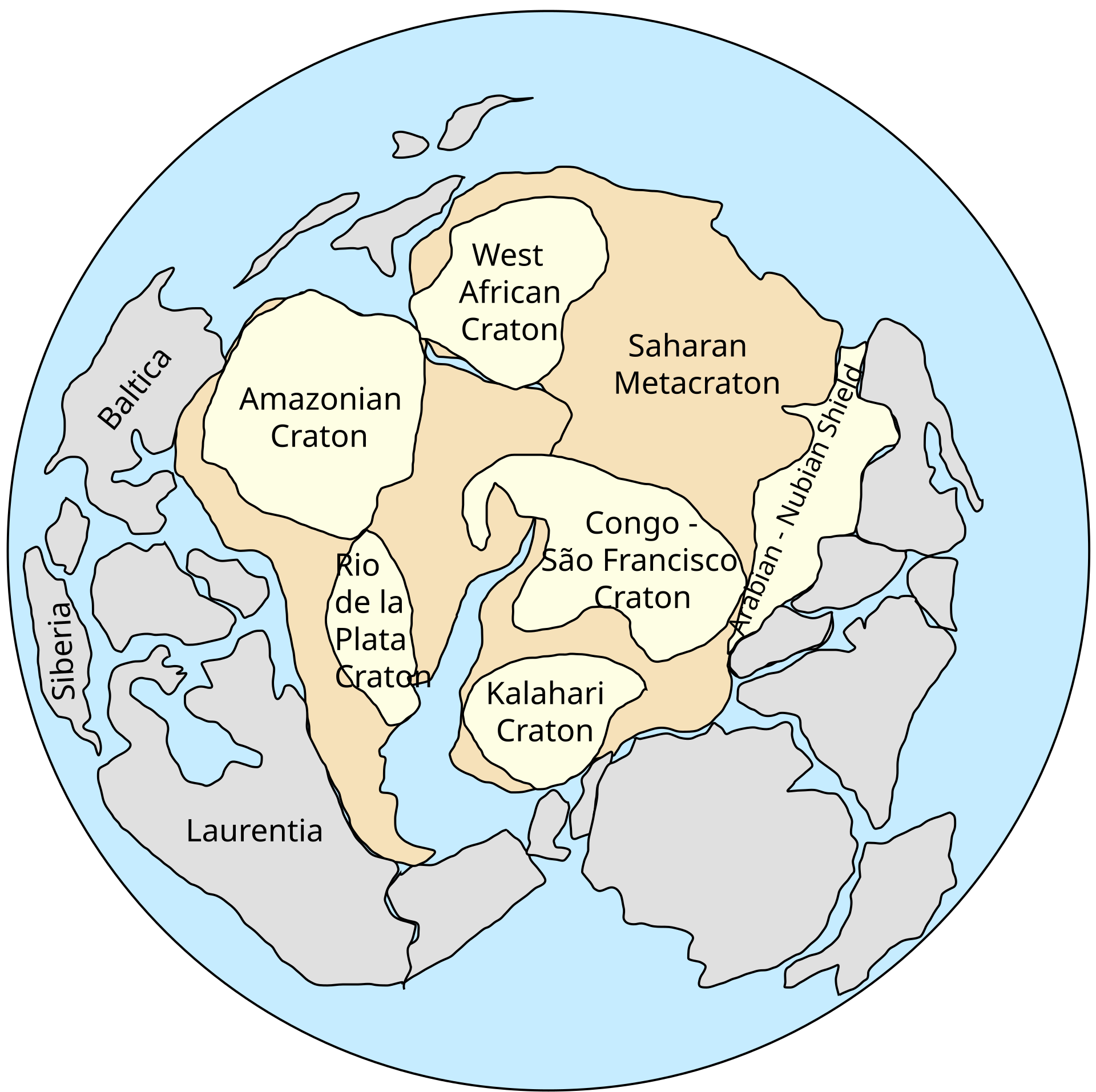
Rodinia goes much further back in time, to around one billion years ago, and is often considered one of the most important supercontinents in Earth’s history. Its name essentially means “motherland,” and that fits: many researchers think Rodinia united most of the planet’s continental crust in one sprawling mass. Exactly how its pieces were arranged is still debated, with different reconstructions placing modern continents in surprisingly different configurations.
Rodinia is closely linked to some of Earth’s most extreme climate events. As it assembled and then slowly began to rift apart, changes in ocean currents, volcanic activity, and weathering likely contributed to severe global cooling episodes sometimes described as near “snowball Earth” states. Vast ice sheets may have reached close to the equator. When Rodinia finally broke apart, it did not just shuffle landmasses. It helped reset the climate system and reshaped the environments where early complex life was trying to gain a foothold.
Columbia (Nuna): A Long‑Lived, Mysterious Behemoth
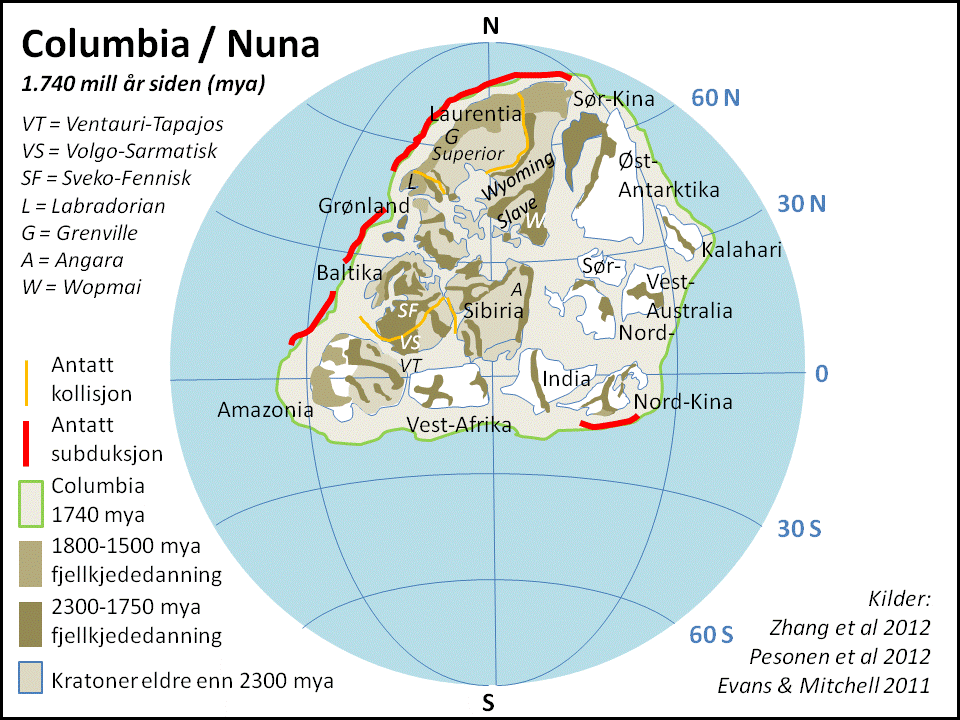
Before Rodinia, many geologists think there was an even older supercontinent called Columbia, also known as Nuna. It seems to have formed roughly about one and a half to nearly two billion years ago, built from collisions of cratons that today sit inside continents like North America, South America, India, Australia, and parts of Asia. Evidence comes from old mountain belts, matching rock ages, and magnetic directions “frozen” into ancient rocks that suggest the blocks used to be neighbors.
Columbia appears to have been long‑lived compared with some later supercontinents, possibly surviving for several hundred million years. During its time, Earth’s crust thickened, huge mountain chains rose and eroded, and large mineral deposits formed that humans now mine for metals. Personally, I find Columbia fascinating because it sits at a point in Earth’s history when life was still incredibly simple, yet the planet’s internal engine was already sophisticated enough to build and recycle entire supercontinents.
Ur: A Possible First Stable Continental Nucleus
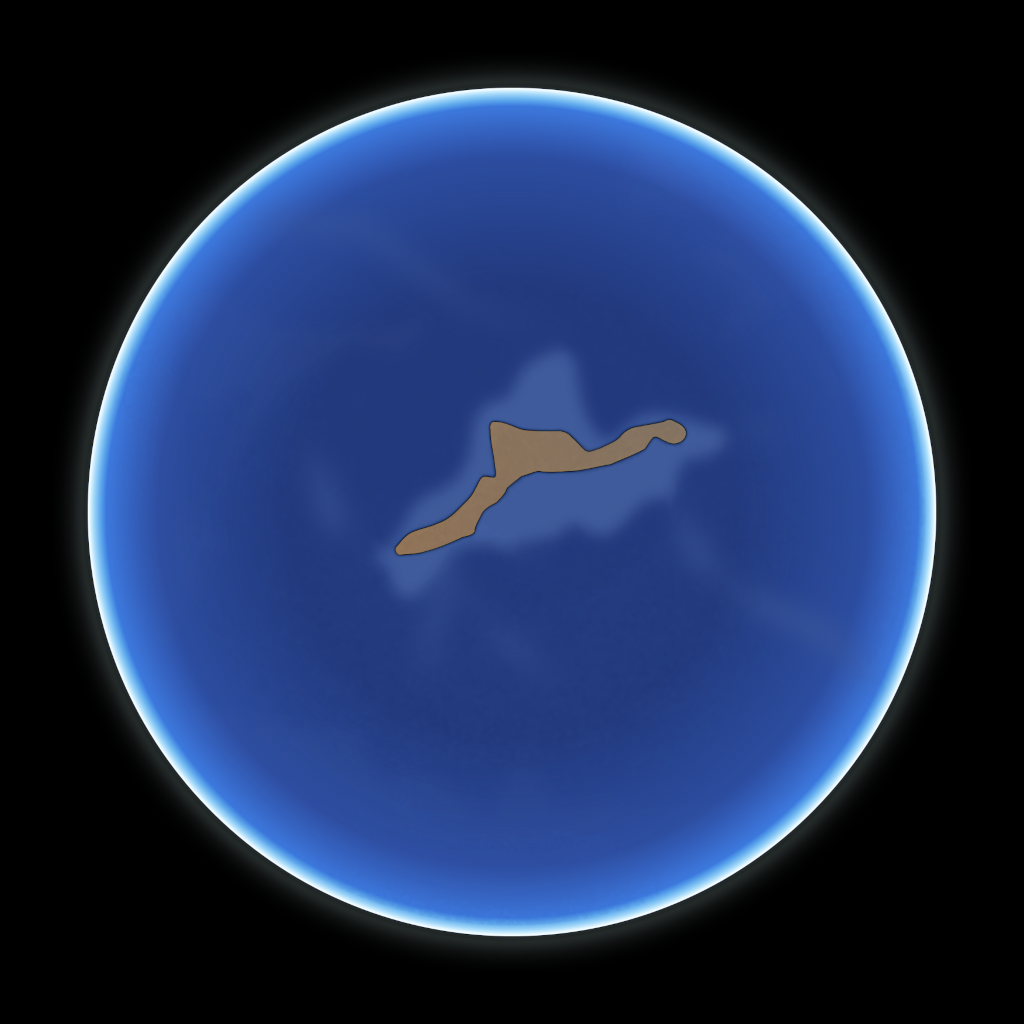
Now we step into very uncertain territory with Ur, a proposed tiny proto‑continent that may have existed more than three billion years ago. If it was real, Ur would not have been a supercontinent in the classic sense of containing almost all Earth’s land, but rather one of the first long‑lived continental kernels that later joined bigger assemblies. Think of it as a seed crystal around which later supercontinents grew.
The idea of Ur is built from very old cratons in places like eastern Africa, western Australia, and parts of India that share deep, ancient roots. Some models suggest these pieces once fit together into a small, coherent landmass that drifted through multiple later supercontinents. The evidence is thin and highly interpretive, which is exactly why it divides opinion. I like that Ur reminds us that “supercontinent” history is not just about giant finished products, but also about the tiny early experiments Earth ran as it learned how to build stable continental crust.
Kolkata (Or Another Early Archean Contender)
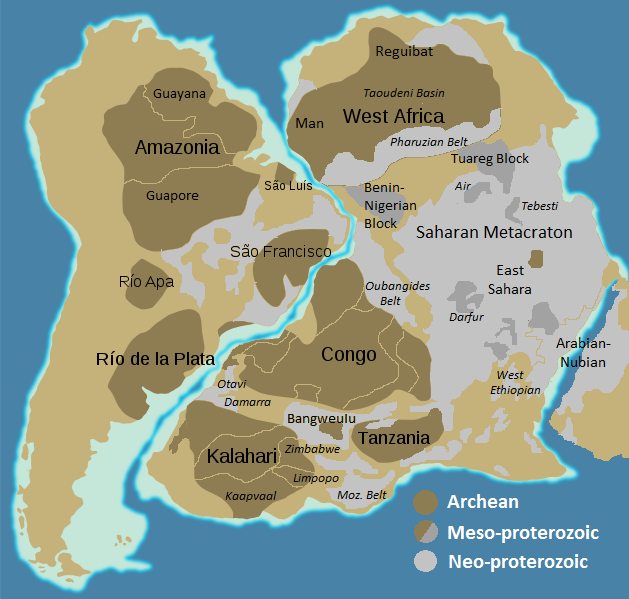
Another deeply ancient and debated candidate is sometimes referred to by names tied to particular cratons, including suggestions of early Archean continental clusters that predate even Ur. These ideas revolve around the notion that several of the oldest cratons on Earth, particularly in regions like India, may once have formed a small but coherent continental mass. Because the rock record from that time is so heavily altered and incomplete, every reconstruction feels a bit like assembling a puzzle where most of the pieces melted.
What makes these early Archean continental clusters worth discussing is not just whether a specific named supercontinent existed, but what they imply about Earth’s behavior. If such an early landmass did exist, it means plate tectonics, crust recycling, and continent building were already fairly advanced when the planet was still very young. To me, that possibility makes Earth feel less like a slowly waking giant and more like a restless teenager, rearranging its own surface long before complex life ever appeared.
Kenorland: Linking Old Cratons Across Today’s Oceans
Kenorland is a proposed supercontinent that may have formed around two and a half billion years ago, near the boundary between the Archean and Proterozoic eons. It brings together ancient blocks that today sit in parts of North America, Greenland, Scandinavia, and perhaps sections of Australia and Southern Africa. The evidence comes from similar rock sequences, matching ages of volcanic rocks, and ancient magnetic signals that point in the same directions despite now being scattered across the globe.
Kenorland’s breakup seems to line up with major shifts in Earth’s atmosphere, particularly a rise in oxygen that transformed surface environments. When continents rift apart, they create new seafloor, change weathering patterns, and alter how elements like carbon and sulfur cycle through the planet. Linking that tectonic drama to chemical changes in the air is still a work in progress, but it highlights something powerful: the way continents arrange themselves is not just a map problem, it is a life problem. How the land clusters or splits can set the tone for the entire biosphere.
Vaalbara holds a special place in supercontinent discussions because many researchers consider it one of the earliest plausible large continental assemblies, going back more than three billion years. Its existence is mainly inferred by comparing the oldest stable cratons, particularly those in what is now South Africa and Western Australia. These areas share oddly similar rock layers and record some of the same ancient tectonic and volcanic events, which hints that they might once have been welded together.
Yet, Vaalbara is also a reminder of how fragile deep‑time reconstructions really are. The rocks that could confirm or refute it have been buried, deformed, partially melted, or eroded away over incomprehensible spans of time. I tend to view Vaalbara as a powerful working hypothesis rather than a solved mystery. Whether it was a true supercontinent or just a big, influential continental cluster, it shows that even at a very early stage in Earth’s history, continents were already teaming up in surprisingly complex ways.
Vaalbara: One Of The Earliest Suspected Continental Clusters
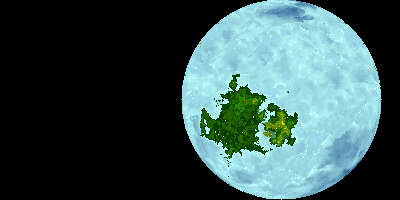
Vaalbara holds a special place in supercontinent discussions because many researchers consider it one of the earliest plausible large continental assemblies, going back more than three billion years. Its existence is mainly inferred by comparing the oldest stable cratons, particularly those in what is now South Africa and Western Australia. These areas share oddly similar rock layers and record some of the same ancient tectonic and volcanic events, which hints that they might once have been welded together.
Yet, Vaalbara is also a reminder of how fragile deep‑time reconstructions really are. The rocks that could confirm or refute it have been buried, deformed, partially melted, or eroded away over incomprehensible spans of time. I tend to view Vaalbara as a powerful working hypothesis rather than a solved mystery. Whether it was a true supercontinent or just a big, influential continental cluster, it shows that even at a very early stage in Earth’s history, continents were already teaming up in surprisingly complex ways.
Conclusion: Why These Lost Worlds Matter More Than You Think
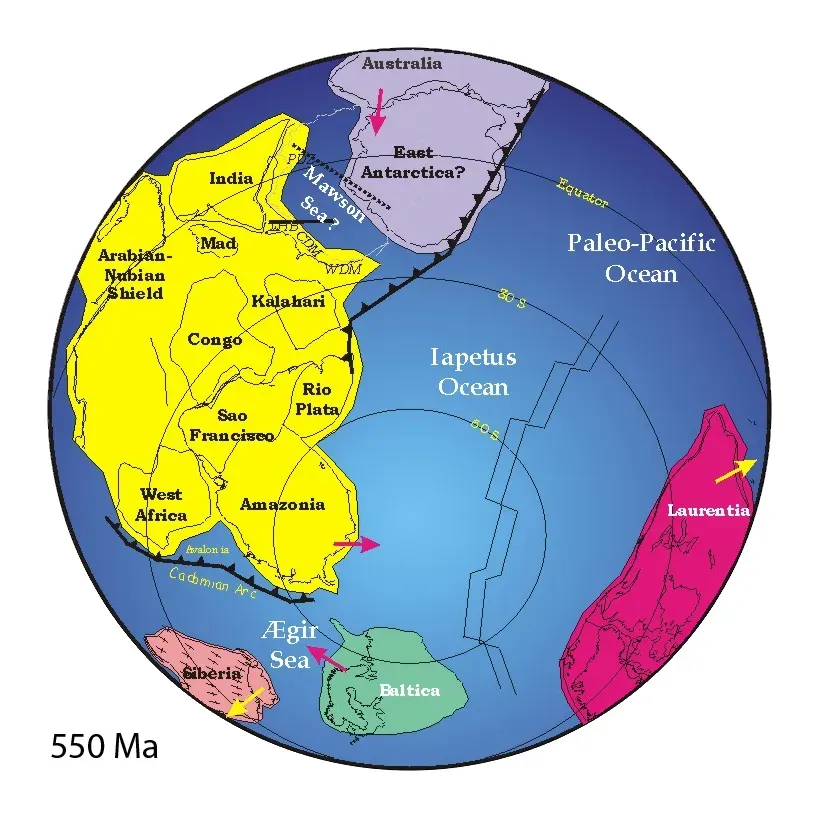
When you zoom out far enough to see not just but a whole sequence of older supercontinents, Earth stops looking static and starts to feel almost alive. Each of these ancient landmasses, from the more established ones like Rodinia and Columbia to the controversial candidates like Ur and Vaalbara, represents a different chapter in how the planet experiments with its own surface. I think the most striking lesson is that there is no single “correct” configuration of continents. What we see today is just one snapshot in a long, restless cycle of assembly and breakup.
In my view, the debates about exactly how real some of these supercontinents are is not a weakness, but a sign of a healthy, curious science pushing at the limits of what rocks can tell us. We do not need every detail nailed down to appreciate the big picture: continents have endlessly collided, fused, and torn apart, and those changes have shaped climate, oceans, and even the path that life itself could take. The next time you look at a world map, it is worth asking yourself a provocative question: which of these vanished supercontinents do you think felt most like a completely different planet?