
Imagine diving into a prehistoric sea: no colorful reef fish, no playful dolphins, just vast blue water and shapes in the distance that are bigger, faster, and stranger than almost anything alive today. The ancient oceans were not just dangerous; they were experimental battlefields where evolution tried out some of its most extreme designs. If modern sharks make you nervous, the creatures you’re about to meet would have turned that nervousness into pure, primal fear.
What I love about these animals is that they make the ocean feel like myth and science at the same time. They look like something out of a monster movie, yet they’re backed up by rock-solid fossils and careful research. As you read through these eight marine nightmares, keep one question in mind: if you were dropped into their world with nothing but your current swimming skills… how long do you honestly think you’d last?
Megalodon: The Real-Life Super Shark
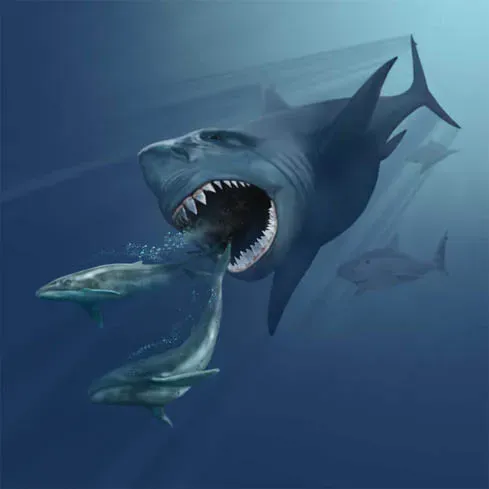
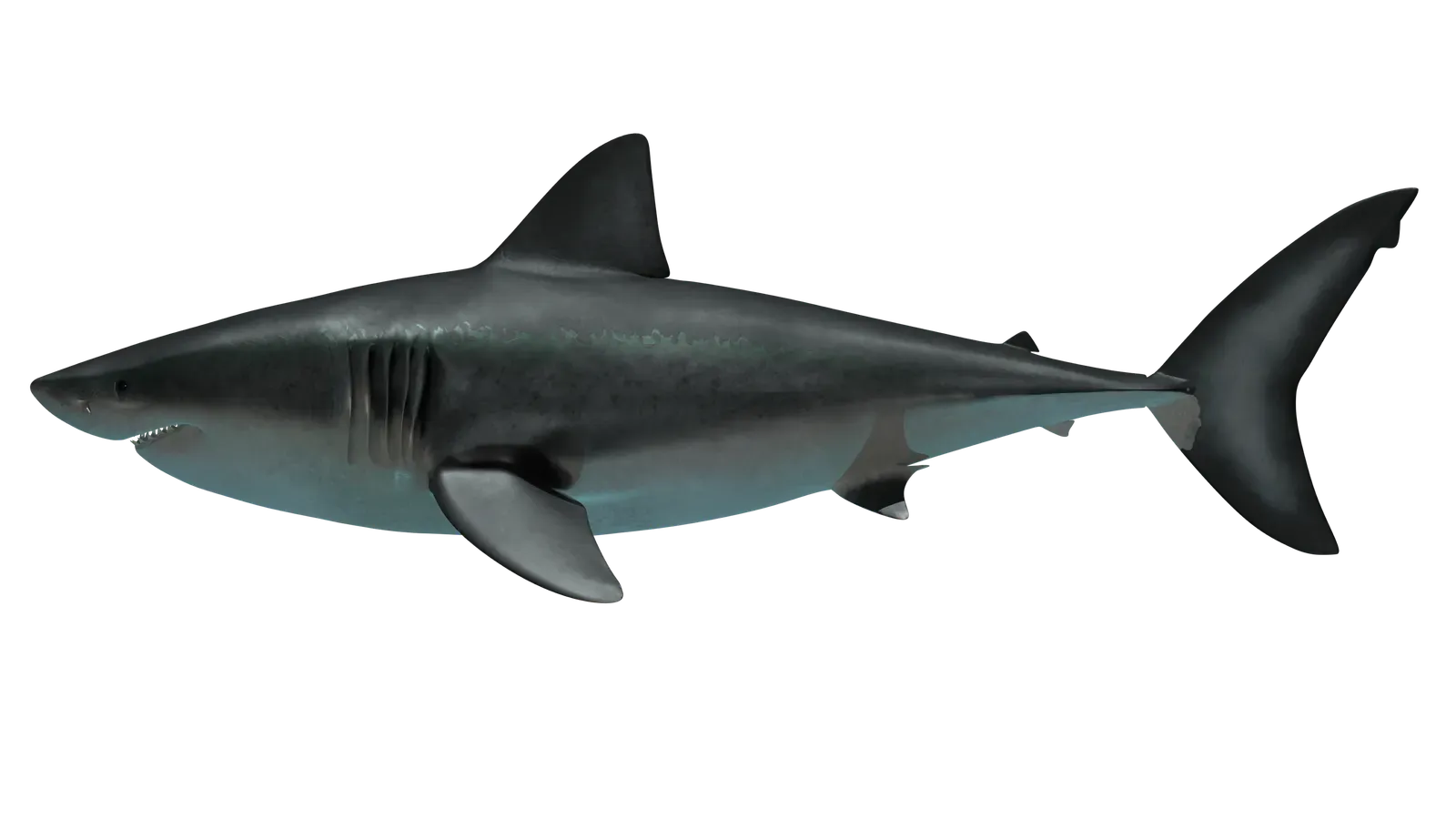
Start with this: you are swimming next to a shark the length of a city bus, with jaws wide enough to swallow you whole without really noticing. That was megalodon, the colossal shark that ruled the oceans long after the dinosaurs vanished on land, and it is probably the closest thing Earth has ever had to a true sea monster. Its teeth were as big as a human hand, thick and serrated like steak knives scaled up to hardware-store tools.
Scientists estimate megalodon may have reached around fifteen to twenty meters in length, and it likely targeted whales, seals, and large fish as if they were snacks. Evidence from fossilized whale bones shows deep bite marks that match megalodon teeth, suggesting it may have attacked from below, crushing rib cages or biting off flippers to immobilize its prey. When people say they wish megalodon still existed, I always think they’re picturing themselves safely on a boat, not floating alone miles from shore with something that size circling below.
Mosasaurus: The Sea Lizard With a Nuclear Bite
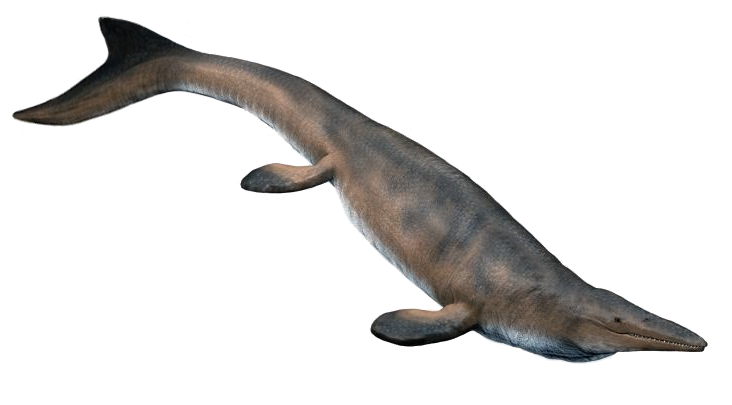
If megalodon is the terrifying shark of prehistory, mosasaurus is the reptilian torpedo that turns the terror up another notch. This marine lizard, related to modern snakes and monitor lizards, cruised the Late Cretaceous seas with a long, muscular body and powerful paddle-like limbs. Picture a Komodo dragon stretched into a streamlined submarine and you’re not far off.
Some species of mosasaur may have reached more than fifteen meters, with a massive skull packed full of conical teeth built for gripping slippery prey. Fossils show stomach contents that include fish, turtles, and even other marine reptiles, which suggests a predator that did not exactly respect boundaries. I like to think of mosasaurs as the bullies of their ecosystem: fast, aggressive, and not remotely picky about what they bit, including each other when the opportunity (or conflict) presented itself.
Dunkleosteus: The Armored Guillotine of the Devonian
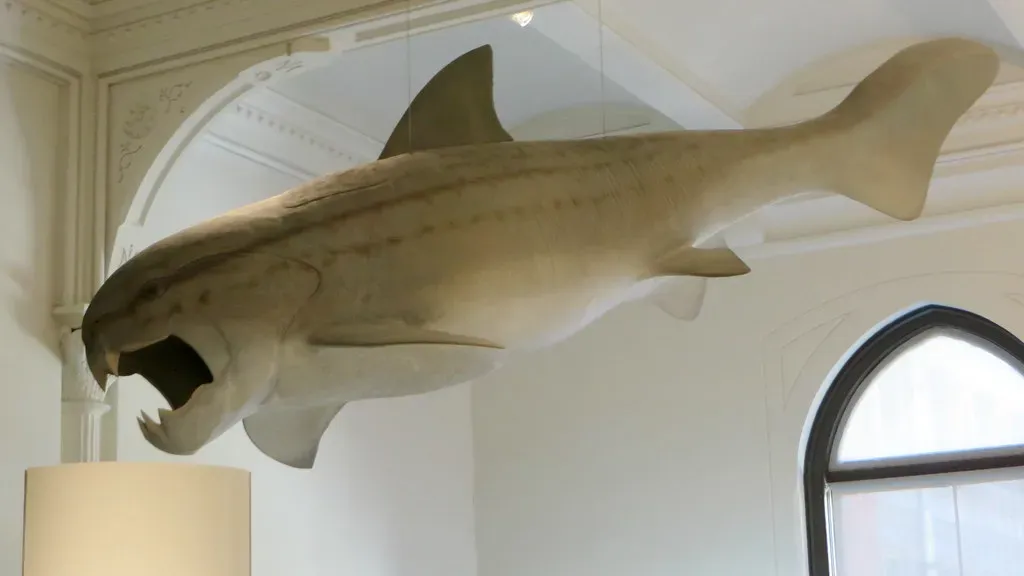
Go back roughly four hundred million years and the throne of terror belongs to dunkleosteus, a heavily armored fish that looks like a tank crossed with a bear trap. Instead of teeth, it had sharp, bony plates that formed shearing edges like oversized bolt cutters inside its mouth. When paleontologists estimate its bite force, the numbers are on par with or exceeding that of modern top predators, which is wild when you remember this thing swam before the first dinosaurs even existed.
Dunkleosteus grew to around eight to ten meters long, wrapping that brutal head in bony armor that acted like natural body armor against both prey and rivals. It likely preyed on other armored fish, crushing shells and plates that would stop lesser predators, turning hard defenses into nothing more than crunchy texture. If you dropped dunkleosteus into a modern ocean, it would probably go straight for sharks, whales, or anything it could get its jaw plates around, and I have a feeling most of today’s creatures would learn very quickly to stay out of its way.
Liopleurodon: The Apex Hunter With Paddle Power
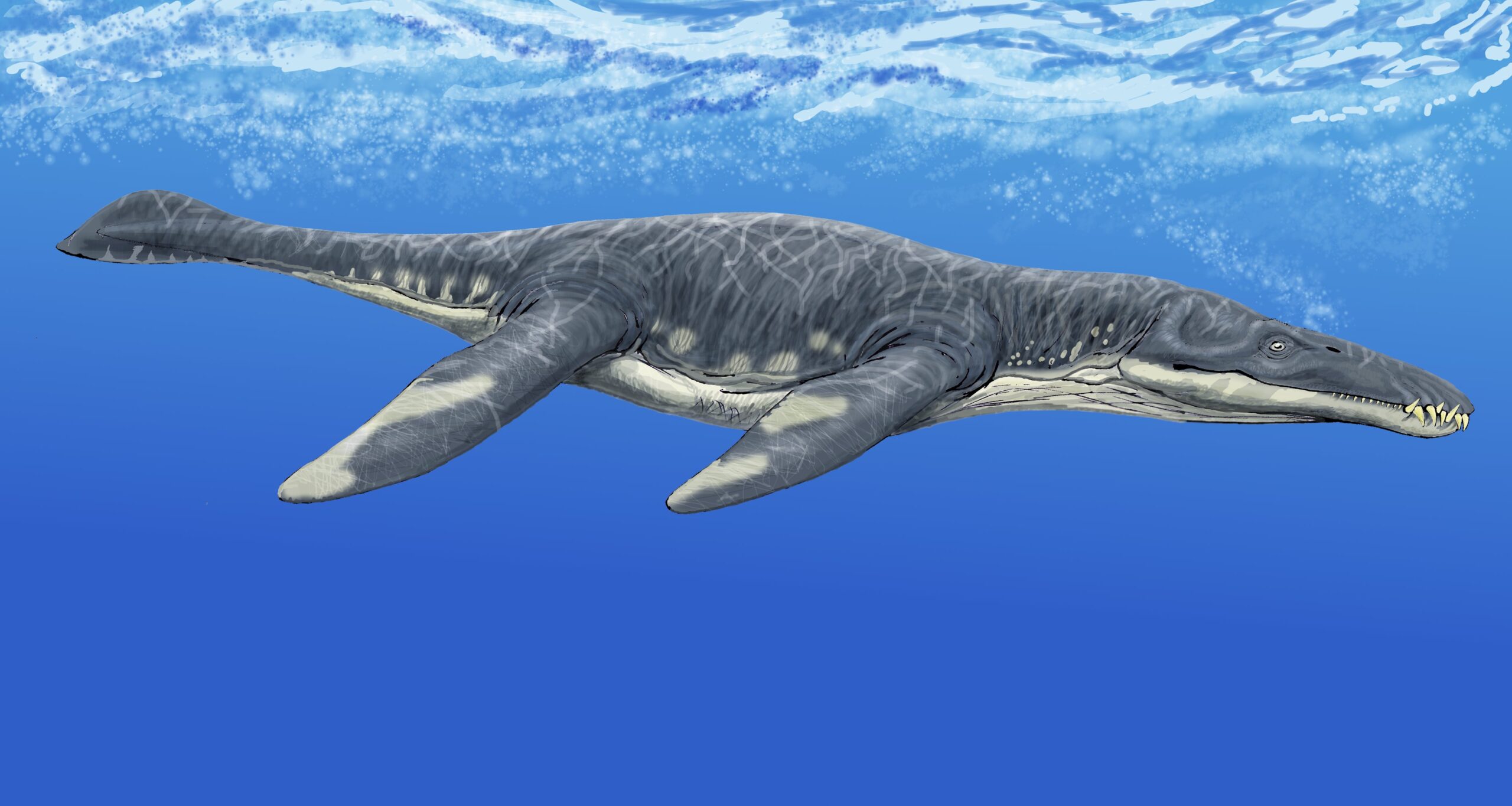
Few prehistoric sea creatures have been hyped as dramatically as liopleurodon, and even if some media gave it super-sized measurements, the real animal was still intimidating. It was a pliosaur, a type of marine reptile with an enormous head, a relatively short but bulky body, and four strong flippers that worked like underwater wings. Imagine a crocodile strapped to a stealth jet and you get the basic idea: all thrust and bite.
Modern estimates place liopleurodon at several meters in length, with a skull that could rival a small car and jaws armed with long, conical teeth perfect for seizing large, struggling prey. Those four flippers likely gave it powerful bursts of speed, letting it launch sudden attacks on fish, other reptiles, or anything unlucky enough to cross its path. In my mind, liopleurodon feels like the underwater equivalent of a big cat on land: not just strong, but agile and calculating, striking from the blue before its victim even realizes something massive is closing in.
Tylosaurus: The Missile-Headed Mosasaur
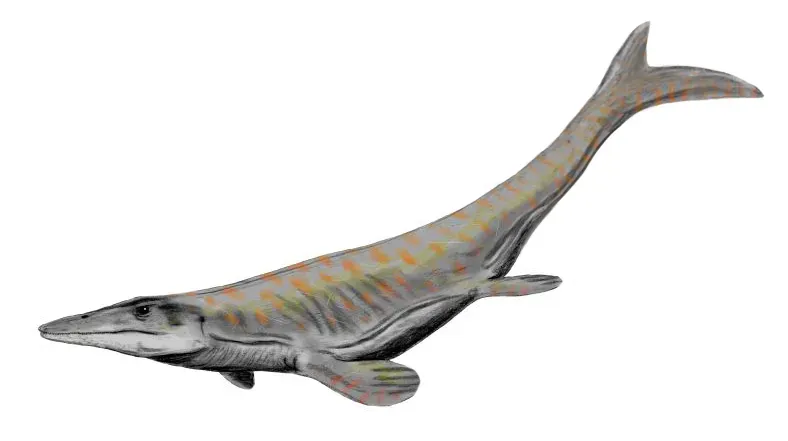
Fossils of tylosaurus suggest it was a top predator in the Western Interior Seaway that once split North America, feeding on fish, other reptiles, and squid-like creatures. Some fossil remains even hint at cannibalistic behavior, which is a polite scientific way of saying it sometimes ate its own kind. When you imagine swimming in that ancient inland sea, it is not the gentle waves that should worry you; it is the idea that somewhere beneath you, a missile-headed reptile is cruising silently, perfectly built to turn speed and impact into dinner.
Helicoprion: The Shark With a Buzzsaw Jaw
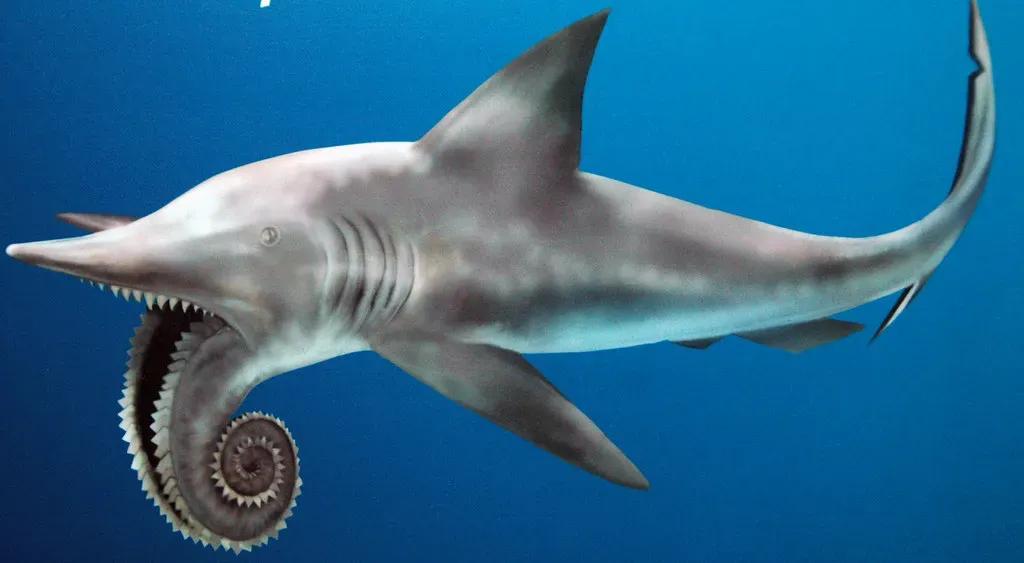
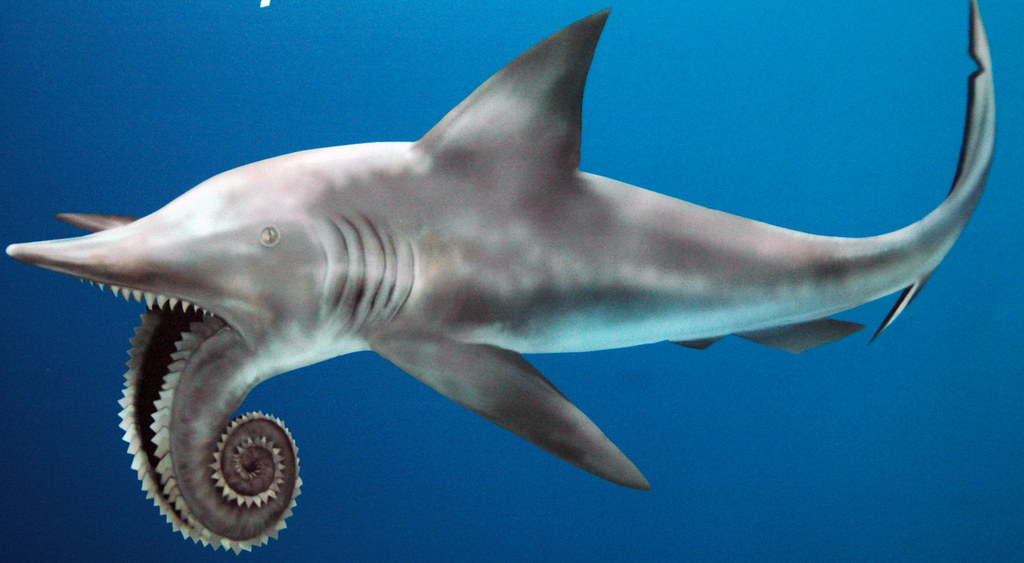
Helicoprion is one of those creatures that proves prehistoric life can be weirder than any horror movie designer’s imagination. This ancient shark-like fish carried a spiral of teeth in its lower jaw that looked like a buzzsaw or a rolled-up saw blade. For a long time scientists argued about where that spiral even went on the body, which tells you just how unusual it was.
The leading idea today is that the tooth spiral sat inside the lower jaw, growing new teeth as the older ones were pushed inward, forming a sort of rotating conveyor belt of cutting edges. It may have sliced soft-bodied prey like squid or fish against the hard surface, almost like feeding them into a living saw. Every time I see reconstructions of helicoprion, I’m half impressed and half disturbed; it feels like evolution tried out a nightmare doodle someone drew in a school notebook and then put it into a real ocean for a few million years.
Thalassomedon: The Long-Necked Phantom of the Deep
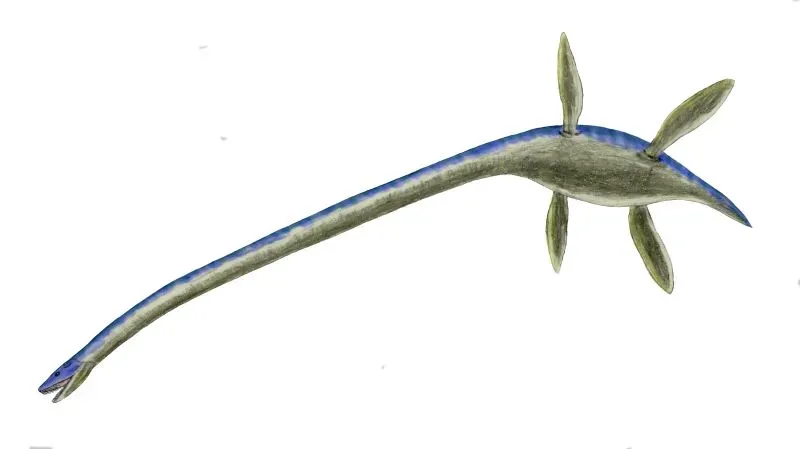
Thalassomedon was a long-necked plesiosaur whose name literally means something close to “lord of the seas,” and it earned that title through a design that is both elegant and unnerving. Its body was broad and supported by four strong flippers, but what really stood out was its extremely long neck, carrying a relatively small head filled with sharp teeth. Imagine drifting in murky water and seeing a skull with needle-like teeth appear from the darkness, only to realize the rest of the body is still emerging behind it.
That neck may have allowed thalassomedon to sneak up on schools of fish or smaller marine reptiles, striking without having to move its entire body and stir up warning waves. The flippers, meanwhile, would have given it enough power to cruise long distances or rise and fall through the water column like a ghostly elevator. I always think of it as the jump-scare predator of its time: not necessarily the biggest bite, but the one that would appear exactly where you did not expect it, silent and sudden out of the blue-green gloom.
Orthocones: The Silent Spear-Torpedoes
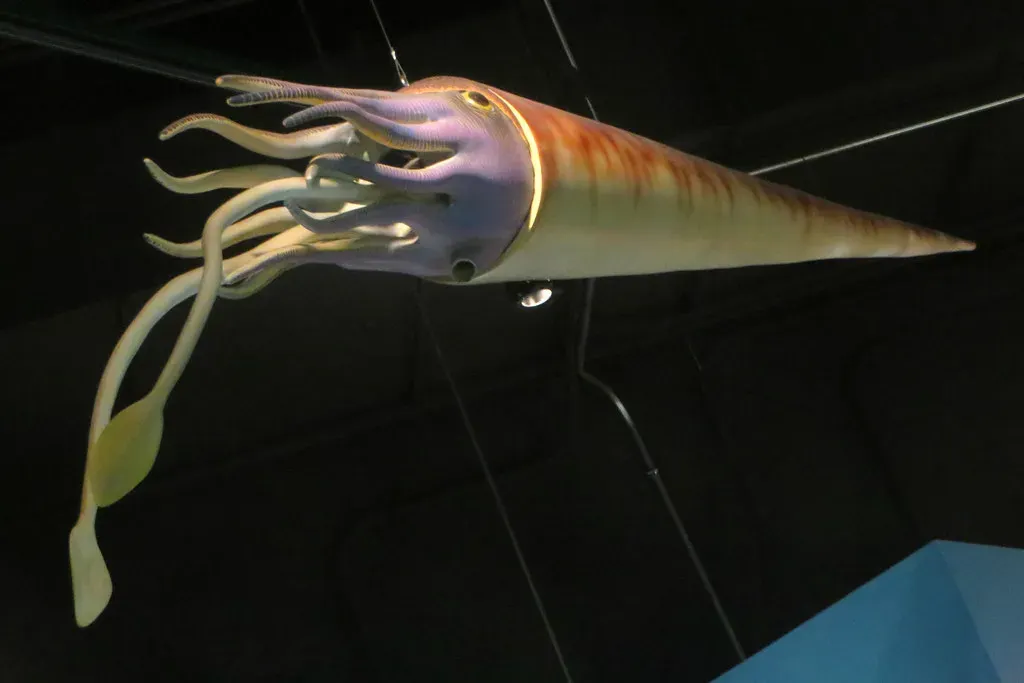
Not all terrifying ancient sea creatures looked like giant reptiles or sharks; some were basically enormous shells with tentacles. Orthocones were straight-shelled cephalopods, relatives of modern squids and nautiluses, and some species grew to lengths rivaling a small whale. Picture a floating spear the size of a bus, with a cluster of grasping arms at one end and a jet-propulsion system pushing it quietly through the water.
These animals used chambers inside their shells to control buoyancy, allowing them to hover at different depths like living submarines waiting in ambush. With a beak-like mouth and tentacles for grasping, they could latch onto fish or smaller swimming creatures and drag them into a crushing, slicing bite. I find orthocones especially eerie because they flip our expectations: we usually see shells as symbols of calm beaches and gentle waves, but in ancient oceans, some shells belonged to stealthy killers drifting overhead like patient, pointed ghosts.
Conclusion: The Ocean Has Always Been a Little Monstrous
Looking back at these eight ocean predators, it is tempting to see them as distant curiosities, museum pieces frozen in stone and glass. But to me, they feel like a reminder that the ocean has always been a place where beauty and terror share the same space, where evolution pushes bodies into shapes that feel almost supernatural. The fact that animals like megalodon, mosasaurs, and dunkleosteus were real says something humbling about our place in nature: we arrived late to a planet that already ran countless seasons of its own monster show.
In a way, I think it is good that these particular nightmares are gone, because we would not last long in their world, but it also makes today’s seas feel strangely tamer by comparison. Modern sharks, whales, and giant squids are impressive, but they are the gentle sequel to a franchise that used to be a lot more brutal. Next time you look out at a calm coastline, remember that those same waters once hid jaws like guillotines, buzzsaws of teeth, and silent reptilian missiles, and ask yourself: would you really want to trade places with the swimmers who lived back then?