
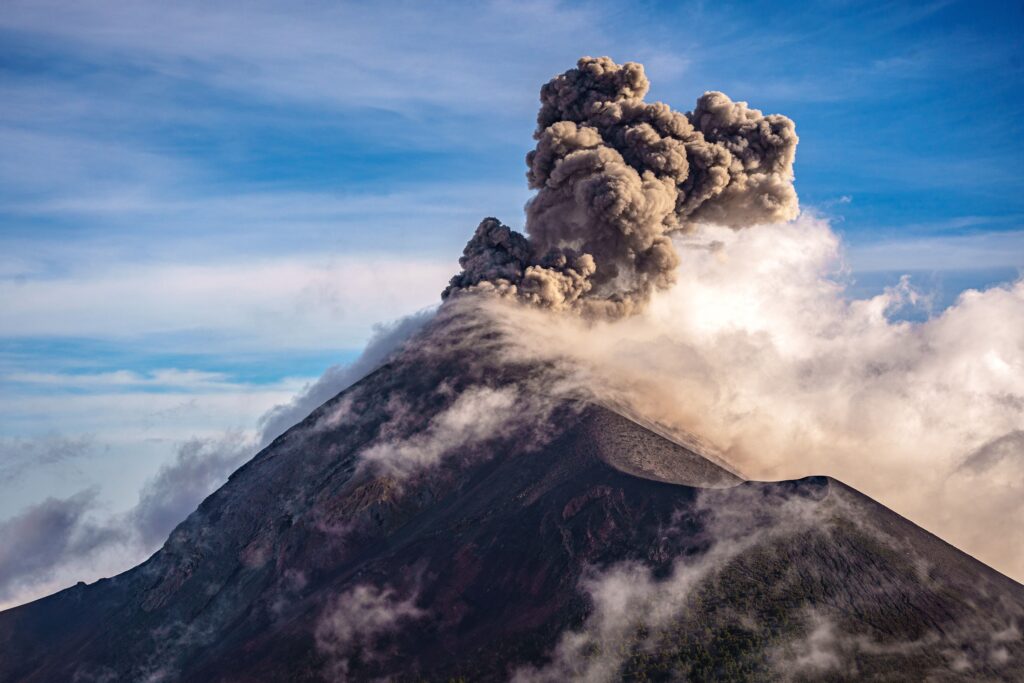
Every time it feels like we finally understand how Earth works, the planet throws us a curveball. Strange signals deep underground, rocks where they should not exist, and scars from ancient disasters quietly insist that we are missing pieces of the story. In geology, the deeper researchers dig, the weirder the questions often become.
We like to imagine Earth as mostly mapped and solved, but that confidence starts to crumble once you step into the real frontier: the deep subsurface, the early history of the planet, and the edges of tectonic plates. I remember learning plate tectonics in school and thinking, well, that’s pretty much it, mystery solved. Years later, reading about odd low-shear zones in the mantle and “impossible” zircon crystals, it was obvious we’re still in the early chapters. Let’s dive into eight puzzles that keep geologists awake at night.
The Core’s Strange Behavior: Why Is Earth’s Heart Acting Weird?
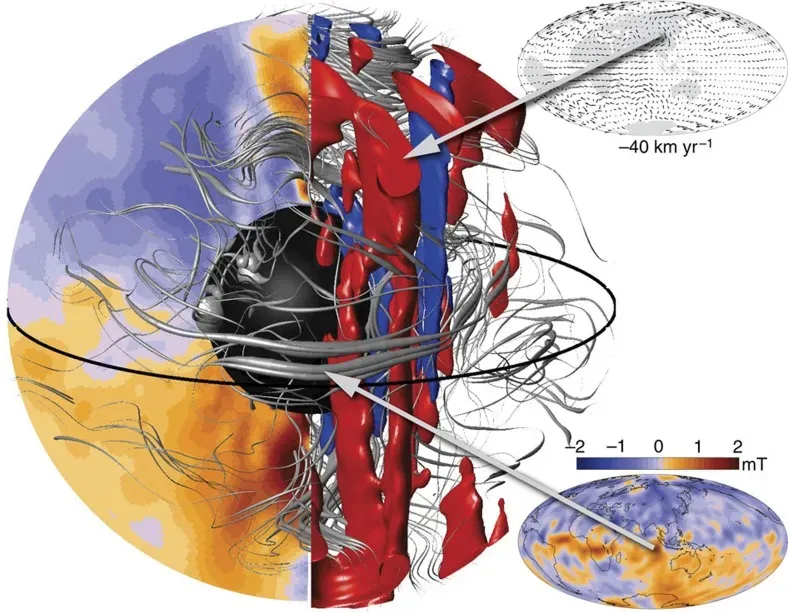
Some of the most unsettling discoveries in recent years come from the very center of the planet, where no one will ever visit and everything we know comes from indirect clues. Seismologists have found signs that the inner core’s rotation may speed up, slow down, or even drift relative to the mantle, like a giant metal gyroscope that occasionally slips out of sync. On top of that, there are hints of an “inner-inner core” with a different structure, suggesting Earth’s heart has a more complicated layered history than old textbooks ever admitted.
Scientists can model how iron and nickel behave under crushing pressure and searing temperature, but those models do not fully explain the oddities in earthquake wave patterns moving through the core. Some research suggests the core might be crystallizing unevenly, causing lopsided growth that could distort Earth’s magnetic field over geologic time. Others argue a complex mixture of light elements is changing how waves travel. The truth is, we are reading a badly smudged medical scan of Earth’s interior, and right now the diagnosis is still very much open to debate.
The Origin of Plate Tectonics: How Did the Engine Even Start?
![The Origin of Plate Tectonics: How Did the Engine Even Start? ([4], Public domain)](https://nvmwebsites-budwg5g9avh3epea.z03.azurefd.net/dinoworld/2bfea5a195efcea7e1d86149dc76be82.webp)
Plate tectonics is the grand unifying theory of modern geology, the idea that Earth’s outer shell is broken into moving plates that collide, split apart, and grind past one another. Without it, there would be no towering mountain chains like the Himalaya, no deep ocean trenches, and probably a very different climate and biosphere. But the awkward secret is that we still do not know exactly when or how this restless system really began. The oldest rocks on Earth carry only faint, contentious hints of plate-like processes, and different studies place the start anywhere from more than three and a half billion years ago to much later.
What kicked off this global conveyor belt in the first place remains one of the big questions. Did early Earth have a stagnant “lid” that suddenly broke into pieces once the interior cooled and convection grew strong enough to rip it apart? Did giant meteor impacts help crack the crust and lubricate subduction zones? Or was there a long, messy transition where proto-plates slid around in a half-formed way before the modern-style system finally clicked into place? The frustrating part is that much of that original evidence has been recycled by billions of years of tectonic activity itself, leaving geologists to reconstruct one of Earth’s most important turning points from scraps and shadows.
The Mysterious Mantle Blobs: What Are Those Giant Structures Below Us?
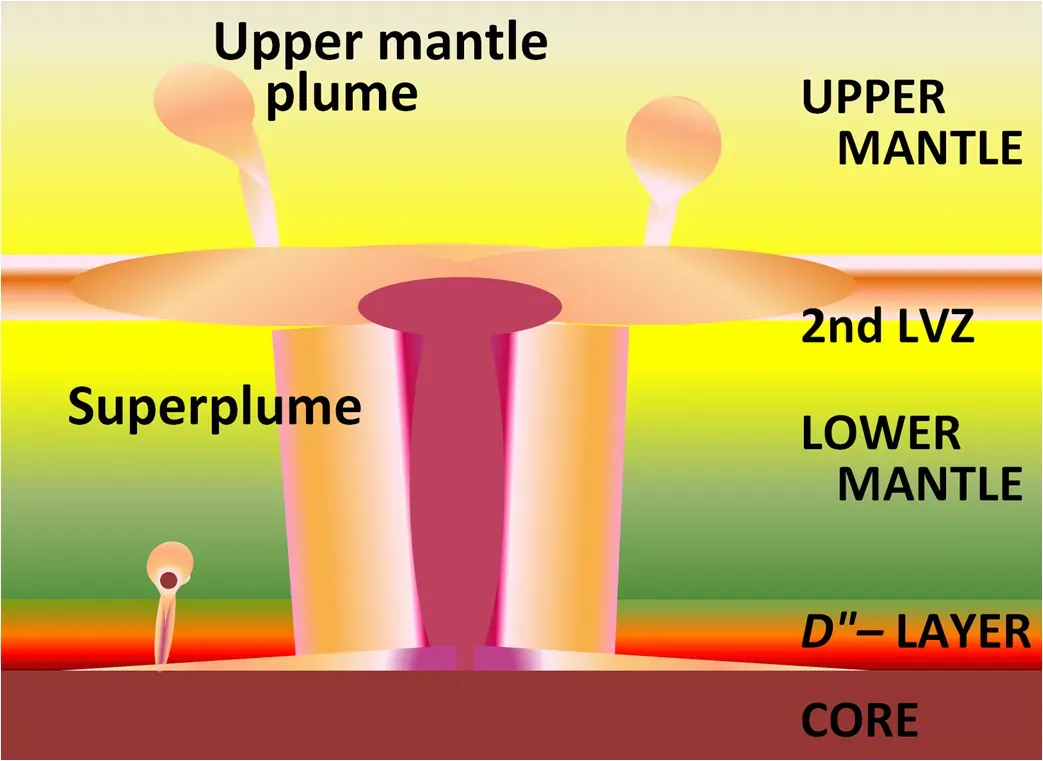
Deep under Africa and the Pacific Ocean, seismic studies have revealed two colossal, continent-sized regions in the lower mantle where earthquake waves suddenly slow down. These “large low-shear-velocity provinces” sound like jargon, but picture them as vast, blurry blobs sitting above the core, each as wide as entire continents and stretching hundreds of kilometers tall. No one can agree exactly what they are: are they ultra-hot upwellings of mantle material, ancient slabs of subducted crust that sank and pooled, or some primordial leftovers from the early Earth that never got fully mixed?
These structures may be shaping the surface of the planet in ways we are only starting to appreciate. Some researchers link their edges to hotspots and supervolcanoes, suggesting plumes rising from these regions could feed massive eruptions at the surface. Others think they might help control where supercontinents assemble and break apart over hundreds of millions of years. Yet their composition, origin, and stability remain unresolved. It is like discovering two ghost continents inside the planet and realizing you have no clear idea how long they have been there or what they are really doing.
The Late Heavy Bombardment Debate: Did Earth Endure a Violent Cosmic Storm?
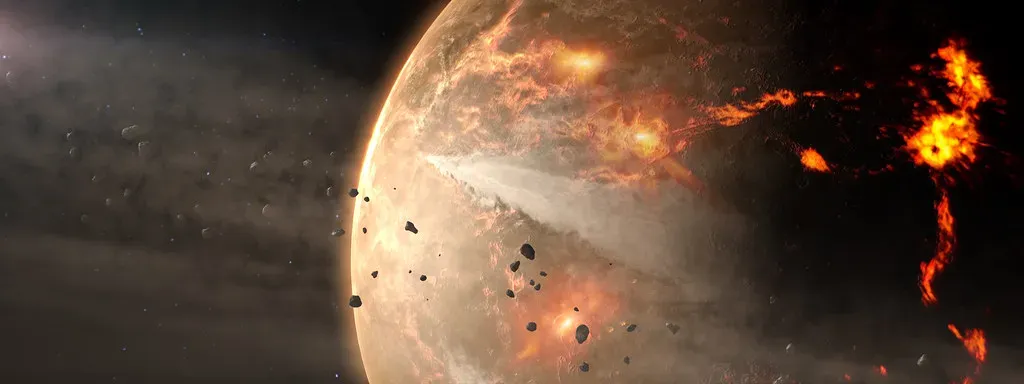
For years, geology and planetary science textbooks described a dramatic chapter in early solar system history called the Late Heavy Bombardment. Around four billion years ago, the story went, the inner planets were pounded by a spike in asteroid and comet impacts, leaving giant basins on the Moon and probably reshaping Earth’s crust and atmosphere. It was a neat explanation that helped tie together crater ages on the Moon, but lately the whole idea has been dragged back into the courtroom of scientific debate, and the evidence is looking less clear-cut.
Some researchers now argue there may not have been a single short-lived bombardment spike at all, but rather a more gradual decline in impacts spread over hundreds of millions of years. Reinterpretations of lunar samples and cratering records have chipped away at the clean, tidy narrative. For Earth, which long ago erased most of its earliest scars through tectonics and erosion, that uncertainty is even worse. The consequences are huge: a concentrated impact storm could have sterilized early oceans multiple times, while a slower drizzle of impacts might have delivered key ingredients for life more gently. Right now, we are stuck with incompatible timelines and models, and that uncertainty trickles down into almost every story we tell about how life first took hold here.
Snowball Earth: How Did the Planet Freeze Solid – and Then Thaw Out?
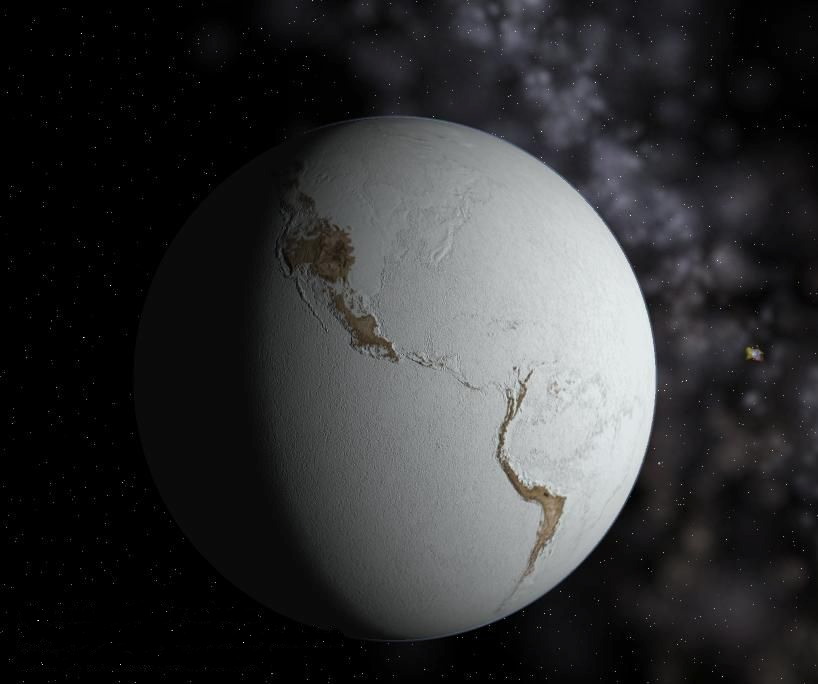
Imagine standing anywhere on Earth and seeing ice stretching almost from pole to pole, even near the equator. Evidence from unusual rock formations and ancient glacial deposits suggests that, more than once in the deep past, Earth may have slipped into extreme “Snowball Earth” states where ice covered nearly the whole planet. What pulls our climate into such an extreme deep freeze, and just as importantly, how does it manage to escape? Computer models can simulate runaway ice-albedo feedback, but the real-world trigger and timing remain stubbornly fuzzy.
The thawing problem might be even harder. One popular idea is that volcanoes kept quietly belching carbon dioxide into the air under all that ice, while weathering processes that normally remove it were shut down, eventually turning the frozen planet into a greenhouse pressure cooker. But pinning this to specific rock records and timelines is messy, and not all data neatly fit the classic snowball scenario. On top of that, life somehow survived these episodes and may even have diversified afterward, which raises haunting questions: where did organisms hide during global glaciations, and did these catastrophes act as evolutionary filters that shaped everything living today? There is a solid backbone of evidence for extreme ancient ice ages, but the finer details remain a scientific battleground.
Supervolcanoes and Flood Basalts: What Triggers Planet-Scale Eruptions?
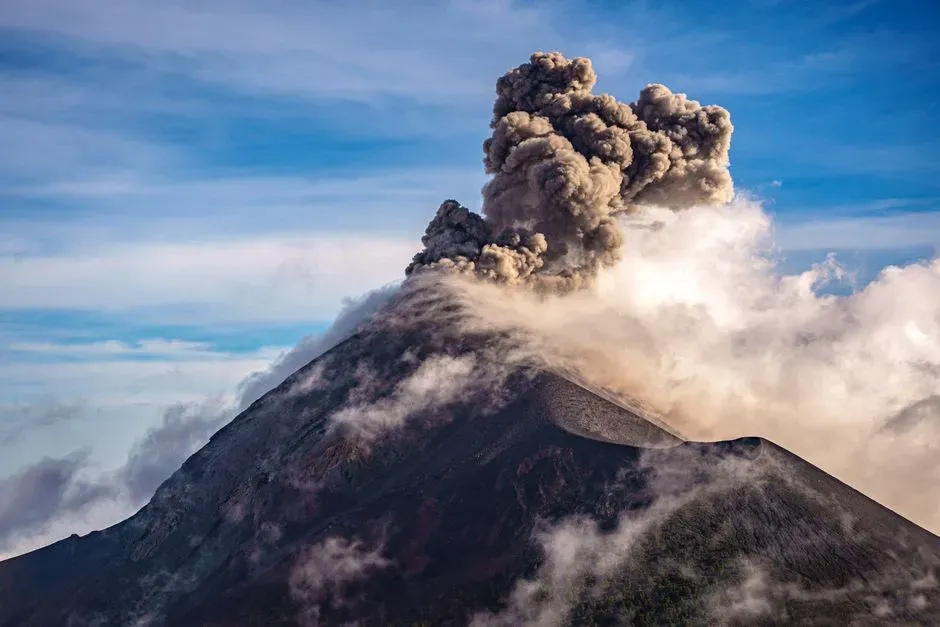
When most of us think of volcanoes, we picture steep cones like Fuji or classic eruptions like Mount St. Helens, impressive but limited in scale. Earth’s real monsters are far bigger and much rarer: supervolcano systems and immense flood basalt eruptions that can cover huge regions with lava and pump climate-altering gases into the sky. The Deccan Traps in India and the Siberian Traps in Russia are ancient examples linked by many researchers to mass extinction events, including the worst die-off in Earth’s history. Yet even with all that devastation preserved in the rocks, we still wrestle with a simple question: what exactly turns a normal mantle melt zone into a globe-shaking magmatic outburst?
Some models emphasize giant plumes rising from deep within the mantle, while others point to the critical role of rifting continents, changing plate motions, or even feedbacks between magma buildup and crustal stress. We can see hints of how magma chambers grow and destabilize in modern volcanic systems, but scaling that up to eruptions that last hundreds of thousands of years and reshape continents is far from straightforward. It is honestly a bit unnerving: we can identify past provinces tied to catastrophic events, and we can see large volcanic regions at work today, but we still cannot confidently say where the next true planet-scale eruption might come from or what the exact tipping point will look like.
Deep Earthquakes: Why Do Rocks Break Where They Should Flow?
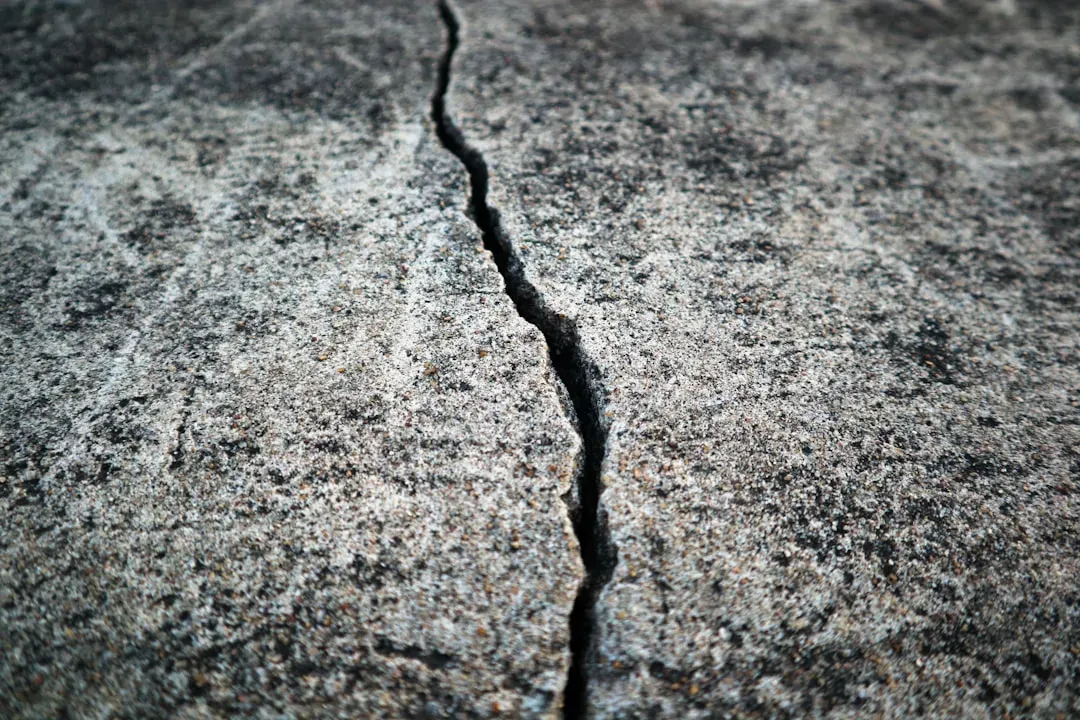
Most earthquakes happen in the brittle upper crust, where rocks can crack and slip suddenly along faults. That makes sense: cold rocks snap. But a whole class of earthquakes occurs far deeper, hundreds of kilometers down in subducting slabs, at depths where pressures and temperatures should force rocks to deform more slowly and plastically rather than fail in a sharp, seismic jolt. These so-called intermediate and deep-focus earthquakes break that simple rule, and despite decades of study, geophysicists still argue over the precise mechanisms behind them.
Some ideas focus on dehydration reactions in subducting plates, where mineral changes release water and weaken rocks, possibly triggering sudden failure. Others look to phase transitions in minerals, where crystal structures flip to denser forms and may generate sharp instabilities. There are also radical proposals involving localized melting or complex frictional behaviors under extreme pressure. The truth is likely a combination of several processes that vary from one slab to another. To me, the most striking thing is that these events remind us how alien the deep Earth environment really is: we are trying to extrapolate from lab experiments and surface rocks to a realm we can never sample directly, and the data keep hinting that nature has tricks we have not fully mapped yet.
The Great Oxygenation and Other Anomalous Events: Why Did Earth’s Chemistry Flip?
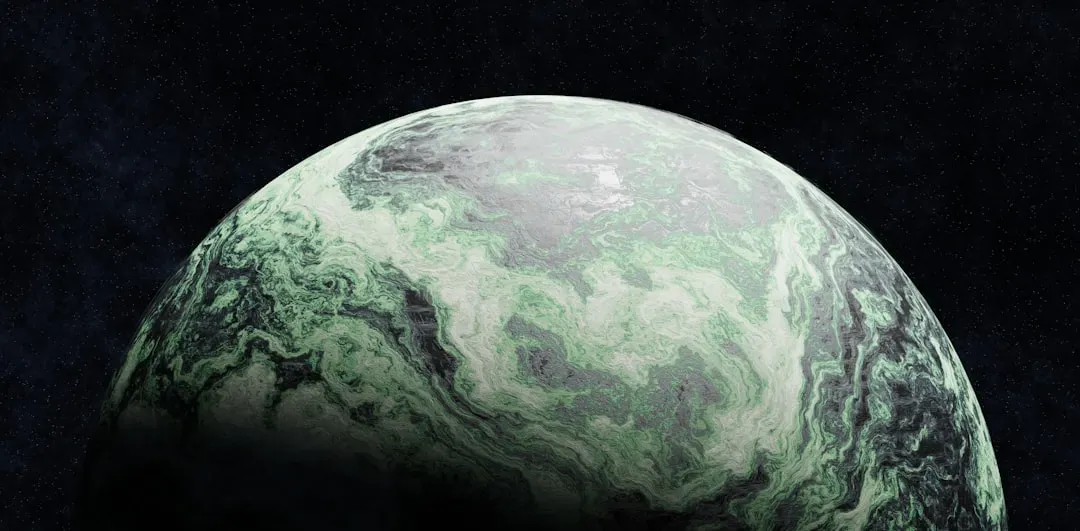
One of the biggest turning points in Earth’s history was the rise of oxygen in the atmosphere more than two billion years ago, often called the Great Oxygenation Event. Before that, free oxygen was scarce, and most life was microbial and adapted to a very different chemical world. Then something changed. Geological records show a dramatic shift in redox-sensitive minerals, sulfur signatures, and sediment patterns, all shouting that oxygen suddenly became a big player. But pinning down why the timing worked out exactly as it did, and why the transition saw bursts, stalls, and even apparent setbacks, is still a work in progress.
We know photosynthetic microbes were producing oxygen long before it began to accumulate in the atmosphere, which means the planet had powerful sinks gobbling it up – volcanic gases, reduced minerals, and the deep oceans. At some point, those sinks lost the race, but whether that was driven more by changes in volcanic style, continental growth, nutrient delivery to the oceans, or biological innovation is hotly contested. The story does not stop there: later oxygen pulses and mysterious isotopic shifts point to additional upheavals in Earth’s chemical balance. From my perspective, this is one of the most humbling puzzles, because it ties together geology, climate, and biology in ways that are messy and nonlinear. The air we casually breathe is the outcome of a series of planetary experiments whose rules we still have not fully decoded.
Conclusion: A Restless Planet With More Questions Than Answers
When you stack these mysteries side by side – the quirky core, half-understood mantle blobs, disputed bombardments, frozen worlds, and oxygen revolutions – it becomes hard to see Earth as a solved puzzle. The honest, slightly uncomfortable truth is that some of the biggest questions about how our planet formed, evolved, and occasionally nearly destroyed itself are still wide open. I think that is a feature, not a bug: the gaps in our understanding keep geology vibrant and, frankly, far more thrilling than the dry diagrams in a school textbook ever suggested.
My own opinion is that we are still in the early days of “deep Earth literacy.” As better seismic imaging, high-pressure experiments, and planetary missions roll in, many of the neat narratives we tell now will probably be torn up and rewritten. That is exactly how it should be. A planet that is four and a half billion years old is under no obligation to give up its secrets quickly. The real question is not whether these mysteries will be solved, but which surprising new ones will appear when we look a little closer – what would you bet we are still completely wrong about?