
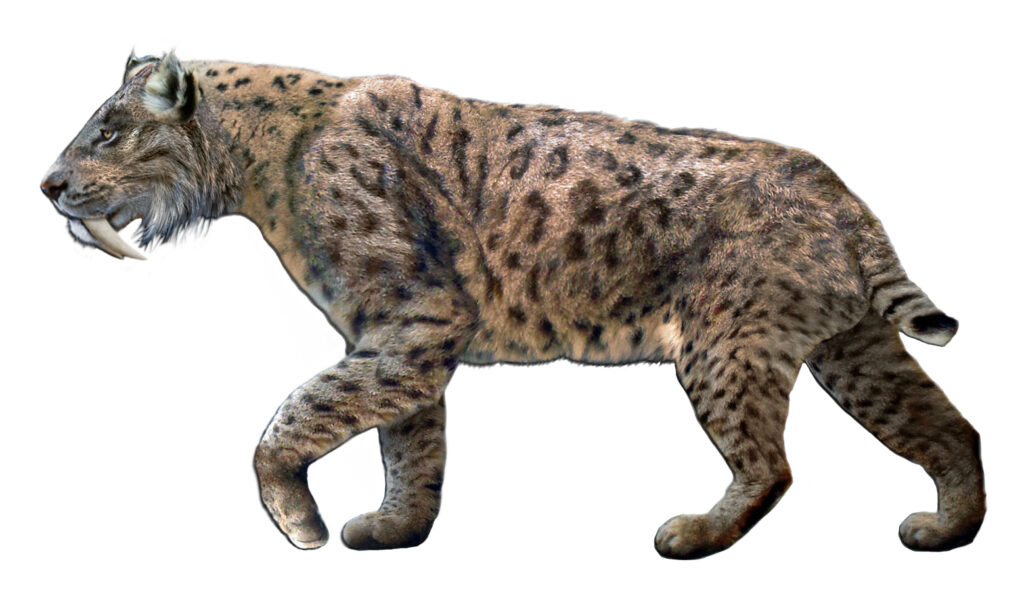
Smilodon in the Ice Age movies is basically a big cat with jokes, eyebrows, and a surprisingly wholesome moral compass. The real animal? A tank of muscle with steak knives for teeth, trying to survive in a brutally competitive Ice Age ecosystem. The gap between the cuddly movie sabertooth and the flesh‑and‑blood predator is not just big, it’s almost comically huge.
The science we have on Smilodon is incomplete but fascinating: bones, bite marks, healed injuries, and frozen ecosystems all hint at a daily life that was bloody, risky, and strangely social. Some of what this cat likely did every single day is so intense, so graphic, or just so weird that no family film was ever going to go near it. Let’s pull back the curtain and look at eight very real behaviors that probably defined Smilodon’s daily life – and would have never made it into a kids’ movie.
1. Crushing windpipes and arteries instead of doing cartoon pounces
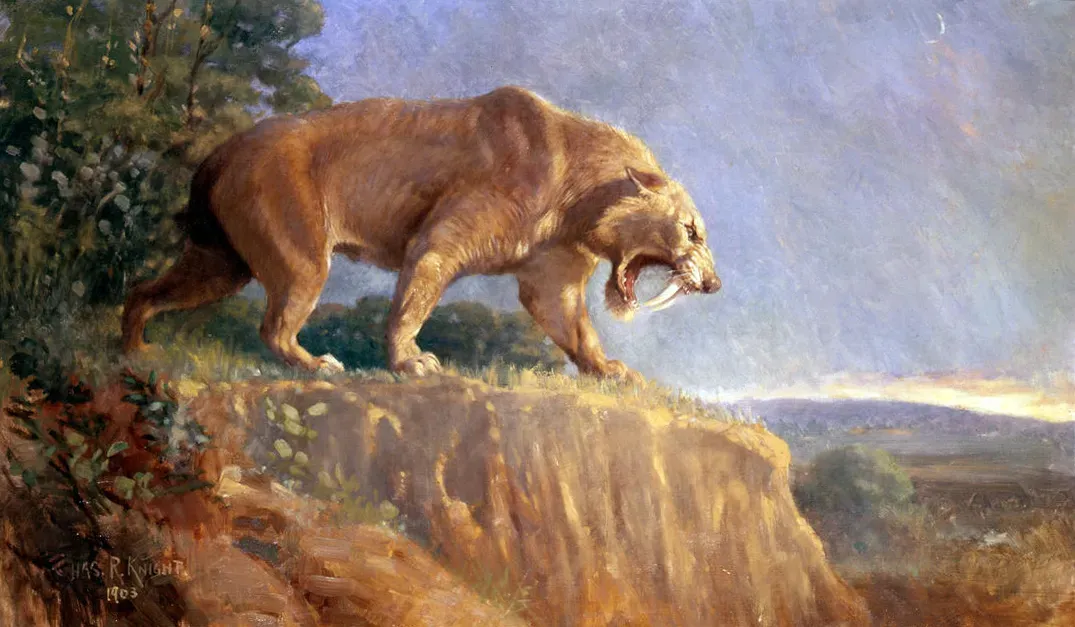
The biggest misunderstanding the movies sell is that Smilodon killed like a modern lion: big leap, heavy tackle, throat grab, done. But the real animal was built differently. Its saber teeth were long, laterally flattened, and surprisingly fragile for bone‑crushing work, so hammering down through thick bone like a hyena was a bad idea. Instead, evidence suggests Smilodon went for softer targets: the throat, neck, or belly, slicing windpipes and major blood vessels in quick, devastating bites.
That probably meant its daily hunts were less about flashy chases and more about grappling and precision. Its body was massively built, especially the forelimbs and shoulders, like a wrestler designed to pin huge prey to the ground. Once it had something down, it could deliver a powerful, careful killing bite that caused rapid blood loss or suffocation. Not exactly slapstick‑friendly content for a scene between punchlines and pop‑culture jokes, but very on brand for a specialized Ice Age super‑predator.
2. Grabbing and dragging struggling prey with terrifying upper‑body strength
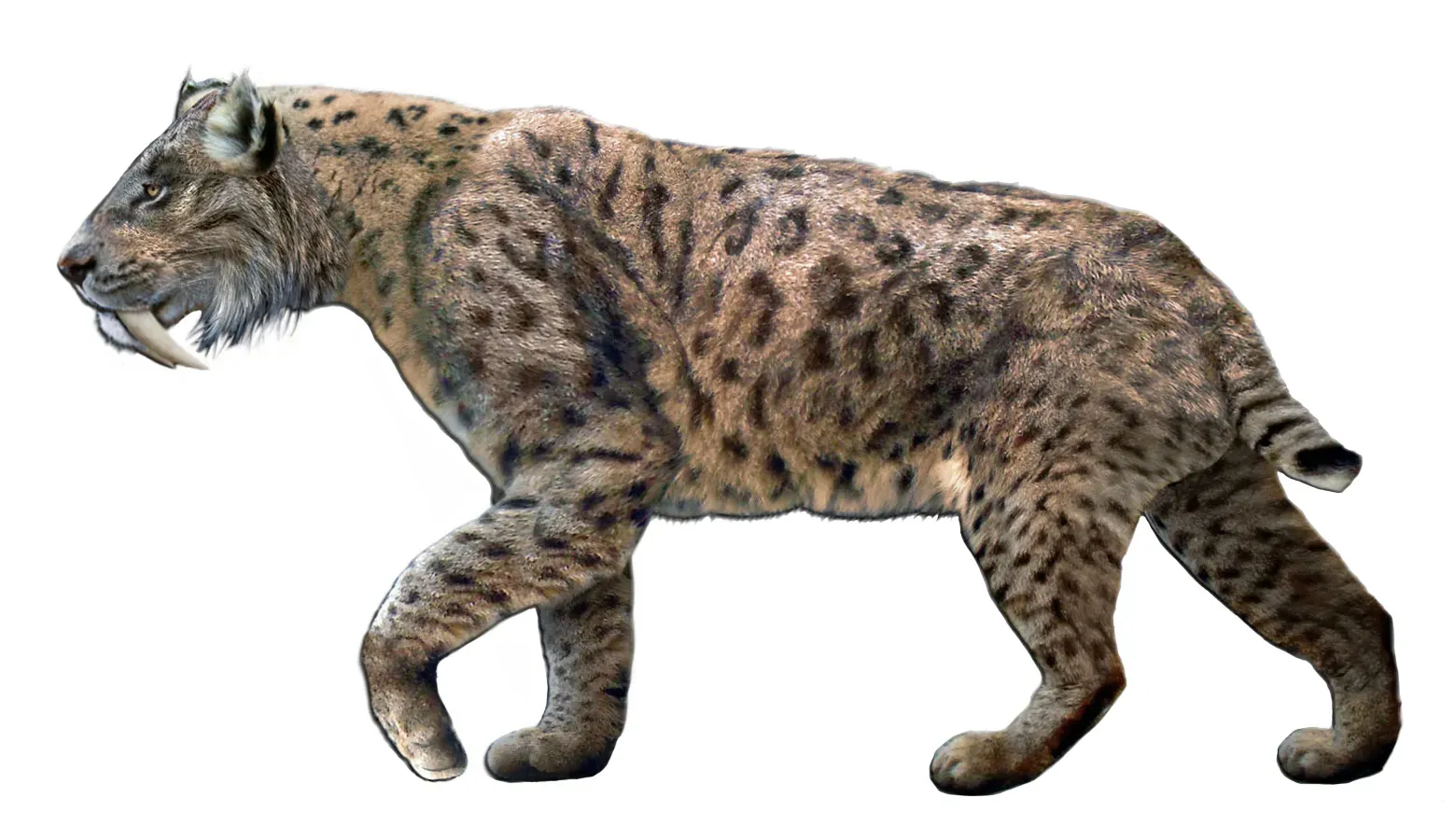
Most people focus on the teeth, but if you look at Smilodon’s skeleton, the real horror show is its front end. The shoulder blades are broad, the upper arms thick, and the forearms heavily muscled; the whole chest is basically a power‑lifting rig. Day to day, that meant Smilodon almost certainly spent a lot of time wrestling prey much larger than itself, hanging on while panicking animals tried to bolt, twist, or kick it off. Imagine the energy and brute force that took, over and over again.
Once the prey was weakened or down, there’s a good chance Smilodon needed to drag or reposition the carcass. With competition from dire wolves, American lions, and giant scavengers, leaving a kill in the open was an invitation to lose lunch. So instead of delivering punchlines, the real Smilodon was probably hauling hundreds of pounds of meat across rough ground, shoulders blazing, trying to snag a bit of privacy before the mob arrived. That kind of physical grind is epic, but also way too raw for a cheerful kids’ adventure.
3. Getting into brutal fights over carcasses and territory
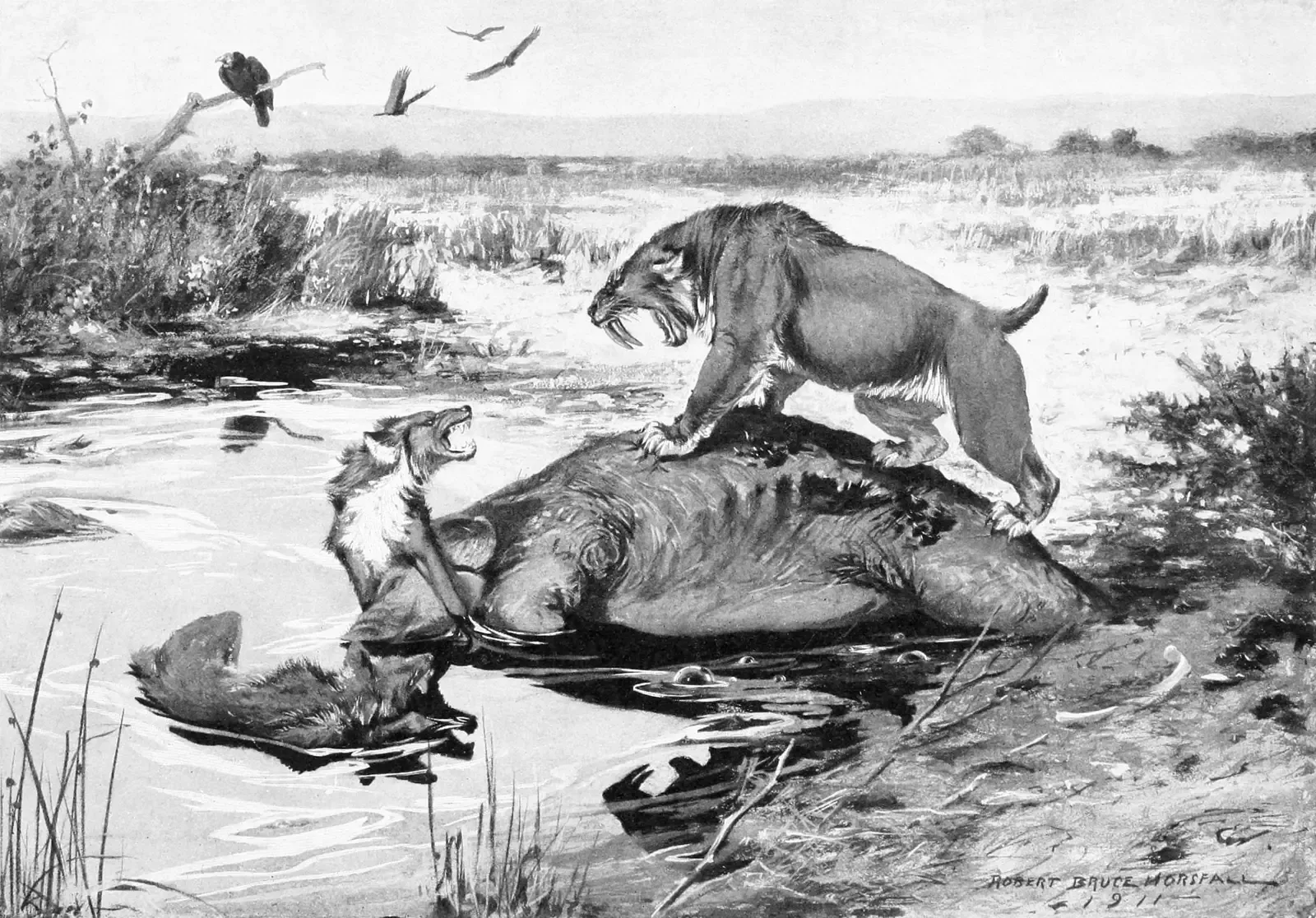
The Ice Age films make predator relationships look like mildly tense friendships with a few sarcastic comments. Real Pleistocene ecosystems were closer to a constantly simmering war zone. Smilodon shared its world with other serious killers: packs of dire wolves, huge bear species, and big cats that could all show up at the smell of blood. Every fresh carcass was a prize that could trigger standoffs, growling face‑offs, and full‑on brawls. Fossils of Smilodon show healed injuries that hint at frequent violence between large animals.
Daily life for a Smilodon likely included constant calculation: fight, bluff, or walk away. Even if it managed to bring down a massive herbivore, it might only get a few minutes of feeding before competitors arrived. Sometimes it probably had to risk a dangerous confrontation, slashing or swiping with those heavily muscled forelimbs. Other times it would cut losses and back off. Showing that reality on screen would turn a lighthearted road trip movie into a grim survival drama where every meal is a battle and someone is always bleeding.
4. Scavenging, stealing, and eating in less‑than‑glamorous ways
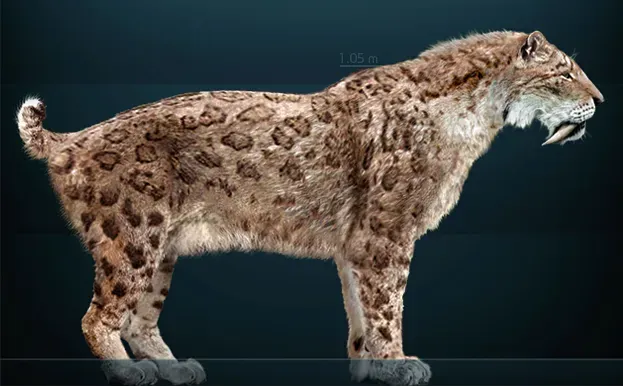
The family‑friendly version of Smilodon tends to treat it as a noble, self‑sufficient hunter. In the real world, almost every big predator alive today steals, scavenges, and takes shortcuts when it can, and there is no reason to think Smilodon was any different. If it smelled a fresh carcass killed by something else, that was free calories, and free calories are the only currency that matters when you live on a knife edge of energy balance. It likely approached kills cautiously, ready to either bluff the owner away or snatch what it could and bolt.
And then there’s how it actually ate. With those long, vulnerable canines, Smilodon probably relied on its powerful neck and jaw muscles plus its incisors and premolars to strip meat from the bones, working deep into the body cavity. Picture a huge cat, muzzle buried inside the ribcage of a half‑frozen megafauna carcass, pulling out organs, tearing strips of meat, and swallowing chunks as fast as possible before something bigger shows up. That’s a daily reality of feeding that doesn’t pair well with goofy dialogue or PG ratings.
5. Nursing injuries and living with painful, sometimes crippling damage
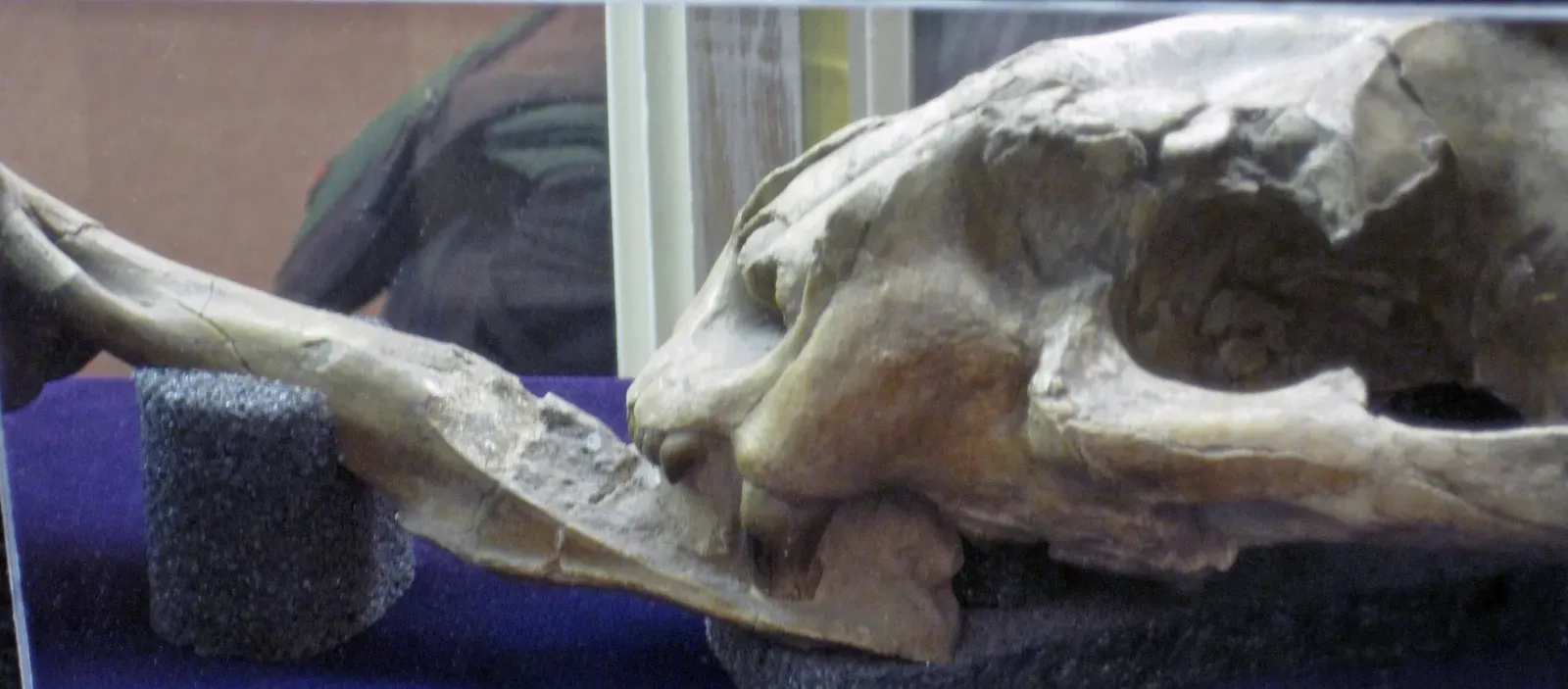
One of the most sobering things we’ve learned from Smilodon fossils is just how beaten up some individuals were, yet they still lived long enough for their bones to heal. There are skeletons showing severe hip damage, spinal problems, or badly injured limbs that would have made solo hunting basically impossible. That means at least some Smilodon survived for months or years while partially disabled, which says a lot about how rough their daily lives were, and maybe about how their social structure worked.
Dealing with that kind of damage is not cinematic fun. Every day, an injured Smilodon would have to haul its painful body to water, find shade or shelter, and somehow get enough food to not waste away. If it really did live in social groups, others may have tolerated it feeding at kills or moving more slowly. That’s a powerful, almost haunting image: an apex predator that looks invincible in textbooks, actually limping through its final years. You can see why filmmakers prefer to keep their sabertooths spry, expressive, and mostly unbreakable.
6. Raising cubs in a world where most did not make it
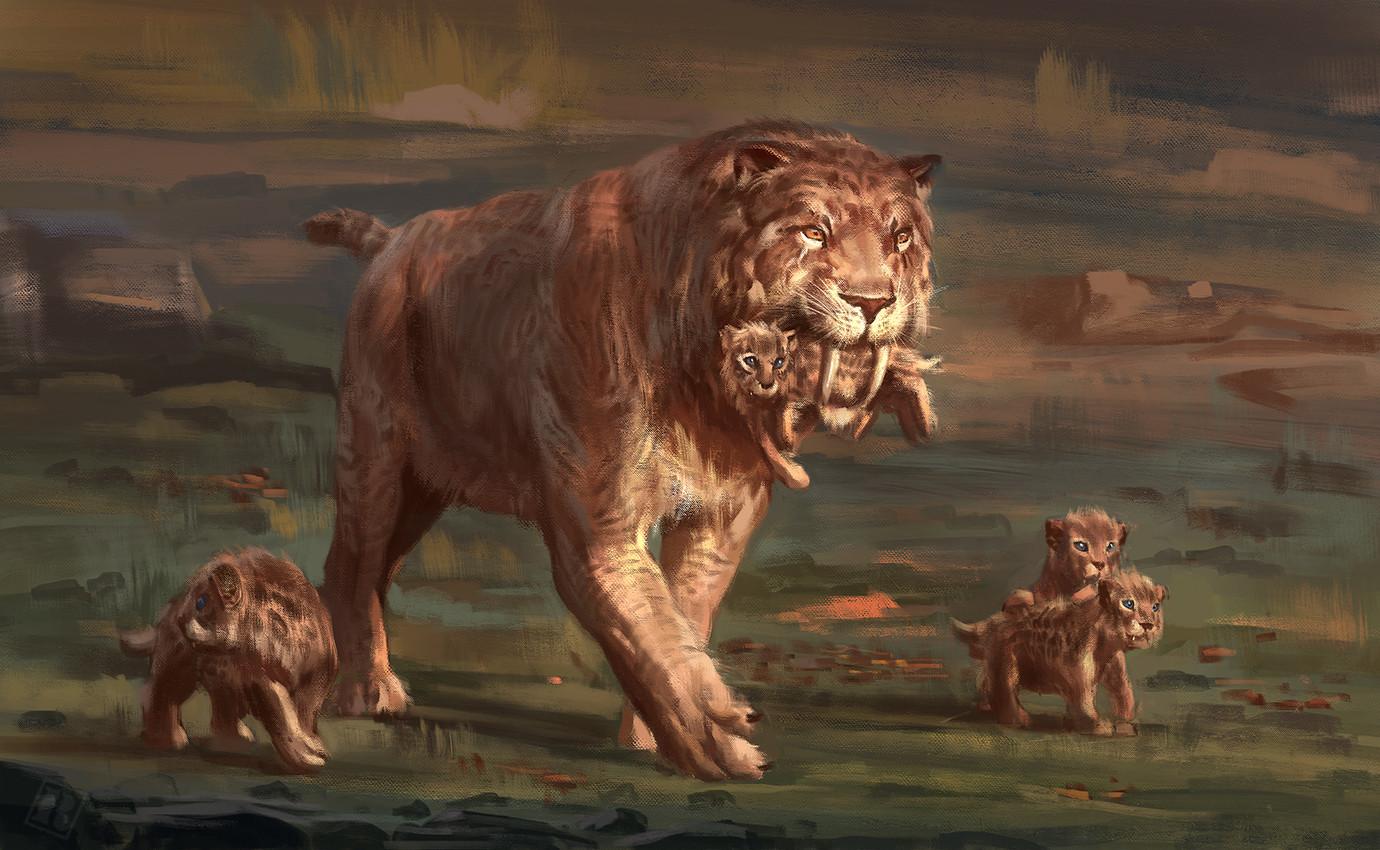
The movies love the idea of found family and soft, charming moments with “the baby.” In reality, if Smilodon was anything like large modern cats, raising cubs was a risky, exhausting, and often heartbreaking job. Young Smilodon would have been vulnerable to starvation, disease, predation, accidents, and even aggression from other adults. For a mother, that meant a daily routine of protecting hiding spots, moving cubs when necessary, and trying to get enough food to nurse them without leaving them exposed too long.
If Smilodon was social, which some researchers think is possible based on injury patterns and fossil assemblages, group life might have helped: other adults tolerating cubs at kills or offering some degree of protection. But even then, the odds for each individual cub were probably not great. Day after day, survival would have been a nervous balancing act between guarding the young and getting enough calories to keep producing milk. Family films skim over that sort of harsh math because it shifts the tone from cute and uplifting to raw and unsettling very fast.
7. Dealing with parasites, rot, and the not‑so‑cinematic side of being a carnivore
You never see animated predators scratching at fleas, limping on an infected paw, or dealing with a nasty gut parasite, but those hassles were almost certainly built into Smilodon’s everyday life. Eating raw meat, poking your face into rotting carcasses, and drinking from muddy waterholes is a dream job for microbes and parasites. Over time, infections, worms, and skin issues would have chipped away at a Smilodon’s health, sapping strength and making each hunt or confrontation just a bit harder than the last.
Even without parasites, carnivory is a messy, dangerous lifestyle. Bites get infected, claws tear skin, and minor wounds from struggling prey can turn ugly. A Smilodon might wake up one day a bit slower, a bit weaker, already pushed toward the edge by compounded damage. None of that is fun, marketable content for a movie about friendship and slapstick adventure, but it is part of the real story: being a top predator is not just about power and glory, it is about slow, constant wear and tear.
8. Facing hunger and uncertainty far more often than victory and feasting
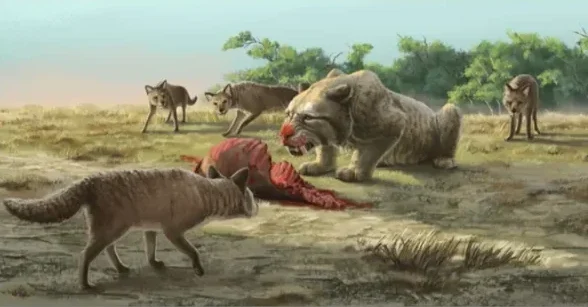
The movies make it look like every hunt either works out or turns into chaos in a way that always seems to resolve nicely for the main characters. Real predators live with a much harsher ratio: most hunting attempts fail, and failure costs precious energy. For Smilodon, that likely meant days of intense effort followed by empty stomachs, all under the pressure of a cold or unstable climate and an ecosystem that could change dramatically over relatively short time spans.
On a typical day, a Smilodon might patrol, stalk, and make one or more high‑risk attacks, only to come away with nothing but fatigue and maybe minor injuries. The emotional version of that, if we dare to project a bit, is closer to constant tension than to cartoon confidence. Only occasionally did everything line up: the right prey, the right moment, enough strength to pull it off. Then, finally, came the feast. That rhythm of frequent frustration and rare payoff is the real daily drama of a sabertooth’s life, and it is a lot less comforting than a neatly scripted adventure with a guaranteed happy ending.
Opinionated conclusion: the real Smilodon was too raw for a kids’ franchise
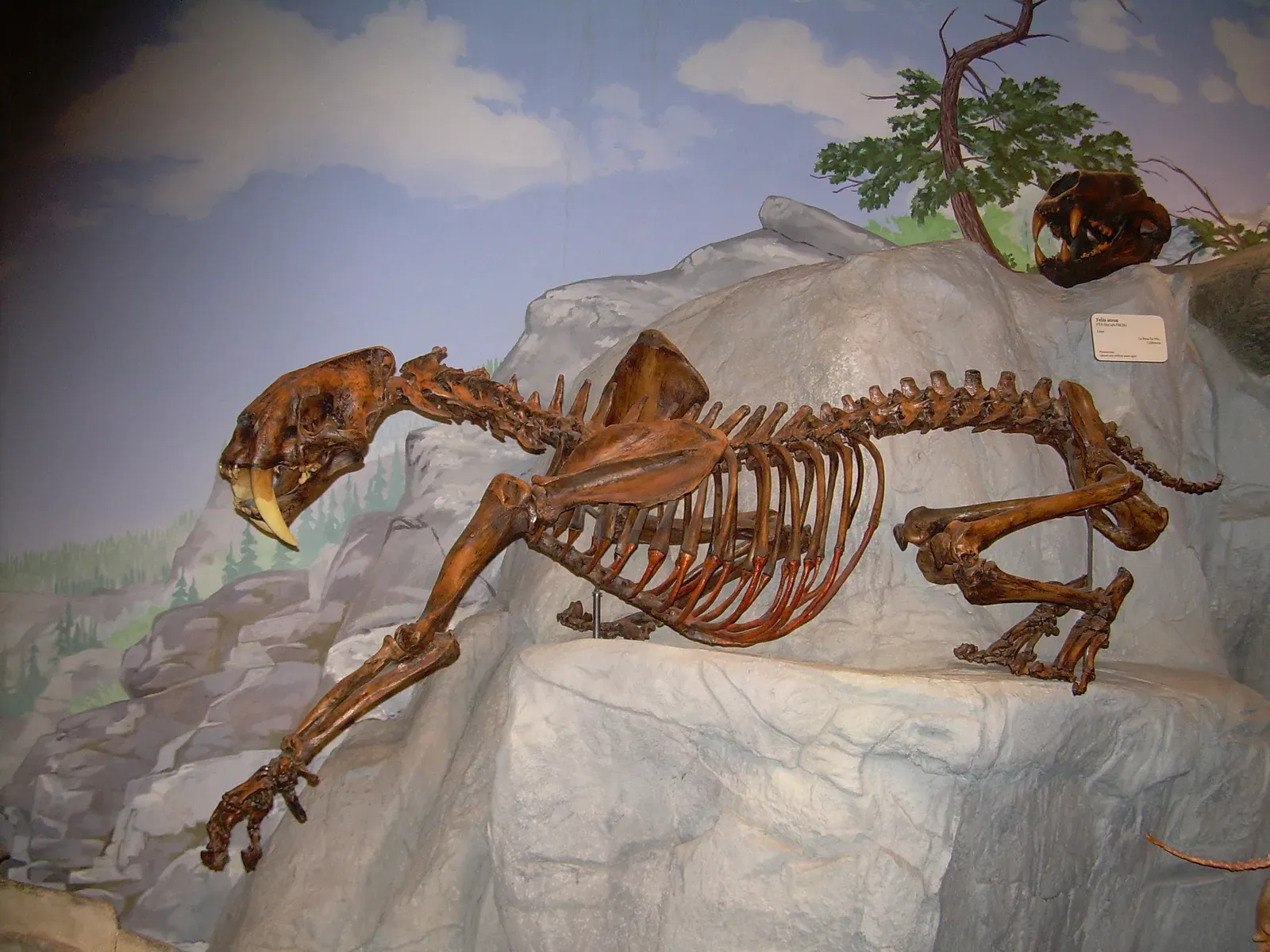
When you put all of this together, the gap between the Ice Age sabertooth and the real Smilodon is almost ridiculous. The actual animal lived in a world defined by blood loss, broken bones, scavenged carcasses, infections, and constant competition, not quips and heartwarming arcs. It was more like a slowly unfolding survival horror story than a buddy comedy, even if we leave plenty of room for uncertainty and avoid exaggerating what the fossils can’t prove. The truth is still gritty enough on its own.
Personally, I think that contrast makes Smilodon even more fascinating, not less. The bones in museums are silent, but when you look closely at the injuries, the anatomy, and the ecosystems, you can almost feel the weight of its daily struggle pressing out of the rock. Maybe we need the friendly animated version to fall in love with the idea of a sabertooth, but the grown‑up payoff is realizing just how far reality goes beyond the script. Which version sticks with you more now: the wisecracking sidekick, or the scarred predator fighting for every single meal?