

The massive footprint pressed deep into ancient mud tells a story that spans 150 million years. Standing before that fossilized trace in a museum, you can almost hear the thunderous steps of a creature that once ruled our planet. For adults who’ve never quite outgrown their fascination with these prehistoric giants, the world of dinosaur science has exploded with revolutionary discoveries that make childhood picture books seem quaint by comparison.
The Renaissance of Paleontology
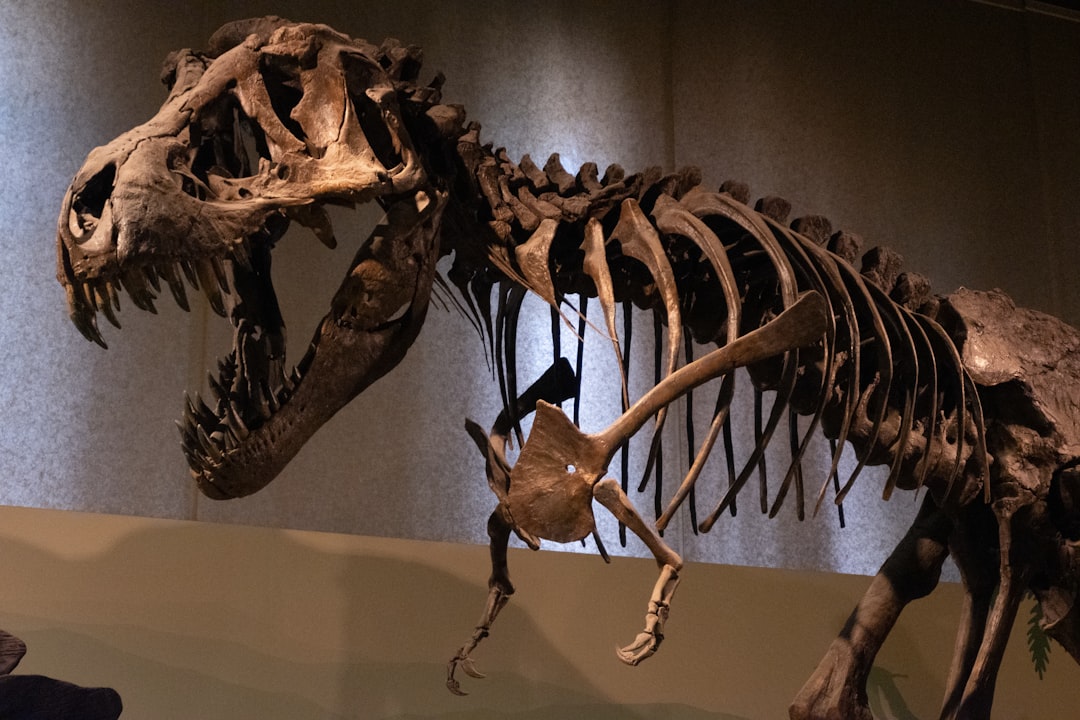
We’re living through what many scientists call the golden age of dinosaur discovery. Every six weeks, researchers identify a new dinosaur species, completely rewriting our understanding of these ancient creatures. The field has transformed from dusty bone-hunting expeditions into high-tech investigations involving CT scans, chemical analysis, and computer modeling.
Modern paleontology combines geology, biology, chemistry, and even engineering to piece together how dinosaurs lived, moved, and interacted with their environment. This scientific revolution has produced a wealth of adult-oriented books that go far beyond the simple “big teeth, sharp claws” narratives of the past.
Why Adults Need Different Dinosaur Books
Adult curiosity about dinosaurs operates on a completely different level than childhood wonder. We want to understand the evolutionary pressures that shaped these creatures, the environmental catastrophes they survived, and the complex ecosystems they dominated. We crave the messy, complicated truth about extinction events, fossil preservation, and the ongoing debates that make paleontology such a dynamic field.
The best dinosaur books for adults don’t just describe what these animals looked like. They explore the detective work behind each discovery, the scientific methods used to reconstruct behavior, and the ongoing mysteries that keep researchers up at night.
“The Rise and Fall of the Dinosaurs” by Steve Brusatte
Steve Brusatte’s masterpiece reads like a thriller novel disguised as a paleontology textbook. This Edinburgh University professor takes readers on a journey through 200 million years of dinosaur evolution, from their humble beginnings as small, scrappy creatures to their reign as the planet’s dominant life forms. Brusatte’s writing style makes complex evolutionary concepts accessible without dumbing them down.
What sets this book apart is its focus on the latest discoveries and cutting-edge research techniques. Brusatte doesn’t just tell you about Tyrannosaurus rex – he explains how scientists use isotope analysis to determine what these predators ate and how CT scans reveal the internal structure of fossilized eggs.
“Dinosaurs Rediscovered” by Michael J. Benton
Michael Benton’s work demolishes every dinosaur myth you thought you knew. This Bristol University paleontologist systematically destroys outdated ideas about slow, cold-blooded reptiles dragging their tails through swamps. Instead, he presents evidence for warm-blooded, colorful, intelligent creatures that dominated diverse ecosystems across the globe.
The book’s strength lies in its methodical approach to scientific evidence. Benton explains how researchers determine dinosaur colors from fossilized melanosomes, how they reconstruct breathing patterns from bone structure, and how they calculate running speeds from trackways. Each chapter builds on the previous one, creating a comprehensive picture of modern dinosaur science.
“The Dinosaur Hunters” by Deborah Cadbury
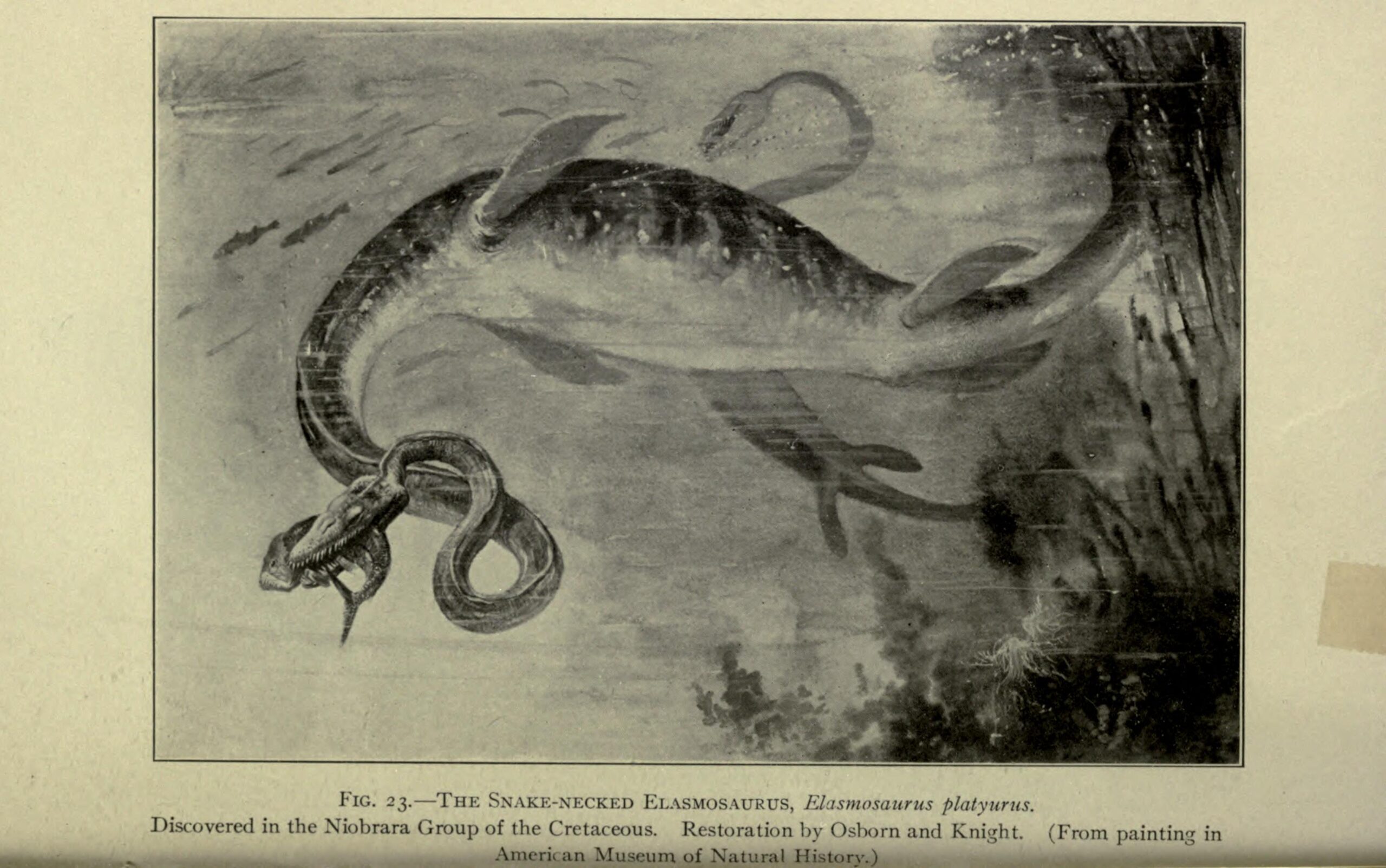
Cadbury’s book reads like a Victorian adventure novel, complete with scientific rivalries, social scandals, and groundbreaking discoveries. She chronicles the lives of the pioneering fossil hunters who first identified dinosaur bones in 19th-century England, when the very concept of extinction was controversial and the age of the Earth was hotly debated.
This historical perspective provides crucial context for understanding how dinosaur science developed. The book reveals how social prejudices, religious beliefs, and economic pressures shaped early paleontological research. Cadbury’s vivid storytelling brings these forgotten scientists to life, showing how their personal struggles and professional rivalries advanced human knowledge.
“Dinosaur Paleobiology” by Stephen L. Brusatte
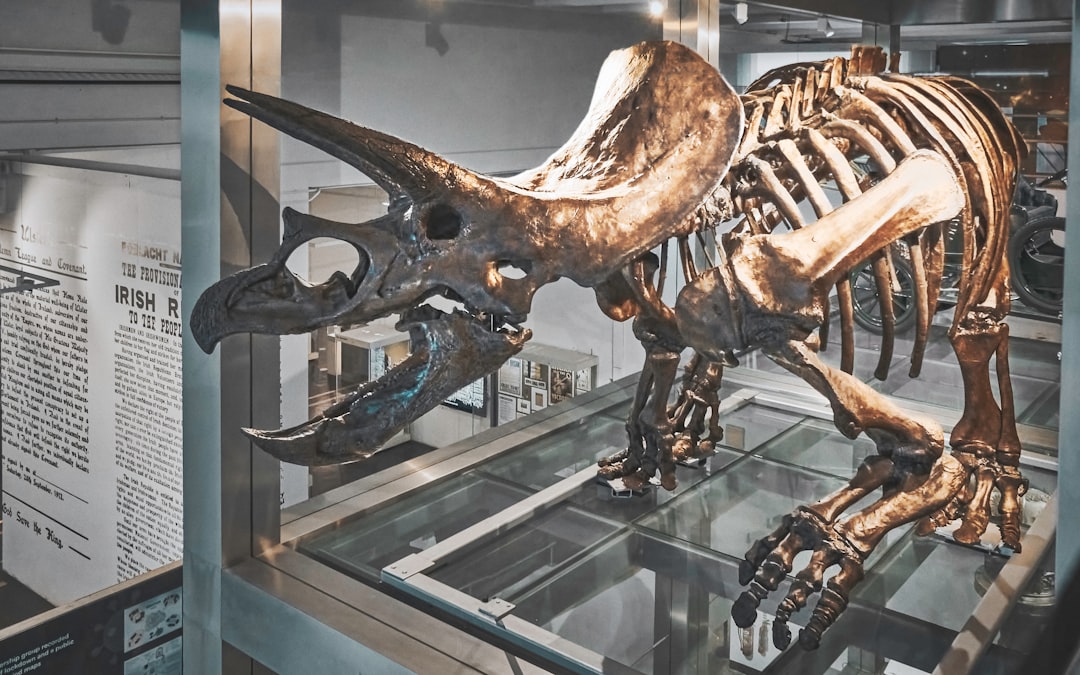
This academic textbook represents the most comprehensive overview of dinosaur science available to general readers. Brusatte covers everything from basic anatomy and phylogeny to advanced topics like biomechanics and paleoecology. While more technical than his popular science books, it remains accessible to dedicated non-specialists.
The book’s systematic approach makes it an excellent reference work. Each chapter includes detailed illustrations, phylogenetic trees, and case studies that demonstrate how scientists apply theoretical concepts to real fossils. It’s the kind of book that rewards multiple readings, revealing new insights each time.
“The Tyrannosaur Chronicles” by David Hone
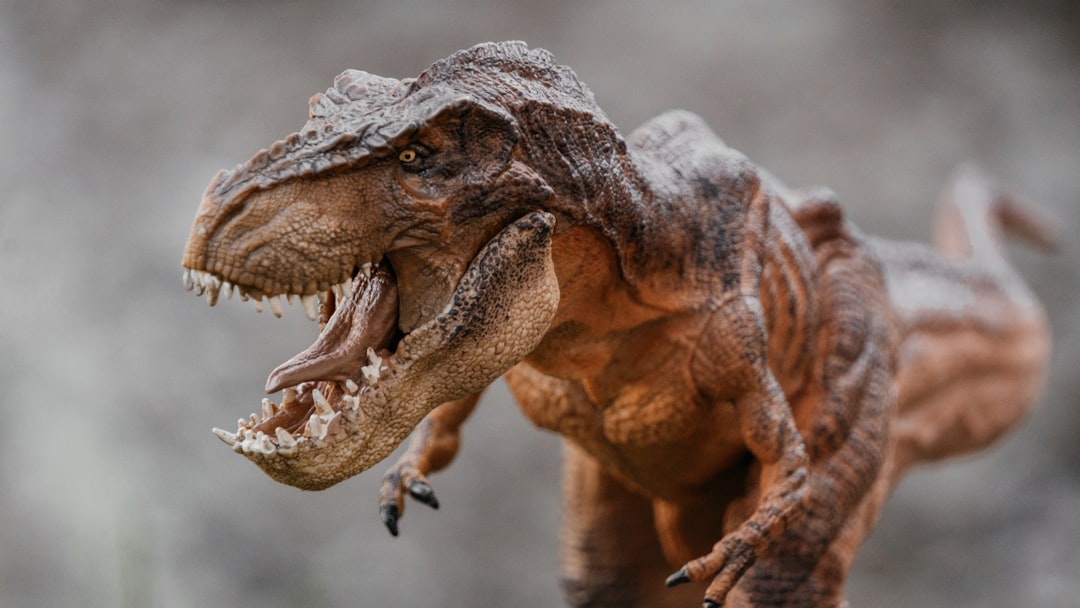
David Hone’s deep dive into the tyrannosaur family tree reveals the incredible diversity within this group of apex predators. Far from being simple killing machines, tyrannosaurs evolved complex hunting strategies, social behaviors, and ecological roles that changed dramatically over millions of years.
Hone’s expertise in dinosaur behavior and ecology shines through his detailed analysis of tyrannosaur fossils. He explains how scientists determine whether these predators were primarily hunters or scavengers, how they used their tiny arms, and why some species developed elaborate head crests and horns. The book demonstrates how much we can learn about ancient behavior from careful study of bones and teeth.
“Dinosaurs Without Bones” by Anthony J. Martin
Anthony Martin’s revolutionary approach focuses on trace fossils – the footprints, nests, burrows, and bite marks that reveal dinosaur behavior in ways that bones alone cannot. This ichnologist shows how fossilized tracks can tell us about dinosaur social structure, migration patterns, and daily activities.
The book’s unique perspective opens up entirely new ways of thinking about dinosaur lives. Martin explains how scientists can determine herd sizes from trackways, identify parental care from nest sites, and even reconstruct predator-prey interactions from bite marks on bones. It’s a masterclass in forensic paleontology that will change how you think about fossil evidence.
The Scientific Method in Dinosaur Research
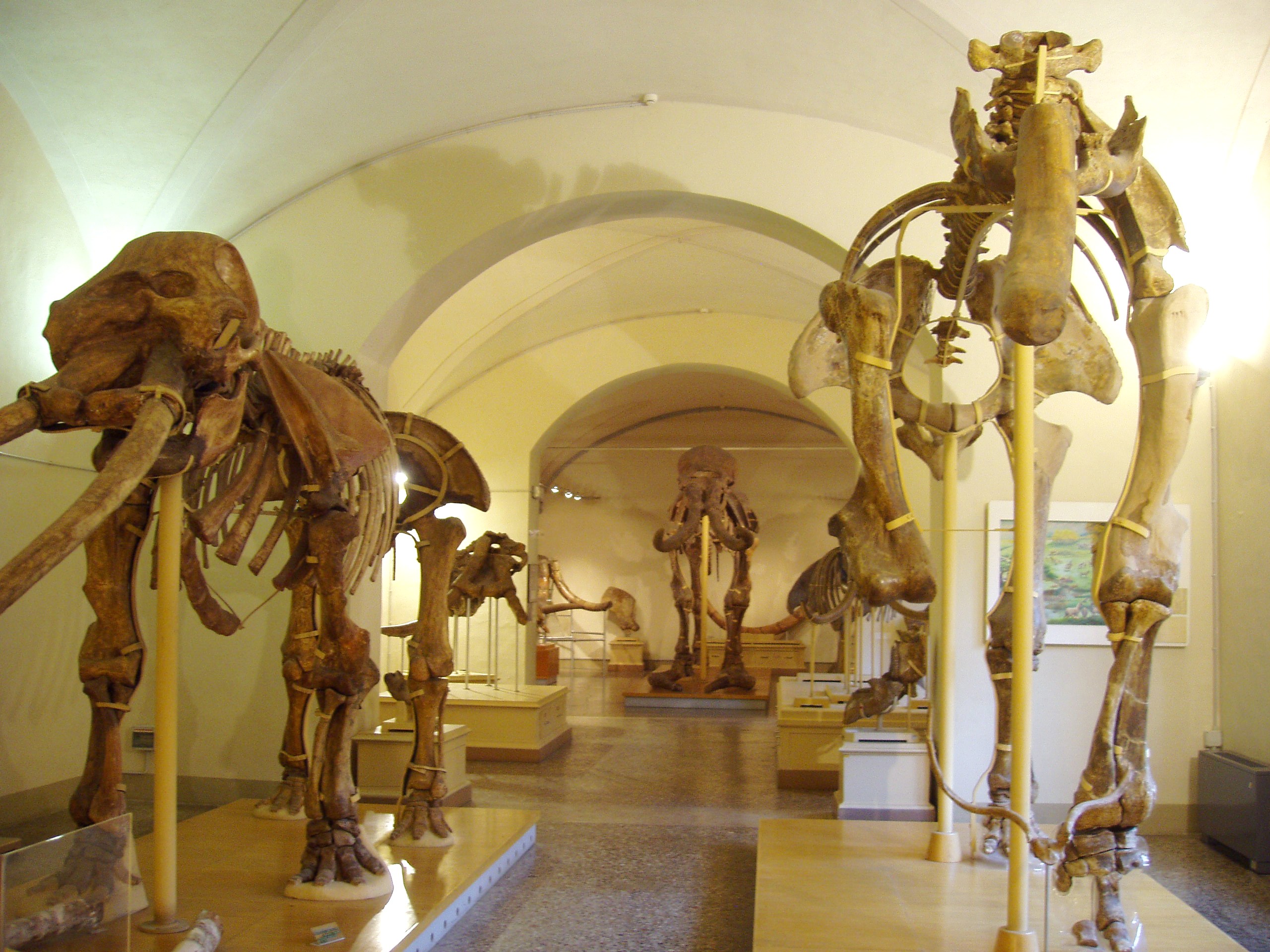
Modern dinosaur science relies on rigorous hypothesis testing and peer review, just like any other scientific discipline. Researchers must support their claims with multiple lines of evidence, from comparative anatomy to geochemical analysis. This scientific rigor separates legitimate paleontology from speculative documentaries and popular fiction.
The best dinosaur books for adults demonstrate this scientific process in action. They show how researchers formulate hypotheses, design experiments, and interpret results. They also acknowledge uncertainty and ongoing debates, giving readers a realistic view of how science actually works.
Technology’s Role in Modern Paleontology
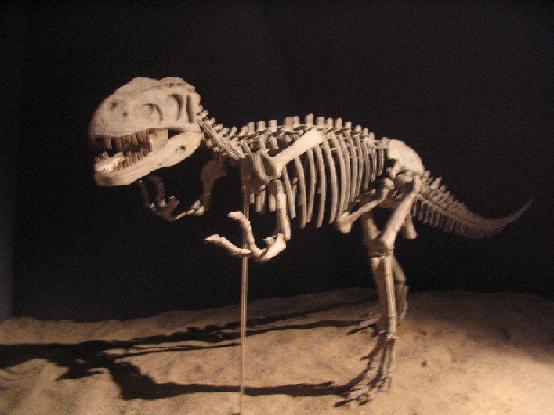
Advanced imaging techniques have revolutionized dinosaur research in ways that would have seemed like science fiction just decades ago. CT scanners reveal internal bone structure without damaging precious fossils, while electron microscopes can detect cellular details in specimens millions of years old.
Computer modeling allows scientists to test hypotheses about dinosaur locomotion, bite forces, and aerodynamics. These technological advances have overturned many long-held assumptions about dinosaur biology and behavior. The books on this list showcase how these tools are transforming our understanding of prehistoric life.
Controversies and Debates in Dinosaur Science
Dinosaur paleontology thrives on controversy and debate. Scientists regularly disagree about classification, behavior, and evolutionary relationships. These debates aren’t signs of weakness in the field – they’re evidence of its vitality and growth.
The most engaging dinosaur books don’t shy away from these controversies. They present competing hypotheses and explain the evidence supporting each position. This approach gives readers a realistic view of how scientific knowledge develops through ongoing research and debate.
The Global Nature of Dinosaur Discoveries
Dinosaur fossils have been found on every continent, including Antarctica. This global distribution reveals how these animals adapted to diverse environments and survived multiple mass extinction events. Recent discoveries in China, Argentina, and Madagascar have particularly enriched our understanding of dinosaur diversity and evolution.
International collaboration has become essential in dinosaur research. Scientists from different countries work together on excavations, share specimens, and combine expertise to solve complex problems. The books on this list reflect this global perspective, drawing on discoveries from around the world.
Connecting Past and Present
Dinosaur science isn’t just about the past – it provides crucial insights into modern biology and environmental science. Understanding how dinosaurs survived previous mass extinctions helps us predict how current species might respond to climate change and habitat destruction.
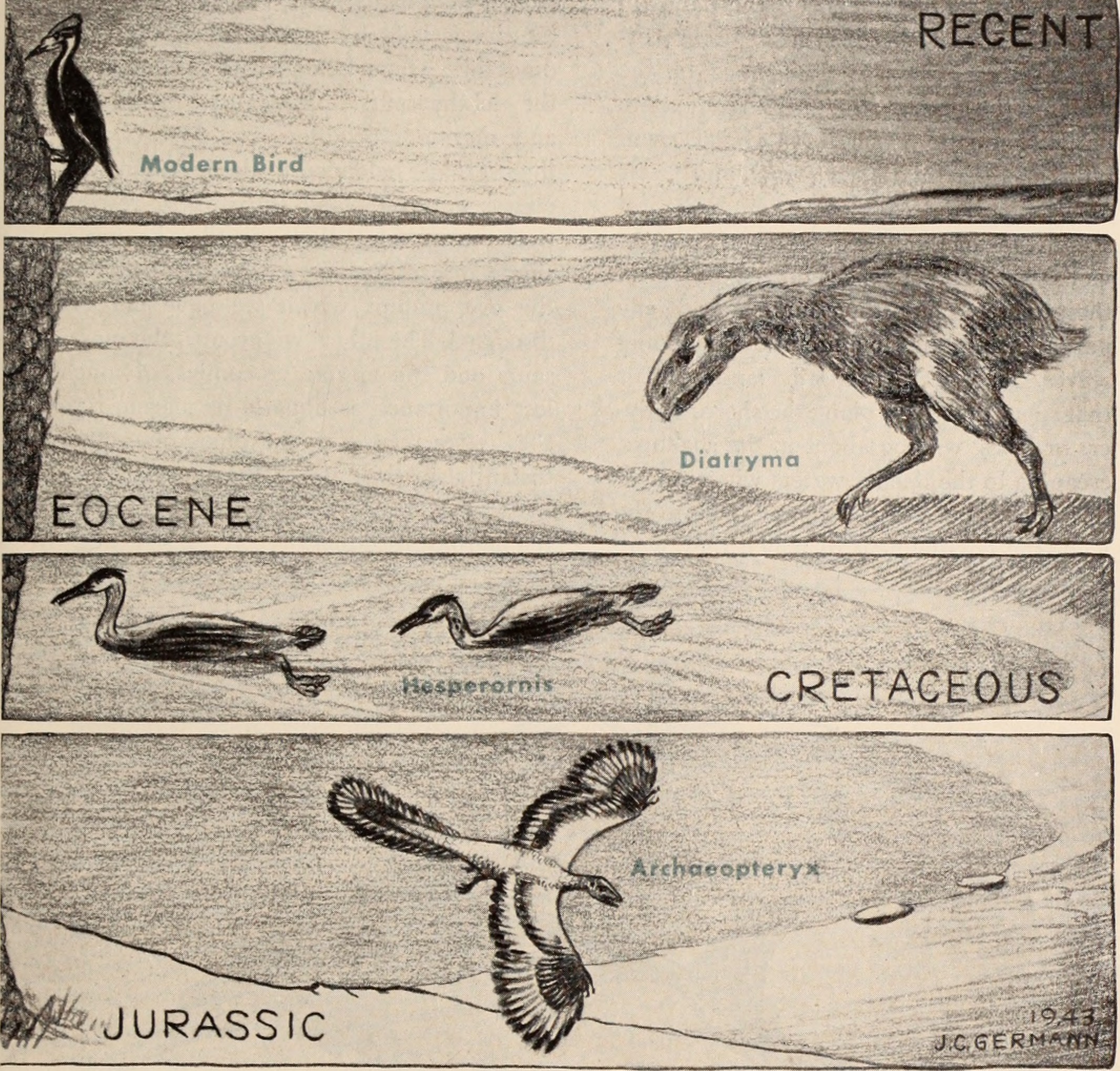
The evolutionary connections between dinosaurs and modern birds continue to yield new discoveries about flight, metabolism, and behavior. These connections make dinosaur research relevant to conservation biology and our understanding of current biodiversity crises. The best dinosaur books for adults emphasize these modern connections and applications.
Conclusion
These seven books represent the cutting edge of dinosaur science, each offering unique perspectives on these fascinating creatures. They demonstrate how far paleontology has evolved from simple bone collecting to sophisticated scientific investigation. Whether you’re interested in evolutionary biology, natural history, or just love a good scientific detective story, these books will transform your understanding of dinosaurs and the world they inhabited.
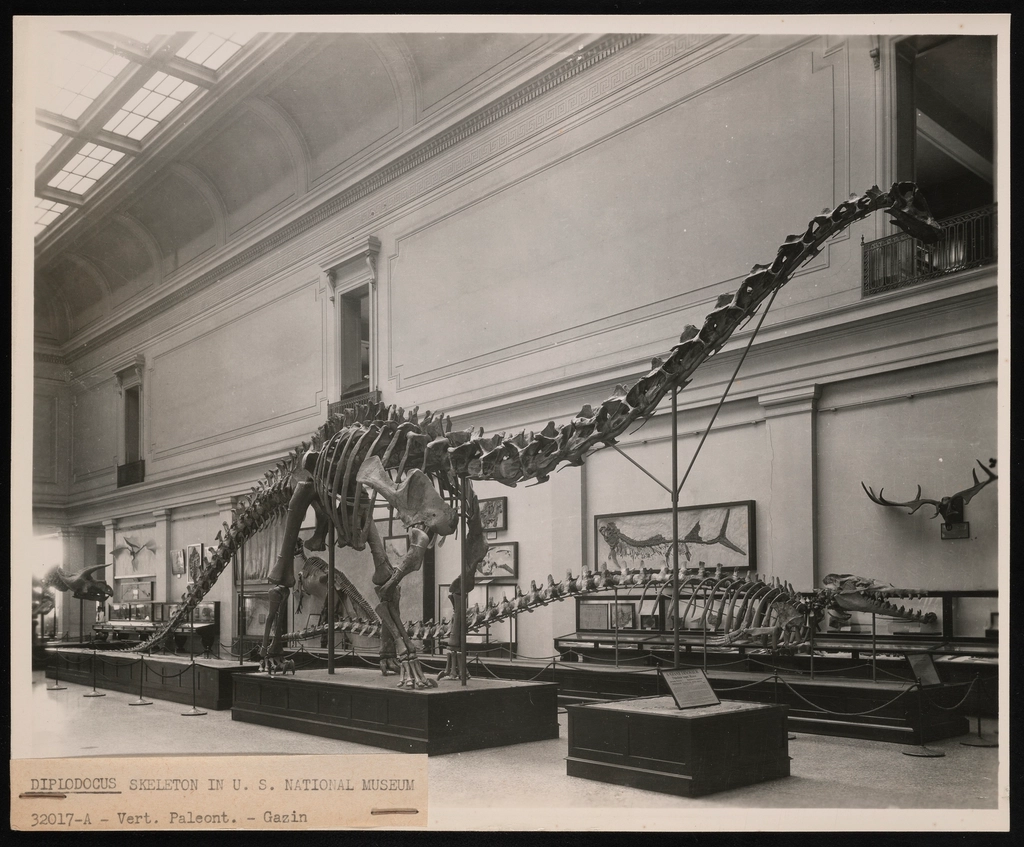
The next time you see a dinosaur skeleton in a museum, you’ll appreciate the incredible scientific detective work behind each reconstruction. What started as curiosity about ancient monsters has become a window into the deep history of life on Earth – and perhaps a glimpse of our own future.