
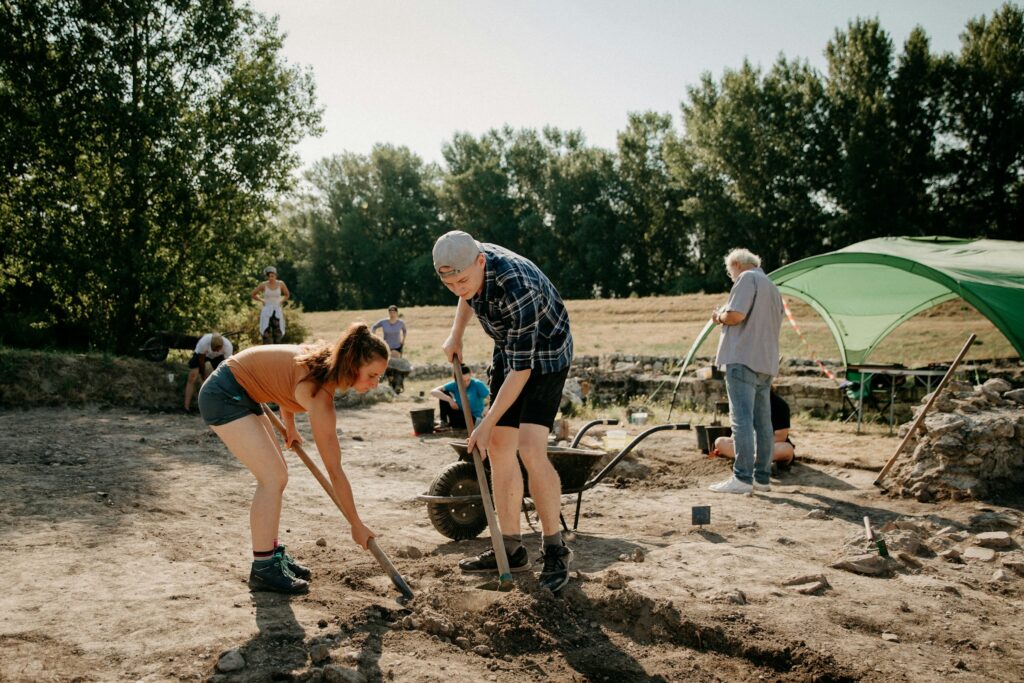
Walk through a glass-and-steel city in the United States and it is easy to forget that the ground under your feet has been busy for thousands of years. Beneath highways, office towers, and suburban cul-de-sacs lie the bones of forgotten towns, ceremonial landscapes, and even entire coastlines that vanished long before anyone wrote a history book. feels new, but the land itself is crowded with old stories that never made it onto the welcome signs.
What makes these buried secrets so gripping is how quietly they sit under everyday life. A shopping mall hides the outline of an ancient village. A quiet cornfield masks a ceremonial center that once rivaled small cities. As we keep building upward, archaeology keeps looking downward, digging into deep time and forcing us to rethink who was here, what they built, and how much we have lost or simply paved over.
1. The Lost Cities Beneath St. Louis and Its Suburbs
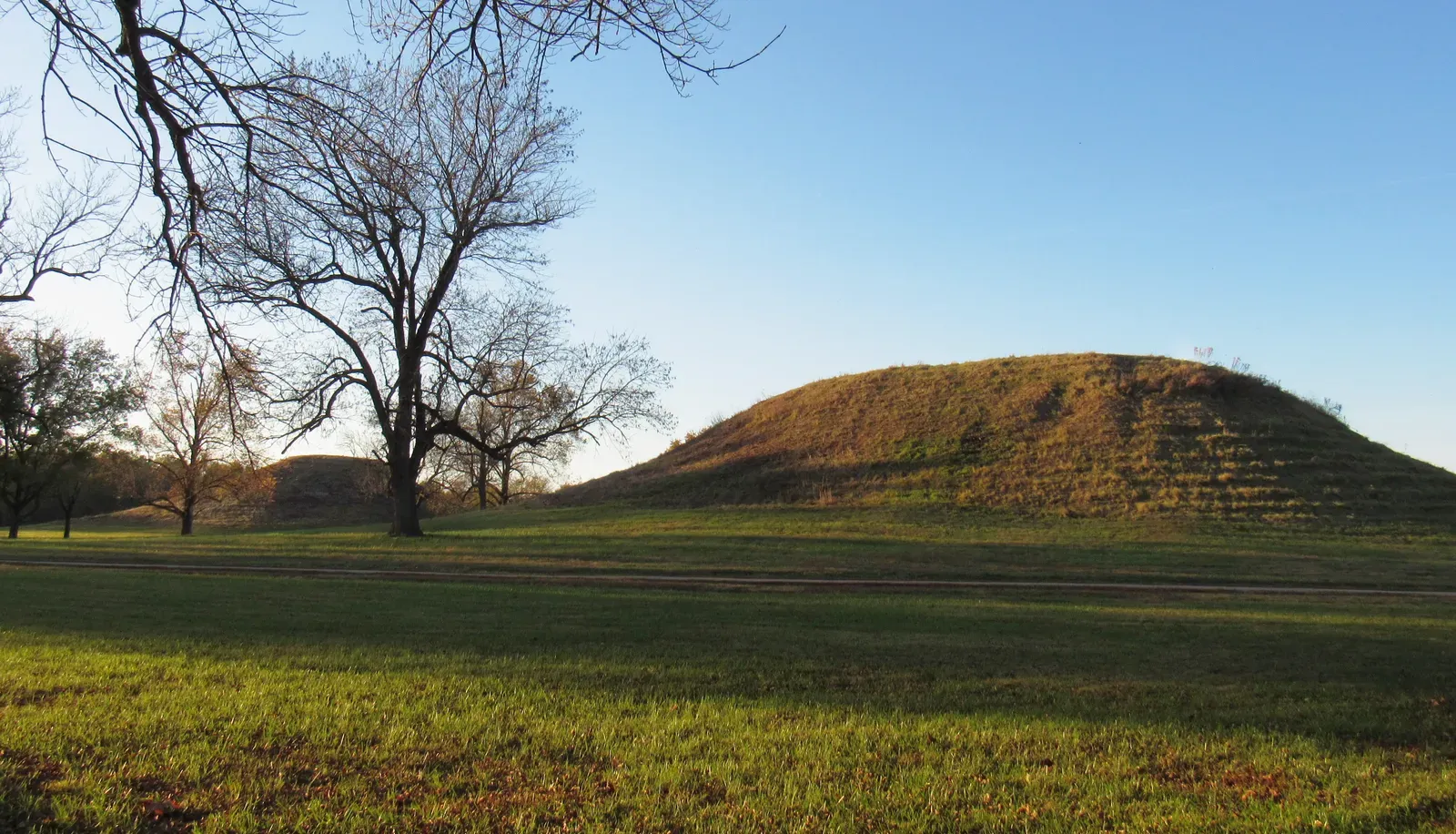
If you drive around the St. Louis area, you’d never guess you are skimming over what was once one of the largest urban areas in North America. A thousand years ago, the region around present‑day St. Louis and Cahokia in Illinois was a dense landscape of platform mounds, plazas, neighborhoods, and farms. At its peak, the Cahokia metropolis on the Illinois side likely had tens of thousands of residents, with satellite communities stretching across the river into what is now Missouri.
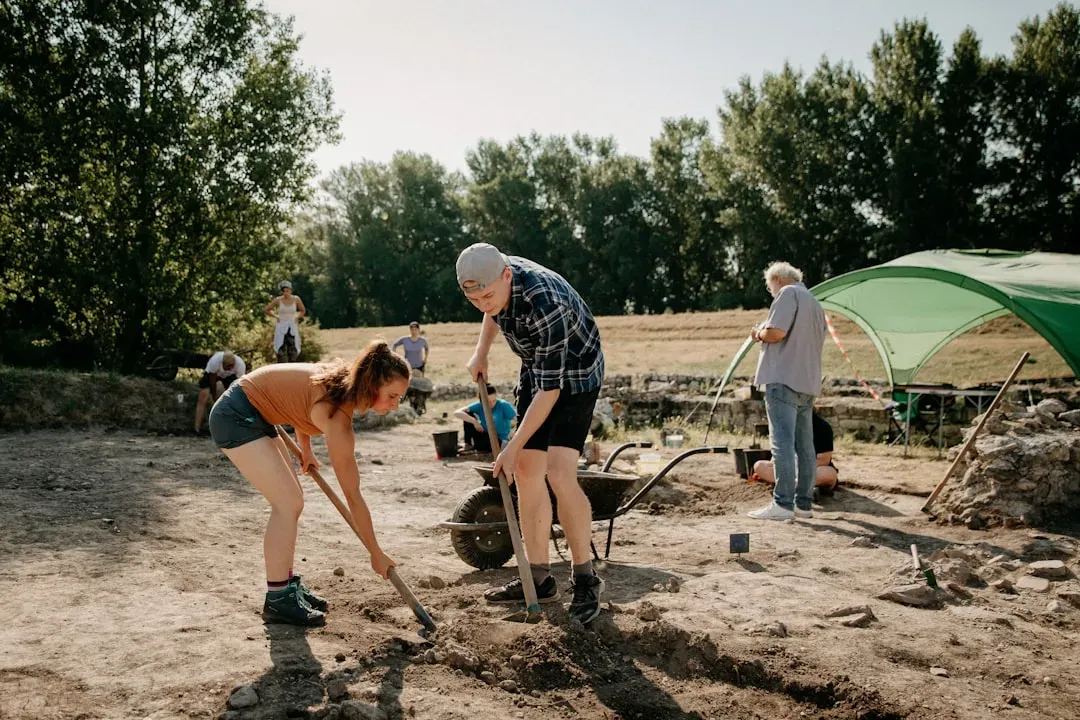
Much of that ancient urban sprawl has been chewed up by roads, rail yards, factories, housing, and even the St. Louis airport. Archaeologists working ahead of construction have repeatedly hit traces of old neighborhoods: house posts, trash pits, burials, and pottery fragments sitting quietly under parking lots and subdivision lawns. I remember standing in a nondescript industrial area there and being genuinely stunned to learn that a thousand years earlier, the same ground had been part of a buzzing ceremonial landscape. The contrast between box stores and buried mounds feels almost surreal.
2. Manhattan’s Buried Shorelines, Forests, and Graves
New York City sells itself as the ultimate modern icon, but under Lower Manhattan is a very different island. Before skyscrapers and subway tunnels, the area was a patchwork of marshes, streams, rocky outcrops, and hardwood forest, home to Lenape communities and rich estuary life. Over the centuries, landfilling pushed the shoreline out, swallowing original beaches and coves beneath streets like Water Street and parts of the Financial District.
Every once in a while, the past pushes back during construction. Crews have uncovered intact wooden ships buried in landfill layers, old wharves entombed under office buildings, and, most famously, colonial‑era burial grounds that were long forgotten. The discovery of large historic cemeteries beneath busy blocks has forced the city to reckon with how quickly human remains and sacred places were paved over in the name of growth. It is unsettling to realize that beneath the rush of finance and tourism, there are still quiet layers of forest soil, shell middens, and graves reminding us the island is older and more complicated than its skyline.
3. The Ancient Mound Landscapes Hiding in Plain Sight
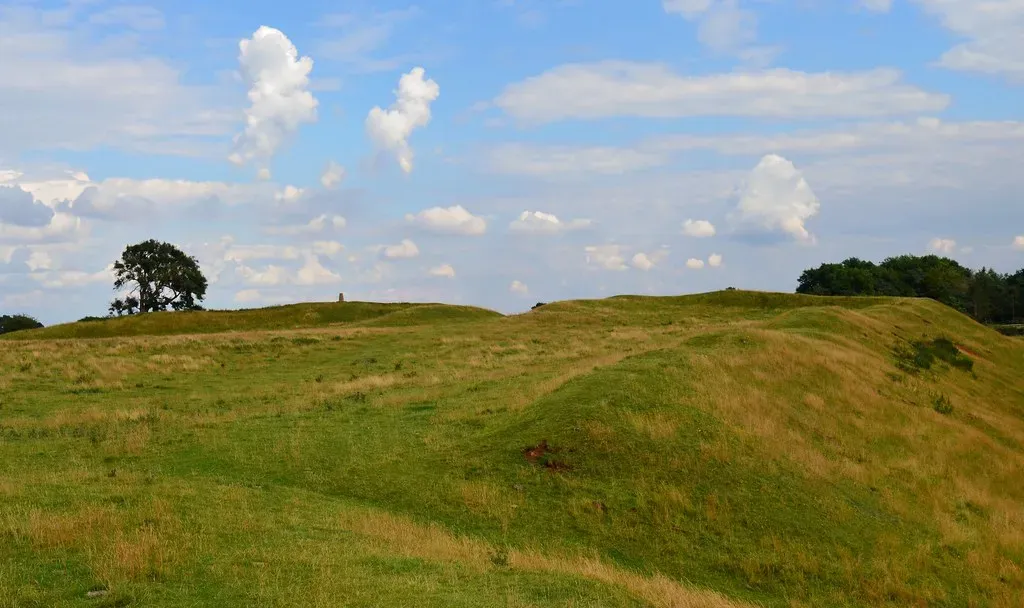
Across the Midwest and South, thousands of earthen mounds once reshaped the horizon. Some were burial mounds, some were flat‑topped platforms for buildings, and others formed complex earthworks not fully understood. Major sites like Moundville in Alabama or Poverty Point in Louisiana are now protected, but for generations countless smaller mounds were leveled for farms, highways, or simply because people assumed they were natural hills.
What is wild is that many mounds are still there, camouflaged within modern towns, golf courses, and rural backroads. A grassy rise behind a school, a strangely regular hill in a neighborhood park, or a “nice little knoll” in a cemetery sometimes turns out to be ancient engineering. Ground‑penetrating radar and lidar imaging from aircraft are revealing old mound groups beneath tree cover and even near busy roads. It really changes how you see the landscape; what looks empty or ordinary from the car window might actually be the last surviving fragment of a ceremonial center that dictated life and death for communities a thousand years ago.
4. Sunken Coastlines and Drowned Worlds Off the US Shores
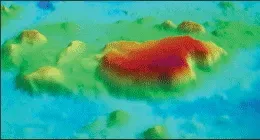
One of the biggest “buried” secrets of America is not under cities at all, but under the sea. During the last Ice Age, sea levels were dramatically lower, exposing huge areas of what are now continental shelves. Off the Atlantic, Gulf, and Pacific coasts, there were once river valleys, wetlands, and coastlines where people and animals lived. As the ice melted, rising water swallowed these lands, leaving traces buried beneath layers of sediment under modern oceans.
Underwater archaeology along the Atlantic and Gulf coasts has started to identify ancient river channels, peat deposits, and scattered artifacts that hint at long‑lost shore settlements. It is still early days, and researchers are cautious, but the potential is enormous: entire chapters of human history could lie offshore, preserved in mud. I find this idea strangely haunting. Modern beach towns with boardwalks and condos might be only the latest version of a coastline that has shifted back and forth over thousands of years, with older, drowned neighborhoods sleeping just beyond the surf line.
5. Forgotten Indigenous Towns Beneath American Main Streets
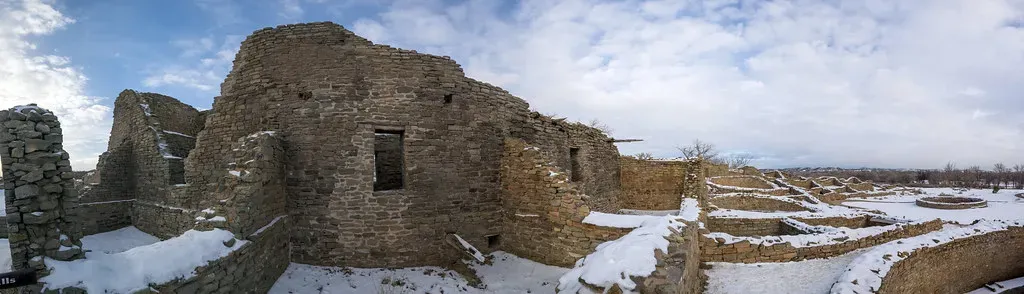
Many American towns and small cities sit right on top of earlier Indigenous settlements, especially near river crossings, springs, and fertile valleys. These were logical places to live and trade long before colonists arrived, so when Europeans and later Americans built towns, they often reused the same sweet spots. The original villages were rarely documented carefully, and in many cases their structures and burial grounds ended up literally under the first streets, courthouses, and churches.
Rescue excavations ahead of construction or road widening projects often reveal this buried continuity. Archaeologists might find postholes from circular houses beneath a modern sidewalk, or storage pits full of corn kernels under a planned parking garage. Sometimes older graves are discovered, forcing painful conversations with descendant communities about how to handle remains that were disturbed without consent in the past. When you stroll down a postcard‑pretty Main Street, with coffee shops and antique stores, it is sobering to realize that the same ground once held a different town, a different language, and a different sense of sacredness that was never invited into the tourist brochures.
6. Ghost Railroads, Mines, and Industrial Skeletons Under Modern Neighborhoods
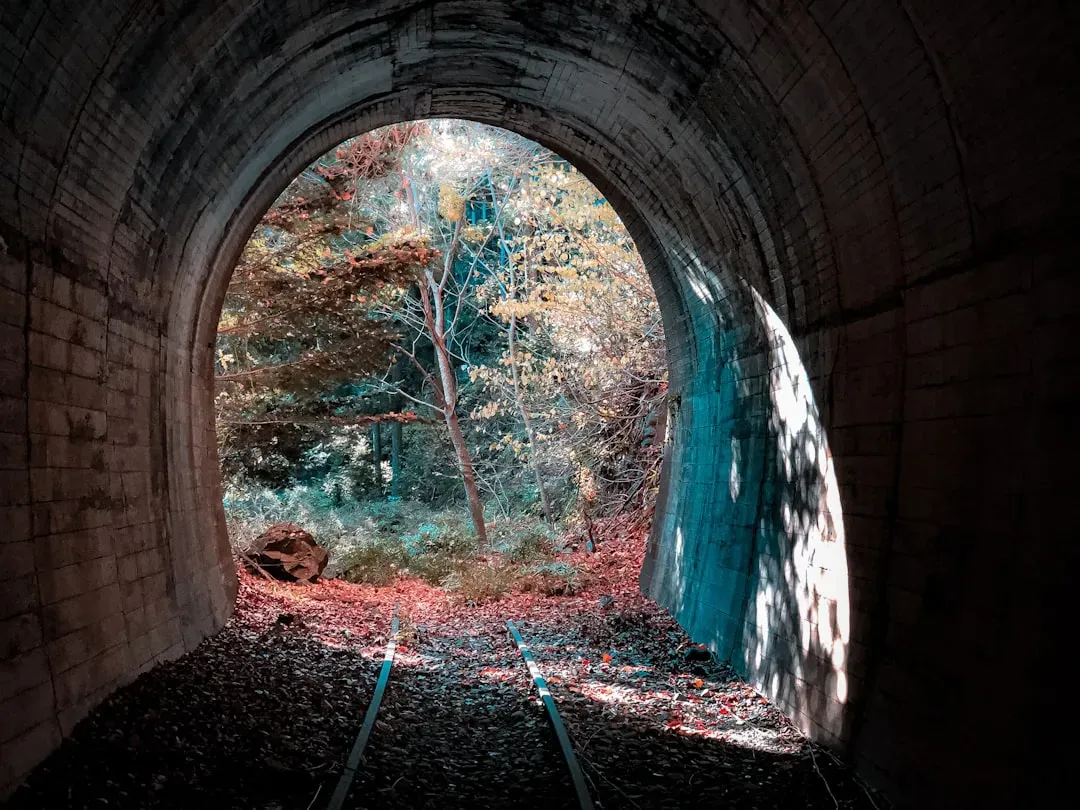
Not all buried secrets are ancient in the prehistoric sense; some are “old” only by urban standards, but they are already slipping out of memory. Across the United States, abandoned mines, forgotten rail tunnels, trolley lines, and factory basements lie under present‑day suburbs and gentrified neighborhoods. In some places, developers built over old mine works without fully understanding how extensive the tunnels were, leading to sinkholes or structural headaches decades later.
Old industrial corridors have also been paved into roads or covered by new buildings, with their foundations, rails, and toxic residues still underground. I once lived in a neighborhood where everyone loved the trendy lofts and bike paths, and only later did many of us learn that the whole area had been a dense industrial zone filled with warehouses and tracks. The physical bones of that past were still there, literally under our feet, changing groundwater patterns and soil chemistry. It is a reminder that “erased” history rarely disappears; it just gets layered over and politely ignored until a problem or an excavation brings it back.
7. Ancient Footprints in the Desert and Plains
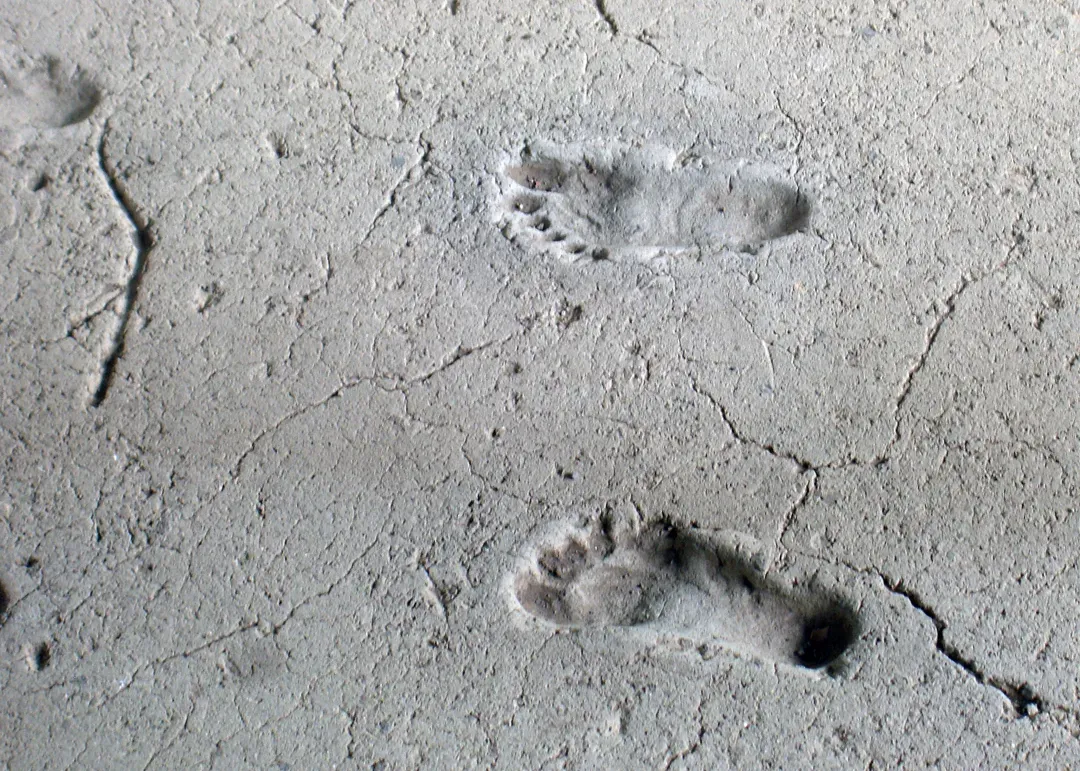
In some parts of the American Southwest and West, the earth itself preserves subtle traces of people who walked there thousands of years ago. Under certain rare conditions, footprints can be left in wet sediment, quickly buried, and later hardened into the geologic record. Similar processes can preserve trackways of animals, camp surfaces, and fire pits just below the modern ground, hidden until erosion, construction, or scientific survey exposes them.
These delicate discoveries can feel more intimate than any monumental ruin. A footprint or small hearth tells you where someone actually stood, rested, or cooked, sometimes in places that now look completely empty. Scientific techniques like careful excavation, sediment analysis, and dating methods help pin these traces to specific windows in the deep past. Knowing that a seemingly ordinary desert flat or prairie patch once held a brief, human moment – a child running, a group gathered around a fire – turns the whole landscape into a kind of invisible archive, far richer than it looks from a highway window.
Conclusion: Why Buried America Still Matters
The deeper we look , the harder it is to pretend this is a young country with a short memory. Under airports, small towns, beaches, and cul‑de‑sacs, we keep hitting evidence of cities, villages, sacred terrains, and industrial bones that complicate the tidy stories we like to tell. To me, the most unsettling part is not that so much is buried, but that for a long time, hardly anyone in power cared what was being covered up, especially when it belonged to Indigenous peoples or working‑class communities.
Paying attention to these buried layers is not just an academic hobby; it is a moral choice about whose history we consider real and worth respecting. Once you start seeing America as stacked time, with forgotten lives under every freshly poured foundation, it becomes harder to shrug off destruction or casual development. Maybe the most powerful secret is not any single lost city or drowned coastline, but the realization that the ground itself is arguing with our amnesia. The question is whether we are finally willing to listen to what it has been quietly holding all along – are you?