
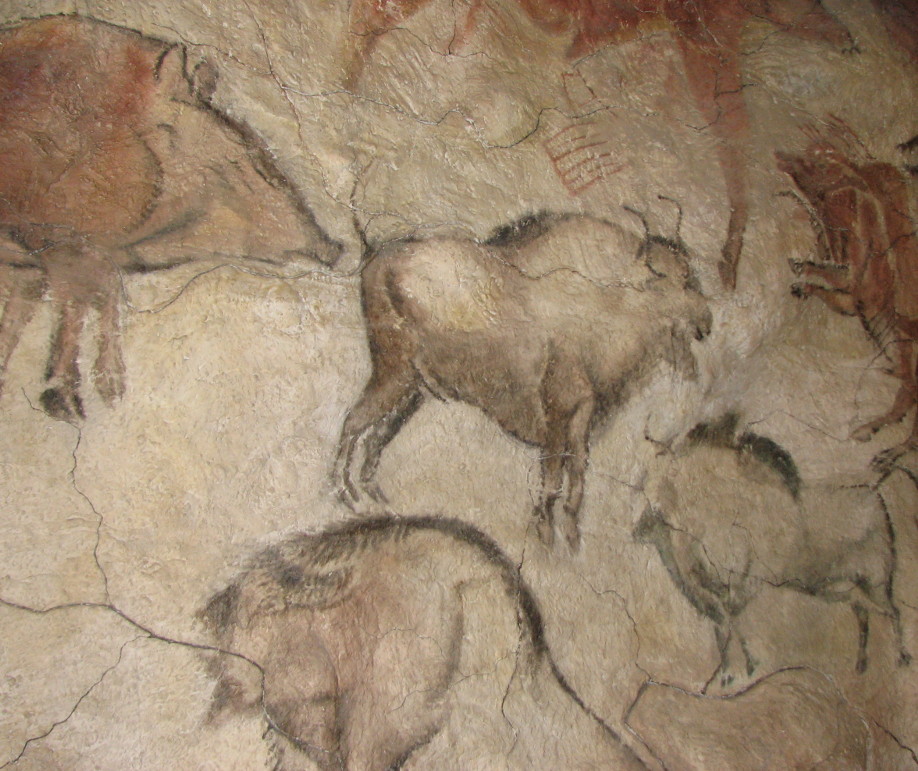
The story of prehistoric art used to sound simple: you started in Europe, in the grand cathedrals of Lascaux and Chauvet, and traced human creativity from there. Then a cluster of damp, hidden caves in Indonesia quietly blew that story apart. On the island of Sulawesi, archaeologists uncovered paintings that are not just a little older than Europe’s famous sites, but thousands of years older, forcing researchers to rethink where, when, and even why humans began to paint at all. ([nature.com](https://www.nature.com/articles/nature13422?utm_source=openai)) What makes this discovery so electrifying is not only its age but its sophistication. We are talking about narrative scenes, human-like figures, and animals interacting, created at least around 51,200 years ago, and now joined by an even older hand stencil from Sulawesi dated to roughly 67,800 years ago. These are not random doodles from an experimental species just figuring things out; they are evidence of minds already capable of symbolism, storytelling, and shared imagination long before Europe ever entered the frame. ([pubmed.ncbi.nlm.nih.gov](https://pubmed.ncbi.nlm.nih.gov/38961284/?utm_source=openai))
The caves in Sulawesi that rewrote prehistory
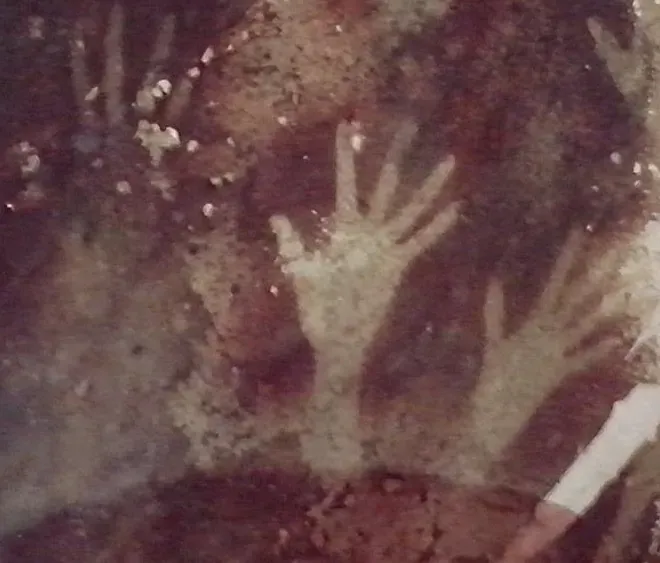
Hidden in the limestone karst towers of South Sulawesi lies a labyrinth of caves with names that sound almost mythical: Leang Karampuang, Leang Bulu’ Sipong 4, Leang Tedongnge, and others scattered through the Maros‑Pangkep region. For locals, these places were familiar parts of the landscape; for archaeologists, they turned into time machines. When Indonesian researchers teamed up with Australian colleagues and began systematically exploring and dating the paintings, they realized they were not just adding another regional chapter to prehistory, they were editing the entire first page. ([pmc.ncbi.nlm.nih.gov](https://pmc.ncbi.nlm.nih.gov/articles/PMC11269172/?utm_source=openai)) At Leang Karampuang, a painted panel showing human-like figures interacting with a pig has been dated to at least about 51,200 years ago. Nearby, the hunting scene at Leang Bulu’ Sipong 4 was revised from roughly forty‑four thousand to around fifty thousand years old using improved methods, and the warty pig at Leang Tedongnge clocks in at a minimum of forty‑five and a half thousand years. Add to that a recently dated hand stencil in another Sulawesi cave that pushes painted imagery back beyond sixty‑seven thousand years, and suddenly Indonesia is not a footnote but the main headline in the story of the world’s oldest rock art. ([pubmed.ncbi.nlm.nih.gov](https://pubmed.ncbi.nlm.nih.gov/38961284/?utm_source=openai))
Older than Lascaux: how Indonesian art toppled the Eurocentric timeline
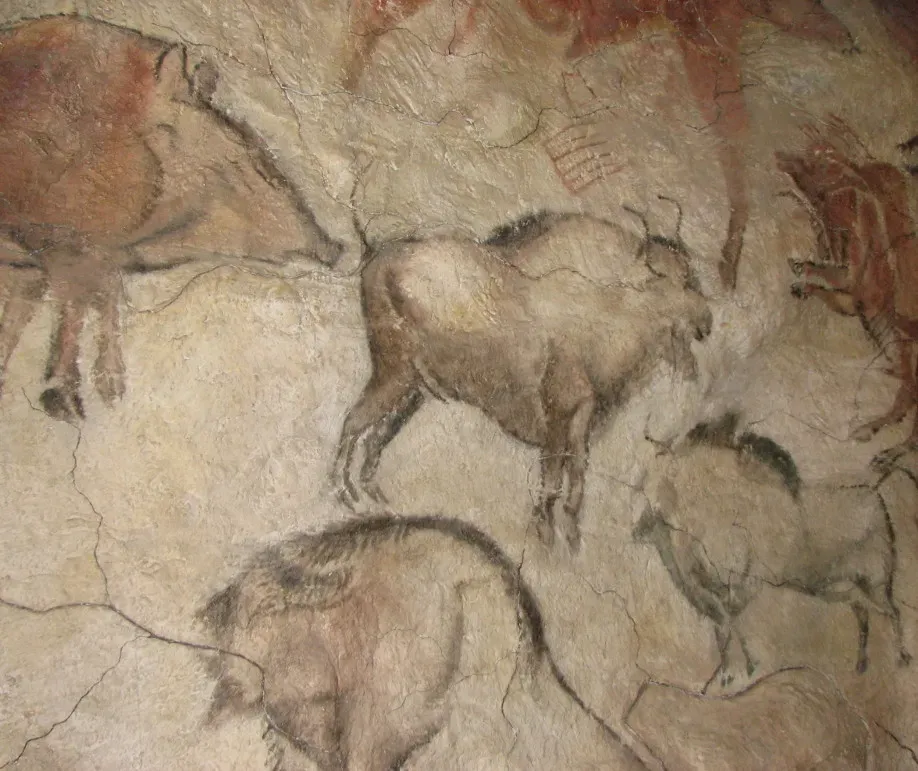
For most of the twentieth century, European caves like Chauvet, Lascaux, and Altamira were treated as the cradle of art. Their paintings, dating to around thirty‑six thousand, twenty‑two thousand, and fifteen thousand years ago respectively, seemed to prove that Western Europe was where symbolic thinking and figurative representation truly took off. That story fit neatly with a Eurocentric vision of human progress, and it stuck – right up until the data from Sulawesi refused to cooperate. ([lemonde.fr](https://www.lemonde.fr/en/science/article/2026/01/24/a-stenciled-hand-the-oldest-known-prehistoric-cave-painting-discovered-in-indonesia_6749753_10.html?utm_source=openai)) When the Indonesian figures and animals were shown to be over fifty thousand years old, and then hand stencils in Sulawesi overtook even the earliest European dates, the comfortable hierarchy collapsed. What had once been framed as a uniquely European “creative explosion” began to look more like one regional expression of a much deeper, global capacity that modern humans carried with them as they spread out of Africa. In my view, this is the most radical part of the Sulawesi story: it punctures the idea that high-level symbolic art is a late luxury of an advanced civilization and instead suggests it was there almost from the start, baked into who we are. ([nature.com](https://www.nature.com/articles/nature13422?utm_source=openai))
Dating the undatable: lasers, cave popcorn, and the problem of time
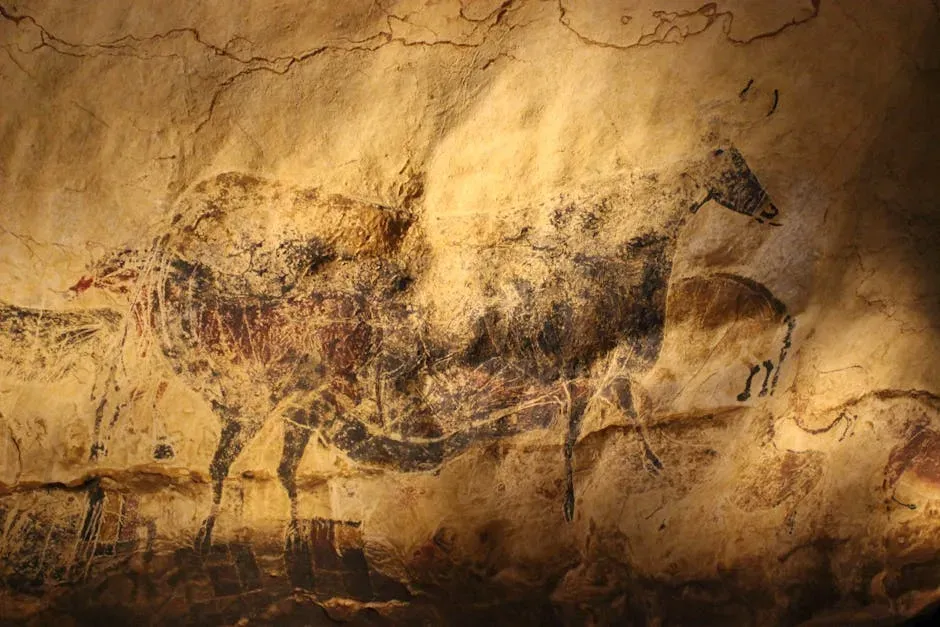
Figuring out how old a cave painting is sounds simple until you try to do it. You usually cannot date the pigment directly, and the rock itself is often millions of years older than the art. In Sulawesi, researchers turned to a clever workaround: they used uranium‑series dating on thin crusts of calcium carbonate – sometimes nicknamed “cave popcorn” – that had formed over or under the painted surfaces. Because these mineral layers grow after the pigment is laid down, they provide minimum or sometimes bracketing ages for the images beneath or between them. ([pmc.ncbi.nlm.nih.gov](https://pmc.ncbi.nlm.nih.gov/articles/PMC11269172/?utm_source=openai)) More recently, teams applied a refined method known as laser‑ablation U‑series imaging. Instead of taking a single bulk sample, they used laser micro‑sampling to map out the distribution of uranium and thorium across tiny areas of the calcite crusts. That produced much more precise dates and revealed that some iconic panels, like the hunting scene at Leang Bulu’ Sipong 4, were several thousand years older than earlier estimates. As someone who has tried to follow these papers closely, I find this almost poetic: the oldest stories we know are dated by reading microscopic mineral growth, like tree rings in stone that silently record when a human first raised a hand, dipped it in pigment, and began to paint. ([pmc.ncbi.nlm.nih.gov](https://pmc.ncbi.nlm.nih.gov/articles/PMC11269172/?utm_source=openai))
What the paintings actually show: pigs, hunters, and early storytelling
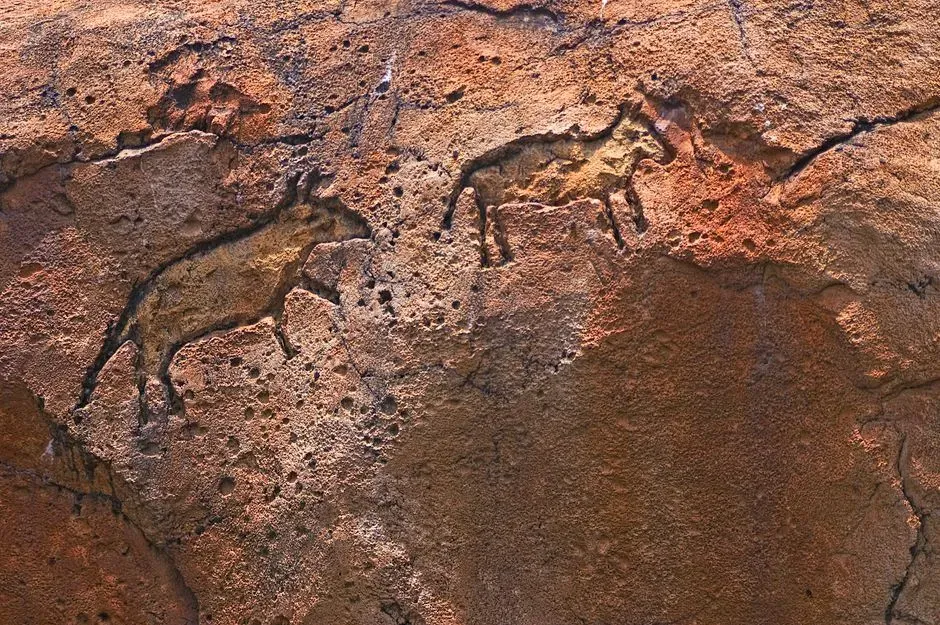
The age of the Sulawesi paintings is shocking, but the content is just as important. At Leang Karampuang, the panel that currently holds the title of the oldest known representational art shows three human‑like figures around a pig, in what looks unmistakably like an interaction or scene rather than isolated images. At Leang Bulu’ Sipong 4, an earlier discovery revealed multiple figures – some with part‑animal features – apparently hunting or confronting large animals, laid out in a way that invites you to read it as a story. ([pmc.ncbi.nlm.nih.gov](https://pmc.ncbi.nlm.nih.gov/articles/PMC11269172/?utm_source=openai)) These are not mere lines or dots; they are narrative compositions. The figures appear grouped, positioned, and oriented to imply action and relationship, which means that by at least around fifty thousand years ago people in Sulawesi were not only painting things, they were painting events. That matters because narrative art is a mental leap: you have to abstract an unfolding moment, freeze it, and trust that others will reconstruct the story in their minds. It feels very contemporary to say, but these ancient panels are essentially the first known “comics” in human history – a sequential, symbolic way of saying, “This is what happened here.” ([pmc.ncbi.nlm.nih.gov](https://pmc.ncbi.nlm.nih.gov/articles/PMC11269172/?utm_source=openai))
Implications for human cognition: art as evidence of an already modern mind
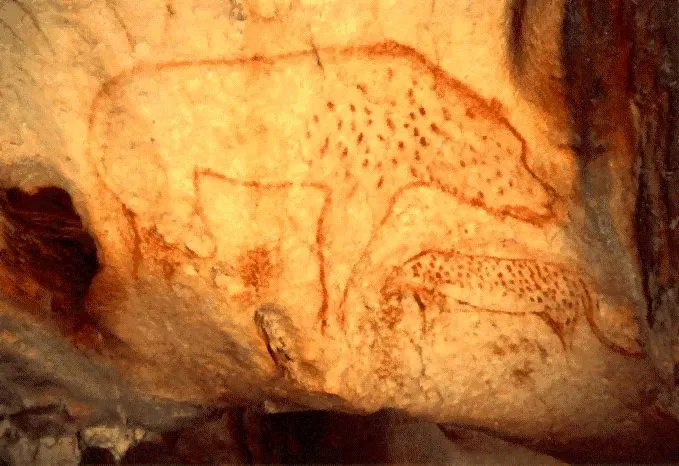
If you ask cognitive scientists what it takes to paint a hunting scene, the list is long: you need the ability to recognize and recall animal forms, to imagine absent events, to use symbols, and to coordinate with others around shared meanings. For a long time, many scholars placed the full flowering of these abilities around forty thousand years ago, pointing to European cave art as proof. Sulawesi throws a wrench into that timeline, suggesting that brains capable of complex narrative symbolism existed significantly earlier, at least by the time modern humans were crossing Island Southeast Asia. ([nature.com](https://www.nature.com/articles/nature13422?utm_source=openai)) Personally, I think the Sulawesi paintings support a bold but reasonable idea: that the cognitive toolkit for art, myth, and maybe even religion was already present when our species began to spread widely out of Africa. The art is not the birth of symbolism; it is the fossilized trace of a symbolic mind that was already up and running. When you see human‑animal hybrids, coordinated hunting scenes, and carefully placed figures over fifty thousand years ago, it is hard not to imagine people sitting around fires nearby, telling stories that tied those images to group identity, memory, and maybe even a sense of the sacred. ([nature.com](https://www.nature.com/articles/nature13422?utm_source=openai))
Beyond Europe: a more global, less comfortable story about the origins of art
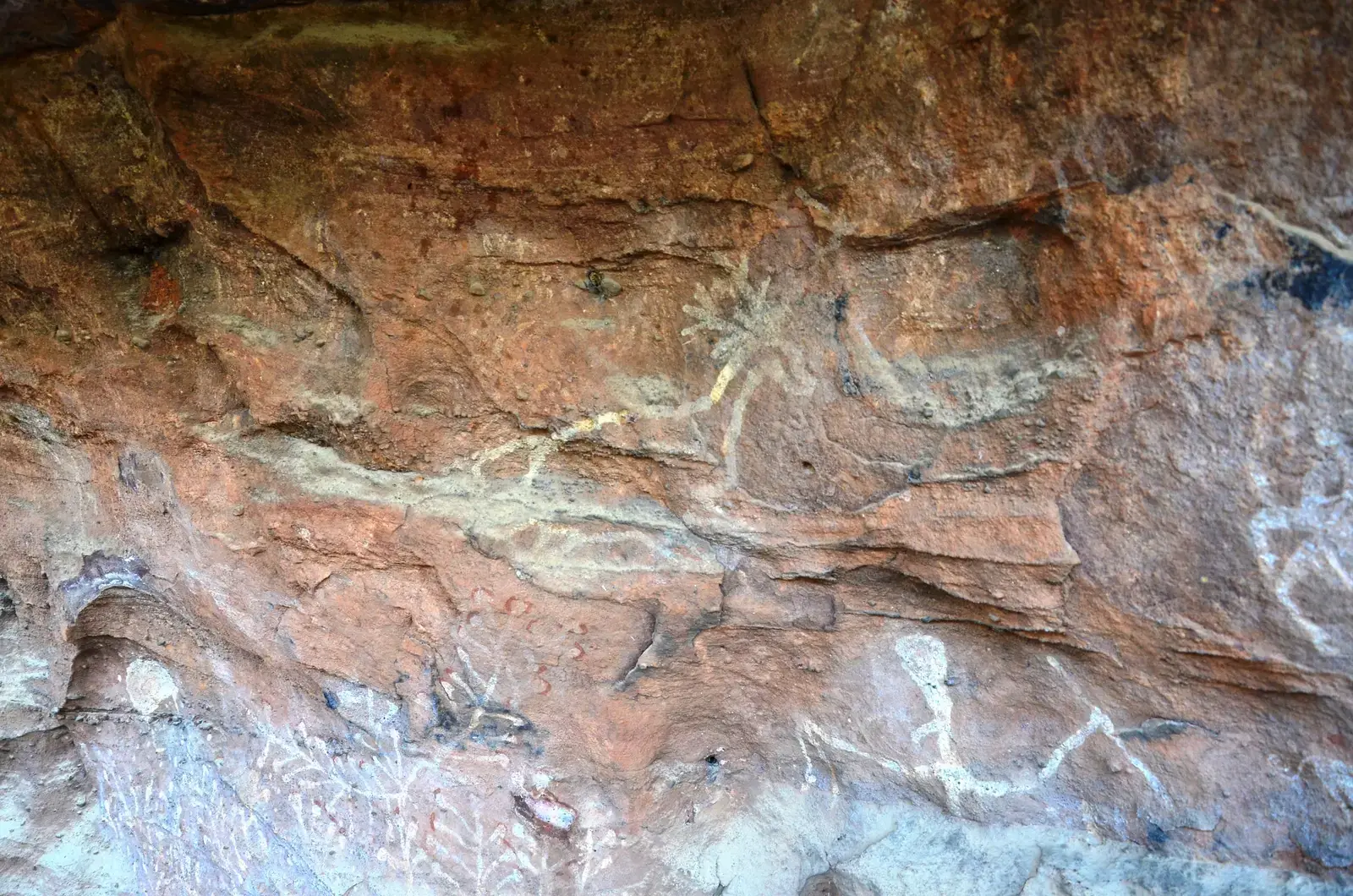
The Indonesian finds have forced archaeologists to redraw the mental map of early art from a Europe‑centered spiral to a messy, branching network. You now have very old rock art in Sulawesi and Borneo, early figurative and non‑figurative markings in southern Africa, and controversial but intriguing Neanderthal‑linked art in parts of Spain. Instead of a single spark igniting in one privileged region, the pattern looks more like embers glowing in multiple hearths, with art traditions rising, fading, and reappearing as small groups moved across continents. ([pmc.ncbi.nlm.nih.gov](https://pmc.ncbi.nlm.nih.gov/articles/PMC7806210/?utm_source=openai)) There is also a blunt political angle to this shift. Prehistory as a scientific field was largely built in Europe, and that history quietly shaped which sites were celebrated as the “first” or “most important.” The dominance of Sulawesi in the league table of old paintings is a reminder that our species’ deepest stories do not belong to one part of the world. As more work is done in understudied regions – from mainland Southeast Asia to parts of Africa and the Pacific – it would not surprise me at all if today’s “oldest” paintings are dethroned again, and honestly, I hope they are. Every time that happens, the narrative becomes less nationalist and more human. ([en.wikipedia.org](https://en.wikipedia.org/wiki/History_of_Indonesia?utm_source=openai))
What these ancient Indonesian images say about us today
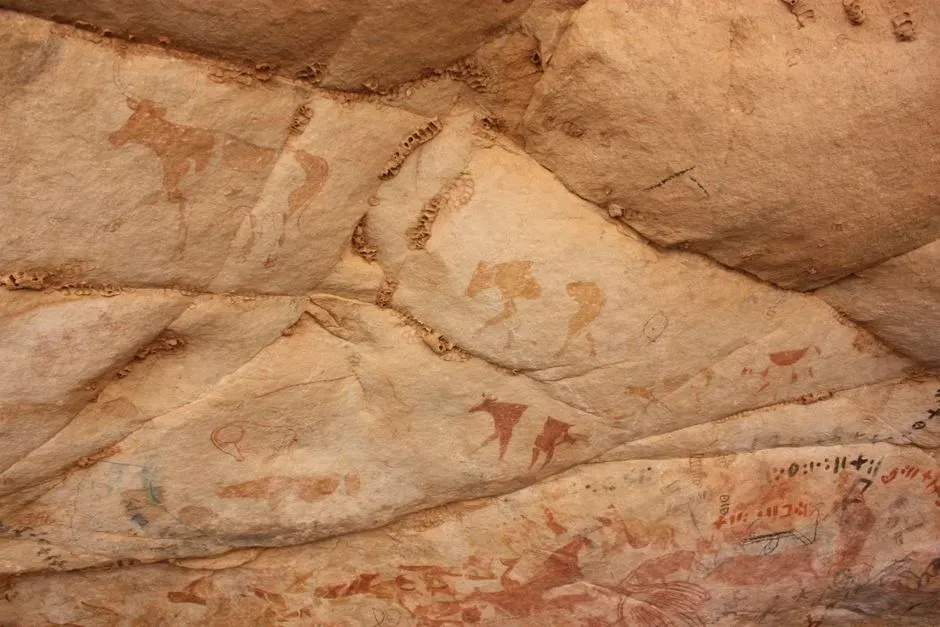
Standing in front of a reproduction of the Leang Karampuang scene online, I had a strangely personal reaction. It felt uncomfortably familiar, like something a modern child might sketch after watching a wildlife documentary. The bodies are simplified, the perspective is loose, but the intention is crystal clear: here are beings, here is an animal, here is something happening between them. That immediate intelligibility across a gulf of fifty thousand years is, to me, the loudest message of all. ([pubmed.ncbi.nlm.nih.gov](https://pubmed.ncbi.nlm.nih.gov/38961284/?utm_source=openai)) These paintings suggest that the emotional and narrative wiring inside our heads has changed less than we like to think. The people who sprayed pigment around their hands or painted pigs and hunters were not half‑formed versions of us; they were us, living in different landscapes with different dangers, yes, but driven by the same urge to leave marks that outlast a single lifetime. In an era when our feeds are full of short videos and looping memes, it is oddly grounding to realize that the basic gesture – using images to say, “Look, this matters” – is as old as any art we currently know. ([nature.com](https://www.nature.com/articles/nature13422?utm_source=openai))
Conclusion: why the oldest art in Indonesia should change how we see ourselves
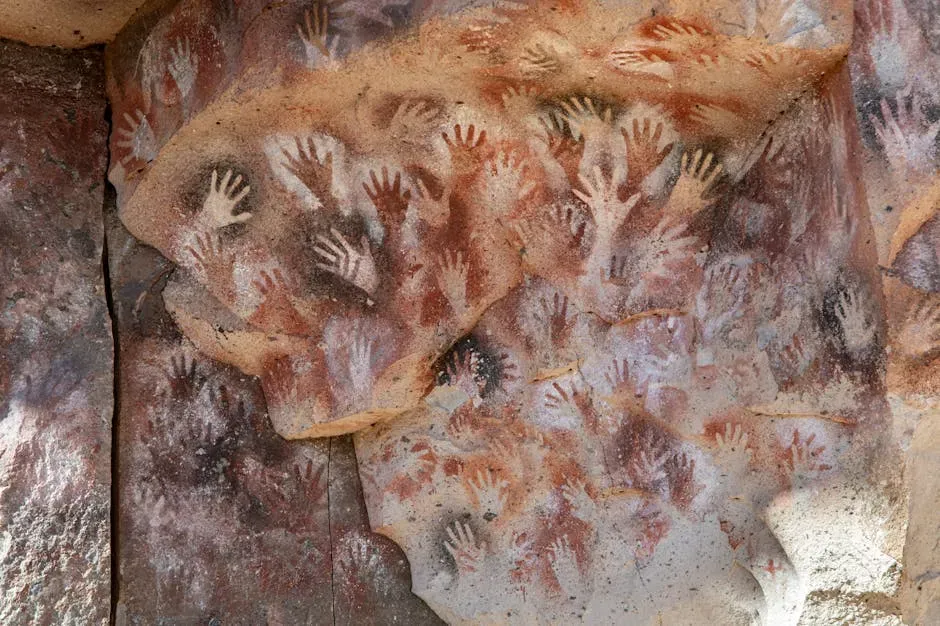
The Indonesian cave paintings shattered more than a technical timeline; they cracked open a worldview. They show that by at least around fifty thousand years ago, and probably much earlier if we include the older hand stencils, humans in what is now Indonesia were already telling stories in paint, arranging figures into scenes, and investing rock walls with meaning. That reality makes it impossible to keep treating Europe as the sole birthplace of “serious” art, and in my opinion, it exposes how much of our old narrative was shaped by where archaeologists first chose to look, rather than where creativity actually began. ([pubmed.ncbi.nlm.nih.gov](https://pubmed.ncbi.nlm.nih.gov/38961284/?utm_source=openai)) We now have to live with a more humbling, and more exciting, picture: art did not emerge late, as a luxury of advanced societies, but early, as a core expression of what it means to be human, and it flourished in places that were long ignored in mainstream histories. If a simple hand stencil from Sulawesi can reach across nearly seventy thousand years to touch us, it is hard to argue that time and geography separate us as much as we think. The real question, then, is not when humans first began making art, but why we ever imagined that this ancient, global impulse could be pinned to one continent in the first place – what would you have guessed, if Indonesia’s caves had been the first to be found?