
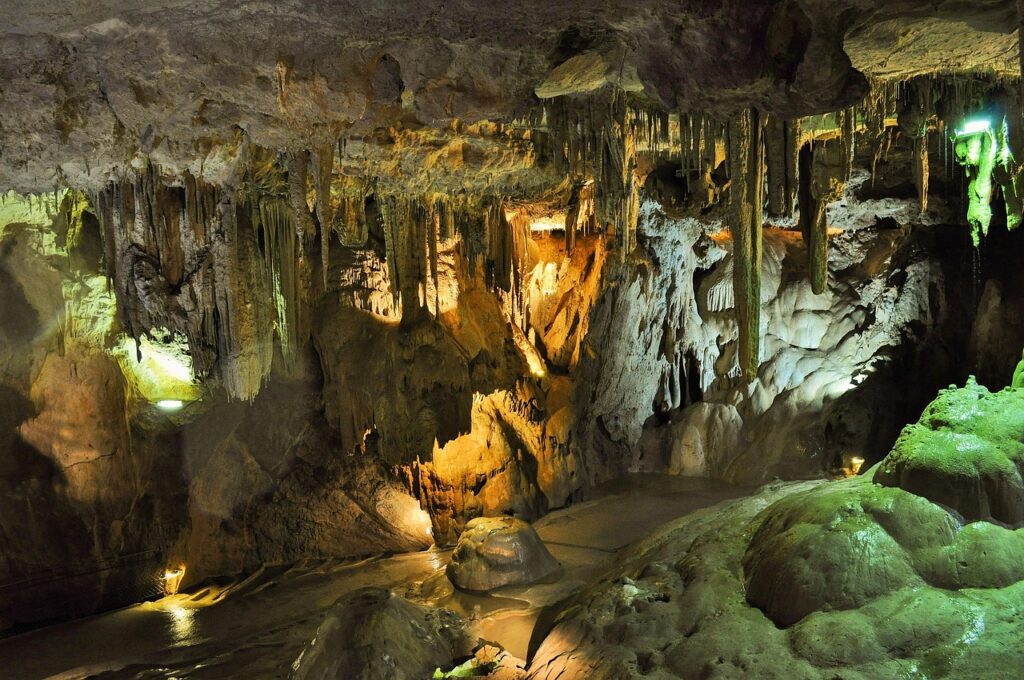
I still remember the first time I saw a cross‑section of a super‑deep cave system. It looked less like a hole in the ground and more like an upside‑down mountain range, shredding straight into the dark. The further you looked, the stranger it got: underground waterfalls, lakes, narrow “squeezes” that most people would never dream of crawling through. And then, much deeper than anyone thought possible, a final chamber that simply should not have been there.
That’s the thing about extreme caves: they rewrite what we think is possible on Earth. In recent decades, explorers and scientists have pushed into the deepest cave systems ever measured, mostly in the rugged limestone of the Caucasus and other high mountain regions. Down there, where sunlight has never existed, they have found odd microbes, unique geological formations, and physical conditions that feel closer to another planet than our own backyard. Let’s walk through how they got there, what they saw, and why that last, unexpected chamber has scientists quietly rethinking some big assumptions about life and our planet’s limits.
How Deep Is “Deepest”? The Race to the Bottom of the Earth
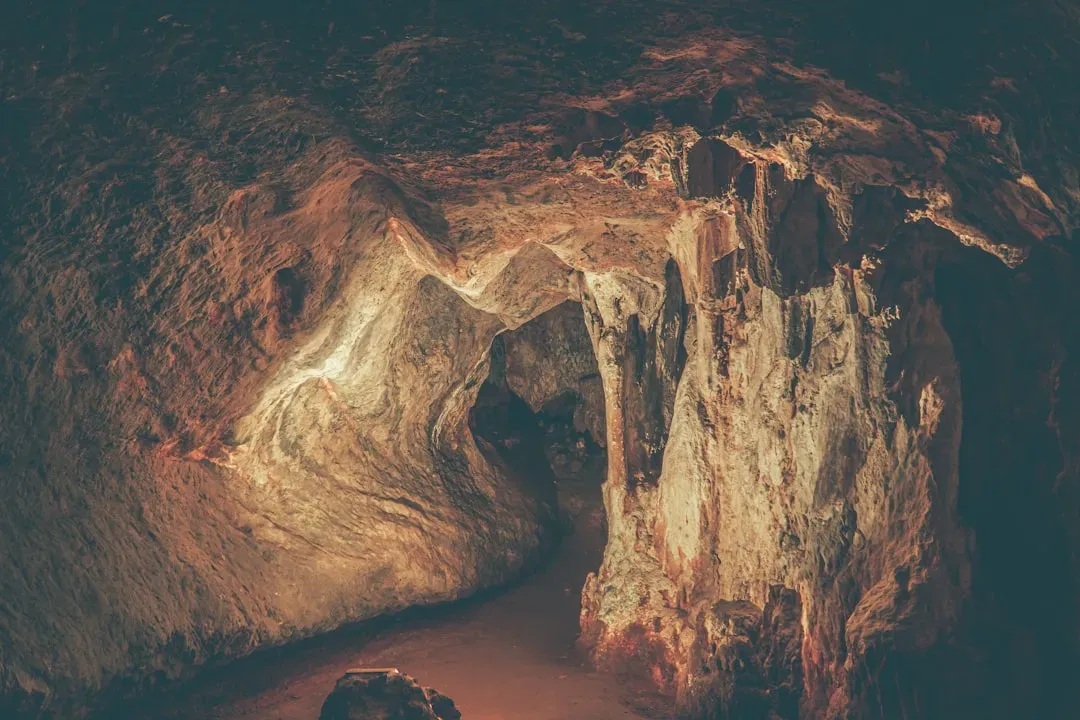
When people talk about the deepest cave ever explored, they’re not imagining a neat vertical shaft like in adventure movies. In reality, depth is measured from the highest known entrance down to the lowest explored point, which can involve a chaotic mix of vertical drops, tight meanders, underground rivers, and side passages. For years, different cave systems have competed for the title, with depth records broken in stages by just a few meters at a time as explorers pushed slightly further down.
The big story, though, is that our planet’s crust allows for caves that plunge more than two kilometers below the surface in some regions. That’s deeper than a lot of commercial jets fly above the ground in short hops. These record‑holding caves sit mostly in thick limestone massifs where water has cut and dissolved rock for millions of years. From the outside, they look like any other rugged mountain valley. Only when someone rigs a rope and goes over the edge does the true, jaw‑dropping scale of the system reveal itself.
The Brutal Reality of Getting There: Vertical Drops, Hypothermia, and Weeks Underground
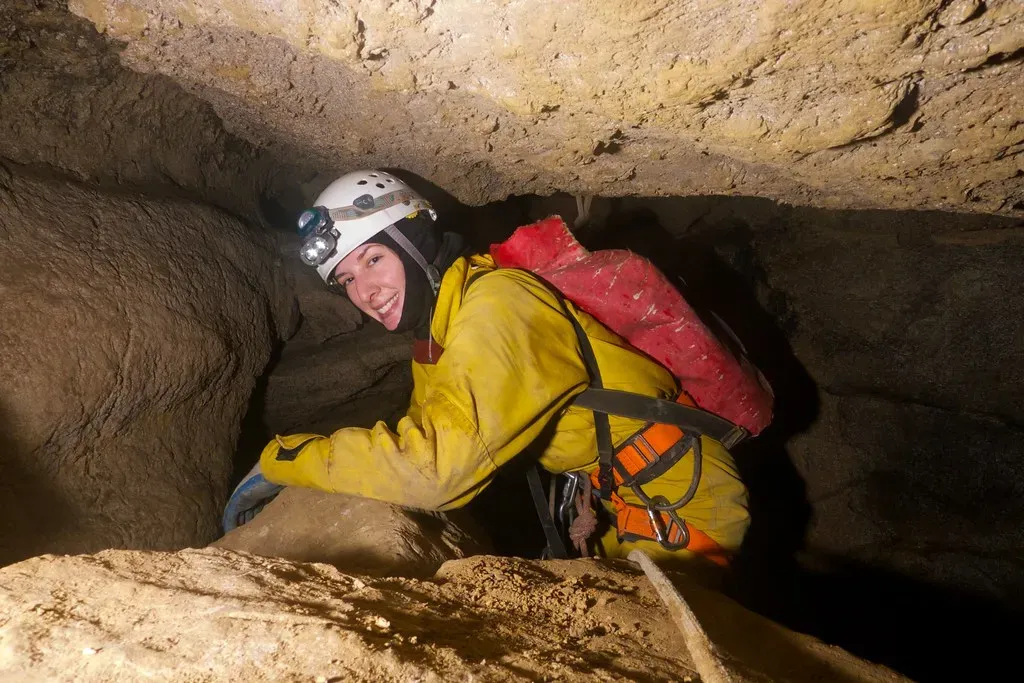
Reaching the deepest points in these caves is not a casual weekend outing; it’s closer to a long expedition on a remote mountain, but carried out entirely in the dark. Teams spend many days or even weeks underground, ferrying loads, rigging ropes down enormous vertical shafts sometimes hundreds of meters deep, and establishing underground camps where they can sleep in near‑freezing temperatures. They haul in food, stoves, medical gear, and scientific equipment, knowing that getting injured far below the surface is one of the worst places on Earth to need a rescue.
Conditions deteriorate the deeper you go. Water drips constantly. Air can be saturated with humidity. The temperature is usually just a few degrees above freezing, and if you stop moving or get wet, hypothermia becomes a real threat. Psychological strain is enormous too. Imagine spending days hearing only your own team’s voices, feeling the weight of the rock above you, and knowing that the way out involves climbing rope after rope up black, echoing shafts. It is not an exaggeration to say that getting to the deepest chamber is as much a mental achievement as a physical or technical one.
Inside the Underground Architecture: Rivers, Abysses, and Silent Stone Cathedrals
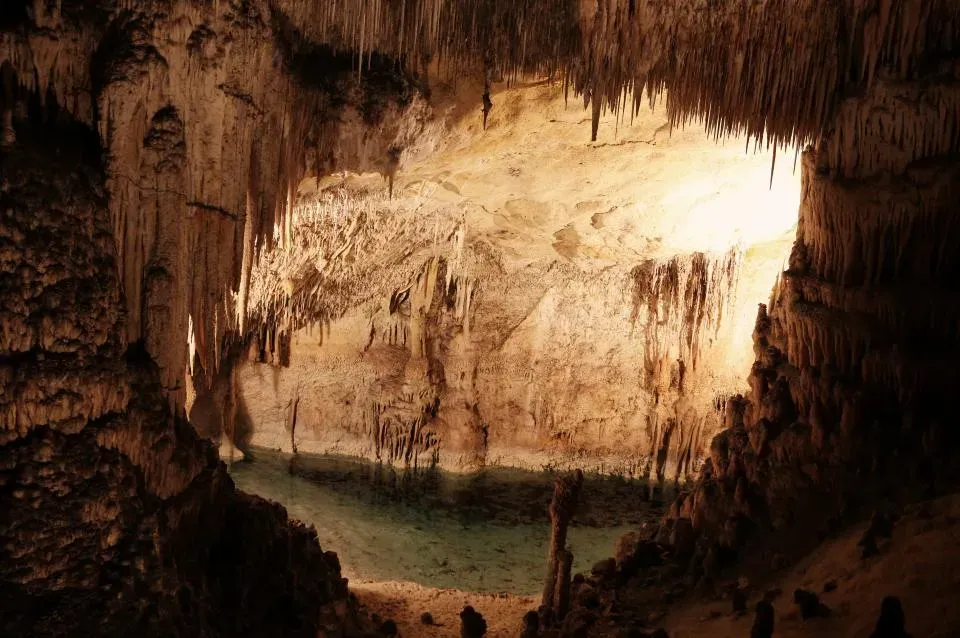
Once you are committed to the descent, the underground world starts to rearrange your sense of scale. Explorers pass through huge galleries big enough to hold cathedrals, followed by sudden narrow squeezes where you have to twist sideways just to get through. Vertical pits drop away into blackness, sometimes so deep that your light fades before you see the bottom. The sound of water appears and disappears: distant white noise hinting at an underground river, or the roar of an unseen waterfall dropping into a void.
These shapes are not random. They are the result of water finding its way through fractures and bedding planes in the rock, dissolving limestone grain by grain. Over geological time, small cracks turn into passages, passages into tunnels, and tunnels into multi‑level labyrinths that can connect surface streams to deep drainage systems. In some record‑breaking caves, explorers have followed this architecture down through multiple distinct “floors” of development, each one a snapshot of ancient water levels, until they reach the present‑day active river far below.
The Science of the Deep Zone: Pressure, Darkness, and Alien‑Like Life
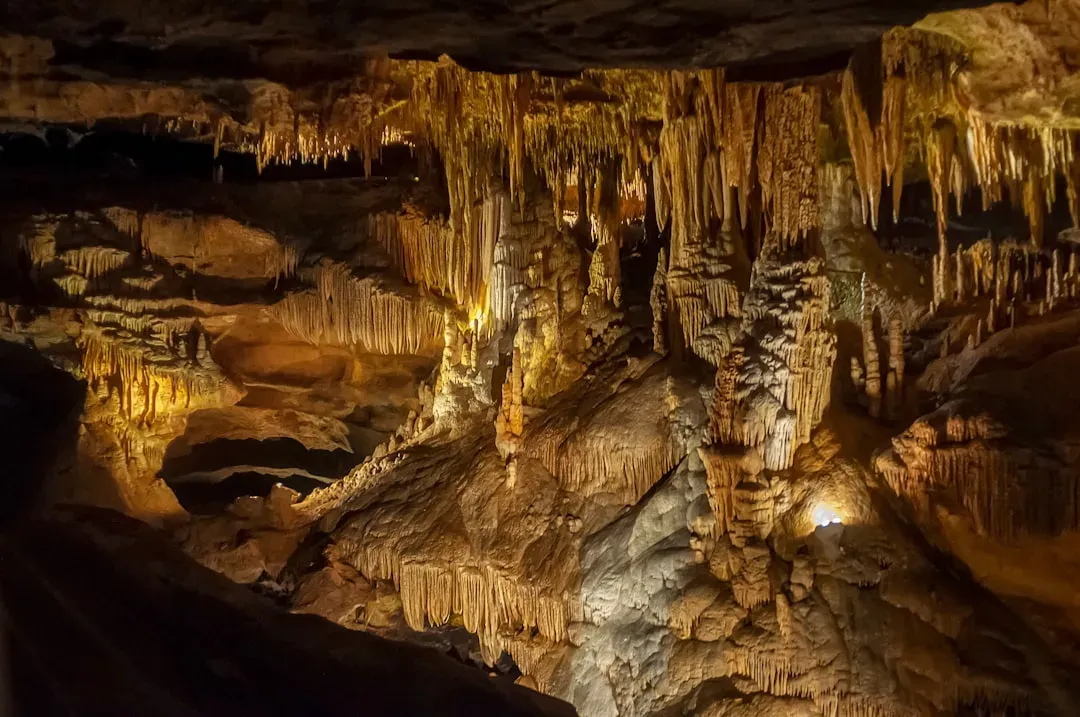
Far below the surface, conditions become physically and biologically unusual. The air pressure rises slightly compared to the surface simply because of the column of atmosphere above, and the steady low temperature reflects the mean annual temperature of the region’s rock rather than daily weather. There is no natural light at all, which means no plants, no photosynthesis, and none of the familiar life that depends directly on sunlight. Instead, ecosystems, if they exist at all, have to run on different energy sources.
That’s where microbes come in. Scientists have found bacteria and other microorganisms in ultra‑deep cave waters and sediments that rely on chemical energy rather than light, using reactions with minerals, metals, and dissolved gases to survive. Some of these microbes are adapted to low nutrients and high pressure and may be distantly related to organisms found in deep ocean vents and subglacial lakes. To a biologist, they are like messages in a bottle from the early Earth, showing how life can cling to existence in places that once seemed utterly sterile.
The Chamber Nobody Expected: A Flooded World at the End of the Rope
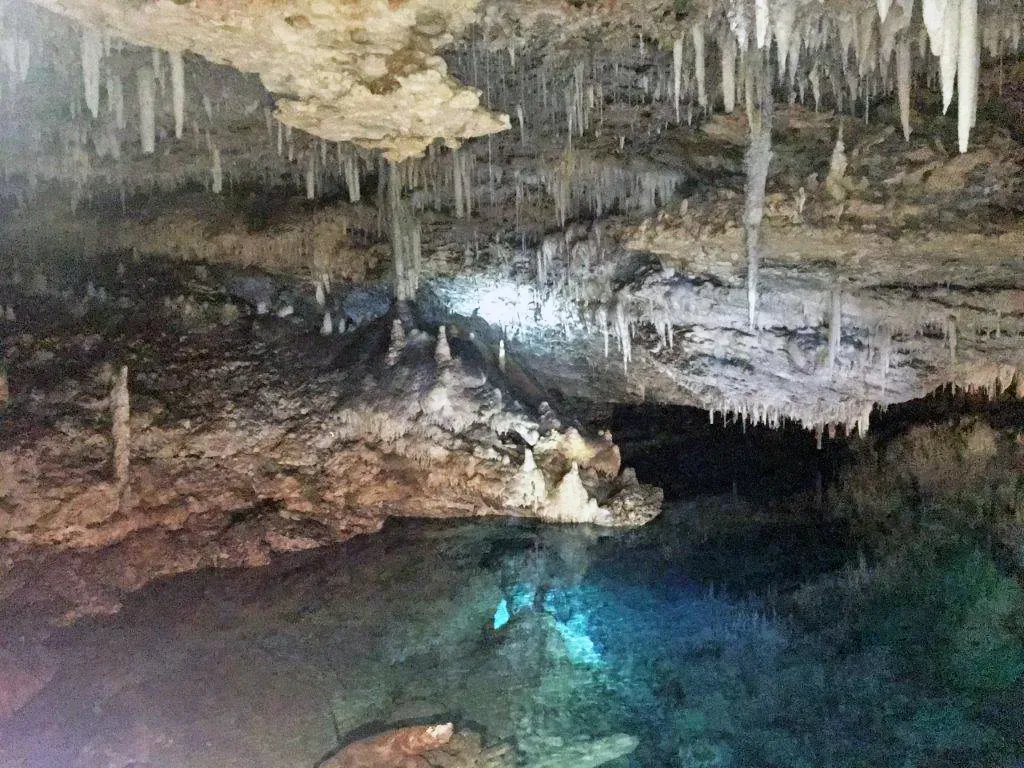
In more than one record‑breaking deep cave, the final frontier has turned out not to be another open shaft, but water: a terminal siphon where the passage plunges into a submerged tunnel. For years, explorers treated these as natural stopping points. You could rig rope down a cliff; you could not simply walk into a flooded tunnel stretching away into darkness at great depth. What surprised many cavers and scientists was how extensive some of these underwater sections turned out to be once cave divers began to tackle them with advanced gear.
Behind those siphons, exploration has revealed flooded chambers that feel like self‑contained worlds. The ceiling disappears into shadow, the water is shockingly clear but icy, and the silence is only broken by bubbles from the divers’ equipment. In some of these spaces, rock formations hang like chandeliers above black depths, and fine sediments on the bottom record a history of floods, collapses, and subtle chemical changes. These chambers were not part of the original depth calculations. Once mapped and surveyed, they pushed some caves beyond earlier depth records and changed the mental picture of what the “end” of a cave might look like.
What Was Actually Found: Microbes, Minerals, and a Planet Testing Its Limits
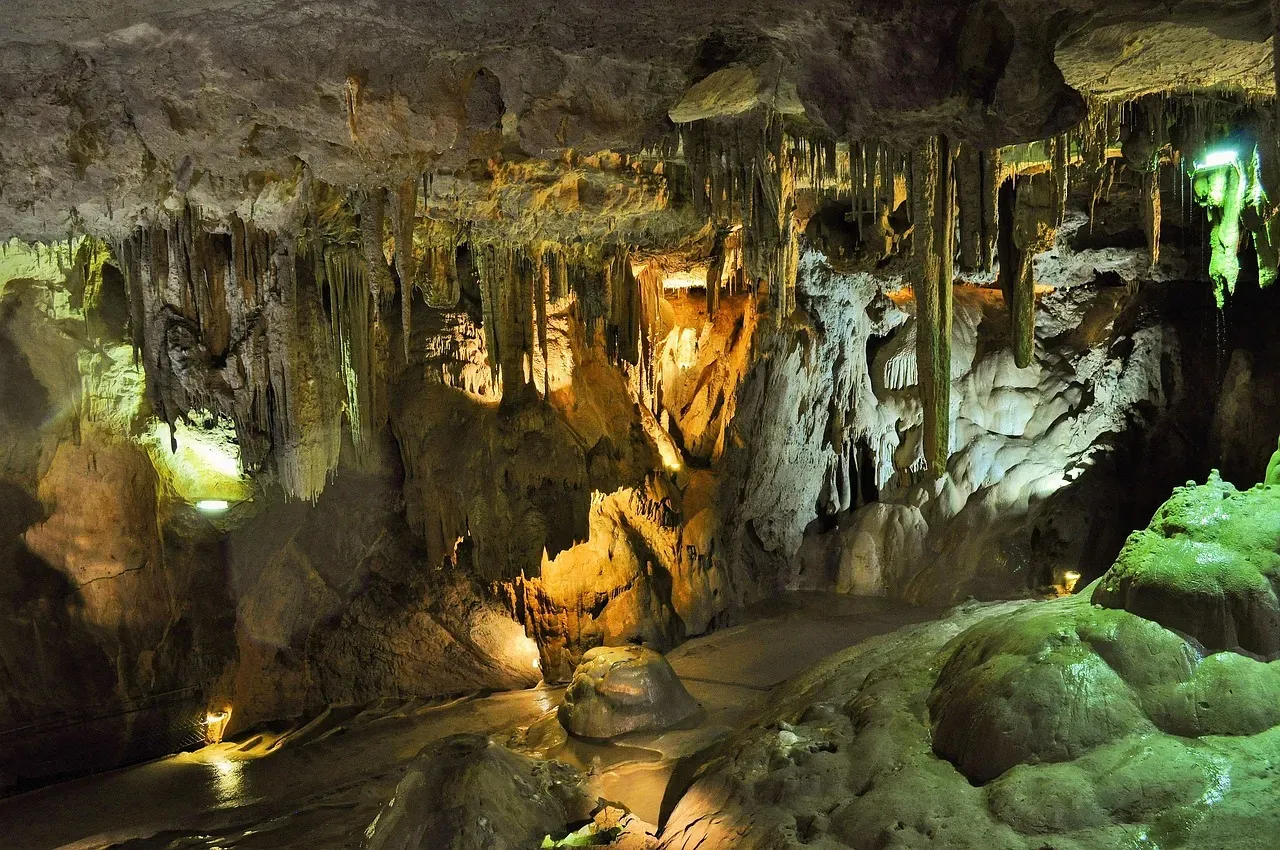
So, what did explorers and scientists really find in those unexpected deep chambers, beyond the dramatic scenery? One recurring theme is unusual mineral deposits: delicate crystal formations, strange crusts, and layering that speak to slow chemical reactions between water and rock under stable conditions. Some deposits form only when the water chemistry and flow remain remarkably constant for long periods, which gives geologists a way to reconstruct past climate and hydrology in the region. In that sense, the chamber becomes a kind of time capsule, archiving thousands of years of environmental change in its walls and sediments.
The other major find is biological. Sampling from these deep flooded zones and adjacent sediments has revealed microbes that appear highly specialized to low light, low energy, and often oxygen‑poor environments. A few of these organisms show metabolic pathways that allow them to use things like reduced sulfur or iron compounds as their energy source rather than organic matter from the surface. While the details are still being studied, the overall picture is powerful: our planet supports persistent life even in places cut off from sunlight, direct plant input, and easy nutrients. That makes such caves compelling analogs for potential habitats on Mars or icy moons, where liquid water might exist below the surface in long‑isolated pockets.
Why This Matters for Space, Climate, and Our Idea of “Habitable”
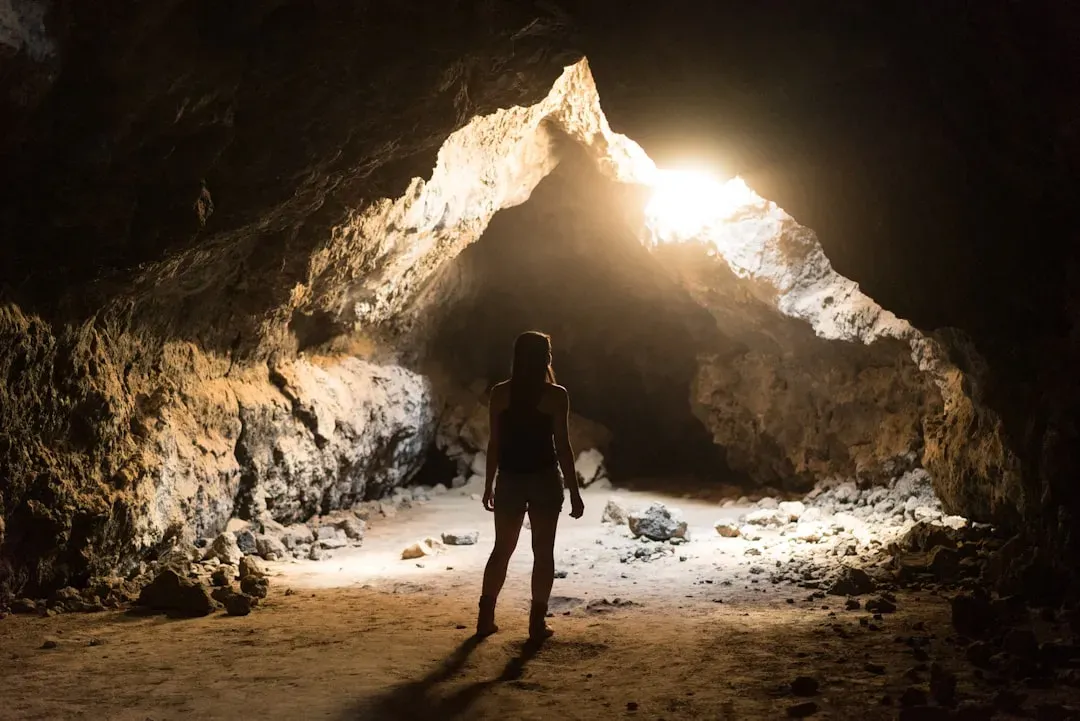
Those quiet, remote deep chambers have unexpectedly become test beds for some of the biggest questions in science. If microbes can survive and evolve in water‑filled pockets two kilometers below a mountain, sustained mainly by rock‑water chemistry, then life elsewhere in the solar system might not need lush oceans or surface sunlight either. Planetary scientists look at these caves and see a rough model of what might be happening in the crust of Mars, or beneath the ice shells of Europa and Enceladus, where water may interact with rock far from any star‑lit surface.
On a more Earth‑focused note, these caves carry long, finely tuned records of past conditions. Isotopes in dripstone, layers in sediment, and the geometry of old water levels all add pieces to puzzles about ancient rainfall, glaciations, and the shifting balance of climate systems. To me, this is the sneaky genius of cave exploration: it looks like an extreme sport but doubles as serious climate and planetary science. Every rope drop and flooded chamber mapped extends not just our geographic reach, but our understanding of what it means for a place to be truly habitable.
Conclusion: Descent Into the Unknown Is Still Worth the Risk
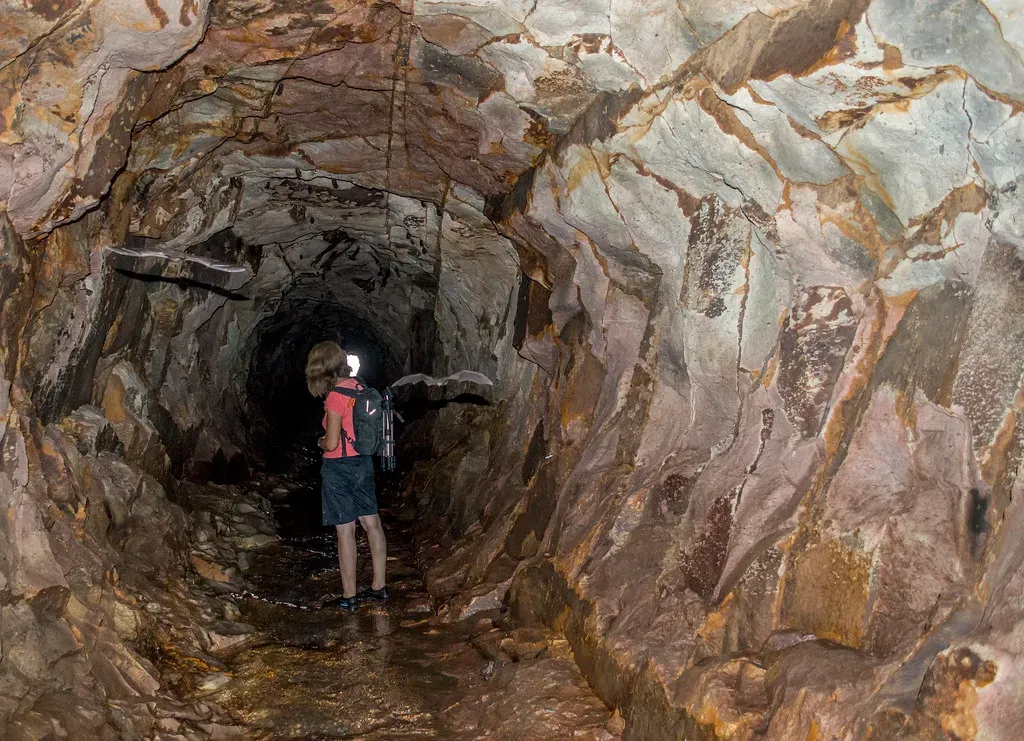
If you strip away the romanticism, going after the deepest cave and that unplanned final chamber is an unapologetically risky thing to do. People spend weeks in harsh, unforgiving environments and push their bodies and minds close to the limit, all to stand in a place that most of humanity will never see. But I think we underestimate how much we owe to the few who are willing to do that, whether they are climbers on a freezing big wall or cavers diving into an underground lake two kilometers down. Those deep chambers, with their odd minerals and stubborn microbes, do more than satisfy curiosity; they force us to redraw the boundaries of where life can exist and how our planet actually works.
My own bias is clear: I think the descent is worth it. Not because every new cave will hide some dramatic, movie‑style discovery, but because the act of pushing into the unknown reliably gives us new questions we did not even know to ask. The deepest cave ever explored, and the chamber nobody expected to reach, remind us that the map of Earth is still incomplete in three dimensions. And if our own planet can still surprise us this much underground, what else are we underestimating in the dark corners of the universe?