
Imagine sinking slowly through ancient seawater and hitting the seafloor… only it is not sand, not rock, not coral. It is a dark, stinking, suffocating sludge, loaded with metals, hydrogen sulfide, and organic rot so extreme that any modern fish, crab, or worm would be dead in minutes. That sounds like science fiction, but in deep time there were places on the ocean floor that came unsettlingly close to this nightmare.
Geologists and paleontologists have spent decades reading the rocks, and again and again they keep finding the same story: during certain prehistoric intervals, the bottom of the ocean turned into a toxic, oxygen‑free chemical soup. Not everywhere, not all the time, but often enough to reshape life on Earth. Once you understand how that happened, today’s oceans start to look a lot more fragile than we like to think.
A deadly “soup” at the bottom of the sea
When scientists talk about ancient toxic seafloors, they usually use more polite terms like anoxic basins, euxinic waters, or organic‑rich black shales. Strip away the jargon, though, and you are left with a brutal reality: in many prehistoric oceans, the bottom waters had almost no oxygen, were saturated with hydrogen sulfide gas, and accumulated thick layers of rotting, metal‑rich mud. For anything like a modern reef fish or crab, that combination would be lethal in a matter of minutes.
You can see the fingerprints of this hellish environment in the rocks themselves. Black shales packed with carbon, pyrite (fool’s gold), and certain trace metals form only when oxygen is absent and organic material piles up faster than it can decay. Some of these layers are meters thick and stretch across entire ancient seafloors, meaning this was not a rare, local oddity but a widespread way the oceans sometimes behaved. The “substance” covering those old ocean floors was not a neat carpet of sand; it was more like a chemically weaponized mud blanket.
How a normal ocean turns into a toxic one
The obvious question is: how does a blue, oxygenated ocean like the one we know today flip into a suffocating, poisonous version of itself? The main driver is usually an imbalance between how fast life is fed and how fast the ocean can breathe. When volcanic activity pumps out greenhouse gases, climates warm, weathering on land speeds up, and rivers deliver a flood of nutrients like phosphorus and nitrogen into the sea. That nutrient surge supercharges plankton growth near the surface.
When those extra plankton die, they rain down as organic snow. Bacteria feast on that material and, in the process, consume dissolved oxygen in the deeper water. If water circulation is sluggish and the oxygen cannot be replenished quickly enough, deep layers become anoxic – completely starved of oxygen. Once that happens, different microbes take over, producing hydrogen sulfide and other nasties, and the chemistry of the bottom water flips. What used to be a breathable habitat becomes more like the inside of a sewer pipe, and sediments begin to trap a dense mix of organic matter, sulfides, and metals.
The most infamous episodes: when the ocean nearly died
Some of the most dramatic examples of this toxic seafloor world show up around the great mass extinctions. During the end‑Permian crisis, often called “the Great Dying,” evidence from marine rocks shows huge swaths of the ocean became anoxic and even euxinic (sulfide‑rich) from the surface down to the seafloor in many regions. The sediments from that time are dark, laminated, and metal‑rich – classic signatures of widespread toxic mud blankets smothering the bottom.
Even later events, like the end‑Triassic extinction and certain Jurassic and Cretaceous “oceanic anoxic events,” tell a similar story: warmed climates, nutrient‑loaded seas, oxygen‑free deep waters, and thick accumulations of organic‑rich sludge on the seafloor. These were not just uncomfortable conditions; they coincided with the disappearance of a huge share of marine species. The ocean did not literally die, but in many places it came terrifyingly close, and the seafloor was the most hostile zone of all.
What exactly was that thick, toxic substance?
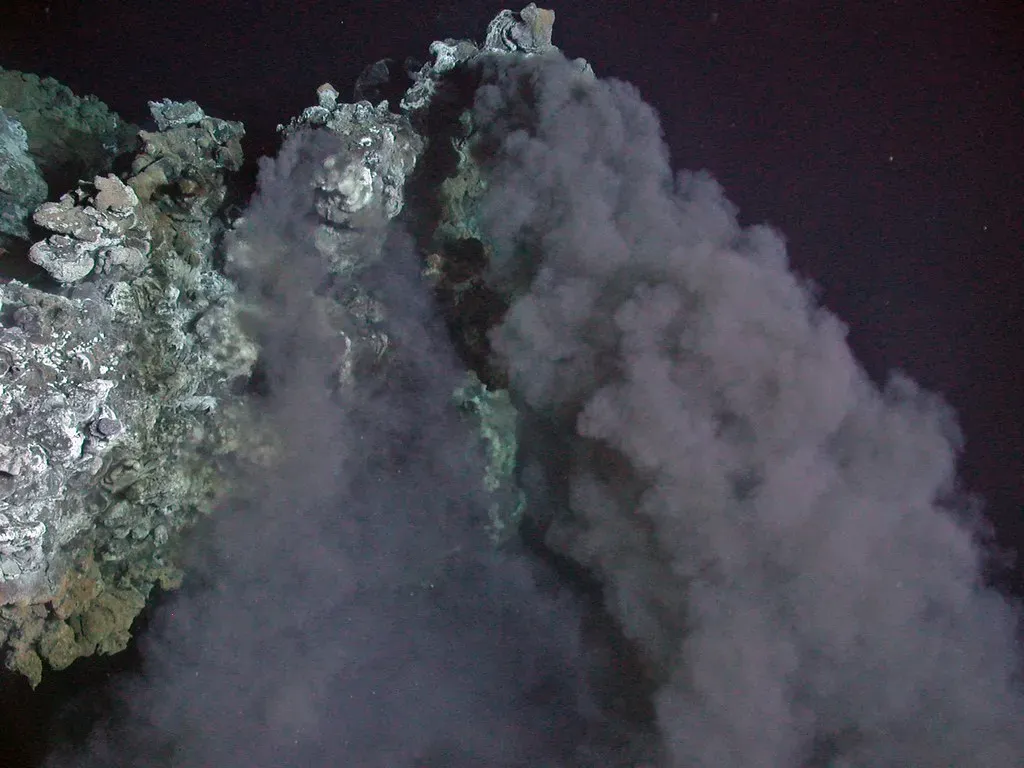
So what was that prehistoric seafloor material made of, in more concrete terms? It was a mix of finely ground mineral particles, dead plankton and other organic remains, sulfide minerals like pyrite, and dissolved metals such as iron, molybdenum, and uranium that had been concentrated under oxygen‑poor conditions. Chemically, it was like a stew of decaying biomass and reactive elements, constantly exchanging components with the poisonous water above it.
Physically, it would not have felt like firm sand; think of something closer to a cold, tar‑colored custard. Oxygen‑breathing animals need firm substrate and at least a minimal supply of oxygenated water. In this stuff, their gills would clog, their cells would be poisoned by hydrogen sulfide, and any attempt to burrow would only expose them to more toxins. Microbes adapted to these conditions thrived instead, forming invisible communities that processed sulfur, methane, and metals in ways totally alien to most modern marine life.
Life that could survive there was nothing like what we know
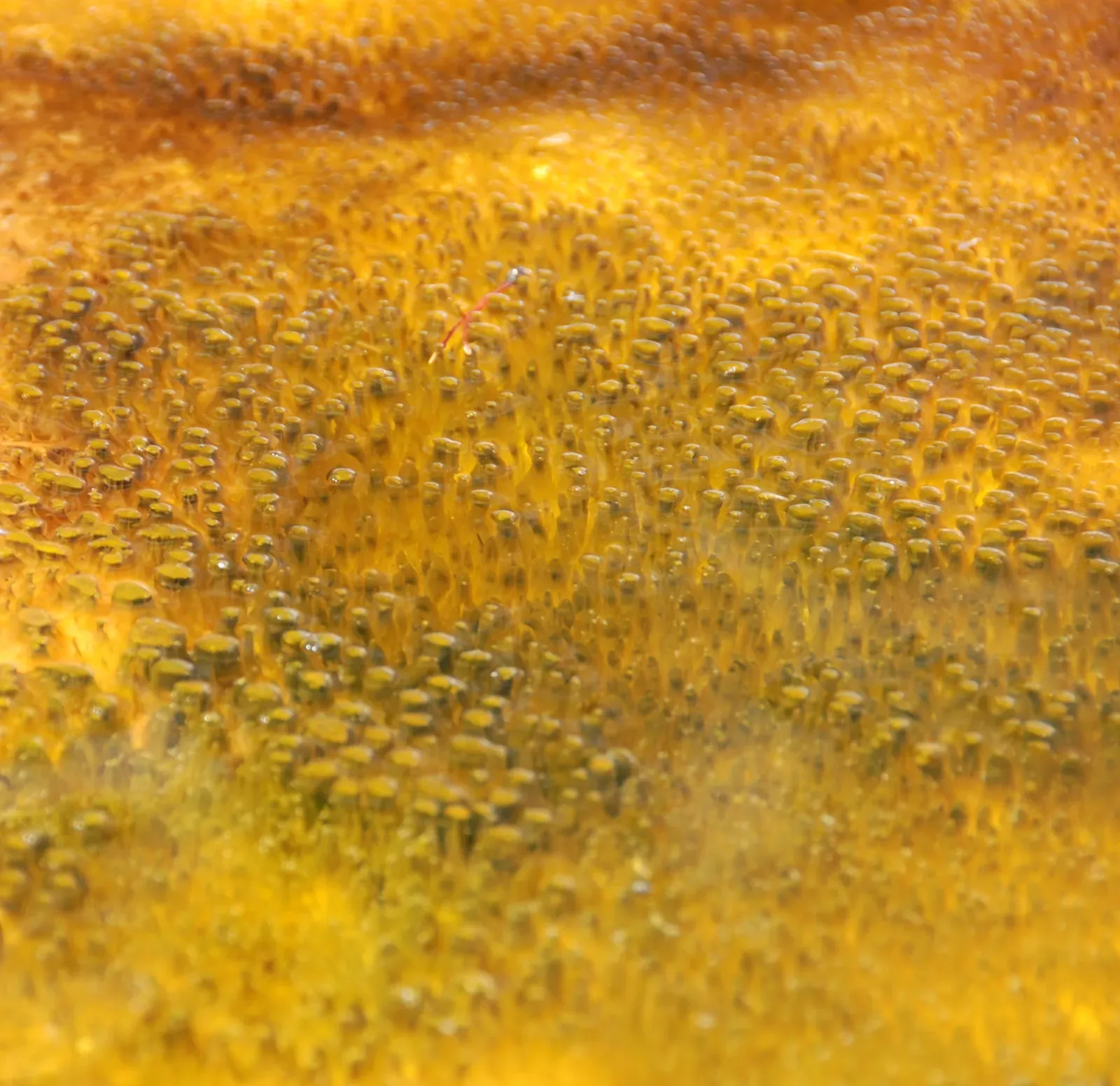
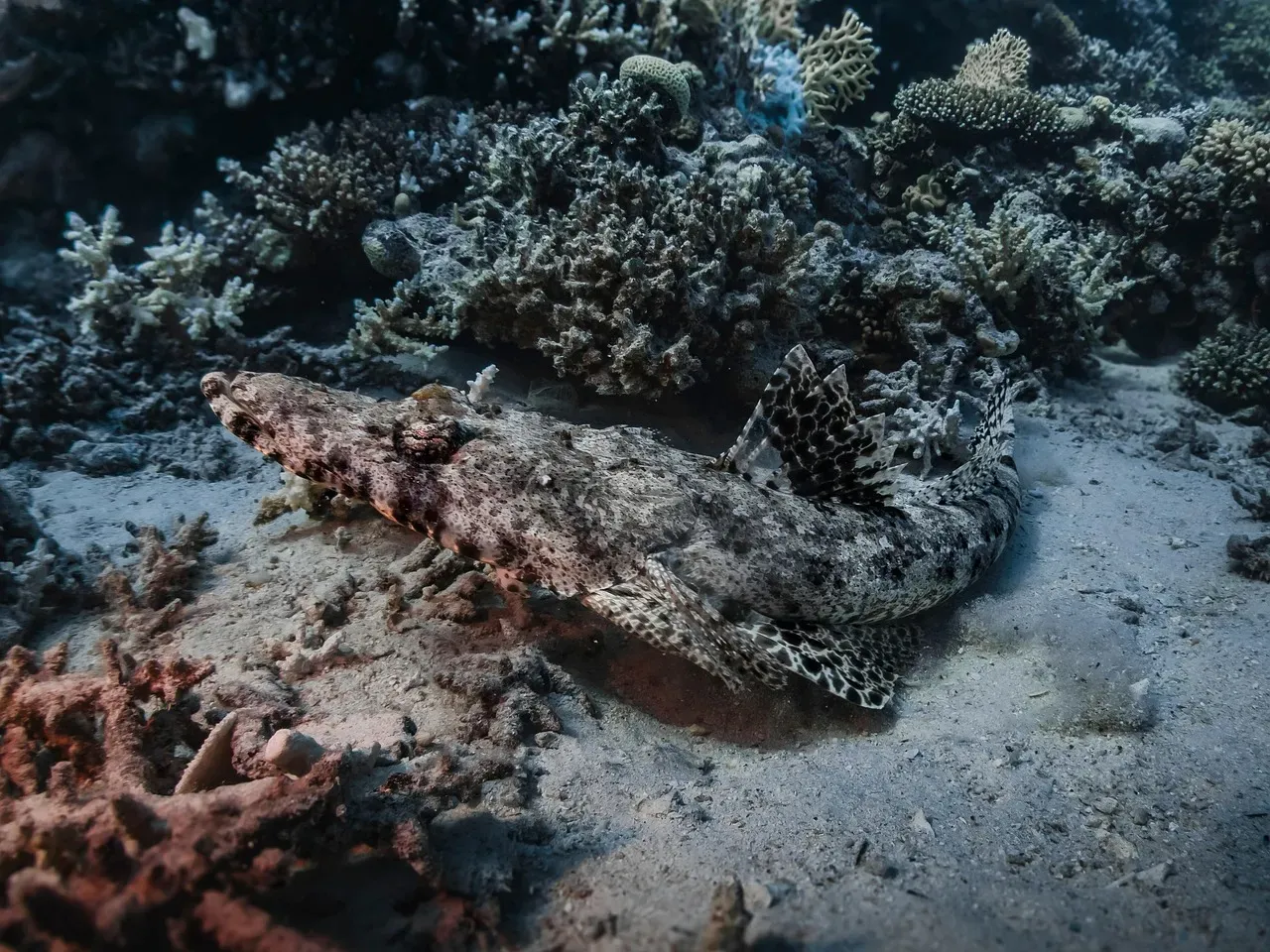
Now to the bold claim in the title: nothing alive today could survive five minutes in it. Strictly speaking, biology is full of outliers and extremophiles, so you can always imagine a modern microbe making a brief cameo in such a place. But if we are talking about the familiar macroscopic ocean life most people recognize – fish, crustaceans, corals, sea stars, even typical worms – those organisms are simply not built for an oxygen‑free, sulfide‑rich, heavy‑metal‑laden sludge environment. Their metabolisms, tissues, and symbiotic relationships depend on oxygenated water and more stable chemistry.
By contrast, the communities that did live on or just within those toxic ancient seafloors were largely microbial: bacteria and archaea that use sulfate, iron, or even methane instead of oxygen. Many of them would have been invisible to the naked eye, forming biofilms and mats at the sediment‑water interface. If you dropped a modern reef community onto that prehistoric seabed, it would be like parachuting a city full of people into a gas giant’s atmosphere – an instant mismatch between physiology and environment. From that perspective, saying modern macroscopic ocean life could not last five minutes there is not an exaggeration; it is a recognition of how specialized and alien those past ecosystems really were.
Modern “toxic seafloors” hint at how bad it once was
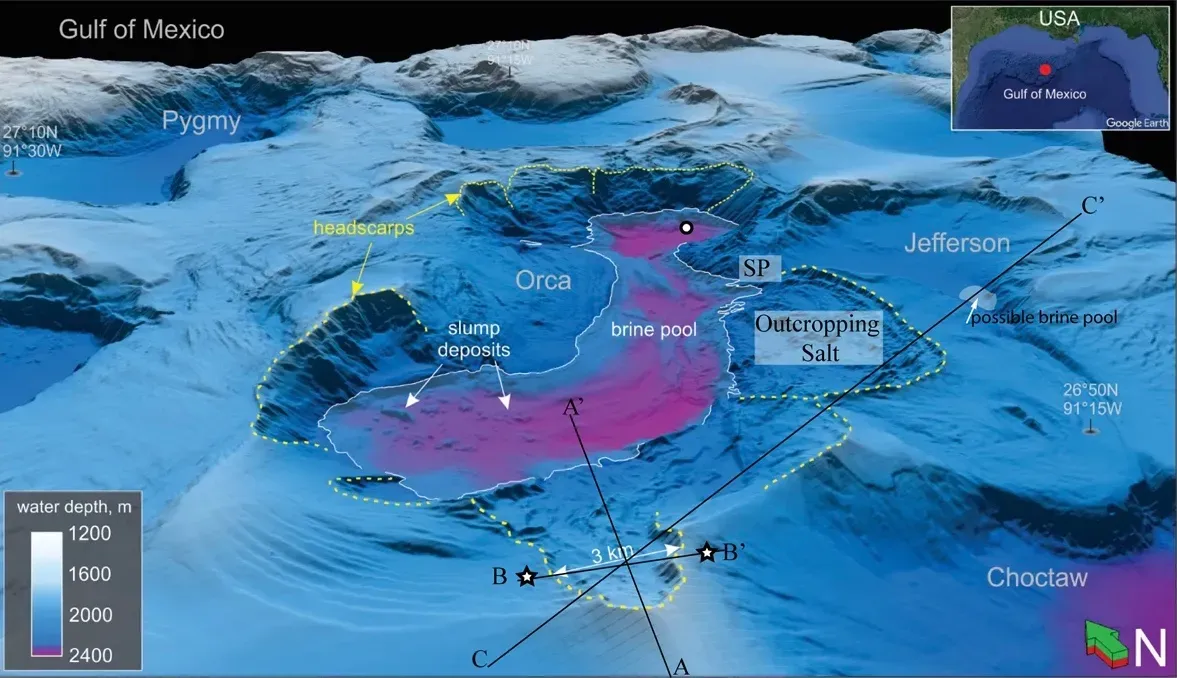
We do have tiny, modern‑day windows into this old world. Deep, isolated basins such as the Black Sea contain large volumes of anoxic, sulfide‑rich water, and their bottom sediments are dark, organic‑rich muds reminiscent of ancient black shales. Even in some coastal dead zones, like those that form seasonally in parts of the Gulf of Mexico or the Baltic Sea, oxygen levels drop so low that fish flee and only hardy worms and microbes remain. These are small, localized snapshots of the kind of chemistry that once covered vast tracts of prehistoric ocean floor.
The difference is scale and persistence. Today’s dead zones are usually seasonal or confined; past events lasted hundreds of thousands of years and stretched across entire ocean basins. Still, studying these modern problem spots gives scientists a laboratory for testing how toxic, oxygen‑free bottoms form, how they store carbon, and how life copes – or fails to cope. When you see a sonar image of a lifeless, muddy bottom under an anoxic layer today, it is hard not to picture a fainter echo of those ancient, lethal carpets.
On a personal level, the first time I read about divers sampling the edge of an anoxic basin – describing the abrupt shift from clear, blue, life‑filled water into a milky, sulfide‑tinged haze – I could not stop thinking about it for days. It is unsettling to realize that this strange, hostile chemistry is not some hypothetical state; it is something Earth’s oceans can and do slip into under the right conditions. The rocks from deep time are a kind of warning label written in stone.
Why this matters for us now
It is tempting to treat these ancient toxic seafloors as distant curiosities, but they are deeply relevant to the present. Many of those past episodes were triggered when rapid greenhouse gas releases and climate shifts pushed the oceans past certain thresholds. Today, we are adding carbon dioxide to the atmosphere at a pace that rivals, and in some respects exceeds, some prehistoric events that ended badly for marine life. While we are not about to turn the entire ocean floor into poisonous sludge overnight, we are already seeing expanding dead zones and declining oxygen in many regions.
This is where the story stops being just academic and becomes uncomfortably practical. The same physics and chemistry that once stripped oxygen from ancient seas still operate now. More heat means stronger stratification and weaker mixing; more nutrients from agriculture mean more plankton booms and more decaying biomass sinking to depth. If we keep nudging the system, we risk creating more places where modern ocean life cannot survive for five minutes – not because life is weak, but because we are recreating conditions it did not evolve to handle. The rocks do not tell us exactly how the future will play out, but they demolish the illusion that the oceans are unbreakable.
Conclusion: an ocean that can turn on us
To me, the most unsettling part of this whole story is not that the prehistoric ocean floor once resembled a toxic sludge field. It is that Earth slipped into that state more than once, for long stretches of time, and then clawed its way back. The ocean is not a passive blue backdrop; it is an active, moody system that can swing from hospitable to horrifying when pushed. Pretending otherwise is comforting, but it is also wrong.
If I had to take a stance, I would say this: we underestimate the ocean at our own risk. Those thick, poisonous sediments from deep time are not just relics; they are receipts, proof that the system can flip. We are not doomed to repeat that history, but we are absolutely capable of rhyming with it if we ignore what the rocks are trying to tell us. Next time you see a calm stretch of sea, it is worth asking yourself – do we really understand how thin the line is between this blue world and the black, suffocating one buried in its past?