
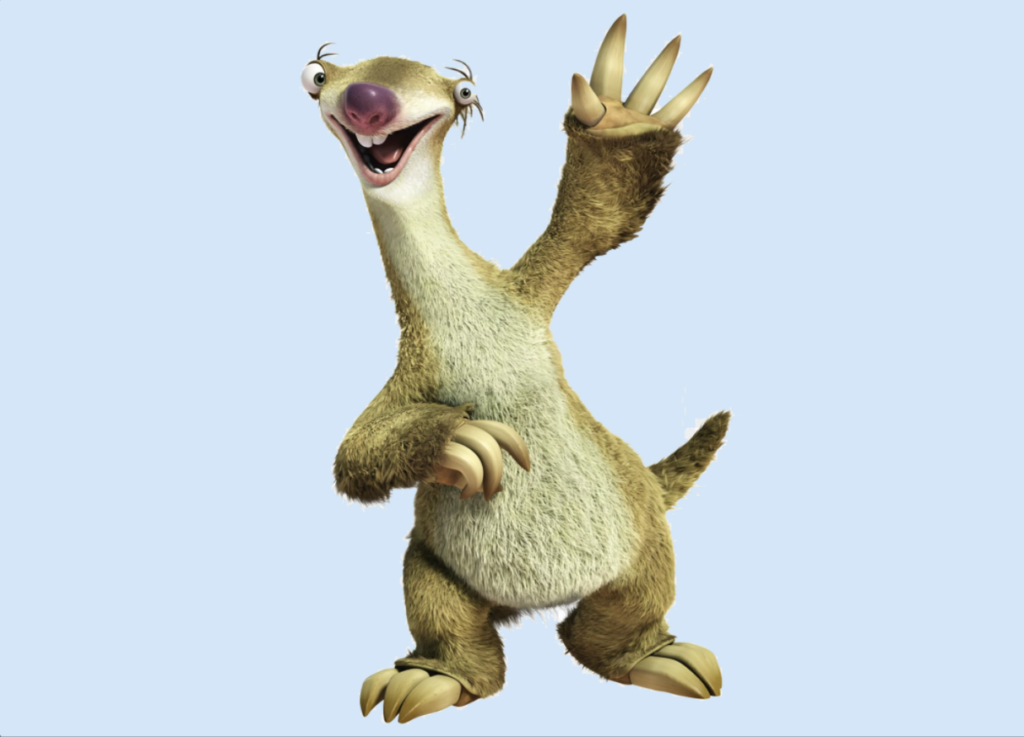
Sid is the kind of character you can’t forget: bug eyes, lisping voice, clumsy body, and a heart that is somehow softer than his brain. For a lot of people, that chaotic cartoon goofball is the first thing that comes to mind when they hear the word “sloth.” It’s funny and oddly charming, but it also quietly rewires how we imagine one of the strangest and most impressive groups of mammals that ever walked the planet.
The reality is almost the opposite of what we see on screen: real Ice Age ground sloths were not jittery little sidekicks but massive, powerful, sometimes tank‑sized herbivores that helped engineer ancient ecosystems. In some ways, Sid is like a funhouse mirror: a distorted reflection that hides something much more dramatic, and honestly, much cooler. Once you learn what these animals were actually like, the cute cartoon starts to feel less like the main show and more like a teaser trailer you didn’t realize was missing all the good parts.
The real ground sloths: giants hiding behind a goofy cartoon
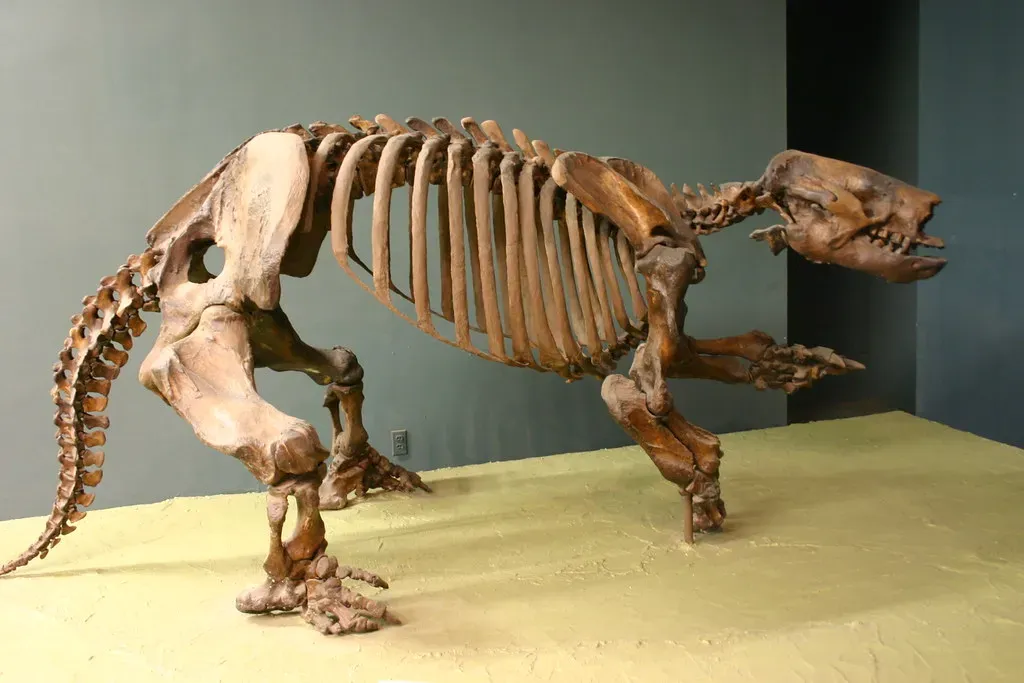
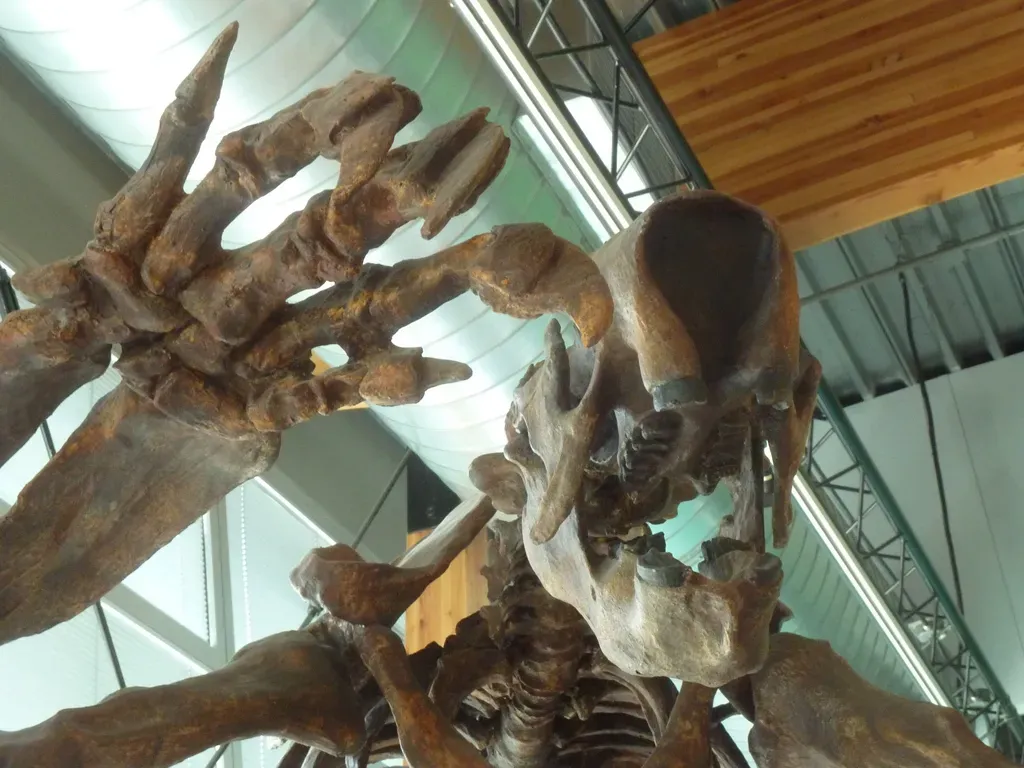
One of the wildest things about Sid is that he’s tiny; the ground sloths he’s very loosely based on were anything but. Some species, like Megatherium, stood as tall as a small elephant when rearing up, with thick, muscular limbs and massive claws that could rip branches down or dig up roots. Even the “smaller” ground sloths were closer to a bear than to the wide‑eyed little critter we see scrambling around in the movies.
Instead of scurrying nervously, many ground sloths likely moved with a slow, deliberate power, the way rhinos or hippos do today. Their bones show heavy, reinforced structures that hint at bodies built for pushing, pulling, and occasionally standing upright to browse on high vegetation. In other words, real Ice Age sloths were more like walking bulldozers than walking punchlines. That gap between Sid and the fossil evidence is where the misrepresentation becomes obvious: we traded in giants for a gag character.
Slow, yes – but not stupid, lazy, or useless
Sid leans hard into every stereotype: he’s scattered, easily distracted, and forever struggling to keep up. Sloths in general, both ancient and modern, get labeled as lazy just because they move slowly and look perpetually half‑asleep. In biology, though, that slow pace is not a flaw; it’s the result of a clever energy budget. Sloths evolved to conserve calories, with low body temperatures, slow digestion, and careful, deliberate movements that make sense in nutrient‑poor environments.
Ground sloths likely followed a similar logic at a different scale. Huge bodies require a lot of fuel, and moving like a sprinter all day would have been a disaster in the long term. Instead, these animals appear to have been methodical browsers and diggers, turning low‑quality plant matter into bulk and muscle over time. Calling that “lazy” is like calling a hybrid car “stupid” for using less gas. If anything, Sid’s ridiculous incompetence distracts from the fact that actual sloths are quietly brilliant at playing the long game of survival.
From tree‑hangers to land titans: how ground sloths evolved
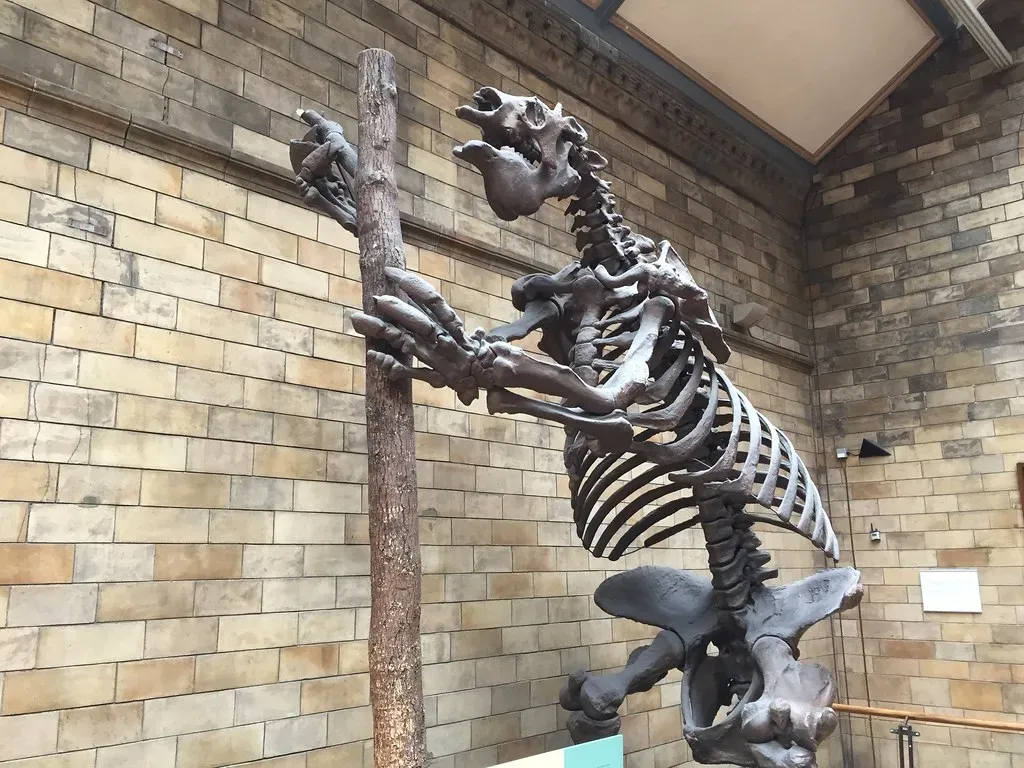
Most of us picture modern tree sloths hanging from branches, moss in their fur, faces fixed in that gently bewildered expression. Ground sloths were part of that same broader family line, but they took a radically different evolutionary path. Instead of going up into the trees and shrinking down, many of them stayed on the ground and went big, filling ecological roles similar to today’s large herbivores like bison, camels, or even elephants.
Fossils from the Americas show a surprising variety of ground sloth species, from relatively compact, burrowing forms to immense, towering browsers. Over millions of years, their skeletons adapted for weight‑bearing, digging, and sometimes for rearing up on their hind legs to pull down vegetation. To me, this evolutionary story is way more impressive than any gag about Sid falling off a cliff: nature took one basic sloth blueprint and spun it into both arboreal slow‑motion specialists and ground‑dwelling plant‑munching behemoths. The contrast is so sharp it almost feels like two different worlds sharing the same family name.
Ecosystem engineers: what ground sloths actually did all day
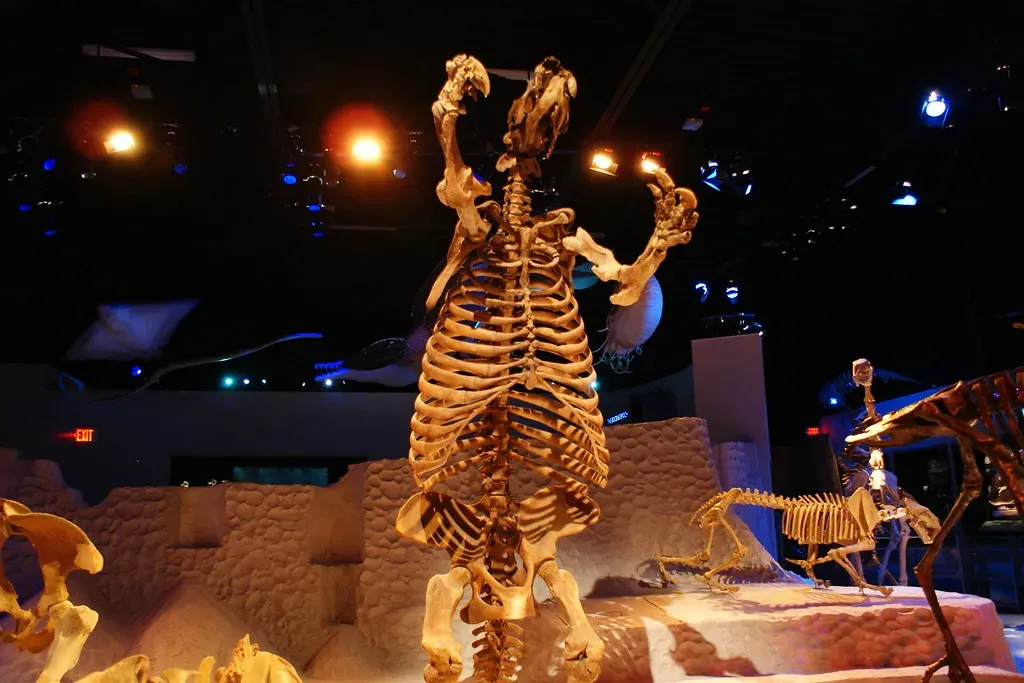
If you only know Sid, you might assume sloths just kind of wander around getting into accidents. In reality, ground sloths were probably major shapers of their landscapes. Their size and diet meant they would have pushed through vegetation, opened up paths, and helped control which plants dominated certain regions. By browsing on leaves, stripping branches, and digging for roots, they likely influenced how forests and grasslands looked and functioned.
There is also evidence that large Ice Age herbivores, sloths included, were important for moving seeds over long distances through their dung. That makes them partners in plant reproduction, not just passive consumers. Imagining a Megatherium trudging across ancient South America, dropping seed‑packed fertilizer as it went, feels far from Sid’s slapstick, but it’s probably closer to the truth. In that sense, the real animals weren’t comic relief at all; they were slow, steady architects of entire ecosystems.
Sid versus science: what the Ice Age movies got wrong (and accidentally right)
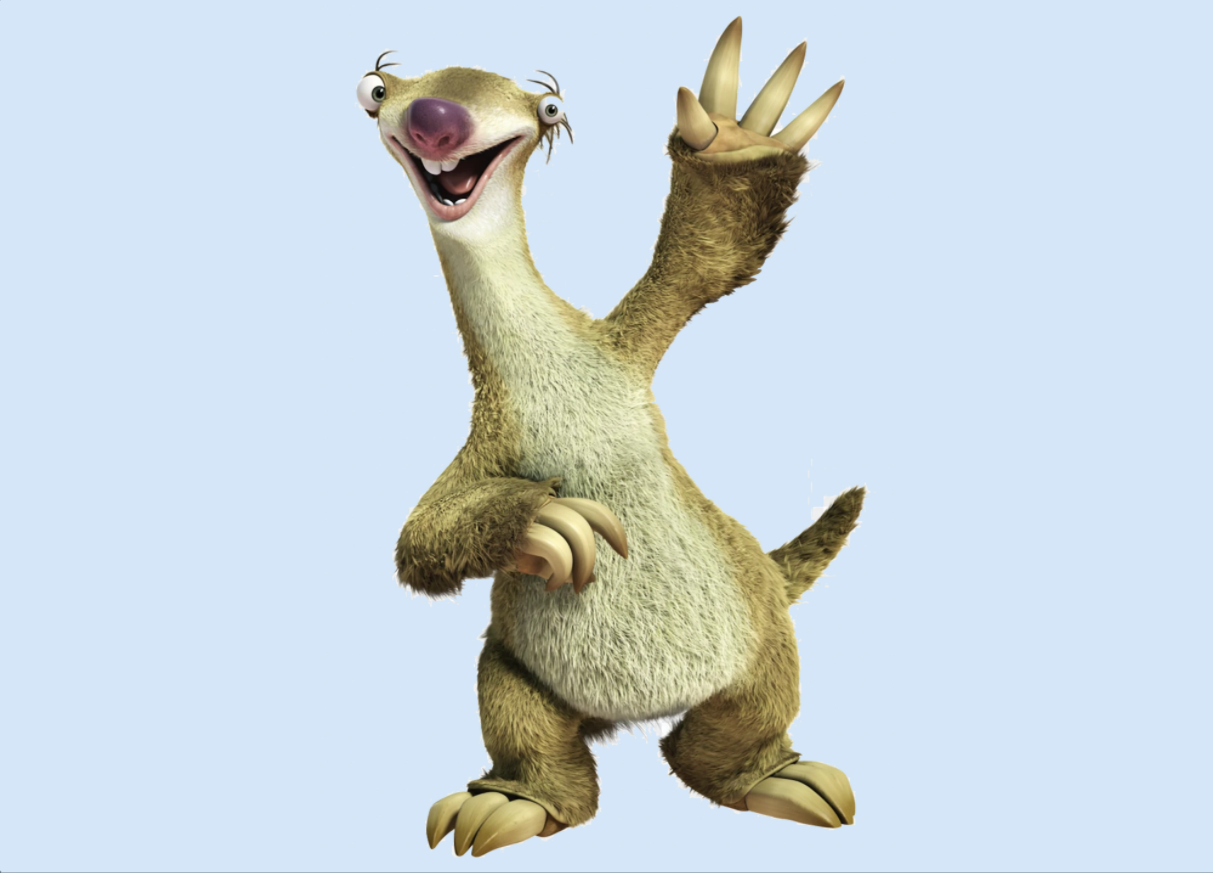
It’s easy to dunk on the Ice Age films for turning a massive ground sloth into a jittery, shrimpy goof, and from a paleontology perspective, the inaccuracies pile up fast. The scale is off, the proportions are off, and the timeline of which species appear together is more a collage than a careful reconstruction. Sid’s nonstop chatter and clumsiness paint sloths as nervous wrecks rather than deliberate, energy‑savvy animals built for a different kind of success.
But there’s another side to this: the movies also made sloths visible and strangely lovable to millions of people who might never read a fossil paper or visit a natural history museum. As much as Sid misrepresents the details, he opens a door. A lot of kids who fall in love with Sid end up asking questions about what real Ice Age animals were like. I think it’s fair to criticize the science while still admitting that a silly animated sloth has probably done more to spark curiosity about prehistoric life than any textbook I grew up with.
Why it matters that we get these “harmless” animals right

You could argue that it doesn’t really matter whether we misunderstand a long‑extinct sloth; after all, they are gone, and Sid is funny. But the stories we tell about animals, even fictional ones, shape how we think about evolution, extinction, and our own place in nature. If we keep associating slow with stupid, or big herbivore with comic sidekick, we miss the real complexity of how life adapts and survives. We also risk downplaying the loss when these species disappear.
For me, ground sloths are a quiet reminder that the past was full of creatures that don’t fit neatly into our modern boxes. They were strange, powerful, and successful in ways that challenge our instincts about what counts as impressive. Sid may be the most cheerfully misrepresented animal of the Ice Age, but he also gives us a chance to update the story. If we let the fossils speak a little louder than the punchlines, we end up with a richer, more honest sense of wonder. And really, which is cooler in the end: a clumsy cartoon, or a real‑life giant that reshaped continents one slow, determined step at a time?