
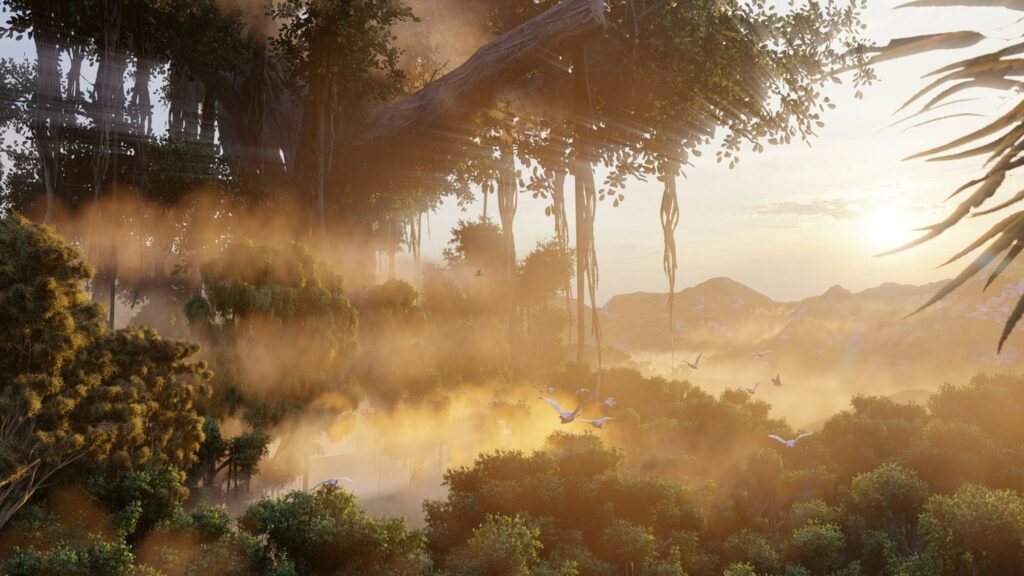
Earth’s climate is not a calm background setting; it is the main character that keeps rewriting the script of life. From oceans freezing over to tropical forests carpeting the poles, climate swings have repeatedly pushed our planet to the edge, then dragged it back in a totally new shape. Whenever climate has lurched, ecosystems have collapsed, continents have flooded, and entire ways of life – animal, plant, and human – have vanished or transformed.
What makes this both fascinating and unsettling is that we are living through one of these tipping chapters right now. To really understand the stakes, it helps to look backward at moments when climate truly “.” These seven episodes show how temperature, ice, and atmosphere can flip the world from one state to another – slowly by human standards, but brutally fast in geological time – and they quietly ask: if climate did that then, what might it do next?
The Great Oxygenation: When Climate Made Breathing Possible
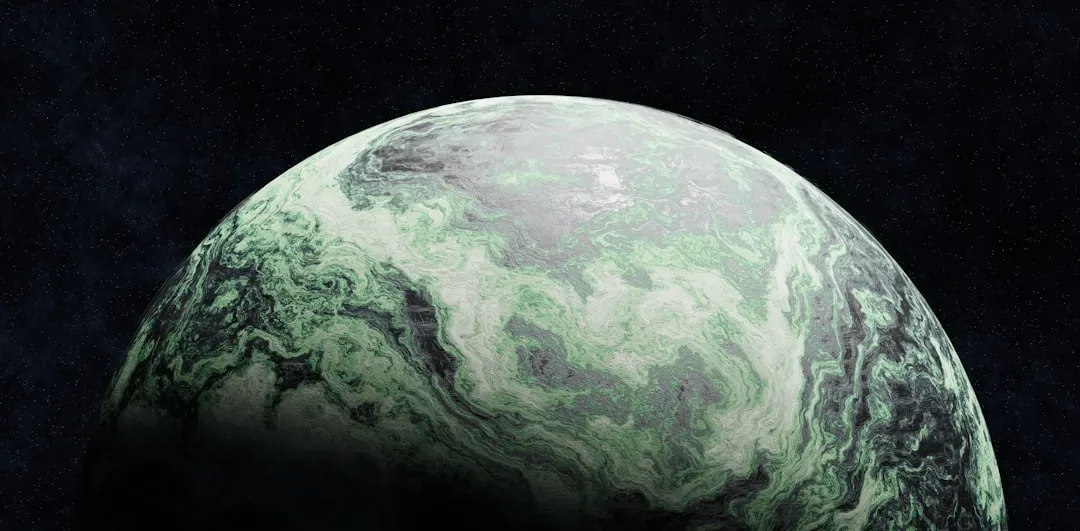
Imagine an Earth where the air would poison you in a single breath. For billions of years, that was normal: the atmosphere was dominated by gases like methane, with virtually no oxygen. Then tiny cyanobacteria in ancient oceans began photosynthesizing on a massive scale, releasing oxygen that slowly transformed both the atmosphere and the climate, cooling the planet as greenhouse gases were drawn down.
This oxygenation was not a gentle upgrade; it was a mass extinction event for organisms adapted to the old chemistry. Many early microbes were wiped out as oxygen levels rose and the climate shifted toward a cooler, more oxidizing world. Over time, though, this catastrophe became the foundation for we think of as complex life. The air you are breathing right now is the end result of a climate–chemistry revolution that turned a toxic planet into one where animals, forests, and humans could exist at all.
Snowball Earth: When the Planet Nearly Froze Solid
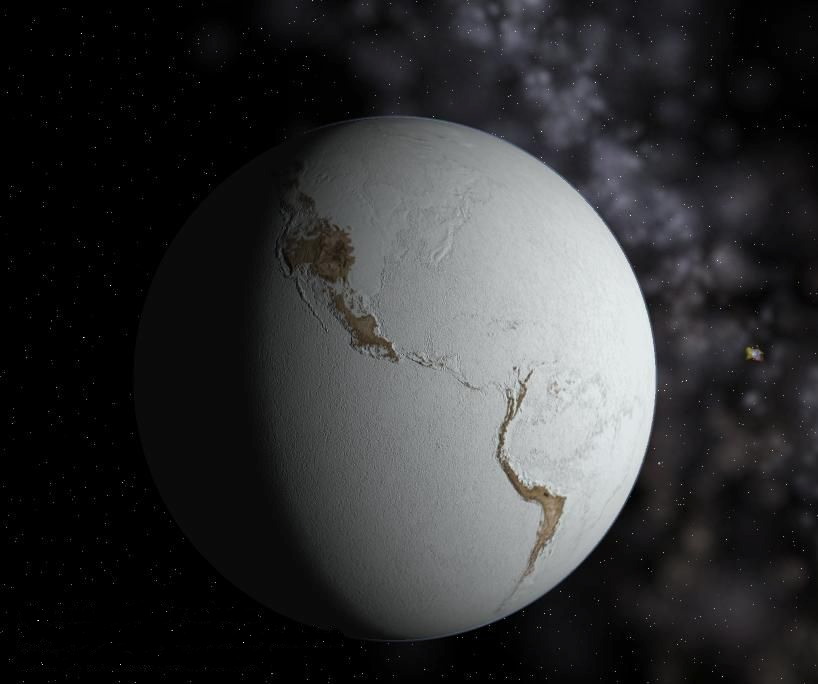
There were times in the deep past when Earth may have looked more like a giant ice marble than the blue planet we know. During so‑called Snowball Earth episodes, ice sheets appear to have stretched from the poles all the way toward the equator, with oceans sealed under thick ice and global temperatures plunging. Changes in greenhouse gases, continental positions, and sunlight reflection likely combined to push the climate over a threshold into this extreme frozen state.
Life did not disappear, but it was squeezed into refuges – liquid pockets beneath the ice, volcanic areas, and thin regions of open water. When volcanic activity slowly pumped enough carbon dioxide back into the atmosphere, the planet thawed in dramatic fashion, leading to intense greenhouse conditions and a flood of nutrients into the oceans. Out of this climatic whiplash, more complex multicellular life began to flourish, suggesting that harsh freezes and wild warming phases sometimes clear the deck for evolutionary leaps.
The PETM Heat Spike: A Greenhouse Shock on Fast‑Forward
About fifty‑six million years ago, Earth was already warm, with no permanent ice sheets. Then something extraordinary happened: a geologically sudden burst of carbon entered the atmosphere and oceans, driving global temperatures several degrees higher in a relatively short time. This event, known as the Paleocene–Eocene Thermal Maximum (PETM), turned an already balmy world into a hothouse, with tropical conditions stretching far toward the poles.
That rapid warming reshaped ecosystems on land and in the seas. Many deep‑sea species were wiped out as oceans acidified, while on land, mammals shrank in body size and new groups spread into higher latitudes. Sediment and fossil records show shifting plant communities and altered rainfall patterns. The PETM is not a perfect analog for today, but it is an unnerving reminder that big carbon releases and rapid warming can reorder the planet in ways that are global, long‑lasting, and very hard to reverse.
The End‑Permian Mass Extinction: When Warming Nearly Erased Life
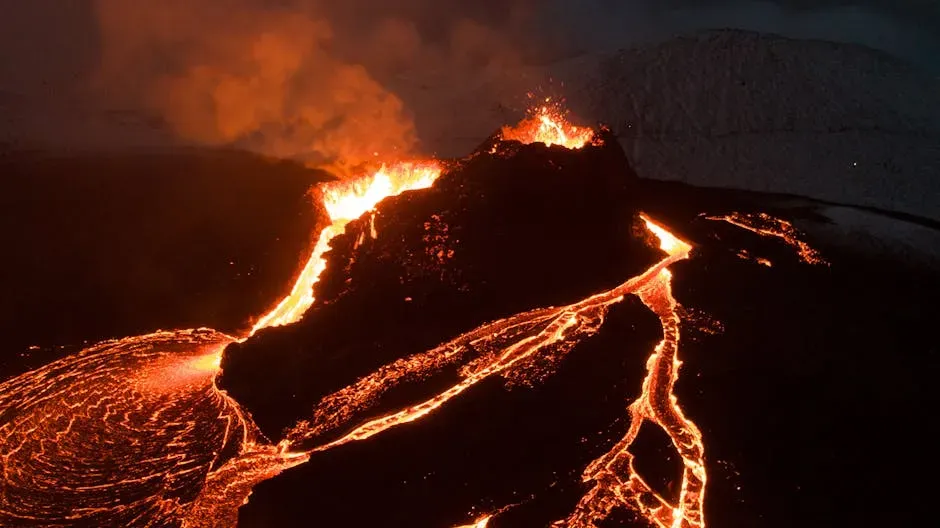
If there was a worst day – really, a worst few hundred thousand years – in the history of life, it was the end‑Permian extinction roughly about a quarter of a billion years ago. Massive volcanic eruptions in what is now Siberia spewed enormous amounts of carbon dioxide and other gases into the atmosphere, driving intense global warming. Oceans heated up, oxygen levels plunged, and toxic conditions spread through marine environments.
The result was staggering: the vast majority of marine species and a huge share of land species disappeared. Coral reefs collapsed, forests withered, and ecosystems took millions of years to recover anything like their former diversity. This was climate change pushed to the extreme – a combination of runaway warming, ocean acidification, and atmospheric chaos. When people say climate can “change ,” the end‑Permian is the darkest, clearest example of how close “” can come to “almost nothing.”
The Rise and Fall of the Ice Ages: Glaciers, Megafauna, and Early Humans
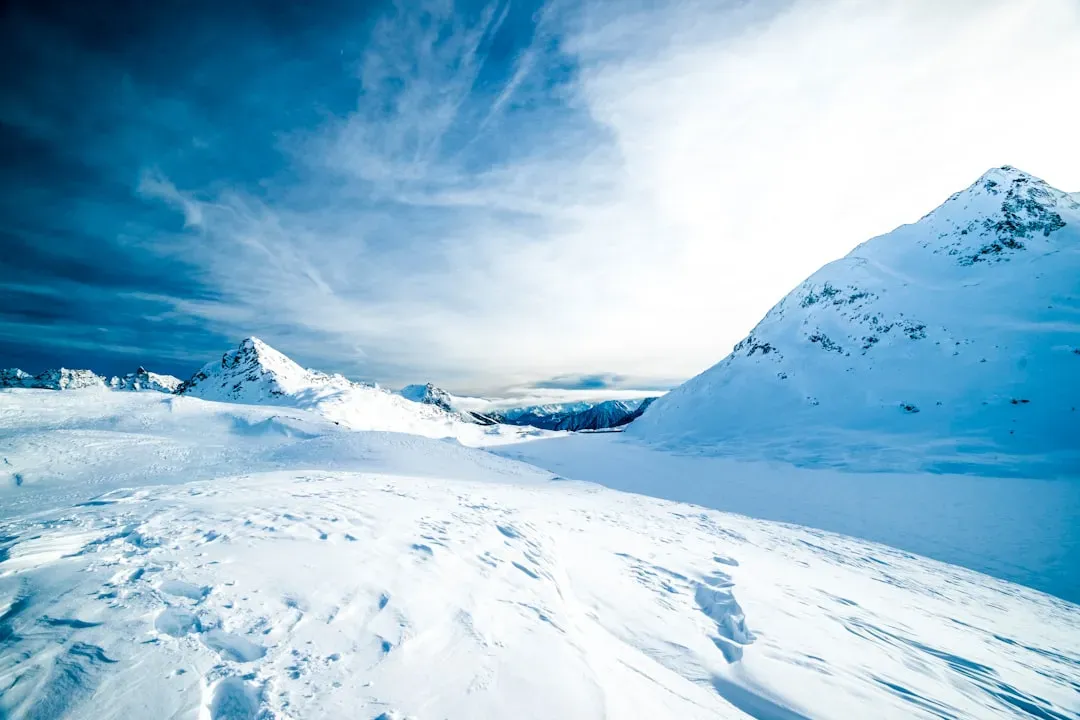
Over the last couple of million years, Earth’s climate has swung in and out of ice ages, driven by subtle changes in the planet’s orbit and tilt that alter how sunlight is distributed across the globe. During peak glacial times, colossal ice sheets buried much of North America and northern Europe, sea level dropped, and landscapes were transformed into cold, windswept plains. In the warmer intervals between, like the one we live in now, ice retreated and forests and grasslands reclaimed huge areas.
These cycles shaped the rise of big Ice Age animals – mammoths, woolly rhinos, giant ground sloths – and they also framed the story of our own species. Early humans migrated along ice‑free corridors, crossed land bridges exposed by low sea levels, and adapted to brutally cold environments with new tools, clothing, and social strategies. When the last ice age waned, habitats shifted faster than many large animals could handle, contributing to the loss of much of the megafauna. The climate was not just a backdrop; it was the constantly changing stage that forced humans and wildlife to adapt or vanish.
The Holocene Climate Sweet Spot: Cradle of Agriculture and Civilization
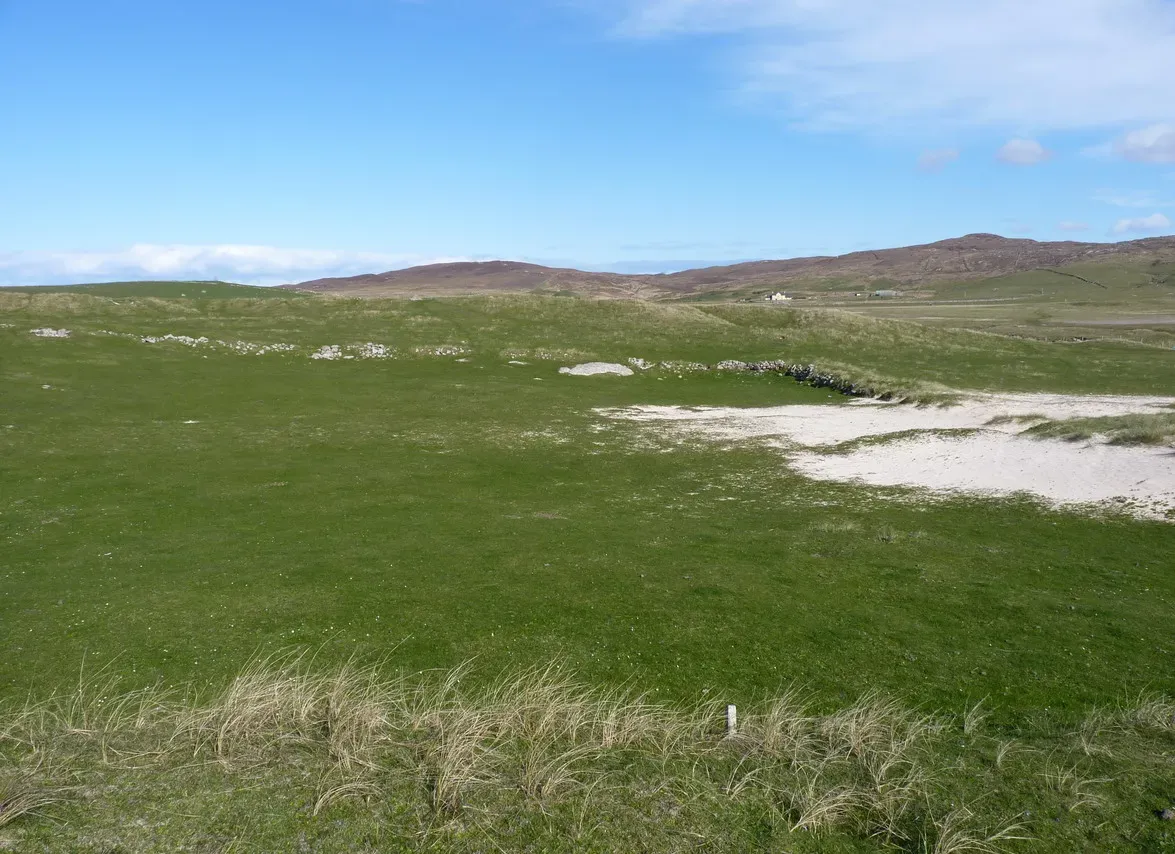
Roughly after the last ice sheets began to retreat, Earth entered the Holocene, the relatively stable warm period of the last several thousand years. Compared with the wild swings of earlier times, temperatures and rainfall patterns became more predictable in many key regions. That stability was not perfect, but it was enough for humans to begin relying on seasonal cycles, storing surplus food, and settling in permanent communities.
Agriculture blossomed in river valleys and fertile plains, from the Middle East to East Asia and the Americas. With dependable growing seasons, societies could support specialists, build cities, and develop written languages, science, and complex cultures. In a real sense, every library, smartphone, and city skyline you know rests on a climate that has been unusually calm by geological standards. This is why some scientists argue that the Holocene’s gentle climate is civilization’s most underrated, invisible infrastructure.
At the same time, even within the Holocene, smaller climate bumps – volcanic eruptions, solar variations, regional shifts – triggered real human consequences: harvest failures, migrations, political upheaval. Episodes like the so‑called Little Ice Age, with cooler conditions in parts of the world a few centuries ago, show that even modest climate nudges can amplify social stresses. The Holocene may be a sweet spot, but it has never been entirely smooth.
The Anthropocene Warming: Humanity as a Geological Force
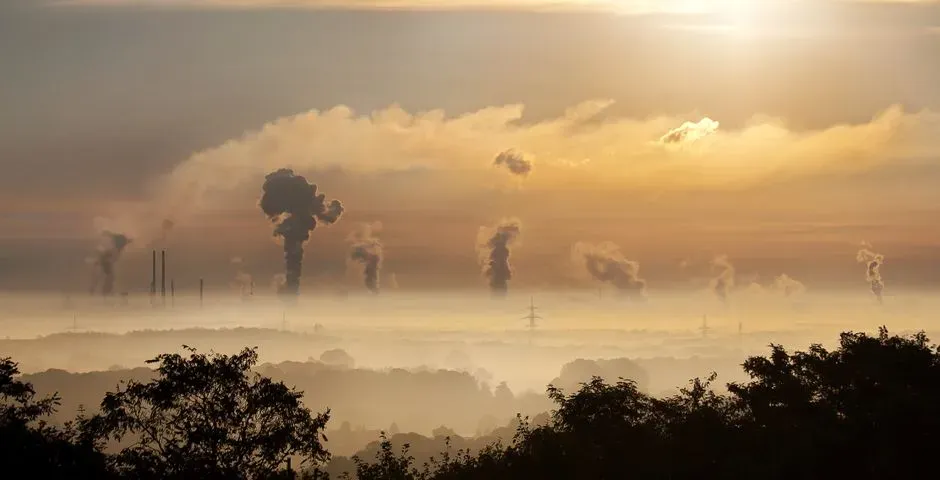
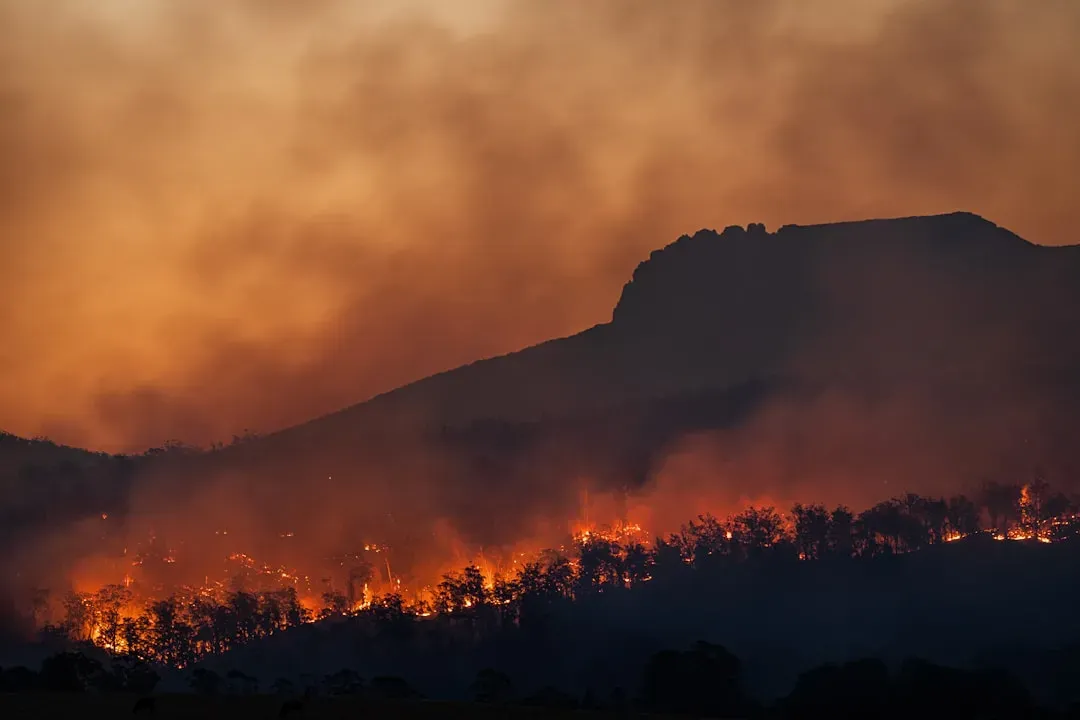
In the last couple of centuries, humans have done something no previous species managed: we have become a climate driver on par with volcanoes and tectonic shifts, but on a much faster schedule. By burning fossil fuels, clearing forests, and transforming land, we have raised atmospheric carbon dioxide well beyond pre‑industrial levels, pushing global temperatures upward in mere decades rather than millennia. Ice sheets are retreating, seas are rising, and extreme heat waves, droughts, and heavy downpours are becoming more frequent in many regions.
This new human‑driven warming – often dubbed the Anthropocene, the age of humans – differs from past climate shocks in one crucial way: we know it is happening, and we can trace its cause. We also have the tools to respond, from clean energy and smarter agriculture to redesigned cities and restored ecosystems. The uncomfortable truth is that we are now the volcano, the orbital shift, the planetary lever. Whether this era becomes another chapter of collapse or a rare story of a species recognizing its power and changing course is still an open question, and that uncertainty is exactly why looking back at earlier climate upheavals feels so urgent.
Conclusion: Climate Is the Plot, Not the Background
Looking across these seven turning points, a clear pattern emerges: when climate shifts dramatically, the rules of the game change for alive, from microbes to megafauna to modern societies. Sometimes those shifts open doors to thriving new forms of life; other times they slam entire branches of evolution shut. What frustrates me most about today’s public debate is how often climate is still treated as a side issue, as if it were just one problem among many, when history shows it is the stage on which all other problems play out.
My own view, shaped by these past upheavals, is blunt: we are underestimating both the risks of inaction and the possibilities of rapid, deliberate change. Earth will survive whatever we do; it always has. The real question is what kind of world humans, and the species we share it with, will have to live in. Knowing that climate has already rewritten the planet multiple times, are we willing to let this next rewrite be accidental – or do we finally decide to become responsible authors of our own chapter?