
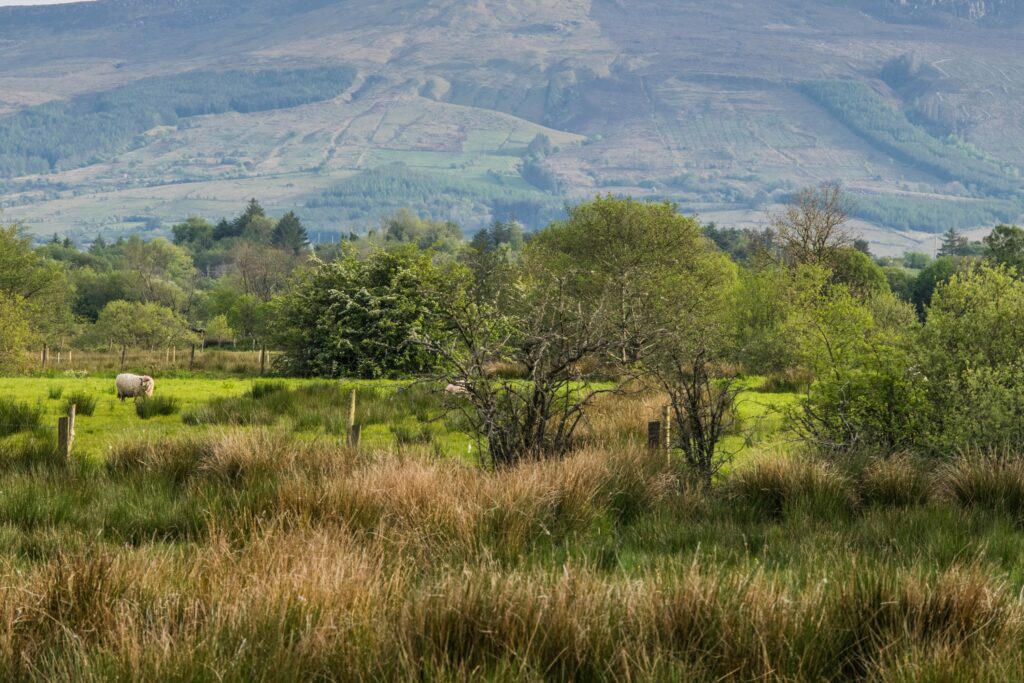
It is wild to realize that for most of Earth’s history, there were no trees at all. No forests, no shade, no wood, no leaves rustling in the wind – just a planet experimenting its way toward the world we recognize. Yet during that treeless time, Earth was anything but boring. Oceans boiled with strange life, continents crashed together, and disasters reset the planet again and again.
Once you see how much happened before the first true tree ever grew, our familiar world suddenly feels very fragile and very recent. The idea that forests, birds, and even soil rich with roots are “late arrivals” flips our sense of what is normal. Let’s walk back into that deep time and look at some of the most astonishing things that unfolded long before a single tree cast a shadow.
1. The Birth Of Earth Itself
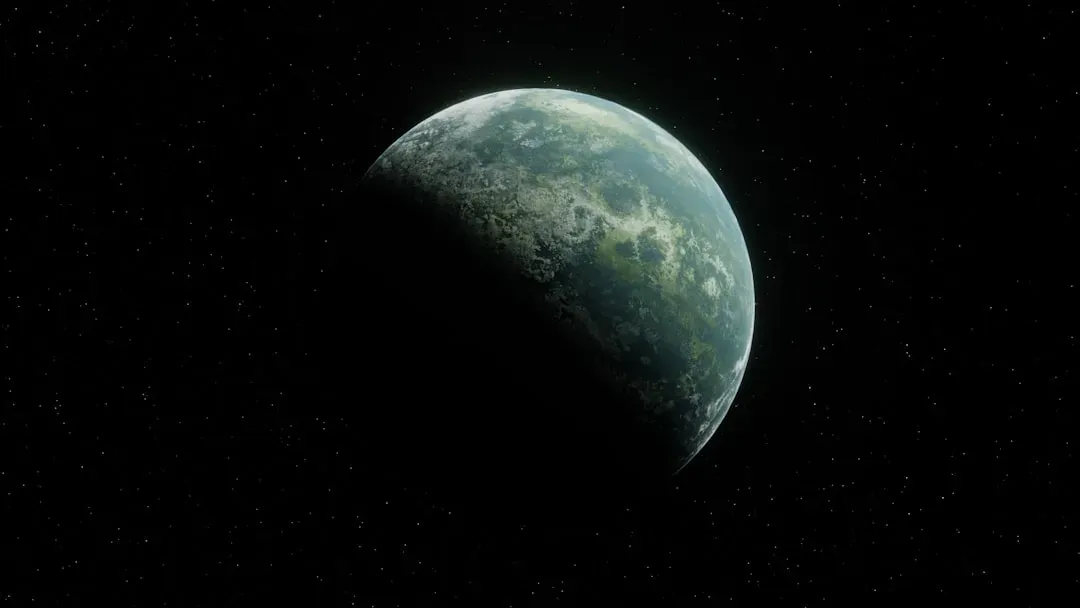
Long before there were forests, or even continents that looked anything like today’s, there was just chaos in space. Earth formed about four and a half billion years ago from a swirling disk of gas and dust around the young Sun, as tiny particles collided, stuck together, and eventually snowballed into a full-sized planet. In the earliest phase, our world was a molten, hellish ball, constantly battered by impacts large enough to melt rock.
Compared with that violent origin, the age of trees is almost like the last few minutes of a very long movie. Trees only appear in the fossil record a few hundred million years ago, so for most of Earth’s history the planet had no forests at all. I still remember the first time I saw that timeline in a museum; it felt a bit insulting, like someone had told me trees are a new fad. But it is a humbling reminder that what feels ancient to us is actually pretty recent on a planetary scale.
2. The Formation Of The Moon
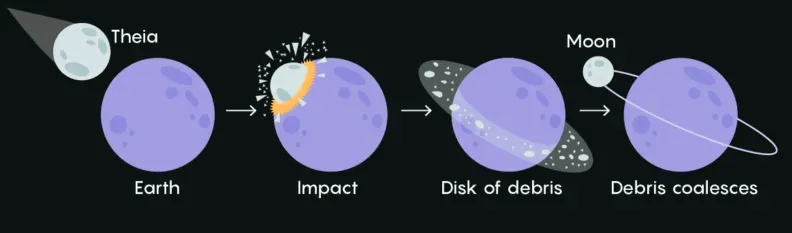
Before anything even vaguely tree-like appeared, Earth likely survived a collision so extreme it would have turned our entire civilization to vapor in seconds. The leading idea is that a Mars‑sized body slammed into the early Earth, blasting enormous amounts of rock into orbit, which gradually clumped together and became the Moon. That impact would have turned vast areas of Earth’s surface into a global magma ocean.
The Moon that came out of that disaster has shaped everything that followed, from the rhythm of tides to the stability of Earth’s tilt. Without it, our climate might have swung so wildly that complex life would struggle to get going, never mind forests. I sometimes think of the Moon as an old scar the planet made into a companion, a reminder that before any forested landscapes or shaded valleys, our world was forged in impacts and fire.
3. Oceans Forming And Rains That Lasted For Ages
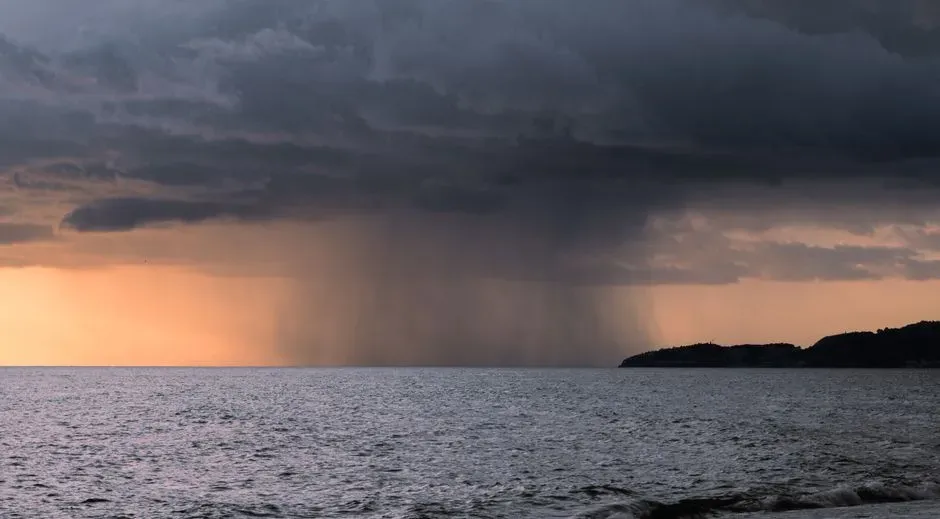
Imagine rain so relentless it falls for millions of years, turning a molten world into one wrapped in steaming seas. In Earth’s early history, water released from the interior and delivered by icy comets and asteroids condensed to form the first oceans. Those oceans came long, long before trees or even simple land plants, and for a huge span of time almost all life was confined to the water.
Without soils built by roots and decaying wood, the land would have been mostly bare rock and dust, with water rushing straight back to the sea. The oceans, by contrast, became laboratories for early chemistry and biology, letting simple molecules try out endless combinations. When I picture that time, I think of a planet wearing a blue cloak but with naked continents, like someone wearing boots and no socks – clearly not finished evolving its full outfit yet.
4. The First Life Appearing In A Microbial World
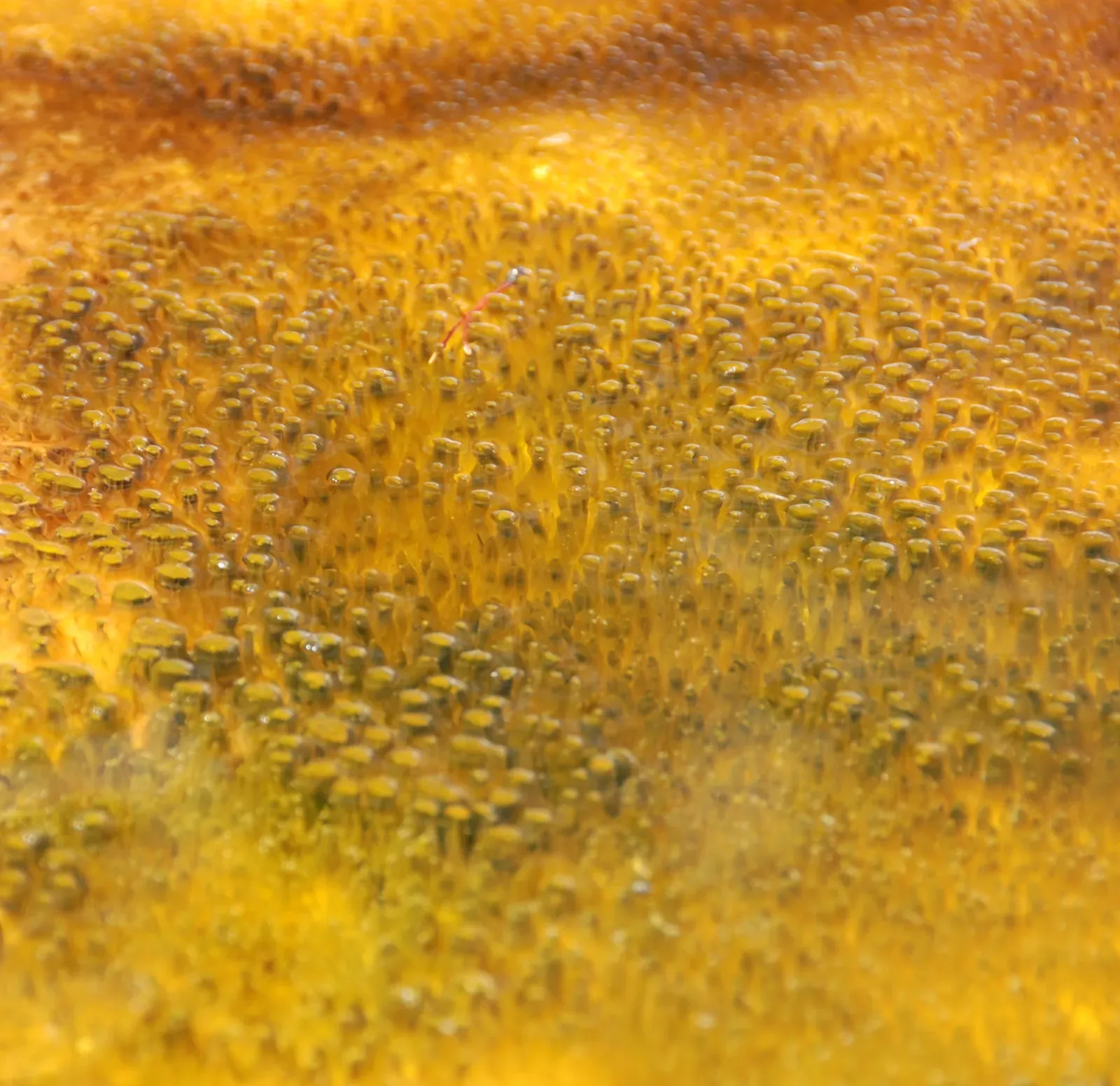
One of the most incredible things that happened before trees, or any visible plants, was the origin of life itself. The first life forms were microscopic, probably simple cells that fed on basic chemical reactions around hydrothermal vents or shallow pools. There were no leaves, no trunks, nothing you could see from across a field – just thin films and mats of microbes clinging to rocks and floating in water.
For billions of years, Earth was essentially a bacterial planet, ruled by organisms smaller than a grain of dust. That microbial empire built the foundation for everything that came later, including forests. It is a little embarrassing, in a way, that the smallest forms of life kept this planet running smoothly for so long before multicellular organisms like us even showed up. We like to think of trees as grand and dominant, but they grew out of a world already mastered by microbes.
5. Microbes Transforming The Atmosphere With Oxygen
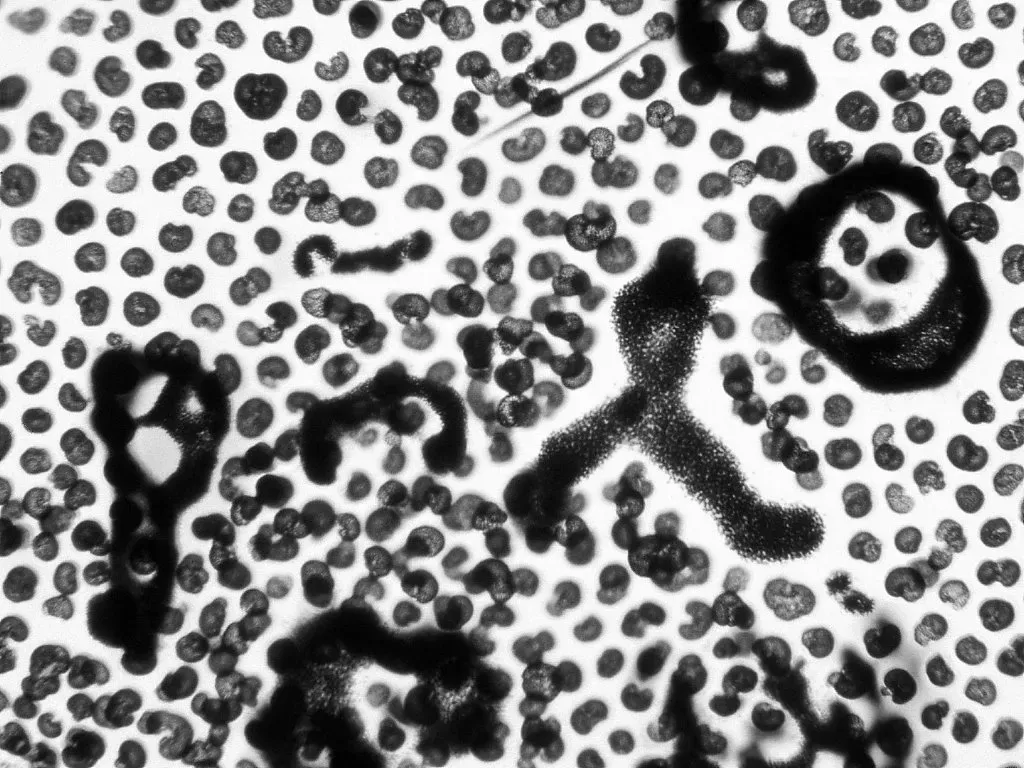
Before trees were around to breathe in carbon dioxide and release oxygen, tiny photosynthetic microbes were already at work rewriting the chemistry of the air. Early bacteria and later single‑celled algae used sunlight to split water and fix carbon, gradually releasing oxygen as a waste product. Over huge spans of time, this process filled the oceans and then the atmosphere with oxygen, turning a toxic sky into something that could eventually support animals and, much later, forests.
This oxygenation event was not gentle or harmless; for many organisms adapted to an oxygen‑free world, it was a catastrophe. Some scientists even compare it to a slow, planet‑scale poisoning from the perspective of those early microbes. The irony is hard to ignore: the gas that lets us and trees breathe today once counted as hazardous pollution. Long before forests took over carbon cycling on land, these microscopic pioneers had already performed one of the boldest planetary makeovers in history.
6. Supercontinents Forming, Breaking, And Drifting
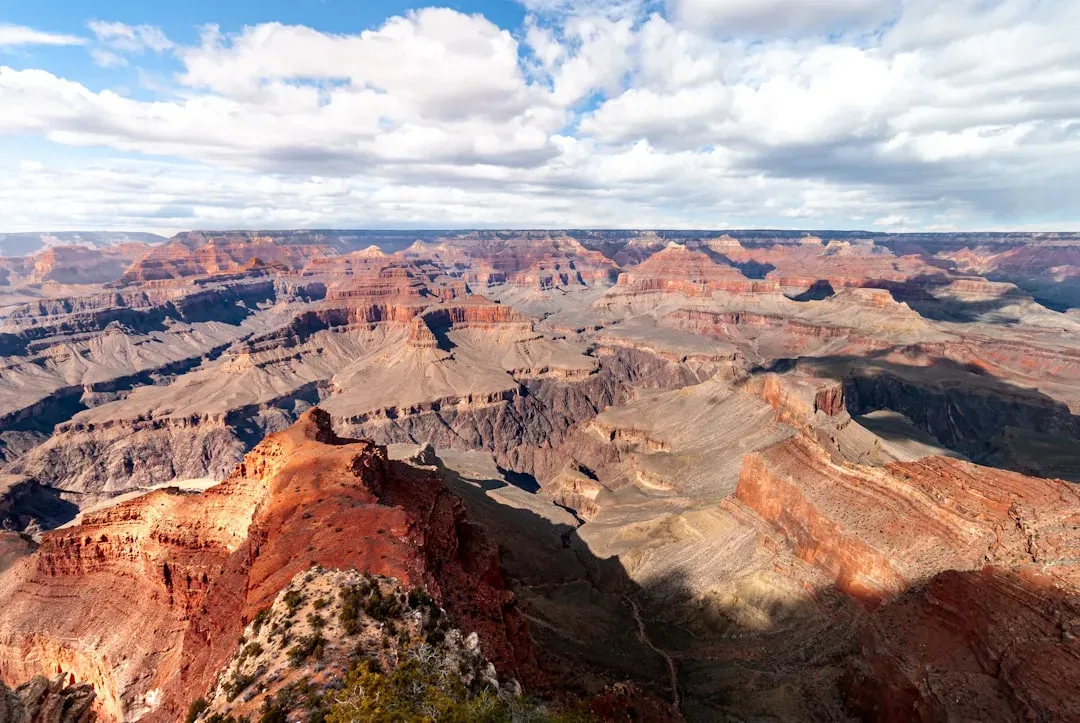
The idea that continents move like rafts on a slow, rocky sea feels strange until you realize it has been happening for billions of years. Long before trees anchored soil and stabilized riverbanks, Earth’s crust was already assembling and tearing apart huge supercontinents. Landmasses merged into giant clusters and then rifted, dragging coastlines and shallow seas to new latitudes and climates over immense stretches of time.
These shifts completely reshaped where life could thrive, even in eras when almost all life was marine. Volcanoes along collision zones belched gases into the air, influencing climate long before any forest could. When you hike across a modern mountain range and see ancient marine fossils high above sea level, you are seeing the scars of that restless motion. It is a reminder that forests, when they finally appeared, grew on a stage that had already been rearranged many times.
7. Global Glaciations: Possible “Snowball Earth” Episodes
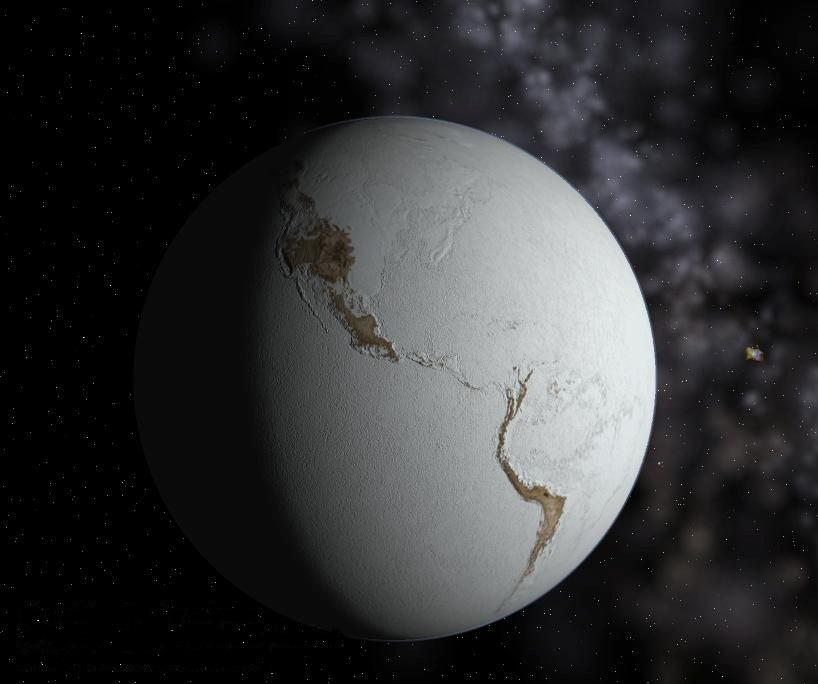
Before there were trees to darken the land and trap heat, Earth seems to have gone through extreme ice ages that may have frozen the planet almost from pole to pole. During these so‑called Snowball Earth episodes, ice likely reached near the equator, and the oceans may have been capped with thick frozen layers, leaving only narrow refuges where life could hang on. With no forests or complex land plants, there was little to stop ice from advancing across barren rock.
Escaping those deep freezes required enormous changes, such as volcanic carbon dioxide building up in the atmosphere until the planet warmed again. Whenever I read about these frozen ages, I picture future trees waiting in the wings of time, their ancestors not even invented yet. The fact that life survived such brutal conditions long before forests existed says a lot about its stubbornness. Trees are part of that resilience story, but they did not start it.
Long before squirrels leapt from branches or birds nested in canopies, the oceans hosted evolutionary experiments that seem almost alien to us. The so‑called Cambrian explosion saw a burst of new body plans in marine animals, from early arthropods and worms to bizarre creatures with spines, plates, and strange feeding appendages. None of this was happening in forests, because forests did not yet exist; it was all under water, in ecosystems that had not yet discovered wood or leaves.
8. The Cambrian Explosion Of Animal Diversity In The Oceans
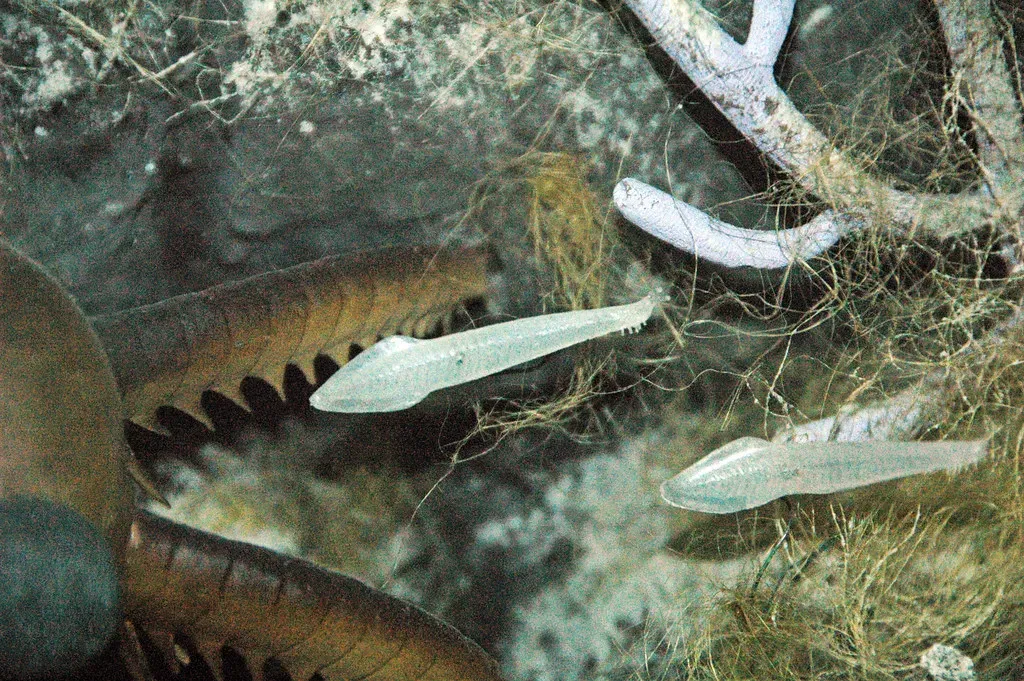
These early animals developed hard parts like shells and exoskeletons, which fossilized well and left a rich record of their sudden appearance. Predation took off as a major driver of evolution, triggering an arms race of defenses, mobility, and sensory tools. The seafloor became a crowded, competitive place where being slow or fragile could quickly spell extinction.
What fascinates me is that this revolutionary burst of complexity unfolded in a world without the kind of structured habitats trees later provide on land. No forest floors, no vertical layers of light and shadow, no woody trunks to climb or hide beneath. Complexity in the ocean did not wait for trees; in fact, by the time trees finally evolved, marine ecosystems had already been sophisticated for a very long time.
9. Early Land Colonization By Simple Plants And Fungi
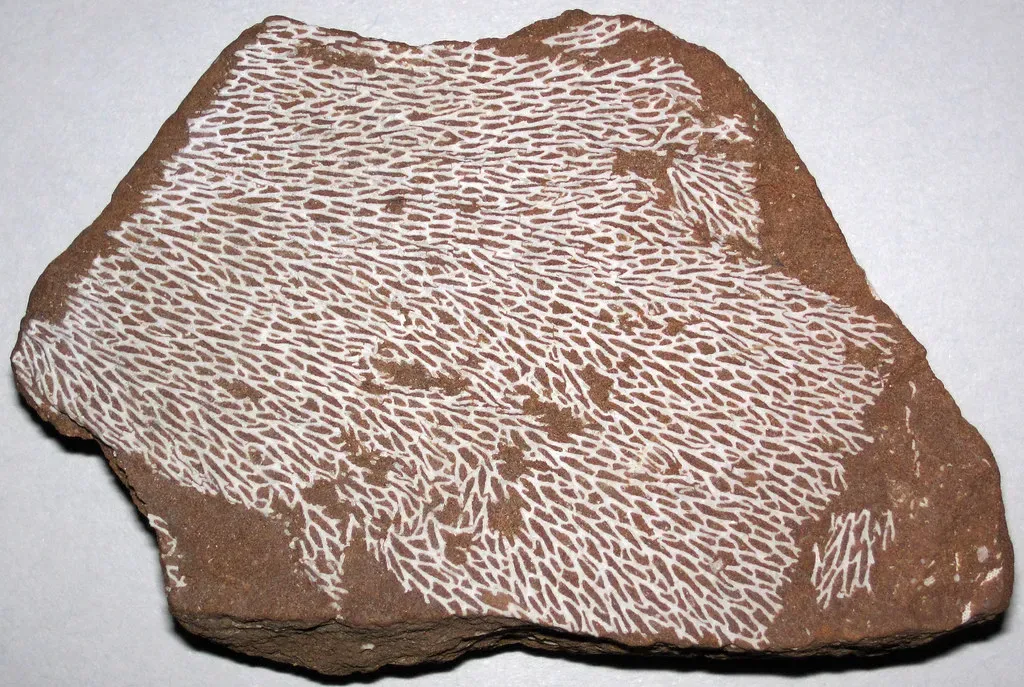
Before the rise of true trees, the first pioneers crept onto land in the form of simple plants and fungi. Think of low mats of moss‑like vegetation and networks of fungal threads working together to break down bare rock. These early colonizers began to create the first real soils, trapping dust, holding onto moisture, and slowly building a thin living skin on the continents.
Some of these early systems may have involved giant fungus‑like organisms that towered over the otherwise flat landscape, though their exact nature is still debated. Compared with today’s forests, it would have looked eerie and sparse, more like a planet decorating itself with experiments than a finished design. Without woody trunks, the land surface had no vertical complexity, yet the groundwork for future forests was being laid in every crumble of rock turned into soil. Trees later inherited a world these pioneers had already softened and enriched.
10. The First Forest‑Like Ecosystems Without True Trees
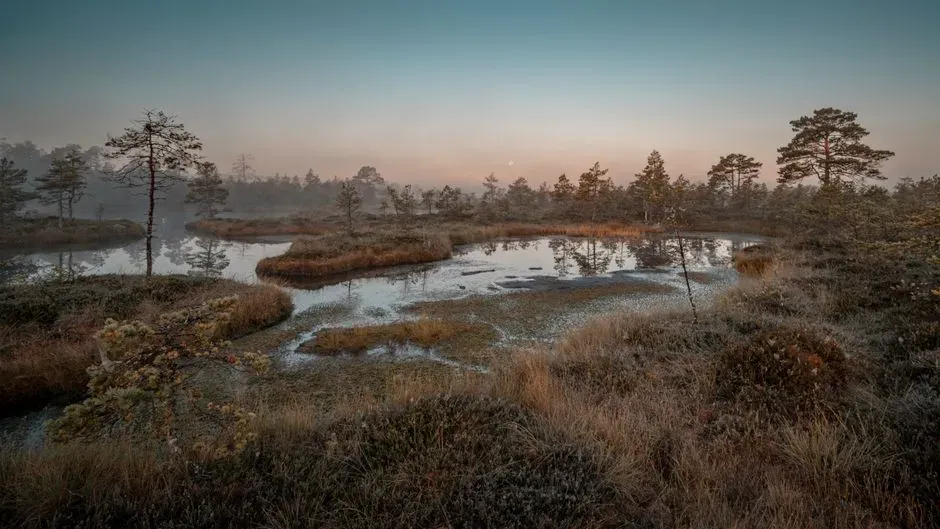
In the period just before true trees evolved, Earth hosted peculiar plant communities that were almost, but not quite, forests. Some early vascular plants grew taller than older moss‑like forms, building dense stands along riverbanks and wetlands. These thickets might have felt a bit like walking through an overgrown field of giant ferns or reeds, with more shade and structure than before, but still lacking the towering, woody trunks we associate with real forests.
These proto‑forests were crucial because they started to alter the carbon cycle and climate in new ways. By pulling carbon dioxide from the air and locking more organic matter into soils and sediments, they nudged the atmosphere closer to conditions that would favor large, woody plants. When true trees finally appeared, they did not spring into a vacuum; they stepped into ecosystems already reshaped by smaller, simpler pioneers. To me, that underdog story is one of the most surprising parts of deep time: forests were not a sudden revolution, but the result of a long, messy buildup.
Conclusion: Trees Are Latecomers To A Very Old Party
When you line up all these events, trees start to look less like ancient rulers and more like talented newcomers invited into a story that was already in full swing. Earth had formed, survived a colossal impact, built oceans, invented life, poisoned and remade its own atmosphere, shuffled continents, frozen itself nearly solid, and filled the seas with complex animals, all before a single true tree came into being. Forests are gorgeous, powerful systems, but they rest on foundations laid by microbes, fungi, and strange early plants that rarely get any credit.
My own bias is that we tend to romanticize forests because we live in and around them, but deep time makes that sentiment feel very small. Trees are important, but they are not the main character of Earth’s story; they are one remarkable chapter layered onto a planet that was already dramatic, dangerous, and astonishing without them. Remembering that helps put our own place in perspective: if trees can be such recent arrivals, so can we. When you walk under a canopy of leaves next time, will you picture the frozen oceans, fiery impacts, and microbial mats that came first, quietly making that shade possible?