
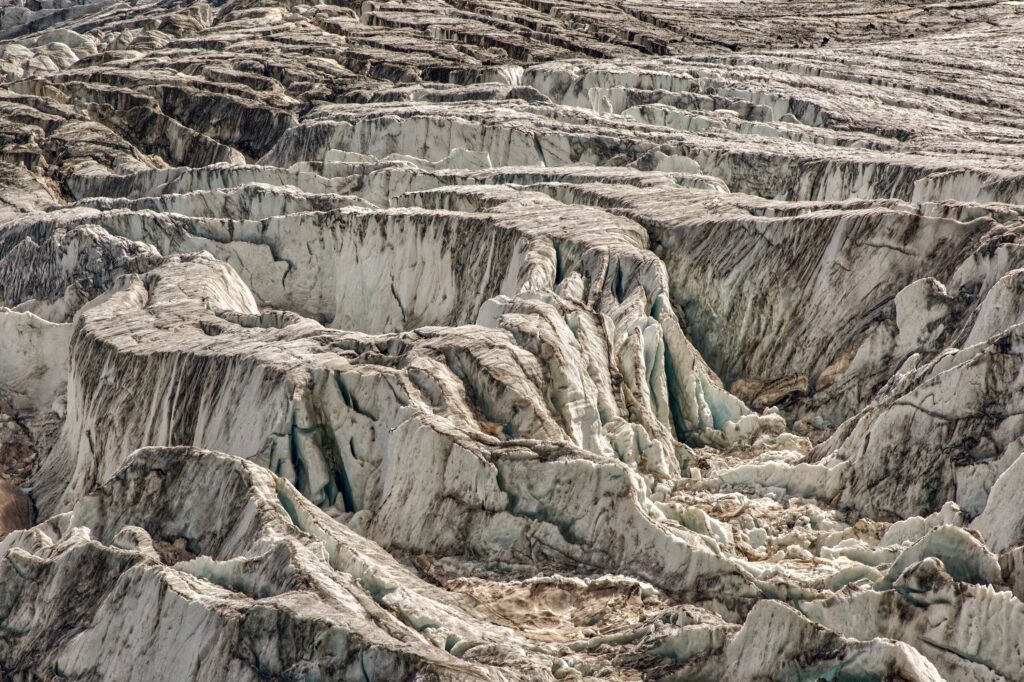
Every so often, the Ice Age reaches out a frozen hand and drops something at our feet that rewrites what we thought we knew. A baby mammoth with intact eyelashes, a Neanderthal campsite frozen in time, pollen grains locked in lake mud like tiny time capsules – these finds are not just cool trivia; they shake the foundations of geology, climate science, and even how we see ourselves as humans.
What makes Ice Age discoveries so addictive is the feeling that the past is not really gone, just paused. As glaciers retreated, peat bogs were drained, and permafrost thawed, science suddenly had access to a global archive that had been sealed for tens of thousands of years. Let’s walk through eight discoveries that did not just make headlines – they forced scientists to change the story of Earth, climate, and human evolution.
1. Mammoth Carcasses in Siberian Permafrost and the Birth of Deep-Time Thinking
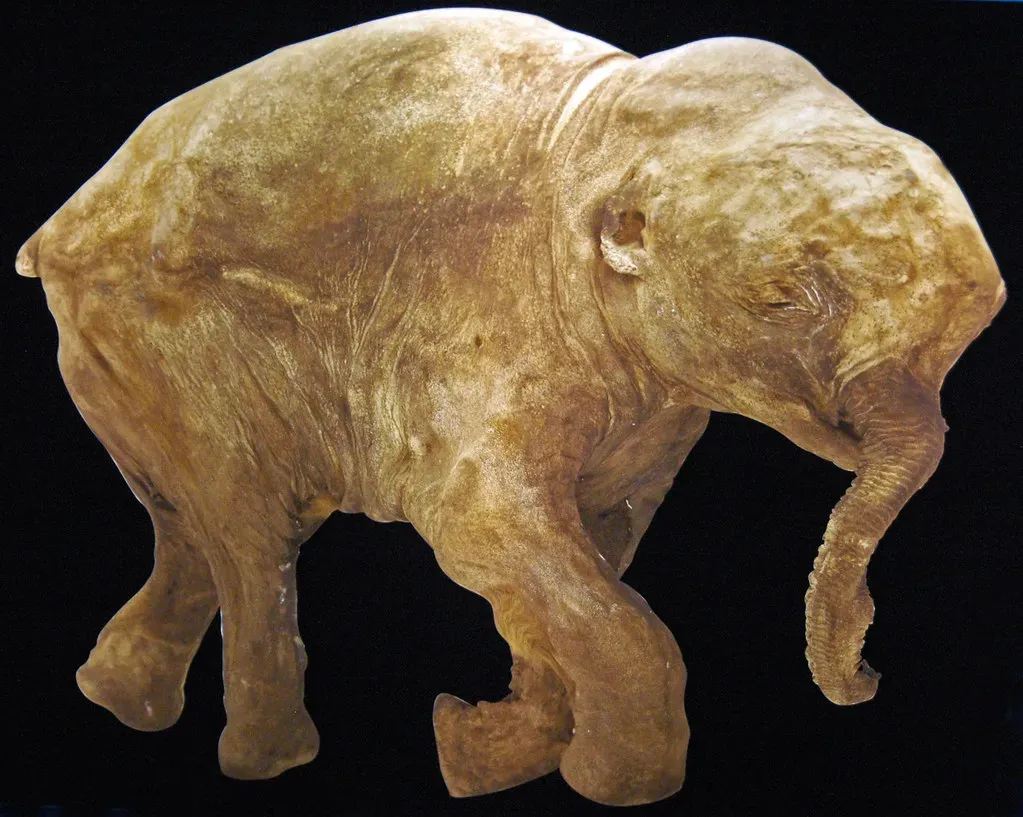
Imagine walking across a frozen riverbank and seeing the leg of an animal sticking out of the ice, with flesh still on the bone – from a creature that died thousands of years ago. That is exactly what early explorers in Siberia ran into when they found mammoth carcasses preserved in permafrost, complete with skin, hair, and even stomach contents. These were not dusty fossils in rock; they were eerily fresh bodies that seemed to mock the idea that the world had always looked like it does now.
Those discoveries cracked open the door to what scientists now call “deep time.” Finding fully preserved mammoths forced naturalists to ask how such giant animals could live in places that were now brutally cold, and why they no longer existed. Over time, that line of questioning led to the realization that Earth’s climate and ecosystems had changed dramatically, that extinction was real, and that the planet had a much longer, more chaotic history than anyone had imagined. In a way, every climate graph and timeline of ancient Earth owes a quiet debt to those frozen mammoth carcasses.
2. Scandinavian and Alpine Glaciers: Proving That Ice Once Ruled the Continents
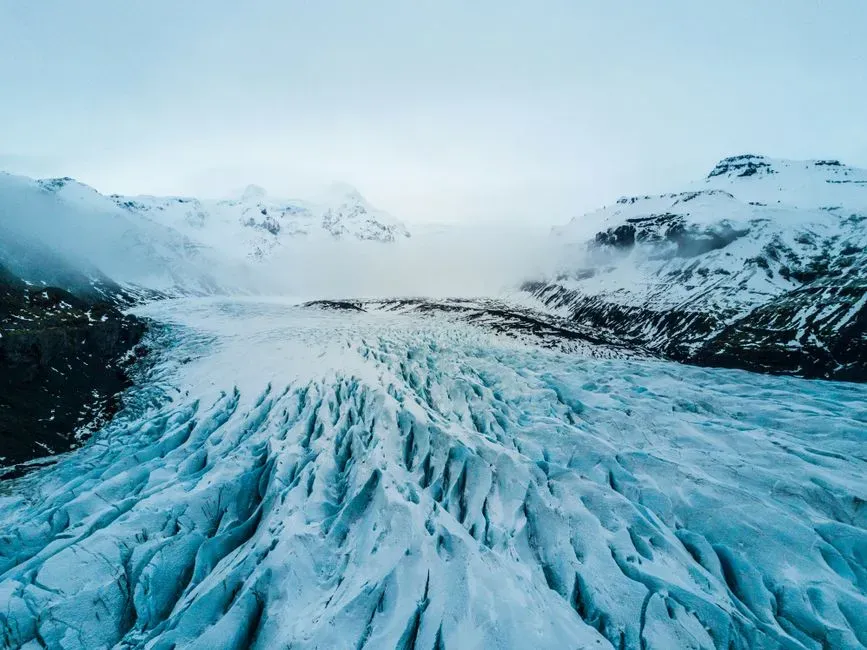
It is hard to believe now, but there was a time when the idea that giant ice sheets once covered much of Europe and North America sounded almost ridiculous. The turning point came when geologists began noticing the same strange signatures in different places: valleys carved into U-shapes, huge boulders sitting where no local rock matched them, and polished bedrock scratched with long parallel grooves. These features in the Alps and across Scandinavia revealed that only moving ice, miles thick, could have sculpted the land like that.
Those early glacial studies did more than just explain pretty landscapes; they proved that vast ice sheets had once covered continents, then retreated. This was a radical shift in thinking. It showed that Earth’s surface was not fixed but constantly reshaped by powerful natural forces over long periods. That insight laid the groundwork for modern geomorphology and gave us the first truly global picture of the Ice Age, from the Great Lakes basin to the fjords of Norway. Once you see the planet as glacially remodelled, you never look at a valley or a boulder field the same way again.
3. Deep-Sea Sediment Cores and the Discovery of Rhythmic Ice Ages
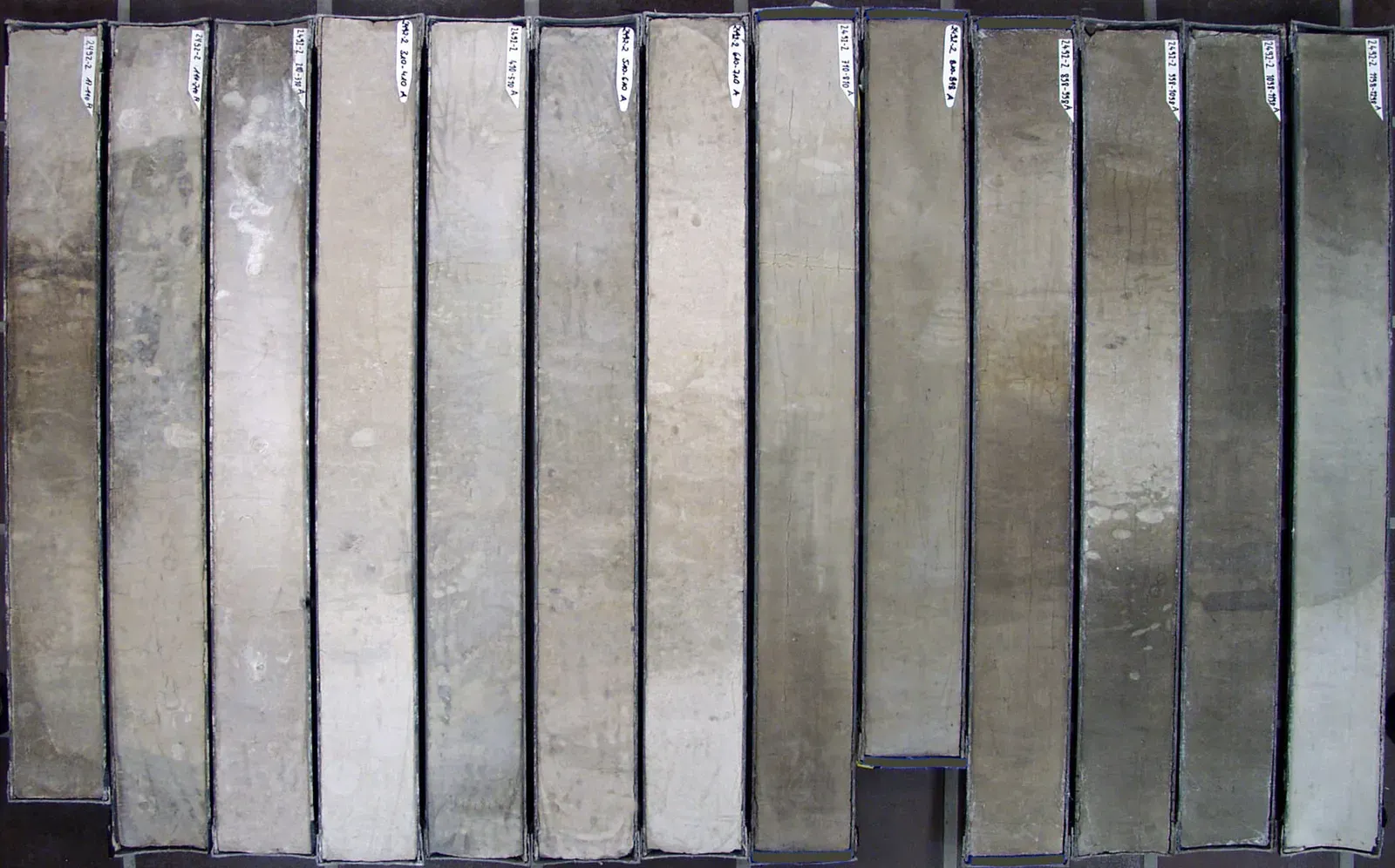
On board research ships in the middle of the ocean, scientists started pulling up long cylinders of mud from the sea floor that turned out to be some of the most important climate records ever found. Layer by layer, these cores preserved microscopic shells and tiny chemical fingerprints of past ocean temperatures. When researchers began to analyze them carefully, a startling pattern emerged: Ice Ages did not come and go randomly. They followed a repeating rhythm tied to subtle changes in Earth’s orbit and tilt.
This discovery transformed Ice Age research from a story of one weird cold period into a precise, mathematically grounded science. The link between orbital cycles and glacial periods showed that climate responds to predictable, long-term changes in the way Earth moves around the Sun, amplified by feedbacks like ice reflectivity and greenhouse gases. Suddenly, scientists could line up Ice Age advances and retreats with celestial mechanics and build detailed, quantitative timelines stretching back hundreds of thousands of years. In modern climate science, those same cores are still the gold standard for understanding how sensitive the Earth system really is.
4. Ice Cores from Greenland and Antarctica: Trapped Air from Ancient Atmospheres
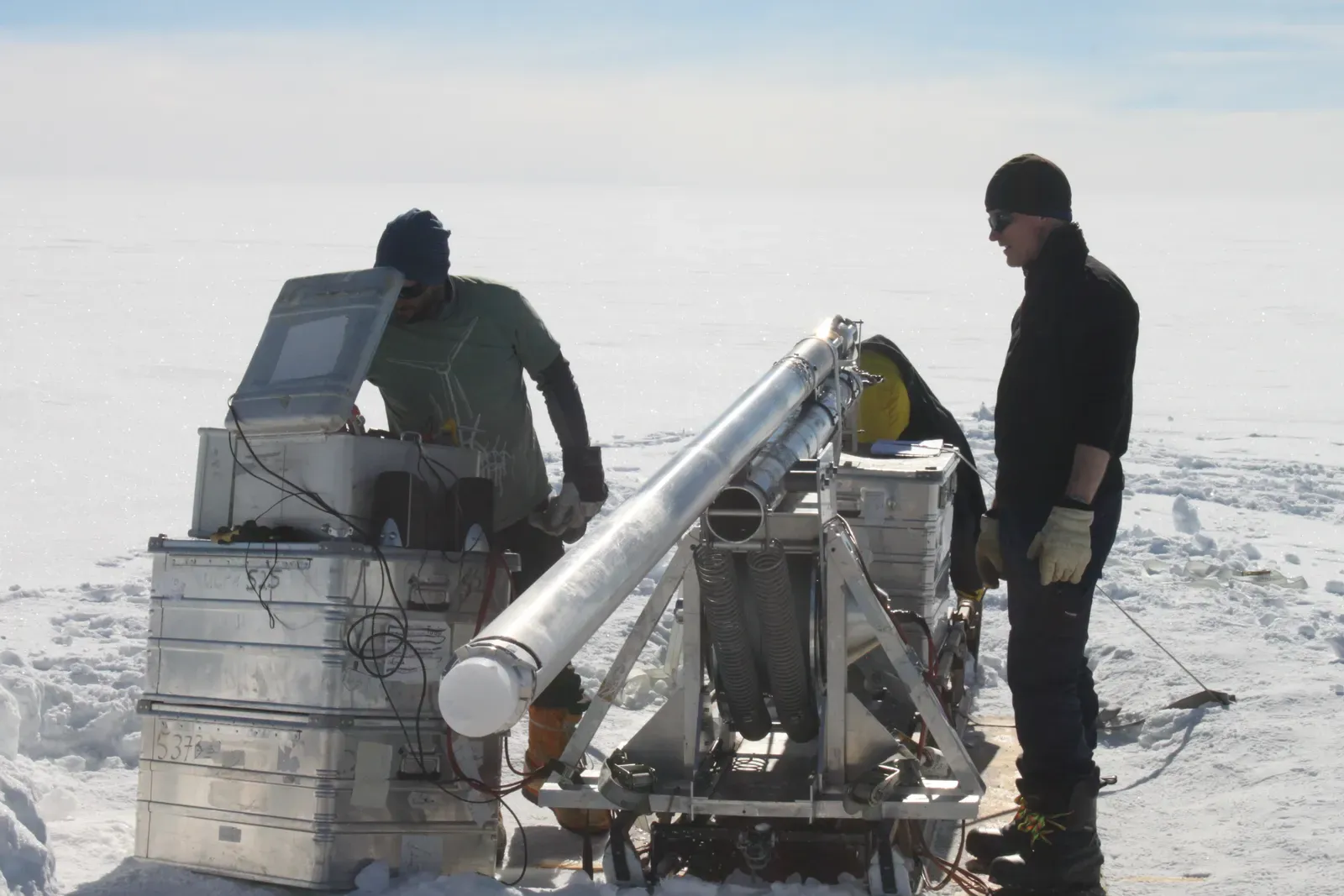
If deep-sea mud is like a blurry climate diary, Ice Age ice cores are the high-resolution, full-color edition. When drill teams in Greenland and Antarctica extracted cylinders of ice more than two miles long, they uncovered a direct archive of past atmospheres. Each annual snow layer trapped tiny bubbles of air as it compacted into ice. Analyzing those bubbles let scientists actually measure ancient concentrations of carbon dioxide, methane, and other gases, not just guess them.
The results were both elegant and unsettling. Ice cores showed that greenhouse gas levels and global temperatures rose and fell together over multiple glacial cycles, revealing a tight, repeatable link between the atmosphere and climate. They also revealed sudden climate jumps, where temperatures in some regions spiked in just decades, not millennia. That finding shattered the comforting myth that climate change is always slow and gave modern society a harsh reality check: large, rapid shifts are part of Earth’s playbook, and human emissions are now pushing those same gas concentrations far beyond Ice Age highs.
5. Cave Art and Portable Art from Ice Age Europe: Rethinking What “Modern” Humans Are
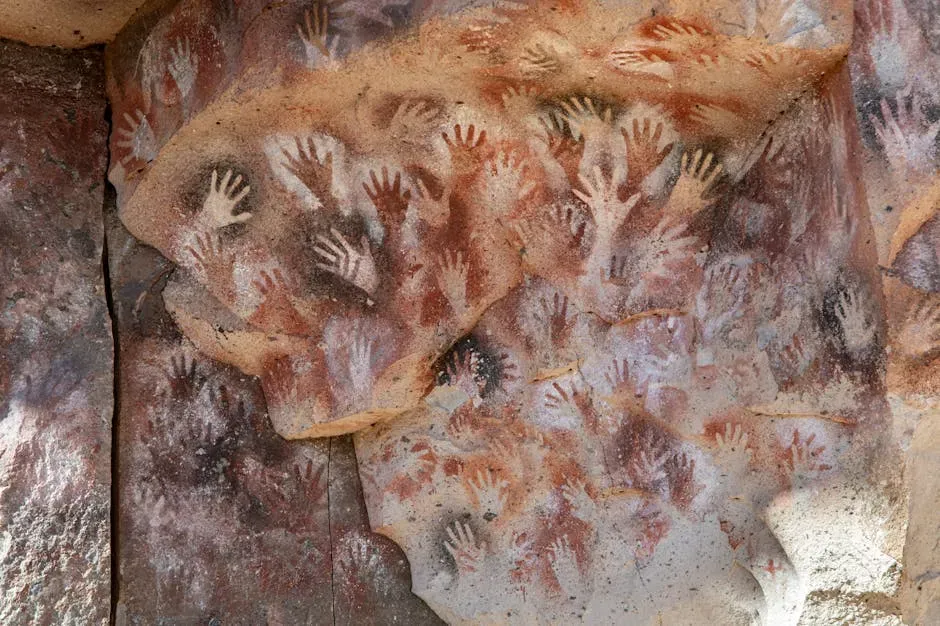
Walk into a dark cave like Lascaux or Chauvet in France, or Altamira in Spain, and stand in front of the paintings left there by Ice Age people. Horses with flowing manes, bison in motion, hand stencils and geometric patterns – the walls feel more like a contemporary art gallery than something from tens of thousands of years ago. These images shattered the stereotype of our Ice Age ancestors as dull, purely survival-focused beings. They were clearly creative, symbolic, and emotionally complex.
The sophistication of Ice Age art forced scientists to update their models of human cognition. It suggested that symbolic thinking, storytelling, and perhaps even spiritual beliefs were already deeply rooted by the time these groups spread across Europe. Small carved figurines, carefully shaped tools, and decorative objects all point to societies that valued identity, beauty, and group belonging. Personally, I find these artworks more powerful than any genetic study, because they hit you in the gut: the people who made them were not “primitive.” They were us, in a colder world.
6. Neanderthal DNA and the End of the “Brutish Caveman” Myth
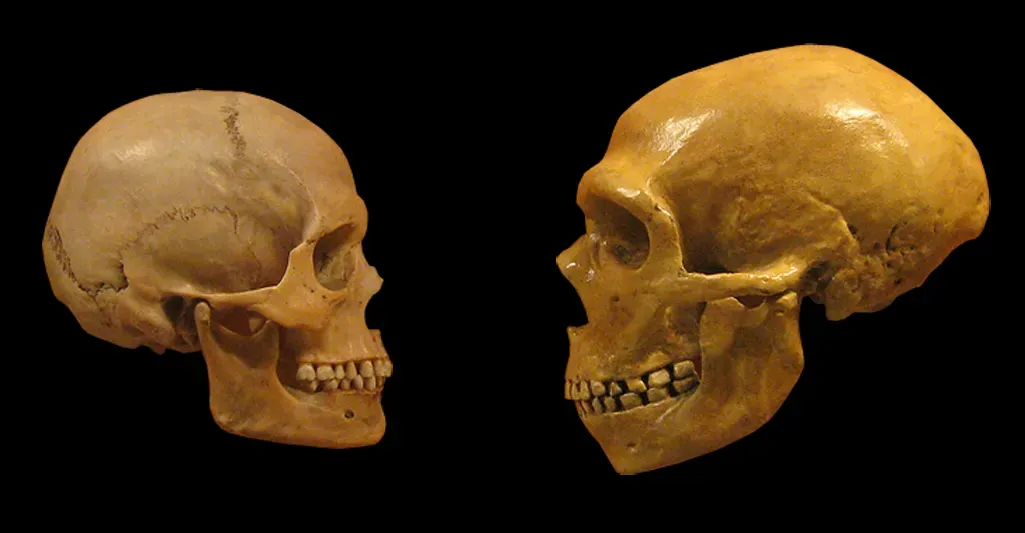
For a long time, Neanderthals were painted as the clumsy, doomed cousins of modern humans, destined to be outsmarted into extinction during the Ice Age. That caricature began to crumble when scientists extracted and sequenced Neanderthal DNA from Ice Age bones. The shocking twist was that many modern humans, especially outside Africa, still carry small fragments of Neanderthal ancestry in their genomes. In other words, our lineages did not just replace Neanderthals; they interbred.
This genetic discovery forced a complete reframe of what it means to be “human” during the Ice Age. Neanderthals were not a failed side branch but part of a messy, intertwined story of multiple human populations interacting, adapting, and in some cases merging. Evidence of complex Neanderthal behavior, from tool use to possible care for the injured, adds to this picture. To me, the biggest shift here is emotional: realizing that the Ice Age was not a simple contest between “us” and “them,” but a shared world where our ancestors were already mixing and exchanging genes, ideas, and survival strategies.
7. Megafaunal Extinctions and the Human–Climate Double Punch
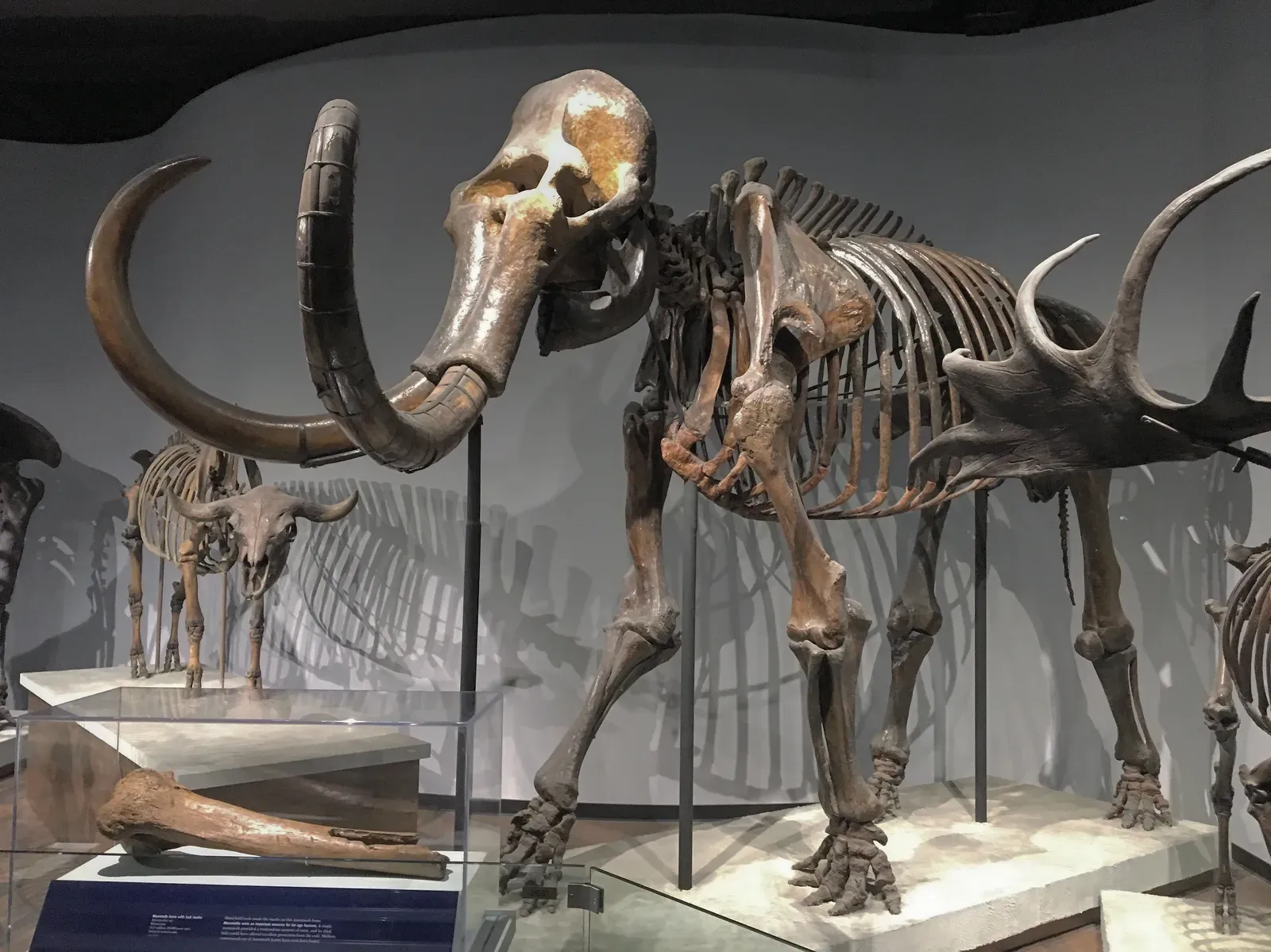
When scientists looked closely at the fossil record of the late Ice Age, they noticed a sobering pattern: enormous animals disappeared in a wave-like pattern across different continents. Mammoths, giant ground sloths, saber-toothed cats, woolly rhinos, and many more vanished over a relatively short geological window. Untangling why that happened turned into one of the biggest debates in paleontology, and it is still not completely settled. What has become increasingly clear is that both rapid climate changes and expanding human populations played crucial roles.
That realization matters far beyond nostalgia for lost giants. It shows that even small human populations, armed with Ice Age technology, could dramatically reshape ecosystems when combined with natural climate stress. That combination of warming and human pressure feels uncomfortably familiar today. Studying these extinctions has given ecologists a stark warning: large, slow-breeding animals are especially vulnerable when habitats change quickly and hunting or habitat disruption ramps up. The late Ice Age is not just history; it is a preview of what can happen when climate and humans push together.
8. Ice Age Migration Routes and the Story of How Humans Colonized the Planet
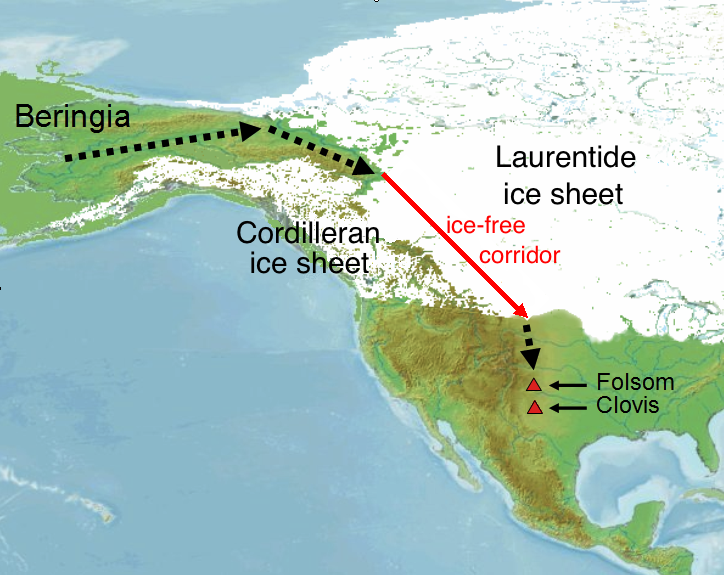
One of the most fascinating Ice Age puzzles has been how and when humans spread into new continents under such harsh conditions. Discoveries of ancient tools, camp sites, and bones, combined with genetic studies, have mapped out surprising migration routes. Humans moved along exposed coastal shelves when sea levels were lower, crossed land bridges, and navigated corridors between ice sheets. Some of these paths were open only briefly in geological terms, like fleeting doors in a frozen maze.
These findings rewrote old, neat theories of a single migration event or a single route. Instead, the story is now one of multiple waves, pauses, back-and-forth movements, and local adaptations to wildly different Ice Age environments. For me, that complexity is deeply inspiring. It shows that our species has always pushed into the unknown, whether that meant surviving in mammoth steppe, dense Ice Age forests, or near-glacial coasts. Understanding those journeys is not just academic; it sharpens how we think about resilience, mobility, and belonging in a world that is once again changing fast.
Conclusion: The Ice Age Is Not Just the Past – It Is Our Mirror
When you put these discoveries side by side, a clear picture emerges: the Ice Age is not a remote, frozen chapter; it is the testing ground where our planet, our climate, and our species were forged. Frozen mammoths, deep-sea mud, ancient DNA, and cave art all converge on the same message: Earth can change dramatically, life can adapt in surprising ways, and humans are both remarkably resilient and alarmingly impactful. I think the most unsettling part is how familiar some of those patterns feel in the twenty-first century.
My own take is that we have treated Ice Age research for too long as a curiosity cabinet rather than a manual. These discoveries are not just about what happened then; they are about what is possible now. They show that climate can flip, that ecosystems can unravel, and that human choices echo for thousands of years. The uncomfortable but empowering question is this: knowing what the Ice Age is trying so hard to teach us, what story do we want future scientists to read in the layers we are leaving behind?