
Most people assume Hollywood’s gentle, long-necked giant is basically a walking encyclopedia entry – accurate, harmless, and scientifically airtight. It isn’t.
From the moment Steven Spielberg’s *Jurassic Park* team built their signature sauropod, the film industry has been quietly recycling outdated 1980s and 90s paleontology, and in one case, leaning on an entirely different animal altogether. Paleontologists have spent decades trying to correct the record, but the movie version stuck around because it looked incredible on screen. Here’s what actual dinosaur researchers say really happened, starting with a mix-up that’s been hiding in plain sight for over 30 years.
#9 – The Movie “Brachiosaurus” Isn’t Even Brachiosaurus
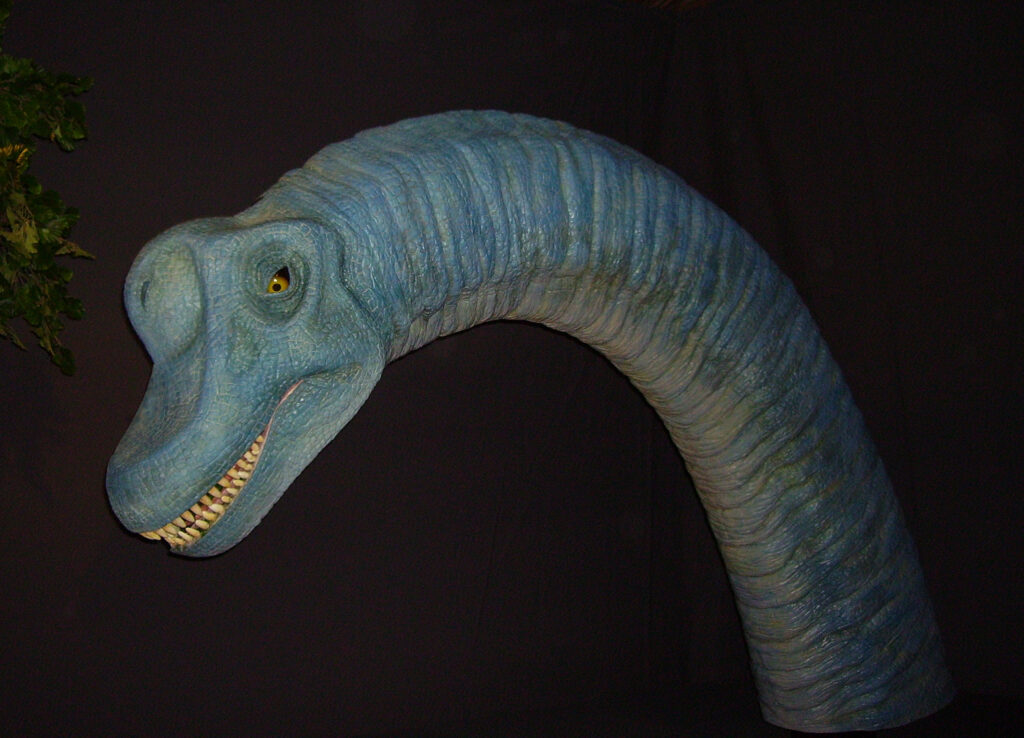
Here’s the twist nobody saw coming: the iconic sauropod from the original Jurassic Park isn’t technically Brachiosaurus at all. It’s actually modeled after Giraffatitan, an animal that was once classified as an African species of Brachiosaurus (Brachiosaurus brancai).
At the time the film was made, scientists lumped the two together because they believed Africa and North America were still connected during the Jurassic, letting one genus roam both continents. That theory collapsed. The African species is now its own genus, Giraffatitan, and even the skull used in the films gives the swap away – a tall, dome-shaped skull with a nasal crest above the eyes, a feature the real North American Brachiosaurus never had. The movie giant is basically a case of dinosaur mistaken identity that’s been running for over 30 years.
Quick Compare
- Brachiosaurus altithorax: Named in 1903 by paleontologist Elmer S. Riggs from fossils unearthed in western Colorado, USA
- Giraffatitan brancai: Described in 1914 by German paleontologist Werner Janensch from Tanzania’s Tendaguru Formation
- Split into separate genera: Officially confirmed in 2009 after fresh anatomical analysis
- Tell-tale difference: Brachiosaurus has larger vertebrae and a longer, taller tail than its African look-alike
#8 – The Nostrils Were Never a Snorkel
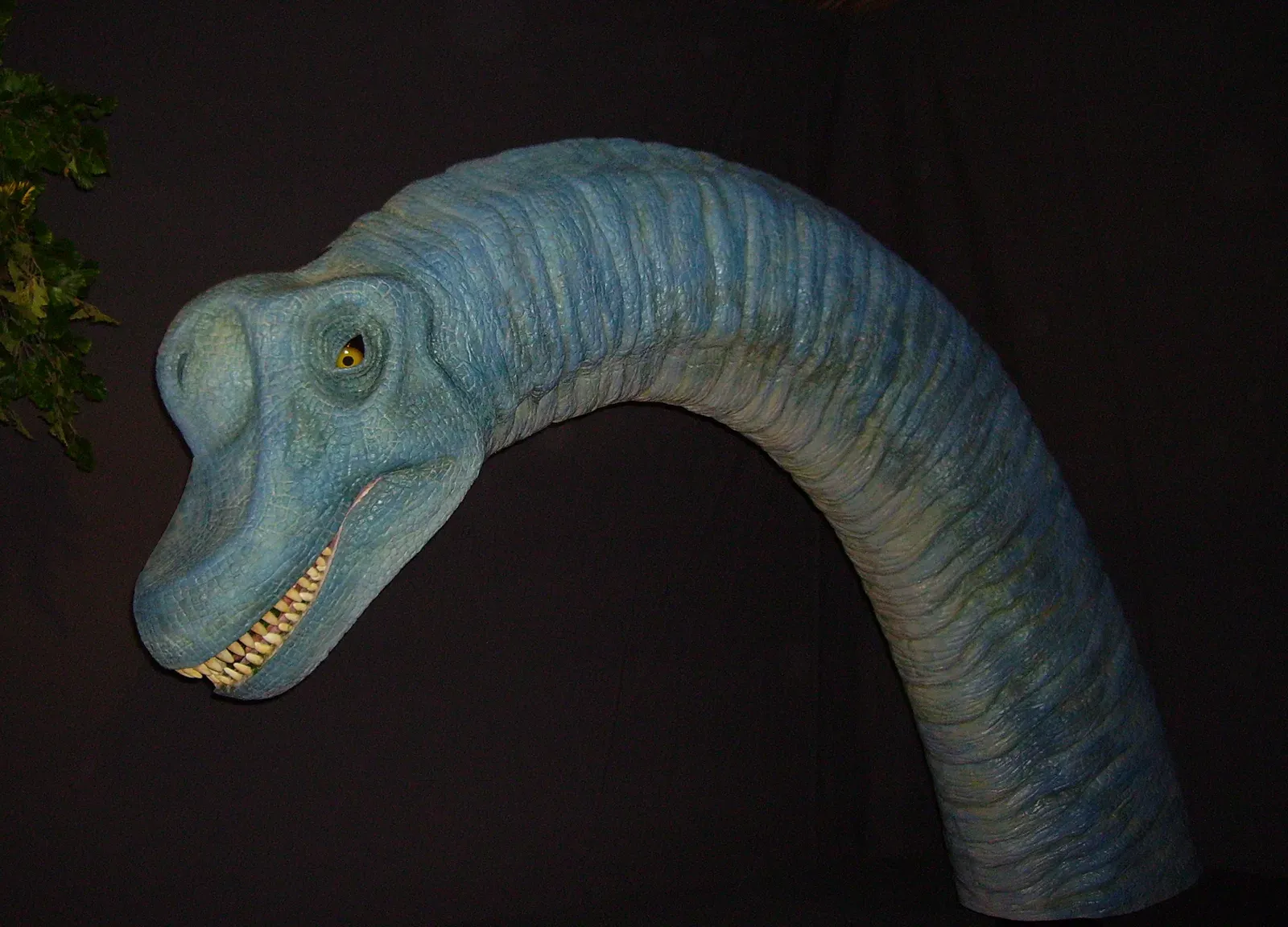
For decades, artists drew Brachiosaurus wading neck-deep in swamps, breathing through nostrils perched on top of its skull like a submarine periscope. It’s a striking image. It’s also completely wrong.
Scientists once believed Brachiosaurus lived mostly submerged, figuring an animal this large would need water to support its weight, with those top-of-skull nostrils acting like a snorkel. Basic physics killed that idea. At any real depth, water pressure on the chest would have made it impossible to draw breath at all, snorkel or not. The skeleton backs this up too – air-sac-filled bones that would have made it dangerously buoyant, limbs too narrow to push through deep mud, and a chest shape that simply couldn’t sustain underwater breathing. This dinosaur was strictly a land animal, full stop.
#7 – Nobody Actually Knows What It Sounded Like
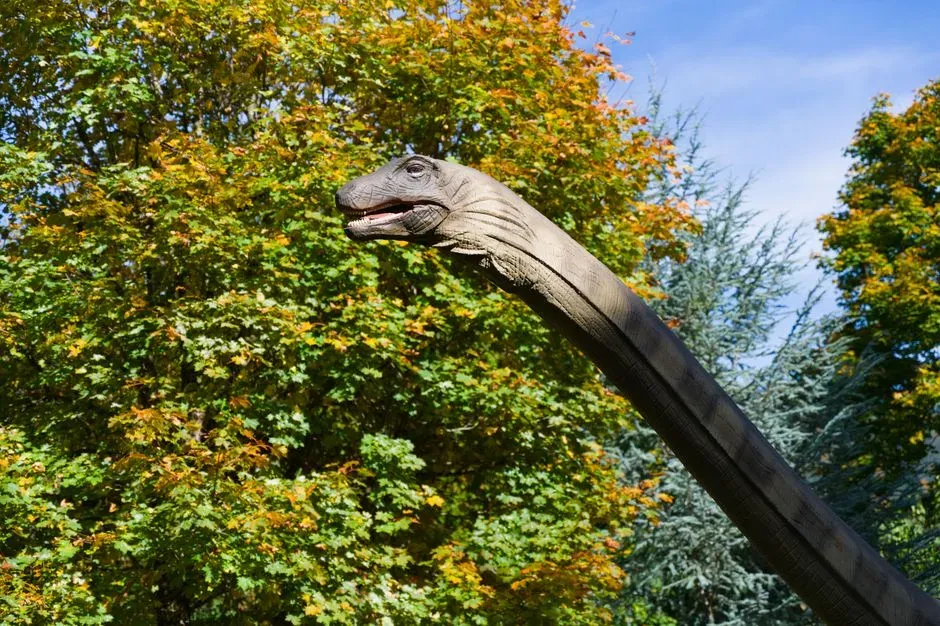
Every movie Brachiosaurus makes the same low, resonant bellow – usually recycled elephant or whale audio layered with synthetic bass. It sounds majestic. It’s also a guess dressed up as fact.
Researchers don’t have a recording booth from 150 million years ago. What they do have is skull anatomy, and it’s genuinely strange. Large nasal openings sit close to the eyes, and that hollow space may have worked as a resonating chamber for sound, or as a way to cool the brain – “may have” doing a lot of heavy lifting there. Some scientists lean toward a warning-system theory instead, suggesting a soft tissue chamber over the nostrils could have amplified alarm calls rather than casual chatter. The movie roar could be way off, way too dramatic, or accidentally close – nobody can prove it either way.
#6 – That Famous Rearing-Up Scene Is a Fantasy
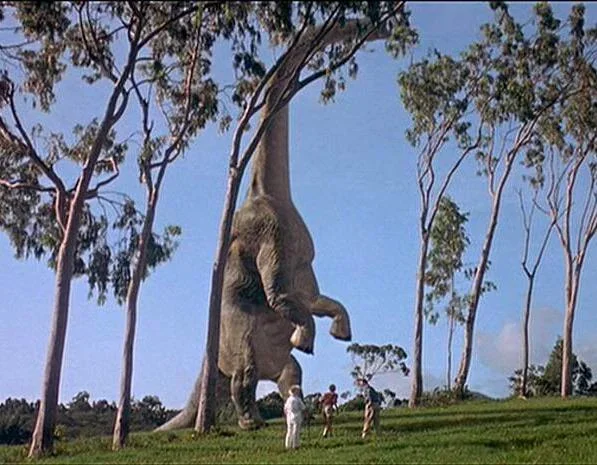
The tree-stripping scene where a towering sauropod rises onto its hind legs to reach the canopy is one of the most replayed dinosaur moments in film history. It’s also biomechanically absurd for an animal built like this.
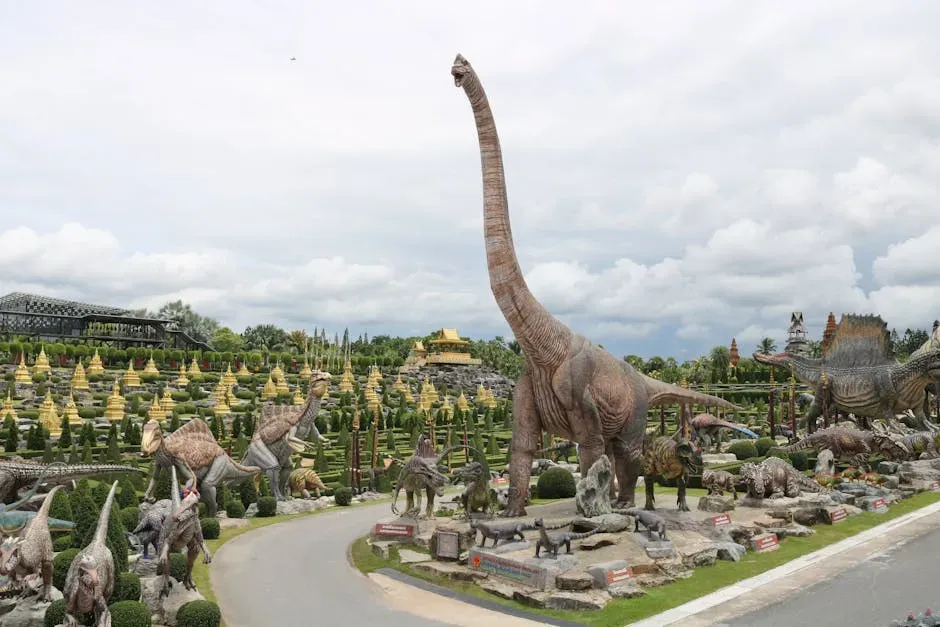
Brachiosaurus never needed that stunt in the first place. Its forelimbs were longer than its rear limbs, tilting its back downward from shoulders to hips in a posture closer to a modern giraffe – a build perfectly suited to browsing foliage up to ten meters high without lifting a foot off the ground. A multi-ton body with a front-heavy torso, tiny hands, and no flexible tail for balance simply wasn’t engineered to teeter upright like a circus elephant. The dramatic pose looks incredible, but it’s essentially inventing a problem the animal never had.
#5 – The Neck Wasn’t Held Like a Swan’s
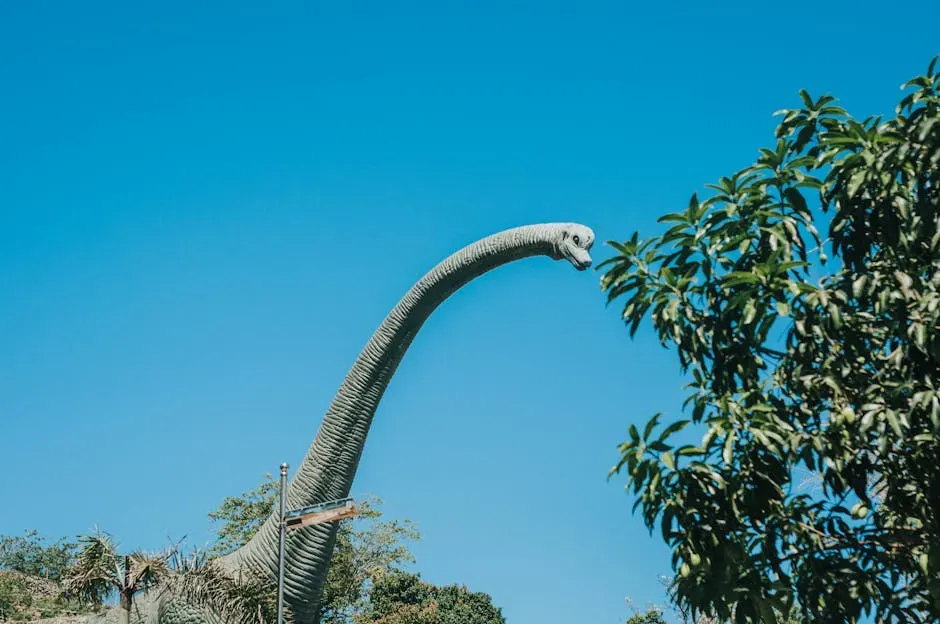
Movies love the vertical, S-curved neck posture – head held high, surveying the treetops like a periscope. Newer research says that’s probably fantasy too.
Computer modeling now suggests Brachiosaurus likely carried its neck at closer to a 45 to 60 degree angle, a far cry from the ramrod-straight, giraffe-mimicking pose Hollywood loves to animate. The reasoning comes down to basic cardiovascular limits – pumping blood ten-plus meters straight up to the brain would demand an almost impossibly powerful heart. A more moderate, forward-leaning carriage was far more efficient, and far less likely to leave the animal blacking out every time it lifted its head. A slightly slouched, out-front neck angle isn’t as cinematic, but it’s far more plausible physiology.
Worth Knowing
- Forelimbs longer than hindlimbs already tilted the trunk downward toward the hips
- An upright, swan-like neck would have required extreme blood pressure just to keep the brain oxygenated
- A forward-leaning carriage still reached plenty of high foliage without the cardiovascular strain
- The shorter-than-average sauropod tail offered little counterbalance for an upright head position
#4 – It Wasn’t Even Close to the Biggest Dinosaur
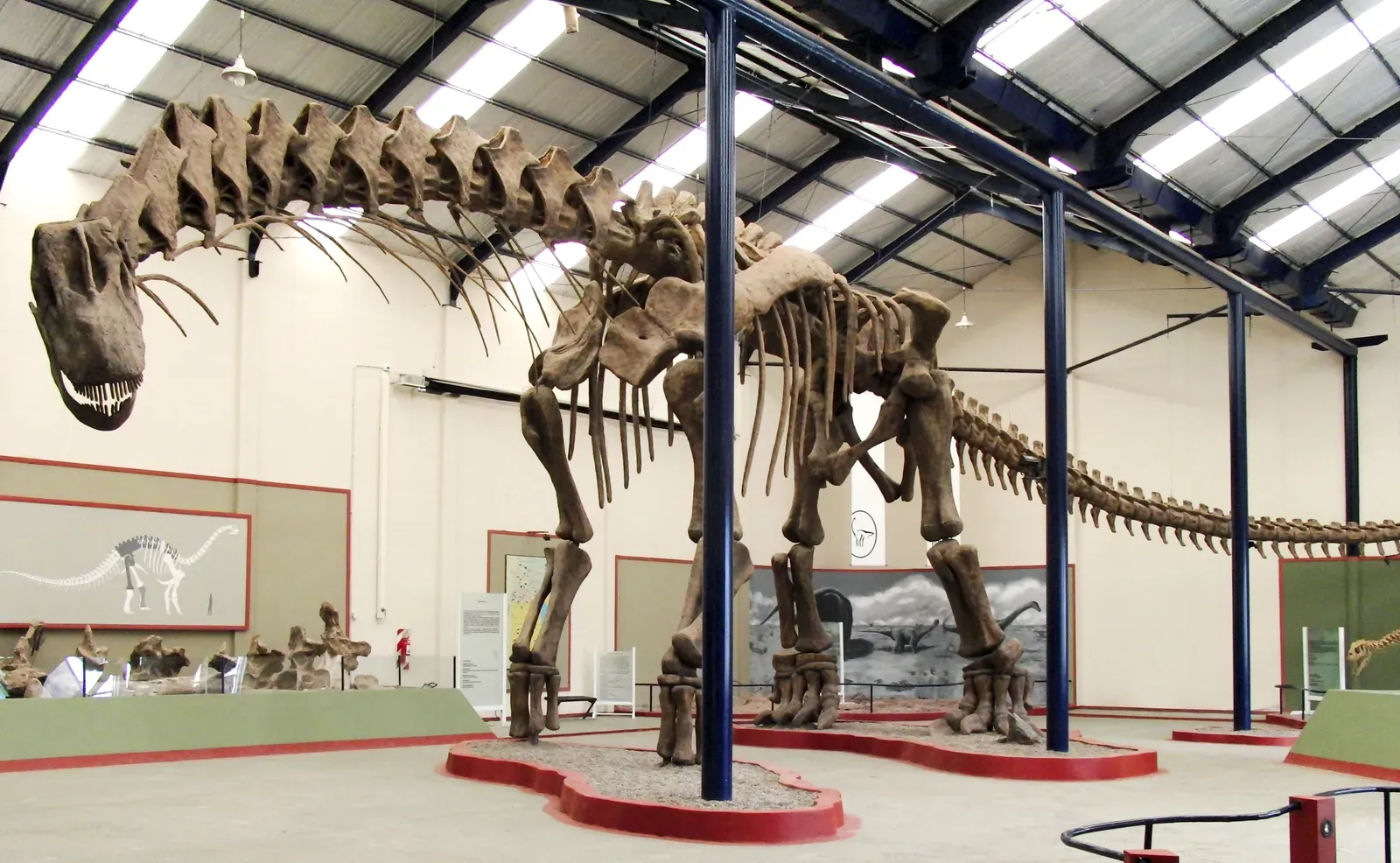
Movies practically treat Brachiosaurus as the undisputed heavyweight champion of the dinosaur world. That title expired decades ago, and most films never bothered updating the script.
Discovered in 1903, Brachiosaurus really was the heaviest known dinosaur for a long stretch. Then, in the 1990s, paleontologists in South America started pulling titanosaur sauropods out of the ground that dwarfed it in mass – Argentinosaurus, Patagotitan, animals in a completely different weight class. Even its close relative Giraffatitan, once considered nearly identical, briefly held the “largest land animal ever” title before losing it to those same titanosaurs. The “biggest dinosaur ever” narrative that movies still lean on is a full generation out of date – and honestly, this is exactly the kind of correction that should spark an argument in the comments.
At a Glance: Who Actually Wins on Size
- Brachiosaurus: Roughly 28 to 52 tons based on the known holotype specimen
- Patagotitan: Estimated around 50 to 70 tons in recent volumetric studies
- Argentinosaurus: Estimated around 65 to 100 tons, depending on the study
- Bottom line: Even conservative titanosaur estimates put them in a heavier class than Brachiosaurus ever reached
#3 – Its Skin Color Is 100% Guesswork
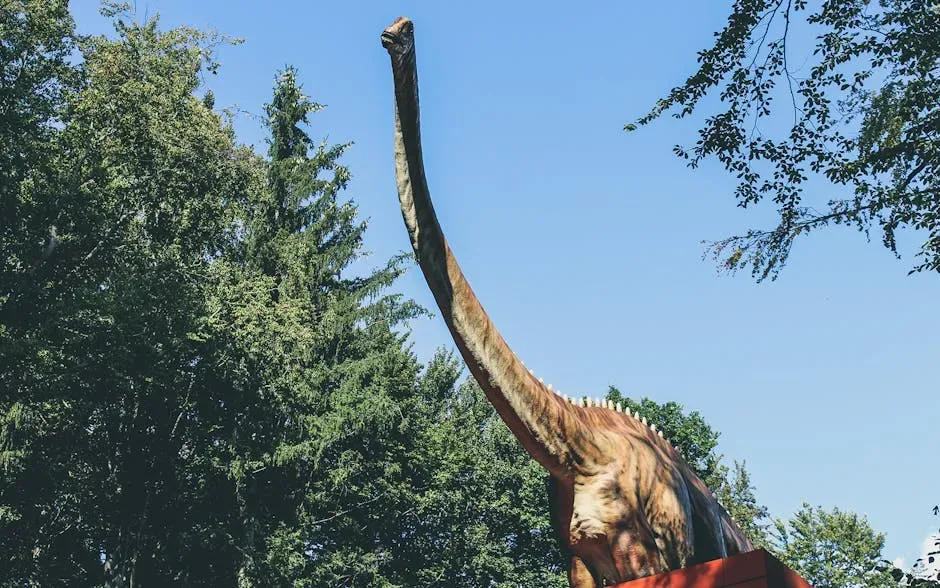
Every movie paints Brachiosaurus in the same predictable palette – muted grey-green, elephant-like, textured like tree bark. It’s a safe visual choice. It’s also entirely invented.
Fossils preserve bone, not pigment. Skin impressions are exceedingly rare in sauropods this size, and none give paleontologists reliable color data, which means that “elephant skin” look is an artistic default, not a scientific finding – chosen because it feels appropriately ancient and reptilian, not because any fossil demands it. Modern paleoart has actually started drifting away from that assumption, experimenting with patterned and even vibrant skin tones based on comparisons to living reptiles and birds, which show far more color variation than old dinosaur books ever suggested. The “boring grey giant” look might be the single most fabricated visual detail in every dinosaur movie ever made.
#2 – It Never Chewed a Single Bite of Food
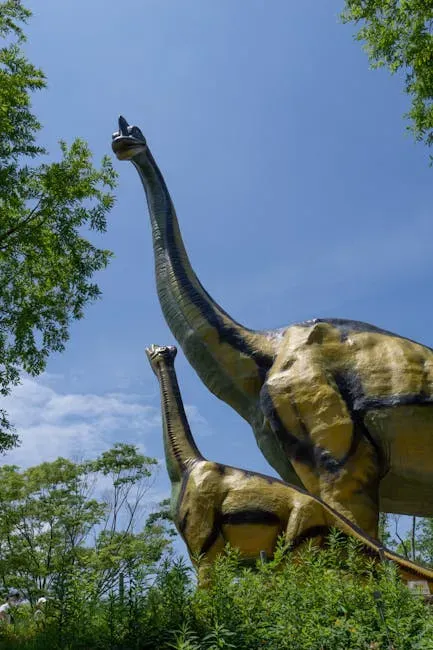
Movie sauropods are often shown munching, grinding, and slowly working leaves through their mouths like cows chewing cud. Brachiosaurus physically could not do that.
Its chisel-like teeth were concentrated toward the front of the mouth purely for stripping leaves off branches, and the total lack of teeth farther back means it simply swallowed its food whole, letting its enormous gut do the actual processing. There was no molar-grinding motion happening at all – the mouth was a stripping tool, not a chewing mechanism. Even the skull defies the “slow, deliberate muncher” image, since despite looking massive it was remarkably small relative to body size, built from thin-walled, hollow bones that made it far lighter than it appears. A featherweight skull ripping vegetation and swallowing it whole is a far stranger, faster process than the calm, cow-like chewing every movie shows.
#1 – The “Peaceful Gentle Giant” Image Ignores a Brutal Reality
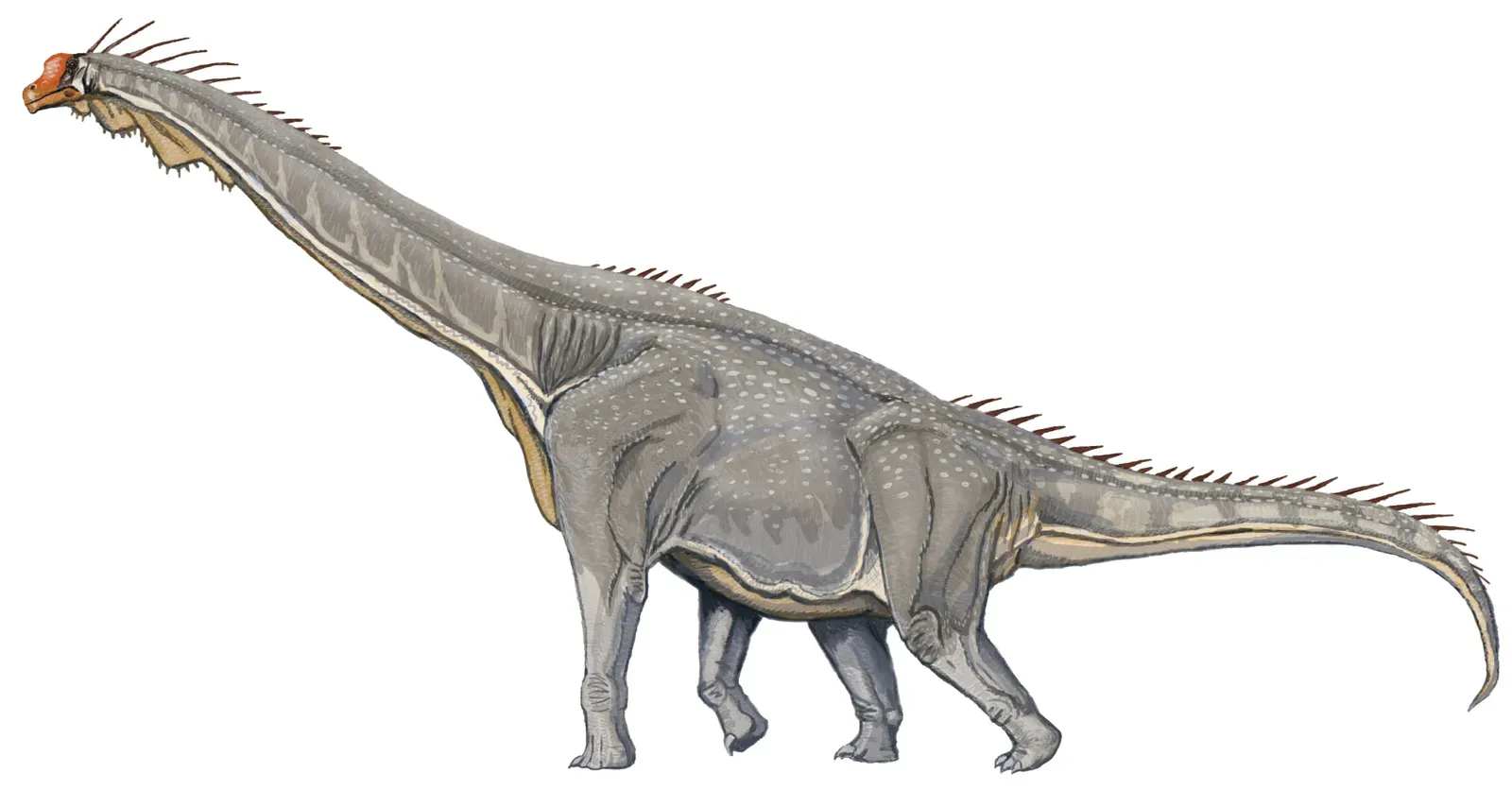
This is the biggest myth of all, and it’s the one most movies lean on hardest: Brachiosaurus as a calm, safe, untouchable giant wandering a peaceful prehistoric landscape. Real paleontology paints a far more dangerous picture.
Its size wasn’t decoration – it was survival strategy against constant predatory pressure. Brachiosaurus couldn’t outrun anything, so being genuinely too big to safely attack was likely the only thing keeping apex predators like Allosaurus at bay. Its physiology backs up just how extreme that scale really was, with a body large enough to generate and hold internal temperatures around 45°C, or 113°F – not a docile lawn ornament, but a biological furnace built to outlast threats through sheer size. Movies sell Brachiosaurus as dinosaur-era comfort food for nostalgia. Real science says it was living on a knife’s edge every single day.
Fast Facts
- Estimated length: up to roughly 85 feet nose to tail
- Internal body temperature: estimated around 45°C (113°F)
- Primary defense: sheer size, not speed or weapons
- Main predatory threat in its ecosystem: Allosaurus
The Bottom Line

Hollywood’s Brachiosaurus is a beautiful lie built from outdated science, borrowed anatomy, and pure guesswork. The film version isn’t even the right genus, its nostrils were never a snorkel, its neck probably slumped forward instead of standing upright, and it wasn’t remotely the biggest dinosaur once titanosaurs entered the picture. Its skin color is invented, its chewing is physically impossible, and the “peaceful giant” personality ignores a life spent surviving active predator threats.
The truth is stranger, harsher, and honestly more impressive than the movies ever gave it credit for. A slouch-necked, silent, color-unknown giant that swallowed food whole and lived under constant threat is a wilder story than any CGI bellow could sell. Which of these got you the most – the fake nostrils, the wrong species, or the myth of the gentle giant? Drop your take in the comments.