
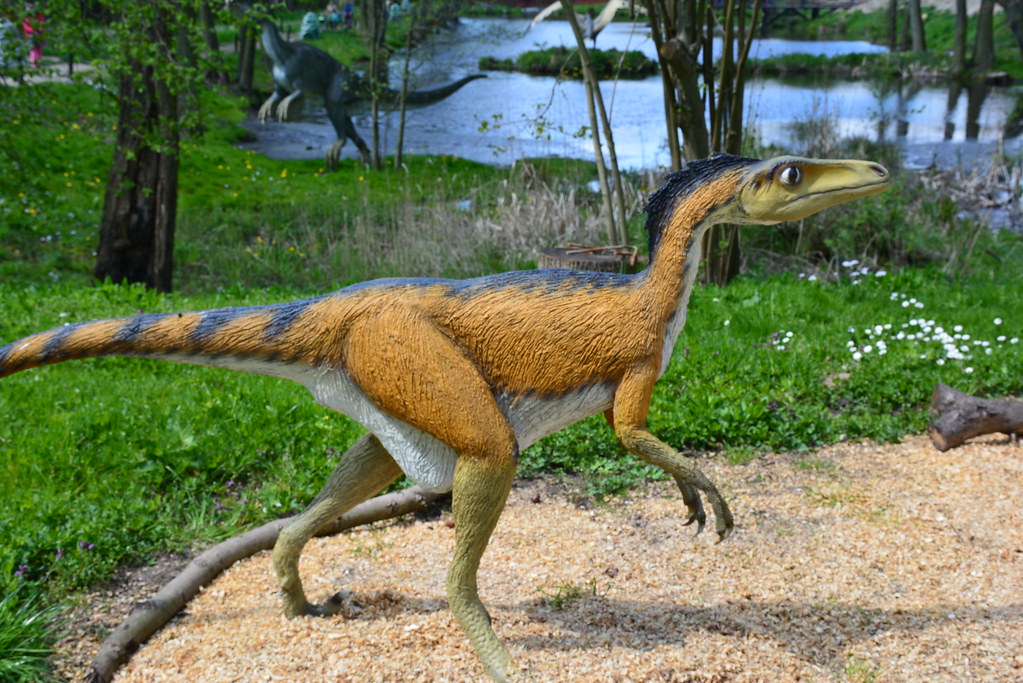
While casual museum-goers rush past its display case to gawk at the towering skeleton of Tyrannosaurus rex, a much smaller, birdlike dinosaur standing quietly in the same hall may have actually out-hunted it in the intelligence and precision department. Troodon looked like an oversized turkey with claws – no armor plating, no bone-crushing jaws, nothing that screamed “apex predator.”
But paleontologists have spent decades piecing together evidence that this unassuming little theropod was one of the most calculated, efficient killers of the entire Late Cretaceous. Here’s what the fossil record actually says – and why it should make you rethink who really ruled the night.
Meet Troodon: The Dinosaur Every Kid Walks Right Past
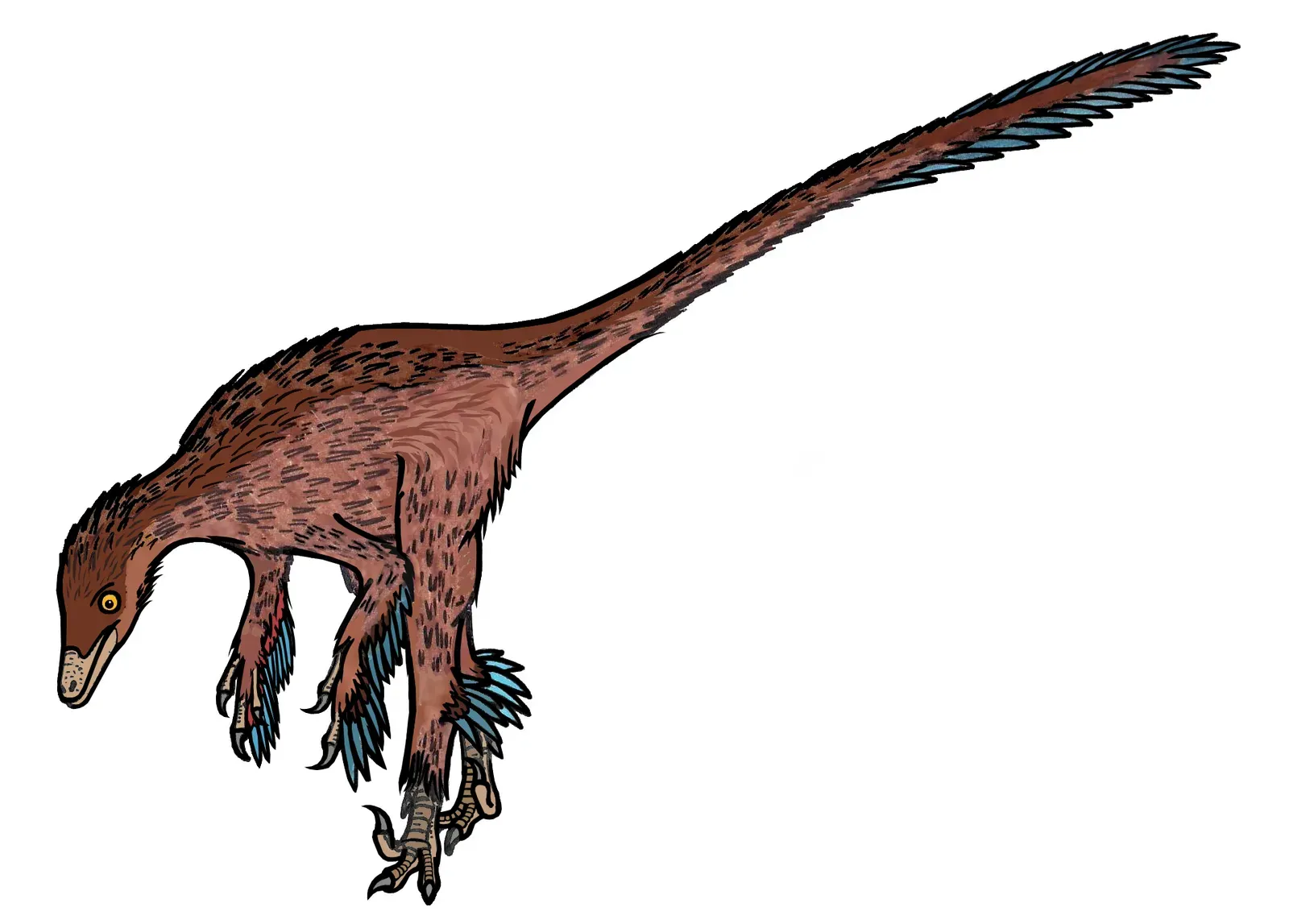
Most visitors don’t even stop at the Troodon case, and it’s easy to see why – this thing simply doesn’t look the part of a killer.
Troodon was a lightly built, bipedal theropod, and estimates put a typical adult at approximately 2.4 meters (8 feet) in length and weighing approximately 50 kilograms (110 pounds). That’s roughly the size of a large dog, not a monster. Its teeth didn’t even look like a typical carnivore’s – they were different from those of most other theropods, bearing prominent, apically oriented serrations that are morphometrically more similar to those of herbivorous reptiles, suggesting a possibly omnivorous diet. On paper, that reads like a scavenger, not a predator to be feared.
Fast Facts
- Lived roughly 75 to 79 million years ago, during the Late Cretaceous of North America
- Belongs to Troodontidae, a family considered among the closest non-avian relatives of modern birds
- Likely omnivorous, eating small animals, eggs, and possibly some plant matter
- Fossils have turned up across Montana, Wyoming, and Alaska, plus parts of Canada
But looks – and teeth shape – deceived almost everyone who studied it for over a century. The animal that looked like a confused vegetarian turned out to be running one of the most sophisticated hunting toolkits in the Mesozoic. Yet that mistaken identity is only the start of the confusion this dinosaur caused scientists for over a century.
A 165-Year Identity Crisis Built on a Single Tooth
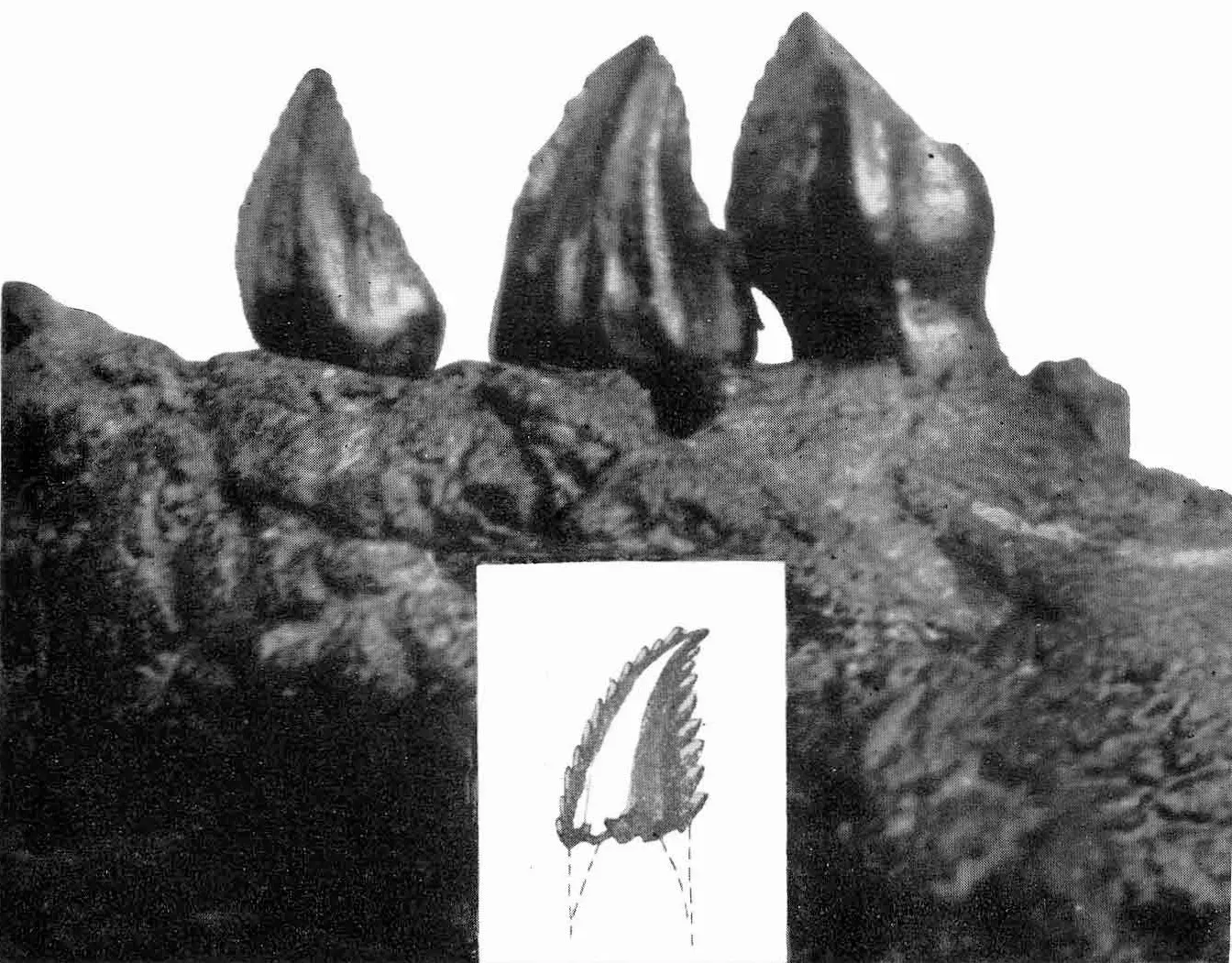
Troodon might be the only “deadliest hunter” in history that was almost written off as a lizard.
The whole saga started in 1855, when geologist Ferdinand Hayden collected a single tooth from the badlands of the Judith River in Montana. In 1856, Leidy described and named one of these teeth as a new “lacertian,” Troodon formosus, meaning “beautiful wounding tooth.” That’s right – the “deadliest hunter” title started life classified as a lizard, based on one tooth. Things got messier from there: because these teeth were curved like in a carnivore but had curved serrations similar to some herbivores, and because no one knew of any skeletal remains, no one knew what kind of dinosaur it actually was, or even if it really was a dinosaur.
For decades, the name bounced between wastebasket categories. It was briefly filed as a dome-headed pachycephalosaur before this was resolved by Phil Currie in 1987, who realized that Troodon belonged to a group of bird-like carnivores then known as saurornithoidids, but since renamed Troodontidae after Troodon itself. Even that wasn’t the final word – as recently as 2025, researchers proposed a new “neotype” specimen to finally stabilize the name. A predator this efficient spent over 165 years being mistaken for a lizard, a herbivore, and a dome-head. Yet the biggest clue to how Troodon actually hunted was hiding in plain sight, in its skull.
The Eyes That Turned Night Into a Hunting Ground
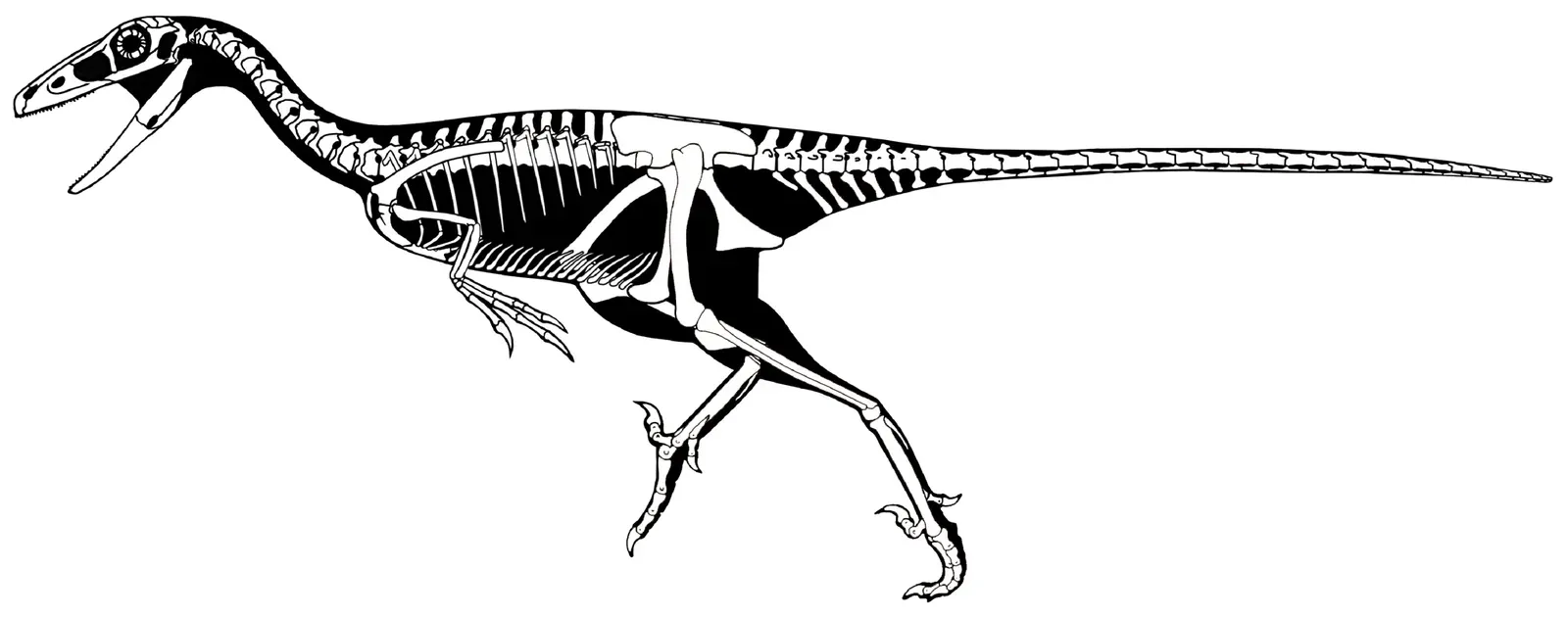
Here’s the detail that should have tipped everyone off decades earlier: Troodon had the eyes of a nocturnal ambush predator, not a plant-nibbler.
Fossil skulls show exceptionally large eye sockets, implying oversized eyes and excellent low-light vision. Those eyes weren’t just big – they were positioned for depth perception. The eyes were set somewhat forward on the skull, providing binocular vision, the ability to judge depth and distance, crucial for a predator that needed to strike accurately at moving prey. That combination – huge pupils plus forward-facing sockets – is a signature seen today in owls, cats, and other creatures built to hunt in darkness.
Researchers studying the skull structure now believe Troodon had excellent eyesight, which suggests it was likely nocturnal, hunting at night much like modern owls. That’s a genuinely unsettling image: a small, feathered dinosaur moving silently through Cretaceous forests after dark, tracking mammals that never saw it coming. Most predators of that era hunted by day, in the open, relying on size and speed – Troodon flipped the script and worked the night shift instead. And the eyes were just the opening act – what was happening inside that skull is even wilder.
The Biggest Brain-to-Body Ratio in the Dinosaur Kingdom
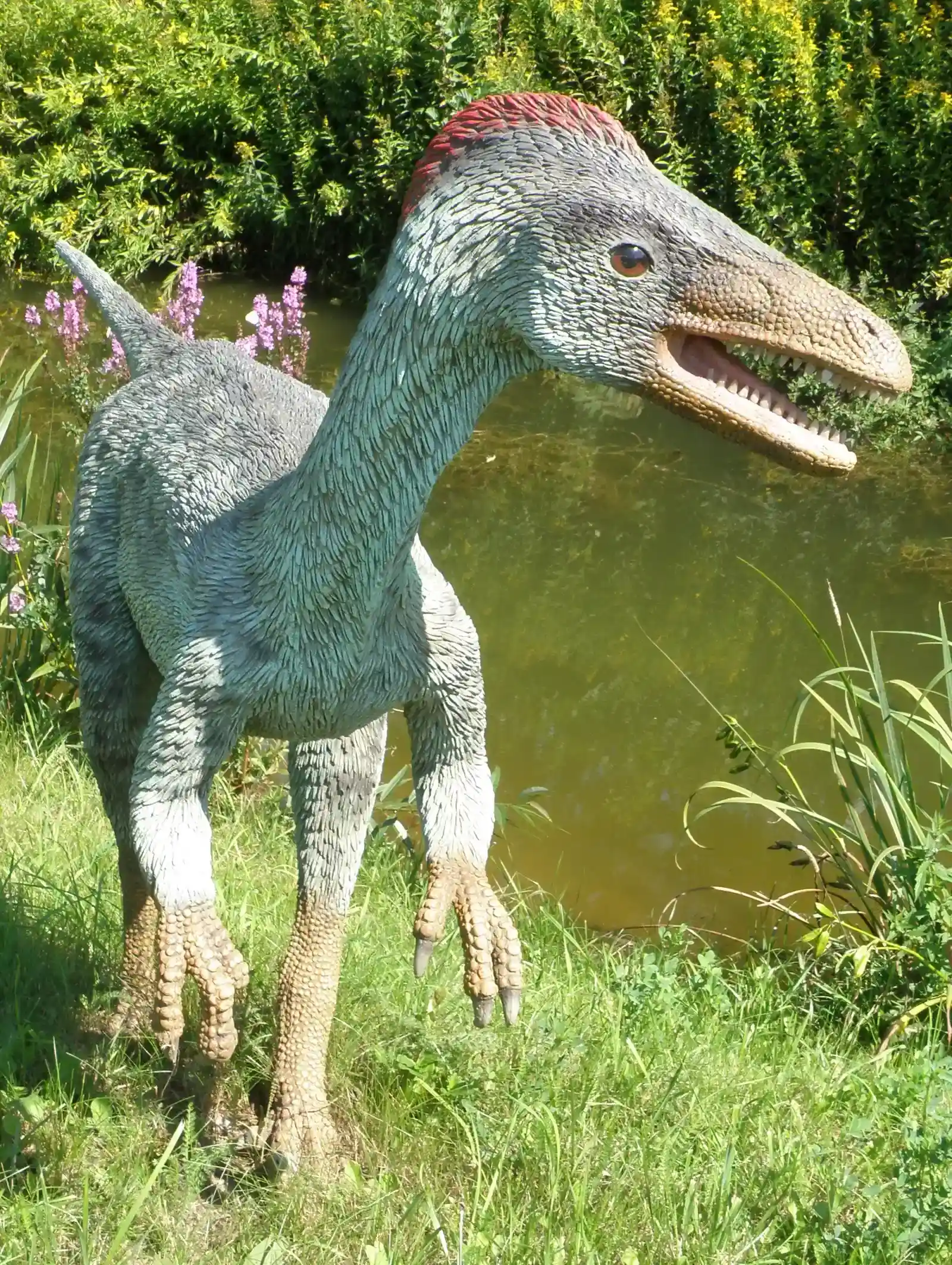
If Troodon’s eyes were unsettling, its brain is what actually earned it the “genius predator” reputation among paleontologists.
Scientists measure relative brain size using something called the Encephalization Quotient, or EQ – essentially, how big an animal’s brain is compared to what you’d expect for its body weight. Troodon is believed to be the smartest dinosaur ever, with an EQ of 5.8. To put that in perspective, the largest tyrannosaurs like T. rex had an EQ in the range of 2.0 to 2.4 – meaning Troodon’s brain-to-body ratio more than doubled that of the very predator most people assume was the smartest killer in the Cretaceous.
Quick Compare: Encephalization Quotient
- Troodon: EQ of about 5.8 – the highest confirmed for any dinosaur
- T. rex and other giant tyrannosaurids: EQ of roughly 2.0 to 2.4
- Modern humans, for scale: EQ of about 7.5
That EQ score puts Troodon in rare company. The cassowary has a similar build and brain size to Troodon, so it is possible the speedy dinosaur had the same level of intelligence as the modern bird. Scientists are careful not to overstate this – sharp eyesight doesn’t automatically equate to a sharp mind – but the brain case itself is undeniably oversized. A dinosaur most people can’t even name out-brained the most famous killer in prehistory by a factor of two. That brainpower needed a body built to match it – and Troodon delivered.
A Body Built for Ambush, Not Brute Force
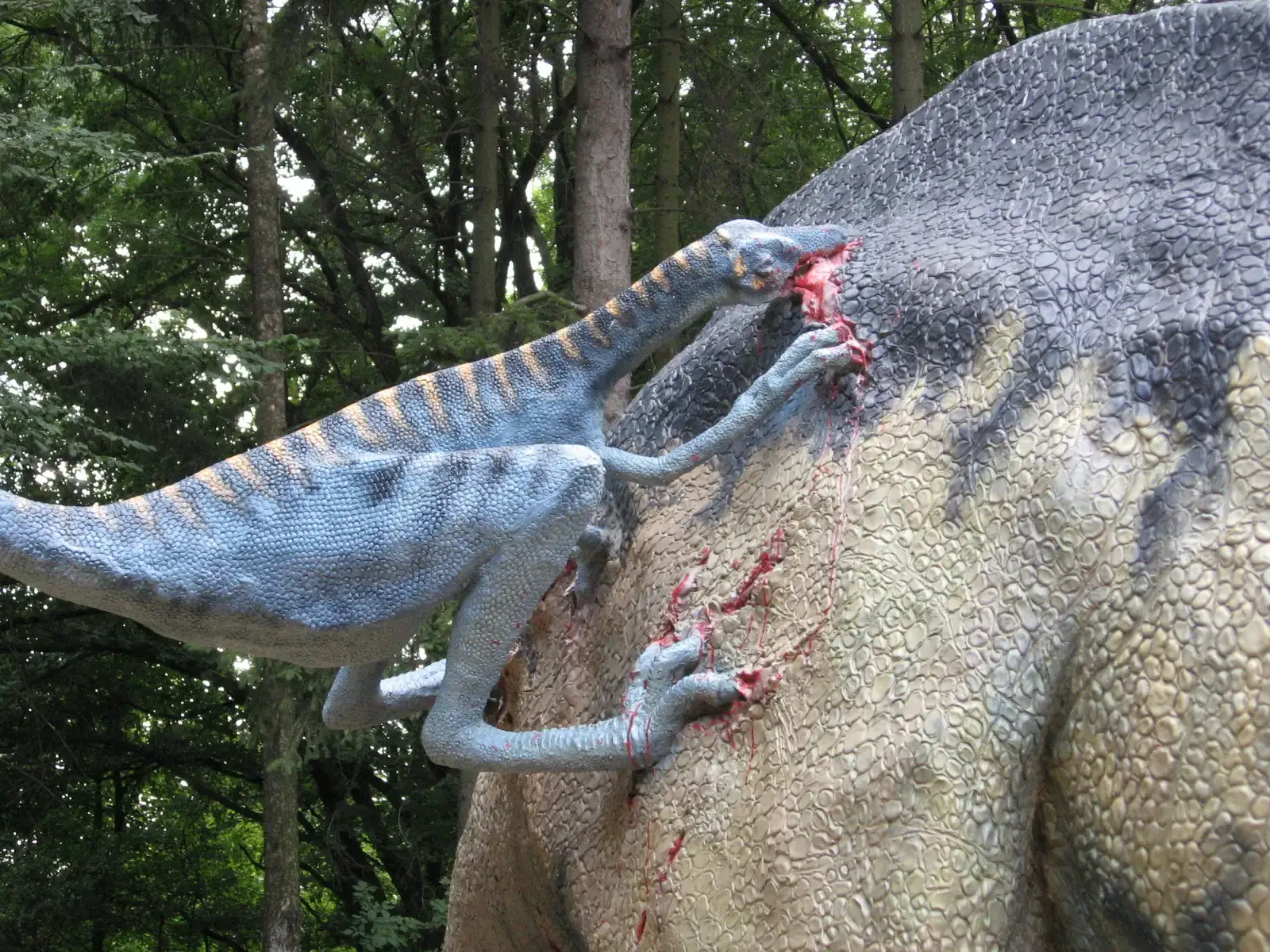
While T. rex relied on raw bite force, Troodon’s whole design screamed precision, speed, and stealth.
Its legs were long, slender, and clearly built for quick bursts rather than sustained chases, and each foot carried a serious weapon: like some theropod species, such as Velociraptor, Troodon had an especially large, sickle-shaped claw on its second toe. Its hands were arguably even more specialized. Its forelimbs ended in grasping hands equipped with three clawed digits, or fingers, plus an opposable digit that presumably functioned as a thumb. That’s a grasping hand structure most Cretaceous predators simply didn’t have.
Its jaws backed up that toolkit with sheer volume – this dinosaur had more teeth than most other types of theropods, up to 35 on each side of its upper and lower jaws. And size wasn’t fixed across its range, either: Troodon that lived in colder, northern areas were usually bigger, with Alaskan specimens reaching up to 12 feet long, 5 feet tall, and weighing up to 175 pounds, while their southern cousins stayed compact and lighter. Some Alaskan Troodon may have weighed over three times as much as their southern relatives – essentially two different-sized versions of the same deadly template. All that anatomy is still just theory, though, until you look at the physical evidence Troodon actually left behind.
Gastric Pellets, Nests, and Proof of a Calculated Killer
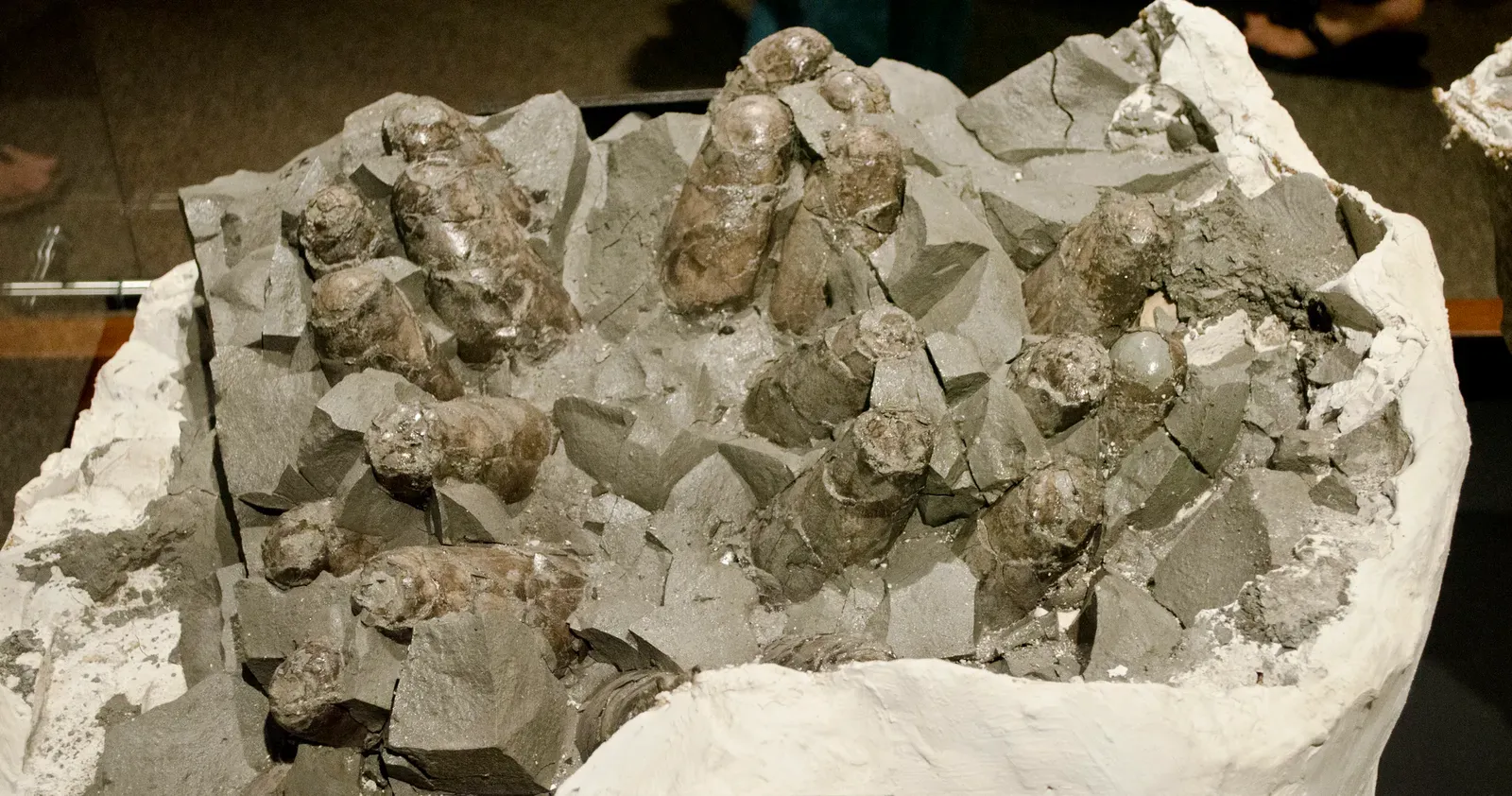
This is where Troodon stops being theoretical and starts leaving behind literal crime-scene evidence.
At Montana’s famous Egg Mountain site, researchers uncovered something rare in the fossil record: regurgitated pellets. According to a 2021 study on the locality, fossil gastric pellets have distinct taphonomic characteristics that facilitate inferences of behavioural ecology, and researchers assessed three unusual multi-individual aggregates of mammal skeletons potentially attributable to Troodon formosus. In plain terms: this predator was swallowing multiple small mammals in single sittings and coughing up the indigestible remains later, exactly like an owl does today.
The same Montana site also rewrote what scientists thought they knew about Troodon parenting. A Troodon nesting colony containing fossilized eggs, juveniles, and adults was uncovered in the early 1980s at Egg Mountain, and newer eggshell analysis suggests something even stranger – Troodon eggshells from the Oldman Formation reveal evidence of communal nesting where multiple females, an estimated 4-6 per nest, contributed clutches of 4-6 eggs each. A predator sophisticated enough to share nesting duties across multiple females was almost certainly sophisticated enough to coordinate a hunt. Put all of that together, and you get a serious challenge to how we rank Cretaceous predators altogether.
Worth Knowing
- Egg Mountain in Montana is ground zero for both the pellet evidence and the nesting colony
- The nesting site, found in the early 1980s, preserved eggs, juveniles, and adults together
- Eggshell analysis suggests as many as 4 to 6 females may have laid eggs in a single shared nest
- Regurgitated pellets show multiple small mammals swallowed whole in one sitting, then coughed back up – an owl-like habit
Why Troodon Outhunted the Giants of Its Own Era
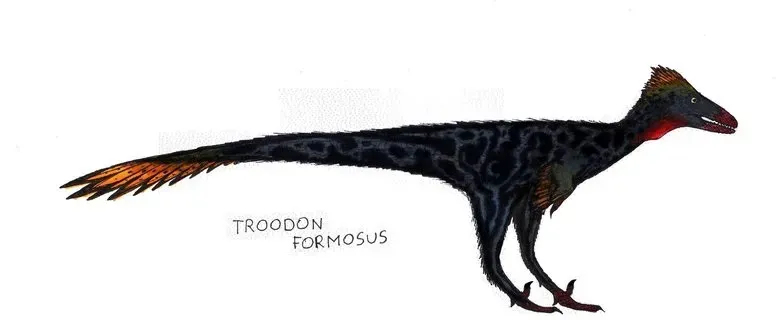
Here’s the genuinely controversial part: many casual dinosaur fans assume the biggest, loudest predator automatically wins the “deadliest” title – but that logic falls apart once you look at actual kill efficiency.
T. rex and other giant tyrannosaurids were undeniably powerful, but they were built around bulk and shock damage. Troodon operated on an entirely different killing model – specialized in hunting small, fast-moving nocturnal mammals, a prey category tyrannosaurs were far too large and slow to reliably chase down. There’s also mounting behavioral evidence stacking the case further: park service researchers note that troodons were fast and fierce predators considered one of the smartest dinosaurs, and it has been suggested they may have traveled in packs and utilized a combination of cunning and cooperative behavior to take down prey of greater body size.
Quick Compare: Two Hunting Styles
- T. rex: solitary, daytime hunter built around raw bite force and bulk
- Troodon: likely pack hunter working at night, relying on stealth and coordination
- T. rex: suited to chasing down large, slower-moving prey
- Troodon: built to pick off small, fast nocturnal mammals other predators couldn’t catch
That’s the argument worth sitting with: a solitary T. rex could only kill what was directly in front of it, one meal at a time, using strength. A pack of quick, big-eyed, big-brained Troodon working together at night could pick apart an entire local mammal population with almost surgical consistency – night after night, across generations. Most people rank T. rex as the “deadliest” Cretaceous predator by default, but a strong case exists that Troodon was the more consistently lethal hunter, simply because it never had to rely on brute force to win. That’s not a popular opinion in most dinosaur documentaries, but the fossil evidence increasingly backs it up.
The Bottom Line
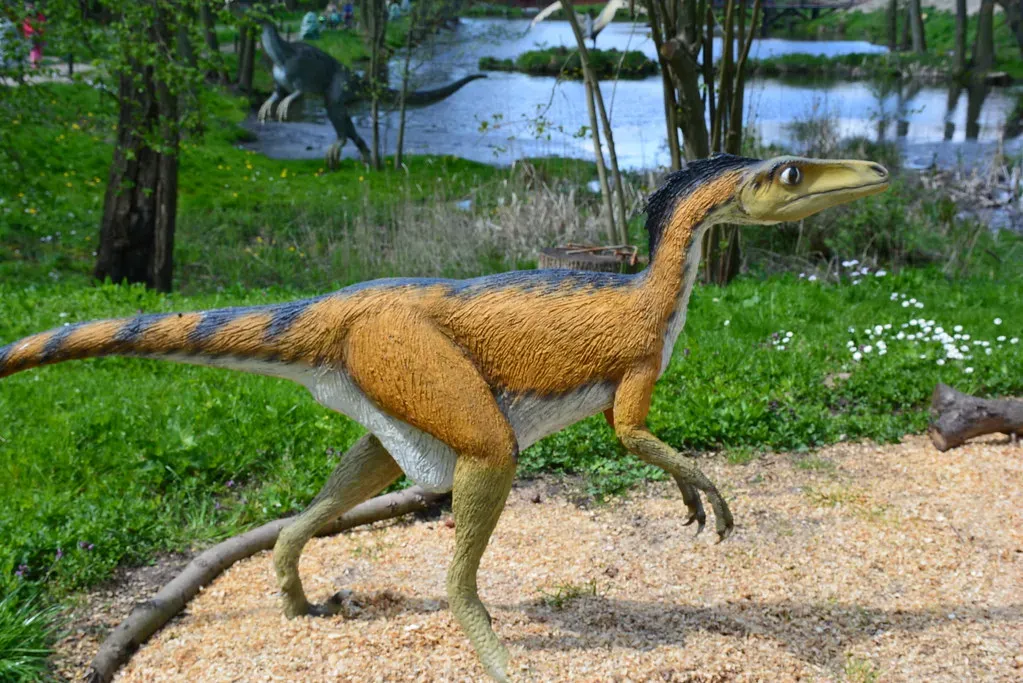
Troodon never got the movie franchise, the roaring reveal scene, or the gift-shop plush toys – and honestly, that’s the real crime here. This was a dinosaur with double the relative brain size of T. rex, night-vision eyes built for ambush, grasping hands with an opposable thumb, and a body plan efficient enough to thrive from Montana all the way to the Alaskan Arctic.
It left behind literal pellet evidence of its kills and possible proof of coordinated, communal behavior most predators of its era never bothered with. Popular culture crowned the biggest, loudest dinosaur as the ultimate killer, but the science quietly points somewhere else entirely – toward the small, boring-looking one nobody stops to look at. Do you think Troodon deserves a bigger reputation than T. rex? Drop your take in the comments.