
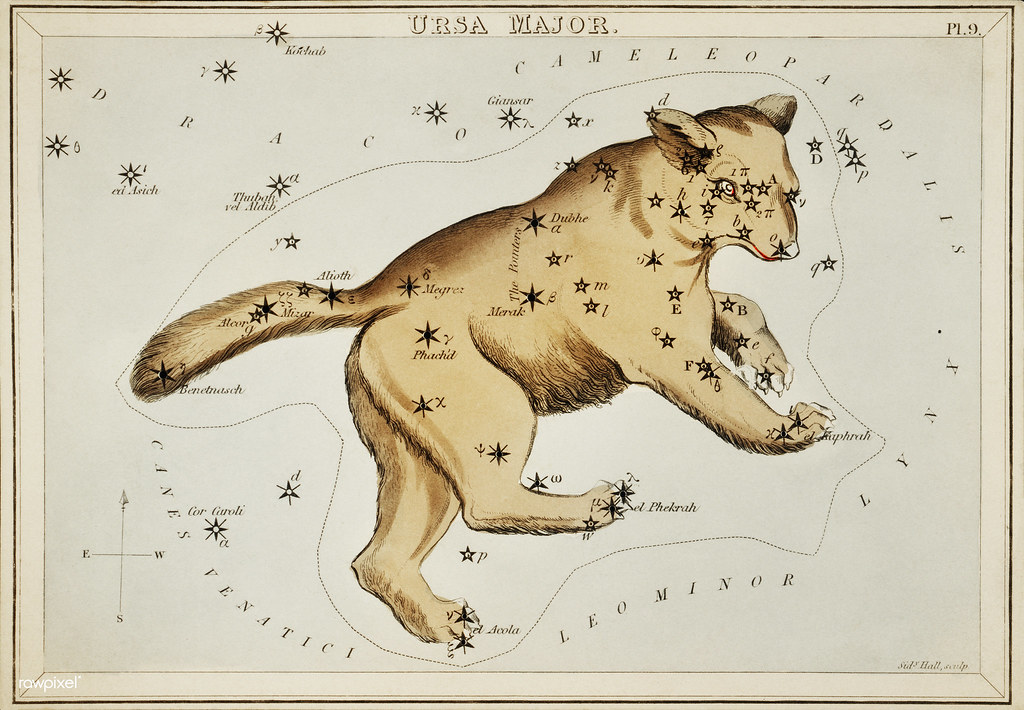
What if your zodiac sign is not just a personality label, but a faint echo of instincts that helped ancient creatures survive? Imagine that somewhere under your modern worries about emails and rent, your brain still carries the reflexes of hunters, scouts, guardians, and quiet strategists. Astrology may not be hard science, but it is a surprisingly powerful language for talking about temperament and patterns of behavior.
In this article, we pair each zodiac sign with an ancient animal archetype and the instinct that mirrors its core energy. The matches are symbolic, not literal, but they are grounded in what we know about animal behavior, evolutionary psychology, and basic temperament traits. You might not grow fangs or wings by the end of this, but you may see your reactions, fears, and cravings through a new, strangely primal lens.
Aries – The Saber-Toothed Cat’s Hunting Charge
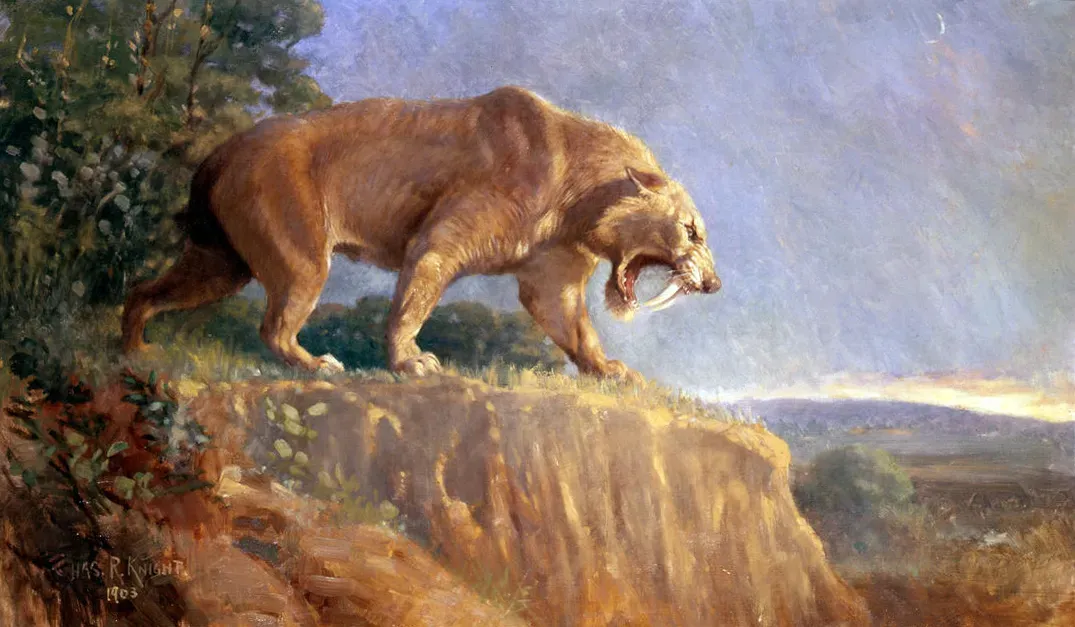
Ever met someone who seems to move before they think, as if their body gets the message before their brain does? That is very Aries, and it lines up strikingly well with the imagined instinct of a saber-toothed cat: focus, lunge, commit. In evolutionary terms, early predators survived by decisive action; hesitation often meant starvation or death. Aries carries a modern version of that impulse, reacting first and reflecting later.
This instinct shows up in how Aries people tend to handle risk, conflict, and opportunity. They feel alive when they are pursuing something, whether it is a project, a person, or a new experience. Like a prehistoric cat tracking movement in the tall grass, they are wired to chase what excites them, not sit back and calculate every angle. That can be exhausting for more cautious types, but it is also the reason Aries often starts what others only dream about.
Taurus – The Ancient Bison’s Steady Survival Sense
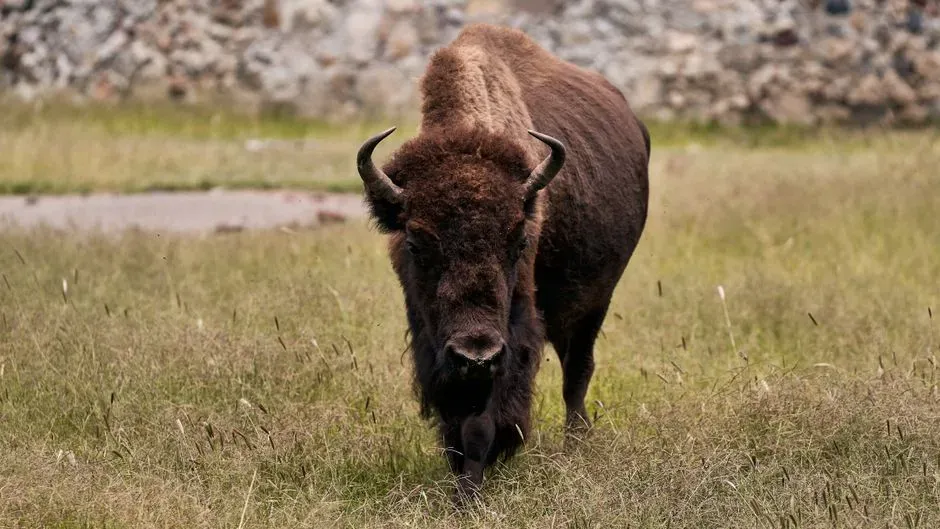
Taurus energy feels a lot like a massive ancient bison: grounded, cautious, and very aware that safety depends on conserving energy and sticking to reliable paths. Herbivores that survived for millennia did so by knowing where the best grazing was, recognizing danger early, and not wasting resources on unnecessary drama. Taurus reflects this with its instinct for comfort, security, and routines that actually work.
This is not laziness; it is an evolved-style efficiency. Taurus tends to prefer proven systems, solid relationships, and tangible rewards, in the same way an ancient herd would remember the safest valley or the most reliable watering hole. When a Taurus digs in on something – a job, a home, a relationship – it is the same instinct that kept slow-moving animals alive: stay with what sustains you, and do not stampede unless you absolutely have to.
Gemini – The Early Primate’s Curious Foraging Brain
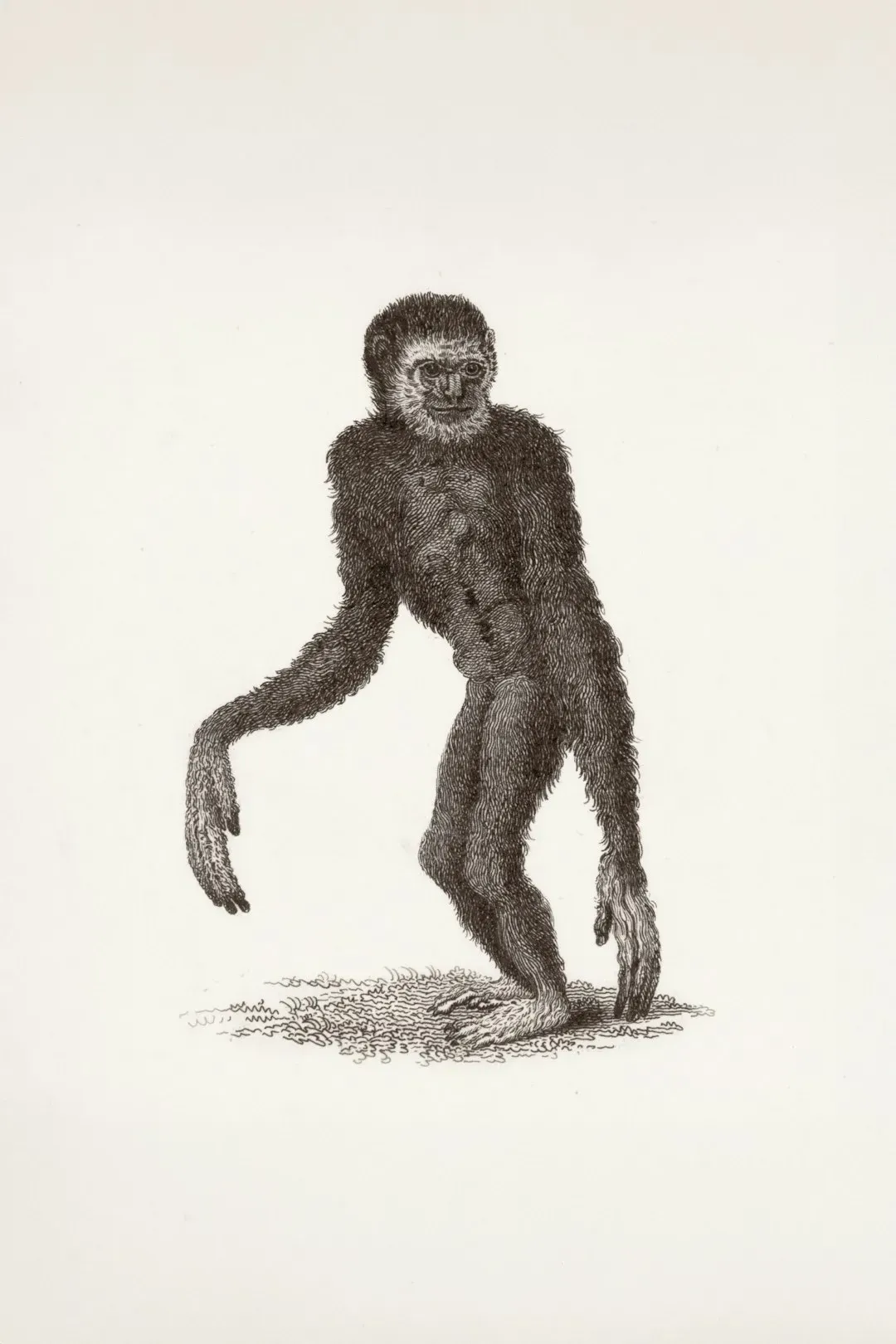
Gemini’s mind works like a hyper-alert early primate, leaping from branch to branch, scanning for fruit, threats, and anything interesting or new. Primates that could quickly process social cues, remember locations, and experiment with new food sources had a survival edge. That same restless curiosity shows up in Geminis when they collect information, try out ideas, and talk to everyone about everything.
Where some signs crave stability, Gemini instincts push toward movement and mental exploration. This can look “scattered” to people who prize depth over breadth, but in an evolutionary sense, scouts and generalists were vital to a group’s survival. A Gemini’s rapid shifts in focus can feel like mental acrobatics, yet underneath is a primal drive: learn, connect, adapt, then move on before things get stale – or dangerous.
Cancer – The Prehistoric Crustacean’s Protective Shell
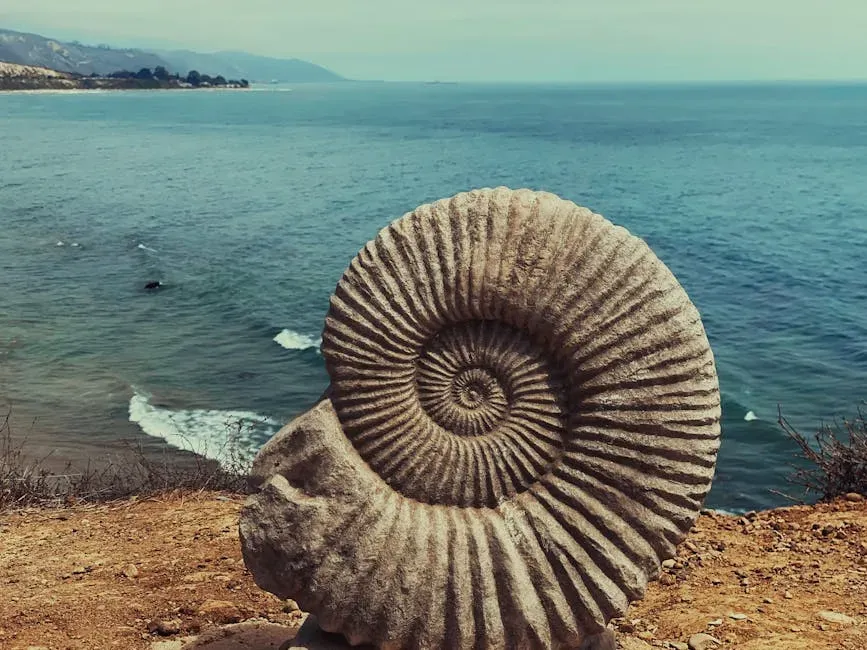
Cancer’s core instinct mirrors an ancient crustacean clinging to rocks in changing tides, vulnerable on the inside but shielded by a tough outer shell. In nature, soft-bodied creatures only survived by developing strong defenses and a sense of when to retreat. Cancer reflects this biologically familiar pattern with emotional armor, deep attachment to safe “territory” (home, family, trusted people), and a strong urge to guard what they love.
This sign’s hypersensitivity is not weakness; it is closer to a finely tuned threat-detection system. Just as early creatures sensed subtle changes in current or temperature, Cancer picks up small shifts in tone, mood, and atmosphere. When they pull back, it is like an animal ducking into its shell while it decides if the coast is clear. Their nurturing side comes from the same instinct: protect the vulnerable, because without that, the whole lineage fails.
Leo – The Ancient Lion’s Display and Dominance Drive
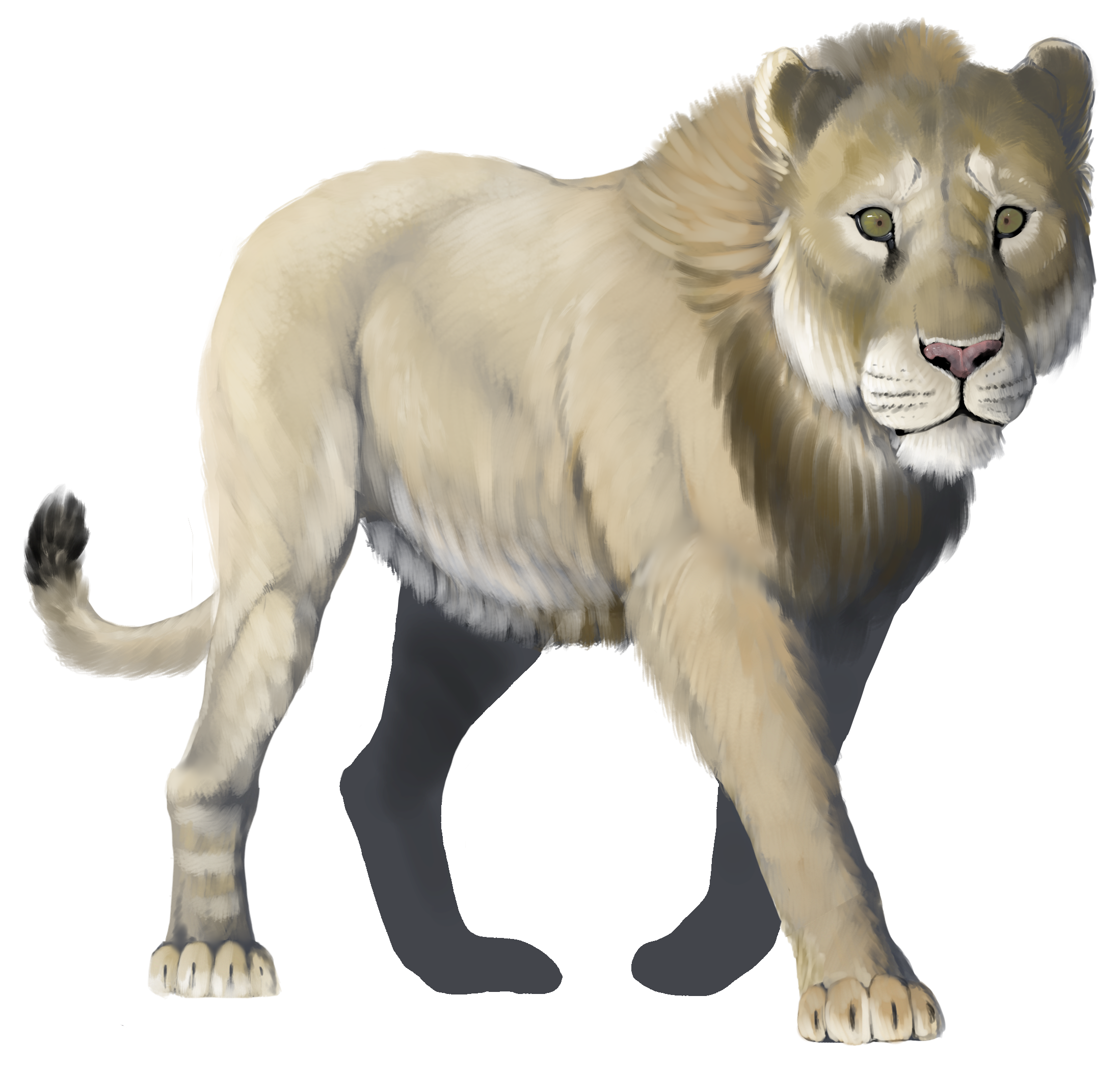
Leo aligns almost too perfectly with the archetype of an ancient lion: proud, visible, and wired for social signaling. In the wild, big cats survived not only by hunting well but also by commanding territory and maintaining group structure. Displays of confidence and strength, like roars or posture, discouraged challengers and attracted allies. Leos mirror this through charisma, self-expression, and an instinctive urge to be seen and acknowledged.
This is not just ego for the sake of drama; it is rooted in the same logic that made a strong, visible leader reassuring in a dangerous environment. People with strong Leo energy often assume a central role in social situations, not because they are always the best, but because their nervous system is calibrated to lead and radiate. Their dramatic flair is basically a modern version of a mane: a signal that says, in some deep primal language, I am worth noticing.
Virgo – The Foraging Small Mammal’s Precision and Caution
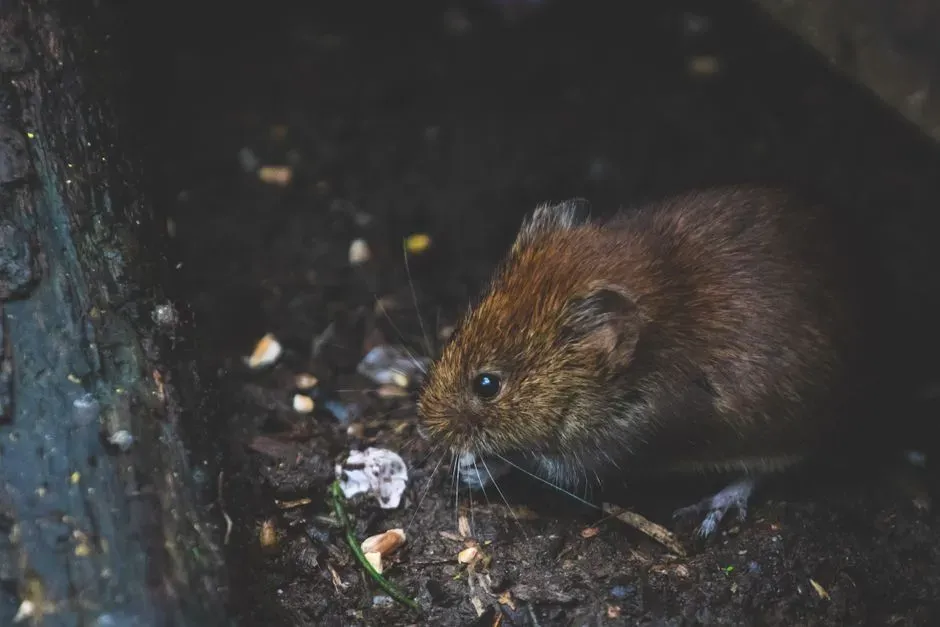
Virgo’s instinct feels like a nocturnal small mammal slipping through undergrowth, alert to every rustle, carefully sorting what is edible from what is toxic. Species like this survived through meticulous attention to detail and cautious trial and error. Virgo mirrors this in human form through analytical thinking, perfectionism, and careful observation of tiny variations that others shrug off.
In practice, that means Virgo energy tends to obsess over details, fix systems that are “good enough” in other people’s eyes, and anticipate problems before they fully form. It can be tiring to live with that constant internal scanner, but it is also why Virgos often become excellent planners, technicians, and quiet fixers. At some primitive level, they are still that small creature double-checking footprints and scents, because overlooking one small clue could be fatal.
Libra – The Flocking Bird’s Social Balance Instinct
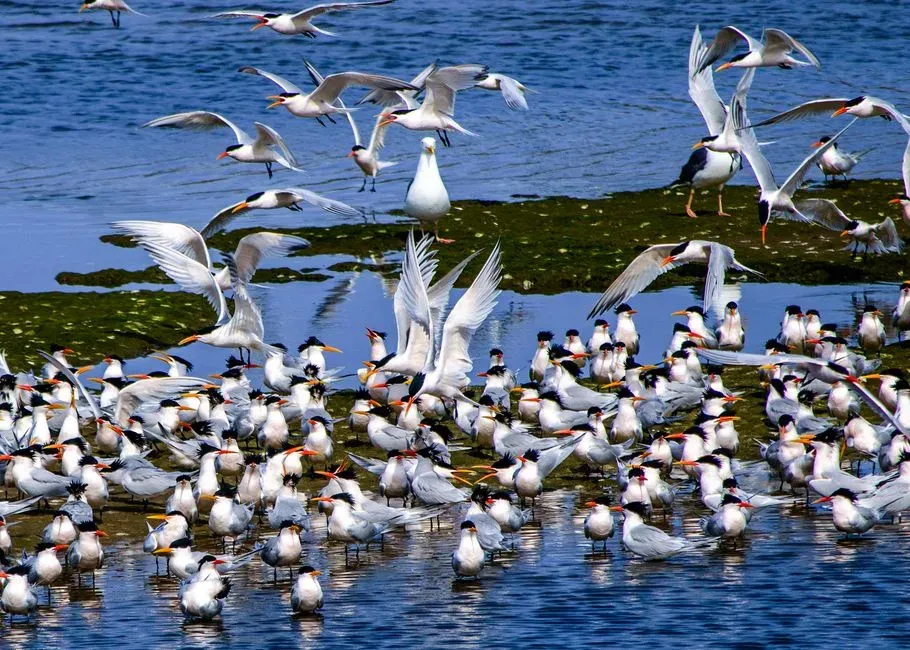
Libra lines up startlingly well with the ancient instinct of flocking birds, whose very survival depended on harmony, spacing, and synchronized movement. In a flock, every bird constantly adjusts to its neighbors so no one collides, falls behind, or stands out enough to be picked off by predators. Libra carries this same balancing instinct into relationships, group dynamics, and even aesthetics.
This is why Libras can seem obsessed with fairness, beauty, or social ease; to them, imbalance feels as viscerally wrong as a bird veering off-course. They instinctively read body language, tone, and subtle tensions, and then adjust themselves to smooth things out. That can lead to indecision or people-pleasing, but the origin is functional: a deep, ancient urge to keep the group flying together, because isolation meant danger.
Scorpio – The Prehistoric Scorpion’s Survival Obsession

Scorpio connects to the archetype of a prehistoric scorpion, lurking in the dark, highly sensitive to vibrations, and prepared to defend itself with intensity when threatened. Such creatures survived not by being cute or social, but by vigilance, patience, and a readiness to strike when necessary. Scorpios show a human version of that: strong boundaries, emotional X‑ray vision, and an all-or-nothing approach to trust.
This sign’s famous intensity can be seen as an evolutionary survival style: know what is hidden, sense what others deny, and never forget where the pain came from. On the surface, they may seem controlled or even secretive, but under that is a nervous system tuned to danger and transformation. Like a scorpion surviving harsh landscapes, Scorpio energy often thrives in crises and deep emotional territory, where other signs feel totally out of their depth.
Sagittarius – The Migratory Hunter’s Horizon Instinct
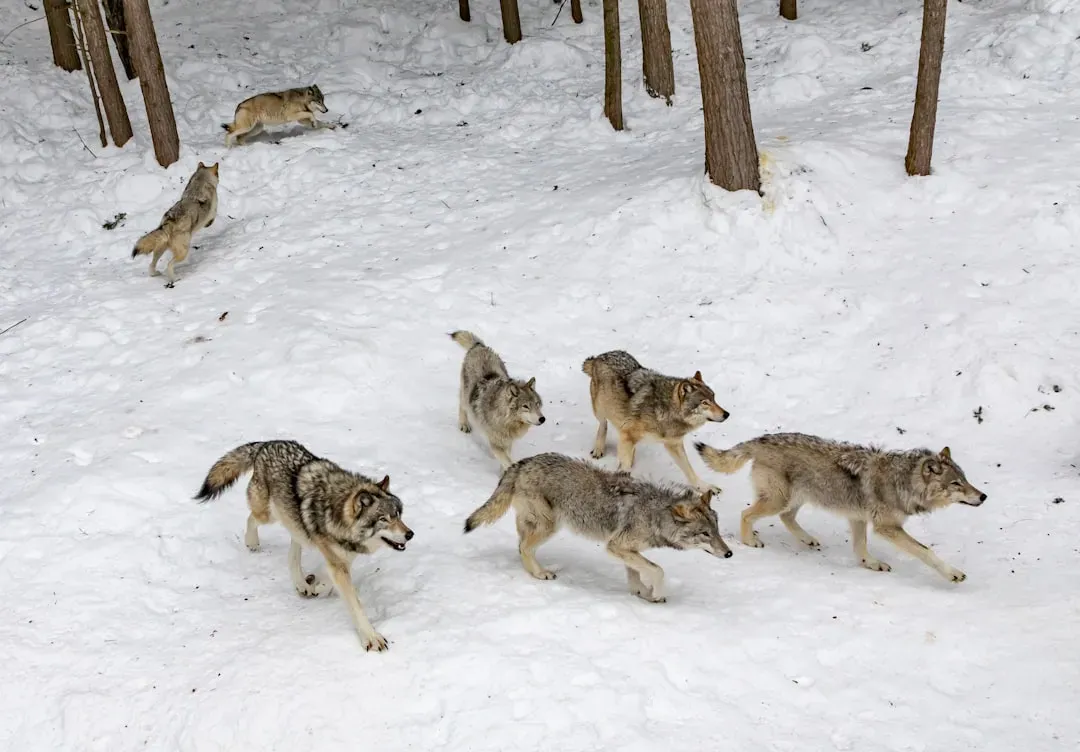
Sagittarius mirrors the instinct of ancient migratory hunters following herds across continents: restless, optimistic, and drawn toward the unknown horizon. For these groups, sticking to the same patch of land meant starvation once resources dried up. Survival depended on exploration, faith in the journey, and the willingness to leave the familiar behind. Sagittarius channels this mindset into travel, philosophy, education, and big vision thinking.
People with strong Sag energy often feel claustrophobic in small lives or rigid systems. They need movement, new ideas, and wide-open futures the way a migratory band needed access to fresh game and new land. That can make them flaky from the outside, but at a deeper level, their instinct is correct: adaptation demands expansion. In modern life, they might chase degrees, plane tickets, or ambitious goals instead of herds, yet the underlying drive is strikingly similar.
Capricorn – The Mountain Goat’s Relentless Climb
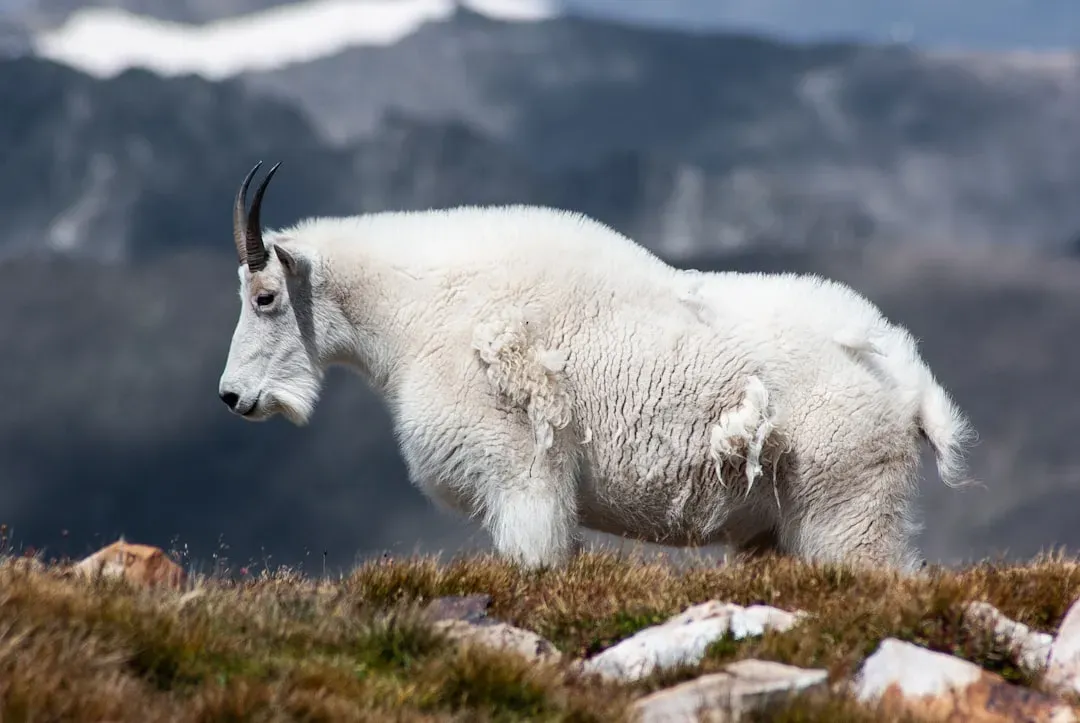
Capricorn slots neatly into the archetype of an ancient mountain goat navigating brutal cliffs where a single misstep could mean death. These animals survived by developing incredible focus, sure-footedness, and long-term endurance. Capricorn embodies that with its instinct to plan ahead, accept difficulty as normal, and keep climbing where others would simply give up and go home.
Ambition, for Capricorn, is not just about status; it is about security and control in a harsh landscape. When they take on responsibility or work relentless hours, they are replaying a very old survival script: stay on the high ground, move carefully, and build something that can withstand storms. They often appear serious or reserved because their inner world is constantly scanning for the next ledge, the next move, the next potential fall – and how to avoid it.
Aquarius – The Pack Sentinel’s Future-Focused Alertness
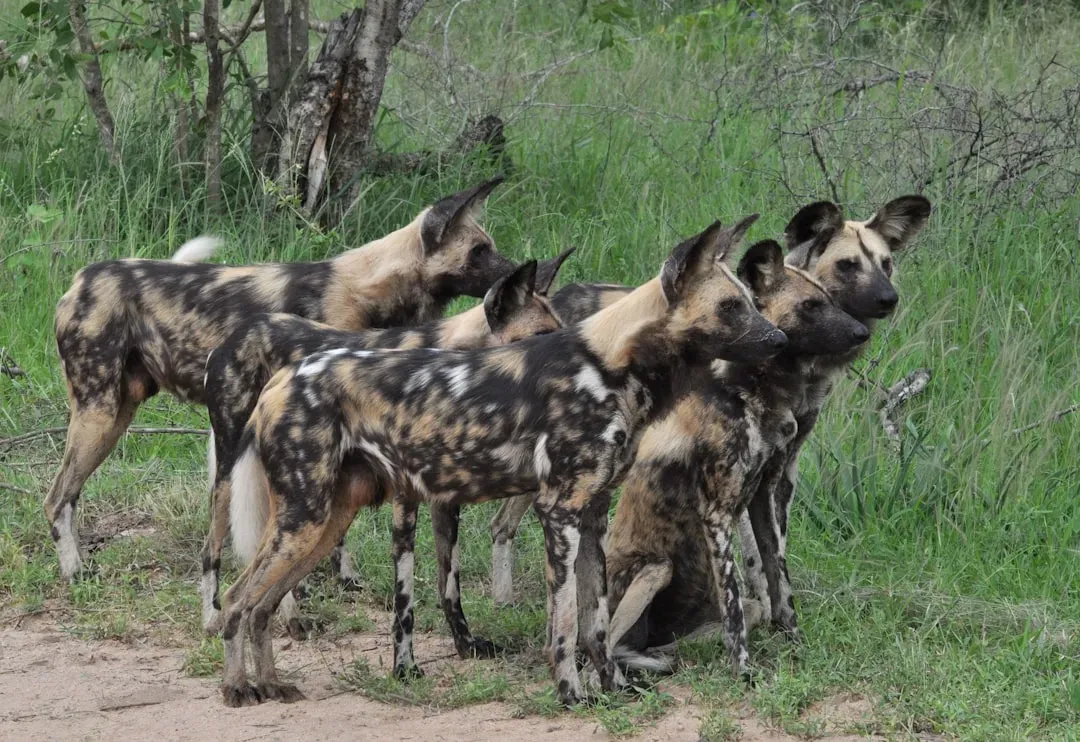
Aquarius energy matches the instinct of a pack sentinel: the individual that hangs slightly on the edge of the group, watching the horizon, catching patterns before anyone else notices. In early human bands and other social animals, these outliers were crucial for spotting predators, weather changes, or new opportunities. Aquarius translates this into a fascination with trends, systems, technology, and alternative ways of living.
They often seem detached or unconventional because their attention is more on what might happen than what is happening right now. This is not coldness so much as strategic distance. The Aquarian instinct is to observe the group from a step back, question the rules, and imagine upgrades. In a sense, they are still standing on the ridge while everyone gathers at the campfire, scanning the sky and wondering what the next era will require.
Pisces – The Ancient Ocean Dweller’s Intuitive Drift
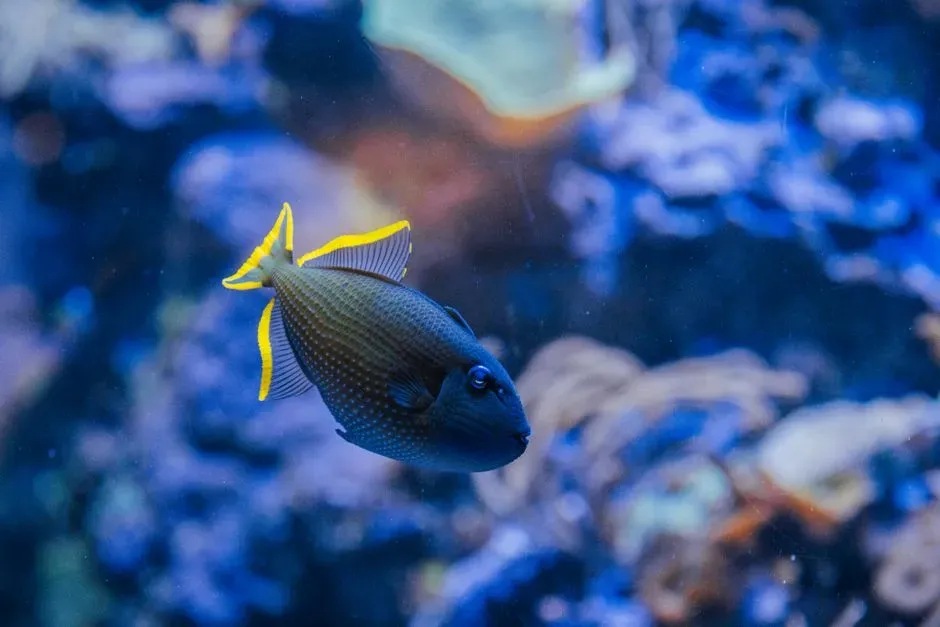
Pisces feels like an ancient ocean dweller gliding through deep water, guided less by clear sight and more by currents, vibrations, and a mysterious inner compass. In the ocean, survival often depended on sensing subtle shifts – pressure changes, distant movement, chemical traces – long before danger appeared. Pisces reflects this in its emotional sensitivity, dreaminess, and odd knack for picking up moods and meanings that no one has said out loud.
This can make everyday life overwhelming, like being a delicate sea creature washed into a noisy harbor. Yet Pisces carries a quiet evolutionary advantage: the ability to merge, adapt, and find pathways through empathy and imagination rather than force. They instinctively blur boundaries between self and other, which can be risky, but also allows them to navigate emotional landscapes the way ancient fish rode currents: surrendering just enough to be carried somewhere new.
Conclusion – Your Zodiac Is a Story Your Nervous System Still Tells
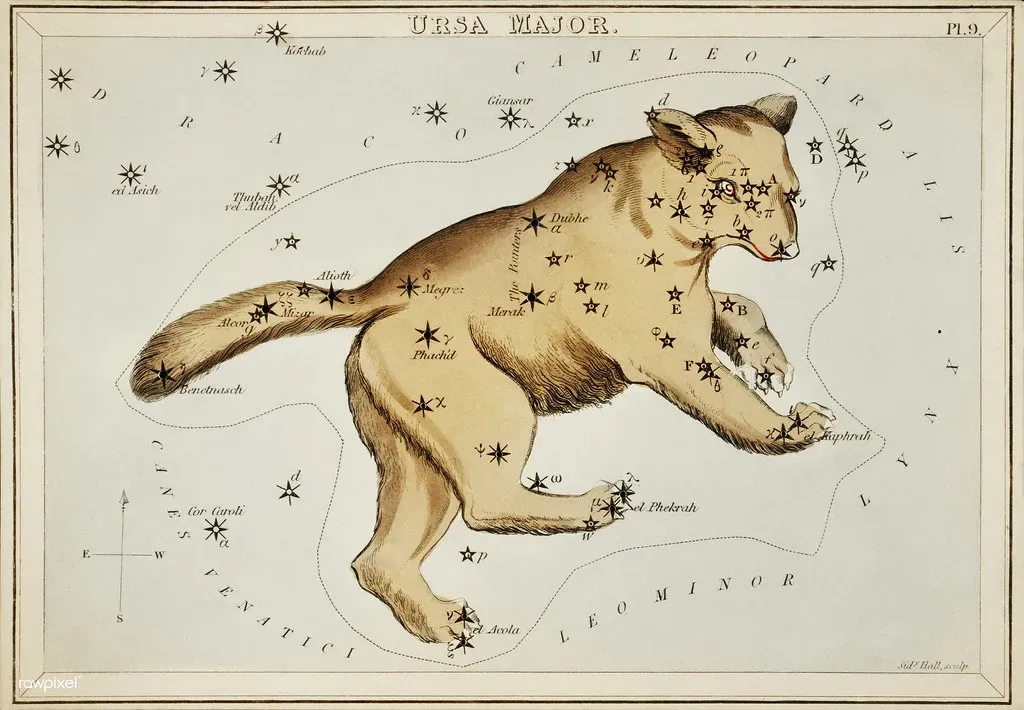
Astrology is not a lab-verified map of your DNA, but it is a surprisingly rich mythic language for talking about human instincts. When you look at your sign through these ancient animal lenses, you start to see that your quirks are not random. The urgency of Aries, the patience of Taurus, the restlessness of Gemini, the protectiveness of Cancer – each feels like a recycled survival strategy dressed up in modern clothes. I think that is why these archetypes stick: they speak directly to instincts our brains quietly run in the background.
You do not need to “believe” in zodiac signs to use them as mirrors, the same way you can learn about yourself from a novel or a painting without treating it as data. In my view, the most useful way to approach this is playful but honest: notice which instincts you overuse, which ones you ignore, and which animal you secretly wish you were. Maybe the real power here is not in being right about the stars, but in daring to ask a deeper question: if some ancient creature still lives in your reactions, how do you want to work with it instead of against it?