
Some people move through life like quiet, deep‑rooted trees. Others are more like quick, darting swallows or stubborn, shell‑armored turtles that simply refuse to quit. Evolution is full of wildly different strategies for surviving and thriving, and the fascinating part is this: many of those strategies show up in how we humans think, feel, and behave.
You do not need a lab coat to see it. The cautious planner, the bold risk‑taker, the social connector, the lone wolf tinkerer – each of these mirrors a pattern that has helped a species succeed over unthinkable stretches of time. As you read through these evolutionary success stories, notice which one feels uncomfortably familiar, almost like holding up a mirror. By the end, you might see your own personality as part of a much older story than you ever imagined.
The Survivor: Cockroach Energy and the Art of Endurance

If your friends joke that nothing seems to knock you down for long, you might be channeling the psychological equivalent of a cockroach. Cockroaches have existed for hundreds of millions of years, outliving mass extinctions, climate shifts, and the rise and fall of entire ecosystems. Their success is not glamorous: they survive because they are adaptable, opportunistic, and surprisingly good at making the best of terrible conditions.
People with this pattern tend to be emotionally tough, practical, and hard to impress with drama. You do not need life to be perfect; you need it to be survivable, and then you quietly optimize from there. In human terms, cockroach energy looks like taking the job that pays the bills, fixing what breaks with whatever tools you have, and refusing to see yourself as defeated. It is not romantic or Instagram‑pretty, but in a world full of chaos, endurance is one of the most underrated superpowers.
The Specialist: Cheetah Focus and High‑Performance Personality

Cheetahs are not good at everything, and that is exactly why they are so impressive. They traded broad versatility for extreme specialization: lightweight frame, powerful muscles, and a nervous system tuned for explosive speed. They burn out quickly, but in a short, focused burst, they are world‑class. If you are the sort of person who tunes out the world when you are in your element, you might be running a cheetah strategy.
Cheetah‑type personalities often thrive in high‑intensity, short‑deadline, performance‑driven environments. They love sprints more than marathons, and they tend to obsess over doing a few things exceptionally instead of being okay at many. The risk, of course, is burnout and frustration when life demands slower, steadier effort. But used wisely, this specialization can make you the go‑to person for a particular skill, the one who shows up, delivers at a ridiculous level, and then retreats to recover before the next chase.
The Generalist: Raccoon Flexibility and Curious Experimenters
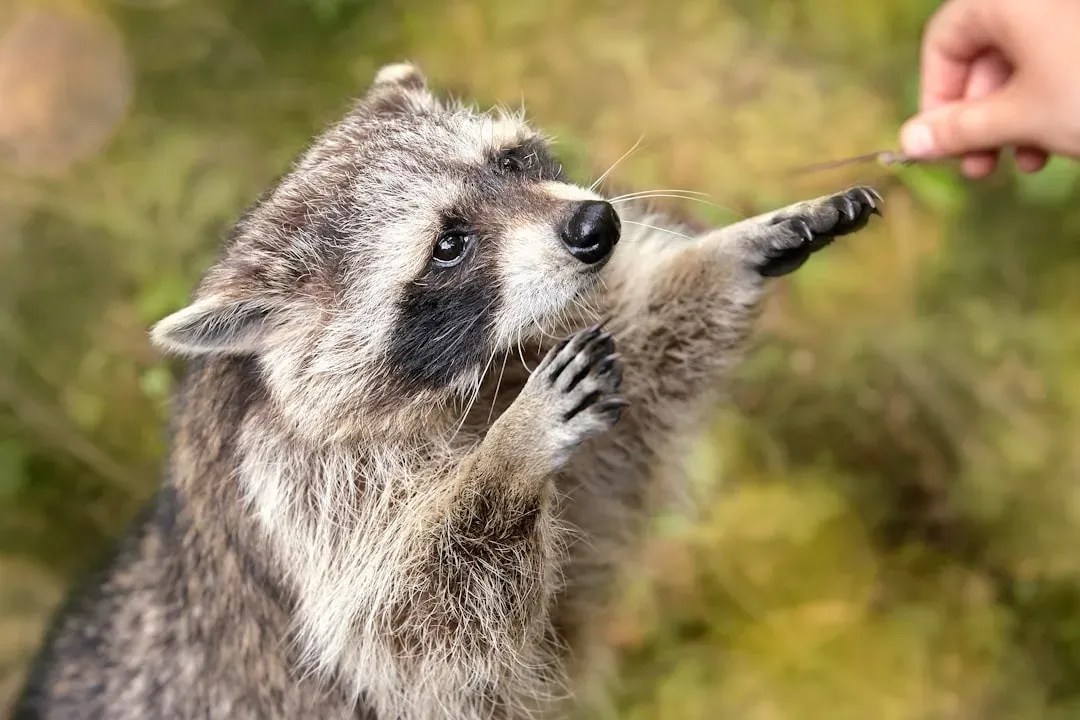
Raccoons are the ultimate “figure it out” animals. They thrive in forests, cities, suburbs, and trash alleys, partly because they will try almost anything and learn quickly from it. Their paws are ridiculously dexterous, their brains are wired for problem‑solving, and they are not fussy about where opportunity comes from. If you are always tinkering, learning random skills, or changing paths without panicking, you might share their evolutionary philosophy.
Generalist personalities tend to be curious, adaptable, and surprisingly resilient when plans fall apart. They are the people who pivot careers, pick up new hobbies, or move cities and somehow land on their feet. While specialists might outperform them in a narrow field, generalists have an edge when the world changes fast. In a turbulent, technology‑driven era, being a raccoon‑type human – resourceful, unpretentious, a bit chaotic but endlessly inventive – is often a very smart way to survive.
The Social Architect: Ant Colony Mindset and Collective Brains
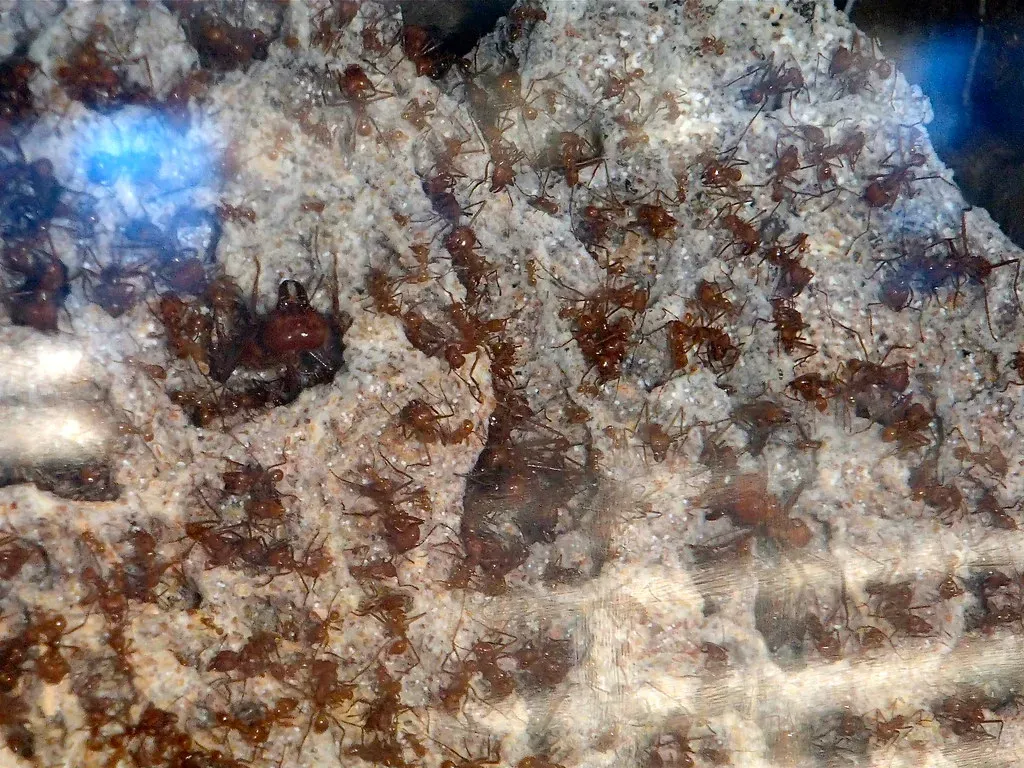
Ants have tiny individual brains, yet together they build vast, complex structures, farm fungi, defend colonies, and allocate resources with eerie efficiency. Their evolutionary win comes from radical cooperation and division of labor. If you are the kind of person who naturally thinks in terms of teams, networks, and shared goals, your personality lines up with this ant‑style success story.
Social architect personalities notice who is good at what, how tasks can be divided, and how to keep a group aligned on a purpose. You might feel most alive in group projects, community organizing, or building businesses and clubs from scratch. The ant lesson is that you do not need to be the loudest or the “genius” if you understand how to coordinate people. In a human context, your superpower is turning scattered individuals into a functioning ecosystem, and that is one of the most powerful evolutionary advantages any species – or person – can have.
The Slow Strategist: Giant Tortoise Patience and Long‑Game Thinking
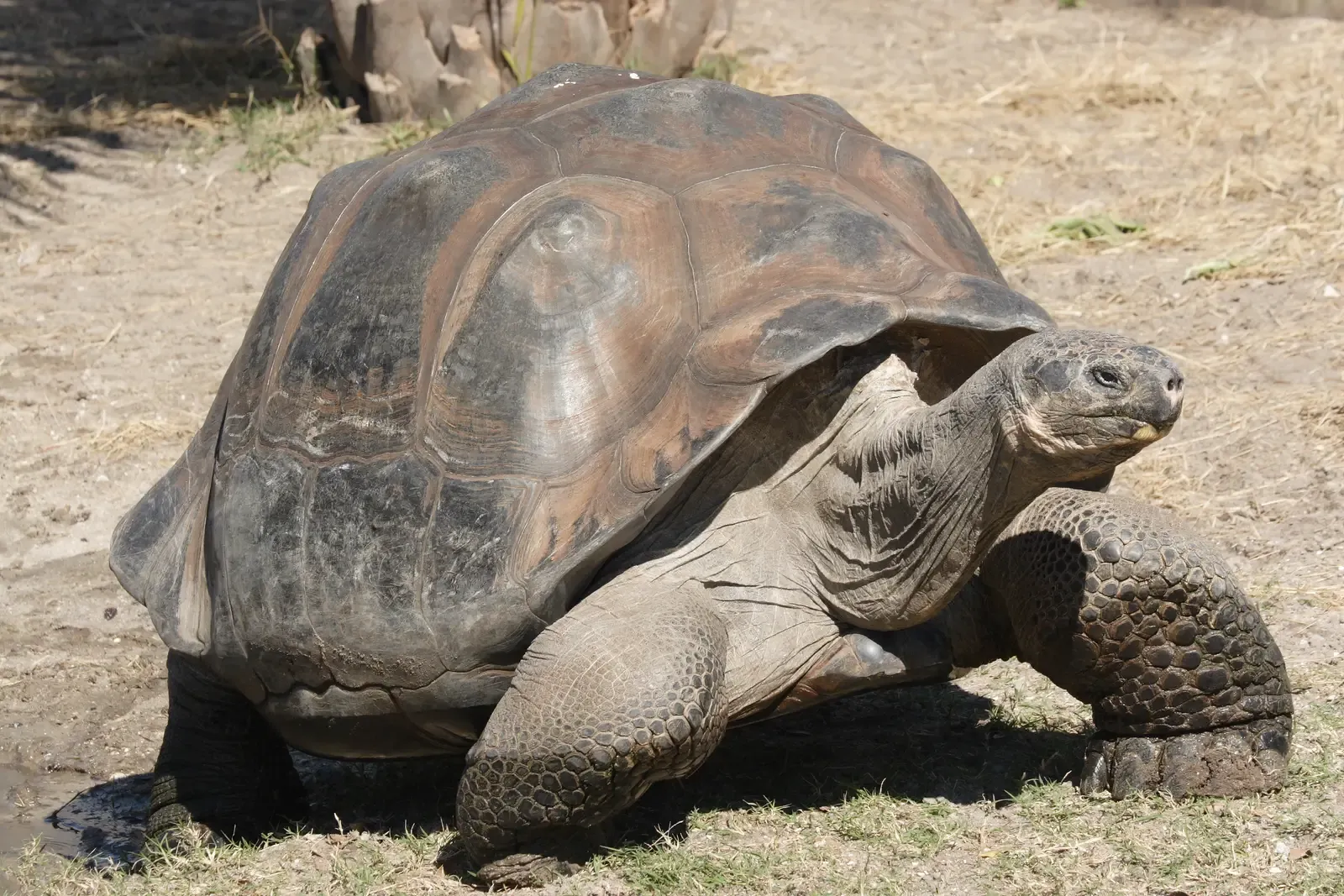
Giant tortoises live slowly and live long. They invest heavily in stability: thick shells, low metabolism, and a calm, unhurried relationship with time. This strategy only works when you can avoid immediate dangers and keep going, year after year. Some people are wired like that too. They do not rush decisions, they dislike fads, and they quietly compound small, steady efforts into massive long‑term gains.
If this is you, you might feel out of sync with a culture obsessed with urgency and instant results. But the tortoise pattern is incredibly powerful in careers, relationships, and health. You tend to save money instead of gambling it, nurture deep friendships instead of chasing constant novelty, and build careers like layered tree rings, not fireworks. Others may mistake your calm for passivity, but evolution suggests something different: in the long run, patient resilience beats frantic chaos more often than most people want to admit.
The Opportunist: Dandelion Seeds and High‑Risk Explorers

Dandelions spread their seeds widely, letting the wind decide where new plants might grow. Most seeds fail, but enough succeed that the species flourishes almost everywhere humans go. This is an evolutionary bet on quantity and diversity of chances rather than perfection of each attempt. Human opportunist personalities operate in a similar way: they try lots of things, launch many ideas, and are not devastated when most do not stick.
If you resonate with this, you might jump between startups, creative projects, social circles, or countries, collecting experiences more than trophies. Others may see you as inconsistent, but your real advantage is that you learn rapidly from trial and error and are unafraid of failure. In volatile environments, this scatter‑and‑see strategy can be incredibly adaptive. You are not the careful gardener; you are the dandelion trusting that, with enough bold attempts, some part of your life will land in very fertile soil.
The Specialist Caregiver: Elephant Empathy and Deep Bonds
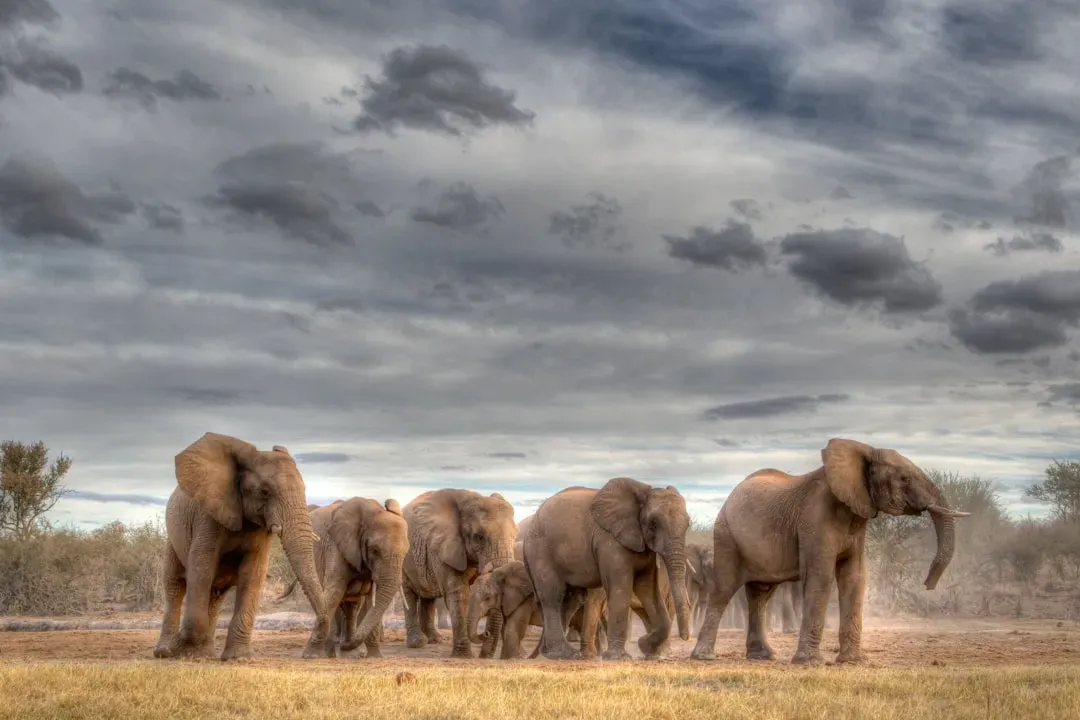
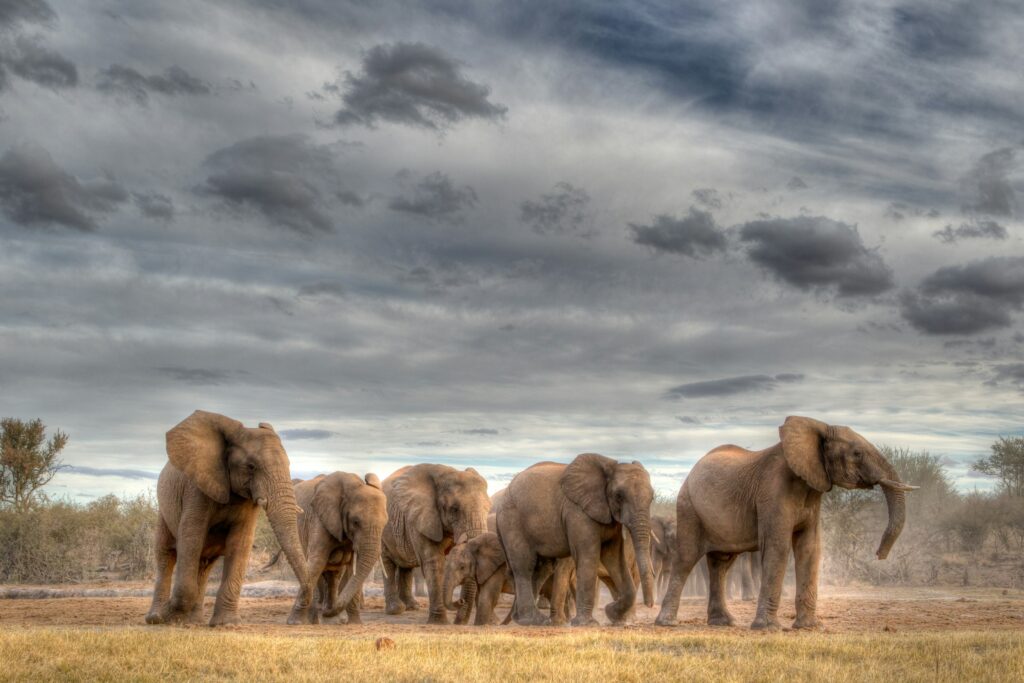
Elephants succeed partly because of their intense social bonds and extended parental care. They remember relationships for years, grieve losses, and cooperate to protect calves. This high‑investment strategy means fewer offspring but much higher survival for each. Some humans mirror this exactly: they build small but very deep circles and pour time and emotional energy into nurturing them.
If you are the friend who checks in, the relative who remembers everyone’s milestones, or the leader who measures success by how people around you grow, you are using an elephant strategy. You may not chase every opportunity because your energy goes into a few key relationships and responsibilities. That focus can look limiting on paper, but in real life it creates networks of trust, loyalty, and emotional security that are hard to compete with. Evolution consistently rewards systems that protect and invest in their young; in human societies, people like you are often the quiet backbone making that possible.
The Shape‑Shifter: Octopus Intelligence and Creative Outsiders
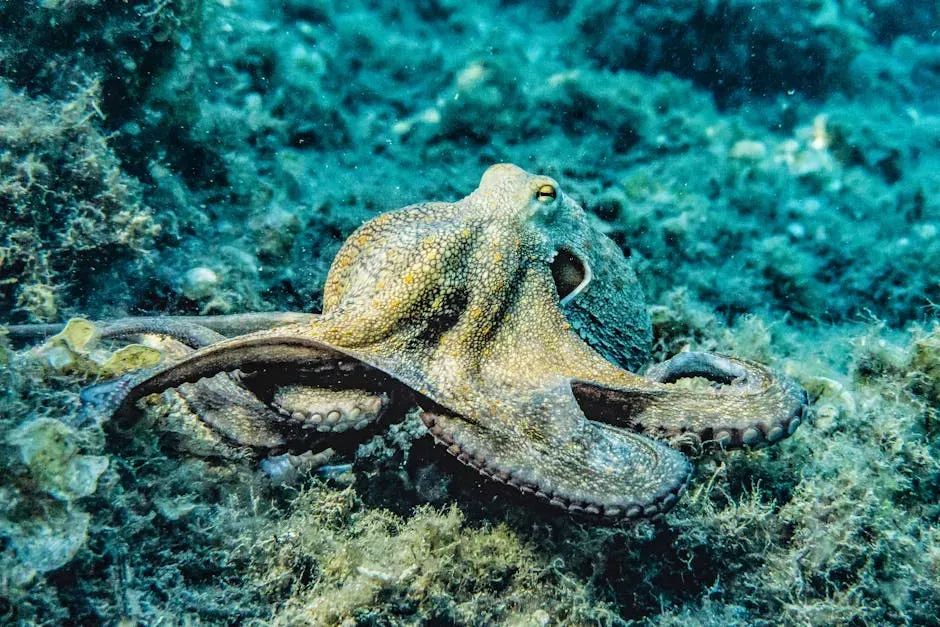
Octopuses are evolutionary oddballs: soft‑bodied, highly intelligent, able to change color and texture, and notorious escape artists. They thrive not by brute force or group behavior, but through creativity, flexibility, and problem‑solving. Human shape‑shifter personalities often feel like outsiders because they do not fit neat boxes, yet that very weirdness is their edge.
If you constantly reinvent yourself, move between social groups, or pick up skills that seem unrelated, you might be an octopus at heart. You probably notice patterns others miss and solve problems with sideways, unexpected approaches. The downside is that you may feel misunderstood or restless in rigid systems. Still, in a world where many challenges do not have clear rules, an octopus‑like ability to adapt, camouflage, and outthink obstacles is a form of evolutionary genius. You are not built to blend into one niche; you are built to slip through the cracks and redraw the map.
Conclusion: Your Personality Is a Strategy, Not a Flaw

When you look at yourself through an evolutionary lens, your quirks stop feeling like random accidents and start looking like strategies. The stubborn survivor, the intense specialist, the scattered experimenter, the patient planner, the hyper‑social connector, the empathetic caregiver, the creative outsider – these are all time‑tested ways of navigating an uncertain world. None of them are perfect, and every one comes with trade‑offs, just like they do in the animal kingdom.
My opinion is that we spend far too much energy trying to sand down our edges to match some imaginary “balanced” ideal. Evolution is not about balance; it is about fit. The real power move is to understand which success story you are living out, then lean into its strengths while being honest about its weaknesses. Instead of asking how to become a different creature, maybe the better question is: how can you be the most effective version of the one you already are?