
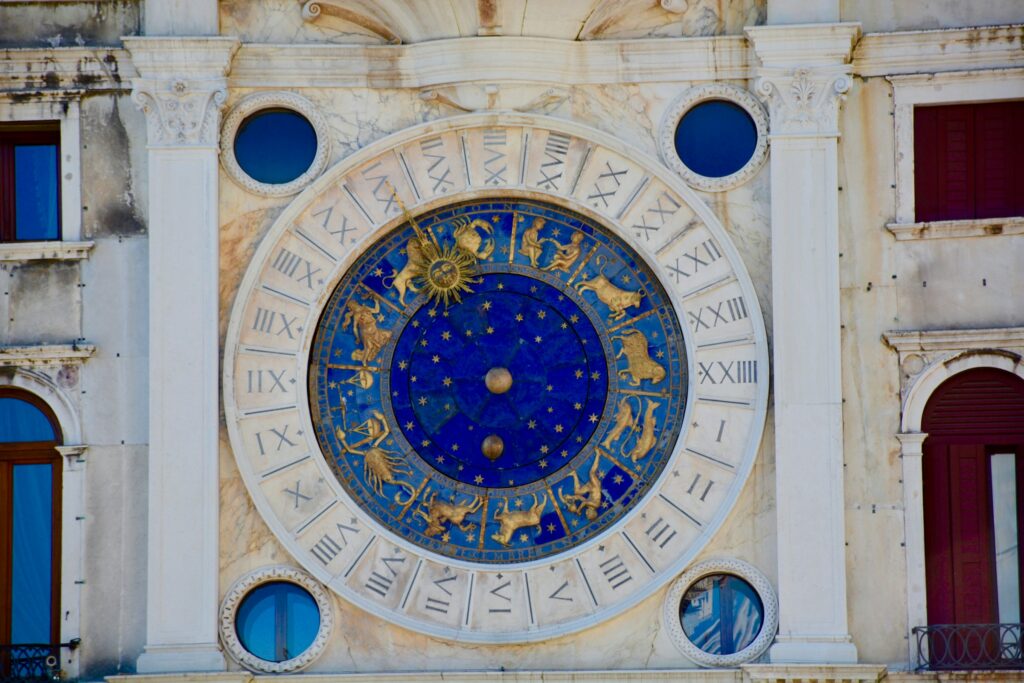
Picture this: no phones, no coffee shops, no social media – just firelight, stone tools, and a sky full of stars. In that kind of world, survival was not about who had the latest gadget, but who had the right instincts, temperament, and tribe role. When you look at it that way, your zodiac sign starts to feel less like a party trick and more like a symbolic map of how your personality might have slotted into ancient life.
Astrology is not a science in the strict experimental sense, and it cannot tell us what “actually” happened in the distant past. But it can act like a psychological mirror, capturing patterns of behavior, coping styles, and emotional needs. If we overlay those traits onto what anthropologists know about Stone Age life – small bands of hunter‑gatherers, harsh environments, constant adaptation – it becomes a surprisingly fun (and sometimes uncomfortably accurate) way to imagine how you might have survived back then.
Aries: The Fearless Scout on the Front Line

Aries energy is all about charging first, thinking later – which, in a Stone Age setting, could have made you the person who tested the unknown path or stood at the edge of the hunting party. Your courage and impatience would push you toward action while others were still debating where to camp. In a world where hesitation could mean going hungry, that willingness to leap into the dark might have been a serious advantage.
Of course, there’s a thin line between brave and reckless. An Aries type in the Stone Age might have been the one who accidentally disturbed a predator’s den or tasted the wrong berry because “someone had to try it.” But you also would have helped your group evolve faster, discovering new hunting grounds, routes, and ideas simply because you refused to stay still. Your survival edge: speed, boldness, and the raw drive to keep pushing forward when everyone else was tired.
Taurus: The Provider Who Built Safety from Chaos
Taurus is grounded, persistent, and deeply connected to the body and the land. In a Stone Age context, that translates into the person who knows where the edible roots grow, how to store food, and how to build a shelter that actually holds up in a storm. While others chased the thrill of the hunt, you would have been the steady one turning raw materials into comfort, structure, and long‑term security.
Your stubborn streak would have been a survival feature, not a flaw. When conditions were harsh and resources scarce, you would dig deeper, literally and metaphorically, to find what the group needed. You might not rush into danger, but you’d quietly outlast it, enduring hunger, cold, and exhaustion better than most. Your survival edge: patience, resilience, and a near‑instinctive ability to create stability out of wildness.
Gemini: The Messenger Who Kept Everyone Connected
Gemini lives on curiosity, communication, and cleverness – three traits that are pure gold in a small band trying to make sense of a dangerous world. You would have been the one passing information between groups, remembering paths, signals, and stories that kept people coordinated. In an era where a misunderstanding could lead to conflict or lost allies, your way with words might literally have saved lives.
Your restless mind would constantly scan for patterns: changes in animal behavior, shifts in the weather, subtle differences in a stranger’s body language. You might not have been the strongest hunter or the most stoic survivor, but you would excel at learning quickly and sharing what you knew. Your survival edge: adaptability, social intelligence, and the gift of turning scattered bits of experience into useful knowledge for everyone.
Cancer: The Protector Who Held the Tribe Together
Cancer’s emotional depth and fierce protectiveness would have been crucial in a Stone Age environment where children, elders, and the injured needed constant care. You’d be the one making sure the fire stayed lit through the night, that no one was left behind, and that those who were grieving or afraid had someone to lean on. In a small group, emotional glue is as vital as physical strength, and you’d be that glue.
Your sensitivity, which might feel overwhelming in the modern world, would have helped you sense subtle shifts in mood, fear, or tension long before things exploded. You’d know when someone was too exhausted to keep walking or when a conflict was about to turn dangerous. Your survival edge: emotional radar, caregiving instincts, and a relentless loyalty to your people that made the group stronger and more resilient.
Leo: The Charismatic Leader Around the Fire
Leo thrives on visibility, courage, and a sense of purpose, which would have placed you naturally in leadership or inspirational roles. Around the fire after a brutal day, you’d be the one telling stories of bravery, reminding everyone why they were fighting so hard to survive. In times of fear or uncertainty, people would look to you for confidence and direction, even if you were improvising half of it.
Your pride could have been a double‑edged stone tool: on one hand, it would motivate you to protect your people and prove yourself worthy; on the other, it might tempt you into showy risks or power struggles. But when used well, your flair would keep morale high and create a sense of shared identity. Your survival edge: charisma, courage under pressure, and the ability to turn a terrified group into a proud, united tribe.
Virgo: The Strategist Who Noticed What Others Missed
Virgo’s analytical, detail‑oriented nature would have been a quiet superpower in the Stone Age. You’d be the one noticing that a certain type of mushroom always grows near clean water, or that an animal track pattern means predators are nearby. While others saw just trees and rocks, you’d see a data set – clues, patterns, and tiny indicators of danger or opportunity.
Your tendency to worry might actually have made your group safer. You’d question risky plans, double‑check supplies, and refine tools or techniques until they worked reliably. Maybe you would not have been the loudest voice at the council or the most dramatic hunter, but you’d be the one whose careful planning meant the difference between feast and famine. Your survival edge: precision, foresight, and the relentless drive to improve how things are done.
Libra: The Diplomat Who Prevented Needless Bloodshed
Libra’s gift for balance and fairness would shine in a world where conflict could easily spiral into violence between small bands. You’d be the one stepping between hot‑headed hunters, cooling tempers, and suggesting compromises when territory or resources were at stake. In the Stone Age, avoiding a fight could be more valuable than winning one, because every injury was dangerous.
Your attunement to harmony would help maintain social cohesion within your own group too. You’d sense when someone felt excluded, when jealousy brewed, or when an unfair decision threatened unity. While others focused on surviving nature, you’d be focused on surviving each other. Your survival edge: negotiation, empathy, and the ability to turn potential enemies into uneasy, but life‑saving, allies.
Scorpio: The Shadow Guardian Who Saw Hidden Truths
Scorpio energy runs deep, intense, and unafraid of the dark – physically and psychologically. In Stone Age times, you might have been the one unbothered by night watches, sitting quietly at the edge of camp, listening to the forest breathe. Your sharp instincts for danger and your talent for reading motives would have made you an excellent scout, tracker, or protector against both visible and hidden threats.
You’d also understand power dynamics instinctively: who could be trusted, who was secretly resentful, who might betray the group if pushed too far. While some might find you mysterious or intimidating, your ability to face fear head‑on would create an invisible shield around your tribe. Your survival edge: psychological insight, fearlessness in crisis, and a relentless focus on what lies beneath the surface appearances.
Sagittarius: The Explorer Who Expanded the Map
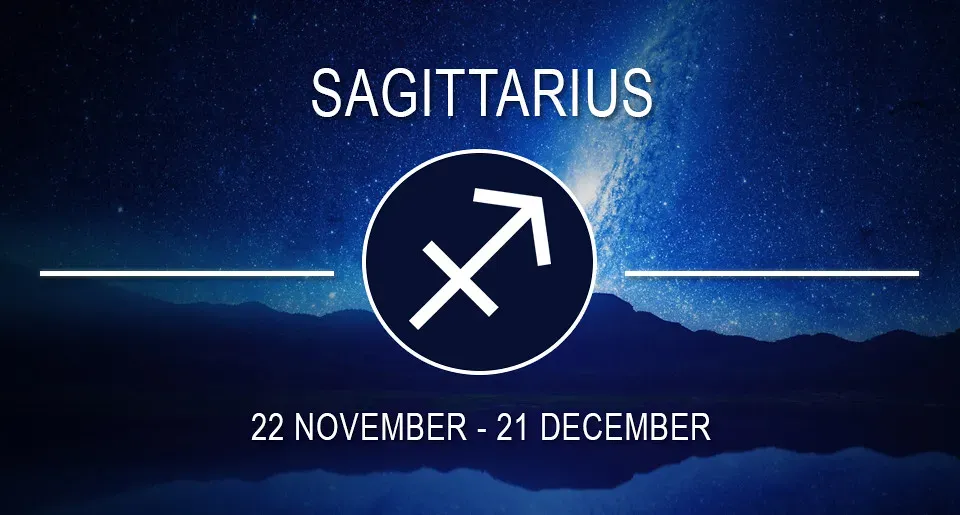
Sagittarius is wired for exploration, meaning in a Stone Age setting you’d rarely be content staying in the same valley year after year. You’d be the one pushing for long journeys, new hunting grounds, or contact with distant groups. That wanderlust, risky as it sounds, could be exactly what saved your people when local resources ran out or the climate suddenly shifted.
Your optimism and big‑picture vision would make hardship bearable. When the group was exhausted and scared in unknown territory, you’d keep saying there was something better just beyond the next ridge – and you might actually be right often enough to justify it. Your survival edge: a hunger for discovery, faith that things can improve, and the willingness to gamble on long‑term gains instead of short‑term comfort.
Capricorn: The Master Builder of Long‑Term Survival
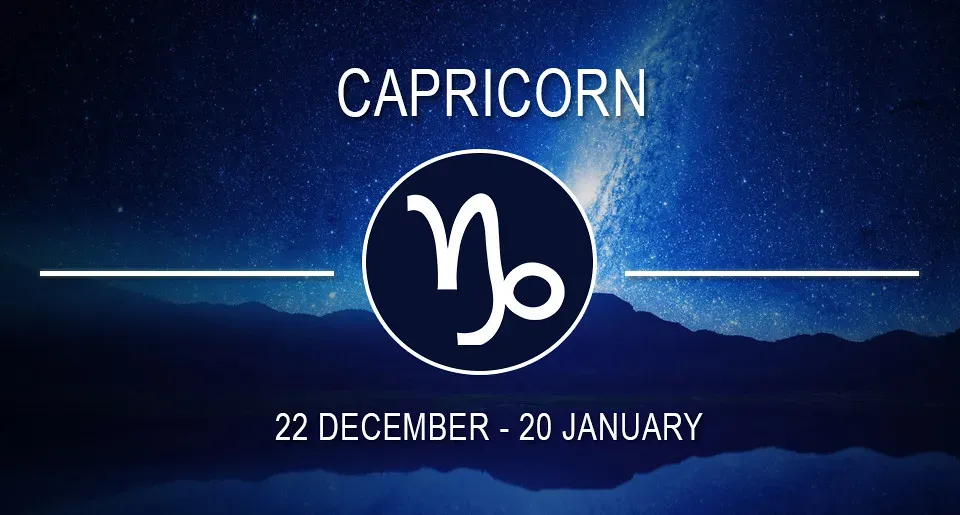
Capricorn’s discipline and focus on long‑term goals would fit perfectly in a world where every decision had lasting consequences. You’d be the one organizing hunting schedules, rationing food, and insisting that tools be repaired before they broke at the worst time. In a Stone Age reality, your seriousness would not be “too much” – it would be leadership in its most practical form.
You might have pushed yourself harder than anyone else, taking on extra burdens because you could not stand the idea of the group failing. Your relationship with hierarchy and structure would lead you to either become a respected elder or the trusted right hand of one. Your survival edge: discipline, strategic thinking, and the capacity to sacrifice now for safety and prosperity later.
Aquarius: The Innovator Who Broke the Rules to Advance
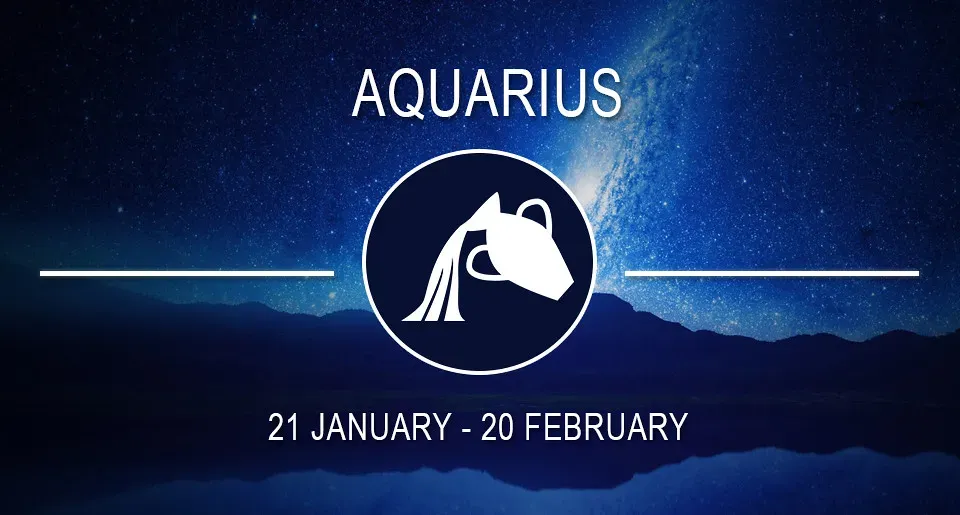
Aquarius brings unconventional thinking and a focus on the collective, which in a Stone Age tribe would look like the person always tinkering with new methods or challenging “the way we’ve always done it.” Maybe you were the one who tried a different spear design, suggested a new way to divide labor, or envisioned alliances between groups that never spoke before. While others might have rolled their eyes, these experiments could change everything.
Your emotional distance, which can frustrate people today, would allow you to see social patterns more objectively. You’d recognize when customs were hurting the group and when a new rule or structure was needed. You might be seen as strange, but you’d also be the mind pushing the tribe a step closer to a more complex, cooperative society. Your survival edge: innovation, big‑picture social vision, and the courage to break tradition when it no longer works.
Pisces: The Intuitive Dreamer and Spiritual Guide

Pisces is deeply intuitive, imaginative, and sensitive to unseen currents – emotional and environmental. In Stone Age life, you might have been the dream interpreter, the symbol reader, the one who sensed a coming storm or shift before any physical sign appeared. While others relied on logic and muscle, you would lean on gut feelings, images, and inner impressions that surprisingly often guided the group well.
Your empathy would let you attune to animals, children, and troubled adults in a way that brought calm and healing. You might not have loved direct conflict or brutal hunts, but you would contribute by tending to the sick, soothing fear, and reminding the tribe that life was more than just survival. Your survival edge: intuition, emotional healing, and a spiritual connection that kept hope alive when everything else looked bleak.
Conclusion: Survival Was Always a Team Sport
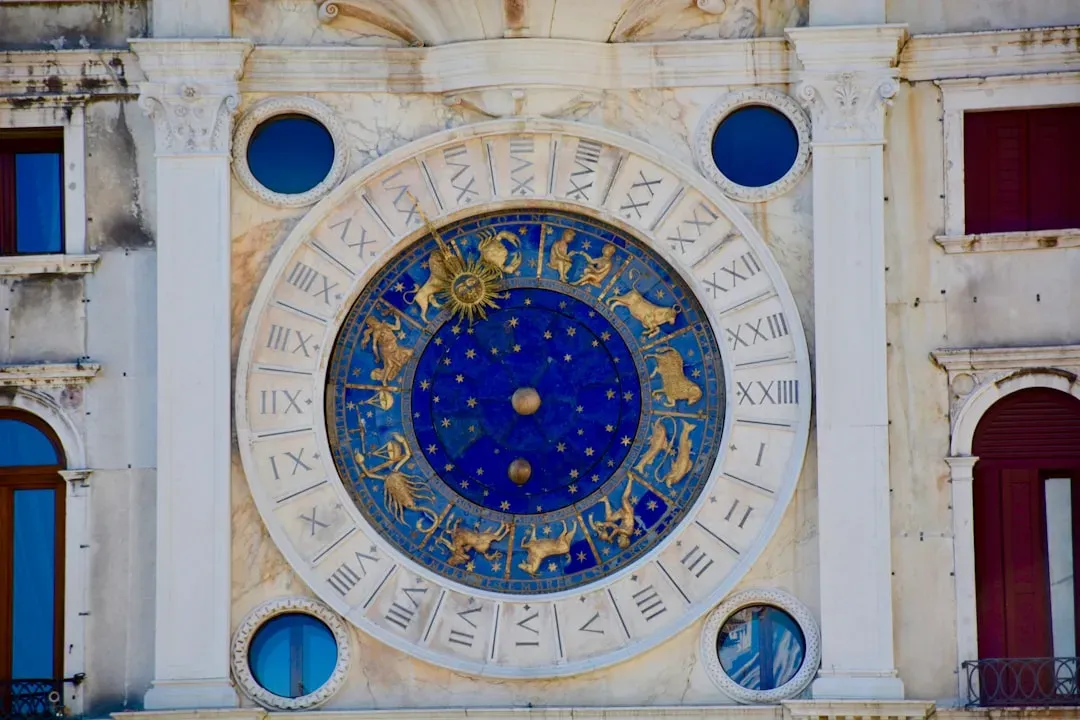
When you line up all twelve signs against the backdrop of the Stone Age, one thing becomes obvious fast: no single type could have done it alone. The boldness of Aries without the caution of Virgo, or the vision of Sagittarius without the grounding of Taurus, would have ended in disaster. Our ancestors survived not because they were all the same, but because their wildly different strengths fit together like pieces of a rough, beautiful mosaic.
In that sense, your zodiac sign is less a solo survival script and more a hint at the role you might have played in an ancient tribe. Whether you see yourself as the scout, the healer, the builder, or the storyteller, your traits would only truly shine in connection with others. Maybe that is the real lesson buried under all the symbolism: even in our hyper‑individual modern world, we are still wired for shared survival. So, if you imagine your Stone Age self for a moment – which role do you feel in your bones you would have claimed?