
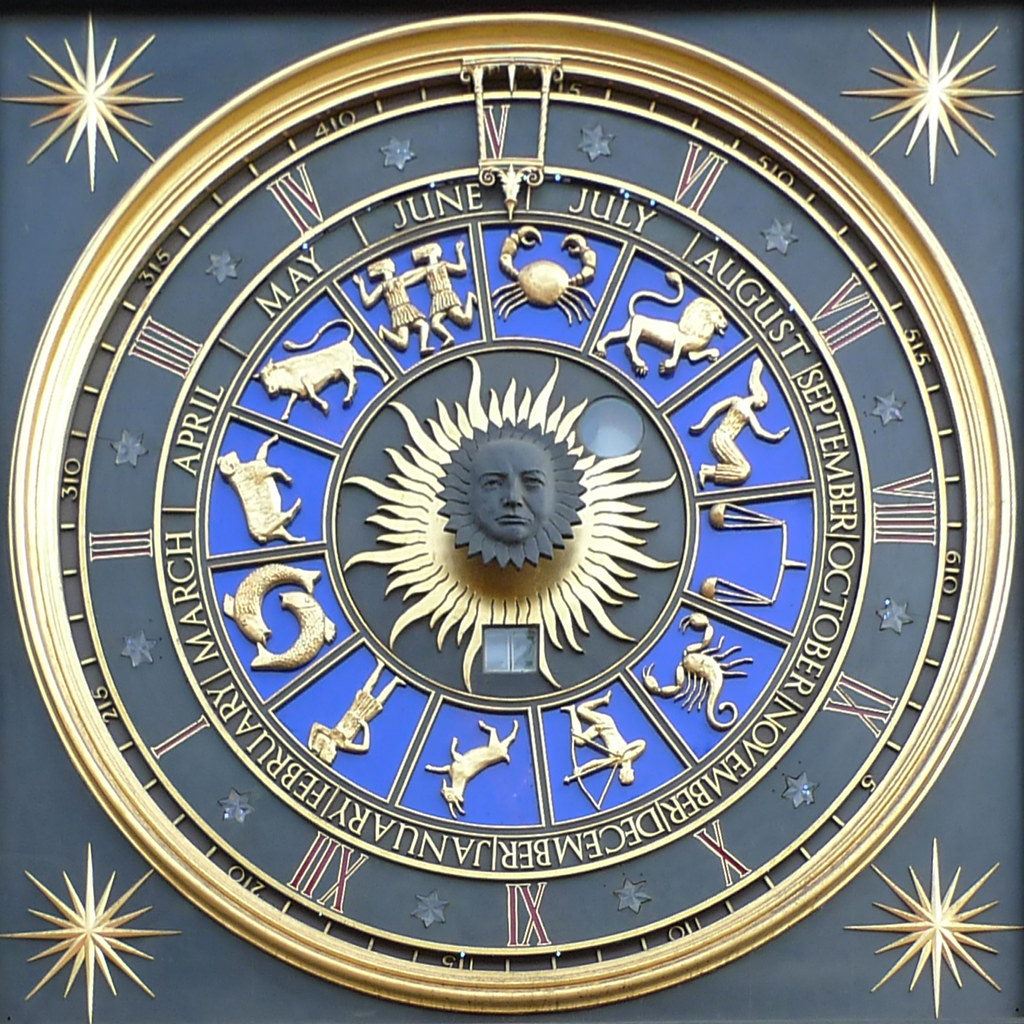
Imagine dropping your zodiac sign into a prehistoric campfire circle. No phones, no Wi‑Fi, just crackling flames, stars overhead, and a small band of humans who survive because each person does one thing insanely well. If you had to pull your weight out there, would you be the bold hunter, the master tracker, the herbal healer, or the one who keeps everyone from tearing each other apart?
Astrology is not hard science, and it definitely cannot time‑travel you back into the Stone Age. But it does offer a playful framework for personality patterns that surprisingly line up with what anthropologists know about real hunter‑gatherer societies: cooperation, specialization, and shared roles. Let’s blend what we know about each zodiac sign’s tendencies with what researchers have learned about traditional foraging bands and see which prehistoric job would have felt oddly natural to you.
Aries – The Vanguard Hunter

Would you sprint toward the unknown while everyone else is still debating the plan? That is peak Aries energy, and in a hunter‑gatherer band you would almost certainly be at the front of the hunt. Aries is associated with initiative, speed, and a high tolerance for risk, which aligns with the kind of person who tests new hunting grounds, drives game out of hiding, and takes that first daring shot with a spear or bow.
Anthropologists describe how successful hunts often depended on a few bold individuals willing to close the distance, distract large animals, or chase wounded prey over rough terrain. That role demands quick reactions, physical courage, and a willingness to fail and try again, all traits often linked to Aries. Of course, raw bravery without discipline can get you hurt, so the Aries challenge in this ancient role would be learning to coordinate with the group instead of charging off solo just to prove a point.
Taurus – The Provisioning Gatherer

If you love comfort, good food, and a sense of steady security, Taurus easily maps onto the backbone of many real foraging societies: the reliable gatherers. In most hunter‑gatherer groups, plant foods, roots, nuts, and fruits are not just side dishes; they are the daily calories that keep everyone alive between big hunts. That work favors patience, persistence, and a strong sense of responsibility, all qualities traditionally tied to Taurus.
This role is less about adrenaline and more about consistency: knowing which plants are in season, remembering the best patches, and lugging heavy baskets back to camp without complaining. It also requires an appreciation for the sensory world – textures, smells, subtle color changes that tell you whether a plant is edible or dangerous. A Taurus in this position would quietly become indispensable, creating a kind of earthy abundance that makes the camp feel like home, even when the environment is harsh and unpredictable.
Gemini – The Scout and Messenger

In many traditional societies, knowledge was survival: who has extra food, where conflict might be brewing, which neighboring group is friendly or hostile. A Gemini‑styled personality would thrive here, weaving social connections, trading stories, and transmitting critical information accurately but also engagingly so that people actually listen. The risk is scattering your energy – too many conversations, too many ideas – so the ancient Gemini lesson would be learning to filter and focus on what truly matters in the moment when the group’s next move depends on your report.
Cancer – The Hearth Keeper and Caregiver

Cancer is often linked to nurturing, emotional attunement, and a strong instinct to protect the vulnerable, which aligns with the quiet but absolutely crucial role of hearth keeper. In a hunter‑gatherer group, someone has to maintain the fire, care for children, tend to the sick, and keep camp feeling safe and cohesive. Without that emotional and logistical glue, even the most impressive hunters would burn out or drift apart.
This role is more complex than it sounds: it blends practical tasks like cooking and managing stored food with subtle social skills such as noticing who is withdrawn, who needs support, and when tensions are about to explode. A Cancer in this position would track the emotional climate the way others track animal prints, reading micro‑expressions and mood shifts. While this kind of labor is often undervalued in modern cultures, in a small prehistoric band it might be the difference between a community that survives together and one that fractures under stress.
Leo – The Ritual Leader and Morale Booster

Leo’s flair for drama, leadership, and self‑expression finds a natural home in the role of ritual leader and morale booster. Many hunter‑gatherer cultures placed huge importance on songs, dances, and stories that reinforced group identity and made sense of the dangers around them. Someone had to step forward, command attention, and turn fear into courage before a hunt or long migration, and that usually meant a personality unafraid of the spotlight.
In this role, a Leo would be the one starting chants around the fire, dramatizing past victories, and giving people a reason to believe in themselves when resources are low. This is not just entertainment; rituals can regulate stress, strengthen bonds, and help people coordinate. The challenge, of course, is not letting ego overshadow the group’s needs. A mature Leo in the camp would use their charisma like a torch held high for everyone, not a mirror to admire themselves.
Virgo – The Tracker and Systems Mind

Virgo energy is analytical, detail‑oriented, and often quietly perfectionist, which resonates strongly with the role of expert tracker and systems organizer. Tracking animals or reading landscapes is a science in its own right: you need to notice the faintest imprint, broken twig, or shift in the wind and then piece those clues into a coherent story. That combination of observation and pattern‑recognition lines up well with Virgo’s strengths.
Beyond tracking, many anthropologists note how successful foraging bands rely on intricate, almost invisible systems: where tools are stored, how tasks rotate, how waste is disposed of, how water sources are protected. A Virgo would likely be the one who sees inefficiencies, refines methods, and maintains tools and shelters so that things simply work better. In a world with no spreadsheets or checklists, their gift would be turning chaos into quiet order that other people barely notice – until it is missing.
Libra – The Diplomat and Alliance Builder

Libra’s core themes are balance, fairness, and partnership, which fit the social diplomat role in a hunter‑gatherer setting. Real foraging societies tend to rely heavily on cooperation, conflict resolution, and alliances with neighboring groups. Someone who can calm tensions, mediate disputes, and negotiate exchange relationships becomes essential when one bad argument could split the band at the worst possible moment.
A Libra‑style person would pay close attention to fairness in food sharing, sleeping arrangements, and decision‑making, subtly nudging things back toward harmony when they feel off. They would be the one who senses when people are about to clash and steps in early with a joke, a compromise, or a reminder of shared goals. While that can sometimes look indecisive from the outside, in a small group their ability to see both sides and keep the peace could mean fewer dangerous rivalries and more stable, long‑term cooperation.
Scorpio – The Shamanic Healer and Shadow Worker

Scorpio is often linked to intensity, secrecy, and transformation, which lines up with the deep, sometimes unsettling role of shamanic healer or “shadow worker” in many traditional societies. Healers or ritual specialists often dealt with illness, psychological distress, and experiences that the group could not easily explain. They might use plants, altered states of consciousness, and symbolic rituals to help people move through fear, grief, or trauma.
While the details vary across real cultures, the common thread is a person who is not afraid of pain, taboo topics, or emotional extremes. A Scorpio archetype fits here: someone who understands that survival is not just physical but also psychological and spiritual. They might be the one people turn to in the dead of night after a frightening dream or a violent encounter, trusting that this person can hold secrets and guide them through dark emotional terrain without flinching or judging.
Sagittarius – The Explorer and Knowledge Seeker

Sagittarius is associated with exploration, big‑picture thinking, and a craving for meaning, making it a natural match for the role of long‑range explorer in a mobile band. Hunter‑gatherer groups constantly had to adapt to changing climates, migrating animals, and shifting landscapes. That meant sometimes sending out small parties to scout new territories, experiment with unfamiliar foods, or learn from distant groups.
A Sagittarius‑leaning personality would be drawn to the horizon rather than the hearth, eager to see what lies beyond the next hill and what other people believe or know. They would not just bring back physical information like where the river bends; they would return with stories, myths, and techniques learned from others, expanding the group’s mental map of the world. The risk, then and now, is restlessness – staying present long enough to integrate what they have found instead of always chasing the next adventure.
Capricorn – The Strategist and Resource Manager
Capricorn’s themes of discipline, long‑term planning, and respect for structure align strongly with the strategist and resource manager role. In a foraging context, this could mean helping decide when to move camp, when to conserve resources, and how to manage food storage so that the group survives lean seasons. While everyone might have opinions, someone with a Capricorn style would naturally think in terms of sustainability and consequences.
Anthropological research shows that hunter‑gatherers often have intricate, seasonally tuned patterns of movement and resource use. A Capricorn would likely be the one remembering how bad the last drought was, arguing for restraint when others want to celebrate too hard, and insisting that tools and shelters be built to last. It might make them seem strict at times, but in a precarious environment, that sober realism can be the quiet backbone of the group’s long‑term survival.
Aquarius – The Innovator and Social Experimenter

Aquarius is linked to innovation, unconventional thinking, and concern for the group as a whole, which resonates with the role of social and technological experimenter. In even the most traditional societies, someone has to be the first to try a new tool design, a different hunting strategy, or a more unusual way of sharing and organizing labor. That person is often seen as odd at first – and then brilliant if their experiments work.
An Aquarian in a prehistoric band might be the one tinkering with spear points, proposing new ways to rotate childcare, or wondering aloud if it really has to be done the way ancestors did it. Their gift is seeing alternative paths when everyone else assumes the old way is the only way. The tension is clear: too much disruption can destabilize the group, but without that occasional leap into the unknown, a community may stagnate and miss opportunities to adapt to new challenges.
Pisces – The Dreamer and Story Keeper

Pisces is often tied to imagination, empathy, and a porous sense of self, which fits the role of dreamer and story keeper. In many traditional societies, dreams, visions, and stories were not idle fantasies; they were sources of guidance, warning, and identity. Someone had to remember the myths, interpret symbolic experiences, and weave individual struggles into a shared narrative that made people feel less alone.
A Pisces‑type person would naturally slip into that space, tuning into subtle emotional undercurrents and finding meaning where others see only randomness. They might be the one who sits slightly at the edge of the circle, listening more than speaking, and then offering a story that reframes a recent hardship in a more hopeful light. In a world without written language, their ability to hold and transmit the group’s inner world would be as vital, in its own way, as the hunters’ strength or the gatherers’ knowledge of plants.
Conclusion – Your Inner Forager and What It Really Means
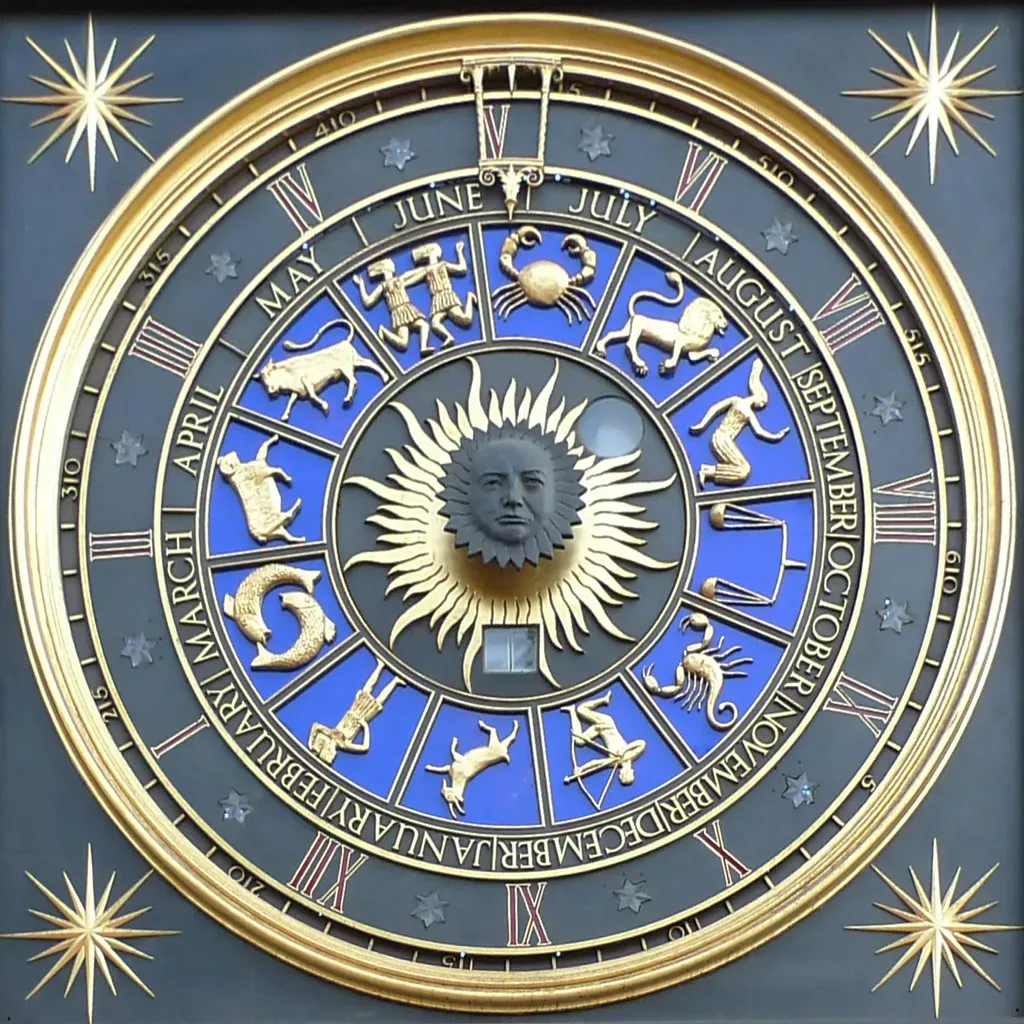
Linking zodiac signs to hunter‑gatherer roles is obviously not a literal science experiment; nobody can prove that every Aries ancestor charged mammoths or every Pisces ancestor told stories by the fire. But when you line up the personality patterns from astrology with what anthropologists have found about foraging life, an interesting picture appears: survival is never about a single heroic role, it is about a mosaic of different strengths. Whether you resonate more with the scout, the strategist, the caregiver, or the innovator, you are tapping into archetypes that are old, deeply human, and still relevant in our modern workplaces, families, and friend groups.
My own opinion is that the most useful way to read an article like this is not as destiny, but as a mirror and a nudge. If your sign’s role feels right, lean into it and notice how it already shows up in your life. If it does not, ask yourself which ancient role you secretly want to try on, because sometimes growth means borrowing traits from another archetype entirely. Underneath the astrology and the romantic idea of campfires and wild horizons, the real message is simple: your personality has a place in the human tribe, and we have always survived best when every kind of mind finds a role. So, if you were suddenly dropped into that ancient circle tonight, which job would you fight to claim?