
Extinction is supposed to be permanent. That’s the whole point of the word. But over a dozen species officially declared gone forever have turned up alive, and researchers now suspect several more famous “extinct” animals are still breathing somewhere out there, hiding from cameras, drones, and hopeful search teams.
Museums built exhibits around their disappearance. Textbooks used them as case studies in human-caused extinction. Then the evidence started rolling in – DNA samples, blurry drone footage, decades-old sightings that suddenly made scientific sense. Here’s what researchers and field biologists actually say about the animals that refused to stay gone.
#13 – Wallace’s Giant Bee: The “Nightmare Insect” That Hid for 38 Years
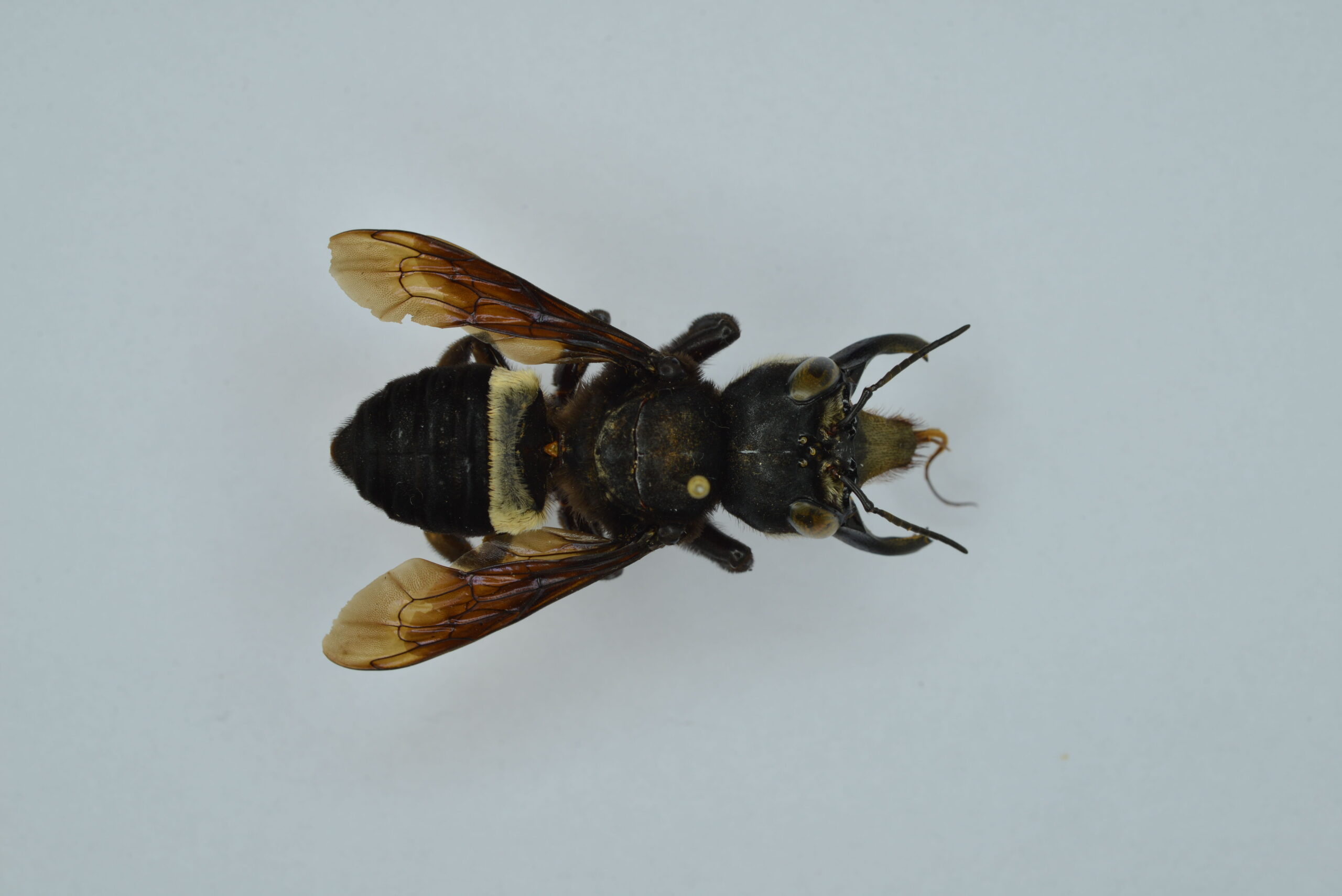
Most people assume insects go extinct quietly and stay that way, but this one proved otherwise in spectacular fashion. Wallace’s giant bee is the world’s largest bee – a big, black, wasp-like insect roughly as long as an adult’s thumb, named after naturalist Alfred Russel Wallace, who first described the species in the 1850s. For decades, entomologists assumed it had simply vanished.
The last confirmed specimen was spotted in 1981, meaning an entire generation of scientists grew up believing the bee was gone for good. It’s roughly four times larger than a typical European honeybee, which makes its decades of successful hiding even stranger. In January 2019, a team retraced Wallace’s original route through Indonesia and found a single female nesting inside an active termite mound, tucked into a tree several feet off the ground. It was photographed, documented, and released – proof that a species can disappear from scientific record for nearly four decades without ever actually disappearing from the planet. And the next case is even stranger: a bird nobody could even prove existed as its own species.
Fast Facts
- Wallace’s giant bees are approximately the size of a human thumb with a wingspan of approximately 2.5 inches and a body of 1.5 inches, four times the size of an average honeybee
- Female Wallace’s giant bees have large, stag-beetle-like mandibles and are nearly twice the size of their male counterparts, who measure just under an inch
- In 1858, during his legendary explorations of the Indonesian archipelago, Wallace documented the species on Bacan Island
- Builds its nest inside active, occupied termite mounds rather than hollow trees or burrows
#12 – The Black-Browed Babbler: Missing for Over a Century and a Half
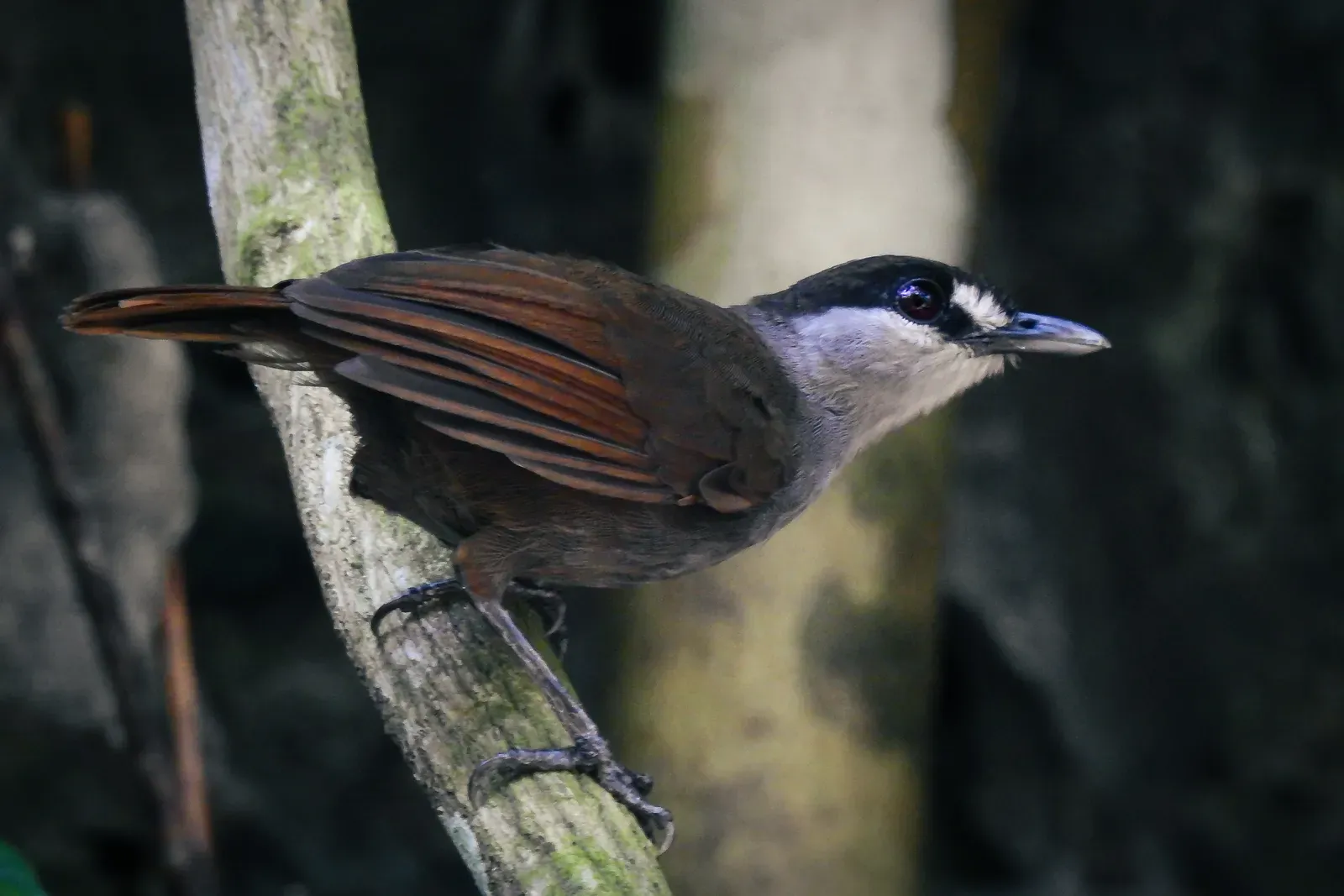
This bird disappeared so completely that some ornithologists questioned whether it had ever really existed as its own species. Native to Indonesian forests, the black-browed babbler was known only from a single 19th-century museum specimen for generations – one dusty skin, no living reference point, no photographs.
It reappeared after a 170-year hiatus, stunning the birding community when local researchers photographed a living individual that matched the century-old skin sitting in a European museum drawer. No scientist alive had ever seen this bird before its rediscovery. The find wasn’t the result of a funded expedition – it came from local villagers who trapped an unfamiliar bird and shared photos online, which eventually reached specialists who confirmed the identification. That’s part of why researchers now argue citizen science, not formal expeditions, may be the real key to finding “extinct” species. Compared to what’s coming next, though, a 170-year gap is almost modest.
#11 – The New Guinea Big-Eared Bat: Hiding in Plain Sight
![#11 - The New Guinea Big-Eared Bat: Hiding in Plain Sight ([1], CC BY-SA 4.0)](https://nvmwebsites-budwg5g9avh3epea.z03.azurefd.net/dinoworld/2780e685574cf36d8939c9c40d0c408e.webp)
Sometimes a species isn’t extinct – it’s just been misidentified by everyone who ever crossed its path. The New Guinea big-eared bat, endemic to Papua, doesn’t look much different from other bat species at a glance, with the main differences being ear size, nostril skin, and a subtly curved nose.
It was observed just once, in 1890, and was presumed extinct until 2012, when researchers studying the effects of logging on microbats accidentally caught one in their nets. This bat may have been flying past scientists for over a century without anyone realizing it. What makes the case unsettling for conservationists is how accidental the discovery was – nobody was hunting for this specific bat. Many biologists now argue this proves dozens of other “extinct” small mammals could be living undetected simply because nobody is looking in the right forest, at the right time, with the right nets. Next up, a species that wasn’t just overlooked – it was formally declared extinct in the scientific record.
#10 – The Negros Naked-Backed Fruit Bat: Declared Extinct, Then Found in a Cave
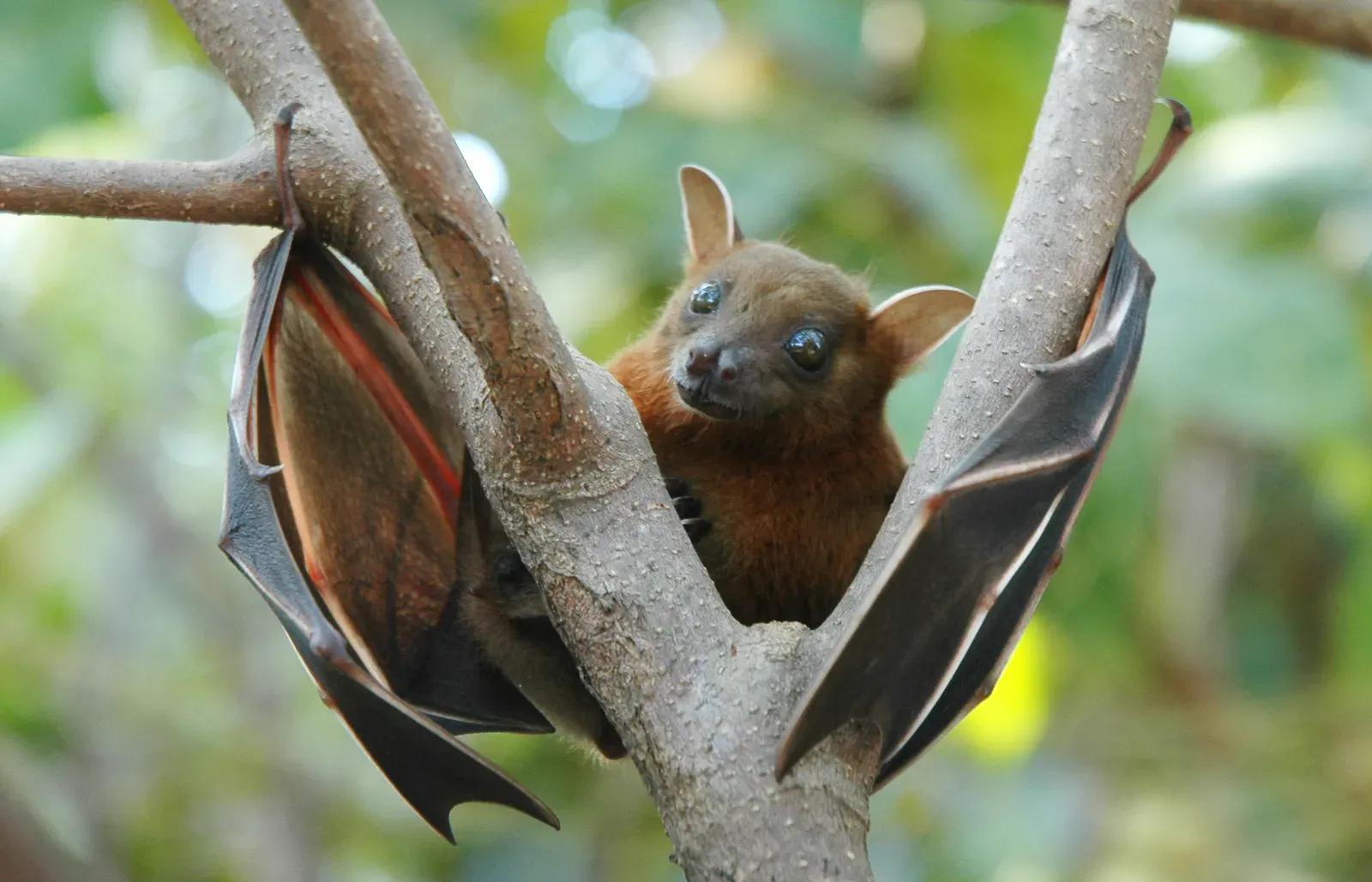
Losing an entire species’ habitat to sugarcane fields sounds like a death sentence – and for decades, everyone assumed it was. This large bat was once so abundant that its enormous piles of guano were mined and sold as fertilizer.
The species was declared extinct in 1996, since none had been seen since 1964. Its decline was driven partly by hunting for meat, but mainly by sugarcane plantations replacing the forests where the bats foraged for fruit. A species that once produced mineable amounts of waste vanished so thoroughly that scientists gave up looking. Then, five years after the official extinction declaration, the story flipped – the bat was rediscovered in 2001. But some of its habitat on Cebu and Negros islands remains unprotected, so it’s still threatened. Many conservationists argue that celebrating comebacks like this too loudly is actually dangerous – it creates a false sense that the crisis is over when the surviving population might be smaller than a single neighborhood block. Only five years of “extinction” is nothing, though, compared to what’s next: a bird missing for a century and a half.
#9 – The New Zealand Storm-Petrel: A Ghost Bird for 150 Years
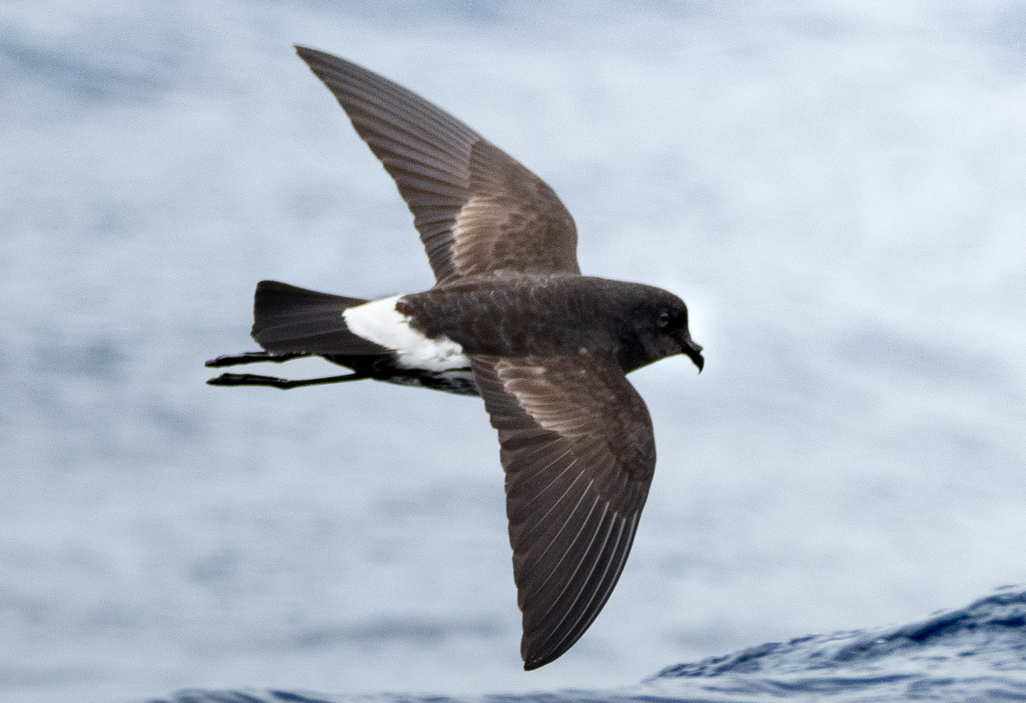
Picture a bird known to science only from two dead specimens collected in the 1800s, with zero living sightings for a century and a half. After a couple of specimens were collected in 1827 and another later that century, the lack of any further records led the ornithological world to assume the species had gone extinct.
Then, in the early 2000s, birdwatchers spotted something strange fluttering over the waves near Auckland. The black-and-white petrel was rediscovered near the Mercury Islands in the Hauraki Gulf in 2003, though confirming its identity took years of genetic detective work – samples from the 150-year-old museum skins had to be matched against blood drawn from the living birds. The breeding grounds of this “extinct” bird stayed hidden until researchers finally located a colony on Little Barrier Island in 2013, nearly two centuries after the last confirmed specimen. Some experts believe the population survived precisely because predator-control programs on nearby islands quietly gave the species room to recover without anyone noticing. That 150-year gap looks almost brief next to what’s waiting in the mountains of New Guinea.
#8 – The Wondiwoi Tree Kangaroo: Ninety Years Without a Single Confirmed Sighting
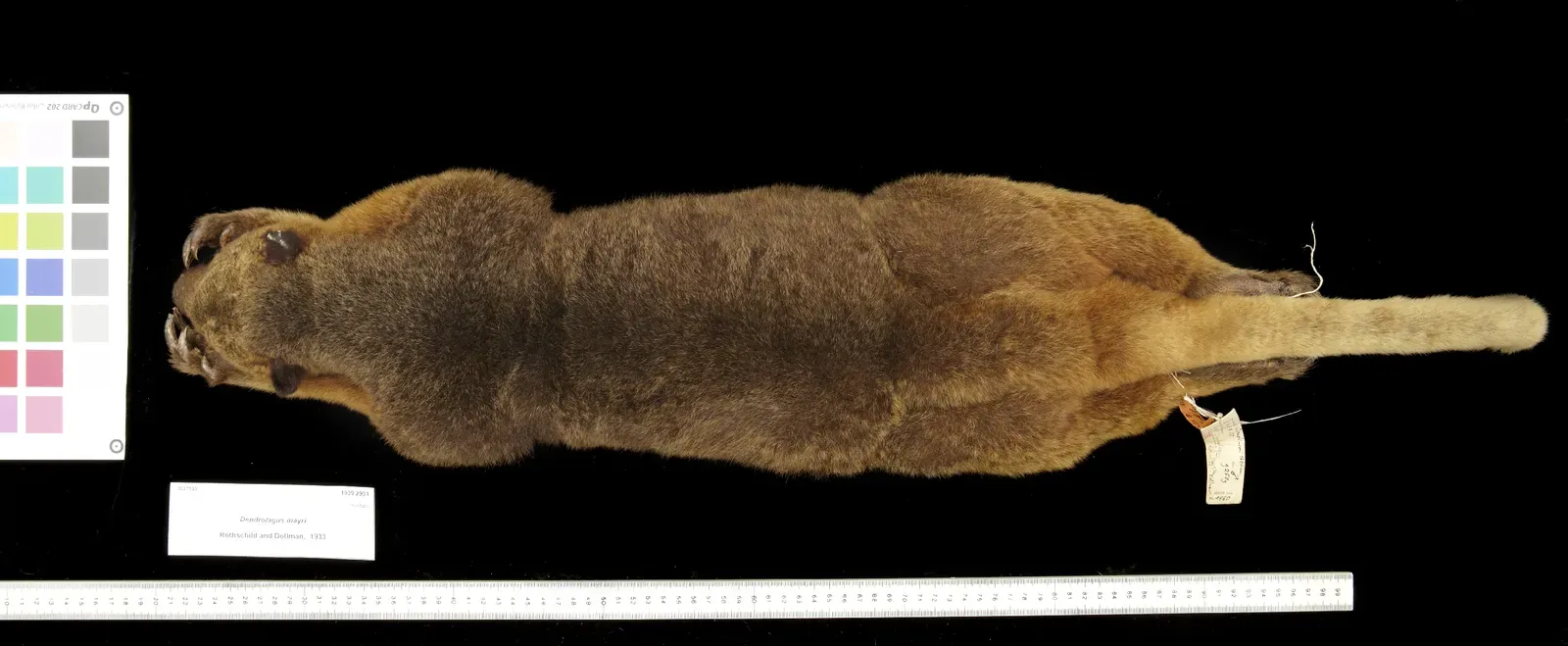
Tree kangaroos already sound like a myth to most people who’ve never seen one – an animal that looks like it wandered out of a fever dream, climbing trees in the mountains of New Guinea. The Wondiwoi tree kangaroo took that myth-like status even further.
Having been MIA for 90 years, its rediscovery stunned primatologists and conservationists who assumed the isolated mountain population had died out decades earlier. Ninety years is longer than most human lifespans, meaning generations of local communities grew up without a single verified sighting. Part of the reason lies in the terrain itself – the Wondiwoi Peninsula’s mountains are notoriously difficult to access, with dense cloud forest and steep, unstable slopes that discourage even determined researchers. Many biologists now argue the region likely holds several more “extinct” species simply because expeditions there are too expensive, too dangerous, and too rare. An even more confident extinction declaration is about to get overturned next.
#7 – The Jamaican Iguana: From “Certainly Extinct” to Zoo Breeding Programs
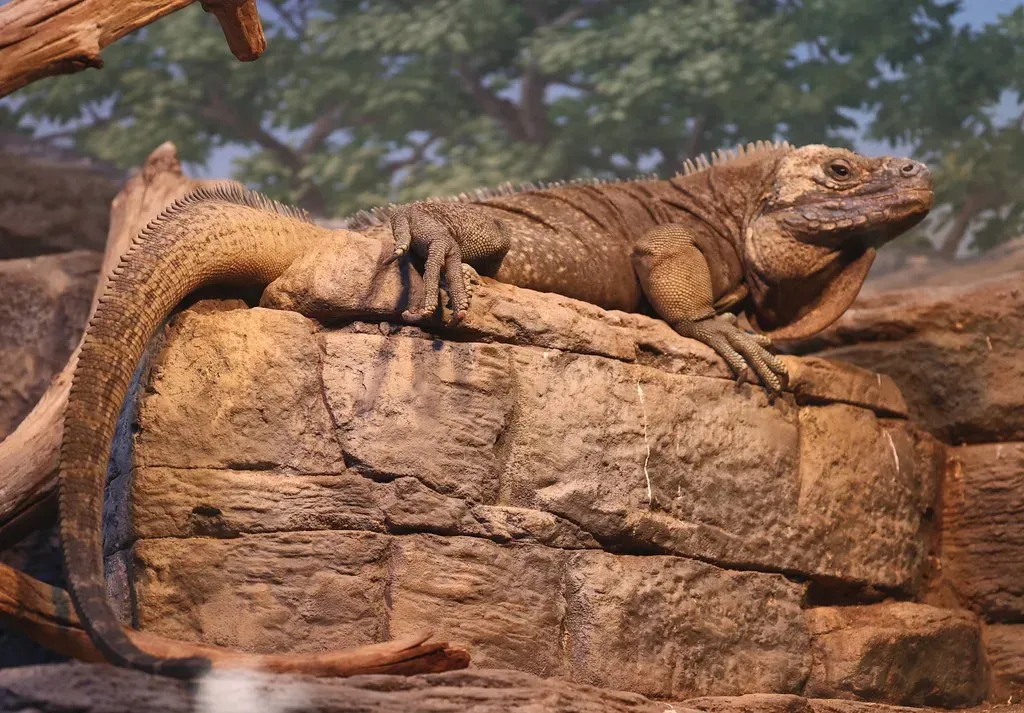
Few animals have bounced back from a more confident extinction declaration than this reptile. Scientists considered the Jamaican iguana functionally gone by the mid-20th century, a victim of introduced mongooses, cats, and habitat clearing that devastated the island’s dry forests.
The species was so thoroughly written off that field guides listed it in the past tense for decades. A pig hunter, not a scientist, is credited with the discovery that turned everything upside down, stumbling onto a living population in Jamaica’s Hellshire Hills in the early 1990s. That accidental encounter triggered one of the most intensive reptile conservation programs in the Caribbean, involving captive breeding, headstart programs for hatchlings, and aggressive predator control. The population remains critically small and fragile, but it exists – a direct contradiction of decades of confident scientific consensus. Many herpetologists now cite this case as the strongest argument against declaring any species extinct without exhaustive, repeated ground searches. Nothing compares, though, to three centuries of presumed extinction – which is exactly what’s next.
Quick Compare: How Long Were They “Gone”?
- Negros Naked-Backed Fruit Bat: about 5 years officially extinct
- Wallace’s Giant Bee: 38 years missing from science
- Jamaican Iguana: presumed gone for most of the 20th century
- New Zealand Storm-Petrel: roughly 150 years
- Coelacanth: an almost unbelievable 66 million years
#6 – The Bermuda Petrel: Presumed Gone for Roughly 300 Years
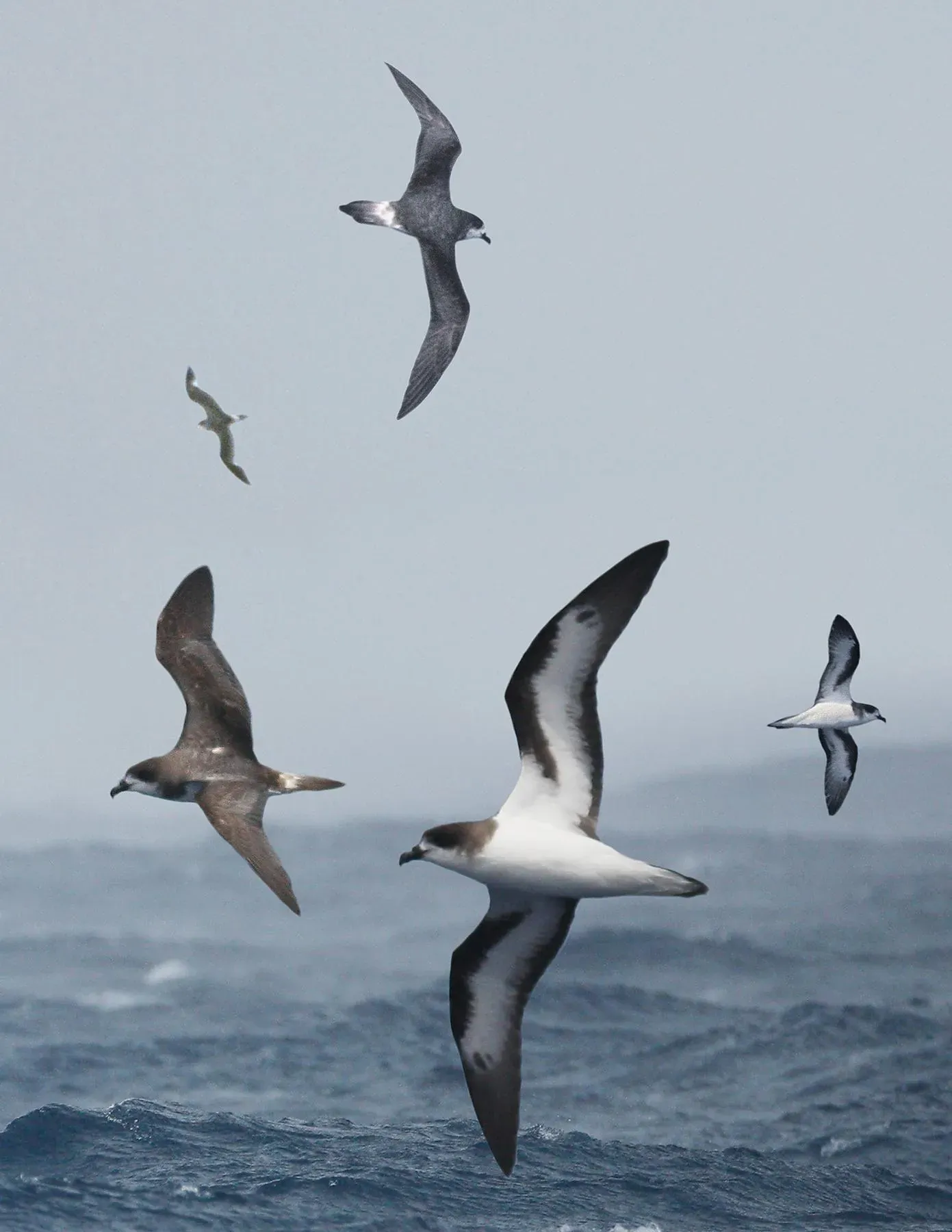
If you want to understand how wrong “extinct” can be, this bird is the gold standard. Also known as the cahow, the Bermuda petrel was hunted to apparent oblivion by early European settlers and the invasive species they brought with them, and it disappeared from the scientific record for centuries.
Naturalists treated it as a historical curiosity, a species known only through old written accounts and fossilized bones dug out of Bermuda’s limestone caves. Nobody expected a living population to still exist after nearly three centuries of silence. Then, in the mid-20th century, researchers located a tiny surviving colony nesting on a handful of remote rocky islets around Bermuda – so small that a single storm or predator introduction could have wiped it out entirely. Decades of intensive, hands-on conservation work, including artificial nesting burrows and predator-proof fencing, have since pulled the species back from the edge. Three hundred years of silence is a long time – but next is one man’s fifteen-year obsession with a bird most people had already given up on.
#5 – The Australian Night Parrot: A Century of Silence, Then One Photograph
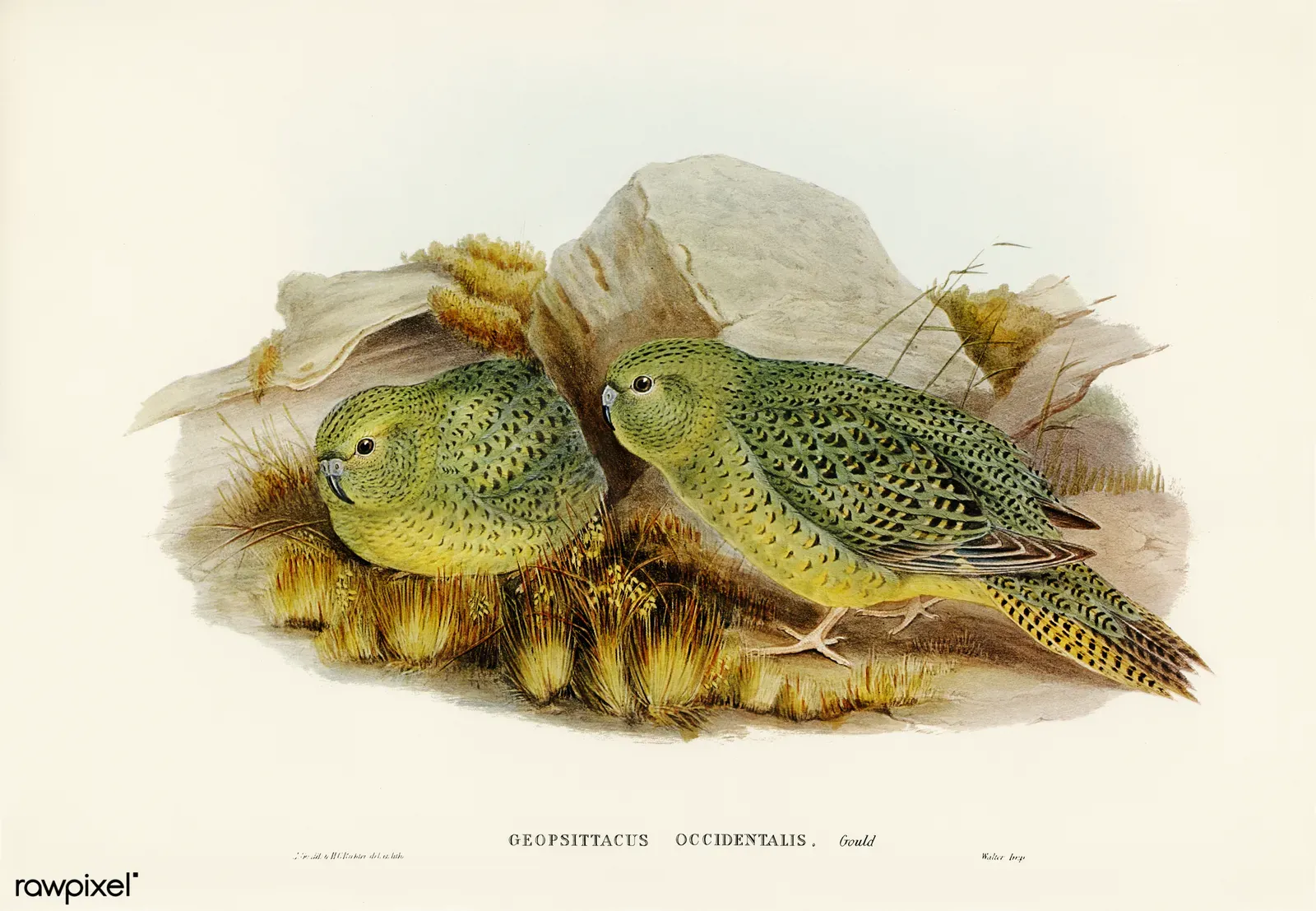
Australian ornithologists spent generations treating this bird as a national legend rather than a living animal. Night parrots are classed as endangered and their population number is still unknown – elusive, but no longer presumed extinct.
For over a century, the species existed mostly as a rumor, backed by nothing but occasional dead specimens found on roadsides. One dedicated naturalist spent 15 years chasing a bird most experts assumed was gone forever. Naturalist John Young was finally rewarded in 2013 when he photographed a live night parrot, a century after the last one was recorded. The discovery wasn’t without controversy – some of Young’s evidence was questioned, and in March 2019 the Australian Wildlife Conservancy removed some of the new records. This is where opinions genuinely split: some scientists view the saga as a triumph of persistence, while others argue it shows how easily excitement can outrun rigorous verification. Both things can be true at once. Next up might be the most dramatic single rediscovery of the past decade – and it happened almost entirely by luck.
#4 – The Fernandina Giant Tortoise: Lost for 113 Years, Found by Accident
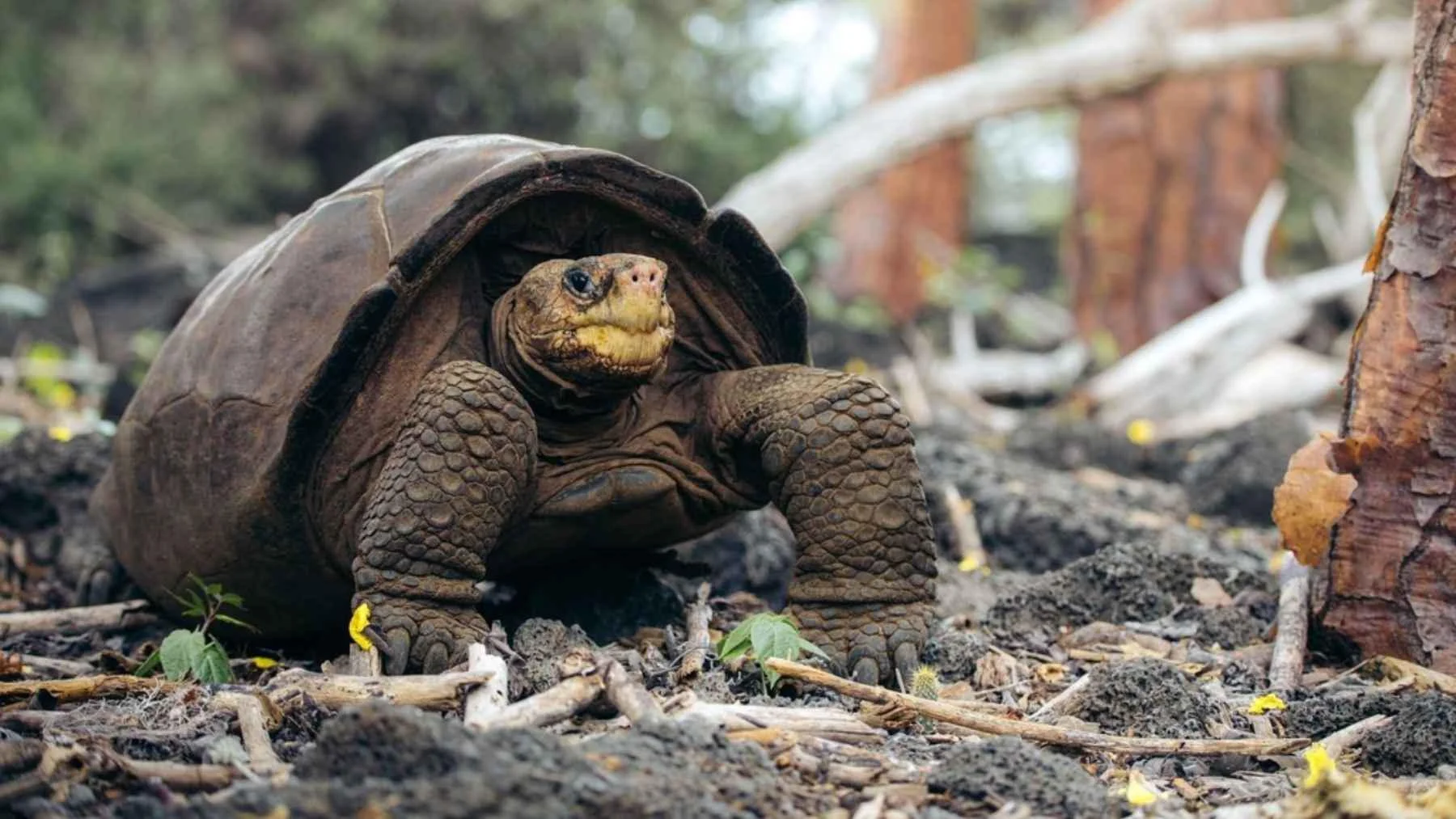
This is arguably the most dramatic single-animal rediscovery of the past decade. The Fernandina giant tortoise was last confirmed alive in 1906, and scientists assumed repeated volcanic eruptions on Fernandina Island had wiped out the population entirely, since no living individual had been documented in over a century of searching.
When a research team finally found a lone tortoise on the island, they were confident it was the “lost” species – but confidence isn’t proof. Genetic testing eventually proved the discovery was real, not wishful thinking. By sequencing the genomes of both the living individual and the century-old museum specimen, and comparing them to the other 13 known species of Galápagos giant tortoises, researchers confirmed the two Fernandina tortoises were genetically distinct from every other lineage. Researchers have since found tracks and scat suggesting two or three more tortoises may still be hiding on the island. Still, nothing compares to a debate that’s currently splitting scientists in real time – and it’s coming up next.
#3 – The Ivory-Billed Woodpecker: Officially Extinct, Unofficially Filmed on Drones
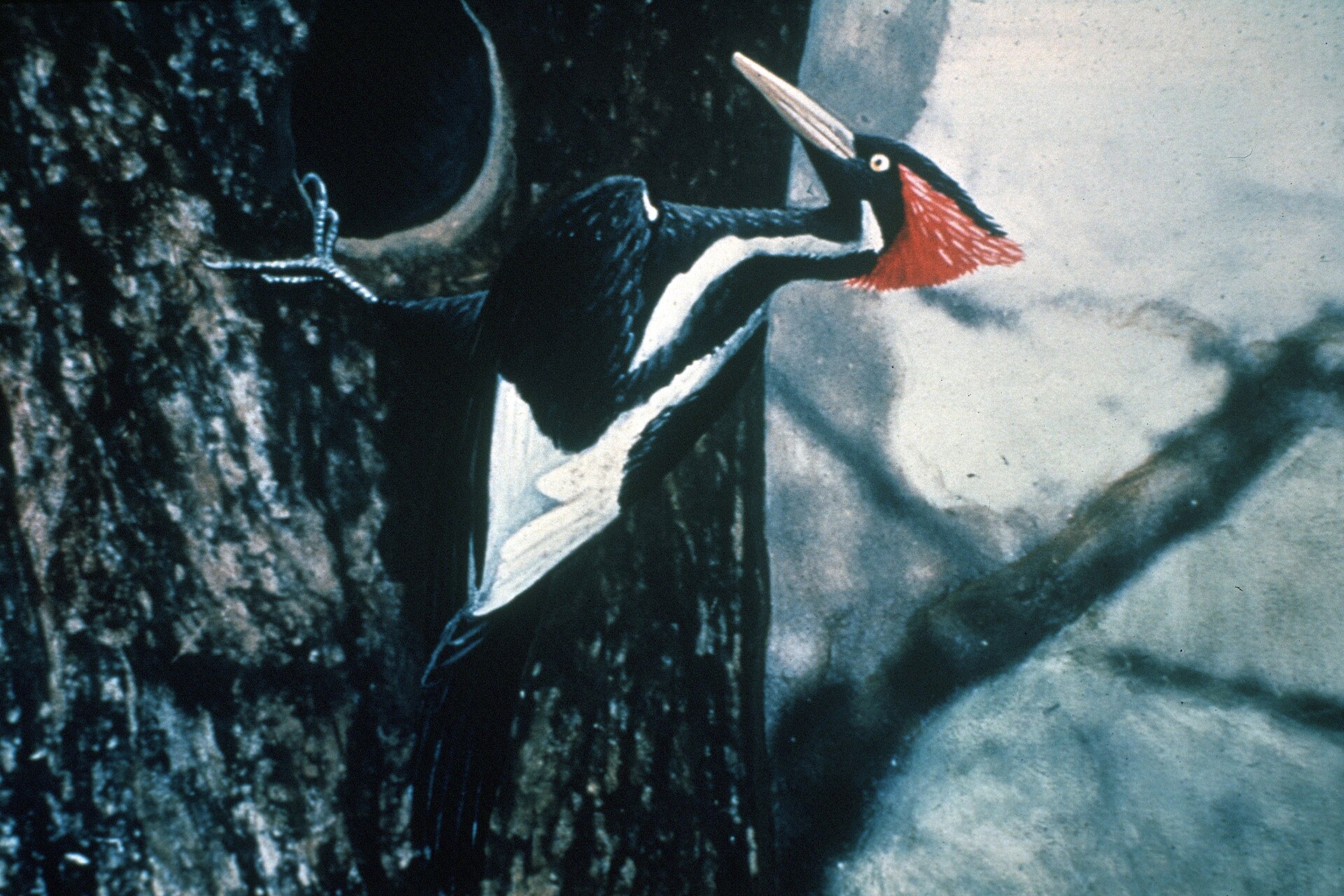
Few extinction debates have gotten more heated – or more genuinely uncertain – than this one. When Fish and Wildlife declared 21 species extinct in 2023, the ivory-billed woodpecker was notably absent from that list, with the agency saying it would keep analyzing evidence before deciding whether to officially delist the bird.
A research team from the National Aviary and Project Principalis spent years searching, and using trail cameras and drone footage, accumulated evidence that at least three ivory-billed woodpeckers are living in the bottomland forests of a Louisiana study site. A director of conservation who witnessed the bird firsthand described being visibly shaken afterward. Steven C. Latta, director of conservation at the National Aviary, who led the search, watched a bird fly up at an angle for six to eight seconds and said afterward he was surprised and visibly shaking. Not everyone is convinced – a 2024 paper argued the woodpecker is extinct, though critics say it falls short by failing to address the strongest evidence for persistence. This is one of the rare cases where reasonable scientists on both sides are still arguing in peer-reviewed journals in real time. Even that pales against an animal whose extinction date keeps getting pushed decades into the future – that’s next.
“It flew up at an angle and I watched it for about six to eight seconds, which was fairly long for an ivory-billed woodpecker.”
Steven C. Latta, National Aviary
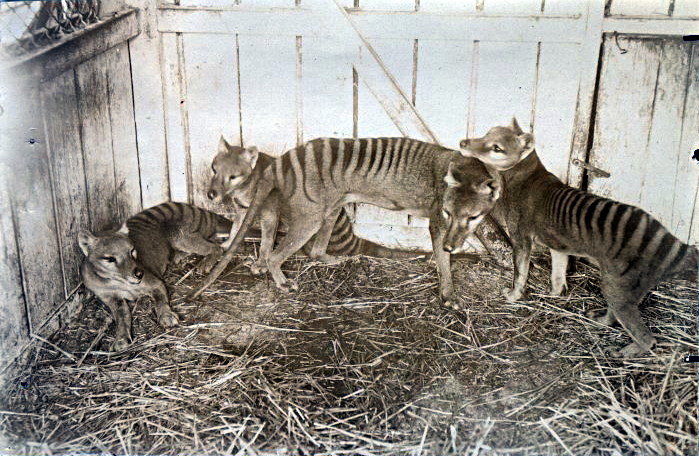
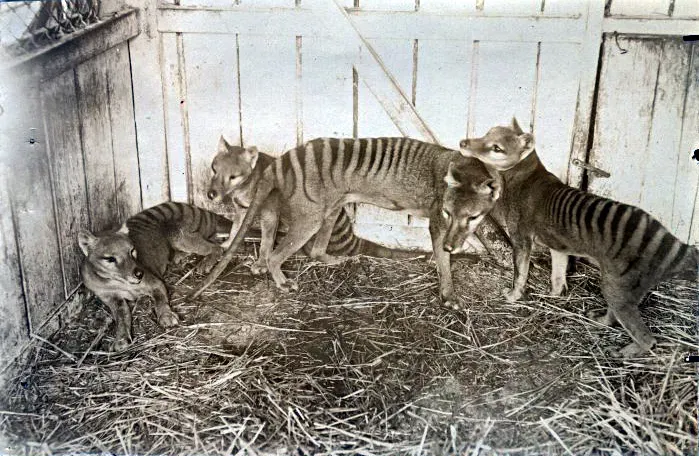
#2 – The Thylacine: Tasmania’s “Extinct” Tiger That Won’t Fully Disappear
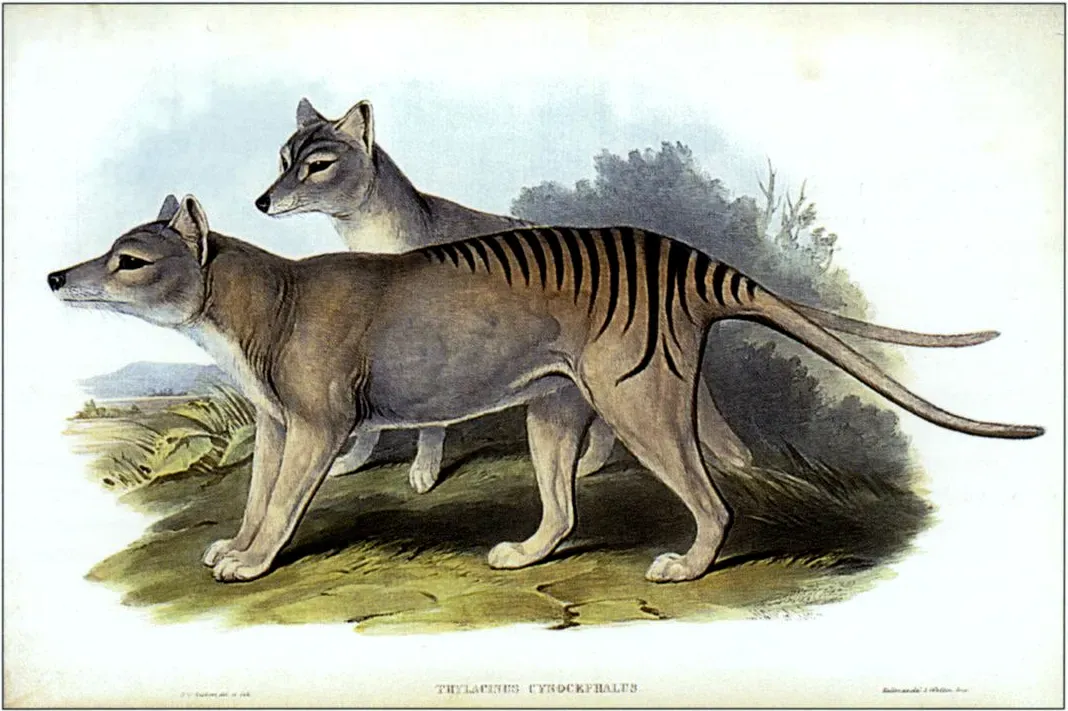
Most textbooks list 1936 as the year this animal vanished forever, but new data has quietly pushed that date decades into the future. The Tasmanian tiger, or thylacine, most likely went extinct in the late 1990s or early 2000s, according to research using more than 1,200 records of sightings and physical evidence collected between 1910 and 2019 by scientists at the University of Tasmania.
That’s not a typo – some models push the extinction date more than 60 years past the death of the last captive individual. There’s even a “tiny possibility” that thylacines still inhabit Tasmania today, according to the study’s lead author. Not every expert buys it, and the disagreement is genuinely fierce. One epigeneticist working on thylacine gene-editing has argued that a decade of camera traps says it simply isn’t there anymore, and that the hypothesis might have held up 10 or 15 years ago but not now. The study analyzing those 1,237 sightings was published in the journal Science of the Total Environment. This is one of the few extinct-animal debates where the disagreement is genuinely between credentialed scientists, not skeptics versus true believers. But nothing – nothing – compares to a comeback spanning 66 million years, which is exactly what’s waiting at #1.
#1 – The Coelacanth: “Extinct” for 66 Million Years, Then Caught in a Fishing Net
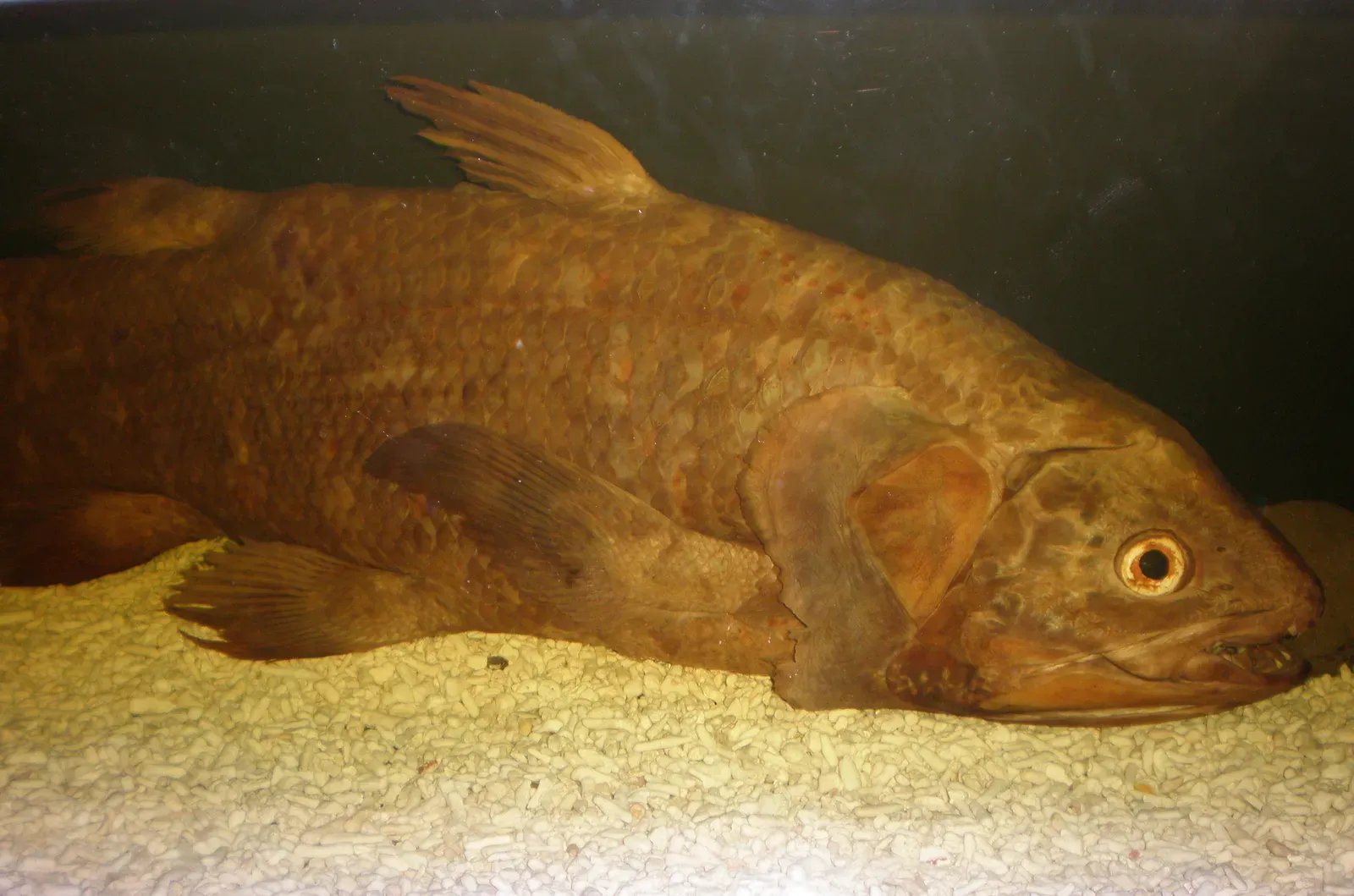
Nothing on this list compares to the sheer scale of this comeback, because nothing else was presumed dead for tens of millions of years. The coelacanth was thought to have gone extinct alongside the dinosaurs, known only from fossils and treated as a textbook example of a prehistoric lineage completely wiped out by the mass extinction event that ended the Cretaceous.
Then, in 1938, one was pulled up in a fishing net off the coast of South Africa. A fisherman’s ordinary catch accidentally overturned one of paleontology’s most confident conclusions. The story didn’t end there – another coelacanth was caught in 1998 off the coast of Indonesia, proving not one but two living species of an animal thought to have died out millions of years ago had survived. Sixty-six million years is longer than the extinction gap of every other animal on this list combined, several times over. If a fish that old could stay hidden from science for that long, the honest, humbling truth is that “extinct” may never be as final as it sounds.
Why It Stands Out
- Presumed extinct for roughly 66 million years – since the age of dinosaurs
- First modern specimen caught off South Africa in 1938
- A second, genetically distinct living population confirmed off Indonesia in 1998
- Two living species now recognized, not just a single surviving relic
The Bottom Line
Here’s the uncomfortable truth this list keeps proving: science declares extinction with far more confidence than the evidence actually supports. From a fish missing for 66 million years to a woodpecker still sparking peer-reviewed shouting matches, the pattern repeats itself – thin data, understandable pessimism, then a sighting that upends everything.
Some of these cases are settled fact. Others, like the thylacine and the ivory-billed woodpecker, remain genuinely unresolved, and that uncertainty is exactly what makes them fascinating. My honest take? Every “extinct” label deserves an asterisk until someone has actually searched every inch of the habitat – which almost never happens. Which animal do you think is still out there, hiding? Drop your pick in the comments.